Michelin Star Restaurants in Dubrovnik: What to Expect
Dubrovnik's dining scene has grown into one of the strongest on the Adriatic, and travellers arrive with a fair question: can you eat at a Michelin star restaurant here? This guide separates what the Michelin Guide actually says from what the rumour mill claims, then covers the tables, prices and bookings that matter.
Short answer
The Michelin Guide covers Croatia and inspects Dubrovnik restaurants each year, but star status changes with every annual edition, so check the guide's current selection before you plan a trip around one. Either way, the city's top kitchens, its food walks from $165.64 and its Konavle wine tastings deliver a genuinely fine dining holiday.
Does Dubrovnik Have Michelin Star Restaurants?
Dubrovnik sits inside the Michelin Guide's Croatia coverage, and its restaurants are inspected like anywhere else in the country, but whether any individual table holds a star in a given year is a moving target: the guide reissues its selection annually and stars are won, retained and lost between editions. Plan around the current selection, not around a blog post you read two years ago.
I get this question more often than almost any other food question, and the honest answer has two layers. The first layer is that Croatia has been in the Michelin system for years now, with starred tables concentrated in Zagreb and on the Istrian coast, and Dubrovnik's own restaurants appear in the guide's recommended and Bib Gourmand tiers, which are the guide's way of saying a kitchen is worth a special trip without awarding it a star. The second layer is that star announcements land once a year, and a restaurant that held a star last edition may not hold one this edition. If a starred dinner is the centrepiece of your trip, the only reliable move is to read the guide's own current Croatia selection and book from there.
What I can tell you with confidence is that the underlying quality is real. Dubrovnik's best kitchens work with an enviable raw larder: Adriatic fish landed at the port in Gruž, oysters and mussels from nearby Ston, olive oil and Plavac Mali from the Pelješac peninsula and the Konavle valley just inland. The technical standard across the city's top tables is high enough that a meal without a star attached is rarely a compromise. Our fuller treatment of the question, updated for the current edition, lives at does Dubrovnik have a Michelin star restaurant.
There is also a framing trap worth avoiding. Travellers sometimes book a "Michelin restaurant" in Dubrovnik only to discover the listing meant a restaurant mentioned somewhere in the guide's recommendation lists, not a starred one. The guide's own tiers, from recommended through Bib Gourmand to one, two and three stars, are distinct honours, and a reservation site's marketing copy will blur them every time. Ask the restaurant directly which recognition it holds if it matters to you.
Are There Any Michelin Star Restaurants in Dubrovnik This Year?
The short answer is that the guide's Croatia selection is the single source of truth, it is reissued each year, and any article that names this year's starred tables without pointing you to that selection is guessing. What does not change year to year is the shape of Dubrovnik's fine-dining scene: a small number of serious tasting-menu kitchens, most of them inside or steps from the Old Town, booked out far ahead in peak season.
The practical reality of eating at the top of Dubrovnik's scene has less to do with stars than with arithmetic. The walled Old Town is small, 24.7 hectares of UNESCO-inscribed ground, and the number of tables that can seat a full tasting service each evening is limited by the medieval buildings themselves. Demand, on the other hand, is enormous: the destination recorded about 4.2 million overnight stays in 2025, sharing first place among Croatian destinations with Rovinj, according to the Croatian Bureau of Statistics. A few thousand of those nights belong to people who want the best table in town on a Saturday in July.
That mismatch is why I tell visitors to treat a top Dubrovnik dinner like a theatre ticket. Decide before you fly, book the moment reservations open, and have a second choice ready. The kitchens that fill fastest are the small tasting-menu rooms with a handful of covers per service, and they are also the ones most likely to appear in the guide's recommendations. Walk-in fine dining exists here in the shoulder months, in April, May, late September and October, but in July and August it is largely a myth.
One more honest note on expectations. A starred meal in Dubrovnik, wherever the guide currently places one, will be built on Croatian produce cooked with modern technique, and the wine list will lean hard on local Plavac Mali and Pošip. If what you actually want is a plate of the day's fish grilled simply with olive oil and a carafe of house white, that experience lives in the konobas, and our guide to where locals eat in Dubrovnik covers it properly. Both are legitimate ways to eat well here.
How Do You Book a Fine-Dining Table in Dubrovnik Without Missing Out?
Book four to eight weeks ahead for peak season, two to three weeks for May, June and September, and a few days ahead for the shoulder months; tasting-menu kitchens with limited covers often open bookings a month or more out, and the best Saturday slots in July and August go within days. Confirm 48 hours before, and tell the kitchen about allergies when you book, not at the door.
The booking rhythm follows the cruise calendar more than most visitors realise. Dubrovnik's port handled 625,257 cruise passengers in 2025, and the Port Authority's own statistics show the peak months were September at 101,246 and October at 100,132, ahead of July's 96,072 and August's 87,385. September is therefore the cruellest month for restaurant availability: perfect weather, the full summer menus still running, and the highest cruise traffic of the year all at once. If you are coming in September, book earlier than you think you need to.
A sensible booking timeline looks like this:
| When you visit | When to book a top table | Realistic walk-in chances |
|---|---|---|
| July and August | 6 to 8 weeks ahead | Very low for tasting menus |
| September | 6 to 8 weeks ahead | Very low; busiest cruise month |
| June | 3 to 4 weeks ahead | Moderate midweek |
| May and October | 2 to 3 weeks ahead | Good midweek, fair weekends |
| April and November | A few days to a week | Good most evenings |
| December and winter | Same week | High, some kitchens close |
Two practical notes from walking these streets daily. First, many of the best small kitchens close for a winter break, so a December fine-dining trip should confirm openings before you commit to dates. Second, if your heart is set on one specific celebrated room, check whether it takes bookings by phone only; several of Dubrovnik's older establishments still do, and an email into a generic inbox can sit unread for a week in high season.
What Does a Fine-Dining Meal in Dubrovnik Actually Cost?
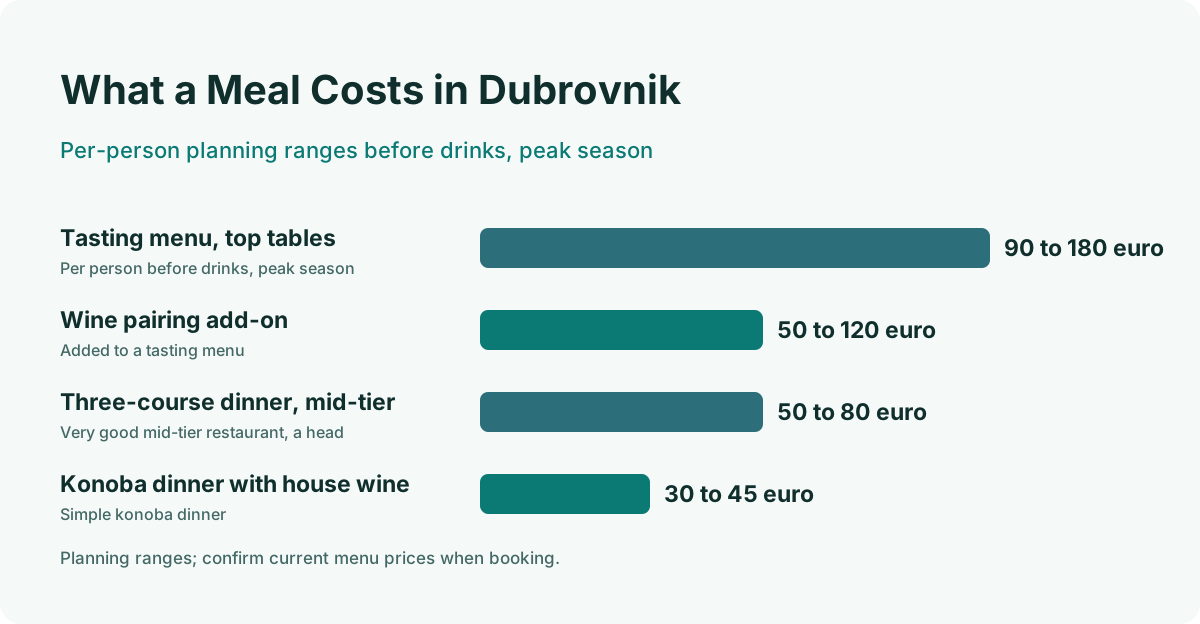
Expect tasting menus at the city's top tables to run roughly 90 to 180 euro per person before drinks in peak season, with wine pairings adding 50 to 120 euro; a three-course à la carte dinner at a very good mid-tier restaurant runs about 50 to 80 euro a head, and a simple konoba dinner with house wine lands around 30 to 45 euro. These are planning ranges, always confirm the current menu price when you book.
Dubrovnik has a justified reputation for being expensive, and dinner is where it shows first. But the spread between the tiers is wide, and knowing where each one sits lets you build a trip that has one blowout night and several excellent cheap ones rather than five mediocre expensive ones. The ranges above are what I would budget for a couple in main season; December prices run softer, and some kitchens offer shorter lunch menus at a meaningful discount to the evening tasting price. The wider set of guides lives on Things to Do in Dubrovnik.
| Dining tier | Planning range per person | What you get |
|---|---|---|
| Top tasting-menu kitchens | 90 to 180 euro | Multi-course menu, often with Croatian wine pairing available |
| Upscale à la carte | 50 to 80 euro | Three courses, quality local fish and meat |
| Good konoba dinner | 30 to 45 euro | Grilled fish or peka, house wine, no ceremony |
| Casual Old Town lunch | 15 to 25 euro | Pasta, pizza or a sandwich plate with a drink |
The value logic of a fine-dining splurge here is different from Paris or London. What you are paying for is produce that travelled almost nowhere: the fish likely came through Gruž that morning, the oysters from Ston, an hour up the coast, and the oil and wine from valleys you can visit in an afternoon. If you want to see that supply chain with your own eyes before you pay tasting-menu prices for it, our guide to Ston oysters and the Pelješac peninsula explains the trip.
One cost trap worth naming: cover charges and bread are usually itemised separately in Croatia, and a bottle of water is always a paid item, so the printed menu price is not the final number. Nobody is cheating you; it is simply how Croatian restaurant billing works. Check the itemised bill rather than the headline total.
Which Food Experiences Rival a Starred Meal in Dubrovnik?
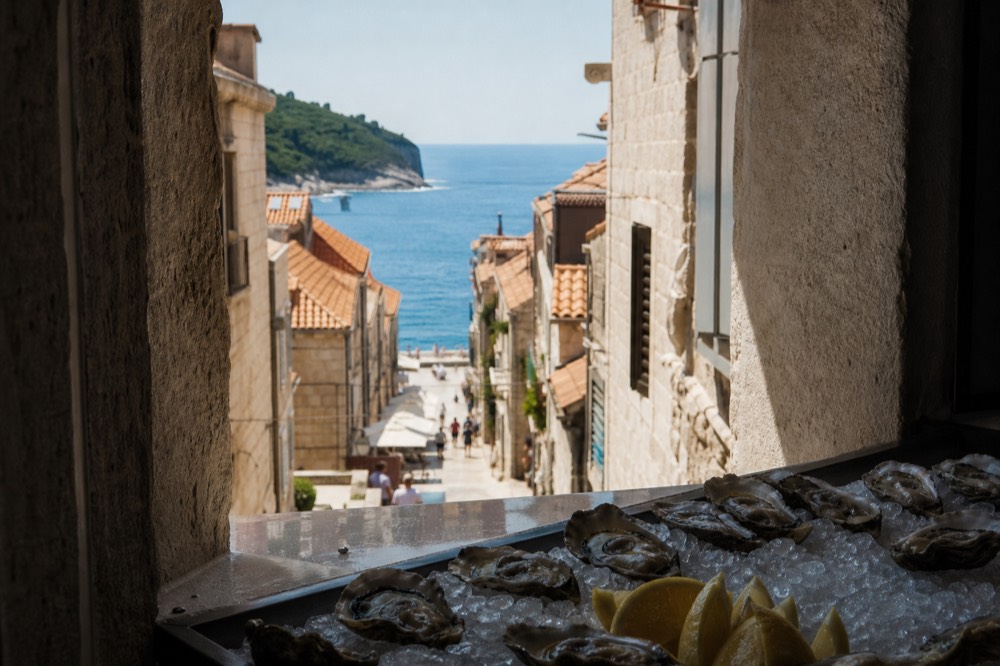
The strongest rivals to a tasting menu are the guided food and drink walk with a local guide, from $165.64 per person and rated 5 across 704 reviews, and a raw oyster lunch in Ston; each one buys you something a dining room cannot, which is the story, the producer and the walk between stops, and together they can carry a food-focused trip even without a single starred reservation.
The food and drink walking tour deserves a special mention because of what it does to the rest of your trip. It runs about 3 hours with a local guide, moves through the Old Town with food and wine at every stop, and finishes with the kind of dinner recommendations that take locals years to accumulate. Bryan_M, in a review on the live listing, put it better than I could:
Amazing food tour! Marija was a great guide, full of stories and facts that really brought Dubrovnik to life. The food was delicious, and generous. Wines at every stop. Would highly recommend this tour to anyone visiting Dubrovnik, especially to help get your bearings of the city and know where to go for dinner!
Bryan_M
That last sentence is the whole point. A starred dinner is a closed room; a food walk is a map you can eat. Book the walk on your first evening and the fine-dining reservation for your third or fourth night, and every casual meal in between gets sharper because you know which alley hides the good konoba. You can also Check availability alongside the details on our food tour guide page.
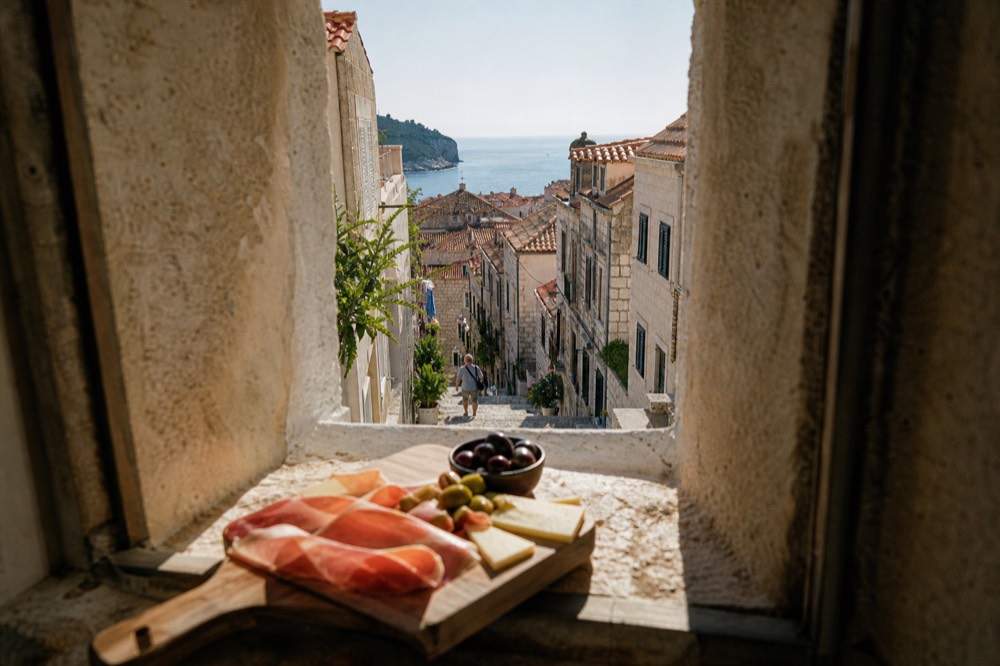
Is a Konavle Wine Tasting Worth Booking From Dubrovnik?
It is the single most efficient way to understand the local glass.**
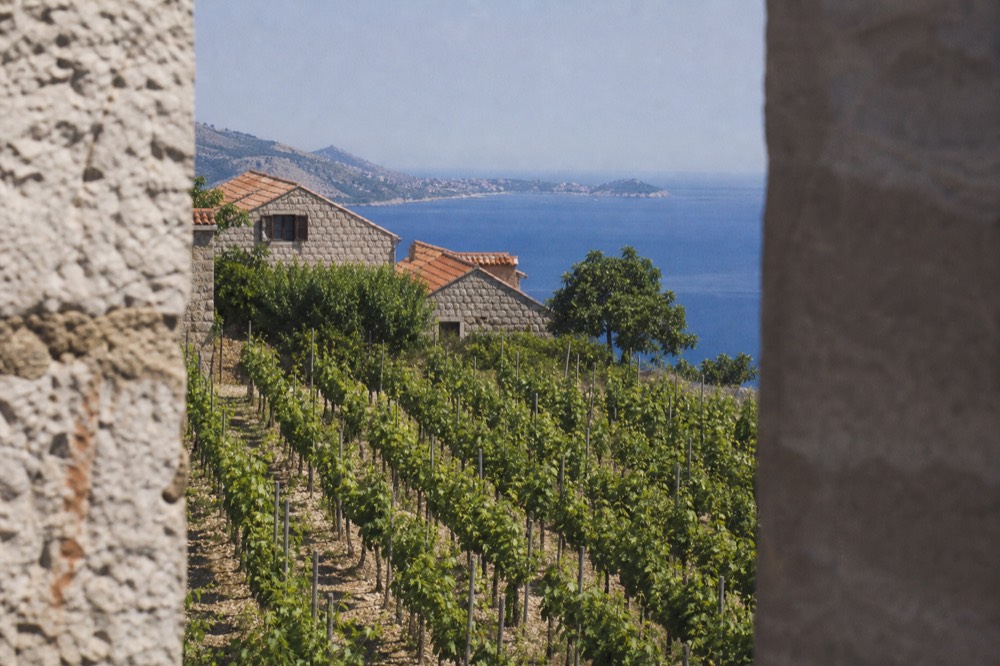
Konavle is Dubrovnik's kitchen garden and vineyard rolled into one green valley, and the tour that goes there is a study in contrast with the Old Town: no crowds, no stone staircases, just small producers pouring their own wine and explaining the vintages. Our longer treatment of the region's bottles is in the guide to Dubrovnik wine tasting.
The tasting-fee economics are worth spelling out. Cellar tastings in the region usually run 15 to 40 euro per person for a flight of three to five wines, often with a small food plate; check the room when you arrive, because fees vary by producer and by flight. Buying a bottle at the cellar is almost always cheaper than the same bottle on a restaurant list, and most producers will ship or at least bubble-wrap for the flight home.
| Wine experience | Planning cost per person | Time needed |
|---|---|---|
| Independent cellar tasting in Konavle | 15 to 40 euro | 1 to 2 hours per cellar |
| Old Town wine bar evening | 10 to 20 euro per glass | Flexible |
| Restaurant wine pairing with dinner | 50 to 120 euro | Part of the meal |
When Is the Best Time of Year for a Food-Focused Trip?
Late May, June and early October are the sweet spots: the full summer menus are running, the sea is warm enough for a swim between meals, and the crushing September cruise peak has either not arrived or just passed. September has the best weather of all but it is also the single busiest cruise month of the year, with 101,246 cruise passengers recorded in 2025, ahead of July and August.
That September and October outrank July and August for cruise traffic is the most counter-intuitive fact in Dubrovnik's calendar, and it comes straight from the Port Authority's own statistics. The full monthly picture for 2025:
| Month 2025 | Cruise passengers | What it means for dinner |
|---|---|---|
| May | 84,107 | Busy but bookable |
| June | 82,642 | Busy but bookable |
| July | 96,072 | Book well ahead |
| August | 87,385 | Book well ahead |
| September | 101,246 | Book earliest; peak month |
| October | 100,132 | Book ahead; second peak |
The counting system behind those crowd forecasts is worth knowing about. Six counters at every Old Town entrance update a headcount every 15 minutes, and the official carrying capacity from the UNESCO assessment is 11,275 people; on one early-September morning the count climbed from 5,419 at 08:00 to a 7,739 peak at 10:00. Those numbers say the Old Town is at its fullest between 10:00 and noon, which is precisely why locals eat dinner late: the kitchens are calmest after 20:00, when the day-trip tide has receded. Aim your fine-dining reservation at 20:00 or later and you get the room at its best.
How Do You Build a Fine-Dining Day Around the City Walls?
Walk the walls first thing at 08:00 when the operator opens, spend the early afternoon on the water or at a wine bar, rest, and hold your dinner reservation for 20:00 or later; the walls ticket is 40 euro in main season and covers Fort Lovrijenac too, and the admission-only product from $36.37 lets you lock the time slot while a guided walls walk adds the history.
The sequencing matters more than visitors expect. The walls circuit is 1,940 metres of stone staircase with almost no shade, and doing it at midday before a long dinner is a recipe for sleeping through the amuse-bouche. The operator's stated hours at time of check ran 08:00 to 19:30, and the first hour is the cool, quiet one. A real morning count read 5,419 people inside the Old Town at 08:00 against a 7,739 peak at 10:00, so the early start buys you both weather and space.
| Walls ticket | Main season, 1 March to 30 November | December |
|---|---|---|
| Adult | 40 euro | 20 euro |
| Child 7 to 18 | 15 euro | 5 euro |
| Under 6 | free | free |
The 40-euro adult ticket is the walls plus Fort Lovrijenac combination, and it also covers the Western Outer Wall, closed December through February, and the Collection of Coins of the Republic of Ragusa. There is no family ticket, only adult and child 7 to 18, per the operator's own webshop. If you would rather skip the queueing arithmetic entirely, the admission product below bundles the ticket with a chosen time:
After the walls, the day writes itself. Swim at a beach in the early afternoon while the Old Town is at its most crowded, take a slow late-afternoon drink, and arrive at dinner hungry and vertical. Our one day in Dubrovnik itinerary runs the same logic for the whole city.
What Should You Eat in Dubrovnik Beyond the Fine-Dining Rooms?
Build the trip around the dishes the top kitchens themselves draw on: Ston oysters, grilled Adriatic fish, black risotto, peka cooked under a bell, Konavle greens and Plavac Mali by the glass; eat them simply in a konoba midweek and interpreted at a tasting-menu kitchen on your splurge night, and you will understand the city's food from both ends.
The through-line is that Dubrovnik's fine dining is not imported technique applied to anonymous produce, it is the konoba canon refined. A black cuttlefish risotto you eat for 20 euro at a family table on Tuesday is the same dish a top kitchen deconstructs on Friday. Our guide to what to eat in Dubrovnik walks the full canon, and the local food answer page covers the short list for a short trip.
A few ordering notes that hold across the city. Fish is usually priced by the kilo in konobas, so ask the weight and the price before it hits the grill. Peka, meat or octopus slow-cooked under a burning bell of embers, typically needs ordering hours ahead or the day before, because it cannot be rushed for a walk-in. And the house wine, especially in Konavle-run places, is frequently better value than anything by the bottle from the middle of the list.
If the goal of your trip is really to understand this food rather than only to be served it, the cooking class route is the third pillar alongside the food walk and the wine tasting: a peka cooking lesson runs about 4 hours and teaches the one dish you can actually reproduce at home. Between the walk, the cellar and the kitchen, you will leave knowing Dubrovnik's food in a way no single dinner, starred or not, can manage on its own.
Common Questions About Michelin Star Restaurants in Dubrovnik
Does Dubrovnik have Michelin star restaurants?
The Michelin Guide inspects Dubrovnik restaurants as part of its Croatia coverage, but star status changes with each annual edition, so the guide's own current selection is the only reliable answer. The city's top kitchens regularly appear in the guide's recommended tiers and hold their own against starred tables elsewhere in Croatia.
Are There Any Michelin Star Restaurants in Dubrovnik Right Now?
Check the guide's current Croatia selection before planning around a specific table, because stars are awarded, retained and lost between annual editions. What is stable is the scene itself: a small number of serious tasting-menu kitchens in and around the Old Town, booked out well ahead in July, August and September.
How Far Ahead Should You Book a Top Restaurant in Dubrovnik?
Book four to eight weeks ahead for July, August and September, two to three weeks for May, June and October, and a few days ahead in the shoulder months. September needs the earliest booking of all, because it is the busiest cruise month of the year at 101,246 passengers in 2025.
What Does a Fine-Dining Meal Cost in Dubrovnik?
Plan on roughly 90 to 180 euro per person for a tasting menu at the top tables before drinks, with pairings adding 50 to 120 euro. An upscale three-course à la carte dinner runs about 50 to 80 euro, and a good konoba dinner with house wine lands around 30 to 45 euro. Always confirm current prices when you book.
What Is the Best Alternative to a Starred Meal in Dubrovnik?
The food and drink walking tour with a local guide, from $165.64 and rated 5 across 704 reviews, is the strongest rival: it delivers the city's food story across multiple stops and ends with dinner recommendations you can use all week.
When Is the Best Month for a Food Trip to Dubrovnik?
Late May, June and early October combine full summer menus, warm sea and manageable crowds. September has the best weather but also the highest cruise traffic of the year, so it rewards the earliest restaurant bookings. Winter is quiet and cheap, though some fine-dining kitchens close for a break.