Free Things to Do in Dubrovnik
Dubrovnik has a reputation for emptying wallets, but a surprising amount of the city costs nothing at all: the Old Town streets, the swimming, the viewpoints, and three free walking tours that locals run on a pay-what-you-want basis.
Short answer
The best free things to do in Dubrovnik are wandering the Old Town's UNESCO-listed streets, swimming at beaches outside the walls, watching sunset from free viewpoints, visiting churches that charge no entry, and joining a pay-what-you-want walking tour on GuruWalk, where the top-rated free Game of Thrones and history walk holds 4.74 across 444 reviews.
Free Things to Do in Dubrovnik
Dubrovnik recorded about 4.2 million overnight stays in 2025, sharing first place among Croatian destinations with Rovinj, and most of those visitors leave convinced the city is expensive. It can be. The City Walls ticket alone is 40 euro in main season, and a single cocktail on the Stradun can sting. But here is what I tell friends who ask: the part of Dubrovnik most people come for, the limestone streets, the light off the stone, the sea from every gap in the walls, is completely free to walk through. You only pay when you climb, sail, or sip.
This guide is the honest version. I have walked these streets professionally since 2015, and I know exactly where the free experiences end and the paid ones begin, which free tours are genuinely free, and which "free" attractions quietly are not. There is also a section on what not to do, because the fastest way to blow a budget in Dubrovnik is a mistake, not a ticket.
What Is Free in Dubrovnik?
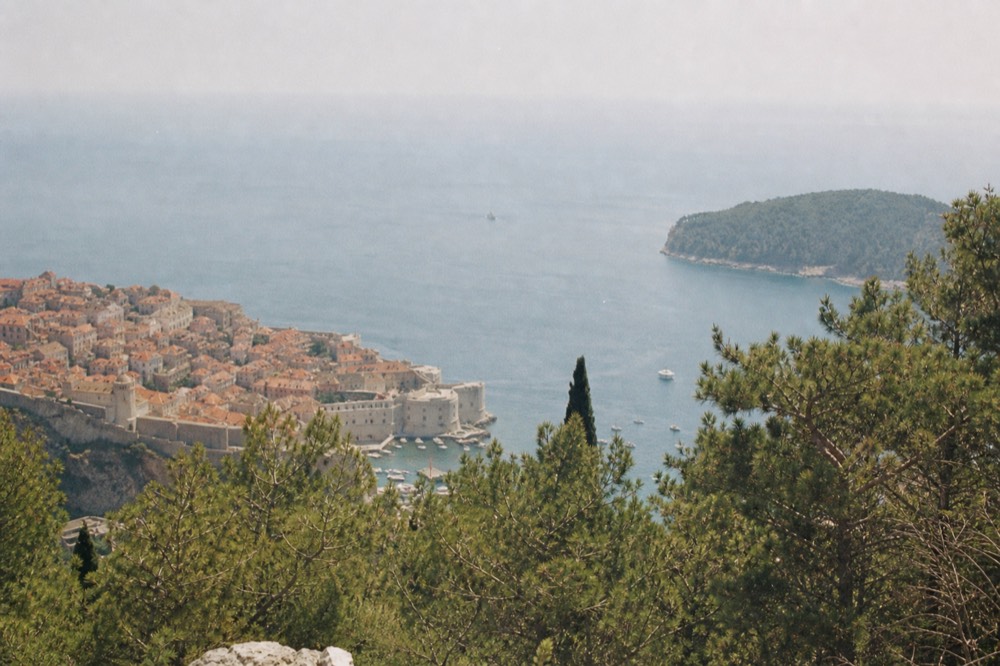
A great deal of Dubrovnik is free: the entire UNESCO-listed Old Town street network, every church that does not run a museum, the beaches at and beyond the walls, the harbour and its boat traffic, the view from the Pile and Ploče gates, and three pay-what-you-want walking tours. What costs money is anything that climbs, crosses water, or enters a curated space, so the walls, the cable car, Lokrum, and most museums are all paid.
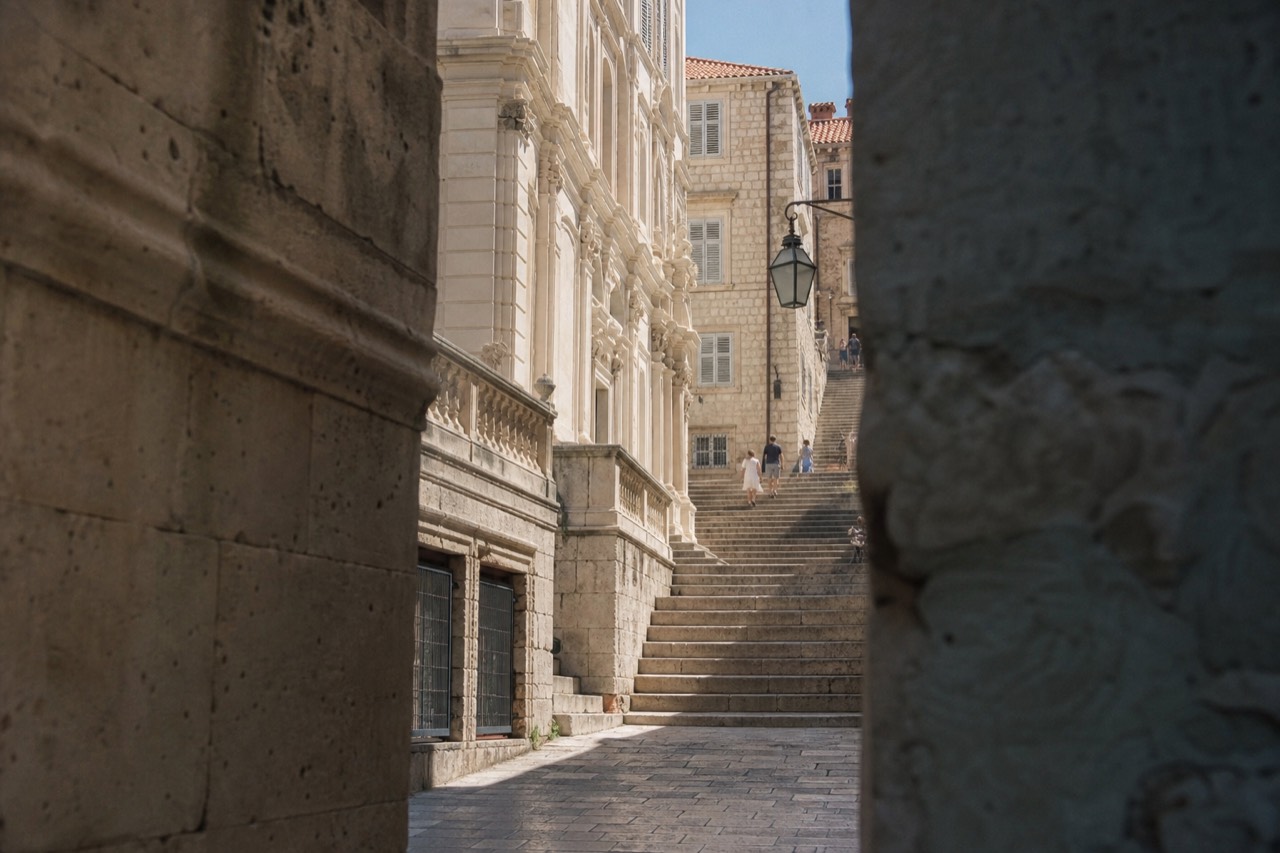
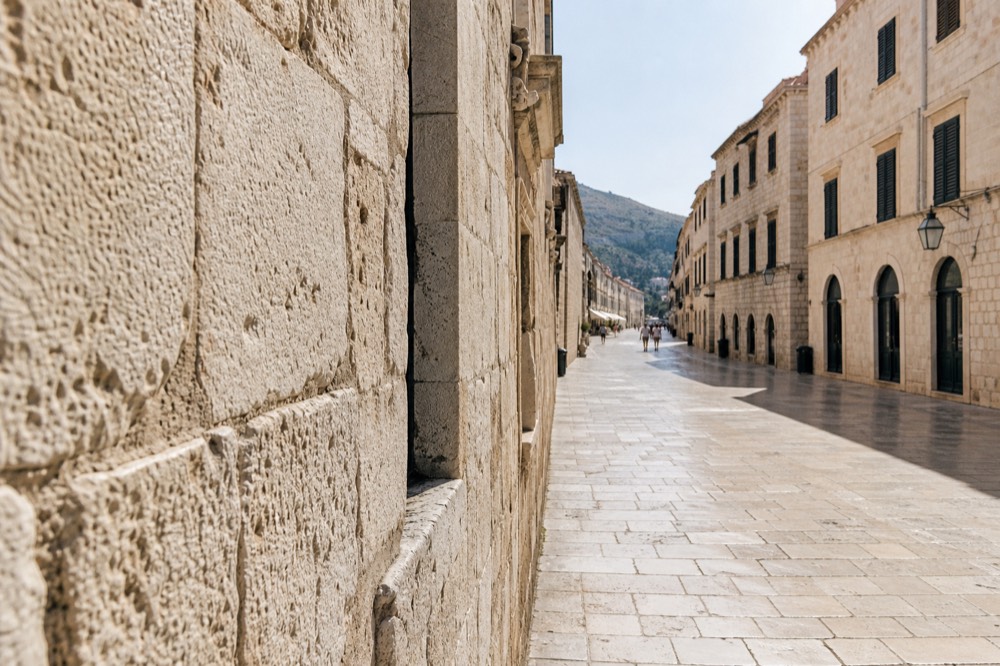
Start with the arithmetic of the place. The Old City was inscribed by UNESCO in 1979 under criteria (i)(iii)(iv), covering a property area of 24.7 hectares with an 1,188.6-hectare buffer zone, and every metre of that street grid is open to walk without a ticket. The Stradun itself is 298 metres long, and the 1272 Statute fixed the final plan of both the city and its main street, which is why the lane widths feel so deliberate. You can spend a full morning on the side streets off the Stradun, the staircases climbing toward the Jesuit steps, the quiet corners behind the cathedral, and spend nothing but shoe leather.
The free list is longer than most guidebooks admit. Here is the honest breakdown of what costs nothing and what does not:
| Free | Paid |
|---|---|
| Walking the entire Old Town street grid | City Walls circuit, 40 euro main season |
| Beaches inside and near the city | Lokrum Island, 30 euro including boat |
| Free/pay-what-you-want walking tours on GuruWalk | Guided paid walks from $20 per person |
| Viewpoints from the gates and cliffs | Cable car round trip, 30 euro adult |
| Working churches with no museum | Rector's Palace and most museums |
| The harbour, the piers, the sunset itself | Sunset cruises from $23.66 per person |
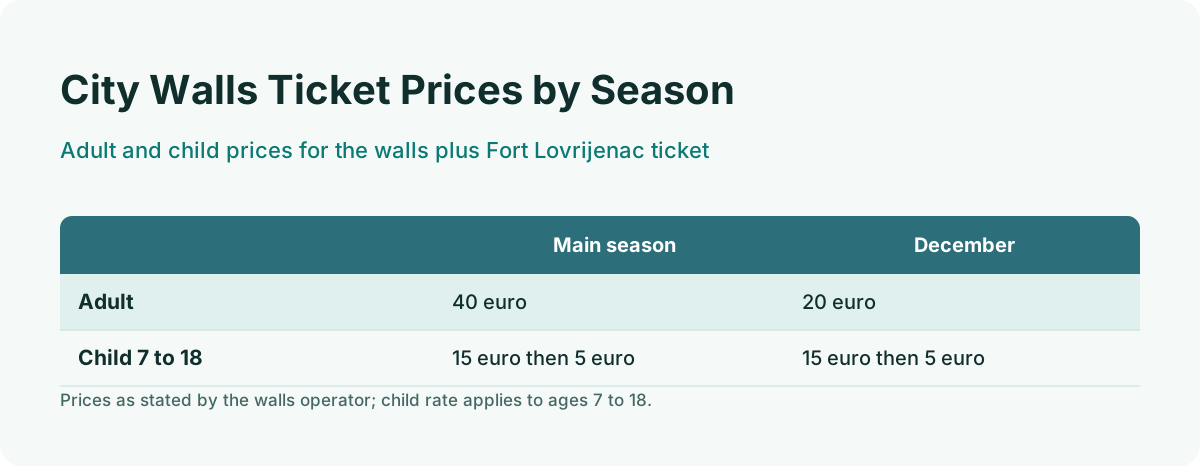
Two clarifications matter. First, the walls price is a seasonal figure: 40 euro covers 1 March to 30 November, and in December the adult ticket drops to 20 euro, with child 7 to 18 at 15 euro then 5 euro, and under 6 free. Second, the 40 euro ticket is actually the walls plus Fort Lovrijenac combination, so if you buy it you are buying two monuments. If you want the details on that, read how much it costs to walk the walls, and if you are weighing the pass, the Dubrovnik Pass guide breaks down every tier.
The beaches deserve their own paragraph because visitors consistently underestimate them. The sea around Dubrovnik is swimmable for months of the year: the long-run September average for this coast is about 23.6 degrees, and August averages 25.8, figures from a NOAA 1991 to 2020 open-water climatology rather than a beach thermometer, so sheltered bays often read warmer. You can swim at beaches reachable on foot from the Old Town without paying a kuna for access, though sunbeds and cafes are another matter. Our beaches guide covers which stretch suits which kind of swimmer.
Timing is the free traveller's best tool. Those counter numbers mean the Old Town is emptiest before 08:00, which is exactly when the light on the limestone is best anyway. If you want the streets nearly to yourself, be at Pile Gate by 07:00. The full picture of crowd timing is in our guide to the best time to visit Dubrovnik.
What Are the Top Things to Do in Dubrovnik?
The top things to do in Dubrovnik are the City Walls circuit, the Old Town streets and the Stradun, the cable car to Mount Srđ, Lokrum Island, a sea kayaking session around the walls, and the island cruises to the Elaphiti chain. Three of those need tickets, but the free and pay-what-you-want walking tours cover the Old Town's stories at no fixed cost, and the beaches and viewpoints round out the rest.
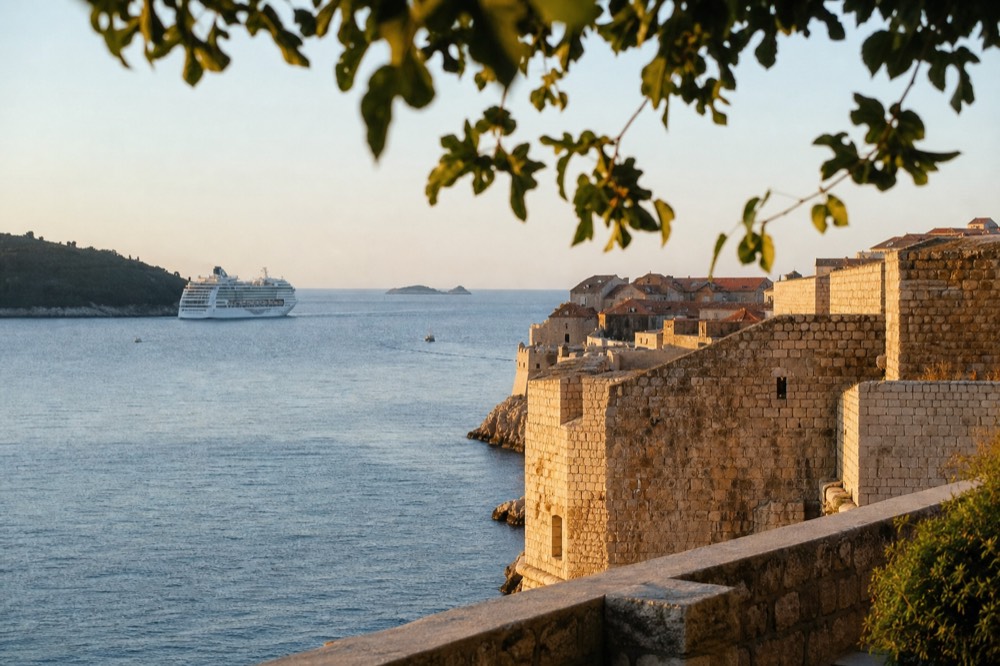
Let me be straight about the hierarchy. If you only do one paid thing, make it the walls: 1,940 metres of circuit, up to 25 metres high, with 16 towers, 3 fortresses and 6 bastions along the way, a defensive system that reached its shape in the 13th century and was finished in 1660 with the Bastion of St Stephen, according to the walls' own operator. The operator's stated hours at time of check were 08:00 to 19:30. Everything else on the paid list is optional. The full case for and against is in is the walls walk worth it.
But this page is about the free tier, and the free tier has a genuine highlight: the pay-what-you-want tours. There are three on GuruWalk in Dubrovnik, and they are the honest budget option because the model is transparent, you pay the guide what you think the walk was worth at the end, nothing up front. The strongest for most first-time visitors is the Free tour Game of Thrones & the history of Dubrovnik, run by Pasos por Dubrovnik, which runs 1 hour and 30 minutes and is rated 4.74 across 444 reviews. It does double duty: the filming locations and the real history behind them, which is the correct order to learn this city.
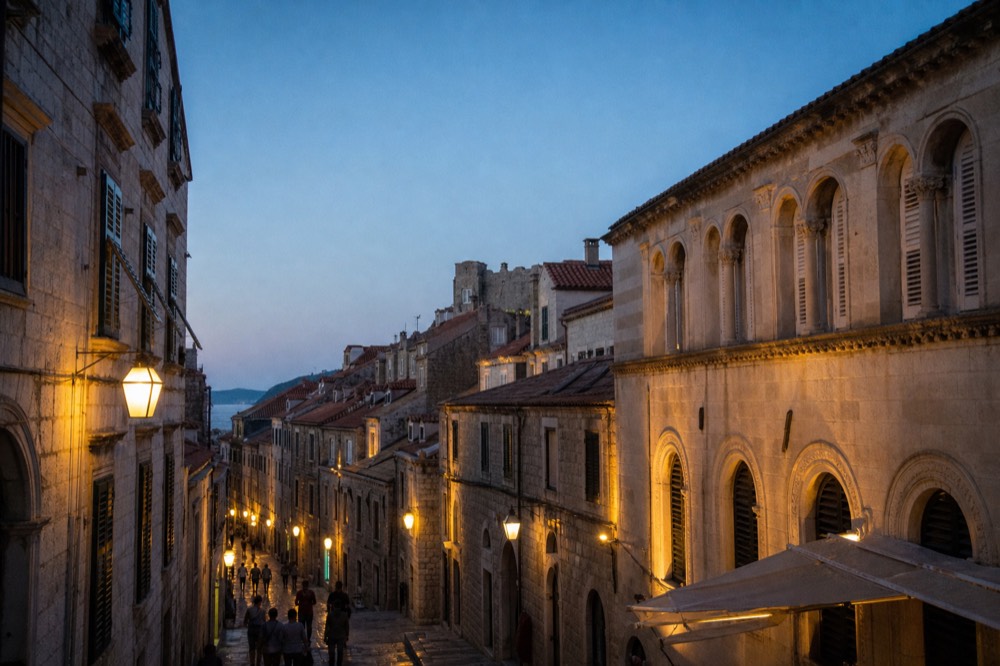
The night option is a different animal. Magical Dubrovnik Nights: History and Legends! runs 1 hour and 45 minutes, is rated 4.9 across 288 reviews, and covers the city's darker stories after dark, when the day crowds have drained out and the lanes belong to the lamps. A free evening walk with a local storyteller is one of the best value-for-nothing experiences in Croatia, and on a hot summer night it beats a sweaty afternoon circuit of anything. The third free walk, Ancient Old City, Finest tour of Dubrovnik, runs 1 hour and 45 minutes and carries a 4.87 rating across 2,242 reviews, so you are spoiled for choice.
For context, the paid alternative starts low: the cheapest paid Old Town walk starts at $20 per person, rated 4.8 across 5,826 reviews, so the free tours are not a compromised version of a paid product, they are a parallel tradition. If you decide you want a fixed itinerary with a licensed guide and a set fee, the walking tours guide compares every option in the city, and the free-tour landscape specifically is covered in our free walking tour guide.
Beyond tours, the top free experiences stack up like this:
| Free experience | Time needed | Best time |
|---|---|---|
| Old Town streets and staircases | 2 to 3 hours | Before 08:00 or after 19:00 |
| Free Game of Thrones and history walk | 1 hour 30 minutes | Early evening |
| Swimming at city beaches | Half day | Morning, before crowds |
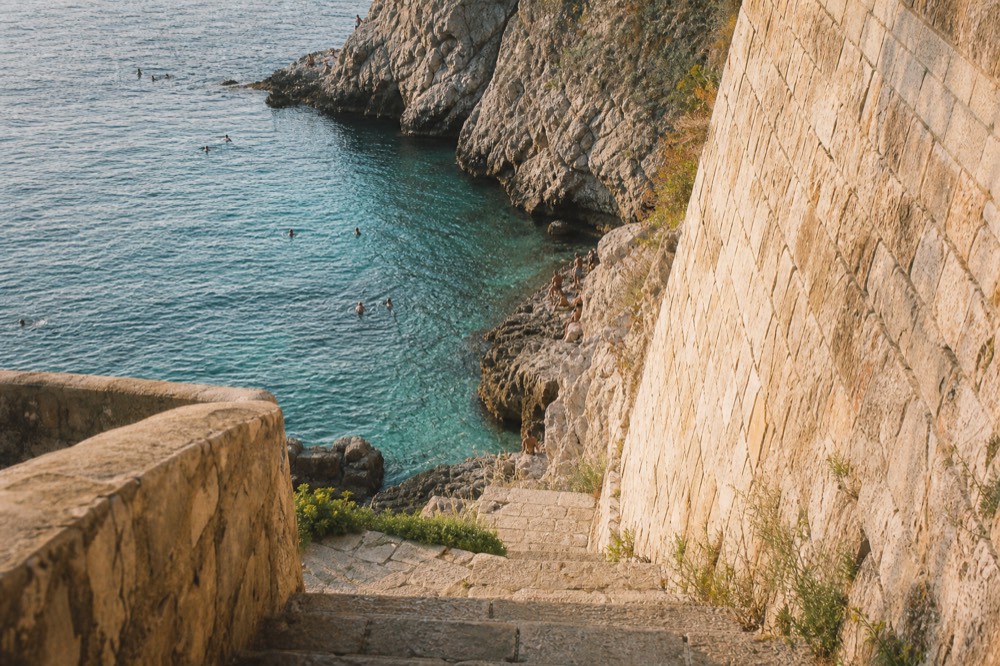
| Sunset from the cliffs outside the walls | 1 hour | Golden hour |
| The harbour and Old City Port | 45 minutes | Any time |
| Jesuit steps and the cathedral quarter | 1 hour | Morning light |
One warning about "top things to do" lists generally: Dubrovnik rewards depth over tick-boxes. The visitors who enjoy the city most pick two anchors a day, one paid and one free, and leave slack for the unplanned swim or the konoba lunch that runs long. The best things to do in Dubrovnik guide is built on exactly that principle.
What Not to Do in Dubrovnik?
The mistakes that cost money in Dubrovnik are buying the walls ticket without checking the season, eating on the Stradun itself, taking a taxi from the cruise port when a bus and a short walk work, assuming every "free" museum day exists, and arriving mid-morning in September or October expecting thin crowds. Cruise passengers actually peak in September and October, above July and August, so the classic shoulder-season bet is the one that backfires.
That last point deserves emphasis because almost nobody believes it. Port Authority data shows 2025 cruise passengers peaked in September at 101,246 and October at 100,132, comfortably above July's 96,072 and August's 87,385. The full year brought 625,257 cruise passengers, up from 582,499 in 2024, and 461 calls are scheduled for 2026. If your free-Dubrovnik plan depends on empty streets, plan around the counter data, not the calendar myth. Our cruise schedule guide lists the busiest days.
The food mistake is the most expensive per hour. Restaurants directly on the Stradun charge for the address, and the food a street or two away is both better and cheaper. The same logic applies to drinks: a bar with a wall view is renting you the view. Our cheap eats guide and the piece on where locals eat map the alternatives, and the konoba guide explains the traditional tavern format worth seeking out.
Other expensive habits, ranked by how often I watch them happen:
| Mistake | What it costs | The free or cheaper fix |
|---|---|---|
| Drinking and dining on the Stradun | Double the neighbourhood price | Walk two streets in from the main drag |
| Taxi from the cruise port to the gates | Fixed fare per car | Bus or the walk, see our port guide |
| Buying walls tickets blind in December | Paying main-season assumptions | December adult ticket is 20 euro, not 40 |
| Paying for a GoT map or app | 10 to 20 euro | The free GuruWalk GoT tour covers the sites |
| Sunbeds at the first beach you find | Daily rental per bed | Free public stretches a short walk away |
The "free" traps are subtler. Some churches are free to enter as working churches but charge for their museums, the Franciscan Monastery being the classic case, and its pharmacy is often described as one of the oldest pharmacies in Europe, though you should treat any founding year you read on a tourist menu with suspicion because the verified record is thinner than the legend. The monastery itself is covered properly in our Franciscan Monastery guide.
One more thing not to do: do not treat the free tours as free entertainment to abandon. The GuruWalk model only works if people who enjoy the walk tip honestly, and the guides are locals earning a living. If the walk was worth 15 euro to you, pay it. That is the whole contract, and it is why the model survives here.
Is Dubrovnik Worth Visiting?
Yes, Dubrovnik is worth visiting, and the free tier alone justifies the trip: a UNESCO World Heritage street grid you can walk for nothing, swimmable sea that averages 23.6 degrees into September, free evening tours rated above 4.7, and viewpoints that cost only the climb. The paid headline attractions are excellent but optional, and the city's problems, crowds and prices, are both manageable with timing and a little planning.
The honest case starts with what UNESCO actually recognized. The Old City was inscribed in 1979 under criteria (i)(iii)(iv), reference C 95bis, and spent 1991 to 1998 on the List of World Heritage in Danger following the war damage, a history our siege guide covers in full. A city that came off that list and now hosts 4.2 million overnight stays a year, sharing first place in Croatia with Rovinj, is doing something right. The question is never whether Dubrovnik delivers, it is whether you have planned around its failure modes.
The failure modes are crowds and cost, and both have data behind them now. The Old Town's official carrying capacity, from the UNESCO carrying-capacity assessment, is 11,275 people, tracked by six counters that update every 15 minutes, and on a September morning the count climbed from 5,419 at 08:00 to a 7,739 peak at 10:00. The Port Authority limits cruise passengers to 8,000 a day in most cases, out of 243 cruise days a year only 18 exceed that, and about forty call requests were refused in one season. This is a city actively managing itself, which is more than most famous destinations can say. The full picture is in our overtourism guide.
Cost is the second objection, and it is real but bounded. The expensive items are countable: the walls at 40 euro main season, the cable car at 30 euro round trip, Lokrum at 30 euro including the boat, and the Dubrovnik Pass at 40 euro for one day, which in main season costs exactly the same as the walls ticket while adding ten more sights plus a 24-hour bus ticket. Note that equivalence is a main-season fact, 1 March to 30 November, because in December the walls ticket drops to 20 euro and no pass tier is on sale at all. Everything else, the streets, the beaches, the churches, the harbour, the sunsets, is free.
| Objection | Reality | Free-tier answer |
|---|---|---|
| "It is too crowded" | Peak counts hit 7,739 at 10:00 in September | Walk before 08:00 or after 19:00 |
| "It is too expensive" | Walls 40 euro, cable car 30, Lokrum 30 | Streets, beaches and viewpoints cost nothing |
| "It is a tourist trap" | 41,562 residents, a living city | Side streets and markets, not the Stradun |
| "One day is enough" | Most first-timers under-book time | See our how many days guide |
For the budget verdict, our budget Dubrovnik guide and the trip cost guide run the full numbers, and the is Dubrovnik worth visiting page takes the question head on. My own summary after a decade of walking these streets: Dubrovnik rewards the visitor who treats it as a city rather than a backdrop, and that visitor spends far less than the one marching between ticket booths.
How Do You Fill a Free Day in Dubrovnik?
A full free day in Dubrovnik runs like this: Old Town streets before 08:00, a morning swim at a free beach, the free Game of Thrones and history walk in the early evening, and sunset from the cliffs or the harbour after it. Add a picnic from the Gruž market instead of a restaurant lunch and the entire day costs only what you choose to tip the guide and buy to eat.
The morning is the easy part. The counters show the Old Town at 3,139 people at 07:00 against 7,739 at 10:00, so the two hours after dawn are the city at its most livable. Walk the Stradun while it is empty, climb the staircases in the cool, and take the light off the limestone while the shutters are still closed. Then swim. The sea is the free attraction most visitors underuse: the long-run averages run 22.5 degrees in June, 24.9 in July, 25.8 in August and 23.6 in September, and those are open-water grid-cell figures from a NOAA 1991 to 2020 climatology, so sheltered bays often read warmer still, the Croatian met service's own Dubrovnik buoy read 27.0 to 27.4 degrees on 8 September 2026 against that 23.6 September mean.
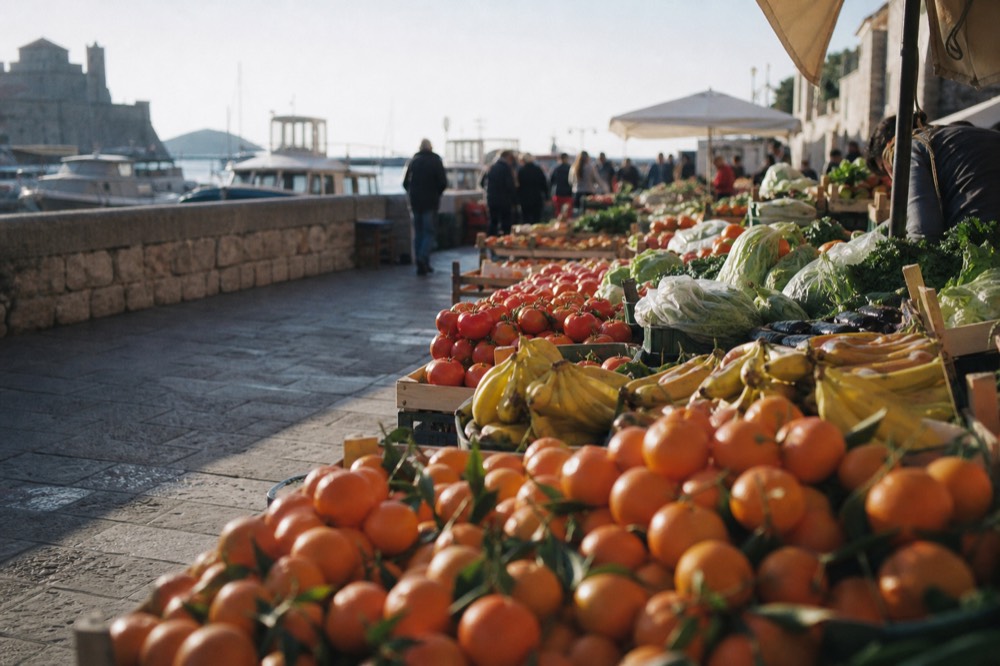
Lunch is where budgets die, so plan it. The Gruž market is the locals' market, and a picnic of bread, cheese, olives and seasonal fruit from the stalls costs a fraction of any restaurant on the Stradun, with the bonus that you eat it on a bench above the sea. Our Gruž market guide tells you what is in season when. The afternoon can be as lazy as you like: the harbour, the churches, the shaded lanes, or the free stretches of beach while the day-trippers queue for the walls.
The evening is the free day's climax. Book a spot on the free night walk, Magical Dubrovnik Nights: History and Legends!, rated 4.9 across 288 reviews on GuruWalk, and let a local storyteller show you the city after the coaches leave. Then find your sunset spot. The sunset spots guide maps the best free ones, and the cliffs outside the walls cost nothing but the nerve to sit near the edge.
If one free day works, a second writes itself. Add the viewpoints on foot, the hidden gems most visitors walk past, and a slow circuit of the streets you rushed the first morning. The pattern holds: Dubrovnik gives away its best raw material and charges only for the platforms.
When Is the Best Time for the Free Side of Dubrovnik?
The best time for free Dubrovnik is May, June, late September or October, when the sea is still swimmable, the cruise counts are lower than their September peak, and the walking weather is kind. For pure quiet, early mornings beat any month: the Old Town count runs 1,725 at 06:00 and 3,139 at 07:00 against a 7,739 mid-morning peak, so the cheapest luxury in the city is a 07:00 start.
The month-by-month detail matters here. The sea temperature averages, from the NOAA 1991 to 2020 series, run 18.6 degrees in May, 22.5 in June, 24.9 in July, 25.8 in August, 23.6 in September, 21.0 in October and 18.5 in November, so the swimming window for the free beaches is generous. But the cruise calendar cuts against the classic shoulder-season play: September and October are the two busiest cruise months of the year, 101,246 and 100,132 passengers respectively in 2025, both above July and August. June is the sweet spot many visitors miss, warm sea, long days, cruise numbers below the autumn peak.
| Month | Sea average (C) | Cruise passengers 2025 | Free-tier verdict |
|---|---|---|---|
| May | 18.6 | 84,107 | Walking prime, cool swim |
| June | 22.5 | 82,642 | Best balance of the year |
| July | 24.9 | 96,072 | Hot, busy, swim early |
| August | 25.8 | 87,385 | Warmest sea, peak heat |
| September | 23.6 | 101,246 | Lovely water, peak crowds |
| October | 21.0 | 100,132 | Soft light, still crowded |
Remember what those cruise figures are: ship capacity, not people who actually walk ashore, so write "up to X cruise passengers scheduled" in your own planning head, never "X people will be in town". The monthly detail, including the Dubrovnik in September and Dubrovnik in October breakdowns, is worth reading before you commit to dates.
Within any day, the pattern is stable. The counters update every 15 minutes and the shape of the curve barely changes: low before 07:00, steep climb through 08:00 to 10:00, plateau through midday, slow drain from late afternoon. The free traveller simply inverts it. Streets at dawn, beach or shade at midday, streets and tours again after 18:00. The cable car runs until midnight in high summer for those who want the paid panorama, but the free version, the walk down through the lanes as the lamps come on, is the one I would keep.
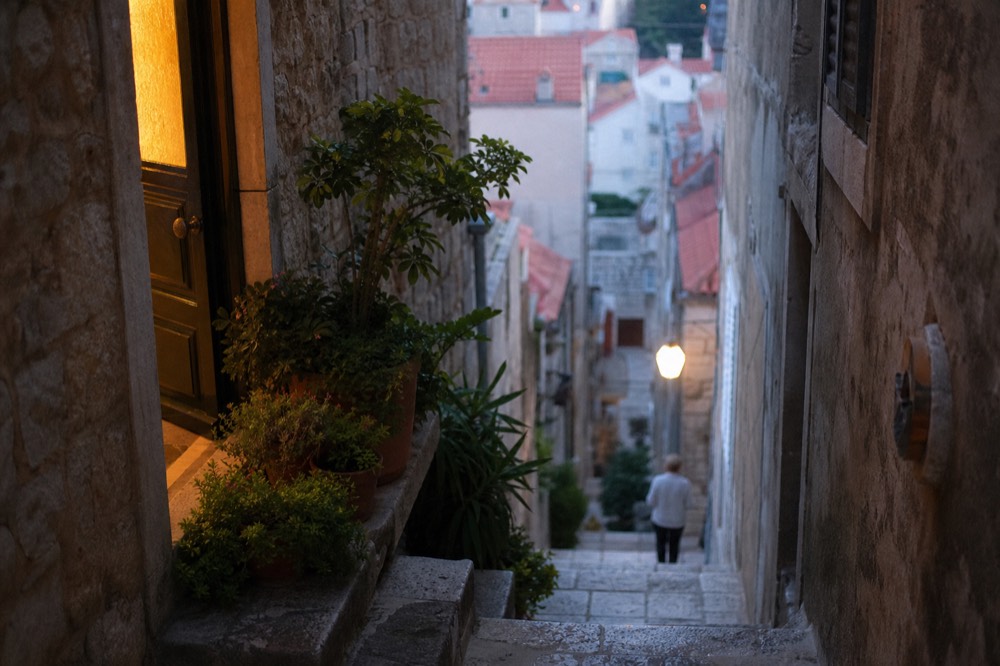
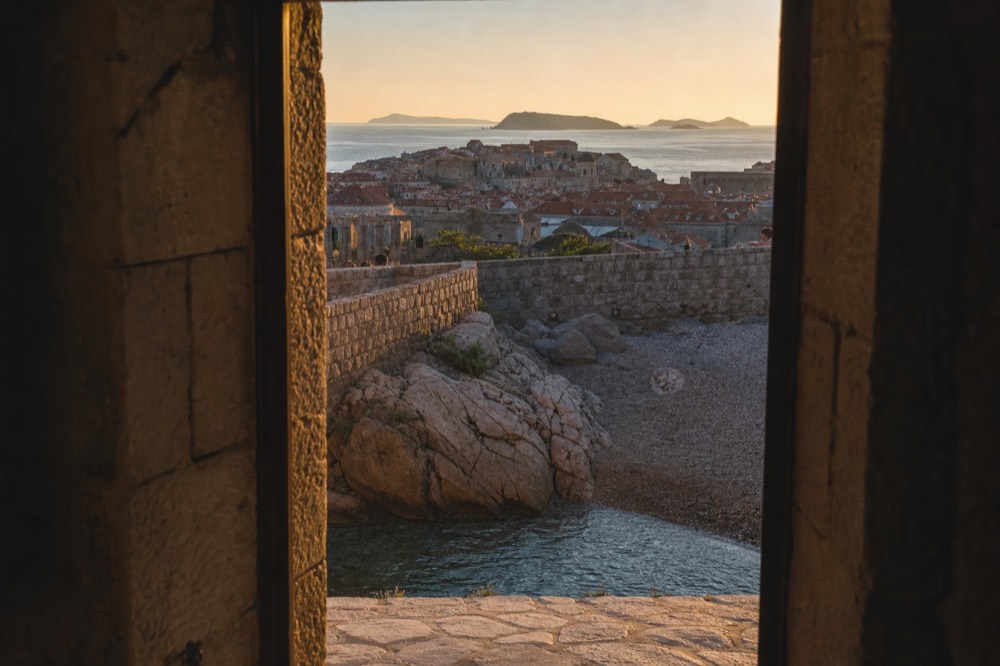
One last free thing that almost nobody does: walk out to the viewpoints on foot instead of paying for the platforms. The city sits between the sea and the hill, and the public paths above give you the same red-roof panorama the cable car sells, at the price of a staircase. Our viewpoints guide maps them. For more on the site's full range of coverage, start with Things to Do in Dubrovnik and work outward.
It suits the traveller who wants a fixed itinerary, a licensed guide, and a small group without committing to a full day.
Whatever mix of free and paid you settle on, book the walks before you land, since the free tours cap their numbers and the popular evening slots fill first in peak months. That single habit costs nothing and protects the best hours of your trip.
Common Questions About Free Things to Do in Dubrovnik
What Is Free in Dubrovnik?
The Old Town street network, the beaches, the viewpoints reached on foot, working churches without museums, the harbour, and three pay-what-you-want walking tours on GuruWalk. The paid items are the walls, the cable car, Lokrum, and most curated museums.
Are the Free Walking Tours in Dubrovnik Really Free?
Yes. The three GuruWalk tours, including the free Game of Thrones and history walk rated 4.74 across 444 reviews, charge nothing up front. You tip the guide at the end what you think the walk was worth, and honest tipping is what keeps the model alive.
Can You Walk Dubrovnik Old Town for Free?
Completely. The UNESCO-inscribed Old City, 24.7 hectares of it, is a public street network with no entry charge at any gate. You only pay if you climb the walls, enter a museum, or take a tour.
is dubrovnik worth visiting?
Yes. The free tier alone, the streets, the swimming, the evening tours, justifies the trip, and the paid headline attractions are optional extras rather than the point. Manage the crowds with early starts and the cost with two-streets-off-the-Stradun eating, and the city over-delivers.
When Is Dubrovnik Least Crowded for Free Sightseeing?
Before 08:00, any month. The counter data shows 1,725 people at 06:00 and 3,139 at 07:00 against a 7,739 peak at 10:00, so the two hours after dawn are the quietest and best-lit of the day.
What Not to Do in Dubrovnik?
Do not eat on the Stradun, do not assume September and October are quiet, because cruise passengers peak in those months, and do not buy the walls ticket without checking the season, since December's adult ticket is 20 euro against the 40 euro main-season price.