Best Time to Visit Dubrovnik: A Month-by-Month Guide
September and October bring the warmest combination of sea, sunshine and thinner crowds, while April and May win on price and empty streets. Here is how the calendar actually works.
Short answer
The best time to visit Dubrovnik is late September to mid-October, when the sea still averages about 23.6 degrees, cruise traffic is past its 101,246-passenger September peak, and the walls run full 08:00 to 19:30 hours. May is the best shoulder alternative, and April wins on price.
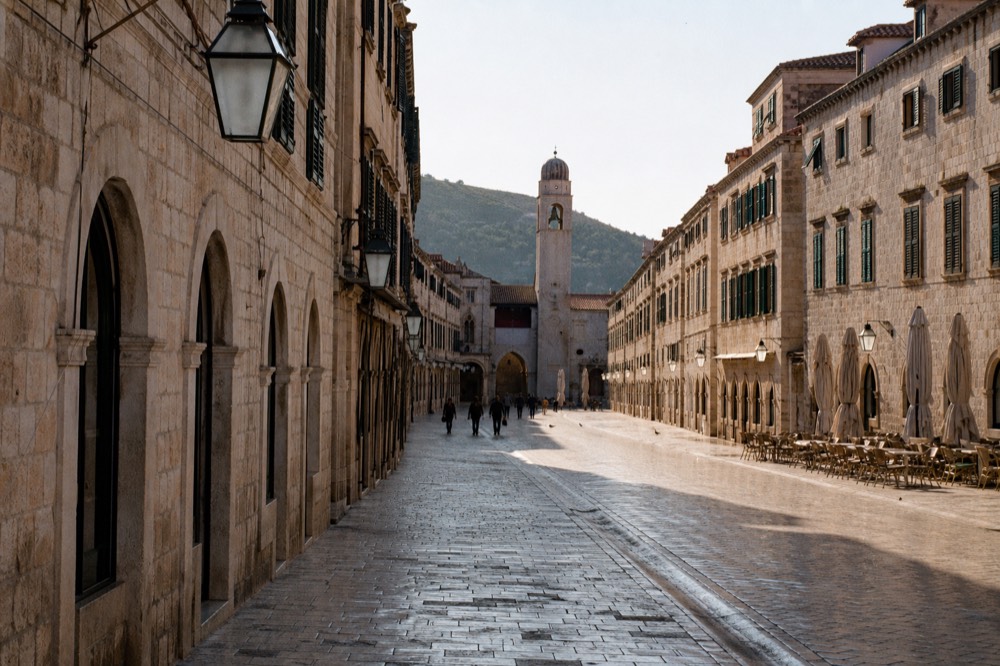
Dubrovnik recorded about 4.2 million overnight stays in 2025, sharing first place among Croatian destinations with Rovinj, and almost all of them squeezed into the same few months. That concentration is the single biggest factor in when you should come. The same city is two different places in February and in August, and the difference is not just weather: it is queue length at Pile Gate, the price of your walls ticket, whether the cable car is open at all, and whether you can hear the sea over the crowds on the Stradun.
I have walked these streets in every month of the year, and the pattern is consistent. The month that surprises most visitors is October, which is why it gets its own section below. The month that disappoints most is August, and the reasons are measurable, not a matter of taste.
What Is the Best Time of Year to Go to Dubrovnik?
The best time of year to go to Dubrovnik is late September through mid-October: the sea still holds about 23.6 degrees, the day-trip crowds thin after the September cruise peak of 101,246 passengers, and every attraction runs its full summer schedule. May is a close second, with 18.6-degree water, green hillsides and lower prices before the summer rush.
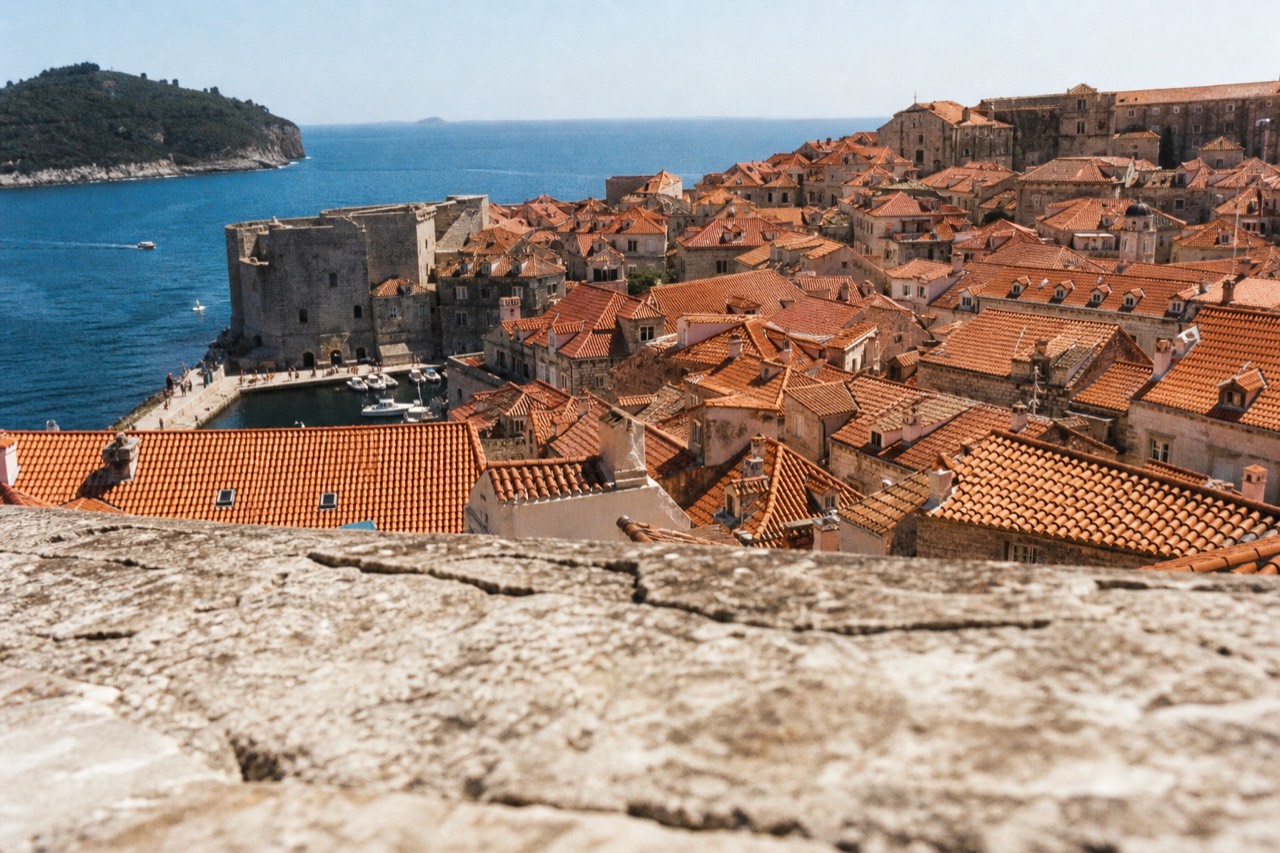
The honest answer is that there are two best times, and they suit two different travellers. Late September to mid-October is for people whose priority is swimming and boat days: the water is at its post-summer warmest, the air has lost the furnace edge of August, and the cruise calendar, while still busy, is past its peak. May is for people whose priority is the city itself: walking the full 1,940-metre wall circuit in cool air, photographing the terracotta rooftops without a forest of selfie sticks, and paying shoulder-season hotel rates.
What you should avoid depends on what you cannot tolerate. If heat is the problem, July and August push air temperatures into the thirties and the walled Old Town, all stone and reflective limestone, holds that heat well into the evening. If crowds are the problem, the same two months plus September carry the heaviest cruise traffic of the year. If closed attractions are the problem, the cable car does not run at all from January to March, and the Western Outer Wall section closes in December, January and February.
A note on winter, because someone always asks. December has real appeal: the walls ticket drops to 20 euro, the Christmas lights go up, and you will share the Stradun with locals. But the sea averages 16.0 degrees, the Dubrovnik Pass is not on sale in any winter tier, and boat tours to the islands largely stop. Winter is a city-break month, not a beach month.
For a deeper dive into shoulder-season conditions, read Dubrovnik in October: What to Expect, and for the spring equivalent, Dubrovnik in April: Crowds, Prices and Weather.
Is October a Good Time to Go to Dubrovnik?
October is one of the two best months to visit Dubrovnik. The sea averages about 21.0 degrees, still swimmable for most people, cruise passengers numbered 100,132 in October 2025, only just below September's peak, and the walls, cable car and island boats all run their full schedules through the month.
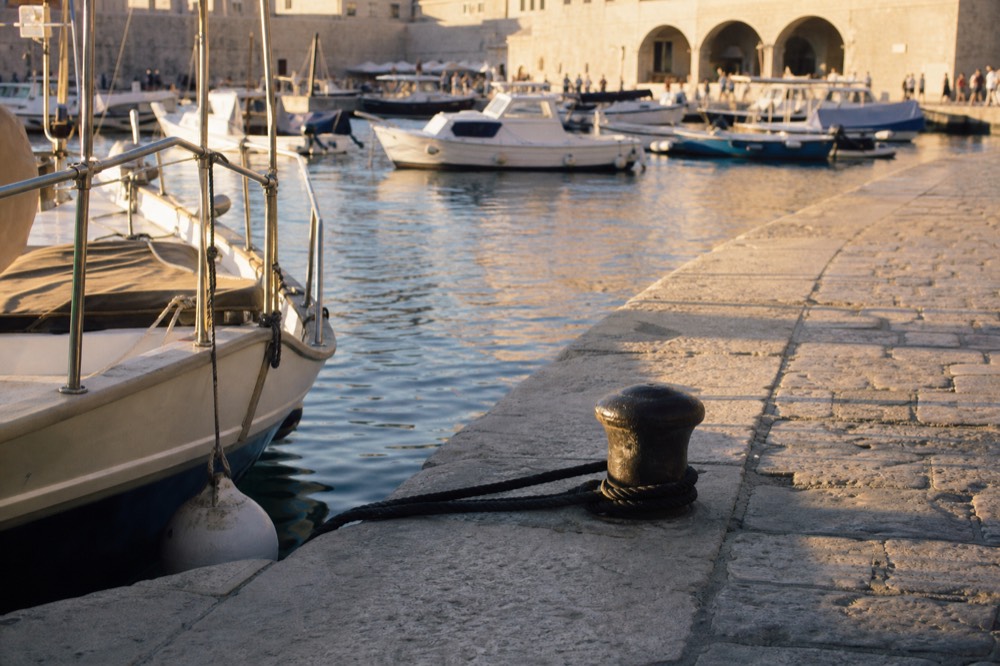
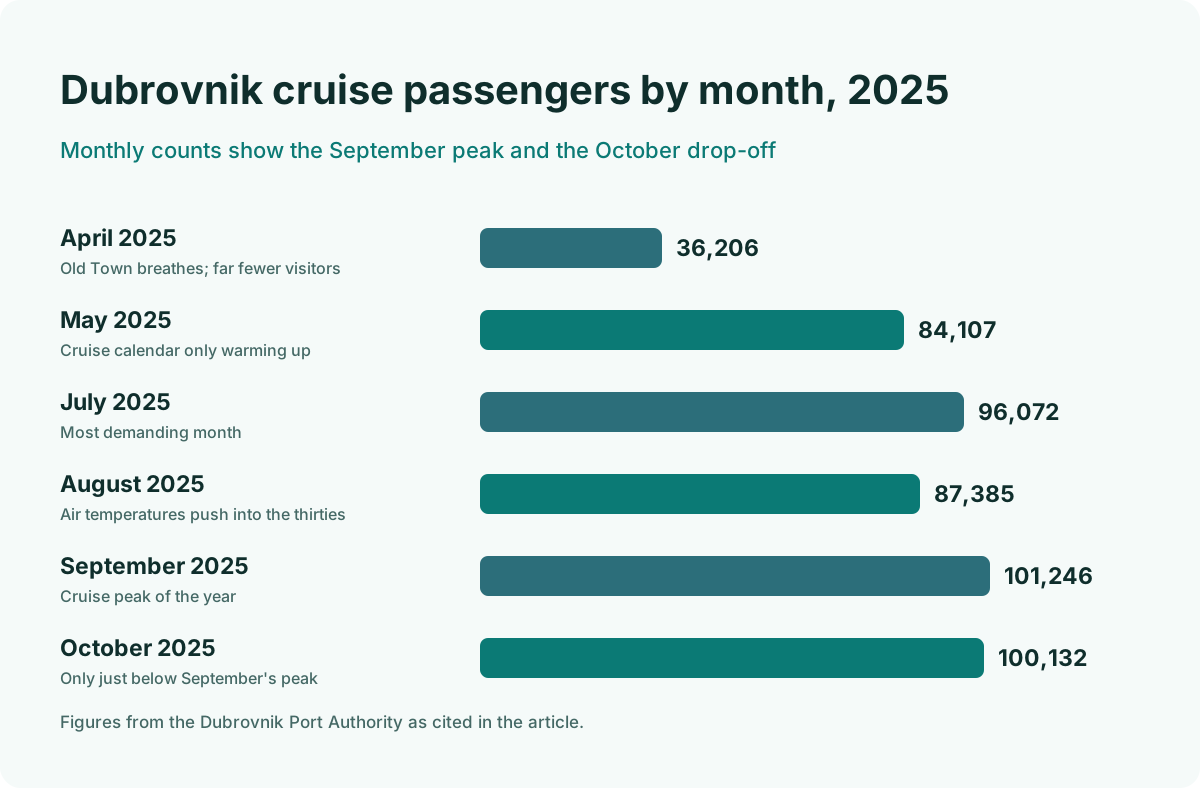
October is the month I recommend most often to first-time visitors, and the reason is arithmetic. The Port Authority counted 100,132 cruise passengers in October 2025 against 96,072 in July and 87,385 in August, so October is not quiet by cruise standards, but those passengers are spread across far fewer total visitors once the summer holidaymakers have gone home. The land-based crowds, the families and package tourists who fill the Stradun in August, have left. What remains is cruise traffic, which arrives in predictable midday waves and empties back onto the ships by late afternoon.
The practical effect is a daily rhythm you can plan around. Mornings and evenings in October belong to overnight visitors. If you walk the walls at 08:00, when the operator's stated hours begin, you will do the circuit in comparative peace, then spend the middle of the day on a boat or at a beach while the day-trip tide is high, then have the Old Town back to yourself after 17:00.
The sea deserves its own defence. The September long-run average is about 23.6 degrees and October's is 21.0, and those are open-water figures: a sheltered bay in early October will often read warmer, the way the Croatian met service's own Dubrovnik buoy read 27.0 to 27.4 degrees on 8 September 2026 against a 23.6 September mean. The first half of October is genuinely a swimming month here.
October is also the last full month of the main walls season. The 40-euro adult ticket, which is really the walls plus Fort Lovrijenac combination, runs 1 March to 30 November, and the operator's stated hours at time of check were 08:00 to 19:30. The cable car runs until 23:00 in the second half of September and then moves to reduced October hours, so check the timetable before you commit to a sunset ride.
If you are weighing October against its neighbours, the answer to what is the best month to go to Dubrovnik is usually either October or May, and the tiebreaker is water temperature.
Is April a Good Time to Go to Dubrovnik?
April is a good time to visit Dubrovnik if your priorities are walking, photography and price rather than swimming. The sea averages about 15.4 degrees, cold for most swimmers, but the main season starts on 1 March, so the walls cost 40 euro and the cable car reopens at 09:00 to 21:00, with far fewer visitors than summer.

April is the thinking traveller's month. The city is fully open, every attraction is running, the hillsides are green after the winter rains, and the cruise calendar is only warming up: April 2025 carried 36,206 cruise passengers against May's 84,107, so the Old Town breathes. Hotel rates sit well below their July and August peak, and restaurant terraces have space without a reservation fight.
The trade is the water. A 15.4-degree sea is a brisk dip for most people and a non-starter for others, so April suits travellers who come for the walls, the lanes, the viewpoints and the day trips rather than the beach. Kayaking still works, with a wetsuit or simply tolerance, and the coastal paddling around Lokrum is at its most beautiful when the spring light is low and the water is empty.
One planning detail that matters in April: the 40-euro walls ticket and the 40-euro one-day Dubrovnik Pass cost exactly the same in main season, 1 March to 30 November, and the pass adds ten more sights plus a 24-hour bus ticket. That equivalence is a main-season fact only. In December the walls ticket drops to 20 euro and no pass tier is on sale at all, so do the comparison for the month you are actually travelling.
Is July and August Too Hot and Busy for Dubrovnik?
July and August are the most demanding months in Dubrovnik. The sea averages 24.9 and 25.8 degrees, the warmest of the year, but cruise traffic hit 96,072 passengers in July and 87,385 in August 2025, air temperatures push into the thirties, and the walls offer almost no shade on the full circuit.
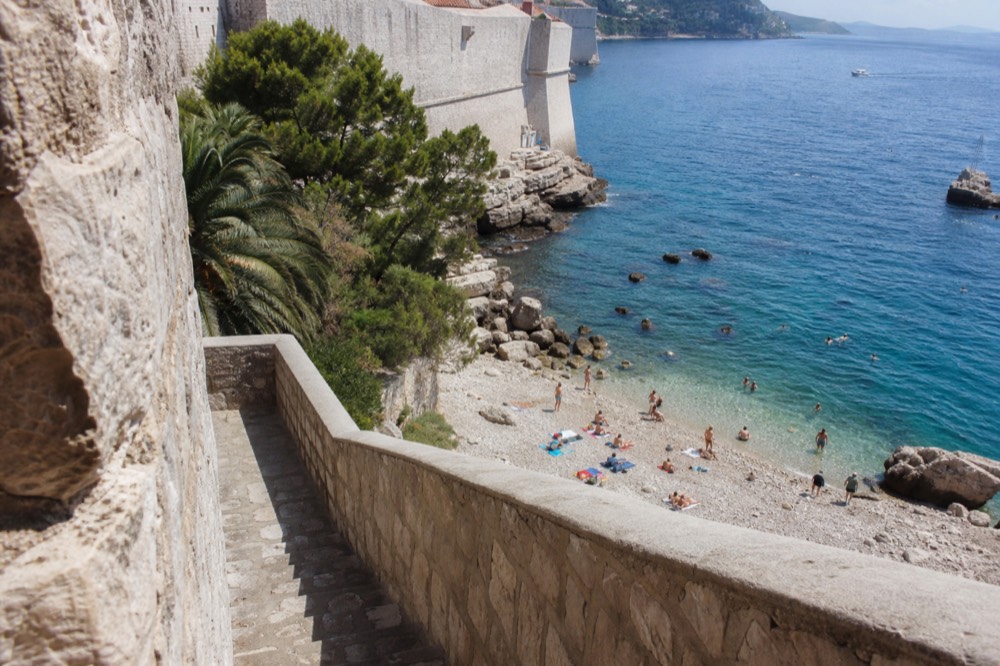
I will not tell you not to come in August, because for many families it is the only window that works, and the swimming is superb. I will tell you how to make it work. Start everything early: the walls at 08:00, before the stone heats up and before the cruise tide lands, then the middle of the day on the water. The old rule of the walls walk, clockwise from Pile Gate, matters less in August than the rule of the clock.
The heat on the wall circuit is a real safety consideration, not a comfort quibble. The parapet is exposed stone for almost the entire 1,940 metres, the operator's stated hours run to 19:30, and there is nowhere on the circuit to buy water once you are up. One guest review of a cable car and Old Town tour describes it plainly: "We walked part of the wall because it was very hot." Splitting the walls from the rest of your day, or saving the circuit for a cooler month, is a legitimate plan.
August also compresses everything else. Restaurant tables need booking, the Buža cliff bar has a queue at sunset, and the cable car runs until midnight in June, July and August precisely because the evening is when the city becomes liveable again. If your dates are fixed in high summer, plan around the daily crowd curve rather than fighting it: the Old Town counting system read 3,139 people at 07:00, 5,419 at 08:00 and a 7,739 peak at 10:00 on a September morning, and August behaves the same way with higher totals.
When Is the Sea Warm Enough to Swim in Dubrovnik?
The sea in Dubrovnik is comfortably swimmable from late June through early October. The long-run averages are 22.5 degrees in June, 24.9 in July, 25.8 in August and 23.6 in September, falling to 21.0 in October and 18.6 in May, and these are open-water averages, with sheltered bays running warmer.
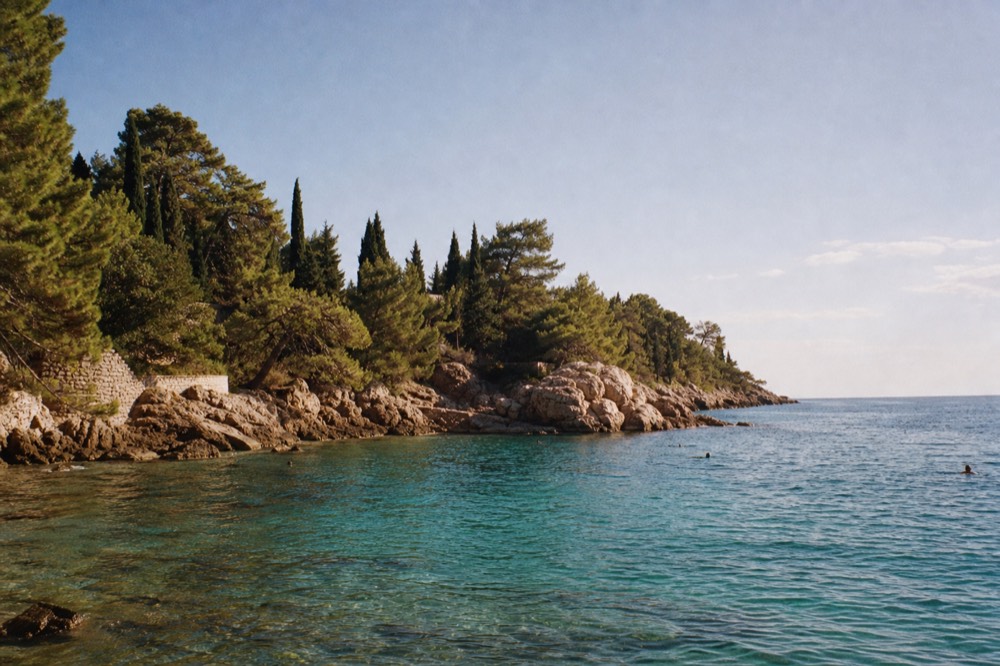
These figures come from the NOAA OISST v2.1 long-run average for 1991 to 2020, an open-water grid-cell series rather than a beach thermometer, and they are corroborated within about one degree by an independent EU marine dataset. That distinction matters in practice: the water at a shallow, sheltered bay like a Lapad cove in August will feel noticeably warmer than the open-water number, and the Croatian met service's Dubrovnik buoy read 27.0 to 27.4 degrees on 8 September 2026 against a 23.6 September mean, which tells you exactly how much a calm, shallow day can add.
| Month | Average sea temperature | Swimming verdict |
|---|---|---|
| May | 18.6 degrees | Brisk; fine for hardy swimmers |
| June | 22.5 degrees | Comfortable by mid-month |
| July | 24.9 degrees | Warm, peak beach season |
| August | 25.8 degrees | Warmest of the year |
| September | 23.6 degrees | Warm and at its calmest |
| October | 21.0 degrees | Pleasant early month, cooling fast |
The swimming season therefore overlaps the crowd season almost exactly, which is the central dilemma of timing a Dubrovnik trip. The way to cheat it is September, and especially the second half of September, when the water is within a degree or two of its August peak but the summer land crowds have gone. A kayak-and-snorkel day still works beautifully then, and one verified guest review of the Lokrum and Betina Cave kayak tour captures it: "Loved this kayaking experience. Had an amazing time as a family and enjoyed the swimming break at Betina Cave very much. The views were amazing, water was crystal clear, the guide was excellent and we learnt a lot about Dubrovnik."
For everything the water can hold besides swimming, from snorkelling to boat rentals, see Kayaking and Sea Activities in Dubrovnik.
How Do Cruise Crowds Shape the Dubrovnik Calendar?
Cruise crowds in Dubrovnik peak in September and October, not July and August: 101,246 cruise passengers in September 2025 and 100,132 in October, against 96,072 in July and 87,385 in August. The Port Authority limits most days to 8,000 cruise passengers, and the official Old Town carrying capacity is 11,275 people.
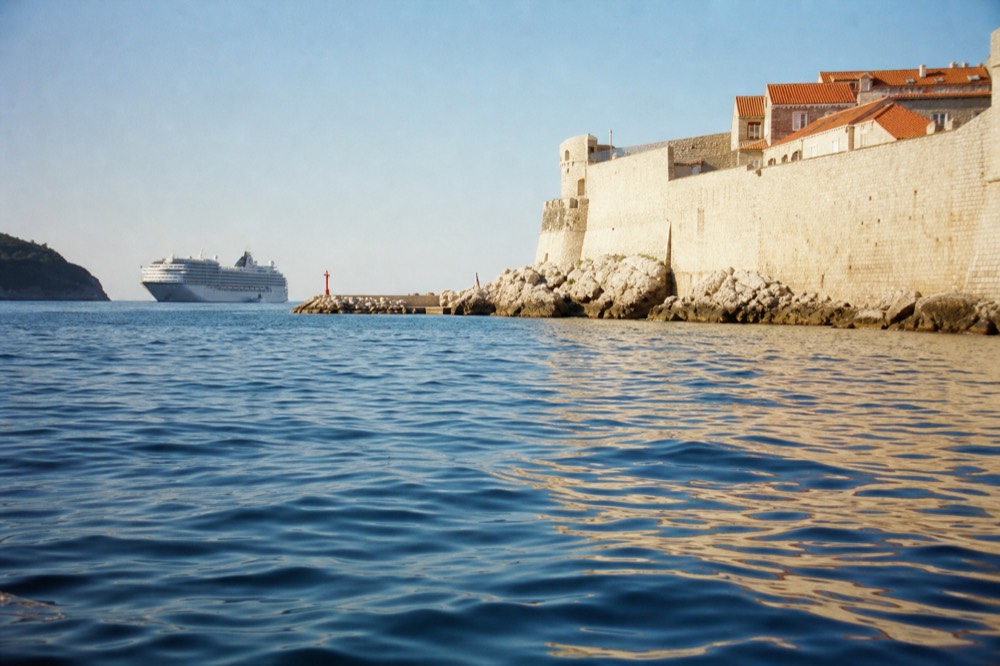
This is the fact that most planning advice gets wrong. The reflex is to assume that the cruise peak follows the school-holiday peak, and in Dubrovnik it does not. The Port Authority's own monthly figures put September and October at the top of the table, which means the "quiet after summer" that many September travellers expect is quieter on land but not necessarily on the water. What September and October do have is far fewer staying visitors, so the total pressure on the Old Town is still lower even with cruise traffic at its height.
The daily numbers are managed, and knowing how helps. The Port Authority limits cruise passengers to 8,000 a day in most cases, out of 243 cruise days a year only 18 exceed that number, and only 4 days a year run slightly above 10,000. About forty call requests were refused in a single season to hold that line. The city's own counting system, six counters at every Old Town entrance updating every 15 minutes, feeds an official carrying-capacity figure of 11,275 people, and a real September morning curve read 1,725 people at 06:00, 3,139 at 07:00, 5,419 at 08:00, 7,297 at 09:00, a 7,739 peak at 10:00 and 7,205 at 11:00.
The practical takeaway for timing is that the cruise tide is a midday phenomenon you can route around, while the summer land crowd is an all-day phenomenon you cannot. If you are in town when cruise traffic is heavy, book the mornings for the walls and the middle of the day for a boat, and the maths works in your favour. The Port Authority publishes its cruise statistics and scheduling if you want to check the calendar for your dates, and our Dubrovnik Cruise Schedule guide translates it.
What Does Each Season Cost in Dubrovnik?
The main walls season runs 1 March to 30 November, when the adult ticket is 40 euro and the one-day Dubrovnik Pass also costs 40 euro; in December the walls ticket falls to 20 euro and no pass tier is on sale. The cable car charges 30 euro adult round trip, is closed January to March, and island boats run from $39.42 per person.

Attraction pricing in Dubrovnik is seasonal in a way that rewards knowing the calendar before you book flights. The walls operator sells exactly two paid ticket types, adult at 40 euro and child 7 to 18 at 15 euro in main season, with under 6 free and no family ticket, and that 40-euro ticket is actually the walls plus Fort Lovrijenac combination, which also covers the Western Outer Wall and the coin collection. The official walls operator's site carries the full detail.
| Item | Main season (1 Mar to 30 Nov) | December |
|---|---|---|
| City Walls adult | 40 euro | 20 euro |
| City Walls child 7 to 18 | 15 euro | 5 euro |
| Fort Lovrijenac alone | 15 euro | 15 euro |
| Dubrovnik Pass, one day | 40 euro | Not on sale |
| Dubrovnik Pass, three days | 50 euro | Not on sale |
| Dubrovnik Pass, seven days | 60 euro | Not on sale |
The pass comparison is worth a sentence of care because it is season-dependent. In main season the one-day pass costs the same 40 euro as the standalone walls ticket and adds ten more sights plus a 24-hour bus ticket, which makes it the better buy for anyone doing more than the walls. In December that arithmetic collapses: the walls cost 20 euro and there is no winter pass to compare against. Every pass tier allows a one-time visit to each institution, the walls included.
Tours follow the same seasonal logic in a softer way. Island cruises, kayaking and zipline run through October and into November with reduced frequency, then thin out over winter. The cable car is the hard case: it is closed January to March entirely, then runs 09:00 to 21:00 in April, extending to midnight in June, July and August, per the official cable car timetable.
| Experience | From (per person) | Rating on the live listing |
|---|---|---|
| Elaphiti full-day cruise with lunch | $74.58 | 4.8 across 6,751 reviews |
| Blue Cave and Sunj Beach boat tour | $63.48 | 4.87 across 3,105 reviews |
| Sea kayaking, Lokrum and Betina Cave | $35.49 | 4.9 across 1,518 reviews |
| Panorama zipline tour | $64 | 4.9 across 2,109 reviews |
The related tour for this page is the Elaphiti full-day cruise with lunch, from $74.58 per person and rated 4.8 across 6,751 reviews, an eight-hour day that suits exactly the shoulder-season traveller this guide keeps describing: it gets you on the water and out of the Old Town during the midday cruise tide, with lunch and drinks handled.
Which Month Should You Actually Book?
Book late September or the first half of October for warm water and manageable crowds, May for green hills and lower prices, or the first half of June for the best balance of warmth before the August peak. Avoid the last week of July and all of August if heat and density are dealbreakers, and treat January to March as a city-break-only window.
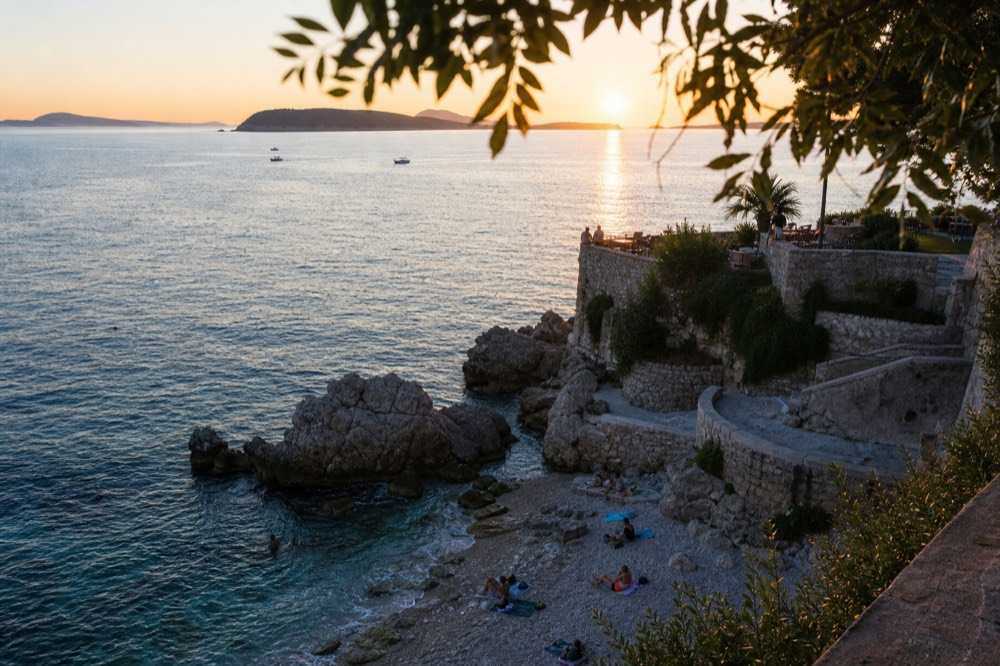
Here is the decision in one place. If swimming is the point, come between late June and early October, and within that window the second half of September gives you the best ratio of water warmth to crowd pressure. If the city is the point, the walls, the lanes, the viewpoints, come in May or April, accept a cooler sea, and enjoy an Old Town that still belongs to the people who live in it. If you are tied to school holidays, June beats July, and July beats August, and in all three the early-morning rule is your friend.
| Month | Sea average | Cruise pressure | Best for |
|---|---|---|---|
| April | 15.4 degrees | Low (36,206 in 2025) | Walking, photography, price |
| May | 18.6 degrees | Building (84,107) | Green scenery, full opening hours |
| June | 22.5 degrees | High (82,642) | Warm water, pre-peak energy |
| July | 24.9 degrees | Very high (96,072) | Beach-first trips |
| August | 25.8 degrees | Very high (87,385) | Peak heat, peak everything |
| September | 23.6 degrees | Highest (101,246) | Warm sea, thinner land crowds |
| October | 21.0 degrees | Highest-adjacent (100,132) | The all-round best compromise |
One last planning lever: whatever month you choose, book the boat days and the walls-adjacent tours ahead rather than on arrival, because the popular departures sell out first in exactly the months this guide recommends. The busiest remaining 2026 cruise days are clustered in late September and early October, and those are also the days the best small-boat trips fill. For more on how to sequence a short stay, see How Many Days Do You Need in Dubrovnik, and for the wider picture of what awaits, start with Things to Do in Dubrovnik.
If your chosen month leans hot rather than wet, the zipline above the town is a good example of a booking worth making early in the shoulder season, when departure slots are plentiful and the morning air is still cool enough to enjoy the climb to the launch platform. It runs from $64 per person, is rated 4.9 across 2,109 reviews, and pairs naturally with an early walls walk on the same day, since both start from the same side of the city. In July and August the same logic applies to sunset departures instead, which is when the hillside is at its kindest.
Common Questions About the Best Time to Visit Dubrovnik
What Is the Best Time of Year to Go to Dubrovnik?
Late September to mid-October, when the sea still averages about 23.6 degrees and the land crowds have thinned, or May, when the hills are green, prices are lower and every attraction is open. The cable car runs from April, the walls run their main-season schedule from 1 March to 30 November, and both shoulder windows avoid the worst of the August heat.
what is the best time of year to go to dubrovnik?
September and October together, with May as the spring alternative. The Port Authority's own data shows cruise passengers peaked at 101,246 in September 2025 and 100,132 in October, but staying visitors drop sharply after August, so total pressure on the Old Town is lower even in the heaviest cruise months.
Is October a Good Time to Visit Dubrovnik?
Yes. The sea averages about 21.0 degrees and is often warmer in sheltered bays early in the month, the walls still run their 08:00 to 19:30 stated hours, and the cable car operates on reduced October timings after running until 23:00 in late September. Bring a layer for the evenings.
Is April a Good Time to Go to Dubrovnik?
April is excellent for walking, viewpoints and price, with only 36,206 cruise passengers in April 2025 against 84,107 in May. The sea averages about 15.4 degrees, so it is not a swimming month for most people, but the walls, museums and day trips all run at full main-season schedule.
When Is the Sea Warmest in Dubrovnik?
August, with a long-run open-water average of 25.8 degrees, followed by July at 24.9 and September at 23.6. These are 1991 to 2020 grid-cell averages, not beach readings, and sheltered bays run warmer: the Croatian met service's Dubrovnik buoy read 27.0 to 27.4 degrees on 8 September 2026.
Is Dubrovnik Too Crowded in Summer?
July and August are the densest months for staying visitors, and the Old Town counting system showed a real September morning peaking at 7,739 people at 10:00 against an official carrying capacity of 11,275. The counter-intuitive fact is that cruise traffic peaks in September and October, not midsummer, so crowd strategy matters more than month alone.