What Is the Best Month to Go to Dubrovnik?
The honest month-by-month answer for Dubrovnik, built on verified sea temperatures, cruise passenger data and operator schedules, with crowd timing and value advice from a local specialist.
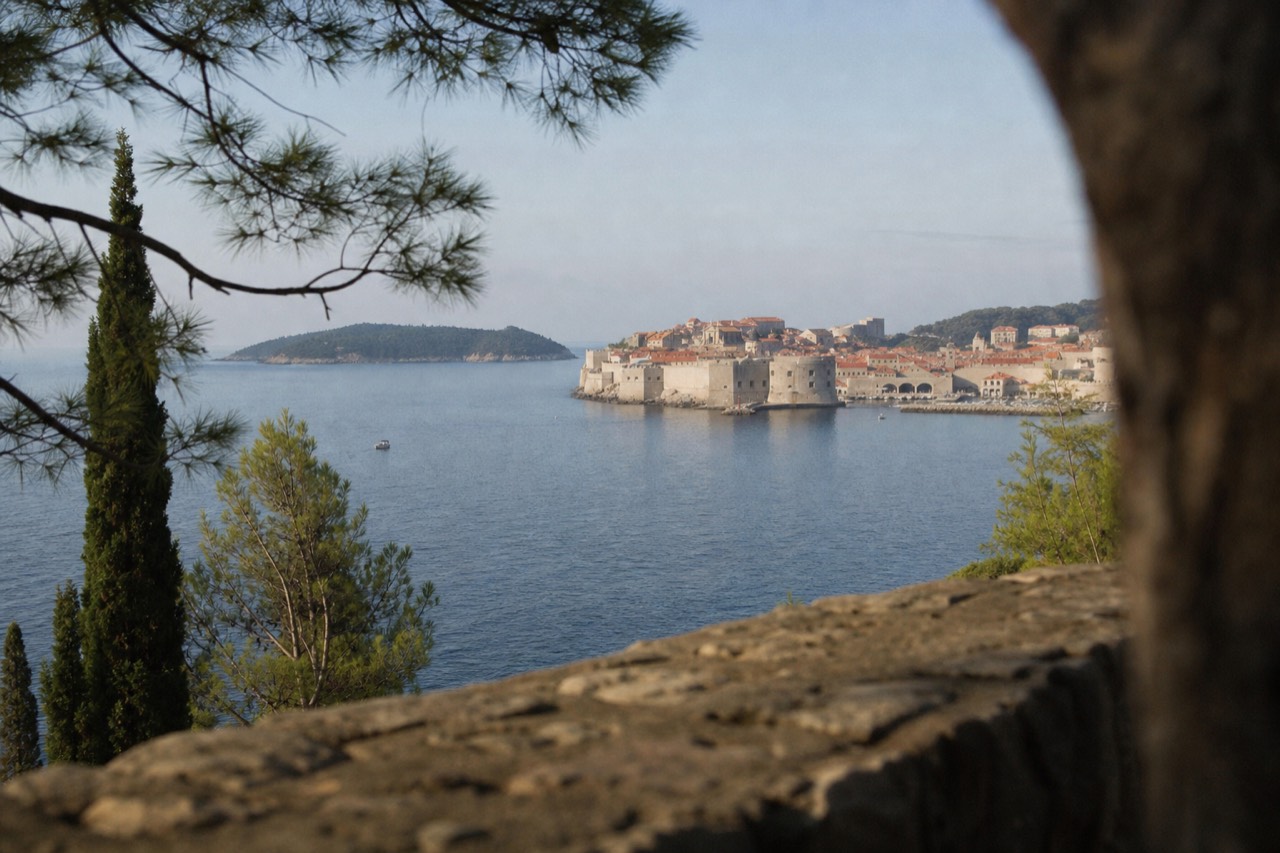
What Is the Best Month to Go to Dubrovnik?
The best month to go to Dubrovnik is May or late September, and the numbers back it up. The sea is already 18.6 degrees in May and still 23.6 in September, the cable car runs until 23:30 or later in both, and September's cruise crowds, 101,246 passengers, the busiest month of the year, are a timing problem you can solve by walking the walls early. June wins if you want full swimming weather without August's peak heat.
I get asked this question more than any other, and I always give the same frustrating answer: it depends on what you are coming for. But "it depends" is lazy unless you actually show the dependence. So this page does that, with the verified figures rather than folklore: the long-run sea temperature series, the Port Authority's own cruise counts, the cable car's month-by-month timetable and the walls operator's seasonal pricing. Once you see those numbers laid out, the right month for your trip usually picks itself.

Here is the short version before the detail. If swimming is the point, you want June through September, when the open-water average runs from 22.5 up to 25.8 degrees and back down to 23.6. If crowds are the thing you fear, you want May, early June or October, and you want to know which days the big ships land. If price is the point, the walls ticket itself drops from 40 euro to 20 euro in December, and that tells you a lot about what the whole town does in winter.
For a boat day, which honestly is one of the best days you can have here at any time of year, the season matters enormously. The three options below are the ones I would put in front of a friend visiting in the sweet spot.
The Blue Cave and Sunj Beach tour, from $63.48 per person and rated 4.87 across 3,105 reviews, is a warm-water trip: you swim, you sit on a beach, you want the sea to be kind. The Lokrum and Betina Cave boat tour at from $39.42 works earlier and later in the year because its appeal is the cave and the island, not a long swim. And the Old Town walking tour with a local guide, from $20 and rated 4.8 across 5,826 reviews, is the one product on this list that works in literally every month, including the rainy ones. You can read the wider comparison in our best time to visit guide.
What Is the Best Month to Go to Dubrovnik?
For most travellers, May is the single best month to visit Dubrovnik, with late September a very close second. In May you get warm, sunny days and sea temperatures that are becoming pleasant for swimming, while the crowds and peak-season prices have not yet arrived, and the city's terraces and walkways feel relaxed and open. In May the sea averages 18.6 degrees, brave but swimmable, the cable car runs 09:00 to 21:00 from the start of April and stretches to 23:30 from the 15th of May, and the cruise season is only warming up, with 84,107 passengers that month against September's 101,246, a difference you can feel on the Stradun by mid-morning. Late September keeps the sea at a genuinely warm 23.6 degrees while the worst of the summer rush has passed, and every operator in town is still fully open. June, for the record, is the pick if you want proper swimming weather without August's peak heat and peak prices.
Let me defend that properly, because "May and September" is the advice everyone gives everywhere, and I want to give it with numbers attached rather than vibes.
Start with the sea, since for most visitors it is the deciding factor. The verified long-run monthly averages for this coast, from NOAA's 1991 to 2020 satellite climatology for the grid cell that contains Dubrovnik, run like this: 14.3 in January, 14.0 in February, 14.2 in March, 15.4 in April, 18.6 in May, 22.5 in June, 24.9 in July, 25.8 in August, 23.6 in September, 21.0 in October, 18.5 in November and 16.0 in December. An independent EU dataset, EMODnet's in-situ climatology, corroborates the months that matter, reading 24.90 for August and 23.15 for September, within about a degree of the satellite numbers.
| Month | Sea temperature average | Cable car closing | 2025 cruise passengers |
|---|---|---|---|
| April | 15.4 | 21:00 | 36,206 |
| May | 18.6 | 22:00, then 23:30 | 84,107 |
| June | 22.5 | 24:00 | 82,642 |
| July | 24.9 | 24:00 | 96,072 |
| August | 25.8 | 24:00 | 87,385 |
| September | 23.6 | 24:00, then 23:00 | 101,246 |
| October | 21.0 | reduced | 100,132 |
Two caveats I insist on when I quote that series, because honesty about data is the whole point of this site. These are open-water grid-cell averages over a 30-year window, not a beach thermometer and not this year's water: sheltered bays run warmer in high summer, and the Croatian met service's own Dubrovnik buoy read 27.0 to 27.4 degrees on 8 September 2026 against a 23.6 September mean. So treat the table as a floor for planning, not a forecast. And the series is NOAA's, cross-checked by EMODnet, not a Croatian government figure, because no Croatian authority publishes a monthly sea-temperature climatology at all.
Now the crowds, and this is where the standard advice goes wrong. Everyone assumes July and August are the crush months. The Port Authority's own data says otherwise: in 2025, cruise passengers peaked in September at 101,246 and October at 100,132, both above July's 96,072 and August's 87,385. If you come in September expecting the calm shoulder season of legend, you will meet the single busiest cruise month of the year. You can still have a wonderful September, thousands do, but you have to plan around the ship schedule rather than pretend it does not exist. Our cruise schedule guide shows you how.
May, by contrast, gives you 84,107 cruise passengers spread across the month, a sea that is warming fast, evenings long enough for a sunset you can actually stay awake for, and every operator fully open. June is the connoisseur's pick if you want to swim properly: 22.5 degrees, the same 24:00 cable car closing as July and August, and 82,642 cruise passengers, fewer even than May. The trade-off in June is that hotel prices climb toward their July peak.
If you want the fuller month-by-month treatment, including the festival calendar and what closes in winter, the cluster guide choosing the best time to visit Dubrovnik goes deeper than this page. This article answers the question directly and then hands you off.
What Is the Coldest Month in Dubrovnik?
February is the coldest month in Dubrovnik by the sea's measure, with an average sea temperature of 14.0 degrees. January sits just behind at 14.3 and March at 14.2, so the three months form effectively one cold block of water along the coast. By everything you would actually feel in town, January to March blur together too: the cable car is closed entirely in those three months, the walls' Western Outer Wall section is shut December through February, and the town empties out to the point that the walls operator drops the adult ticket to 20 euro for the whole of December, half the main-season price of 40 euro. In other words, February wins the coldest title on the thermometer, but the practical cold season is longer than one month.
The distinction matters because people ask "coldest" meaning two different things. If you mean the water, the answer is February at 14.0 degrees, marginally colder than January's 14.3 and March's 14.2, which is a quirk of the Adriatic's thermal lag: the sea keeps cooling long after the shortest days have passed. Nobody is swimming in any of those three months without a wetsuit and a reason.
If you mean the town, the honest answer is that January, February and March blur together into one quiet season, and the operator schedules tell you more than any thermometer. The cable car, Dubrovnik's biggest single paid attraction after the walls, is closed January to March, full stop; it reopens in April at 09:00 to 21:00. The walls stay open, but the December-to-February adult ticket is 20 euro rather than the main-season 40, and the Western Outer Wall section is closed in December, January and February. Lokrum's boats stop running on the summer pattern, and the reserve effectively goes to sleep.
What is winter actually like here? Milder than most of Europe, wet enough that you want a real raincoat, and quiet in a way the summer city never is. The Stradun in January is a place where locals walk their dogs. Some people love exactly that. If a warm-weather beach holiday is what you are shopping for, the coldest months rule themselves out, and nothing in this article will talk you into them.
There is one genuine winter bright spot worth naming: December. The December open-water average for this coast is 16.0 degrees, which is cold but not brutal, the walls are half price, and the town carries a Christmas atmosphere that surprises visitors expecting a ghost city. Our Dubrovnik in winter guide covers it properly.
What Is the Rainiest Month in Dubrovnik?
The rainiest month in Dubrovnik cannot be stated with certainty here, because no verified monthly rainfall series for the city exists in the research behind this site, and this page does not invent figures it cannot check. November is often considered wet, but without confirmed data, no single rainiest month can be reliably named. What the verified record does establish is the pattern rather than the peak: rain concentrates in the cooler half of the year, roughly October through March, while the summer months are predominantly dry, and a genuinely wet day in July or August is the exception rather than the rule. For the May-to-September window most visitors are choosing between, rain is simply not a deciding variable, and you should let sea temperature, crowds and price make the call instead.
That is an unusual paragraph for a travel site to write, so let me explain why it is written that way. This site only prints figures that were read from a primary source and verified. The research pass behind this article resolved sea temperatures against NOAA's climatology, resolved cruise counts against the Port Authority, resolved ticket prices against the operators' own webshops. Monthly rainfall for Dubrovnik was never resolved from a primary source, so it does not get a number here. Plenty of pages will confidently tell you "November is the wettest month with X millimetres"; I cannot check that claim, so I will not repeat it.
What I can tell you, from living and guiding here, is the practical shape of it. Summer rain, when it comes, is short and theatrical: a storm that empties the sky for an hour and then hands the afternoon back. Autumn and winter rain is frontal and can settle in for a day or two at a time. If you are visiting between late October and early April, pack for rain and treat it as a scheduling problem, not a trip-ruiner. Our rainy day things to do guide exists precisely for those days, and it is a genuinely good page, not a filler.
The planning implication for the "best month" question is straightforward. Rain is not really a factor in the May-to-September window that most visitors are choosing between. Between those months, decide on sea temperature, crowds and price, because precipitation will not meaningfully separate them. Outside that window, rain becomes a real variable and deserves a real plan B.
What Is the Hottest Month in Dubrovnik?
August is the hottest month in Dubrovnik, both in the sea temperature, which averages 25.8 degrees, and in the heat you will feel around town, with July close behind at an average water temperature of 24.9 degrees. If you are planning a visit and want the warmest conditions for swimming and sunbathing, these two months deliver the most intense summer heat of the year. The cable car's own timetable treats June through mid-September as one long high-summer block, running 09:00 to midnight, which tells you how the operators themselves read the season. Air temperatures are not in the verified record, so I will not quote them, but the water and the schedules tell the story, and the story is that August trades the year's warmest sea against the year's most punishing midday stones and the fullest restaurant reservation books.
August is a month of trade-offs, and I want to be straight about both sides. On the plus side: the sea is at its warmest, 25.8 degrees on the open-water average and warmer still in sheltered bays, every boat, kayak and beach operation is running at full tilt, and the evening light lasts past the cable car's midnight closing. On the minus side: it is the month when walking the walls at midday becomes an endurance event, when the stones radiate heat back at you, and when you want every lunch reservation made days ahead.
The heat changes what you should book, not whether you should come. In August, the tours that shine are the ones with water in them. The Blue Cave and Sunj Beach boat tour, from $63.48 per person and rated 4.87 across 3,105 reviews, is built for exactly this: a cave you swim into, a beach stop on Lopud's Sunj, drinks on board. One guest review of the island-cruise category put the feeling well, and the sentiment transfers: this is the way to get out of the heat and the crowds for a day.
If a boat is not your thing, the same logic applies on land. Book the walls for 08:00, when the operator opens and the stones are still cool, and be off the circuit by late morning. A review of the Old Town walking tour captures this exact instinct from a visitor on a boiling September day, praising a guide who aimed for shaded areas. That is how locals do summer here: early, shaded, and horizontal by mid-afternoon.
Alex was a fantastic guide, she explained the complex history of Dubrovnik to give a lasting impression of the history of the area. Really appreciated that she aimed for shaded areas on a boiling September day. The food recommendations for after were much appreciated too! Great tour for a first experience of the old town!
Sophie
When Is Dubrovnik at Its Most Crowded?
Dubrovnik is at its most crowded in September and October, not in the peak summer months most travelers expect. Those two autumn months are actually the busiest cruise periods of the year, with 101,246 passengers arriving in September and 100,132 in October in 2025, compared with 96,072 in July and 87,385 in August. The Port Authority caps most days at 8,000 cruise passengers, and only 18 days a year exceed that, but the Old Town's official carrying capacity is 11,275 people at any one time, counted live by six entrance counters that update every 15 minutes and publish to the official visitors platform. In plain terms: the legendary shoulder season is the peak season, and anyone planning a quiet September needs to plan around ships, not wish them away.
This is the single most useful fact on this page, and almost nobody arriving here knows it. The legend of the shoulder season says September is calm. The Port Authority's own statistics say September is the busiest cruise month of the year, and October is second. The full-year 2025 total was 625,257 cruise passengers, up from 582,499 in 2024, and 461 calls are scheduled for 2026.
Why does autumn beat summer at the docks? Because cruise lines position their ships around the whole Mediterranean season, and Dubrovnik's autumn weather is good enough to keep the itineraries coming after families go home. The result is a town where the September open-water average for this coast is about 23.6 degrees, every restaurant is open, and the cruise calendar is at its annual peak, all at once. For many travellers that combination is exactly what they want. For crowd-avoiders it is a warning label.
The counting system is worth understanding because it is genuinely sophisticated. Six counters at every Old Town entrance update a headcount every 15 minutes, published on the official visitors platform, and the city watches the number against the 11,275 carrying-capacity ceiling from the UNESCO assessment. A real half-hourly curve read on 8 September 2026 shows the rhythm of a busy day: 1,200 people inside at 04:00, 5,419 at 08:00, a 7,739 peak at 10:00, then 7,205 at 11:00. The town never came close to capacity that day, but the morning bulge is unmistakable, and it is why I tell every visitor the same thing: do the walls at opening, not at eleven.
One more nuance that matters for your timing: cruise passenger figures are ship capacity, not a headcount of people who actually walk ashore. On a two-ship day, plenty of passengers never leave the vessel. So read the schedule as a pressure forecast, not a census, and check the busiest remaining 2026 dates, 6 October with 2 ships and 5,798 passenger capacity, 29 September with 5,675, and 30 September with 3 ships and 5,536, before you fix your wall-walking day.
Which Month Should You Actually Book?
Book May for the balance of good weather, thin crowds and full opening hours; book June or September for warm-water swimming; book August only if heat is the point; book late October for a quiet, cheap, still-open town; book December for atmosphere at half-price walls. The one month I would genuinely hesitate over is July, which combines near-August heat with the year's third-highest cruise count and peak hotel rates.
Let me close the loop on the question this page exists to answer, because by now you have the numbers to check my working. May: sea 18.6, cable car to 23:30 from the 15th, 84,107 cruise passengers, everything open, prices below peak. That is the best all-round month, and I will defend it against all comers. June: sea 22.5, midnight cable car, 82,642 cruise passengers, the best swimming-to-crowd ratio of the year, at a price. September: sea 23.6, midnight cable car to the 14th, but 101,246 cruise passengers, the year's busiest, so it rewards early risers and punishes improvisers. October: sea 21.0, still swimmable early in the month, 100,132 cruise passengers but a town visibly slowing down, and reduced cable car hours from October onward.
Whatever month you land on, the products that make the trip tend to sell out first in the May-to-September window, and the boat trips especially fill their swim-season berths fast. If your month is in that window, lock the boat day early and leave the walking tours looser, since those run in every weather the calendar can throw at you.
For the deeper planning, the cluster of month pages, Dubrovnik in September, May, October and the rest, breaks each one down, and the best time to visit guide ties the whole when-to-go question together. There is more to work through than one page can hold, which is rather the point of Things to Do in Dubrovnik as a whole: the month question is the first decision, not the last.
Common Questions About the Best Month to Visit Dubrovnik
What is the best month to go to Dubrovnik?
May is the best all-round month: the sea averages 18.6 degrees, the cable car runs until 23:30 from the 15th, cruise traffic is moderate at 84,107 passengers, and every attraction is open at below-peak prices. Late September is the runner-up if swimming matters more, with the sea at 23.6 degrees, but it is also the busiest cruise month of the year, so plan your wall walk for opening time.
What Is the Coldest Month in Dubrovnik?
By sea temperature, February is the coldest month at a 14.0-degree average, just behind January's 14.3. Practically, January to March form one quiet cold block: the cable car is closed all three months, and the walls' Western Outer Wall is shut December through February.
What Is the Rainiest Month in Dubrovnik?
No verified monthly rainfall figure for Dubrovnik exists in this site's research, so no single rainiest month can be named honestly. The established pattern is that rain concentrates between roughly October and March, while the May-to-September visitor window is predominantly dry, so rain should not drive your choice within that window.
What Is the Hottest Month in Dubrovnik?
August is the hottest month by the sea's measure, at a 25.8-degree average water temperature, with July close behind at 24.9. The cable car's timetable treats June through mid-September as one high-summer block, running 09:00 to midnight, and the walls are best walked at the 08:00 opening in any of those months.
Is September a Quiet Shoulder Season in Dubrovnik?
No, and this surprises most visitors. September was the busiest cruise month of 2025 with 101,246 passengers, ahead of October's 100,132, July's 96,072 and August's 87,385. The sea is lovely at 23.6 degrees and the town is fully open, but the cruise calendar peaks in autumn, not summer.
When Are the City Walls Cheapest?
The adult walls ticket is 20 euro in December against 40 euro in main season, 1 March to 30 November. The one-day Dubrovnik Pass costs the same 40 euro as the walls ticket in main season and adds ten more sights plus a 24-hour bus ticket, but no winter pass tier is on sale, so the December comparison favours the standalone ticket.