Dubrovnik in Winter: What Is Open, What Is Closed and What It Costs
Winter strips Dubrovnik back to its stone bones: the crowds thin, the prices drop, and a handful of headline attractions close completely. Here is exactly what to expect between December and February.
Short answer
Dubrovnik in winter is quiet, cheap and partly closed. The City Walls stay open at 20 euro for an adult in December, the cable car shuts from January to March, and the sea averages 16.0 degrees in December, too cold for most swimmers. Fewer than 3,000 cruise passengers arrived in the whole of December 2025.
Dubrovnik in Winter: What Is Open, What Is Closed and What It Costs
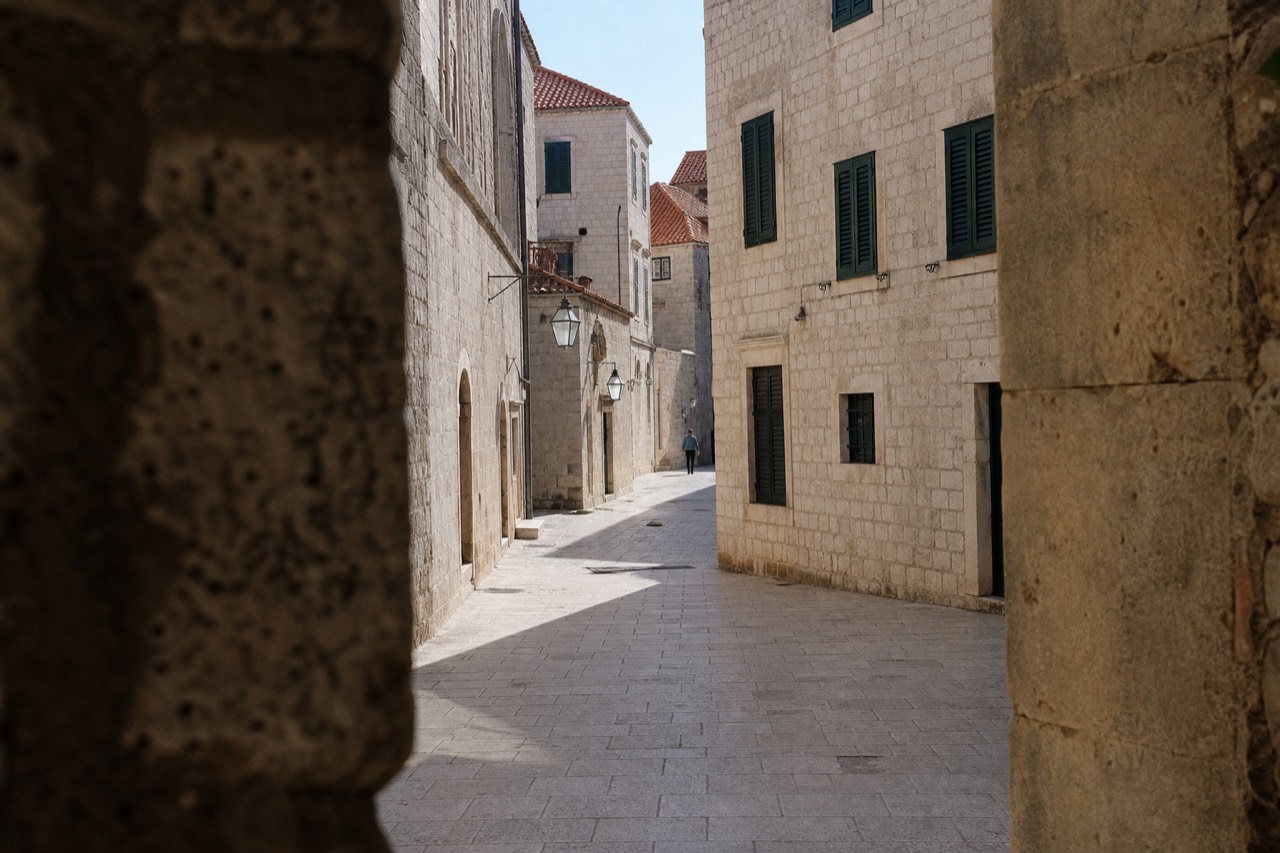
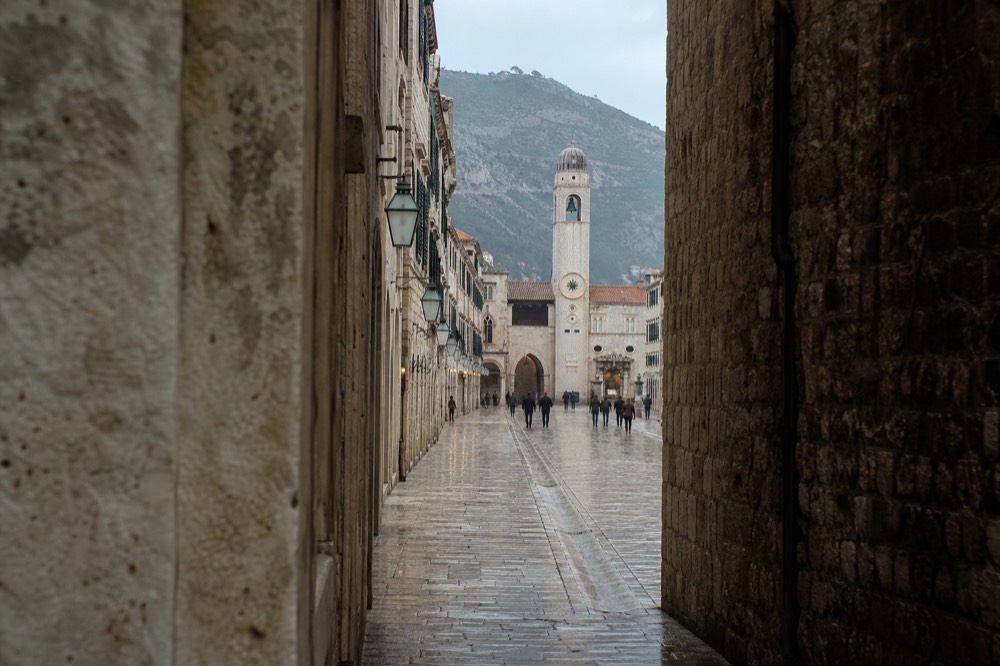
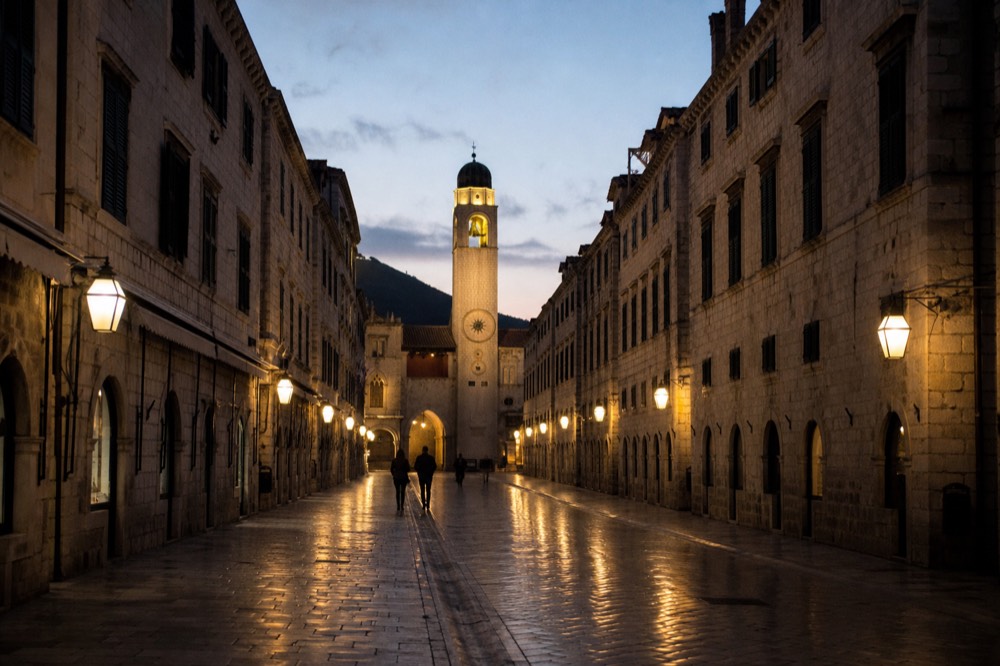
The Stradun in January is a different city. The 298-metre limestone street that carries a river of visitors in July belongs in winter to a handful of locals, a few photographers and the cats. Dubrovnik recorded about 4.2 million overnight stays in 2025, and almost none of them fell between December and February: December 2025 saw just 2,458 cruise passengers for the entire month, against September's 101,246. That gap is the whole argument for a winter visit, and also its risk, because a city built for summer does not run at full throttle in the cold.
I have walked these streets in every month of the year since I started guiding here in 2015, and winter is when Dubrovnik feels most like a real place. But an honest winter guide has to lead with closures, not charm. Several headline attractions shut completely, the sea is genuinely cold, and some days the wind decides your itinerary for you. This page covers all of it: what is open, what is not, what it costs, and the questions I get asked most often about the off-season.
Is Dubrovnik Worth Visiting in Winter?
Yes, if you want the city rather than the resort. Winter Dubrovnik trades swimming weather and long opening hours for empty streets, 20 euro walls tickets in December and hotel rates far below the summer peak. It is a bad choice if your holiday needs beaches, boat trips or the cable car, all of which are closed or cold. Go between November and March for photography, walking and quiet, not for a sun holiday.
The honest case for winter is the city itself. The Old Town was inscribed by UNESCO in 1979 under criteria (i)(iii)(iv), covering 24.7 hectares of walled city, and in winter you can actually see it. In summer the official carrying capacity is 11,275 people inside those walls, measured by six counters at every Old Town entrance that update a headcount every 15 minutes. On a real September morning the count passed 5,419 people at 08:00 and peaked at 7,739 at 10:00. In January you will often have a bastion to yourself.
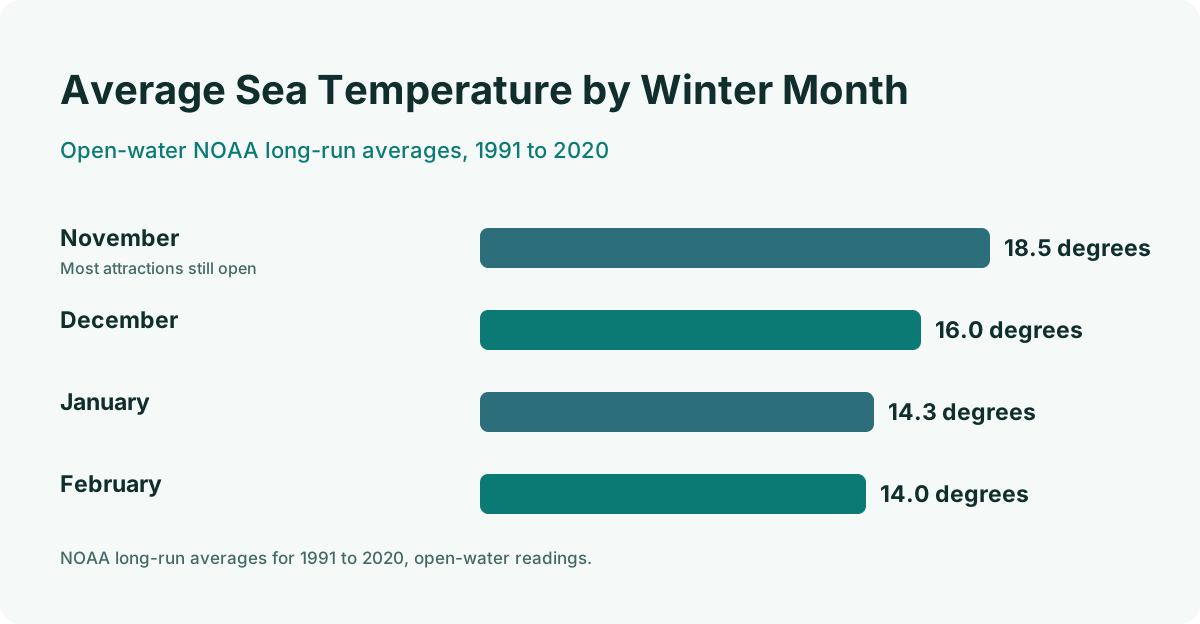
The honest case against winter is everything the city does in summer. Swimming is effectively off the table: the December average sea temperature is 16.0 degrees, January 14.3 and February 14.0, and those are open-water NOAA long-run averages for 1991 to 2020, not beach readings. The cable car closes from January to March. Island boat schedules shrink to a fraction of the summer timetable, and on days when the bora wind blows down from the mountains, the sea itself closes your plans.
There is a middle path worth naming: late October, November and early December. The sea is still 18.5 degrees on average in November, most attractions are open, and the October 2025 cruise figures, 100,132 passengers, show that autumn is no longer secret. If you want the quiet without the closures, aim for November rather than deep January. Our best time to visit guide breaks the whole year down month by month.
What Is Closed in Dubrovnik in Winter?
The cable car is closed from January to March, reopening in April at 09:00. The Western Outer Wall section closes December through February. No Dubrovnik Pass tier is on sale in winter at all, only the standalone walls ticket. Lokrum's official boats stop running on their summer pattern, and many beach clubs, kayak operators and seasonal konobas shut until spring. The main City Walls circuit stays open.
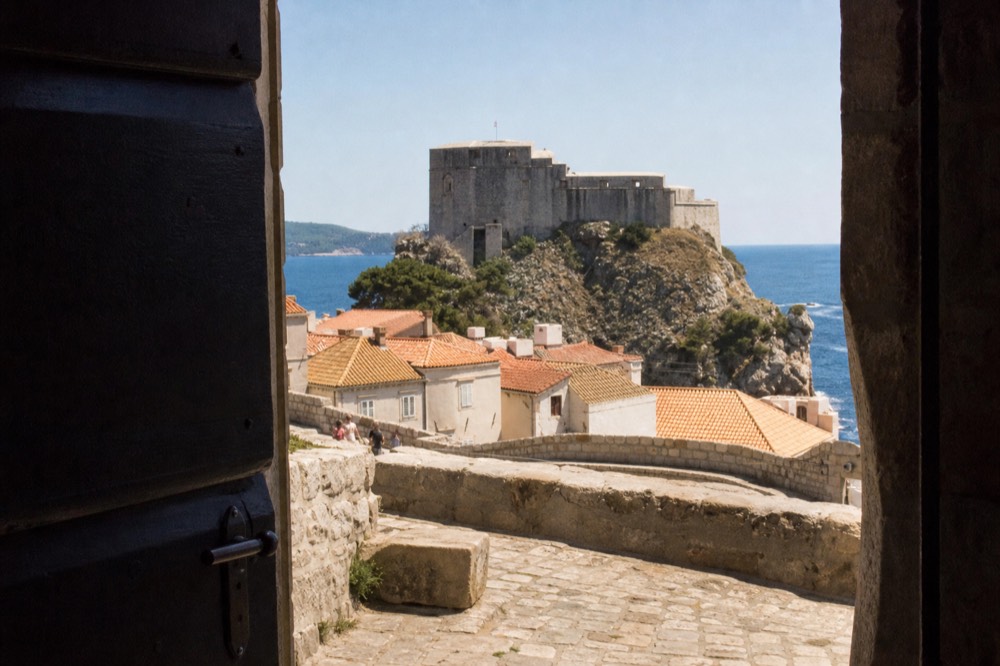
This is the section to read before you book flights, because the closed list is longer than most travel articles admit. The walls operator, the Society of Friends of Dubrovnik Antiquities, keeps the main circuit open year-round, and its official site states working hours of 08:00 to 19:30 at time of check. But the 40 euro main-season adult ticket is the walls plus Fort Lovrijenac combination, and the Western Outer Wall part of that combination is explicitly closed in December, January and February.
The cable car is the biggest single closure. The operator's own timetable page lists January to March as closed, with April hours of 09:00 to 21:00. That matters more than it sounds, because Mount Srd is both the best viewpoint over the city and the natural bad-weather backup plan, and in deep winter you lose it. You can still reach the top on foot along the old carriage path, a steady climb I have done in every season, but it is a walk, not a ride.
| Attraction | Winter status | Notes |
|---|---|---|
| City Walls main circuit | Open | Adult ticket 20 euro in December, 40 euro from 1 March to 30 November |
| Fort Lovrijenac | Open with the walls ticket | Stands on a 37-metre sea rock; 15 euro bought alone in main season |
| Western Outer Wall | Closed December to February | Reopens with the main season |
| Cable car to Mount Srd | Closed January to March | April hours 09:00 to 21:00; adult round trip 30 euro in 2026 |
| Dubrovnik Pass | Not on sale | Only the SUMMER 2026 season, 1 March to 30 November, is sold |
| Lokrum official boats | Summer pattern ends | Summer departures ran 09:00, then every 15 minutes from 10:00 to 18:00 |
| Beach clubs and kayak tours | Mostly closed | Operators reopen through spring |
The Dubrovnik Pass point catches a lot of people out. The pass is sold as one season only, labelled "SUMMER 2026, 01.03.2026 to 30.11.2026", with a single ticket type, ADULT PASS (7+), at 40 euro for one day, 50 for three days and 60 for seven. In winter there is no pass tier on sale at any price. The one-day pass costing the same 40 euro as the standalone walls ticket is a main-season comparison only, and in December the walls ticket drops to 20 euro while the pass simply does not exist. If someone tells you to buy the pass for a January trip, they are quoting summer rules.
Restaurants thin out too. The konobas around the Old Town that live on summer footfall close or reduce to weekends, though the places locals actually use, in Gruž and along the wider city, keep their doors open. The city had 41,562 inhabitants at the 2021 census, and winter is when the city belongs to them again. For where to eat when half the terraces are shuttered, start with our Dubrovnik restaurants guide, and check the Christmas in Dubrovnik guide if your winter trip overlaps the festive season, which is the one fortnight when the Old Town genuinely fills up again.
If you are weighing winter against autumn, the Dubrovnik in October guide covers the last month when nearly everything is still running.
What Not to Do in Dubrovnik in Winter?
Do not book a beach holiday, do not expect the cable car, and do not plan island days without checking which boats actually sail. Do not buy a Dubrovnik Pass, because none is on sale. Do not trust summer opening hours from an old article, and do not walk the walls in flip-flops on a wet December day, when the polished stone is genuinely slippery.
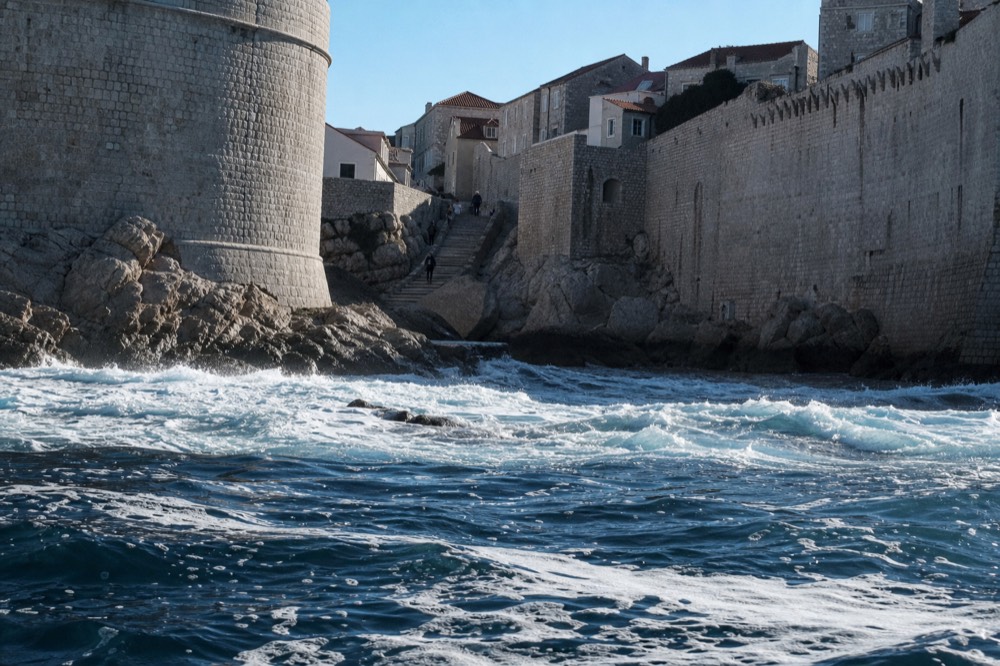
The flip-flop point is not a joke. The Stradun and the walls circuit are polished limestone, worn glass-smooth by centuries of feet, and winter rain turns them treacherous. The walls reach up to 25 metres high in places, with the main wall 4 to 6 metres thick on the land side, and the drops at the edge are unforgiving. Proper shoes are the single most useful thing you can pack for a winter visit, ahead of even the rain jacket.
The second mistake is planning around summer infrastructure. Kayak tours, sunset cruises and the pirate ship sailings all but vanish, and the Elaphiti islands boats that run eight-hour summer cruises with lunch operate on a reduced or suspended schedule. When boats do sail on calm winter days, the sea itself is worth understanding before you commit.
| Month | Average sea temperature | Swimming verdict |
|---|---|---|
| November | 18.5 degrees | Cold; hardy locals only |
| December | 16.0 degrees | Too cold for most people |
| January | 14.3 degrees | No |
| February | 14.0 degrees | No, the coldest month |
| March | 14.2 degrees | Still no |
| April | 15.4 degrees | Beginning to turn |
Those figures are NOAA OISST v2.1 long-run averages for 1991 to 2020, open-water grid-cell values rather than beach thermometer readings, and EMODnet's independent climatology corroborates them within about a degree. They are not a Croatian government series, and they are not a forecast for your week. What they tell you reliably is the shape of the year: the sea does not become swimmable for most people until it climbs back through the twenties in late spring.
The third mistake is assuming winter means empty everywhere. The festive period around Christmas and New Year is the exception to the quiet: stalls, lights and a proper crowd on the Stradun for a couple of weeks. And the fourth mistake, the one I see most often, is arriving with a summer article's list of day trips. Mostar and Montenegro coach tours keep running through winter, and they are excellent cold-weather options precisely because they are culture and scenery rather than swimming, but always confirm the winter departure days on the live listing before you build an itinerary around one.
Is Dubrovnik Good for Beaches?
Not in winter, and honestly not as a primary beach destination at any time. The sea averages 16.0 degrees in December and bottoms out at 14.0 in February, so winter swimming is for wetsuits and locals. Dubrovnik's beaches are also mostly stone and shingle rather than sand, better as swimming platforms in summer than as winter destinations.
That is a blunt answer for a city famous for its coast, but it is the honest one. The beaches inside easy reach of the Old Town, Banje on one side and the small rocky coves below the walls, are narrow, pebbly and built around hot-weather use. The sandier options, including Šunj on Lopud with its shallow sandy shelf, are summer boat-trip beaches, reached by the Elaphiti cruises that run at full strength from spring onwards. In winter you can look at all of them, and on a bright February day the light on the water is spectacular, but you will not be swimming.
The one beach-adjacent thing winter does offer is the coastline walk. The path around Lapad Bay and the stretches of coast toward Sveti Jakov hold up in any season, and Sveti Jakov in particular gives you the postcard view of the Old Town and Lokrum without a single person in the frame. Our Sveti Jakov viewpoint guide covers the walk, and the beaches guide explains what each stretch of coast is actually like, which is worth reading before you picture sand.
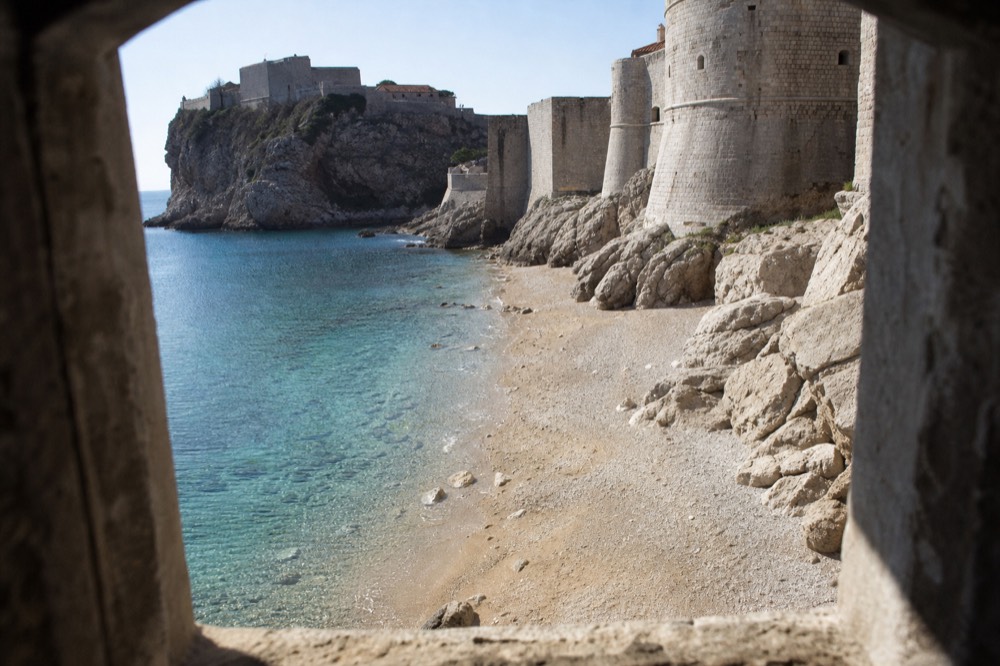
If beaches are the point of your trip, move your dates. June averages 22.5 degrees, July 24.9 and August 25.8, again as long-run open-water averages, and even then sheltered bays run warmer than the open sea: the Croatian met service's own Dubrovnik buoy read 27.0 to 27.4 degrees on 8 September 2026 against a 23.6 September average. The swimming season is real, it is just a late-spring-to-autumn thing, not a winter one. Our swimming season guide maps exactly when the water turns.
When to Avoid Dubrovnik?
Avoid the peak cruise days of September and October if you dislike crowds, not July and August as most people assume. Port Authority data shows 2025 cruise passengers peaked at 101,246 in September and 100,132 in October, above July's 96,072 and August's 87,385. Also avoid deep January to early March if the cable car and island boats matter to you, since both are closed.
That September-and-October peak is the single most counter-intuitive fact about Dubrovnik's calendar, and it comes straight from the Port Authority's own statistics, not from trade press. Everyone plans around avoiding August, and August is busy, but the cruise calendar has quietly shifted: autumn is now the busiest time on the quay, with 461 cruise calls scheduled for 2026. If your mental image of "avoid the crowds" means skipping summer, you may walk into a busier Old Town than the one you skipped.
The Port Authority limits cruise passengers to 8,000 a day in most cases, with a "2+1" berthing arrangement, and out of 243 cruise days a year only 18 exceed 8,000 and only 4 exceed roughly 10,000. So the crowding is managed, but managed is not absent. Those numbers are also ship capacity rather than people who actually walk ashore, so a scheduled 5,000-passenger day does not put 5,000 people on the Stradun.
So the avoid-list depends on what you want. Avoid mid-September to mid-October for the thinnest crowds, though you get perfect weather in exchange. Avoid late December if you want quiet, because the festive fortnight fills the Old Town. Avoid January to early March if the cable car, Lokrum boats or swimming matter, because they are gone or freezing. And avoid nothing at all if what you want is the city in low light with a coat on, because that version of Dubrovnik exists precisely in the months everyone else avoids.
What Does Winter in Dubrovnik Cost?
Less, on almost every line. The adult City Walls ticket drops to 20 euro in December from 40 euro in main season, and the child 7 to 18 ticket falls from 15 euro to 5 euro, with under 6 free. There is no family ticket at any time of year, only adult and child. Hotels price well below the summer peak, and the pass-versus-walls arithmetic disappears entirely because no pass is on sale in winter.
The walls pricing comes from the operator's own webshop, which sells exactly two paid article types, adult and child 7 to 18, and nothing else. The 20 euro December ticket still includes Fort Lovrijenac and the Collection of Coins of the Republic of Ragusa, though the Western Outer Wall part is closed in December, January and February. From 1 March the price returns to 40 euro, and no 2027 price is on sale yet at all.
| Item | Main season, 1 Mar to 30 Nov | December |
|---|---|---|
| City Walls adult | 40 euro | 20 euro |
| City Walls child 7 to 18 | 15 euro | 5 euro |
| Child 6 and under | Free | Free |
| Dubrovnik Pass, one day | 40 euro | Not on sale |
| Cable car adult round trip | 30 euro | Closed January to March |
| Lokrum ticket with boat | 30 euro | Summer boat pattern ends |
Accommodation is where winter savings get serious. Summer rates in the Old Town can be brutal, and the why are hotels so expensive guide explains the structural reasons, but winter is a different market entirely. Outside the festive fortnight, availability is wide and prices are the year's lowest. If you are comparing the seasons on cost alone, our trip cost guide and the budget Dubrovnik guide break down a full daily budget.
One cost warning: do not budget around the winter walls price if your trip straddles 1 March. The operator's season boundary is a date, not a temperature, and a 28 February visit is a 20 euro ticket while a 2 March visit is 40 euro, whatever the weather is doing. The same logic applies in reverse in late November.
What Still Runs: Winter Days on the Water?
Walking tours run year-round, including three free pay-what-you-want walks on GuruWalk, and coach day trips to Mostar and Montenegro keep operating through winter. Island boat trips shrink to a fraction of the summer schedule and only sail on calm days, so treat any winter boat day as a bonus rather than a plan. The full Elaphiti cruise season returns with spring.
The Old Town walking tours are the winter workhorses. The cheapest paid walk starts at $20 per person, and the free option is real: three pay-what-you-want walks run on GuruWalk, including a 1 hour 45 minute Old City walk rated 4.87 across 2,242 reviews and a 1 hour 30 minute Game of Thrones and history walk rated 4.74 across 444 reviews. You pay nothing up front and tip what you think the walk was worth, which is a genuinely good fit for a first winter day when you want the city explained and the weather may chase you indoors partway through.
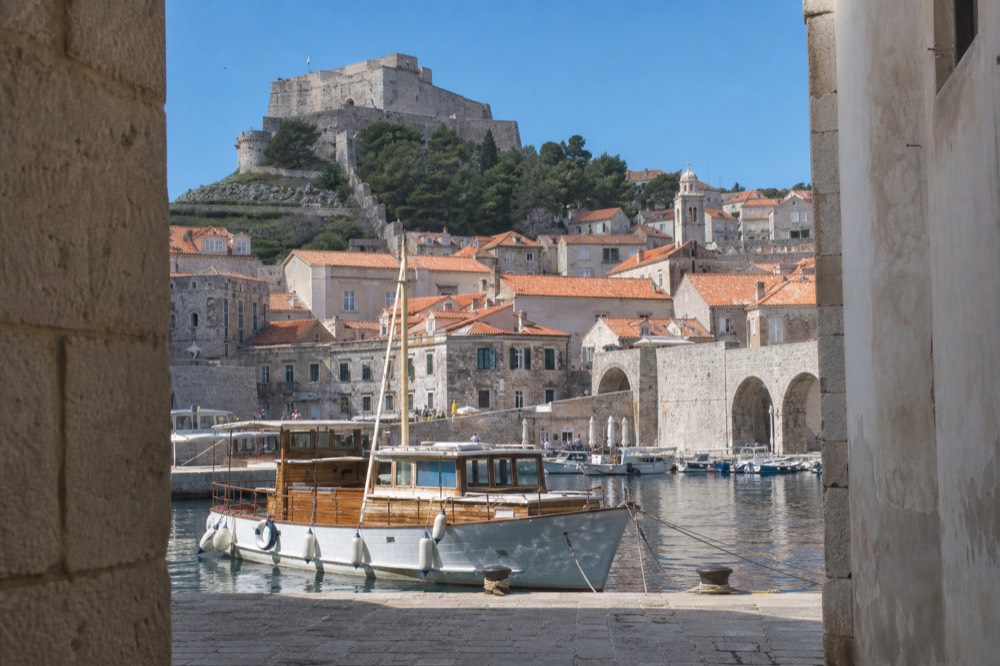
The island cruises are the summer story. The most reviewed boat trip on the roster, the full-day Elaphiti islands cruise with lunch, is rated 4.9 across 10,312 reviews and runs about 8 hours, but that volume of departures is a warm-season phenomenon.
If your winter trip has a flexible day in it, watch the marine forecast and pounce on a calm one. The bora wind is the winter variable that decides everything on the water: on the days between blows, the Adriatic off Dubrovnik is glass-flat and the light is the best of the year. Our Elaphiti islands guide and the boat tours guide cover what each sailing actually involves, and the kayaking guide explains the summer version of the same coastline.
How Should You Plan a Winter Visit?
Plan around three anchors: the walls in the morning before the light goes flat, a long lunch because dinner starts early and some kitchens close early in winter, and one indoor backup per day such as the Rector's Palace or the museums. Book nothing with a fixed date except flights and the first night, keep a wind-flexible day, and pack shoes with grip.
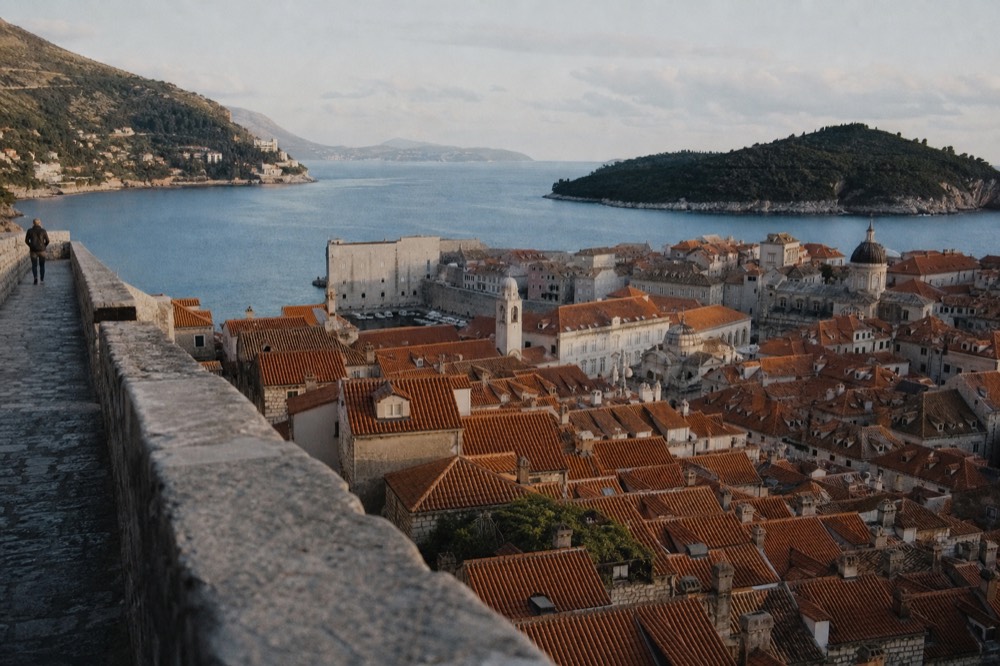
Winter daylight is short this far south in the calendar sense, and the Old Town's tall streets put whole lanes in shadow by mid-afternoon, so front-load the photography. The walls circuit, 1,940 metres end to end, takes a comfortable pace in winter because nobody is queueing at the staircases, and the circuit's shape was reached in the 13th century with the last bastion finished in 1660, so you are walking a structure that has seen every winter this coast can produce.
| Winter day part | Best use | Why |
|---|---|---|
| Morning | City Walls, Fort Lovrijenac | Best light, fewest people, grip on wet stone |
| Midday | Long lunch, indoor sights | Warmest hours; some kitchens close early off-season |
| Afternoon | Coast walk, museums, coffee | Lanes shadow early in winter |
| Evening | Early dinner, night walk | Empty Stradun after dark is the winter payoff |
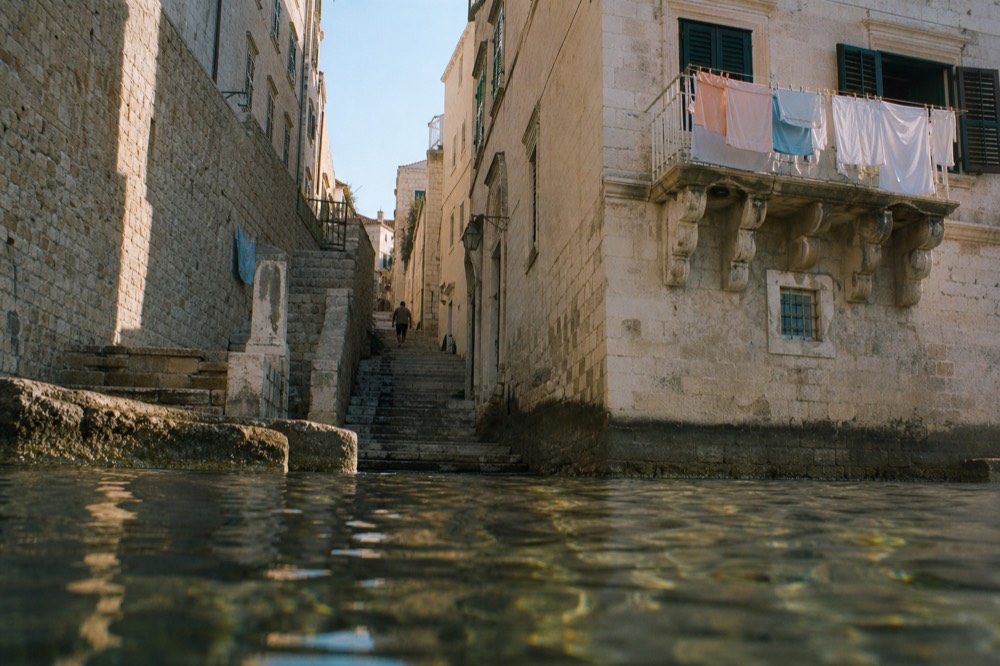
Keep a weather-flexible day in the middle of the trip. The pattern that ruins rigid winter itineraries is not rain, it is wind: a strong bora cancels boats and makes the exposed walls sections unpleasant, and it can blow for two days straight. A flexible day lets you swap the coast walk and the museum day around, and the museums, from the Rector's Palace to the Maritime Museum, are exactly what their name suggests, indoor and open. The Rector's Palace guide is a good place to start.
Finally, calibrate your expectations rather than lowering them. Winter Dubrovnik is not a lesser version of summer Dubrovnik; it is a different product. You are trading the beach-and-boats holiday for a stone city in low light, at half the walls price, with the population of 41,562 mostly to yourself. For everything the site covers across the year, start at Things to Do in Dubrovnik and work outward from there.
Common Questions About Dubrovnik in Winter
Is Dubrovnik worth visiting in winter?
Yes, if you want quiet streets, low prices and the city itself rather than beaches and boats. The walls stay open, the adult ticket is 20 euro in December, and the crowds vanish: December 2025 saw just 2,458 cruise passengers all month. It is the wrong season for swimming or the cable car, both effectively closed.
What is closed in Dubrovnik in winter?
The cable car is closed from January to March, reopening in April at 09:00. The Western Outer Wall closes December to February. No Dubrovnik Pass tier is on sale in winter at all. Lokrum's summer boat pattern ends, and most beach clubs, kayak operators and seasonal restaurants shut until spring. The main City Walls circuit and Fort Lovrijenac stay open.
What not to do in dubrovnik?
Do not plan a beach holiday in winter, do not expect the cable car or the summer boat schedules, and do not buy a Dubrovnik Pass, because none is on sale. Do not walk the walls in flip-flops on wet stone, and do not trust opening hours from an old summer article; always check the live listing for winter departures.
When to avoid Dubrovnik?
Avoid mid-September to mid-October if you want the thinnest crowds: 2025 cruise passengers peaked at 101,246 in September and 100,132 in October, above July and August. Avoid late December for the same reason, because the festive fortnight fills the Old Town. Avoid January to early March if the cable car and island boats matter to you.
Is Dubrovnik good for beaches?
As a beach destination in winter, no. The sea averages 16.0 degrees in December, 14.3 in January and 14.0 in February, far too cold for most swimmers, and the beaches are mostly stone and shingle rather than sand. The swimming season runs roughly from late spring to early autumn, when the sea climbs through the twenties.
Can you swim in Dubrovnik in winter?
Not for most people. The winter sea averages 14.0 to 16.0 degrees, and those are open-water long-run averages rather than beach readings. Winter swimming in Dubrovnik is a wetsuit activity for locals, not a holiday activity. Wait for June onwards, when the average passes 22.5 degrees.