Dubrovnik at Christmas: Markets, Weather and Winter Tours
December strips the crowds out of Dubrovnik and cuts the price of the city walls in half. Here is what a Christmas visit actually looks like: the weather, the costs, the tours that still run, and the mistakes worth avoiding.
Short answer
Dubrovnik in December is quiet, mild and cheap by local standards. The adult city walls ticket drops to 20 euro, the sea averages 16.0 degrees, and cruise traffic falls to 2,458 passengers for the whole month.
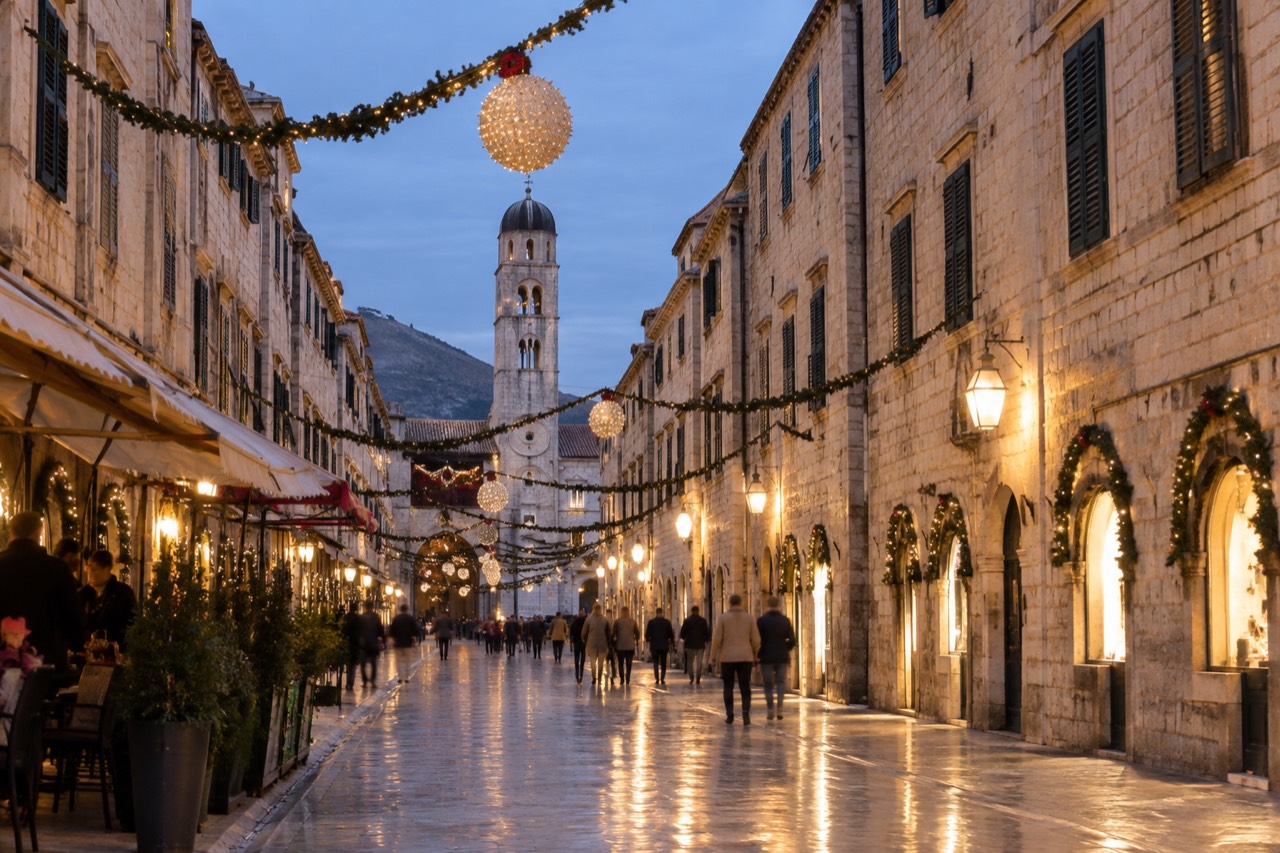
Dubrovnik in December is a different city from the one that absorbs cruise crowds in July. The Stradun still glows at dusk, but the crush is gone, the restaurants that stay open have time to talk, and the adult city walls ticket costs 20 euro instead of the 40 euro main-season price. I have walked this city in every month of the year, and the weeks around Christmas are when the Old Town feels most like it belongs to the people who live here, all 41,562 of them at the 2021 census.
This guide covers the practical side of a Christmas visit: whether the city is actually good in December, how the timing compares with the rest of the year, what the weather does, what things cost, which tours still run, and the mistakes I see winter visitors make. Everything here comes from operator price pages, the Port Authority's own statistics and the UNESCO record, not from brochure copy.
Is Dubrovnik Good at Christmas?
Yes, if you want the city rather than the beach. December gives you the Old Town without the crowds, half-price walls entry, a lit-up Stradun and mild daytime temperatures, but the sea is cold, some restaurants and shops close for a winter break, and the cable car runs reduced hours. It is a walking city in winter, not a swimming one.
The honest framing matters here. The same month that empties the cruise port also empties parts of the hospitality trade. The Port Authority recorded just 2,458 cruise passengers in December 2025, against 101,246 in September, and that collapse in footfall means a slice of the seasonal restaurants, island-hopping operators and beach clubs simply shuts until spring. What remains is the core of the city: the walls, the palaces, the monastery cloisters, the konobas that locals eat in, and a Christmas programme centred on the Stradun.
What you gain is space. The Old Town's official carrying capacity is 11,275 people, a ceiling from the UNESCO carrying-capacity assessment, and on a summer morning the counters at the gates record numbers pushing toward it. On a December afternoon you will have the ramparts largely to yourself, and photographs of the Stradun, all 298 metres of it, will show stone rather than shoulders.
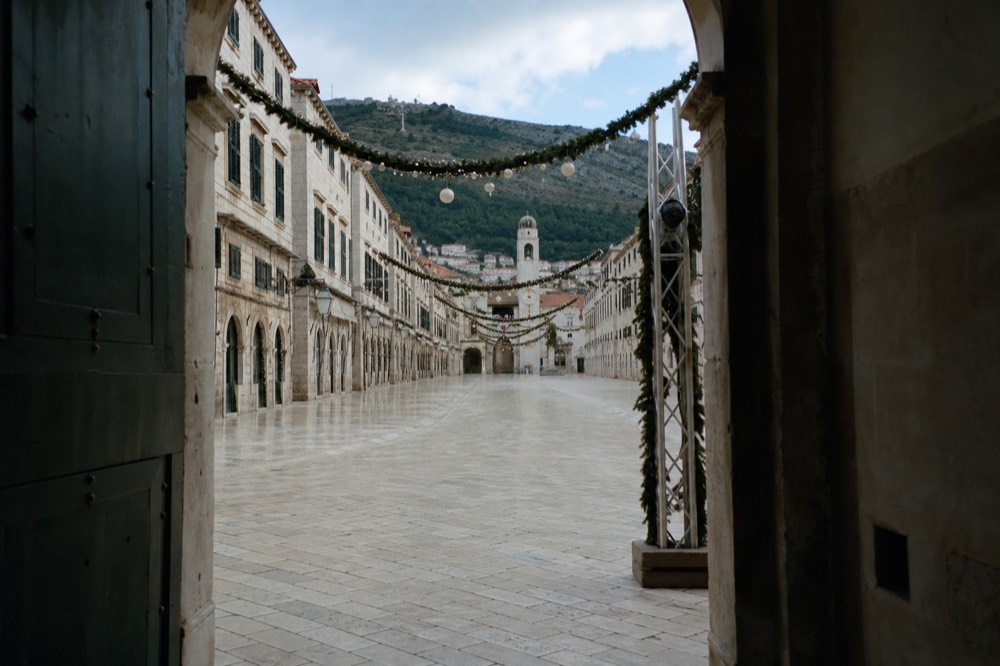
The Christmas market itself is a modest, local affair rather than a vast central-European market. Stalls and a programme of concerts gather around the Stradun and Luža, mulled wine and roasted chestnuts appear at the stands, and the lighting on the main street is the real draw: the limestone pavement, polished smooth by centuries of feet, reflects the strings of lights in a way few visitors who only come in July ever see. If you are weighing the city against a bigger winter market elsewhere in Europe, come for the setting, not the shopping.
One more December advantage: prices. Hotel rates in the off season sit well below their summer peaks, and the two biggest ticketed sights, the walls and the cable car, both charge less or run differently than in high summer. The next sections put exact numbers on all of it.
What Is the Best Time of Year to Go to Dubrovnik?
For warm swimming, July and August, when the long-run sea average is 24.9 and 25.8 degrees. For fewer crowds with full services, May, June, September and early October. For the lowest prices and empty streets, December through February, with December the only winter month that adds a Christmas programme. There is no single best month, only the trade you choose.
I get asked this constantly, and the answer always depends on what the visitor is actually coming for. The crowd data tells a story most people have not heard: cruise passengers in 2025 peaked not in July or August but in September, at 101,246, with October close behind at 100,132, above July's 96,072 and August's 87,385. The Port Authority's own figures, in other words, say the "shoulder season" is now the busiest season on the rampsarts, and the genuinely quiet warm months are June and early July, or May.
| Period | Sea average | Crowds | Best for |
|---|---|---|---|
| May | 18.6 degrees | Moderate | Walking, first swims, full services |
| June | 22.5 degrees | Busy, below peak | Swimming with room to move |
| July | 24.9 degrees | Heavy | Heat, nightlife, beaches |
| August | 25.8 degrees | Heavy | Warmest sea, peak prices |
| September | 23.6 degrees | Peak cruise month | Warm sea, big crowds |
| October | 21.0 degrees | Second cruise peak | Warm days, thinning services |
| December | 16.0 degrees | Very quiet | Christmas lights, low prices |
The sea temperatures above are long-run averages for 1991 to 2020 from the NOAA OISST v2.1 dataset, open-water grid-cell figures rather than beach thermometer readings, and they are corroborated within about a degree by an independent EU marine climatology. They describe the climate normal, not any particular week.
December sits at the far end of that table and wins on a different axis. The 4.2 million overnight stays Dubrovnik recorded in 2025, first place in Croatia alongside Rovinj, are overwhelmingly concentrated in the warm half of the year, so a Christmas visit buys you the city at its emptiest while it still puts on a show. If your dates are flexible and your heart is set on the market atmosphere, the days between mid-December and early January are the window. If you would rather have the same emptiness with better hiking weather, look at late February, though the Christmas lights will be gone.
If you want the fuller picture on shoulder-season trade-offs, our guide to the best time to visit Dubrovnik breaks it down month by month, and for the question of whether the low season is worth the airfare at all, see is Dubrovnik worth visiting in winter.
For a first visit in any season, though, a guided walk is the fastest way to get oriented, and the winter version has real advantages: smaller groups, guides with time, and light that photographers actually want.
What Is the Weather Like in Dubrovnik at Christmas?
Mild for a European winter, but not warm. Expect daytime highs in the low teens Celsius, nights near single digits, the possibility of rain and the strong bura wind, and a sea averaging 16.0 degrees, too cold for most swimmers. Pack layers, a real rain jacket and shoes with grip for wet limestone.
Dubrovnik's winter climate is Mediterranean, which means cool and wet rather than frozen. Snow on the Stradun is rare enough to make the local news when it happens. The more common winter visitor experience is a mix of bright, still days with blue skies over the Adriatic and grey stretches with rain sweeping in from the south, occasionally punctuated by the bura, the cold north-easterly that funnels down the mountains and can make an 12-degree day feel far colder on the exposed walls.
The sea figure deserves its honesty note. The 16.0-degree December number is a 1991 to 2020 long-run average from NOAA's satellite analysis, an open-water figure for the grid cell containing Dubrovnik, not this year's water and not a sheltered-bay reading. For context, the Croatian met service's own Dubrovnik buoy read 27.0 to 27.4 degrees on one early-September day against a 23.6-degree September average, which tells you how much warmer shallow, sheltered water runs in summer. In December, none of that helps: the sea is cold, full stop, and swimming is for the very hardy.
| Month | Sea average, degrees C | Month | Sea average, degrees C |
|---|---|---|---|
| January | 14.3 | July | 24.9 |
| February | 14.0 | August | 25.8 |
| March | 14.2 | September | 23.6 |
| April | 15.4 | October | 21.0 |
| May | 18.6 | November | 18.5 |
| June | 22.5 | December | 16.0 |
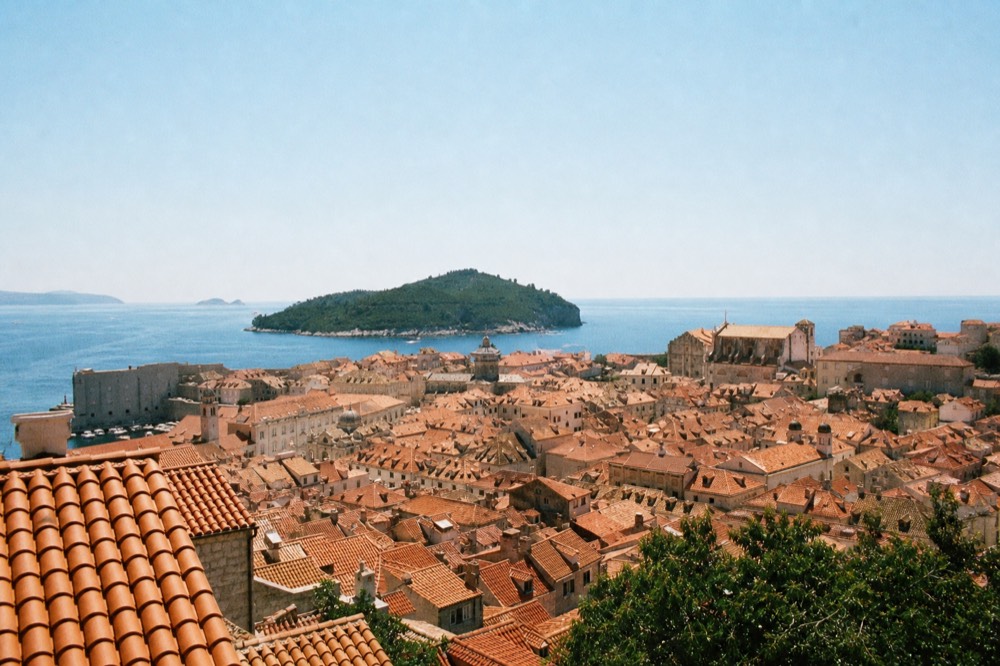
Daylight is the other winter constraint. The sun sets early in late December, and the cable car, which runs until midnight in high summer, operates reduced hours from October onward, so check the operator's own timetable page before planning an evening ride. What the short days give back is the light itself: low winter sun raking across the rooftops of the Old Town is the best natural lighting the city gets all year, and the sunset over the Adriatic happens at a civilised hour, not at 9pm.
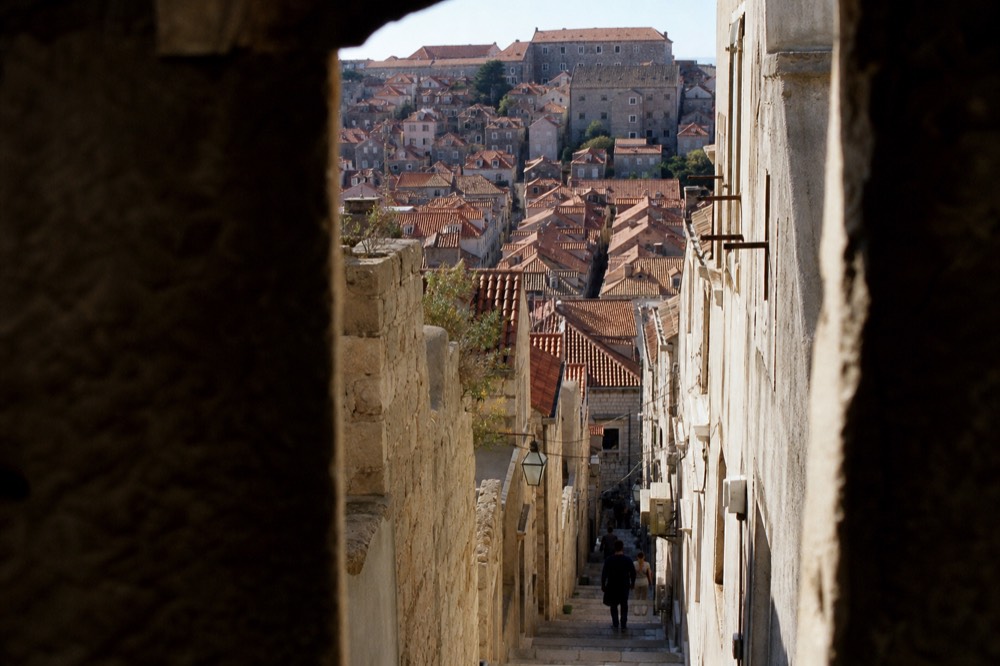
Rain is the practical planning problem. The limestone of the Stradun and the rampart steps becomes genuinely slippery when wet, and a rainy December day is not the day to attempt the full wall circuit in trainers. Build a bad-weather option into every day: the Rector's Palace, the Maritime Museum, the Franciscan Monastery cloister and a long lunch are the classic wet-day sequence, and the Dubrovnik Pass question changes shape in winter, which brings us to costs.
How Much Does a December Visit Cost?
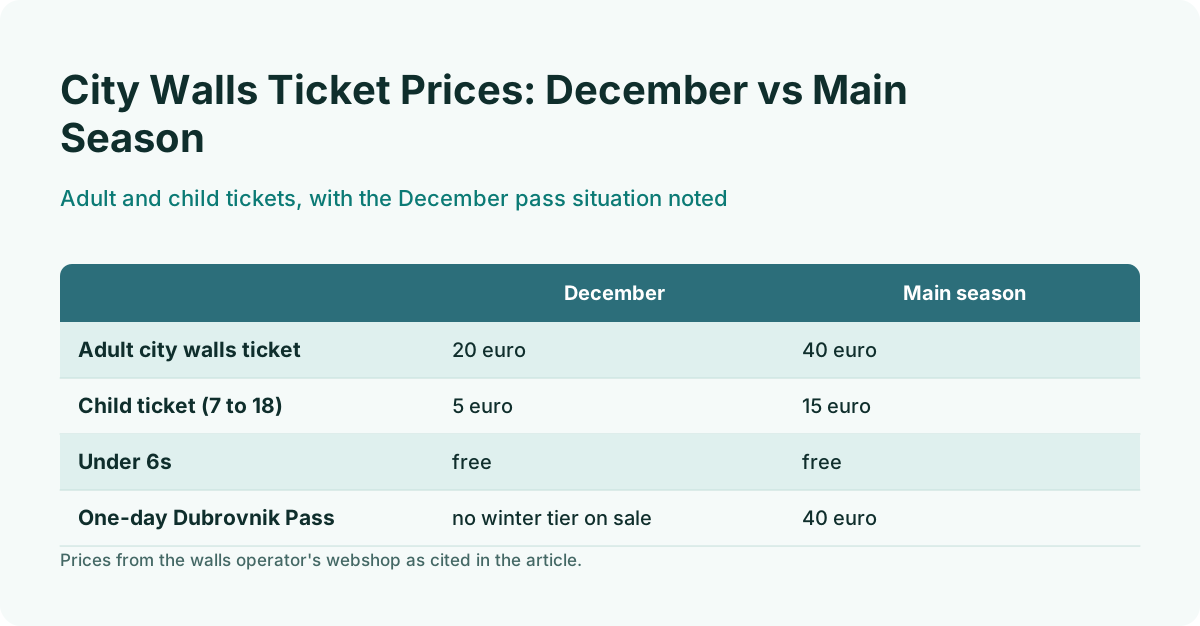
Noticeably less than summer at the ticketed sights. The adult city walls ticket is 20 euro in December against 40 euro in main season, the child ticket 5 euro against 15, under 6s stay free, and no winter Dubrovnik Pass tier is on sale at all, so the pass-versus-walls comparison that works in summer simply does not apply.
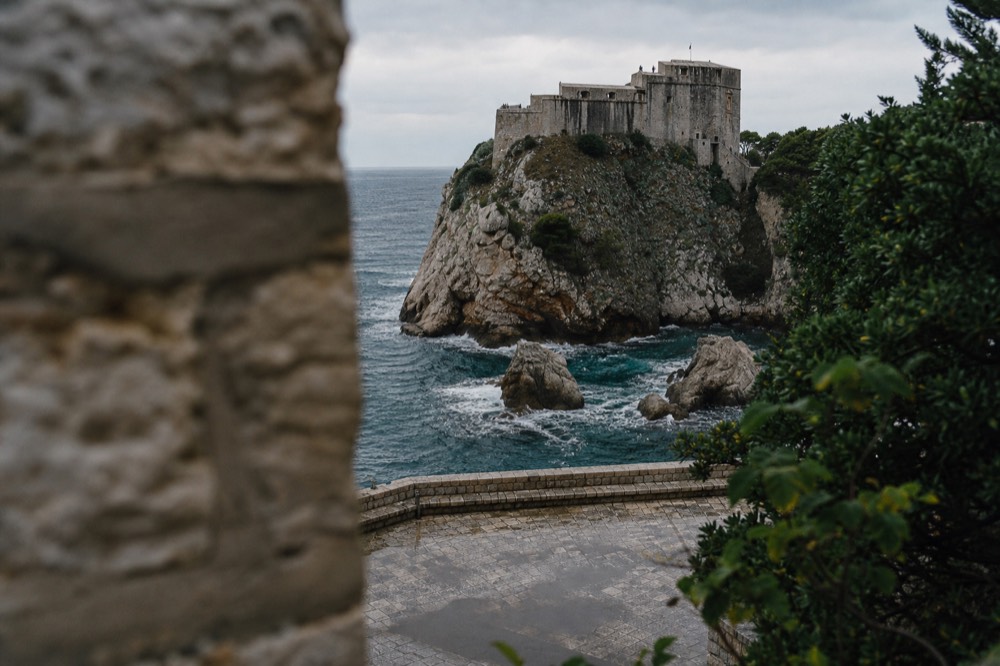
The walls pricing comes straight from the operator's own webshop, which sells exactly two paid ticket types, adult and child 7 to 18, with no family ticket of any kind. The 20-euro December adult ticket still includes Fort Lovrijenac, the fortress on its 37-metre sea rock across the bay, though the Western Outer Wall section closes for December, January and February.
| Item | Main season, 1 Mar to 30 Nov | December |
|---|---|---|
| City walls, adult | 40 euro | 20 euro |
| City walls, child 7 to 18 | 15 euro | 5 euro |
| Child 6 and under | Free | Free |
| Dubrovnik Pass, one day | 40 euro | Not on sale |
| Cable car, adult return | 30 euro | Reduced hours, check operator |
The pass point trips people up, so it is worth spelling out. In main season the one-day Dubrovnik Pass costs 40 euro, exactly the price of the standalone walls ticket, and adds ten more sights plus a 24-hour bus ticket, which makes it close to a free upgrade for anyone museum-minded. In December the walls ticket halves to 20 euro while the pass shop offers no winter tier at all, so the pass is simply off the table. If you want the full breakdown of what each tier includes in summer, our Dubrovnik Pass guide has it, and the city walls ticket guide covers the combinations.
The cable car keeps its summer price list, 30 euro adult return, 17 euro one way, 8 euro return for children 4 to 12, under 4 free, but its timetable compresses hard after October and it closes entirely from January to March, so a December ride is possible but needs checking against the operator's own timetable and prices page. The view from the top station, 405 metres above the sea and up to 60 km of range on a clear day, is arguably better in winter air, which is often clearer than the summer haze.
Everything else in a December budget trends down. Accommodation is the big saving, and restaurant prices for visitors who eat where locals eat barely move between seasons. The one cost that does not drop is the airport transfer, which is priced the same year-round, and the shared departure transfer runs from 20 dollars per person.
Which Tours Still Run in Winter?
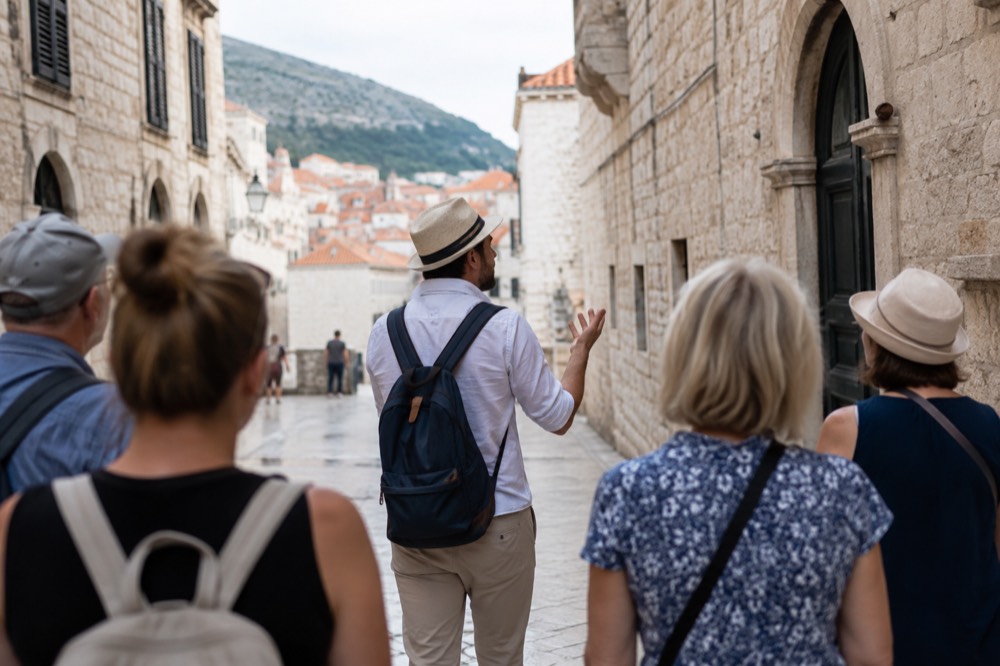
The core walking tours run all year, and winter is arguably the best time to take them. The Old Town walks start from about $20 to $24 per person, the walls walks from about $30, the free pay-what-you-want walks run on GuruWalk, and boat tours thin out sharply, with a handful of short cruises and cave trips still operating.
Walking tours are the winter backbone. In December you get the guide's full attention, and the shaded-side tricks that matter in a boiling September become irrelevant when the whole day is walking weather. The wider set of guides lives on Things to Do in Dubrovnik.
The walls walks also keep running, and this is where winter delivers something summer cannot: the ramparts empty. The Ancient City Walls and Wars Walking Tour runs about two hours, is rated 4.8 across 1,387 reviews, and starts from $29.58 per person. That price sits on top of the walls admission itself, so budget the 20-euro December ticket as well unless the listing states otherwise. One guest review of that walk sums up the experience neatly: "This well organized tour helped put Dubrovnik's past (and present) into perspective. It's incredible that the city walls have withstood the test of time. Antun was a wonderful guide."
| Tour | Length | From, per person | Rating |
|---|---|---|---|
| Ancient City Walls and Wars Walk | 2 h | $29.58 | 4.8, 1,387 reviews |
| Old Town Walk, Local Guide | Varies | $20 | 4.8, 5,826 reviews |
| Cavtat Sunset Cruise with Cold Platter | 1 h | $23.66 | 4.9, 203 reviews |
| E-Tuk Tuk Panorama Ride | 1 h 45 min | $59.24 | 5, 1,799 reviews |
The free walks deserve a mention because they run year-round and cost nothing up front. Three pay-what-you-want walks operate on GuruWalk: a 1-hour-45-minute Old City walk rated 4.87 across 2,242 reviews, a free Game of Thrones and history walk rated 4.74 across 444 reviews, and a 1-hour-45-minute evening history and legends walk rated 4.9 across 288 reviews. You tip the guide what you think the walk was worth, which makes them a genuinely low-risk option on a short winter visit.
Boat tours are the category that shrinks. The full-day Elaphite islands cruises, eight hours with lunch, are summer products and largely pause outside the warm months. What survives into winter is the short-format sailing: the one-hour Cavtat sunset cruise with a cold platter and unlimited drinks, rated 4.9 across 203 reviews and priced from $23.66, and a handful of cave and panorama trips, all weather-dependent and worth confirming close to your date. The e-tuk-tuk panorama rides also run through winter, enclosed against the wind, rated 5 across 1,799 reviews from $59.24.
Game of Thrones tours mostly keep running, since the filming locations are streets and fortresses rather than beaches, and the top-rated option, the Original Game of Thrones Tour with Lokrum and the throne, is rated 4.8 across 6,132 reviews from $25.57, though the Lokrum leg depends on the reserve's boat schedule, which thins in the off season.
What Not to Do in Dubrovnik?
Do not assume everything is open: some restaurants and shops take a winter break. Do not visit without a rain plan, do not attempt the walls in wet shoes, do not expect swimming weather, do not rely on a winter Dubrovnik Pass existing, and do not turn up at the cable car without checking its reduced hours.
The winter mistakes are predictable and all avoidable. The first is treating December like July with a coat. It is not. Services thin out, some island ferries reduce to a skeleton schedule, and the assumption that a specific konoba or shop will be open should be replaced by a quick check the day before. The places that stay open in winter are, conveniently, the ones locals use, so a closed door in December is often a signpost toward a better meal.
| Mistake | Why it fails in winter | Do this instead |
|---|---|---|
| Wet-weather walls circuit in smooth shoes | Limestone steps get slippery | Grippy shoes, or save walls for a dry day |
| Buying a Dubrovnik Pass in December | No winter tier is on sale | Buy the 20-euro walls ticket directly |
| Planning a cable car sunset ride | Hours reduce from October, closed Jan to Mar | Check the operator's timetable first |
| Expecting island day cruises | Full-day boats largely pause | Take a short sunset cruise instead |
| Packing for beach weather | Sea averages 16.0 degrees | Layers, rain shell, warm evenings indoors |
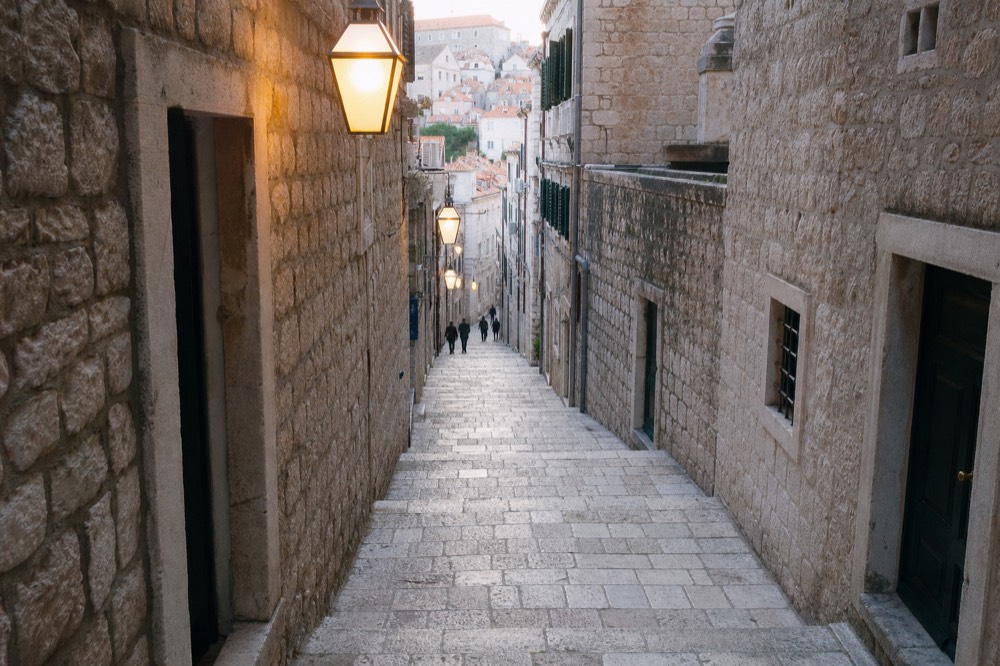
The second mistake is itinerary density. Summer visitors race because the crowds force them to; winter visitors sometimes race out of habit. The winter version of Dubrovnik rewards slowness: a long coffee on the Stradun, an unhurried hour in the Rector's Palace, the Franciscan cloister in the low sun, and an early dinner in a konoba where the waiter has time to explain the wine list. The Old City has been a UNESCO World Heritage site since 1979, inscribed under criteria (i), (iii) and (iv), and the 24.7-hectare property is small enough that two slow days beat four fast ones.
The third mistake is financial: assuming the pass logic that dominates summer advice threads applies in December. It does not, as the cost section above sets out. The fourth is transport: the number 6 bus and the local network keep running, but anything involving a boat, from Lokrum to the Elaphiti islands, needs its winter schedule checked rather than assumed. Lokrum's official boats run a reduced pattern outside the main season, and the reserve's own site carries the current schedule.
Finally, do not skip the walls because it is winter. The circuit, 1,940 metres long and up to 25 metres high at points, is the single best thing in the city, and December is the only month when you can walk parts of it in something close to solitude for half the summer price. Pick a dry day, go at opening, and the light on Lokrum and the open Adriatic will do the rest.
Can You Swim or Sail in December?
Swimming, realistically no: the December sea average is 16.0 degrees, cold even by hardy standards. Sailing, yes in small doses: short sunset cruises and panorama trips still run, weather permitting, and a one-hour cruise with drinks from $23.66 is a winter-appropriate way to get on the water.
The honest answer on swimming is that the numbers speak for themselves. The long-run December average for this coast is 16.0 degrees, and even the hardiest locals treat winter sea dips as a brief ritual rather than a swim. If bathing matters to your trip, the season runs roughly from June at 22.5 degrees through September at 23.6, and our swimming season guide maps the whole curve month by month.
Sailing is different. The Adriatic in December is often calm and dramatically beautiful, with the low sun turning the walls gold from the seaward side, an angle you cannot get from land. The Cavtat sunset cruise is the standout winter option: one hour on the water with a cold platter and unlimited drinks, rated 4.9 across 203 reviews, from $23.66 per person. It is short enough that a chilly evening stays comfortable, and the route toward Cavtat gives you the full walled-city silhouette at golden hour.
Kayaking sits between the two. The guided kayak tours around the walls and toward Betina Cave keep running in mild winter windows, and the water at the cave, famously clear, is no less clear in December, just sharply colder if you roll in. Operators make the call on the day, which is the right way round: book the tour, let the professionals judge the bura, and have a café backup.
A Short Winter Day That Works
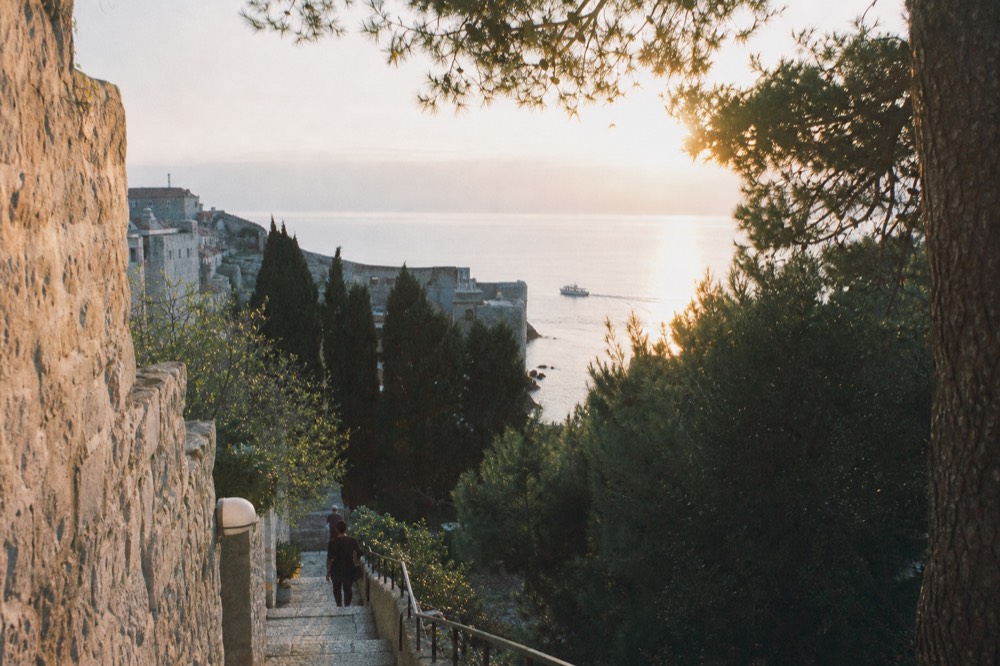
Start at the walls at opening for the 20-euro December ticket, come down to the Stradun for coffee by late morning, spend the afternoon on a guided Old Town walk or in the Rector's Palace, and finish on the water or at a konoba by dark, which in late December arrives early enough to leave the whole evening for dinner.
Here is the shape of a day I would actually plan. The walls open at 08:00, the operator's stated hours at the time of check running to 19:30 in the busy season, and a December morning on the ramparts with the sun coming up over Lokrum is the city at its most photogenic. Budget two unhurried hours for the circuit, more if you stop at every tower, of which the full structure has sixteen, alongside three fortresses, six bastions and two drawbridges.
Come down into the Old Town for a late-morning coffee. The Stradun's 298 metres take four minutes to walk and an hour to properly see, and in December you can stand in the middle of it, which is physically impossible in August. Lunch at a konoba that is open, and let the waiter steer you: winter menus lean on the same Adriatic fish, cured ham and hearty stews the region always eats, and the peka, meat or octopus slow-cooked under a bell of embers, is a cold-weather dish by design.
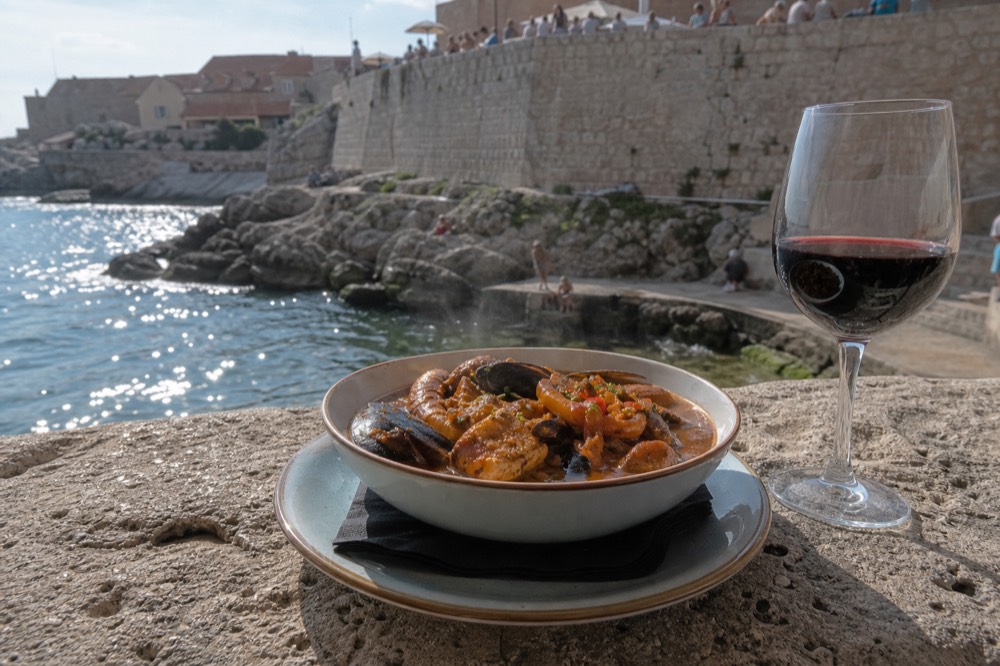
The afternoon is for depth. As the light goes, take the short sunset cruise if the sea is calm, or walk the outside of the walls at street level, from Pile toward the harbor, where the walls rise straight out of the water. Dinner early, because Dubrovnik eats earlier in winter, and the evening ends with the Christmas lights on the Stradun, which is the whole reason you came in December rather than February.
If the day turns wet instead, the swap is easy: Maritime Museum, Rector's Palace, a long lunch, the Natural History Museum, and the evening walk between the lights, under an umbrella, with the limestone shining. Even the rain here is theatrical.
Common Questions About Dubrovnik at Christmas
Is Dubrovnik good at Christmas?
Yes, for the right expectations. The city is quiet, mild and half-price at the walls, the Stradun is lit for the season, and the Christmas programme brings stalls and concerts to the Old Town. What you trade away is swimming weather and a full complement of restaurants and boat tours, some of which close for winter.
What is the weather like in Dubrovnik at Christmas?
Daytime highs typically sit in the low teens Celsius with nights near single digits, mixed between bright still days and rainy spells, and the occasional cold bura wind. The December sea average is 16.0 degrees, a long-run figure, so pack layers and a rain jacket rather than beachwear.
Is the Dubrovnik Christmas market worth visiting?
As an atmosphere, yes: the lights on the Stradun, mulled wine and roasted chestnuts, and concerts around Luža make a genuinely pretty setting. As a shopping destination it is modest compared with the big central-European markets, so come for the city dressed for Christmas rather than for the stalls alone.
How much are the city walls in December?
The adult ticket is 20 euro in December, against 40 euro in main season from 1 March to 30 November. Children 7 to 18 pay 5 euro, under 6s are free, and there is no family ticket. The December ticket still includes Fort Lovrijenac, though the Western Outer Wall closes for winter.
Do tours run in Dubrovnik in winter?
Walking tours run all year, including the paid Old Town and walls walks and the free pay-what-you-want walks on GuruWalk. Boat tours thin out sharply, but short sunset cruises and some cave trips keep running weather permitting, and the e-tuk-tuk panorama rides operate through winter.
What is the best time of year to go to Dubrovnik?
For swimming, July and August with sea averages of 24.9 and 25.8 degrees. For a balance of warmth and manageable crowds, June or May. Note that September and October are actually the peak cruise months, 101,246 and 100,132 passengers in 2025, ahead of July and August. For the emptiest streets and lowest prices, December through February.