Copacabana Beach Dubrovnik: What to Expect at the Lapad Peninsula's Sandy Stretch
Copacabana Beach sits on the Lapad peninsula west of the Old Town, and it answers the question most visitors ask within a day of arriving: where is the sand? Here is how to plan a day there, from swimming temperatures to jet-ski bookings.
Short answer
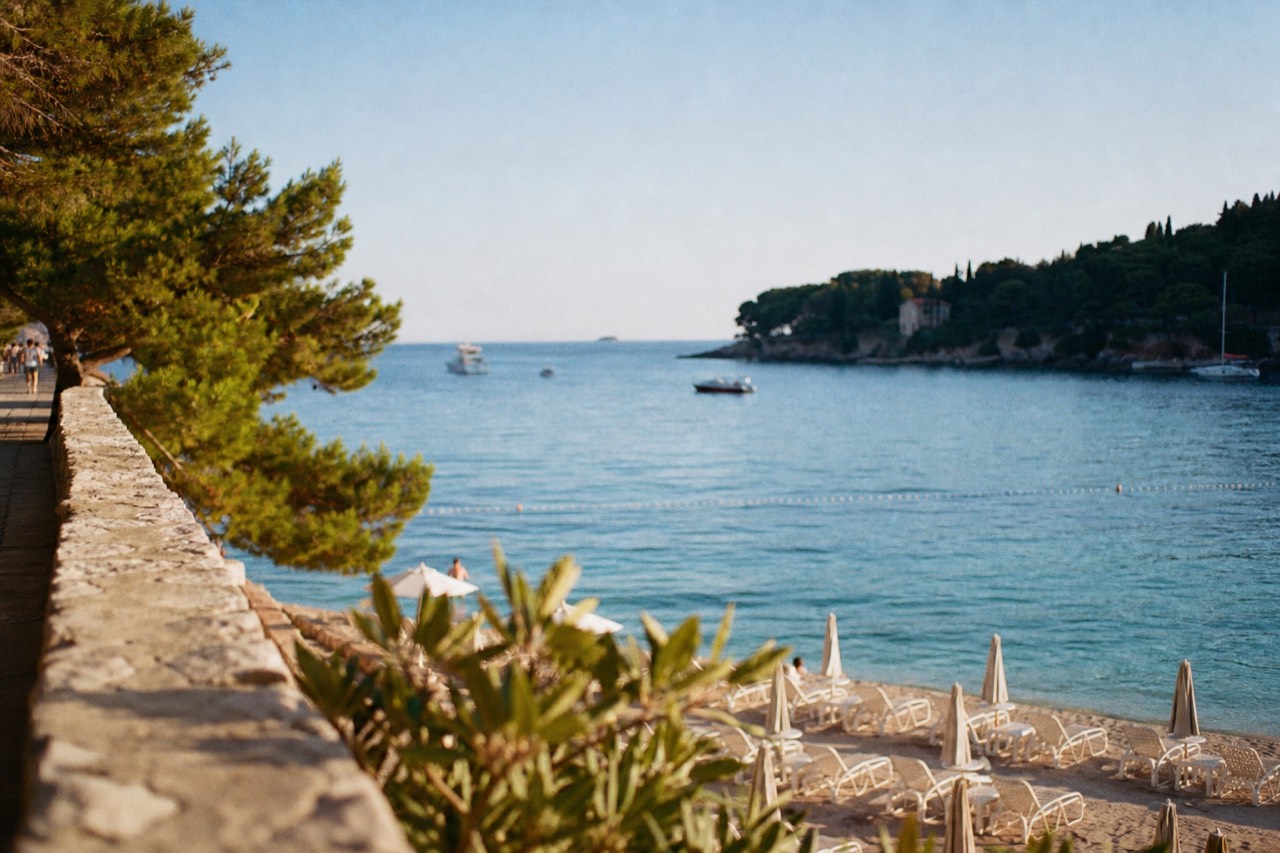
Copacabana Beach is a sandy, family-friendly beach on the Lapad peninsula, about 3 km from the Old Town and reachable by bus or a coastal walk. It is one of the few genuinely sandy beaches in Dubrovnik, with calm shallow water, paid loungers, cafes and watersports rentals, including jet skis, booked right on the sand.
Dubrovnik has a reputation for pebble and rock, and it is earned. Most beaches inside easy reach of the Old Town are shelves of white stone where you balance on a towel and slide into deep water. Copacabana Beach is the exception that surprises people. It sits on the northern shore of the Lapad peninsula, facing the open channel toward the Elaphiti islands, and it is genuinely sandy: fine, pale, soft underfoot sand that holds a lounger, a bucket and spade, and a full day of barefoot wandering.
I have walked this stretch of coast in every month of the year, and Copacabana changes character with the seasons. In July it is a busy family beach with music from the beach bar and a line of umbrellas. In October it is quiet enough that you can hear the ferries cutting across to the islands. This guide covers what the beach actually is, how it compares with the other contenders for the title of best beach in Dubrovnik, what the water is really like, and what you can book on the spot, from jet skis to banana boats.
Where Is Copacabana Beach and What Kind of Beach Is It?
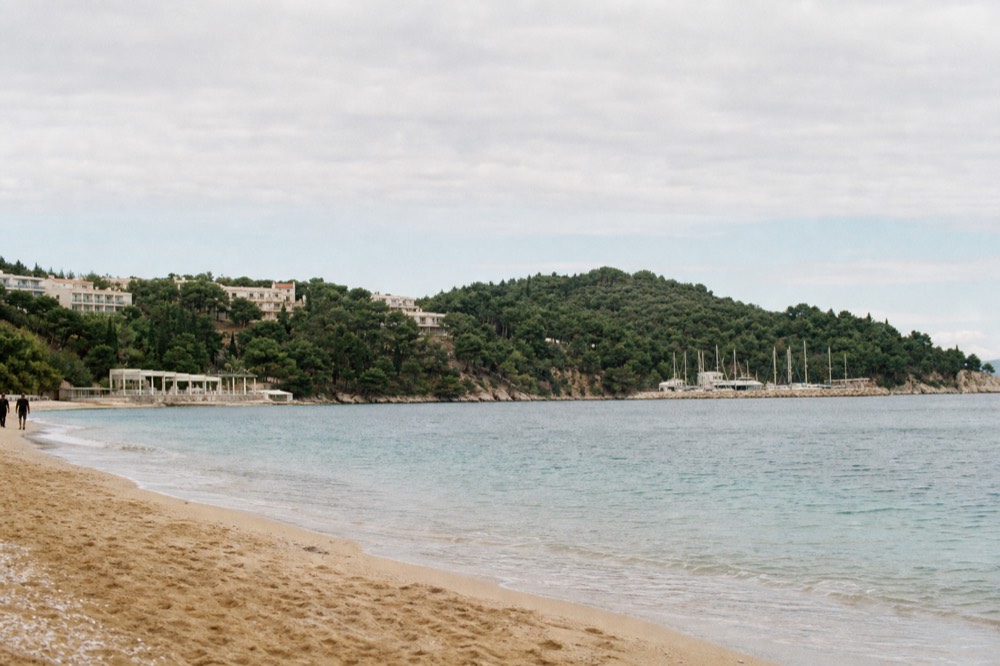
Copacabana Beach sits on the northern side of the Lapad peninsula, roughly 3 km west of the Old Town, at the foot of the Babin Kuk resort area. It is a sandy beach with shallow, calm water facing the channel toward Daksa and the Elaphiti islands, backed by a promenade, a beach bar, a restaurant and a small marina. Buses from the Old Town stop within a few minutes' walk.
The name borrows shamelessly from Rio, and no one in Dubrovnik pretends otherwise, but the borrowing tells you something useful: this is the beach people come to for sand and ease rather than drama. The beach is modest in length, a curved stretch at the head of a small bay, and the sand continues into the water, which stays shallow for a good distance out. That gradient is why families with small children end up here. Toddlers can paddle without a sudden drop-off, and the bay is sheltered from the open sea by the peninsula itself.
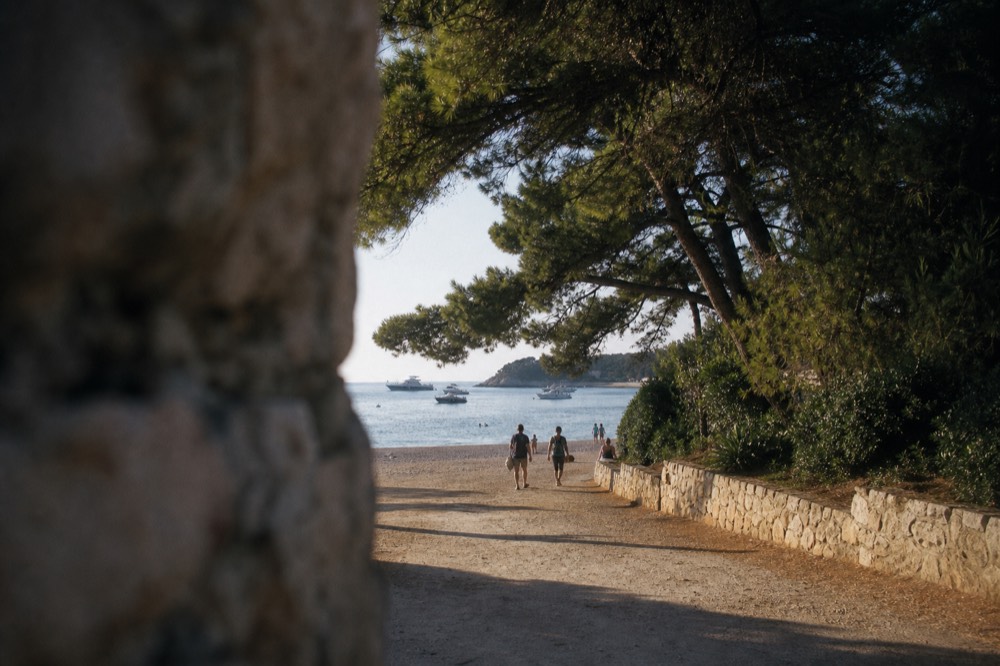
The setting is greener and lower-key than the postcard Dubrovnik of walls and terracotta. Pine trees come down toward the promenade, the Babin Kuk hotels sit a few minutes back, and the view across the water is of low islands and passing boats rather than fortress walls. If your mental image of Dubrovnik is all limestone and glare, Copacabana is the softer, leafier version of the city.
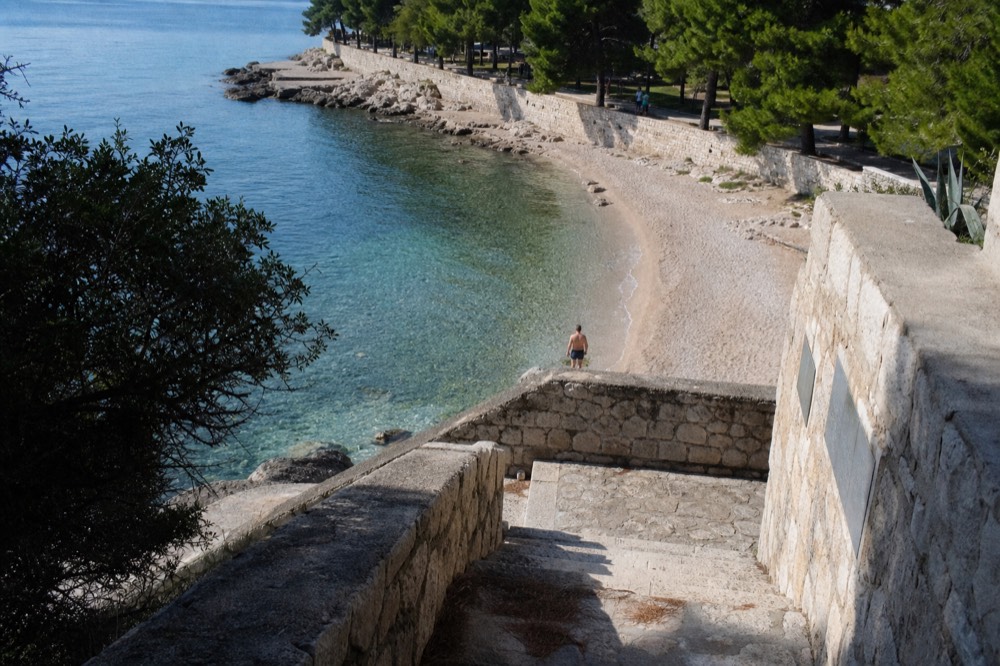
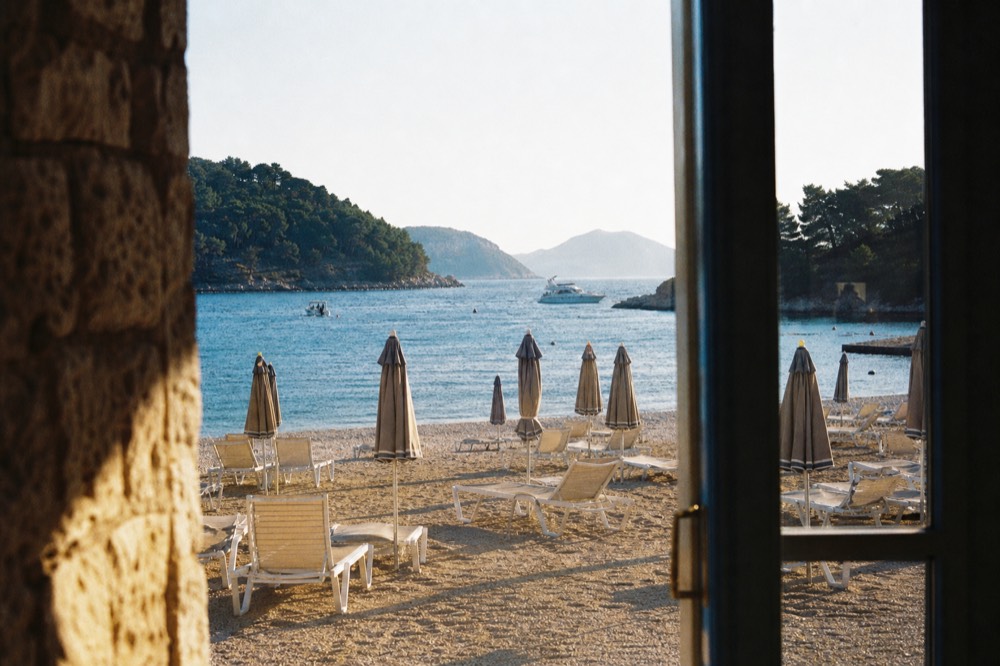
The beach is managed, which means it is serviced. There are paid sun loungers and umbrellas in rows, showers, changing cabins and toilets, and a beach bar plus a restaurant at the back of the sand. The marina at the western end adds a little boat traffic in the mornings, and the watersports operators set up on the sand in high season. None of this is free, and none of it is hidden: the layout is obvious the moment you arrive, so budget for a lounger if you want one, or claim a free patch of sand early.
What Is the Best Beach in Dubrovnik?
There is no single best beach in Dubrovnik, because the beaches split into three different jobs: sand and family ease at Copacabana on the Lapad peninsula, scenery and proximity at Banje below the Old Town walls, and quiet rocky coves such as Sveti Jakov for swimming and views. If sand underfoot and calm, shallow water top your list, Copacabana is the best beach in Dubrovnik.
Ask ten locals for the best beach and you will get a debate, not an answer, because the word "best" hides a choice between convenience, beauty and comfort. Copacabana wins on comfort. Banje Beach wins on location: it is a five-minute walk from Ploče Gate with the Old Town walls rising directly behind it, and the view from the water back toward the city is the one on half the postcards. The trade is that Banje is a pebble beach with a steep entry and a party atmosphere in season. Our Banje Beach guide covers it in detail.
Sveti Jakov is the beauty contender, a small pebble cove below a monastery garden with a full frontal view of the Old Town across the bay, reached by a long staircase down the cliff. It is spectacular and it is work, both on the way down and, more so, on the way back up in the heat. The staircase is the price of the view.
| Beach | Surface | Water entry | Best for | Trade-off |
|---|---|---|---|---|
| Copacabana | Sand | Shallow and gradual | Families, lounging, watersports | Bus or taxi from the Old Town |
| Banje | Pebble | Steeper | Views, proximity to Old Town | Crowded in season, pebbles |
| Sveti Jakov | Pebble | Moderate | Scenery, quieter swimming | Long staircase, no shade |
| Lapad Bay | Pebble and concrete | Gradual | Sunset walks, cafes | Less sand than it looks in photos |
Lapad Bay itself, the long curve of Uvala a little east of Copacabana, is the other name that comes up in this conversation. It is a lovely promenade beach with cafes and a famous sunset, but much of it is pebble and concrete platforms rather than sand, which is exactly why Copacabana, just around the headland, gets the families. Our Lapad Beach guide walks the whole bay.
If your day at the beach is one part of a bigger plan, it is worth pairing the sand with something the water itself cannot give you. The three options below are the ones that pair best with a Lapad peninsula base: a zipline over the coast, a kayak out to a cave, and a boat day on the islands you can see from the sand.
One practical note on "best": the answer changes with the month. In July and August, when the beaches inside the walls are standing-room-only, a beach you can actually spread out on, three kilometres from the crush, starts to look like the best one by default. The Old Town's official carrying capacity, from the UNESCO carrying-capacity assessment, is 11,275 people, and the city runs six counters at every Old Town entrance updating a headcount every 15 minutes, a system you can read about on the official Dubrovnik visitors platform. On those peak days, Copacabana is not a compromise, it is a relief.
What Is the Nicest Beach in Dubrovnik?
The nicest beach in Dubrovnik depends on what "nice" means to you: Copacabana is the nicest for a relaxed, serviced day with sand and calm water, Sveti Jakov is the nicest for pure beauty, and the quiet coves around the Babin Kuk headland are the nicest for escaping crowds without leaving the peninsula. Most families and most swimmers end up happiest at Copacabana.
"Nice" is a softer word than "best", and it usually means the whole experience rather than one headline feature. By that measure Copacabana scores well across the board: the sand is real, the water is calm because the bay faces north-west into a sheltered channel, the pine shade reaches the back of the beach in the late afternoon, and the infrastructure, showers, changing rooms, a decent restaurant, means you are not improvising. It is a beach you can hand a whole day to without planning.
The nicest hour at Copacabana is late afternoon into evening. The beach faces the setting sun across the channel, the day-trippers have gone, and the water is at its warmest after a full day of sun. Locals who live in Lapad treat it as their evening swim spot for exactly this reason. Bring a towel rather than a lounger at that hour, because the rental rows thin out and the beach returns to being a neighbourhood place.
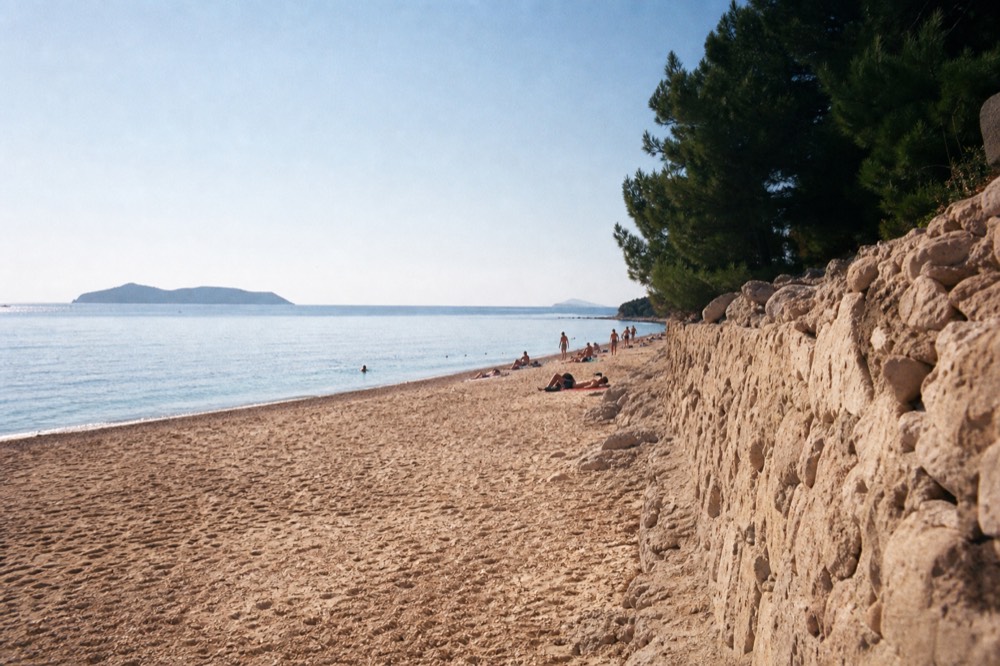
For swimmers who want depth rather than shallows, the rocks at either end of the beach drop off faster and give you a proper lane. For everyone else, the shallow middle is the point: it warms up quickly, it is safe, and it stays clear on calm days. The water clarity here is good but not Adriatic-postcard glassy, because sand stirs. If crystalline water is your definition of nice, the pebble and rock beaches will always beat the sandy ones, and that is a trade every sandy beach on this coast makes.
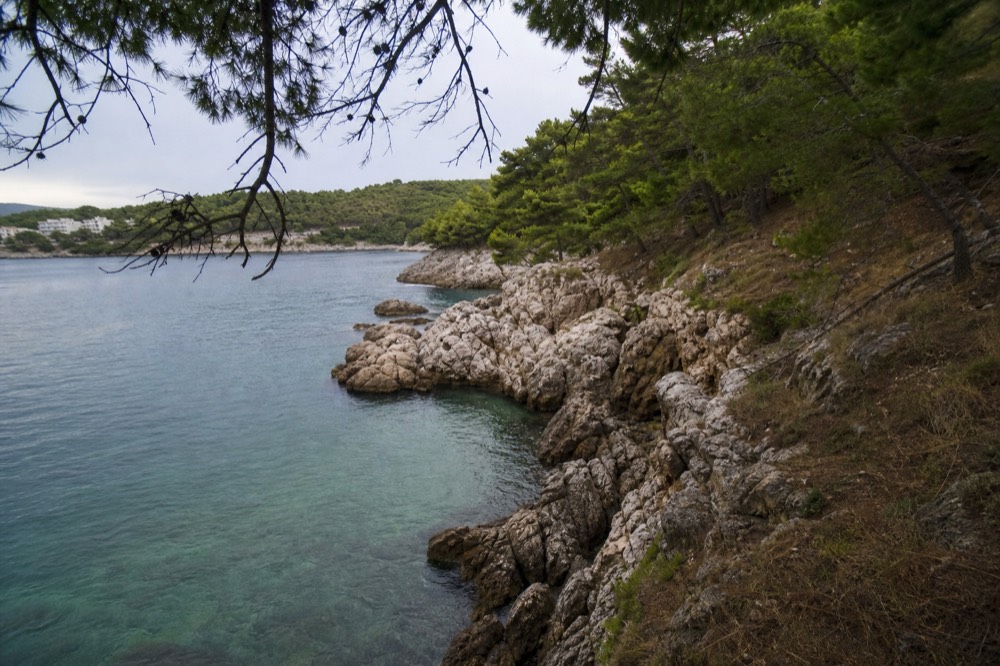
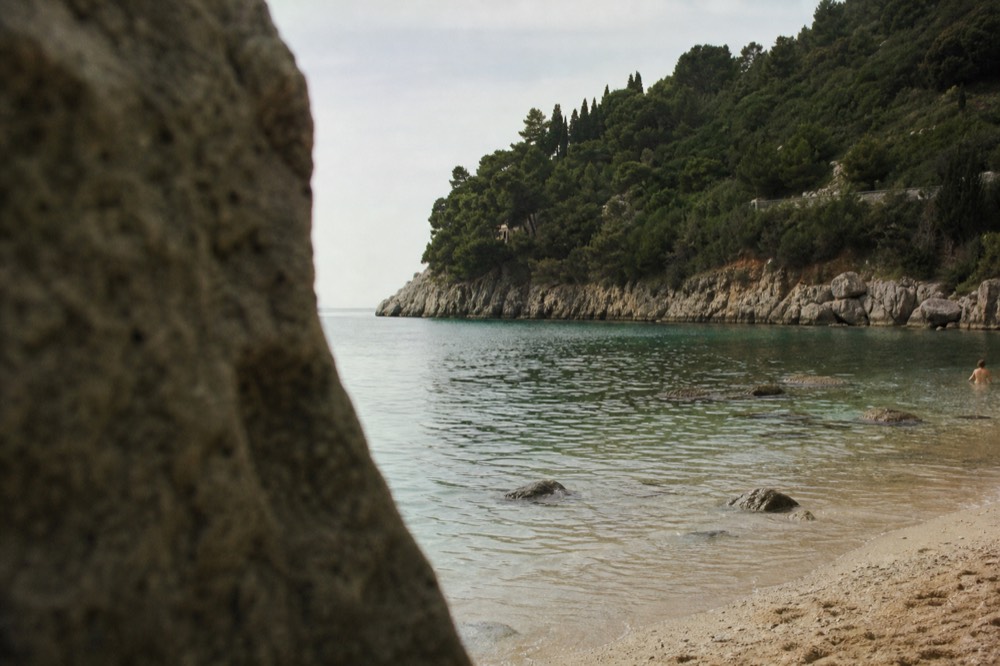
Between swims, there is a walk worth taking. The promenade continues west from Copacabana around the Babin Kuk headland, past small rocky coves where locals swim off the flat rocks with no facilities and no crowds. These little coves are the peninsula's quiet secret, and if the main beach feels busy, ten minutes of walking solves it. Wear shoes you can walk on rock in.
What Is the Most Beautiful Beach in Dubrovnik?
The most beautiful beach in Dubrovnik by setting is Sveti Jakov, a small pebble cove beneath a monastery garden with an unbroken view of the walled Old Town across the bay. Copacabana is beautiful in a gentler way, with pine trees, pale sand and a view of islands rather than fortifications, but it does not compete on drama.
Beauty on this coast is mostly about backdrop. Sveti Jakov has the single best backdrop in the area: the Old Town walls, the island of Lokrum and the open sea in one frame, with the beach itself a strip of pale pebble under a cliff garden. It is the beach photographers seek out at golden hour. The cost is access, a long stone staircase with a fair number of steps, no shade to speak of, and pebble underfoot.
Copacabana's beauty is softer and more forgiving. The curve of sand, the pines, the small marina and the low green line of Daksa island across the channel make a picture that reads as Mediterranean calm rather than dramatic history. It is the beach that looks best in the morning, when the water is still glassy and the lounger rows are empty, and the light comes across the channel from the north-east.
If you want beauty you can swim in rather than look at, the honest answer is that the most beautiful water near Dubrovnik is not on a beach at all but around Lokrum island and inside Betina Cave, the sea cave on the Lokrum coast that kayakers reach from a launch point a short paddle east of the Old Town. The water there is the deep, clear blue that sand can never give you, because there is nothing on the bottom to stir.
The 2-hour kayak tour that paddles out to Lokrum and into Betina Cave is the most practical way to swim in that water: from $35.49 per person, rated 4.9 across 1,518 reviews on the live listing, with the cave swim built into the route. One recent review from a family that took it captures what people consistently report: "Loved this kayaking experience. Had an amazing time as a family and enjoyed the swimming break at Betina Cave very much. The views were amazing, water was crystal clear, the guide was excellent and we learnt a lot about Dubrovnik."
For the big-picture version of the same coastline, the panorama zipline above the coast gives you the whole peninsula in one run, from $64 per person and rated 4.9 across 2,109 reviews. A guest who took it wrote: "The panorama zipline in Dubrovnik is really worth an excursion. You have an excellent view over Dubrovnik. You feel very well taken care of by Bobby, Matteo, and Dennis. Excellent organization! I would do it again anytime." It is a morning activity that pairs naturally with an afternoon on the sand.
What Is the Less Touristy Beach in Dubrovnik?
The less touristy beaches in Dubrovnik are the rocky coves around the Babin Kuk headland next to Copacabana, the pebble patches along the Lapad bay promenade east of the main beaches, and any stretch of the coastal path where locals swim off the rocks with no facilities at all. Copacabana itself is touristy in season but far less so than Banje.
The pattern is simple: the closer a beach is to the Old Town walls, the more crowded it is, because most visitors never leave the walled city's orbit. Banje, five minutes from Ploče Gate, absorbs that overflow. Copacabana, three kilometres out on the Lapad peninsula, sits in a neighbourhood rather than a monument zone, and its crowd is a mix of hotel guests from Babin Kuk, local families and the visitors who made the bus trip. It fills up in July and August, but it never has the shoulder-to-shoulder feel of the Old Town beaches. More of these guides are collected on Things to Do in Dubrovnik.
The genuinely quiet option is to keep walking. West of Copacabana, the coastal path rounds the headland past a string of small coves where there is nothing for sale and nobody arranging your towel. East along Uvala, past the main Lapad beaches, the promenade continues toward the Solitudo end, thinning out as it goes. These are the stretches where you will see locals doing their evening swim, and they cost nothing but the walk.
| Spot | Surface | Facilities | Crowd level |
|---|---|---|---|
| Copacabana Beach | Sand | Full: loungers, bar, restaurant, watersports | Busy in season, relaxed off-season |
| Babin Kuk coves | Flat rock | None | Very quiet, mostly locals |
| Lapad bay east end | Pebble and rock | Cafes within a short walk | Moderate, thins toward Solitudo |
| Banje Beach | Pebble | Full, including a beach club | Heaviest of all in season |
Timing matters as much as geography. The Old Town's own visitor-counting data shows the pattern plainly: on a September day the count climbed from 5,419 people at 08:00 to a 7,739 peak at 10:00, then eased to 7,205 by 11:00. Beaches follow the same curve in reverse. Before 10:00 and after 17:00, even the popular beaches feel half-empty, and Copacabana in particular turns genuinely local in the evening. If crowds are your main worry, change your clock before you change your beach.
Can You Swim at Copacabana Beach, and How Warm Is the Sea?
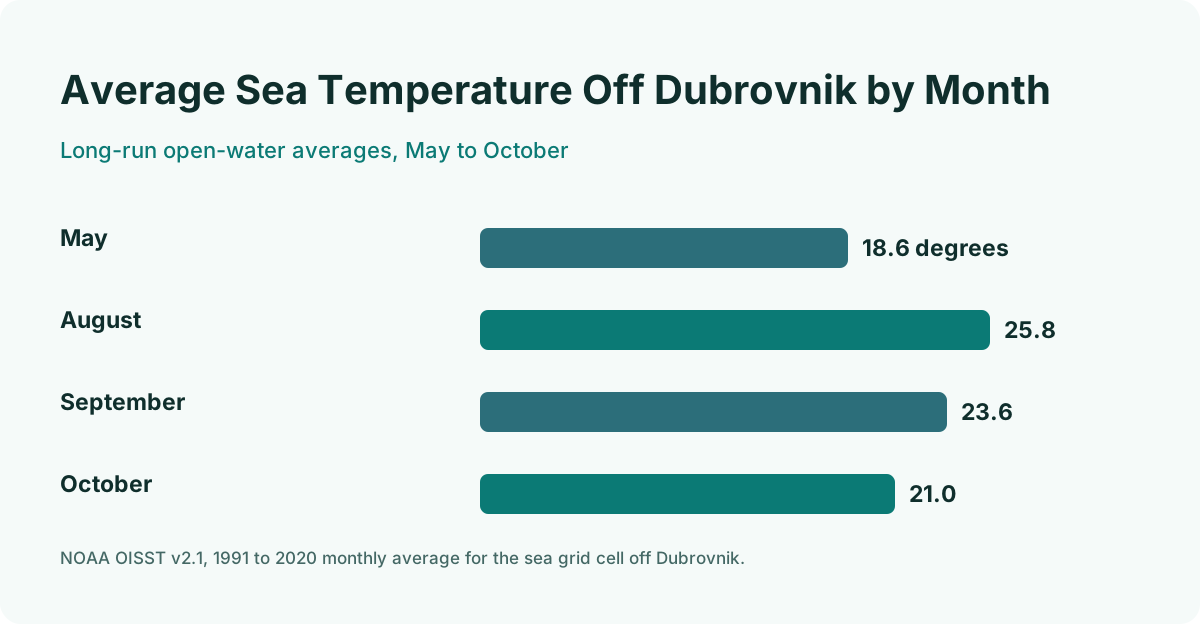
Yes, you can swim at Copacabana Beach from late spring well into autumn. The long-run average sea temperature on this coast runs from 18.6 degrees in May to a peak of 25.8 in August, 23.6 in September and 21.0 in October, so the comfortable swimming season is long, and the shallow sandy bay warms faster than the open water.
Those figures are open-water averages, not a beach thermometer. They come from the NOAA OISST v2.1 dataset, a 1991 to 2020 long-run monthly average for the sea grid cell off Dubrovnik, and an independent EU authority, EMODnet, corroborates them within about one degree in the months that matter. What that means for you is a baseline, not a promise: the actual water on any given day depends on wind and recent weather.
Sheltered, shallow bays run warmer than the average, and Copacabana is exactly that. The Croatian met service's own Dubrovnik buoy read 27.0 to 27.4 degrees across one early-September day against a 23.6 September average, which shows how far a sheltered patch of coast can sit above the open-water number in high summer. The sand at Copacabana also holds the day's heat, so the shallows near the beach are usually the warmest water on the peninsula by late afternoon.
| Month | Average sea temperature | Swimming verdict |
|---|---|---|
| May | 18.6 degrees | Brisk; fine for a quick dip |
| June | 22.5 degrees | Comfortable |
| July | 24.9 degrees | Warm |
| August | 25.8 degrees | Warmest month |
| September | 23.6 degrees | Excellent, and the beaches are calmer |
| October | 21.0 degrees | Still swimmable early in the month |
September deserves a special mention, because it is the month when swimming and sightseeing balance best. The sea has stored the whole summer's heat, the air has cooled from August's peak, and, counter to what most visitors assume, September is actually the busiest cruise month of the year here: Port Authority data shows 101,246 cruise passengers in September 2025 and 100,132 in October, ahead of July's 96,072 and August's 87,385. Those passengers concentrate in the Old Town, not on the Lapad peninsula, which is one more reason a beach day in September works so well. Our Dubrovnik in September guide covers the whole month.
What Watersports and Rentals Can You Book at Copacabana Beach?
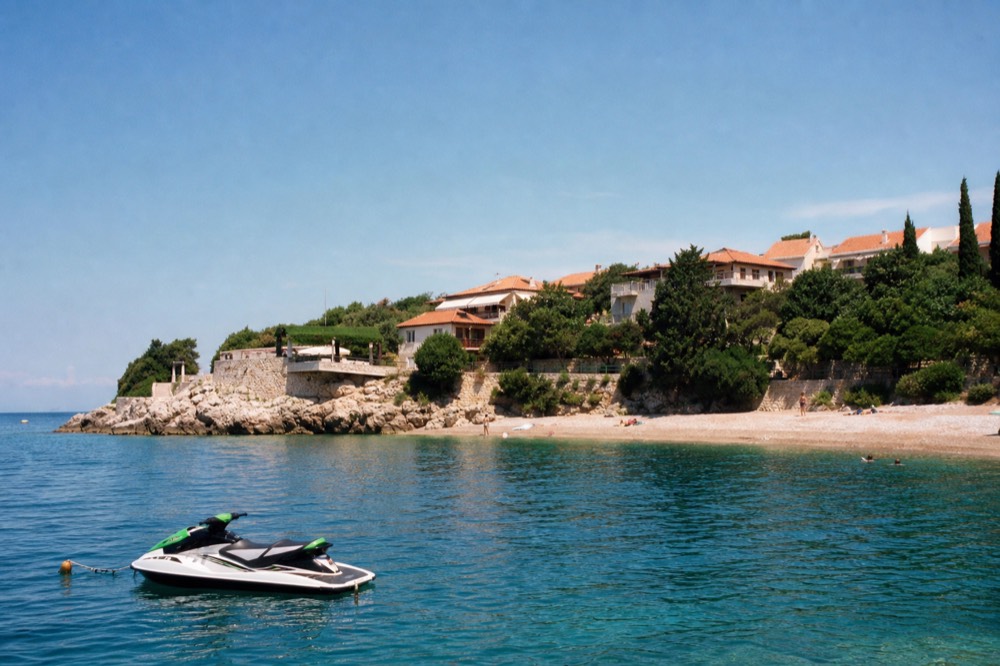
Copacabana Beach is one of the main watersports booking points in Dubrovnik: jet-ski rentals, banana boat and ringo rides, stand-up paddleboards and kayaks are all arranged from operators on the sand in season. There is no need to book a jet ski in advance for most of the summer, though peak August afternoons can sell out the best slots.
Jet skis are the headline item, and this is the beach where people book them, because the bay opens onto a wide, calm channel with room to open the throttle away from swimmers. The operators on the sand run sessions by the block of time, with a briefing and a marked riding zone, and the whole thing is cashless and quick. If you want the full picture of powered water activities in the city, our jet ski and watersports guide goes through the options and the practicalities.
Paddleboards and sit-on kayaks are the calmer alternative, rented by the hour from the same stretch. The bay is forgiving for beginners: the water is shallow for a long way out, the afternoon sea breeze is usually gentle, and the coastline west toward the headland gives you something to aim at. It is a genuinely good place to try a paddleboard for the first time.
| Activity | Booked where | Typical experience |
|---|---|---|
| Jet ski | Operators on the sand | Briefing, marked riding zone in the channel |
| Banana boat and ringo | Operators on the sand | Group rides behind a boat, popular with kids |
| Paddleboard | Operators on the sand | Hourly rental, shallow bay, beginner-friendly |
| Kayak | Operators on the sand | Hourly rental around the bay and headland |
The guided alternative is worth knowing about. Rental kayaks stay inside the bay; guided tours go somewhere. The kayak tour to Lokrum island and Betina Cave, from $35.49 per person and rated 4.9 across 1,518 reviews, paddles out of the Old Town side of the coast and includes a swim stop inside the cave, something no rental from Copacabana can reach in an afternoon. And if your taste runs to a bigger boat day, the Blue Cave and Sunj Beach tour, from $63.48 per person and rated 4.87 across 3,105 reviews, pairs a sea cave with the long sandy stretch of Sunj on Lopud, a beach that makes Copacabana look compact. Drinks are included, and Sunj is the other genuinely sandy beach in the wider area, one people compare directly with Copacabana.
How Do You Get to Copacabana Beach From the Old Town?
The simplest way to get to Copacabana Beach from the Old Town is the local bus toward Babin Kuk, which runs from the Pile Gate area along the Lapad peninsula and stops a few minutes' walk from the sand, roughly a 15 to 20 minute ride. On foot it is a 3 km walk along the coast, and taxis and rideshares cover it in about 10 minutes.
The bus is the local workhorse and it is cheap and frequent through the day. Board at Pile or at the stops along the Lapad corridor, and get off at the Babin Kuk stops, from which the beach is signposted down toward the water. Validate your ticket when you board. In high season the buses fill up mid-afternoon with beach traffic in both directions, so if you are carrying towels and a cooler, the off-peak hours are kinder.
Walking is the option most visitors underestimate. The route from Pile runs through the quiet end of Lapad, past Uvala's promenade and around the peninsula, and it is a genuinely pleasant 45 minutes to an hour with cafes along the way. Come back by bus if the heat has taken its toll. For everything on the city's transport in one place, our getting around Dubrovnik guide lays out buses, taxis and the rest.
| Way to get there | Time from the Old Town | Notes |
|---|---|---|
| Local bus | About 15 to 20 minutes | Frequent through the day, validate on board |
| On foot | About 45 to 60 minutes | Scenic coastal route via Uvala |
| Taxi or rideshare | About 10 minutes | Best with gear or small children |
| Hotel shuttle | Varies | Some Babin Kuk hotels run one |
If you are staying in Lapad or Babin Kuk, the whole question dissolves: the beach is your neighbourhood beach, which is exactly why those areas are popular with families. Staying out there trades the Old Town's night-time atmosphere for mornings that start with a swim, and the bus connects you to the walls whenever you want them.
Where Do You Eat Near Copacabana Beach?
Eating near Copacabana Beach is easy and mostly casual: the beach's own restaurant and bar sit directly on the sand, a cluster of cafes and pizzerias lines the Babin Kuk promenade a few minutes' walk away, and the Uvala end of Lapad bay adds a wider choice of sit-down restaurants along the seafront, all within a 15 minute walk.
The beach restaurant is the convenient option, and convenience is what it is for: grilled fish and meat, pizza, salads, ice cream and cold drinks, served with your feet effectively in the sand. Prices are beach prices, meaning a notch above town, and the trade is that nobody has to move. The beach bar handles the between-swims round of drinks and keeps going into the evening.
Walk five minutes inland to the Babin Kuk centre and the choice widens and cheapens: konoba-style places, pizzerias and bakery-cafes serving the neighbourhood rather than the beach crowd. This is where the hotel staff and locals eat, and the difference shows on the bill. For what to actually order when you get there, our what to eat in Dubrovnik guide covers the dishes worth choosing, from fresh Adriatic fish to the pasta and risotto dishes this region does well.
| Eating option | Distance from the sand | Best for |
|---|---|---|
| Beach restaurant and bar | On the beach | Zero-effort lunches and drinks |
| Babin Kuk cafes and pizzerias | About 5 minutes' walk | Better value, local crowd |
| Uvala seafront restaurants | About 15 minutes' walk | Sunset dinners on the promenade |
The Uvala walk at dinner time is one of the underrated pleasures of basing yourself on this side of the city. The promenade faces west over the bay, the restaurants string along the water, and the sunset over the headland is the best free show on the peninsula. Eat late the way locals do and you get the golden hour, the dinner and the after-dinner walk in one slow loop.
When Is the Best Time of Day and Year for Copacabana Beach?
The best time of day at Copacabana Beach is before 10:00 for calm water and space, and after 17:00 for warm shallows and the local evening swim. The best months are June and September: the sea averages 22.5 degrees in June and 23.6 in September, and September combines the year's warmest stored water with thinner crowds than August.
Mornings belong to the swimmers and the photographers. The channel is at its calmest, the sand is untouched, the lounger rows are empty, and the light comes across the water. By late morning the beach fills, the watersports start, and the character shifts from quiet to busy. That is not a complaint, it is the beach doing its job, but it is a different beach at 08:00 and at 13:00.
The season runs longer than most visitors plan for. May is warm enough for a brave swim, June through August is full summer, September is the connoisseur's month, and early October still offers 21.0-degree water and empty sand. The beach infrastructure, loungers, the bar, the watersports operators, scales with the season, so services thin out at the edges of the year even when swimming is still perfectly possible.
Whatever month you come, the beach is only half of what this peninsula does well. The three picks below round out a day on the sand with the coast from above, the water from inside a cave, and the islands you can see from your lounger.
Common Questions About Copacabana Beach in Dubrovnik
Is Copacabana Beach in Dubrovnik Sandy?
Yes, genuinely sandy, which is rare here. Most Dubrovnik beaches are pebble or rock, but Copacabana has fine pale sand that continues into the water, one reason families with small children choose it.
How Far Is Copacabana Beach From the Old Town?
About 3 km. The local bus toward Babin Kuk takes roughly 15 to 20 minutes from the Pile Gate area, a taxi or rideshare about 10, and the walk along the coast via Uvala takes 45 minutes to an hour.
Can You Rent Jet Skis at Copacabana Beach?
Yes. Copacabana is one of the main watersports booking points in Dubrovnik, with jet skis, banana boat and ringo rides, paddleboards and kayaks arranged from operators on the sand in season.
what is the less touristy beach in dubrovnik?
The rocky coves around the Babin Kuk headland next to Copacabana, and the quieter stretches of the Lapad bay promenade, see mostly locals and no facilities. Of the managed beaches, Copacabana itself is far less touristy than Banje below the Old Town walls.
When Is the Sea Warm Enough to Swim at Copacabana Beach?
The long-run average off this coast is 22.5 degrees in June, 24.9 in July, 25.8 in August and 23.6 in September, and the shallow sandy bay usually runs warmer than the open-water average in high summer. Most people swim comfortably from June into early October.
Is Copacabana Beach Good for Children?
Very. The sand is soft, the water stays shallow for a long way out with no sudden drop-off, the bay is sheltered, and there are showers, changing cabins and food directly on the beach, plus banana boat rides for older kids.