Dubrovnik in September: Weather, Crowds, Sea and What to Pack
September is the month Dubrovnik locals quietly recommend: the sea is at its warmest average of the shoulder season, the crowds thin after the August peak, and the cruise calendar is still full. Here is what to expect and how to plan for it.
Short answer
September days in Dubrovnik average a long-run sea temperature of about 23.6 degrees and warm, dry air. Cruise passengers actually peak in September at 101,246, above July and August, but the Old Town headcount tops out near 7,739 mid-morning. Pack layers, swimwear and walking shoes, and book the walls and boat trips ahead.
September is the month I steer people toward when they ask me when Dubrovnik is at its best, and I say that as someone who walks these streets in every month of the year. The logic is simple once you see the numbers: the sea holds its warmth, the ferries and boat trips still run their full schedules, and the crush of August holidaymakers has gone home. What surprises most visitors is that September is actually the busiest cruise month of the year on paper, and yet the streets feel calmer than mid-July. This guide explains that paradox, gives you the verified figures on heat, water and crowds, and tells you exactly what to pack.
If you are weighing September against other months, the comparison pages on Things to Do in Dubrovnik cover the whole calendar, including our broader best time to visit guide.
Why Is September Dubrovnik's Sweet Spot?
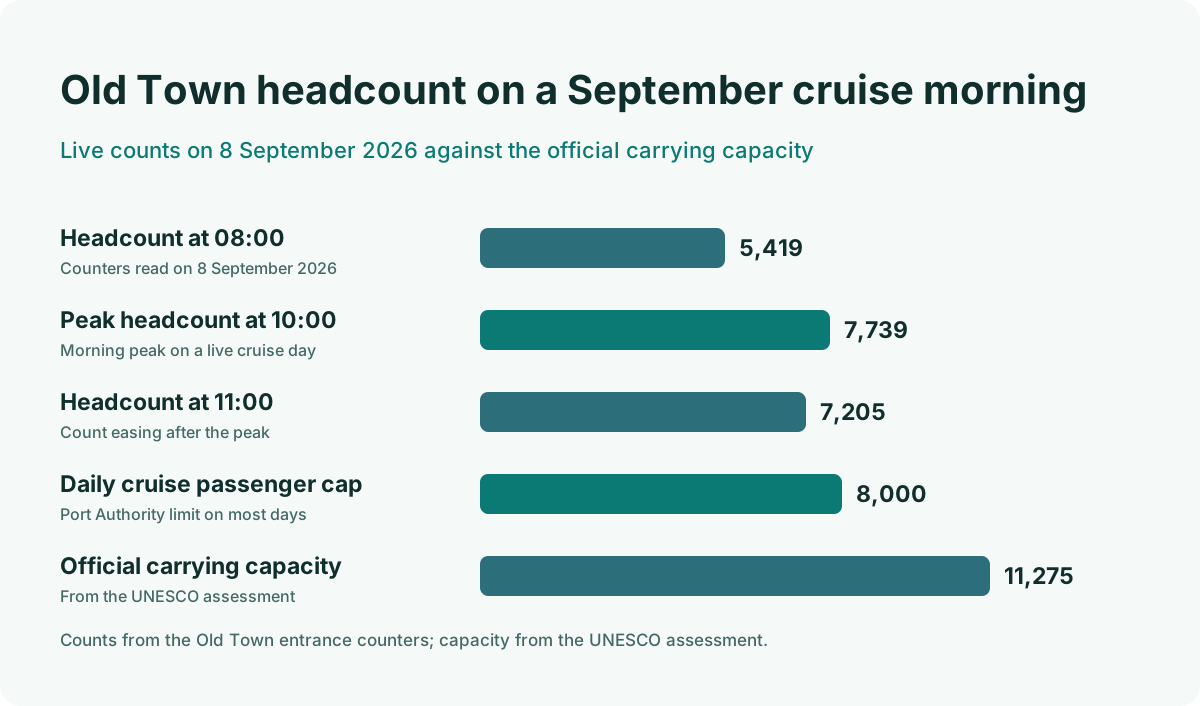
September combines the warmest shoulder-season sea of the year with a visible drop in land-based crowds, while the full summer programme of boats, cable car hours and city walls access is still running. The Old Town headcount on a real September morning peaked at 7,739 at 10:00, comfortably under the official carrying capacity of 11,275, and the sea has barely cooled from its August peak.
The counter-intuitive fact worth knowing before anything else: Dubrovnik's cruise passengers peaked in September 2025, at 101,246 people, ahead of October's 100,132 and well above July's 96,072 and August's 87,385. That is Port Authority data, not a guess, and it inverts the usual "summer is busiest" assumption. The reason September still feels lighter is that land-based tourism drops sharply once school holidays end, so the streets, restaurants and beaches carry far fewer staying visitors even on days when ships are in.
There is a second, quieter advantage. Dubrovnik recorded about 4.2 million overnight stays in 2025, sharing first place among Croatian destinations with Rovinj, and much of that volume is compressed into July and August. By mid-September the balance shifts: you share the city with cruise day-trippers who concentrate between 10:00 and 16:00, and with a thinner base of overnight guests. Time your day around that window and you get the best of both worlds.
For the practicalities, everything below is drawn from operator and authority sources: the walls operator's own webshop, the cable car's technical pages, the Lokrum Reserve's official schedule, and the Port Authority's statistics.
How Hot Is Dubrovnik in September?
September in Dubrovnik is warm but no longer furnace-hot: expect daytime highs that ease down through the twenties as the month progresses, strong sun at midday, and cooler evenings by the last week. The long-run September sea temperature average is about 23.6 degrees, and the cable car still runs until midnight through 14 September, which tells you how dependable the evenings are.
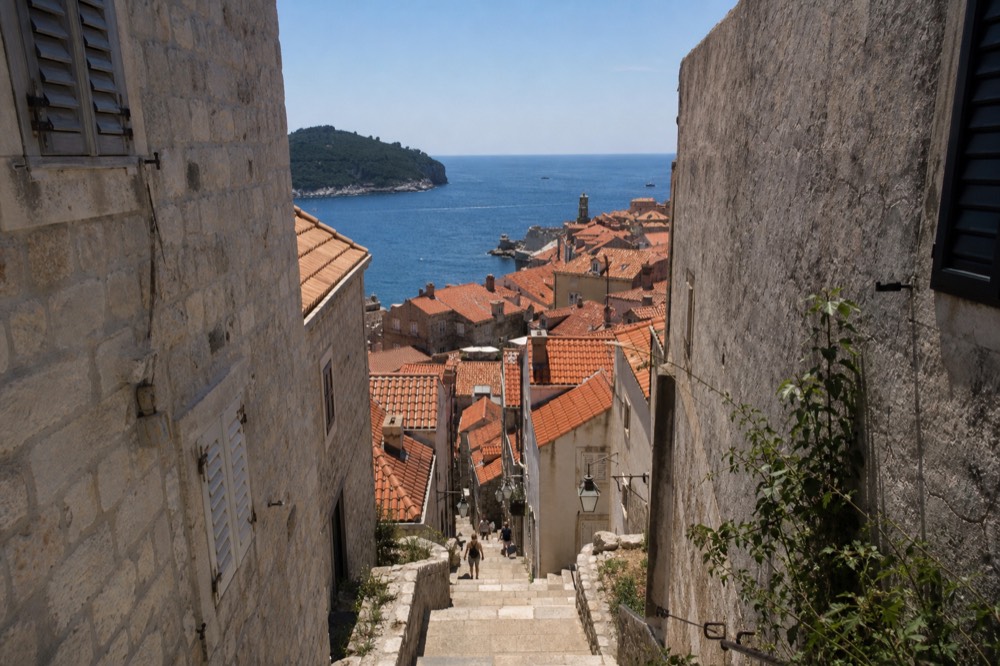
I will not quote you a precise air-temperature figure for September, because the verified sources I work from resolve the sea, not the air, and I would rather give you the honest picture than a number I cannot stand behind. What I can say from walking the city in Septembers past is what the heat actually does: the first half of the month behaves like a gentler August, with midday sun that sends everyone into the shade of the side streets off the Stradun, while the second half brings the first genuinely cool evenings of the season.
The sea is the reliable part. The September average for this coast is about 23.6 degrees, a long-run open-water average for 1991 to 2020 from NOAA's satellite analysis, cross-checked within about 1 degree by an independent EU marine dataset. Sheltered bays run warmer still: the Croatian met service's own Dubrovnik buoy read 27.0 to 27.4 degrees across 8 September 2026 against that 23.6 mean. In plain terms, the water in early September is at its most swimmable of the whole year relative to the air, and it stays pleasant well past the equinox.
| Month | Long-run sea average | What it means for swimming |
|---|---|---|
| June | 22.5 degrees | Refreshing, fully swimmable |
| July | 24.9 degrees | Warm, at the summer peak |
| August | 25.8 degrees | The warmest month of the year |
| September | 23.6 degrees | Barely cooler than July, with cooler air |
| October | 21.0 degrees | Still fine for most people, shortening days |
Those figures are open-water grid-cell averages, not beach thermometer readings, which is exactly why the buoy reading above can sit almost 4 degrees above the September mean: shallow, sheltered water warms past the open-sea value. If you want the fuller picture, our swimming season guide covers every month.
What to Wear in Dubrovnik in September?
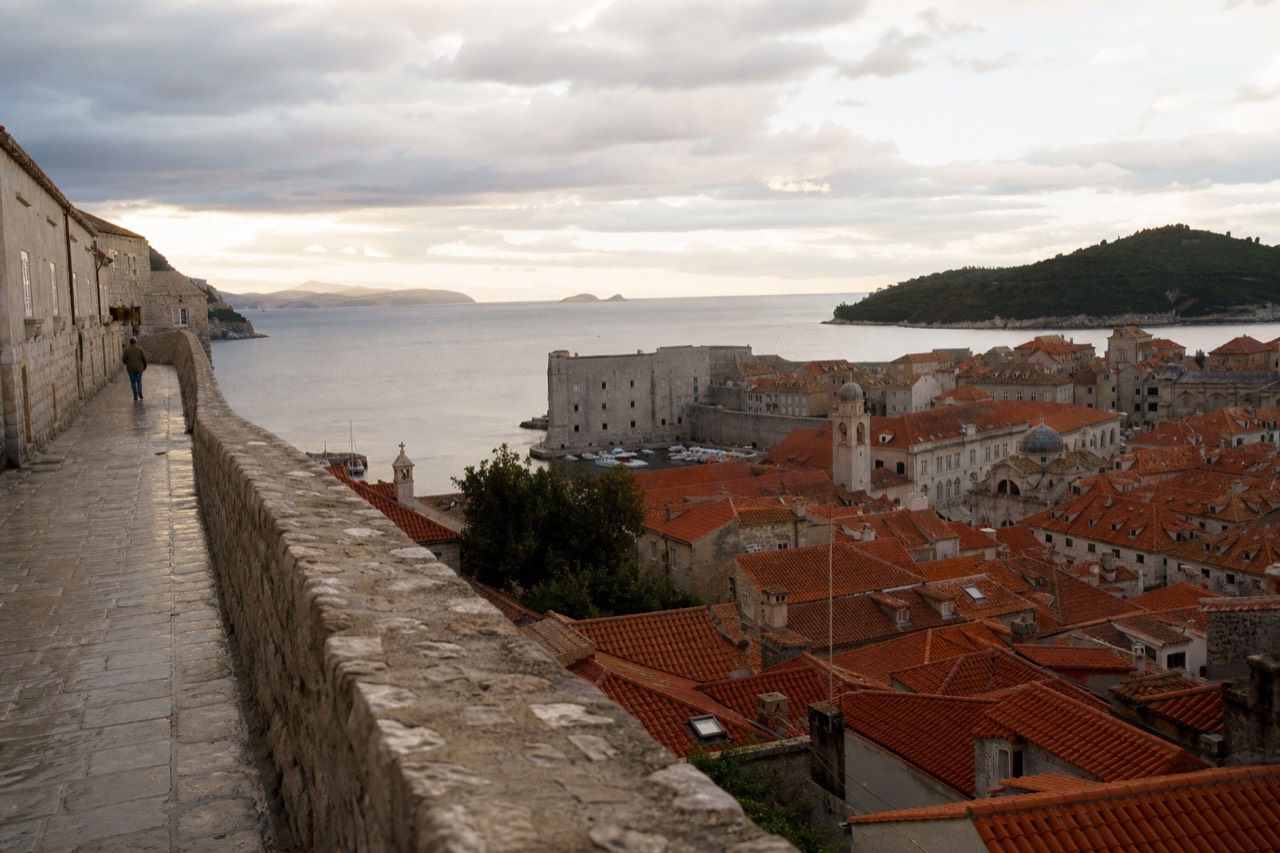
Pack for three Dubrovniks in one day: shorts, a t-shirt and swimwear for the afternoon, a light layer for the evening once the sun drops behind Mount Srd, and proper walking shoes for the walls, because the full circuit is 1,940 metres of stone stairs with no shade in places. A sun hat and a refillable bottle matter more than a jacket in the first half of the month.
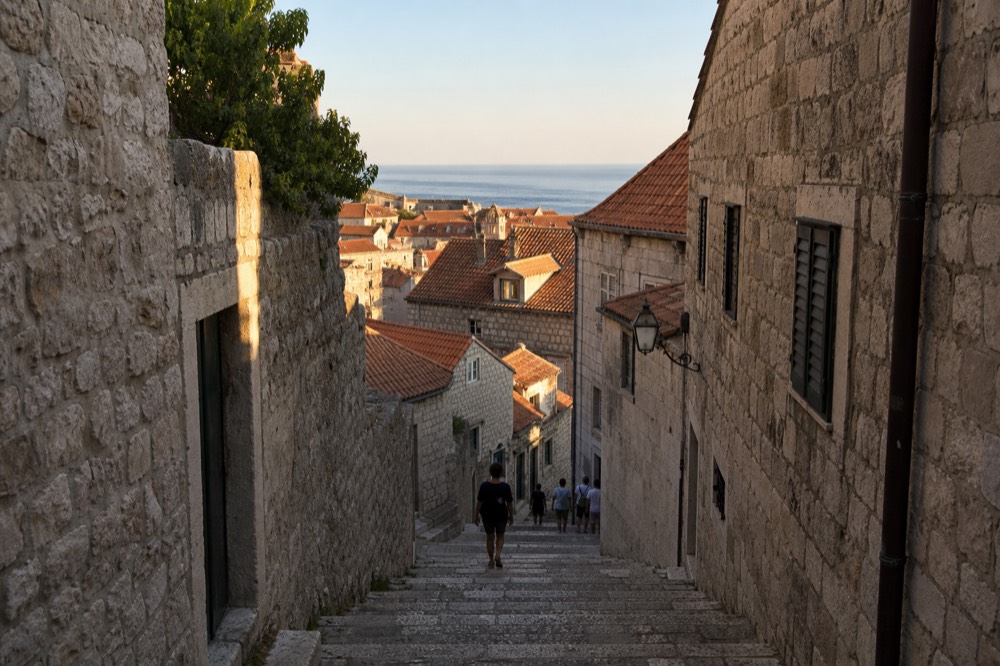
The single biggest packing mistake in September is assuming "warm month, summer wardrobe, done." The walls walk is the reason. The circuit runs 1,940 metres, up to 25 metres high in places, and the stone holds the day's heat while offering almost no shade on the sea side. Sandals with smooth soles are miserable on that surface; broken-in trainers or light hiking shoes are what you want. The same logic applies to Lokrum's paths and to any kayak trip, where wet feet meet rock.
The second mistake is skipping the evening layer. Through 14 September the cable car runs until midnight, and through 30 September until 23:00, because the operator still expects warm, clear evenings worth riding up for. But "warm enough to sit on a terrace" and "warm enough for a t-shirt at 22:00" diverge noticeably in the last ten days of the month. A light jumper or overshirt earns its place in the bag from about the 20th onward.
| Part of the day | Early September | Late September |
|---|---|---|
| Morning walk, 08:00 to 11:00 | T-shirt, sun hat | Light long sleeve optional |
| Midday, walls and terraces | Shorts, sunscreen, water bottle | Shorts or light trousers, sunscreen |
| Afternoon swim | Swimwear, quick-dry towel | Swimwear, towel |
| Evening out, 20:00 onward | Shirt or light dress | Add a jumper or overshirt |
| Footwear all day | Trainers for stairs and stone | Trainers for stairs and stone |
For a deeper run at the question, our answer page on September heat in Dubrovnik tackles the temperature side directly, and the what clothes to wear in Dubrovnik answer covers the wardrobe logic month by month.
How Bad Are the Crowds in September?
September carries the year's heaviest cruise numbers, 101,246 passengers in 2025, but the Old Town's live headcount stays manageable because the Port Authority caps most days at 8,000 cruise passengers and land visitors thin out after the school holidays. On a real September morning the counters read 5,419 at 08:00, peaked at 7,739 at 10:00, and eased to 7,205 by 11:00.
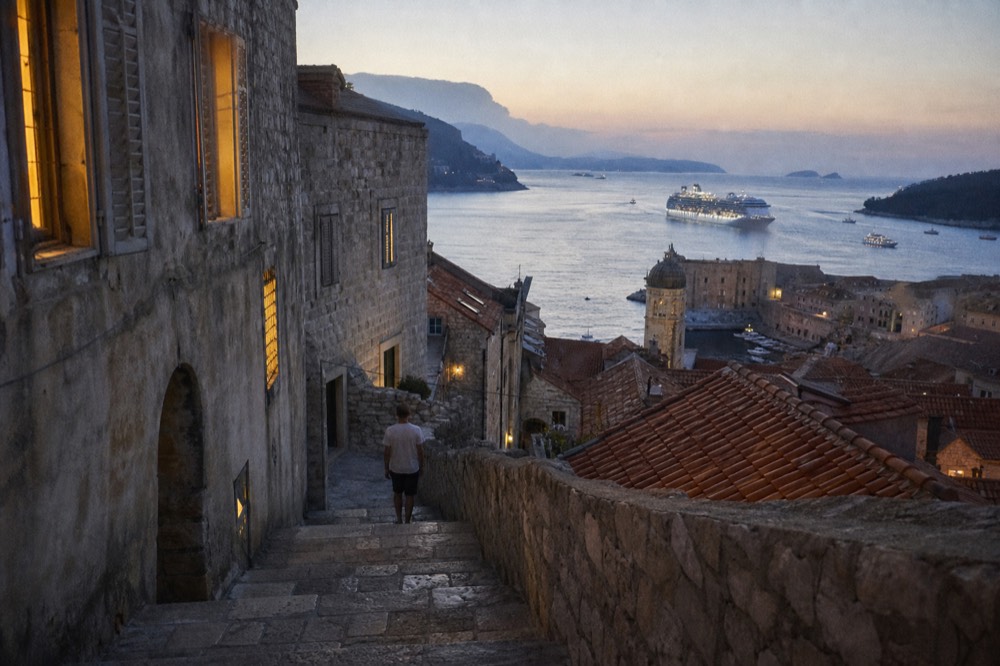
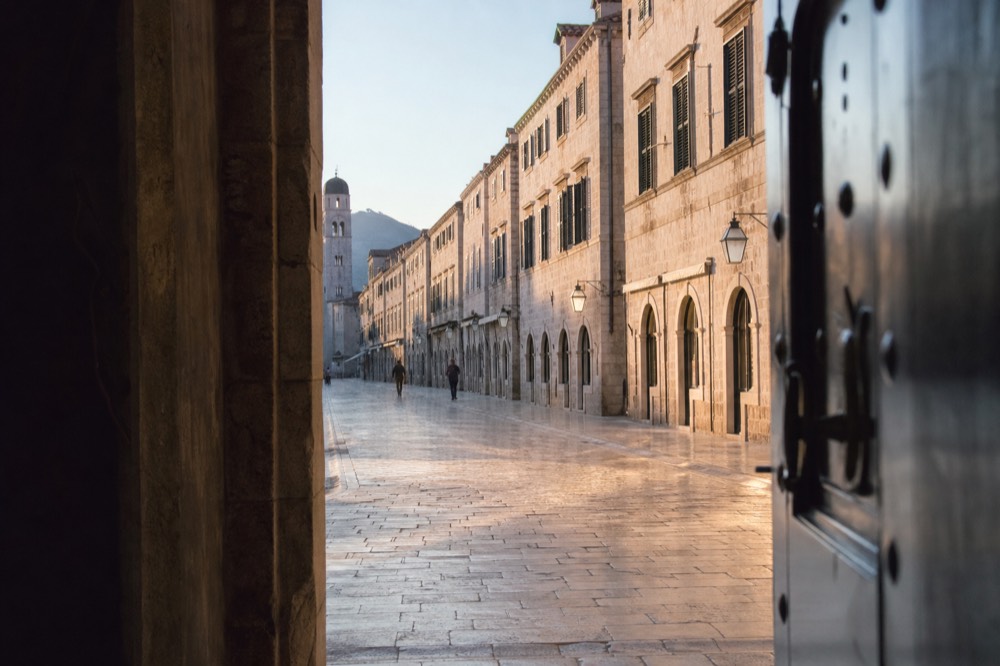
The counting system is worth understanding, because it is your best planning tool. Six counters at every Old Town entrance update a headcount every 15 minutes, and the official carrying capacity from the UNESCO assessment is 11,275 people. The half-hourly curve I quoted above was read on 8 September 2026, a live cruise day, and it tells you exactly when the streets fill: the climb happens between 07:00 and 10:00, the peak is short, and the numbers drift down through the afternoon as passengers return to their ships. Walk the walls at 08:00 and you will have long stretches nearly to yourself; arrive at 11:00 and you will queue at the staircases.
On the cruise side, the Port Authority's own rules limit passengers to 8,000 a day in most cases, out of 243 cruise days a year only 18 exceed that, and about forty call requests were refused in one season. For the rest of 2026, the schedule holds 149 ship calls across 80 cruise days. The busiest September dates in that window are 29 September with 2 ships and up to 5,675 passengers by capacity, 30 September with 3 ships and 5,536, and 15 September with 4 ships and 5,273. Remember those are ship-capacity figures, not people who actually walk ashore: write "up to X scheduled", never "X will be in town". The full detail sits on the Port Authority's statistics page.
The practical takeaway is not "avoid September", it is "avoid 10:00 to 16:00 in the tightest lanes". Do the Stradun, the Rector's Palace and the walls early, give the midday hours to the sea, and come back for the evening when the day-trippers have sailed. Our cruise schedule guide helps if you are timing a visit around specific ship days.
Is the Sea Warm Enough for Swimming?
Yes, comfortably. The long-run September average is about 23.6 degrees, only 2.2 degrees below the August peak, and sheltered bays read several degrees warmer than the open-water average, with the Dubrovnik buoy showing 27.0 to 27.4 degrees on one early-September day. Early September is arguably the best swimming of the year because the water is warm while the midday sun is gentler.
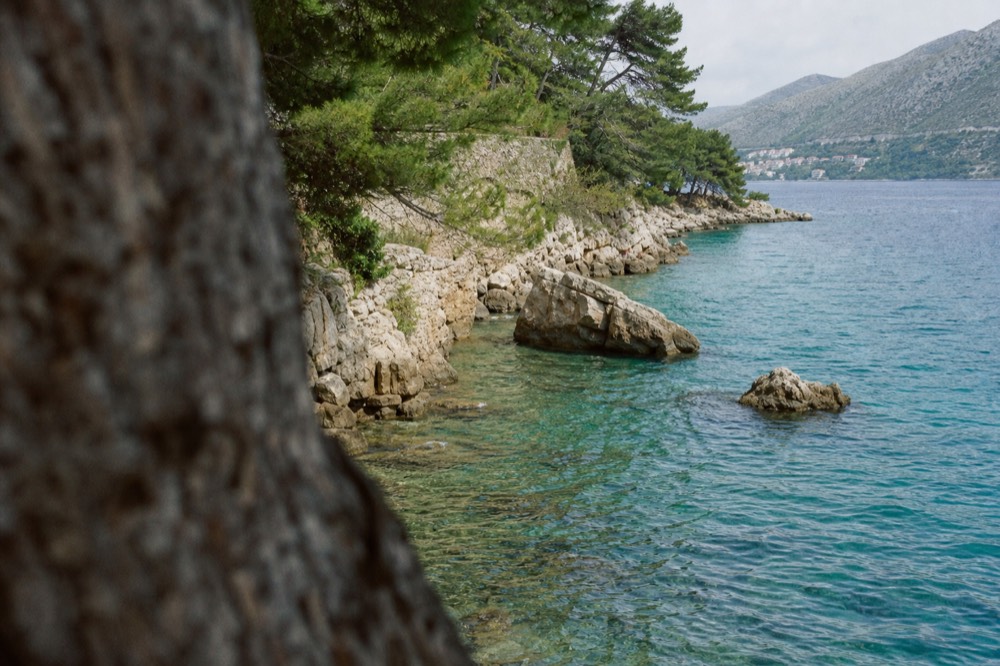
Where you swim matters as much as when. Open-water figures are grid-cell averages, so exposed spots track them closely while enclosed bays run warmer. The pebble and rock beaches nearest the Old Town, like Banje, warm nicely through the day; the coves around Lokrum and the Elaphiti islands mix open-sea freshness with pockets of trapped warmth. The cave beaches, including Betina Cave, hold a cool, glassy clarity that feels wonderful after a hot walls walk even at exactly the average temperature.
September also keeps the full water-sports calendar alive. Kayak tours around Lokrum and Betina Cave run their normal schedules, and the full-day island cruises are in some ways better now: the boats are less full, the sea is calm more often, and the heat on deck is no longer the endurance test it is in August. If you are deciding whether the water will suit you, the can you swim in Dubrovnik in September answer goes deeper on the temperature question.
What Are the Best Things to Do in September?
The September shortlist is the walls walk early in the morning, a boat day to the Elaphiti islands or Lokrum, the cable car for a long evening view, and a guided Old Town walk before the season's guiding calendar winds down. The city walls ticket is 40 euro in main season, the Lokrum ticket is 30 euro including the return boat, and the adult cable car round trip is 30 euro.
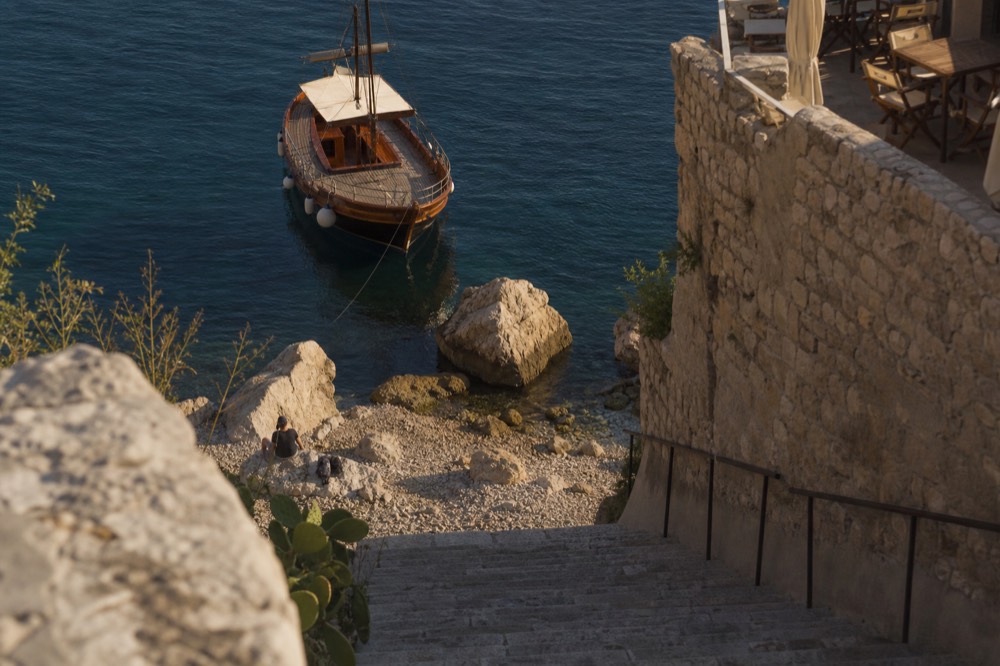
Start with the walls, and start early. The 40 euro adult ticket is main season pricing, valid 1 March to 30 November, and it is actually the walls plus Fort Lovrijenac combination, also covering the Western Outer Wall and the coin collection. Child tickets for ages 7 to 18 are 15 euro, under 6 is free, and there is no family ticket because the operator sells exactly two paid ticket types. The operator's stated hours at the time of my check were 08:00 to 19:30, and the walls operator's own site carries the current detail. A guided version saves you the guesswork of the staircases and the story: the Old Town and walls combo walk runs about 3 hours 30 minutes and covers both layers of the city in one go.
Lokrum is the perfect September half-day. The 30 euro ticket covers reserve entry and the return boat transfer, boats leave the City Harbour at 09:00 and then every 15 minutes from 10:00 to 18:00, and the ticket office at Luža works 08:00 to 18:00, with a ticket staying usable for three days. The reserve's peacocks, botanical paths and rocky swimming coves are at their best in September light, and the official Lokrum Reserve site publishes the boat schedule. If you would rather combine the island with a cave swim, the small-boat trip that links Betina Cave with optional Lokrum time is the natural fit.
For a full sea day, the Elaphiti islands are the classic choice. The pirate-ship style cruise gives you Koločep, Lopud and Šipan in one loop with lunch on board, and in September the decks are calmer and the light on the water is at its best. The karaka replica is a genuinely striking vessel to sail on, and reviewers consistently rate the day highly.
The cable car rounds out the list. It climbs 367 metres in 3 minutes 30 seconds to the Mount Srd station at 405 metres, and the operator states a view range of up to 60 km on a clear day, which in September's cleaner air is a claim you can actually test. Adult round trip is 30 euro, and through 14 September it runs until midnight, then until 23:00 through the month's end; the cable car's timetable page has the full table.
Is the Dubrovnik Pass Worth It in September?
Yes, in September specifically, because the one-day pass costs 40 euro, exactly the same as the standalone walls ticket in main season, and adds ten more sights plus a 24-hour bus ticket. Every tier lists the City Walls and Lovrijenac Fortress as its first inclusion, and each sight is visitable once. That equivalence is a main-season fact: in December the walls ticket drops to 20 euro and no pass tier is on sale.
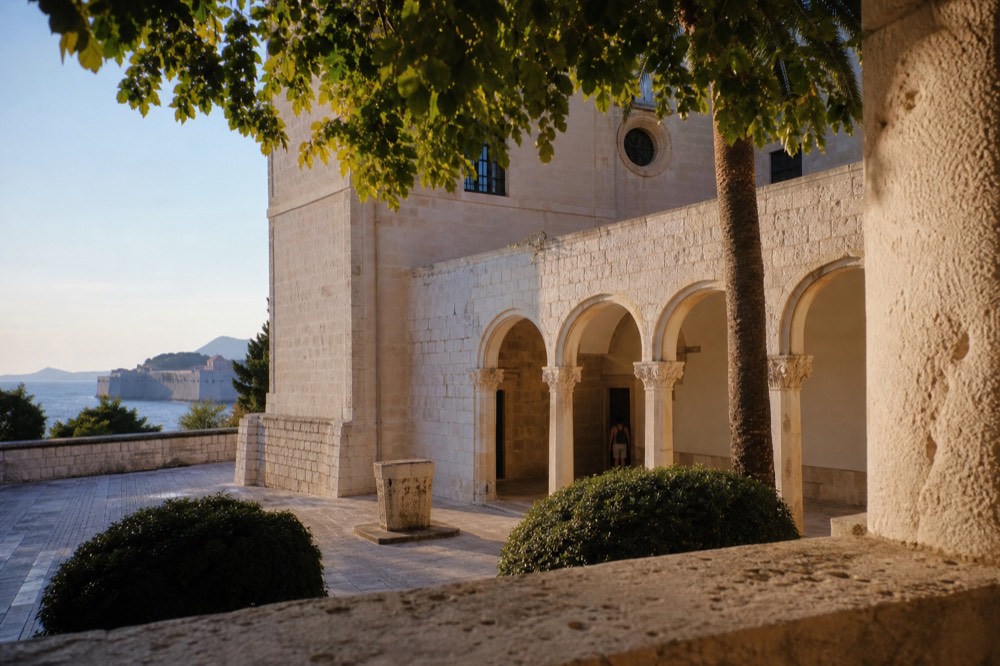
The maths only works if you will actually use the extras. Beyond the walls and Lovrijenac, the pass covers the Rector's Palace, the Maritime Museum, the Ethnographic Museum, Marin Držić House, the Natural History Museum, the Franciscan Monastery museum, the Museum of Modern Art and its two associated galleries, and the archaeological exhibitions. The three-day pass at 50 euro and the seven-day at 60 euro add suburban bus coupons and House Bukovac in Cavtat. In September, when the weather is still good enough for museum-and-swim days, a one-day pass paired with an early walls walk is the strongest single-day plan in the city.
| Option | Price | What you get |
|---|---|---|
| City Walls ticket, adult | 40 euro | Walls, Lovrijenac, Western Outer Wall, coin collection |
| City Walls ticket, child 7 to 18 | 15 euro | Same inclusions, child rate |
| Dubrovnik Pass, 1 day | 40 euro | Walls plus ten sights, 24-hour bus ticket |
| Dubrovnik Pass, 3 days | 50 euro | Same sights, 72-hour bus, suburban coupons |
| Dubrovnik Pass, 7 days | 60 euro | Same sights, 168-hour bus, suburban coupons |
| Lokrum ticket | 30 euro | Reserve entry and return boat transfer |
| Cable car, adult round trip | 30 euro | Return ride to Mount Srd at 405 metres |
One honest caveat: each institution, the walls included, is a one-time visit per pass. If you want to walk the walls twice, once at dawn and once for sunset, buy the standalone ticket for the second lap or accept that the pass covers the first. Our Dubrovnik Pass guide works through every inclusion in detail.
What Should You Book Ahead in September?
Book the walls for your first morning, any boat trip two or three days out, and dinner tables for the weekend evenings. September still runs near-full occupancy on the water while land crowds ease, so the sea sells out before the streets do, and ship days matter more than day-of-week for the Old Town crush.
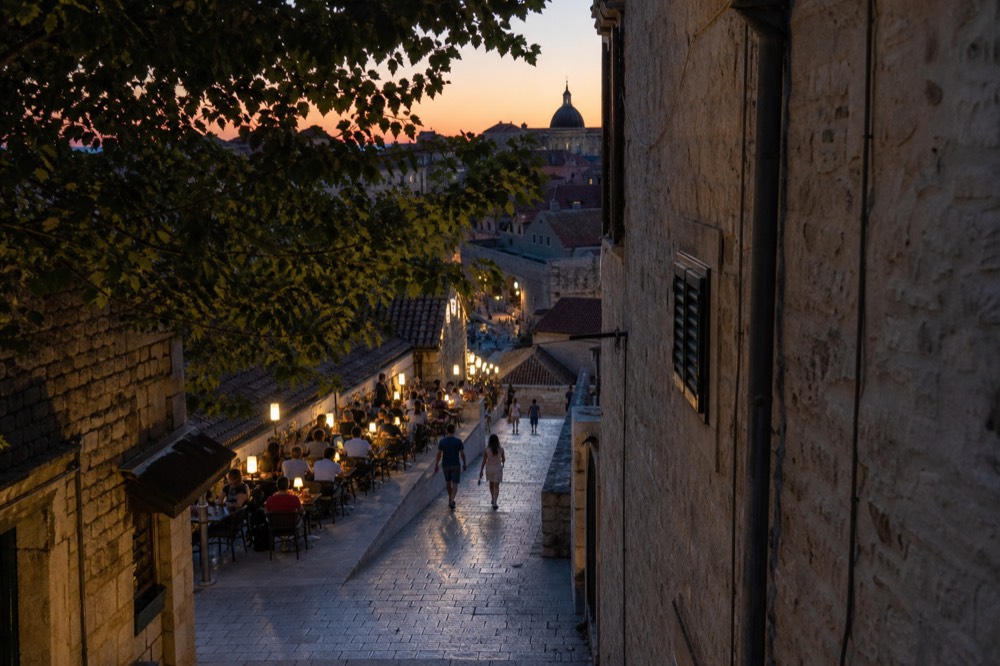
The specifics behind that advice: the walls need no timed slot but the entrance queues build after 09:30, boats sell out on calm days, and the best konobas fill by 19:30. The remaining 2026 season schedule holds 149 ship calls across 80 cruise days, so knowing which dates carry the heaviest ship capacity, the 15th, 29th and 30th of September, is more useful than avoiding weekends.
The pattern I recommend to visitors is fixed: walls on the first morning while your body clock is still on early-rising time, a boat day in the middle of the stay, and the cable car on whichever evening looks clearest, because the view range claim of up to 60 km depends entirely on haze. Leave one full day unplanned. September is the month where the unplanned day pays off most, because a swim, a wander through the side streets off the Stradun and a long dinner all fit comfortably into daylight that still stretches past 19:00.
On money: Croatia uses the euro, cards are widely accepted, and the main cash moments are small konobas and market stalls. Tipping is appreciated but modest by American standards, rounding up or leaving a little extra. If you are stretching the budget, September is already doing you a favour, since accommodation eases off the August peak while everything on the water is still running.
The trio of tours below covers the three September pillars: a cave-and-island boat morning, a full-day island cruise, and the combined Old Town and walls walk. All three run their normal September schedules.
Common Questions About Dubrovnik in September
Is Dubrovnik hot in September?
Warm, yes; furnace-hot, no. Early September behaves like a gentler August with strong midday sun, while the last third of the month brings cooler evenings. The sea is the reliable warmth: the long-run September average is about 23.6 degrees, and sheltered bays run warmer than that.
How hot is Dubrovnik in September?
Daytime warmth eases down through the twenties as the month progresses, with the first half noticeably hotter than the second. I do not print a precise air-temperature figure because my verified sources resolve the sea rather than the air; the cable car running until midnight through 14 September is a good proxy for how dependable the evenings remain.
What to wear in Dubrovnik in September?
Summer clothes for the day, a light layer for evenings from about the 20th onward, and proper walking shoes for the walls, whose 1,940-metre circuit is stone stairs with little shade. Add a sun hat, sunscreen and a refillable bottle; those matter more than a jacket in the first half of the month.
What clothes to wear in Dubrovnik in September?
Shorts, t-shirts and swimwear cover the days, with a shirt or light dress for evenings out and a jumper or overshirt for the last ten days. Trainers beat sandals everywhere the ground is stone: the walls, Lokrum's paths and kayak launches are all hard on smooth soles.
Is September a Good Time to Visit Dubrovnik?
It is the month I recommend most. The sea is near its warmest, the full summer programme of boats, walls hours and cable car rides is still running, and land crowds drop sharply after the school holidays, even though cruise passenger numbers peak in September.
Do I Need to Book Tours in September?
Book boat trips two or three days ahead, since calm September days sell out, and aim for the walls at opening time to beat the late-morning headcount peak. Guided walks and the cable car are more forgiving, but the evening cable car rides are popular through 14 September when it runs until midnight.