Where Is the Best Beach Area to Stay in Dubrovnik?
Lapad Bay, Babin Kuk, Ploče and Copacabana compared, so you can pick the best beach base in Dubrovnik for your trip.
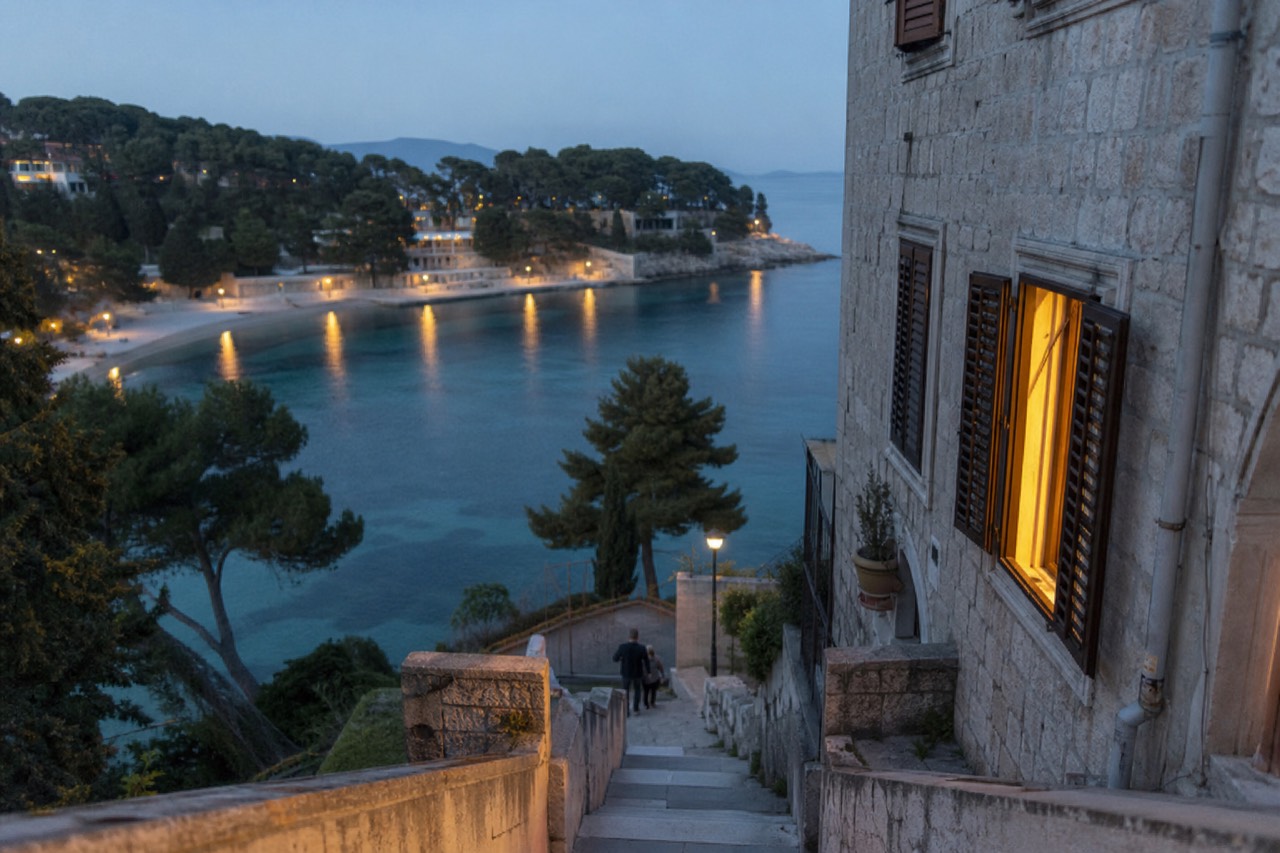
Where Is the Best Beach Area to Stay in Dubrovnik?
Lapad Bay is the best beach area to stay in for most travellers: a pedestrian promenade lined with hotels, cafés and gravel beaches, a 15-minute bus ride from Pile Gate, and prices well below anything inside the walls. If you want the beach closest to the Old Town, stay in Ploče by Banje Beach instead, and accept a steeper nightly rate and a lot of stairs. Babin Kuk suits families and quiet-week seekers.
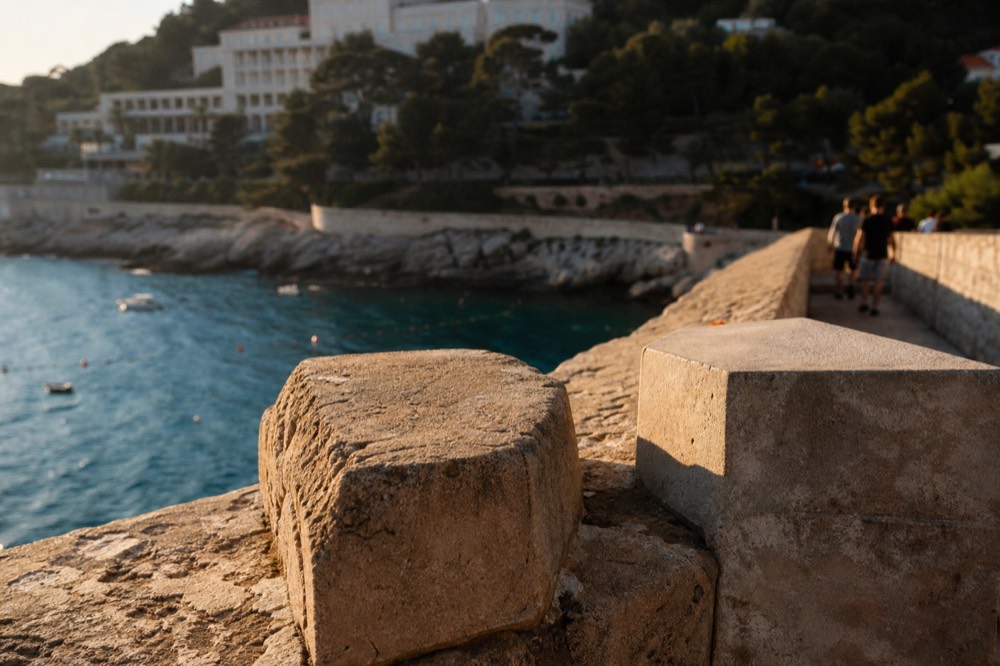
I get this question more than almost any other, and the honest answer starts with geography. The walled Old Town, the UNESCO property of 24.7 hectares listed in 1979, has essentially no real beach of its own. What it has is rocks, a few concrete swimming platforms, and the famous Buža Bar perched on the seaward wall. Everything that looks like a postcard beach, sand or smooth gravel with sunbeds and shade, sits outside the walls, in Lapad, Babin Kuk, Ploče or along the coastal path toward Sveti Jakov.
That creates a trade-off every visitor makes, knowingly or not. Sleep inside the walls and you walk everywhere but swim from rocks. Sleep by a real beach and you ride a bus, a taxi or a very steep staircase into town each day. The city recorded about 4.2 million overnight stays in 2025, sharing first place among Croatian destinations with Rovinj, and a large share of those nights happen in exactly the beach neighbourhoods people ask me about.
The good news is that Dubrovnik is small. The city counted 41,562 residents at the 2021 census, and the beach districts are minutes, not hours, from the Old Town. Lapad to Pile Gate is a short bus hop; Ploče to the Stradun, the 298-metre main street whose final plan was fixed by the 1272 Statute, is a downhill stroll of a few minutes. For a fuller neighbourhood-by-neighbourhood breakdown, see the guide to where to stay in Dubrovnik.
There is a timing dimension too, and it surprises people. The busiest stretch inside the walls is not July or August but late September and October, because cruise passengers at the Port of Dubrovnik peaked in September 2025 at 101,246 and October at 100,132, above July's 96,072 and August's 87,385. The Port Authority limits cruise passengers to 8,000 a day in most cases, and of 243 cruise days a year only 18 exceed that number, but those autumn days still pack the lanes. A beach base outside the walls gives you somewhere to breathe when the Old Town is at its fullest, which is worth more than any hotel star rating.
If your trip is beach-first and Old Town-second, start with the trio below: a guided combo walk that covers both the Old Town and the walls in one morning, a plain walls admission ticket if you would rather walk alone, and a hop-on-hop-off bus that connects the beach districts with the viewpoints.
Which Area of Dubrovnik Is Best to Stay In?
For a beach holiday, Lapad is the best area to stay in. Uvala Lapad, the bay at its heart, packs a car-free promenade, gravel beaches, pine shade, restaurants and a pharmacy into one walkable strip, and regular buses run to Pile Gate outside the walls. It is where locals send friends who want to swim daily without giving up easy sightseeing, and hotel rates sit well below Old Town levels.
Lapad is the peninsula west of the Old Town, and Uvala Lapad is its centrepiece. The bay holds several beaches, the largest being Lapad Bay Beach, a mix of gravel and concrete terraces with clear, shallow water that warms quickly in summer. The September long-run average for this coast is about 23.6 degrees, and sheltered bays like this run warmer than that open-water figure, the Croatian met service's Dubrovnik buoy read 27.0 to 27.4 degrees on 8 September 2026 against that 23.6 September mean. In practice, Uvala is one of the most comfortable swimming spots around the city.
The promenade behind the beach is the real reason to base here. It is flat, shaded by pines, closed to traffic, and lined with cafés, gelato stands and restaurants at prices noticeably gentler than the Stradun. Evenings here feel like a holiday rather than a performance. Families with strollers, couples on long dinners, locals walking dogs: it is the most relaxed public space within reach of the Old Town.
Sleeping options span the range. On the budget end, Hotel Komodor is a three-star on the Lapad peninsula rated 7.8 out of 10 across 822 Expedia reviews, about a 29-minute walk from the Gruž cruise and ferry port, and best connected to Pile Gate by the number 6 bus rather than on foot. Mid-range travellers do well at Hotel Lapad, which sits close to the bay itself.
Practical daily life in Lapad is easier than anywhere else in the city for a visitor. There is a supermarket within walking distance of every hotel, a pharmacy on the main road, and the Gruž market and bus station sit at the peninsula's inland edge, which makes day trips to the islands or up the coast painless to organise. You are not trapped in a resort zone; you are living in a functioning neighbourhood that happens to have a beach at the end of the street. That distinction matters on a week-long stay, when the third or fourth evening of Old Town restaurant prices starts to sting.
One planning note: Lapad's beaches are gravel, not sand. Water shoes make entry easier, and they cost a few euro in any of the shops along the promenade. If soft sand is non-negotiable, the nearest true sandy beach is Sunj on Lopud island, reachable by boat, which I come back to below.
A note on how the area fits together. Lapad is not one beach but a stretch of coast, and the differences between its spots matter more than they first appear. Uvala Lapad itself suits swimmers who want warm, shallow water and everything within a short walk. Head toward Babin Kuk, at the far end of the peninsula, and the character shifts to quieter gravel coves and rock ledges, with resorts geared toward families and longer, quieter stays. Both sit on the same bus network that connects to Pile Gate, so you can mix and match without changing accommodation.
Timing shapes the experience more than the choice of exact spot. The water figures above explain why September swimmers report bath-like conditions in the bay: the sheltered water has had all summer to warm and holds that heat into early autumn. The same shelter that warms the water also keeps the promenade usable through the middle of the day, since the pines cover the flat stretch behind the beach. On a hot afternoon you can swim, dry off in the shade, and eat without ever crossing open sun.
For visitors weighing Lapad against the Old Town itself, the honest trade-off is atmosphere against convenience. Inside the walls, you step out of your door onto the Stradun; in Lapad, you ride a short bus to Pile Gate and walk in. What you get back is the daily swim, the lower restaurant prices, the supermarket and pharmacy within walking distance, and evenings that belong to residents as much as tourists. On a stay of several days, most travellers who pick the beach first do not regret it, and the bus connection keeps the walls, the cable car and the rest of the sightseeing within easy reach.
| Beach area | Beach type | Walk or ride to Old Town | Best for |
|---|---|---|---|
| Lapad Bay (Uvala) | Gravel and concrete terraces | Short bus ride to Pile Gate | Beach-first stays, couples, value |
| Babin Kuk | Gravel coves and rock ledges | Bus ride, about 10 minutes | Families, quiet weeks, resorts |
| Ploče / Banje | Gravel with concrete entry | Downhill walk, a few minutes | Old Town plus a beach, luxury |
| Sveti Jakov | Fine gravel below a chapel | Steep stairs then a walk | Views and a quieter swim |
| Copacabana | Gravel with facilities | Bus or taxi from Lapad | Watersports, easy parking |
What Is the Best Area of Dubrovnik to Stay In?
If swimming matters more than anything else, Babin Kuk is the best area to stay in. The peninsula at the northwestern end of the Lapad district holds a string of coves, larger resort-style hotels with pools, and the gravel stretch of Copacabana Beach with its watersports rentals. It is quieter than Uvala, better for families, and a short bus ride from the Old Town.
Babin Kuk is the bit of Dubrovnik that feels least like a medieval film set and most like a Mediterranean resort, because that is literally what it was built as. The beaches here, Copacabana and the coves around the Hotel Dubrovnik Palace, are gravel and rock, but the water is superb and the crowds thinner than at Banje. Copacabana rents kayaks and jet skis and has a beach bar, which makes it the practical pick for teenagers who need more than a towel and a book. The wider set of guides lives on Things to Do in Dubrovnik.
The trade-off is distance. Babin Kuk sits at the far end of the peninsula, so every Old Town trip is a bus ride, roughly ten minutes, or a taxi. In peak months that matters: cruise passengers at the Port of Dubrovnik peaked in September 2025 at 101,246 and October at 100,132, above July's 96,072 and August's 87,385, so the streets inside the walls are at their most crowded precisely when the sea is at its most swimmable. Staying in Babin Kuk lets you swim in the morning, ride in for a late-afternoon Old Town wander, and leave again before the evening rush.
Families also get something Lapad cannot offer: space. The resort hotels here have pools, gardens and direct sea access, which means a rainy or lazy day does not collapse the whole itinerary. A pool also extends the swimming season in both directions; the sea's long-run May average is about 18.6 degrees, cool for anything but a quick dip, while a heated hotel pool keeps the children in the water from check-in to checkout. For the full picture on that end of town, read the guide to Babin Kuk and the Lapad peninsula.
For watersports specifically, Copacabana is the centre of gravity. Kayak tours launch from several points around the city, and the guided kayak and snorkel options rated 4.9 across thousands of reviews are covered in detail in the sea kayaking guide.
What Is the Best Area in Dubrovnik to Stay?
Ploče is the best area in Dubrovnik to stay if you refuse to choose between beach and Old Town. The neighbourhood sits directly above Banje Beach, the most famous stretch of swimming water in the city, and a downhill walk of a few minutes lands you at the Ploče Gate and the Stradun. It is the most expensive of the beach areas, and the walk back up is a staircase workout.
Banje Beach is the postcard: gravel and concrete with sunbeds, looking straight across at Fort Lovrijenac on its 37-metre sea rock and back up at the walls. It is also the most crowded beach in the city, because every guest of every Old Town hotel who wants a proper swim ends up here. Arrive before mid-morning in July and August or expect to lie on your towel rather than a sunbed.
Ploče itself is a residential hillside of villas, small hotels and apartment stairs. The luxury anchor is Hotel Excelsior, a five-minute walk from the Ploče Gate with a private beach platform. Below it, the neighbourhood's swimming spots continue along the coast path toward Sveti Jakov, the fine-gravel beach beneath a chapel that many locals rank as the best in the city, reached by a long staircase that filters out the crowds.
Check rates at Hotel Excelsior
The honest cost of Ploče is vertical. Dubrovnik is a city of staircases, and this hillside is one of the steepest. If your group includes anyone with knee trouble or a stroller, weigh that carefully; the walk down to town is lovely, the walk up at midnight less so. The trade works best for travellers who plan one big Old Town day, walk it properly, and spend the rest of the trip between Banje, Sveti Jakov and the café terraces above them.
One more angle worth knowing: September is quietly the best month for this strategy. The sea's long-run September average of about 23.6 degrees is barely below August's 25.8, the crowds inside the walls thin after the October cruise peak passes, and the cable car runs until 23:00 in the second half of the month. A Ploče base in late September gives you warm water and a walkable, breathing city.
What Is the Best Area to Stay in Dubrovnik?
The best area to stay in Dubrovnik, balancing beach access against everything else the city offers, is Lapad for most trips, Ploče for short luxury stays, and Babin Kuk for family weeks. Old Town itself is the worst beach base but the best atmosphere base: no swimming to speak of, highest prices, and the full medieval setting outside your door. Match the area to what your trip is actually for.
Whichever beach base you choose, you will still spend your flagship morning on the walls. The adult walls ticket is 40 euro in main season, 1 March to 30 November, and drops to 20 euro in December; the one-day Dubrovnik Pass costs the same 40 euro in main season and adds ten more sights plus a 24-hour bus ticket, a comparison that only holds in main season because no winter pass tier is on sale at all. The walls circuit is 1,940 metres long, up to 25 metres high, and takes most people about two hours with photo stops.
Guided options change the experience considerably. The Old Town and Ancient City Walls combo walk, about 3 hours 30 minutes from $50.94 per person and rated 4.8 across 1,183 reviews, covers the streets and the full circuit with a guide who explains what you are looking at, walls ticket included in the structure of the walk.
If you would rather walk the circuit alone at dawn before the heat, the plain walls admission, from $36.37 per person and rated 3.6 across 249 reviews, is the ticket-only route, and the operator's stated hours at time of check are 08:00 to 19:30. Early or late is the play: the stone holds the afternoon sun, and shade on the walls is scarce.
For beach-based travellers without a car, the hop-on-hop-off yellow bus with audio guide, from $35.46 per person and rated 4.9 across 1,147 reviews, is the connective tissue between Lapad, Babin Kuk, the viewpoints and the Old Town gates. It solves the one real weakness of a beach stay, the daily commute, without depending on taxi queues in August.
A final word on sand. If your definition of beach requires it, none of the city areas deliver it; the nearest sandy beach of note is Sunj on Lopud, one of the Elaphiti islands, reachable on the full-day island cruises from the Old City Harbour. The most-reviewed of those runs 8 hours with lunch from $59.16 per person and is rated 4.9 across 10,312 reviews. Some travellers base in the city and treat the sand as a day trip, which is a perfectly good plan, and the Elaphiti islands guide covers it in full.
Common Questions About the Best Beach Area to Stay in Dubrovnik
Where is the best beach area to stay in Dubrovnik?
Lapad Bay, on the peninsula west of the Old Town, is the best beach area to stay in for most travellers: gravel beaches, a car-free promenade, restaurants and hotels at rates below the Old Town, and a short bus ride to Pile Gate. Ploče wins if you want to walk to the Old Town, Babin Kuk if you want quiet and family space.
Can You Swim Near the Old Town?
Yes, but not from a real beach. The Old Town offers rocks and concrete swimming platforms, including the spot below Buža Bar. The nearest proper beach is Banje in Ploče, a downhill walk of a few minutes from the Ploče Gate.
Are Dubrovnik Beaches Sandy or Gravel?
Almost all city beaches are gravel or rock, including Lapad, Banje and Copacabana. Water shoes help. The nearest notable sandy beach is Sunj on Lopud island, reached by boat on a day trip.
Is It Better to Stay in the Old Town or by the Beach?
Stay in the Old Town for atmosphere and walkability, and accept rock swimming. Stay in Lapad, Babin Kuk or Ploče for real beaches and better value, and accept a short bus or taxi commute into town. For a beach-first trip of four days or more, the beach areas win comfortably.
What Is the Warmest Month for Swimming?
The long-run August average for this coast is about 25.8 degrees and September sits at about 23.6, so late summer is the warmest water. These are open-water averages over 1991 to 2020, and sheltered bays like Uvala Lapad run warmer than the open-sea figure.