Is Dubrovnik Old Town Worth Visiting?
A straight answer on whether Dubrovnik's walled Old Town justifies its price and its crowds, with verified ticket figures, where to stay, the best street, airport transfer options and what not to miss.
Is Dubrovnik Old Town Worth Visiting?
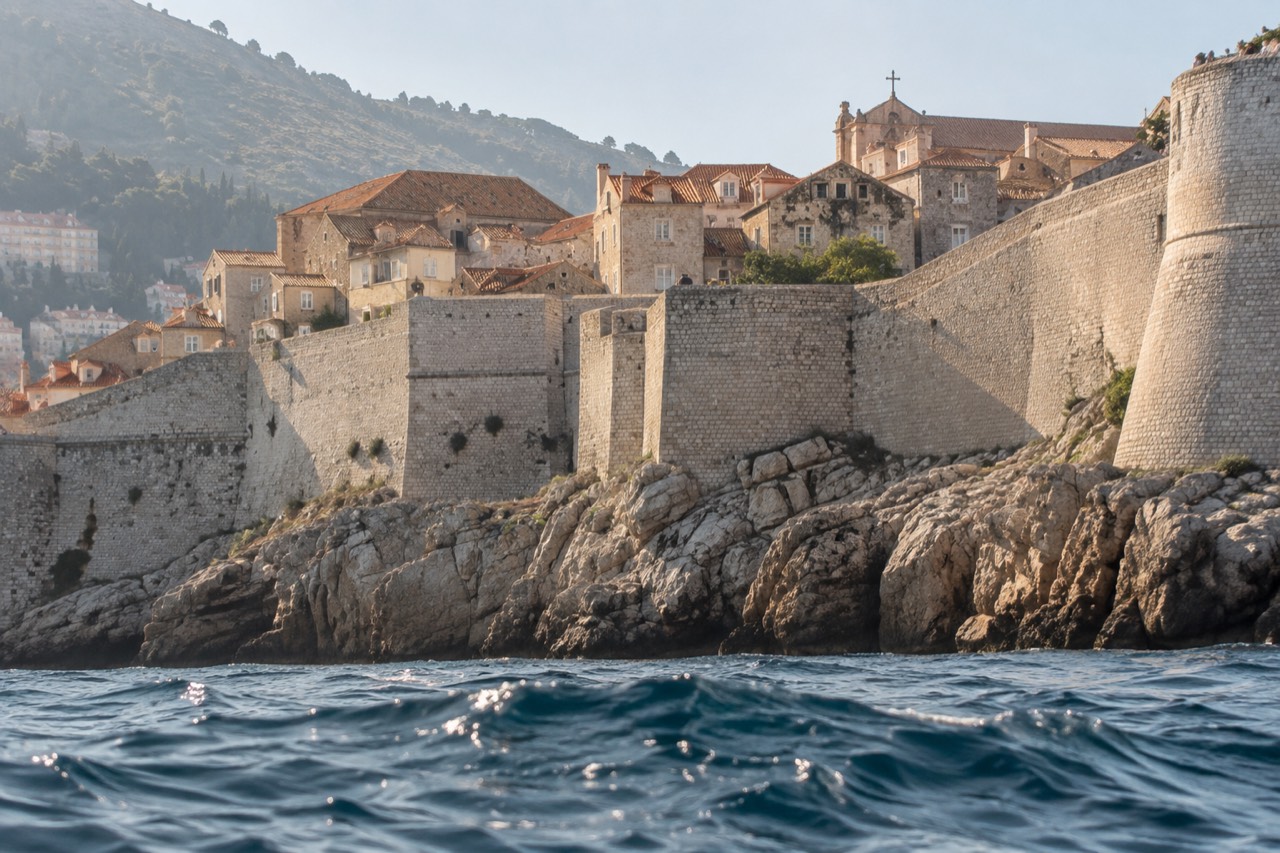
Yes, and almost nobody regrets it, but the experience swings wildly on timing and budget. The walled core is a UNESCO World Heritage Site of 24.7 hectares, the adult walls ticket is 40 euro in main season, and cruise crowds peak not in July but in September and October. Go early, go off-peak, or go prepared, and it is one of the finest cityscapes in Europe.
I have walked these streets professionally since 2015, and I will give you the honest version rather than the brochure version. The Old Town is genuinely extraordinary: a fully walled medieval city on the Adriatic, 1,940 metres of ramparts wrapped around limestone lanes, inscribed by UNESCO in 1979 under criteria (i), (iii) and (iv). It spent 1991 to 1998 on the List of World Heritage in Danger after the war, and the restoration work since is part of why it looks so immaculate today. That immaculate look is also the first complaint people raise, that it can feel like a film set rather than a living city, and there is some truth to it.
The second complaint is cost. The adult City Walls ticket is 40 euro from 1 March to 30 November, dropping to 20 euro in December, and that is the walls plus Fort Lovrijenac combination, there is no cheaper walls-only option. The third complaint is crowds, and this is where most guidebooks get it wrong. The Port Authority's own data shows cruise passengers in 2025 peaked in September at 101,246 and October at 100,132, above July's 96,072 and August's 87,385. If you plan around "avoid summer", you can walk straight into the two busiest cruise months of the year.
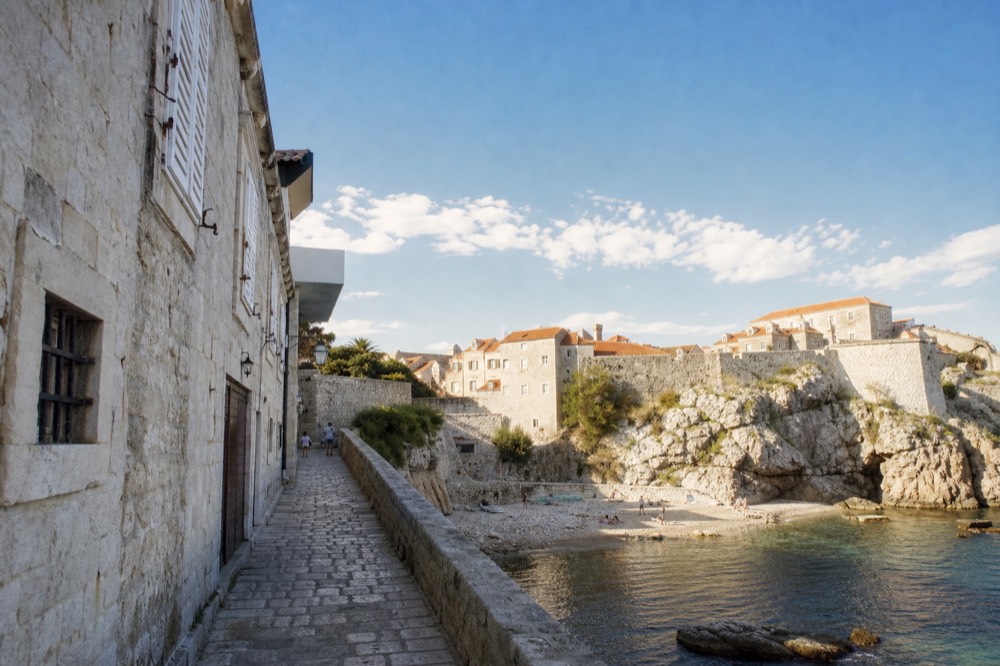
So is it worth it? My verdict, after a decade of watching visitors arrive skeptical and leave converted: yes, if you do two things. First, walk the walls, because the street-level town and the wall-level town are two different experiences and the second is the one people remember. Second, time your day. Six counters at every Old Town entrance update a headcount every 15 minutes, and on a representative September morning the count climbed from 3,139 at 07:00 to 5,419 at 08:00 and peaked at 7,739 at 10:00. Before 09:00 and after 18:00, the place breathes.
There is a third thing I would add, and it is the one people skip: give the Old Town more than a few hours. The single biggest predictor of disappointment, in my experience, is the day-tripper schedule, arrive mid-morning, walk the main street, leave by mid-afternoon. That itinerary guarantees you see the town at its most crowded and its least atmospheric. The visitors who rave about Dubrovnik are almost always the ones who saw it at dawn, or lingered until the day buses left and the stones cooled, or came back on a second morning with a plan. The town rewards patience disproportionately.
If you want the walls without a guide's commentary, the admission-only ticket is the straightforward option, and if you want the town explained rather than just walked, a guided walk or a cable car combination covers both angles.
The walls admission ticket itself deserves a word, because it is the single most-booked product for the Old Town and the one people most often ask me about. Rated 3.6 across 249 reviews, it is simply the entry ticket sold through an operator, not a tour: one to three hours on the circuit at your own pace, from $36.37 per person, covering the walls and Lovrijenac. The rating reflects ticket logistics rather than the walls themselves, which almost every visitor rates as the highlight of their trip. Check availability if you already know your dates, since summer mornings sell out.
Should I Stay in Old Town or New Town in Dubrovnik?
Stay inside the walls only if being immersed at odd hours matters more than space, price and a pool; otherwise stay in Lapad or Ploče and walk in. Old Town hotels are scarce, small and expensive, while Lapad gives you beaches, restaurants and buses, and Ploče gives you the harbor views and a short walk to the walls. Most first-timers do best outside.
This is the question I field most often, and the honest answer depends on what kind of traveller you are. Inside the walls you are sleeping inside a monument. At 07:00, before the day-trippers arrive, the Stradun is yours, and after 21:00 the lanes go quiet in a way day visitors never see. The trade-offs are real: vehicle access is essentially nil, so you carry your luggage across stone streets, rooms run small because they are carved out of medieval buildings, and prices per square metre are the highest in the city.
Outside the walls, the realistic choice is between Lapad and Ploče. Lapad is the newer, leafier peninsula west of the centre, with its own beaches, a long seaside promenade, and regular buses to Pile Gate. Ploče sits just east of the Old Town, uphill, with the best hotel views over the harbor and a walk of a few minutes down to the walls. For budget travellers, Hotel Komodor in Lapad is the value pick, a three-star rated 7.8 out of 10 across 822 Expedia reviews, about a 29-minute walk from the Gruž cruise and ferry port, with the number 6 bus to Pile Gate instead of a walk.
| Base | Atmosphere | Best for | Trade-off |
|---|---|---|---|
| Old Town, inside the walls | Monument setting, quiet mornings and evenings, no traffic | Short stays, romantics, photographers | Highest prices, small rooms, luggage carried on foot |
| Lapad | Residential, beaches, promenade, restaurants | Families, longer stays, budgets | Bus or 30-plus minute walk to the walls |
| Ploče | Uphill, harbor views, close to Banje beach | View-seekers, luxury stays | Steeper streets, premium rates |
If you are weighing the decision against the rest of your Croatia plans, the deeper comparison of neighbourhoods and bases is covered in where first-timers should stay, and the case for one of the two sides usually comes down to how much evening time you want inside the walls.
One pattern worth knowing: cruise passengers, the group that most distorts the Old Town's daytime feel, are capped at 8,000 a day in most cases under Port Authority limits, and only 18 of 243 cruise days a year exceed that. The evenings are a different city entirely. Staying outside and coming in for dinner and an evening stroll captures most of the magic of sleeping inside, at a fraction of the cost.
A practical middle path I often suggest: split your stay. Two nights inside the walls at the start, when the novelty justifies the premium and you can do your walls walk at opening without a commute, then move out to Lapad for the beach half of your trip. You get the monument at its best hours and the relaxed base for everything else, and you only pay the inside-the-walls premium for the nights it actually earns.
What Is the Best Street in Old Town, Dubrovnik?
The Stradun, formally the Placa, is the best street and it is not close: 298 metres of polished limestone running from Pile Gate to the clock tower, laid out by the 1272 Statute that fixed the plan of the city and its main street. But the streets worth lingering on are the narrow side lanes running off it.
The Stradun is the spine of the Old Town and the first thing everyone photographs, and it earns it. The Dubrovnik Tourist Board records that the 1272 Statute determined the final plan of both the city and its main street, which is why the lane grid feels so deliberate, a planned medieval street rather than an accidental tangle. By day it is the busiest strip in the city; by early morning it is empty stone, and the limestone has been polished by centuries of feet into a surface that glows after rain.
But if you ask me for the street I would actually send someone down, it is the parallel lanes north and south of the Stradun, where the laundry still hangs and the konobas hide in ground-floor vaults. Prijeko, running parallel to the north, is the restaurant lane. Antuninska and the stair-streets climbing toward the Jesuit stairs on the south side give you the vertical Old Town, staircases rising between Baroque facades, that most visitors never climb. The full story of the main street itself is in the guide to the Stradun if you want it street by street.
The practical rule: walk the Stradun early or late, and spend the crowded middle of the day in the side lanes, on the walls, or up at Fort Lovrijenac, which stands on its own 37-metre sea rock across the bay and is included in your walls ticket. A local-guide walking tour is the efficient way to have those lanes decoded for you; the Old Town Walking Tour with Local Guide runs from $20 per person and is rated 4.8 across 5,826 reviews.
Alex was a fantastic guide, she explained the complex history of Dubrovnik to give a lasting impression of the history of the area. Really appreciated that she aimed for shaded areas on a boiling September day. The food recommendations for after were much appreciated too! Great tour for a first experience of the old town!
Sophie
How Do I Get from the Dubrovnik Airport to Old Town?
The airport sits well outside the city, and your realistic options are a pre-booked shared transfer from $20 per person, a private transfer or taxi booked on arrival, or the airport bus to Gruž. Shared transfers run about an hour and suit solo travellers and pairs; groups of three or more usually do better on a private transfer.
Dubrovnik Airport is south of the city, and there is no train and no metro, so everything comes down to road vehicles. The shared departure transfer covering Dubrovnik and Cavtat to the airport runs from $20 per person, rated 4.5 across 57 reviews, and the arrival direction works the same way in reverse: fixed stops, other passengers, about an hour door to door depending on traffic and how many drops come before yours. For a couple, that is usually the cheapest sensible option.
The airport bus is the local standby, running between the airport and the city's bus hub at Gruž. Taxis and ride-hailing operate in the city, though availability at the airport rank swings with flight arrivals, and pre-booked private transfers remove that uncertainty entirely, at a price that only makes sense for groups or late landings. One planning note that matters more than the vehicle: if you are staying inside the walls, no car of any kind takes you to the door. You will be dropped at Pile or Ploče gate and walk your bags in, so pack accordingly.
| Option | Ballpark cost | Best for | Catch |
|---|---|---|---|
| Shared transfer, pre-booked | From $20 per person | Solos and pairs | Multiple stops, fixed schedule |
| Airport bus | Cheap, tickets on board | Budget travellers, Gruž hotels | Tied to flight timetable |
| Private transfer or taxi | Check the operator's listing | Groups, families, late flights | Pricey for one or two people |
The full breakdown of every option, including how the bus timetable shifts with the season, is in the airport-to-Old-Town transport guide, and if your flight lands at an awkward hour, that guide is worth reading before you book anything.
Timing your arrival matters as much as the vehicle. If you land in the afternoon and reach the Old Town by early evening, you get the golden-hour version of the city before you have spent a single euro on a ticket, and the next morning's walls walk starts from your doorstep rather than from a bus stop. Landing mid-morning, by contrast, means your first impression of Dubrovnik is the peak-crowd one, 7,000-plus people in the core and queues at the gates. If your flight times allow any flexibility at all, arrive late in the day.
What Not to Miss in Dubrovnik Old Town?
Walk the full 1,940-metre wall circuit, climb Fort Lovrijenac on its 37-metre sea rock, ride the cable car up Mount Srđ for the 60-kilometre clear-day view, and give the Stradun an early morning before the crowds. Those four, in that order of priority, are the Old Town's non-negotiables, and the walls alone justify the trip for most visitors.
Start with the walls, because everything else is measured against them. The circuit is 1,940 metres long, up to 25 metres high, 4 to 6 metres thick on the land side and 1.5 to 3 metres on the sea side, built around 16 towers, 3 fortresses, 6 bastions and 2 drawbridges, with the shape reached in the 13th century and the final Bastion of St Stephen finished in 1660. The operator's stated hours at time of check were 08:00 to 19:30. Go at opening: the counter data above shows why, the town's population triples between 07:00 and 10:00 on a busy day.
Then Lovrijenac, the standalone fortress on its rock across the water, which your walls ticket already covers, and which most visitors skip because they do not realise it is included. Then the cable car: 3 minutes 30 seconds from the lower terminal at 38.0 metres to the upper station at 405.0 metres, a 367.0-metre rise over a 778.2-metre track, with the operator advertising a view range of up to 60 km on a clear day. Adult round trip is 30 euro in 2026, one way 17 euro, children 4 to 12 at 8 euro round trip. If you want both the panorama and the town explained in one booking, the Cable Car Ride and Old Town Walking Tour combines them over about four and a half hours.
| Sight | The number that matters | Verdict |
|---|---|---|
| City Walls circuit | 1,940 m long, up to 25 m high | The headline experience, go at 08:00 |
| Fort Lovrijenac | 37-metre sea rock, included in walls ticket | Best harbor photography, rarely crowded |
| Cable car to Mount Srđ | 405.0 m upper terminal, 30 euro round trip | Do it late afternoon for the light |
| Stradun at dawn | 298 m of polished limestone | Free, and better before 08:00 |
Beyond the big four, the Old Town repays aimless wandering: the Rector's Palace, the Sponza Palace, Onofrio's Fountain at the Pile end, and the lanes behind the cathedral where the tour groups thin out. If your appetite for the wider area is bigger than one day allows, the longer what not to miss around Dubrovnik rundown covers the beaches, islands and viewpoints beyond the walls.
A note on pacing, because it is the difference between a good visit and a great one. The Old Town is small, 24.7 hectares inside the walls, walkable end to end in minutes, and that smallness fools people into cramming. What it does not have is depth of shade or many places to sit for free, so a full day of stone and stairs in summer heat wears visitors down. Build in a swim break at a nearby beach, a long lunch in a side-lane konoba, or a mid-afternoon ferry to Lokrum, and the town will still be there when you return, cooler and calmer.
So, the final word on the original question. The Old Town is expensive, crowded at the wrong hours, and unapologetically tourist-facing, and it is still worth visiting, because there is nothing else like it on the Adriatic. Time it right, buy the walls ticket, walk early, and you will understand why 4.2 million overnight stays a year choose this small city. For more on planning the whole visit, start with Things to Do in Dubrovnik and work outward from the walls.
Common Questions About Visiting Dubrovnik Old Town
Is Dubrovnik Old Town worth visiting?
Yes. It is a fully walled UNESCO World Heritage Site of 24.7 hectares with a 1,940-metre wall circuit, and even visitors who complain about prices and crowds rate the walls as their trip highlight. Time your visit early in the day or in the shoulder season and the experience improves dramatically.
Should I stay in Old Town or new town in Dubrovnik?
Most first-timers do better outside the walls in Lapad or Ploče, which offer space, beaches and lower prices, and then walk in. Stay inside the walls only if quiet early mornings and late evenings inside a monument matter more to you than room size and budget.
What is the best street in Old Town, Dubrovnik?
The Stradun, the 298-metre limestone main street planned under the 1272 Statute, is the best-known street. The side lanes running parallel and off it, such as Prijeko and the stair-streets toward the Jesuit stairs, hold the restaurants and the atmosphere most visitors come for.
How do I get from the Dubrovnik Airport to Old Town?
Take a pre-booked shared transfer from $20 per person, the airport bus toward Gruž, or a private transfer or taxi. There is no train. If you are staying inside the walls you will walk your luggage in from the gate regardless of which vehicle you choose.
What not to miss in Dubrovnik Old Town?
Walk the full 1,940-metre wall circuit at opening, cross to Fort Lovrijenac on its 37-metre sea rock, ride the cable car up Mount Srđ for the clear-day view, and see the Stradun before 08:00. Those four are the non-negotiables.
When is the Old Town most crowded?
Counter-intuitively, cruise passenger numbers peak in September and October, above July and August, according to Port Authority data. Within any day, the headcount climbs steeply between 07:00 and a mid-morning peak, so early morning and evening are the calm windows.