Dubrovnik Weather by Month: A Local's Season-by-Season Guide
Dubrovnik gets about 2,600 sunshine hours a year, but the difference between February and September is the difference between an empty, wind-scoured city and a warm, crowded one. Here is how each month actually behaves, from a local who walks these streets in all of them.
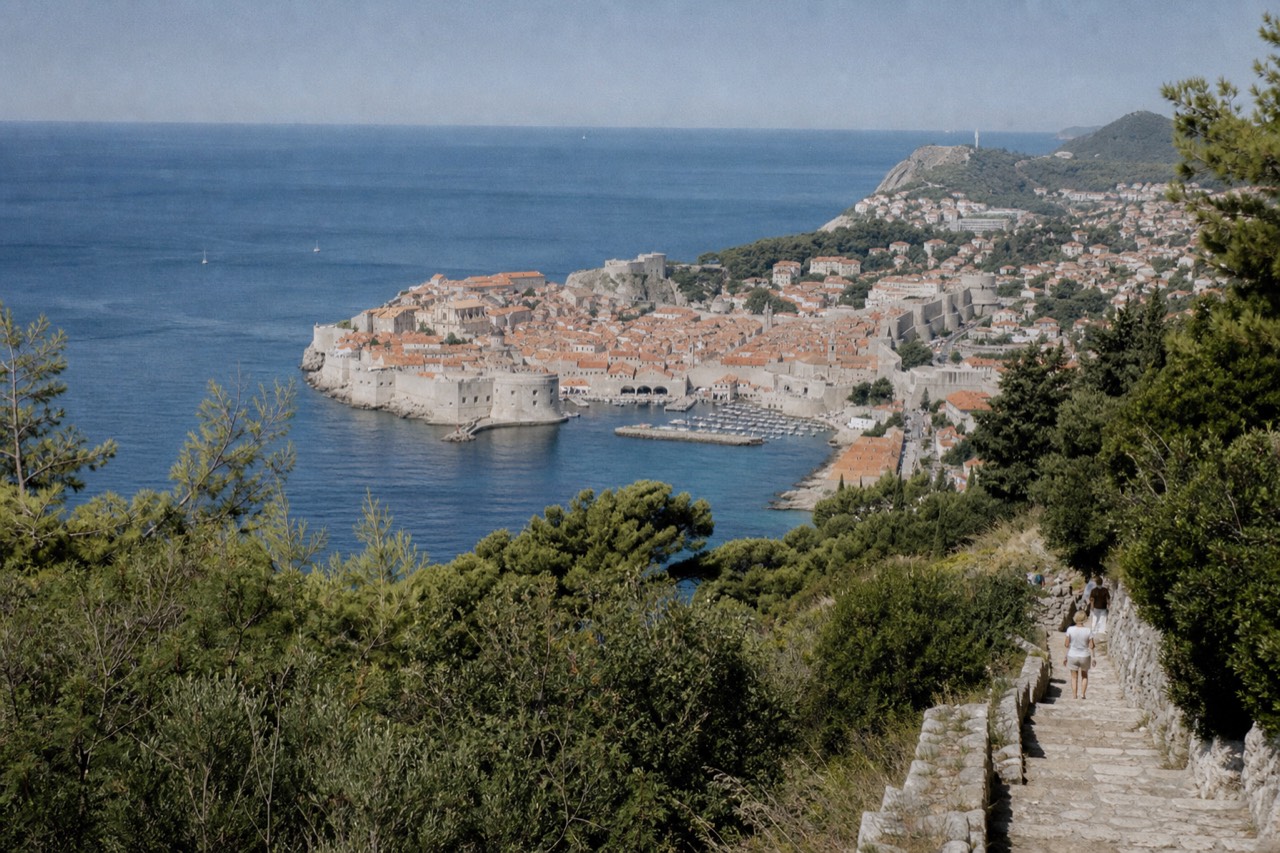
Short answer
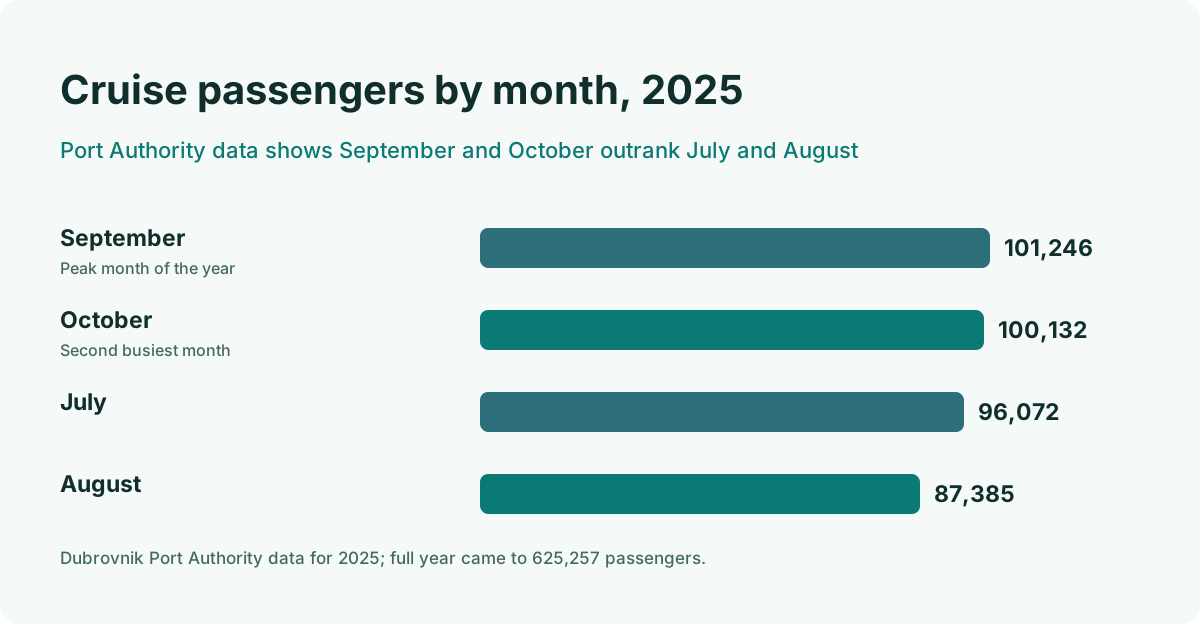
Dubrovnik is warmest in July and August, when the sea averages 24.9 and 25.8 degrees and cruise crowds peak. The best balance of weather and space is late September or October: the sea still averages 23.6 degrees in September, and cruise passengers actually peak that month at 101,246, then drop off through autumn.
Dubrovnik Weather by Month: A Local's Season-by-Season Guide
I have walked the Stradun in every month of the year, and the honest answer to "when should I go" is that Dubrovnik has two good seasons, one great shoulder month, and a winter that most visitors never see. The city recorded about 4.2 million overnight stays in 2025, sharing first place among Croatian destinations with Rovinj, and almost all of those nights fall between May and October. The weather drives everything here: sea temperature decides whether you swim, cruise schedules decide how crowded the Old Town feels, and the calendar of the Things to Do in Dubrovnik sort of activities shifts with both.
This guide breaks the year down month by month, using verified figures: the sea temperature series is the NOAA OISST v2.1 long-run average for 1991 to 2020, an open-water grid-cell figure rather than a beach thermometer, and the crowd numbers come from the Dubrovnik Port Authority and the city's own visitor counting system. Where a number is a long-run average or a ship capacity rather than a measured fact on the day, I say so.
What Is the Best Month to Go to Dubrovnik?
If you want warm sea, long days and full services, the best months are June through September, when the sea averages 22.5 to 25.8 degrees and the cable car runs until midnight. If you want the same sun with fewer people, late September and October win: the sea still averages 23.6 degrees in September and 21.0 in October, and the biggest cruise crowds have already peaked. May is the greenest and quietest warm month.
The trade-off is always weather versus space. July and August give you the warmest water of the year, 24.9 and 25.8 degrees on the long-run average, and the longest opening hours anywhere on the coast: the cable car runs 09:00 to midnight through June, July and August. But those are also the months when the Old Town is at its most compressed. The city's counting system recorded 7,739 people inside the historic core at its 10:00 peak on one September day, against an official carrying capacity of 11,275, and that was a single morning reading.
My own preference, as someone who times his walks around these crowds, is the second half of September. The sea is barely cooler than August on the long-run average, 23.6 against 25.8, the air has lost its punishing edge, and the light in late afternoon is the best of the year for photographs from the walls. October is nearly as good and quieter still, though the days shorten and the sea drops to a 21.0 average.
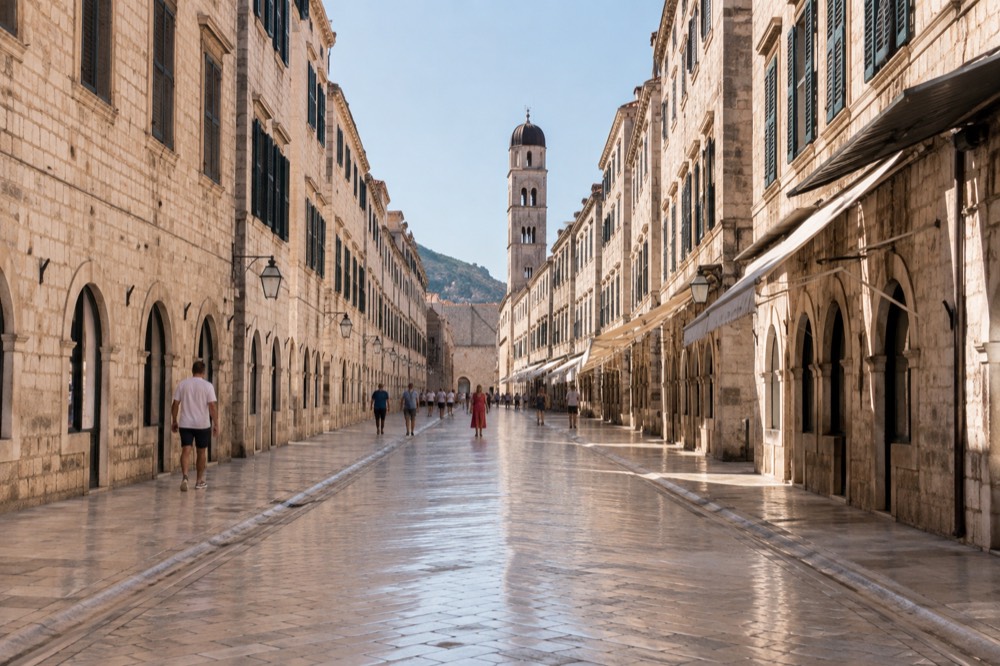
One caveat that matters: those sea figures are open-water averages, not beach readings. Sheltered bays run warmer in high summer. The Croatian met service's own Dubrovnik buoy read 27.0 to 27.4 degrees across 8 September 2026, against the 23.6 September mean, because shallow, sheltered water holds heat. Treat the averages as a planning baseline and expect a degree or two either way depending on where you swim.
For a fuller run-down of the trade-offs, including events and prices, read the companion guide on the best time to visit Dubrovnik.
What Is the Best Month to Visit Dubrovnik?
For most travellers the best single month to visit is September: the sea averages 23.6 degrees, the air has cooled from August, and every boat, cable car and tour runs at full summer schedule. May is the best alternative, with an 18.6-degree sea warming fast, green hillsides and far fewer cruise passengers than summer. October suits swimmers who accept a 21.0-degree sea.
Here is the counter-intuitive part that most guides get wrong: September and October, not July and August, are Dubrovnik's busiest cruise months. Port Authority data for 2025 shows cruise passengers peaked in September at 101,246 and October at 100,132, above July's 96,072 and August's 87,385. The full year came to 625,257 passengers, up from 582,499 in 2024, and 461 cruise calls are scheduled for 2026. So if you are chasing empty streets, the shoulder season is not the escape hatch the guidebooks promise, at least not in the middle of the day.
The pattern that actually works is timing within the day, not just the month. Cruise passengers flood the Old Town between mid-morning and late afternoon, so the walls, the Stradun and the viewpoints are best early. The half-hourly count on 8 September 2026 read 5,419 people at 08:00, 7,297 at 09:00, a 7,739 peak at 10:00, then 7,205 at 11:00. By evening the day-trippers are back on their ships and the city belongs to whoever is staying the night.
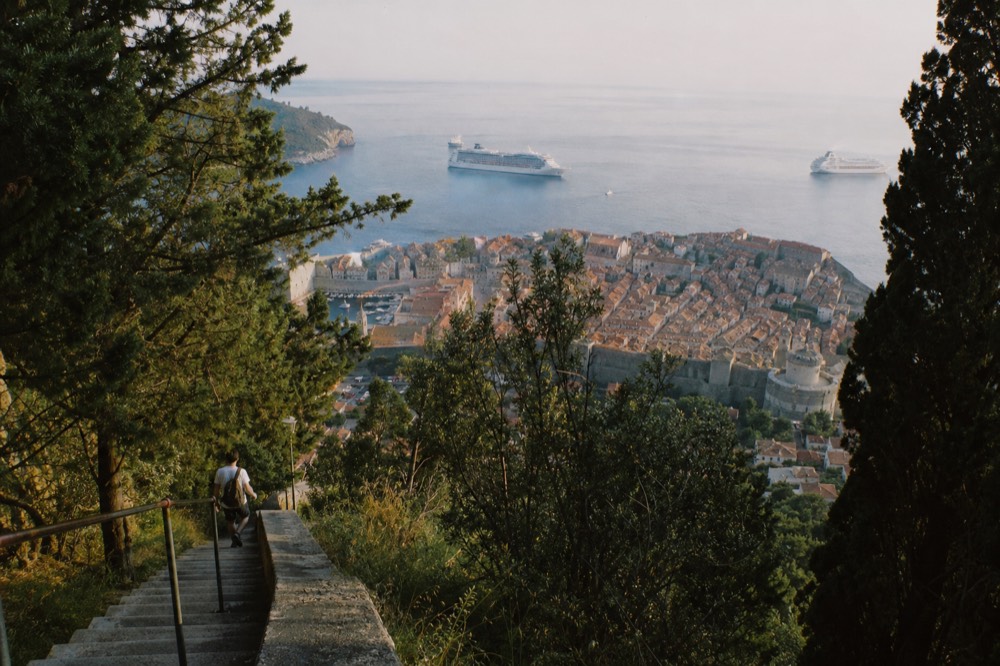
The Port Authority limits cruise passengers to 8,000 a day in most cases, and of 243 cruise days a year only 18 exceed that number, with only 4 slightly above 10,000. About forty call requests were refused in one season to hold that line. Those caps are why the streets stay walkable even in peak months, and the official cruise destination rules are published in full if you want the detail.
If a boat day is part of your plan, and in warm months it should be, these are the three formats that fit the weather best:
The Karaka pirate ship cruise is the pick for a warm-weather day: a full Elaphiti islands run from $65 per person, rated 4.8 across 757 reviews, with the shade of a replica hull and sea breezes doing what no air conditioner can. The Mljet National Park tour is the long-haul alternative, about 10 hours and from $153.99, best in June or September when ten hours of sun is a pleasure rather than an endurance test. And the walls admission ticket, from $36.37, is the rainy-day fallback, because the circuit is spectacular in any weather and the operator's stated hours run 08:00 to 19:30.
What Is the Coldest Month in Dubrovnik?
February is the coldest month in Dubrovnik, with a long-run sea temperature of 14.0 degrees, fractionally below January's 14.3, and the quietest visitor season of the year. Air temperatures stay mild by northern European standards, but the bora wind can make the exposed walls and the cable car summit feel genuinely cold, and the cable car itself is closed January to March.
Winter in Dubrovnik is real but short. The sea averages 14.3 degrees in January, 14.0 in February and 14.2 in March on the NOAA 1991 to 2020 series, which tells you the water never gets truly warm or truly frigid by Atlantic standards. Nobody swims, but nobody needs arctic gear either. What catches visitors out is the wind: the bora blows down from the mountains and turns the exposed sections of the city walls, and the top of Mount Srd, into wind tunnels.
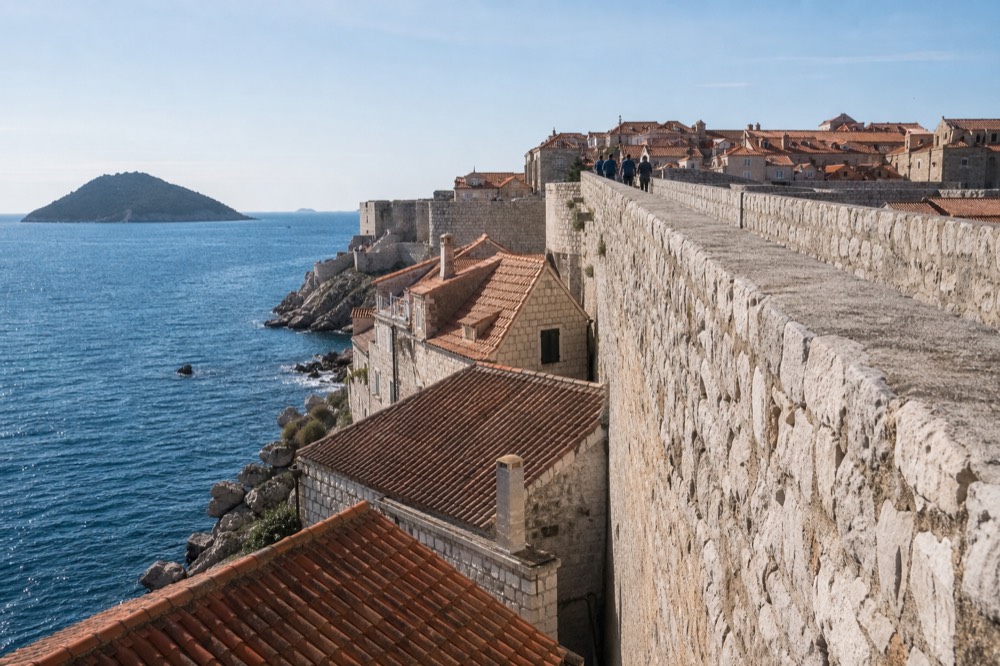
The practical winter consequences are worth knowing. The cable car is closed January to March entirely, reopening in April with 09:00 to 21:00 hours. The Western Outer Wall section is closed December, January and February, though the main circuit stays open and the walls ticket drops to 20 euro for adults and 5 euro for children 7 to 18 in December, from 40 euro and 15 euro in main season. The Dubrovnik Pass has no winter tier on sale at all, so the "pass costs the same as the walls" comparison is a main-season claim only, valid 1 March to 30 November.
| Season | Walls adult ticket | Walls child 7 to 18 | Dubrovnik Pass 1-day |
|---|---|---|---|
| Main season, 1 March to 30 November | 40 euro | 15 euro | 40 euro |
| December | 20 euro | 5 euro | not on sale |
| January and February | 20 euro | 5 euro | not on sale |
That 40 euro walls ticket is actually the walls plus Fort Lovrijenac combination, and it also covers the Western Outer Wall and the Collection of Coins of the Republic of Ragusa. Lovrijenac alone is 15 euro. The walls operator's own site carries the full structure list, which is longer than most visitors expect: 16 towers, 3 fortresses, 6 bastions, 2 corner fortifications, 3 bulwarks, 3 moats, 2 flank fortresses, 1 breakwater and 2 drawbridges along 1,940 metres.
If a winter trip is on your mind, the month-by-month detail continues in the guide to Dubrovnik in winter, including what stays open and what does not.
What Is the Rainiest Month in Dubrovnik?
November is the rainiest month in Dubrovnik, when the first proper autumn and winter storms arrive and the sea drops to an 18.5-degree average. October already brings more rain than any summer month, and the transition from stable summer weather to changeable autumn usually happens within the first half of October. December and January stay wet but milder.
Summer rain in Dubrovnik is a short, violent exception: a thunderstorm that breaks the heat for an hour and then disappears. From late October onward, rain becomes a planning factor. The good news is that Dubrovnik is one of the best rainy-day cities on the Adriatic, because its core is a dense walled town where the walls themselves, the Rector's Palace, the Maritime Museum and a string of smaller museums are all within a few minutes' walk of each other.
The Dubrovnik Pass is the rainy-day tool that earns its keep. In main season it costs 40 euro for one day, 50 for three days and 60 for seven, and the one-day tier costs exactly the same 40 euro as the standalone walls ticket while adding ten more sights plus a 24-hour bus ticket. Every tier lists the City Walls and Lovrijenac Fortress as its first inclusion, and each sight is visitable once. The three-day and seven-day passes add suburban bus coupons and House Bukovac in Cavtat. Full detail is in the guide to what the Dubrovnik Pass includes.
| Month | Sea temperature, long-run average | Weather character |
|---|---|---|
| June | 22.5 degrees | Dry, sunny, sea warming fast |
| July | 24.9 degrees | Hottest, driest, most crowded |
| August | 25.8 degrees | Warmest sea of the year |
| September | 23.6 degrees | Warm, stable, peak cruise month |
| October | 21.0 degrees | Warm days, first real rain |
| November | 18.5 degrees | Rainiest month, storms begin |
Remember what those sea numbers are: a NOAA OISST v2.1 1991 to 2020 open-water grid-cell average, cross-checked by EMODnet within about a degree (August 24.90, September 23.15 against NOAA's 25.8 and 23.6). They are not this year's water and not a beach thermometer. The deeper detail on swimming months is in the guide to the Dubrovnik swimming season.
When Can You Swim in Dubrovnik?
The comfortable swimming season runs from mid-June to early October, with sea averages of 22.5 degrees in June, 24.9 in July, 25.8 in August, 23.6 in September and 21.0 in October. May's 18.6-degree average is bearable for the hardy and cold for everyone else. From November to April the sea sits between 14.0 and 18.6 degrees and swimming is a local's sport.
The honest framing is that these are open-water averages and sheltered bays run warmer. On 8 September 2026 the Croatian met service's Dubrovnik buoy read 27.0 to 27.4 degrees across the day, well above the 23.6 September mean, because sheltered water in a hot late summer holds its heat. Banje beach on the east side and the coves around Lokrum sit somewhere between the two figures. The NOAA series is the planning number; the buoy is what a swim on a specific day can feel like.
Kayaking is the water activity that stretches the season best, because you generate your own warmth. The guided kayak and snorkelling tours run from $36.50 per person and hold a 4.9 rating across 4,286 reviews, with sunset departures that are the best light of the day on a calm evening. In shoulder months, pick a calm morning: the sea off the Old Town can be choppy when the wind is up, and Betina Cave, the snorkelling stop on the Lokrum kayak runs, is only pleasant when the swell is low.
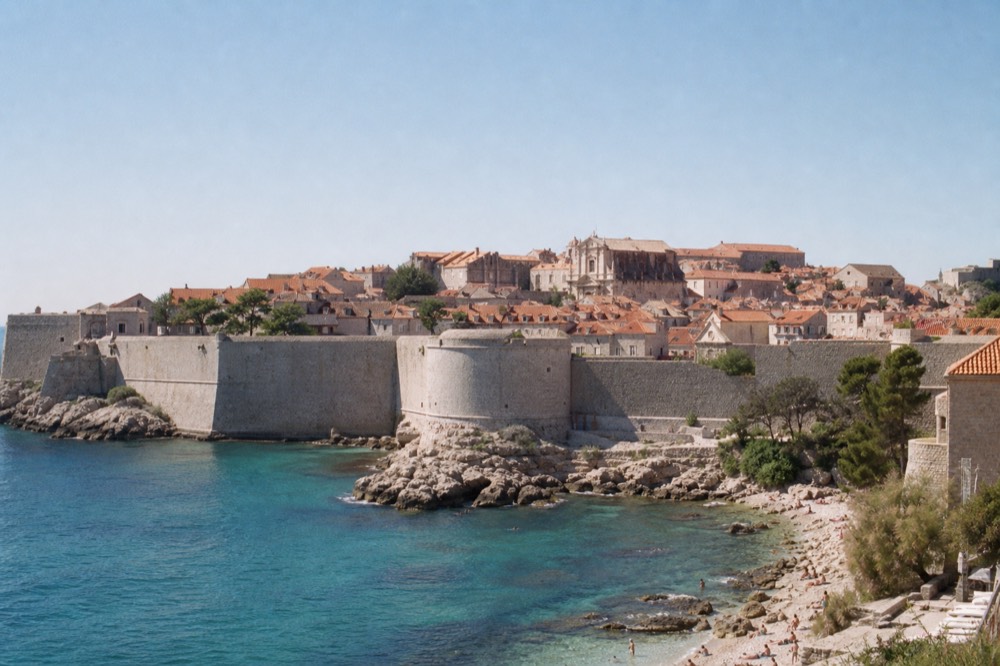
Lokrum is the island swimming day, and its logistics are weather-proof in a useful way. The ticket is 30 euro per person and covers both the reserve entry and the return boat transfer, with boats leaving the City Harbour at 09:00, then every 15 minutes from 10:00 to 18:00, and the ticket staying usable for three days. That flexibility means a cloudy morning does not sink the plan: you go in the afternoon instead. More on that in the guide to Lokrum island.
For a full warm-water day rather than a swim stop, the Elaphiti cruise is the format that fits the best months. The most-reviewed option, a full-day run with a fish picnic lunch, is from $59.16 per person and rated 4.9 across 10,312 reviews, and one recent review sums up why it suits a hot day: "Nice and shaded on the boat as we cruised on the cool adriatic. Loved seeing the neat Elphiti Islands and a wonderful way to get out the the heat and large crowds for a bit."
The Karaka version of that day, from $65 per person, adds the theatre of a wooden replica ship. In July and August, when the Old Town is at its densest, a shaded deck between Kolocep, Lopud and Sipan is the smartest heat strategy there is.
How Does the Weather Shape the Cruise Crowds?
Cruise numbers in Dubrovnik follow the warm months, but not evenly: 2025 passengers peaked in September at 101,246 and October at 100,132, ahead of July's 96,072 and August's 87,385. The Port Authority caps most days at 8,000 passengers, and the remaining 2026 schedule holds 149 ship calls across 80 cruise days, busiest on 6 October with 5,798 passengers by capacity.
That September and October peak is the single most useful planning fact on this site, and almost no guidebook carries it. The common assumption is that August is the crush and autumn the relief. The Port Authority's own monthly data says otherwise: the two busiest cruise months of 2025 were the first two of autumn. The reason is simple market logic, cruise lines move their ships into the Mediterranean shoulder season, and Dubrovnik's September weather is still reliably warm enough to sell.
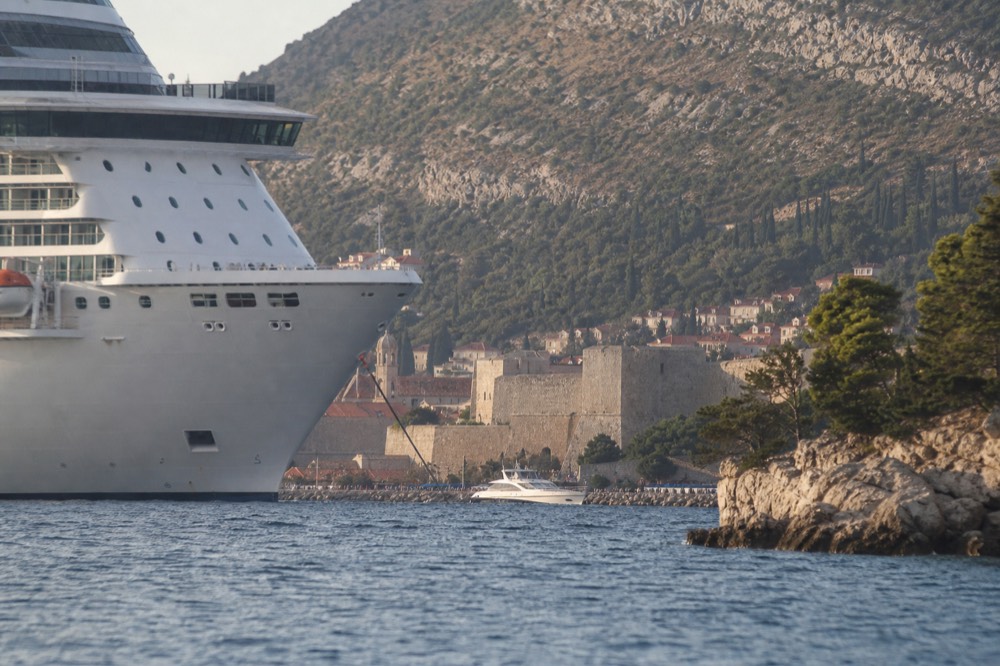
One honesty note on those numbers: cruise passenger figures are ship capacity, not people who actually walk ashore. Write "up to X scheduled", never "X people will be in town". The city's own counting system, six counters at every Old Town entrance updating every 15 minutes, is the real measure of what the streets feel like, and its official carrying capacity is 11,275 people at a moderate tolerance level.
| 2026 date | Ships scheduled | Passengers by capacity |
|---|---|---|
| 6 October | 2 | 5,798 |
| 29 September | 2 | 5,675 |
| 30 September | 3 | 5,536 |
| 15 September | 4 | 5,273 |
Those four are the heaviest days in the remaining 2026 season schedule. If your dates are flexible and you want the warmest water with the fewest ships, the days between those dates are the ones to hunt for.
What Is Each Month in Dubrovnik Like?
April and May warm up fast, June through August are hot and full, September is the sweet spot, October is warm and golden, and November through March are quiet, mild and partly closed. The sea climbs from a 14.2-degree March average to 25.8 in August and falls back to 16.0 by December. Each month has one thing it does better than any other.
Here is the year at a glance, with the planning note I give friends for each month.
| Month | Sea average | Best for | Planning note |
|---|---|---|---|
| April | 15.4 degrees | Cable car reopens | Hours 09:00 to 21:00, green hills, no swimming |
| May | 18.6 degrees | Space and sunshine | Quietest warm month, sea still cool |
| June | 22.5 degrees | First proper swimming | Cable car until midnight from June |
| July | 24.9 degrees | Hottest, driest weather | Walk the walls at 08:00, not midday |
| August | 25.8 degrees | Warmest sea | Peak heat and peak land crowds |
| September | 23.6 degrees | Best overall balance | Peak cruise month, time your days |
| October | 21.0 degrees | Golden light, fewer ships late in the month | First rain likely, sea still swimmable |
| November | 18.5 degrees | Storm watching, empty streets | Rainiest month, many closures |
| December | 16.0 degrees | Walls at 20 euro | No pass tier on sale, Western Outer Wall closed |
| January | 14.3 degrees | Solitude | Cable car closed, bora wind likely |
| February | 14.0 degrees | Coldest, quietest | Cable car still closed until April |
| March | 14.2 degrees | Pre-season calm | Main season prices return 1 March |
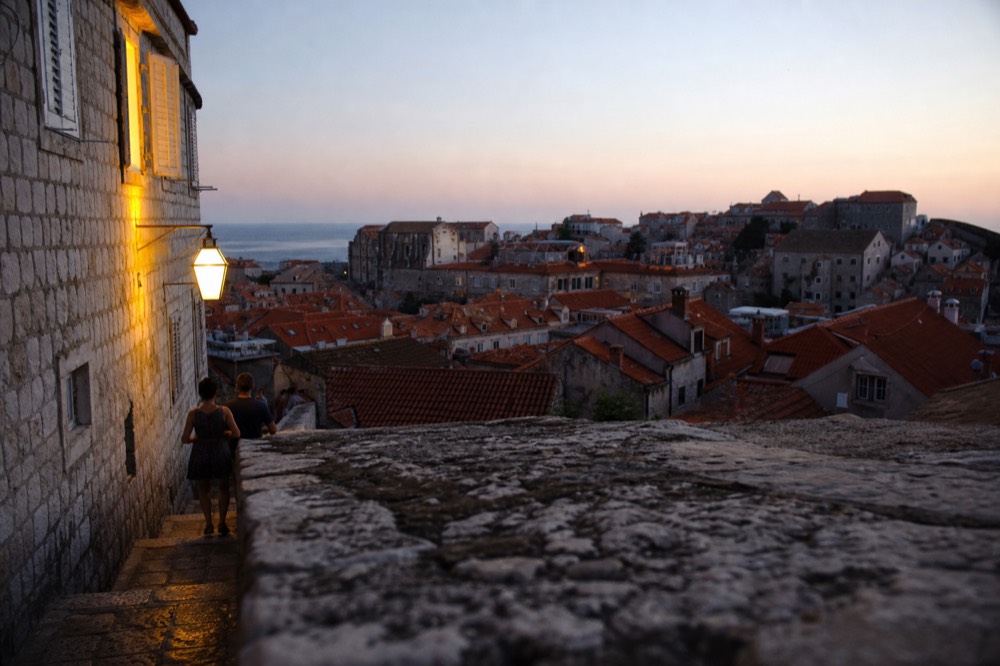
Two details in that table deserve emphasis. First, the main season boundary of 1 March to 30 November is an operator's pricing period, not a weather event: 1 March can still feel wintry while the walls ticket is already 40 euro. Second, the cable car's calendar is its own animal, closed January to March and then stretching from 09:00 to 21:00 in April to midnight in high summer, with the operator's own timetable and price page carrying the full monthly table. An adult round trip is 30 euro in 2026, 17 euro one way, with children 4 to 12 at 8 and 5 euro.
The month pages go deeper than a table can: Dubrovnik in April, Dubrovnik in May, Dubrovnik in June, Dubrovnik in July, Dubrovnik in August, Dubrovnik in September and Dubrovnik in October each carry the full run-down for their month.
Which Tours Fit Which Season?
The Elaphiti and Mljet boat tours belong to June through September, kayaking runs best May to early October, the walls are a year-round activity with December the cheapest month, and the cable car combos only make sense April to October while the lift is open. Matching the tour to the season is the difference between a great day and an endurance test.
In the hottest months, July and August, I would put every water-based tour ahead of every land-based one. The full-day Mljet National Park and 3-island tour, from $153.99 and rated 4.9 across 397 reviews, is about 10 hours, which is glorious in June and punishing in an August heatwave. The kayak runs, from $35.49 for the two-hour Lokrum and Betina Cave route, are short enough to fit the cooler ends of any day, and the sunset departures dodge the midday problem entirely.
In the shoulder and cool months the balance flips. October and April are the best months for the walls themselves, when the circuit's exposed stretches are comfortable rather than furnace-like, and the walking tours of the Old Town, from $20 with a local guide and rated 4.8 across 5,826 reviews, work year-round because the streets are steeped in shade. The walls admission ticket, from $36.37, is the one product that improves in bad weather: an overcast December day on the walls at 20 euro, with the sea crashing below, is one of the city's underrated experiences.
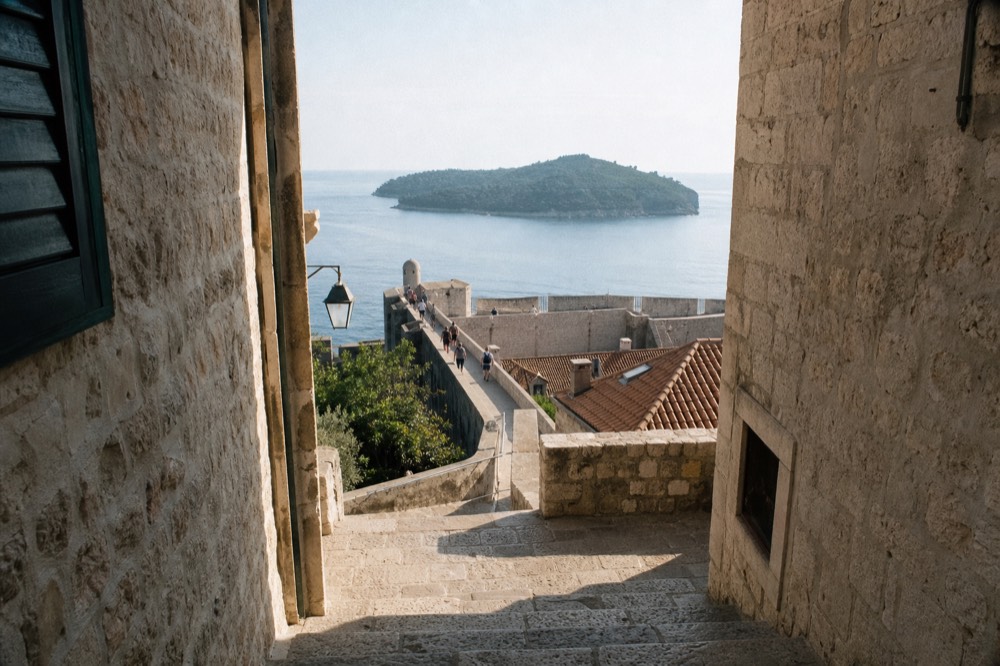
The one season rule that overrides everything: whatever the month, book the boat for the calmest forecast window of your stay, not the first free day. The Adriatic around Dubrovnik is usually gentle from June to September, but a single bora or sirocco day can cancel departures or make a small-boat trip miserable, and the operators reschedule rather than refund a bad-weather decision you made a week in advance. Flexibility is the local's advantage; build a little of it into your plan.
Common Questions About Dubrovnik Weather by Month
What is the best month to go to dubrovnik?
September, for most travellers. The sea averages 23.6 degrees, every service runs at full summer schedule, and the light is superb. The catch is that September is also the peak cruise month, with 101,246 passengers in 2025, so time your Old Town visits early and late in the day. May is the quieter alternative if you accept an 18.6-degree sea.
What Is the Best Month to Visit Dubrovnik?
June through September for warm-sea swimming, with August the warmest water at a 25.8-degree average. Late September and October give the best weather-to-crowd ratio, and October's 21.0-degree sea is still swimmable for most people. Avoid midday on the walls in July and August.
What Is the Coldest Month in Dubrovnik?
February, with a long-run sea average of 14.0 degrees, just under January's 14.3. The air stays mild but the bora wind can make exposed spots feel cold, the cable car is closed January to March, and the Western Outer Wall is shut. The main walls circuit stays open and the December-to-February ticket is 20 euro for adults.
What Is the Rainiest Month in Dubrovnik?
November, when the first sustained autumn storms arrive and the sea drops to an 18.5-degree average. October already sees more rain than any summer month. Summer rain is usually brief thunderstorms rather than all-day weather, and Dubrovnik's dense cluster of museums and indoor sights makes it one of the better rainy-day cities on the coast.
Can You Swim in Dubrovnik in September?
Yes, comfortably. The September long-run sea average is 23.6 degrees, and sheltered bays run warmer: the Croatian met service's Dubrovnik buoy read 27.0 to 27.4 degrees on one September day. Early October, at a 21.0-degree average, is still fine for most swimmers.
When Is Dubrovnik Least Crowded?
November through March, at the cost of cooler weather and some closures. Within the warm season, May and the second half of October are the quietest months, though note that September and October are actually the two busiest cruise months of the year, with 101,246 and 100,132 passengers in 2025.