War Photo Limited Dubrovnik: What the Museum Shows and How to Plan Around It
War Photo Limited is Dubrovnik's photography gallery of conflict, and it sits a few minutes from the Stradun inside a city that was itself a war zone within living memory. Here is what the museum is, how it fits a first visit, and how to plan the days around it.
Short answer
War Photo Limited is a small photography museum in Dubrovnik's Old Town showing documentary war photography, including work on the 1991 siege of the city. The Old Town it stands in is a UNESCO site of 24.7 hectares, and the walls that protected it are 1,940 metres long. Allow under an hour for the visit.
What Is War Photo Limited in Dubrovnik?
War Photo Limited is a small, privately run photography museum in Dubrovnik's Old Town dedicated to conflict photojournalism, with rotating exhibitions alongside a permanent body of work documenting the siege of Dubrovnik in 1991. It is compact, quietly lit, and usually visited in well under an hour, which makes it an easy add-on to a walls walk or a Stradun stroll.
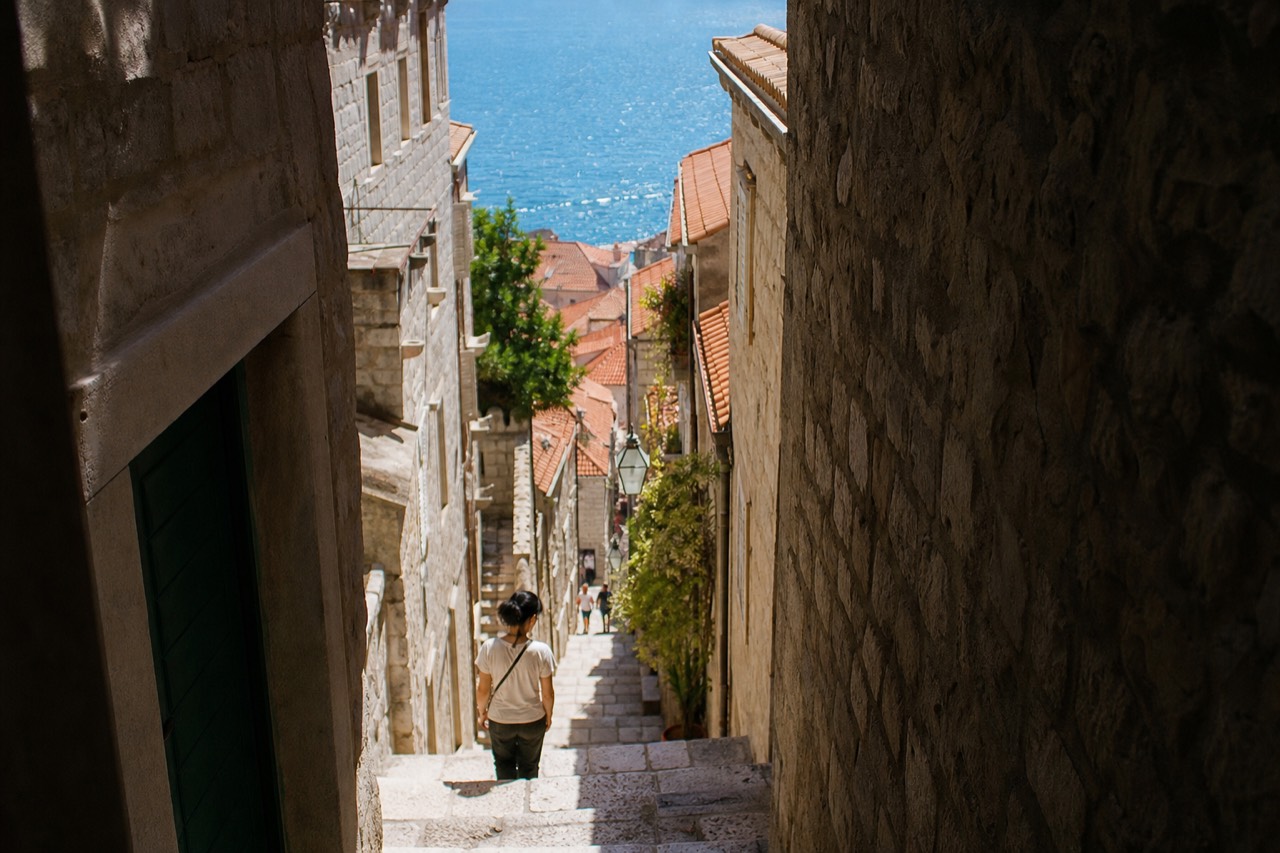
Most people arrive in Dubrovnik expecting limestone, terracotta and blue water, and they get all three. What catches many of them off guard is how recent the damage to this city is. The Old Town was inscribed on the UNESCO World Heritage List in 1979 under criteria (i), (iii) and (iv), reference C 95bis, and then spent 1991 to 1998 on the List of World Heritage in Danger while the war ran through the region. The polished street you are standing on was shelled within living memory of plenty of the people serving you coffee.
War Photo Limited exists to keep that memory in focus. Rather than telling the story with artefacts or dioramas, it shows it through the work of photojournalists, printed large and captioned plainly. The gallery also stages exhibitions on other conflicts, so the siege material sits inside a wider conversation about what war photography does and why it matters. For a deeper companion piece, the Things to Do in Dubrovnik homepage maps out how the city's sights stack up across a full stay.
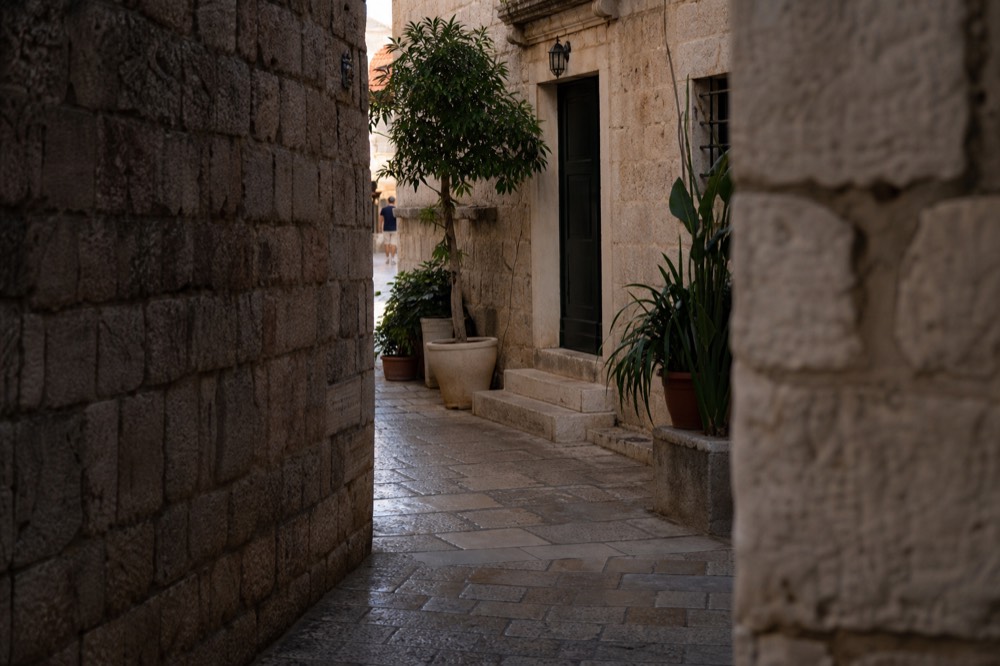
I always tell first-time visitors to put at least one serious piece of history into their itinerary, and this is one of the easiest to fit. The museum sits inside the walled core, so it costs you no extra travel time: you walk past it between the Stradun and the western end of the city anyway. The tone is sombre rather than sensational, and the captions do the work that a guide would, so you can move at your own pace.
What Is the Siege of Dubrovnik Museum?
The siege story is told in two main places in Dubrovnik: War Photo Limited, which shows it through photojournalism inside the Old Town, and the Homeland War Museum on Mount Srd, which tells it with exhibits at the old imperial fortress above the city. Together they cover the shelling of the Old Town and the wider war, from street level and from the hilltop the attackers used.
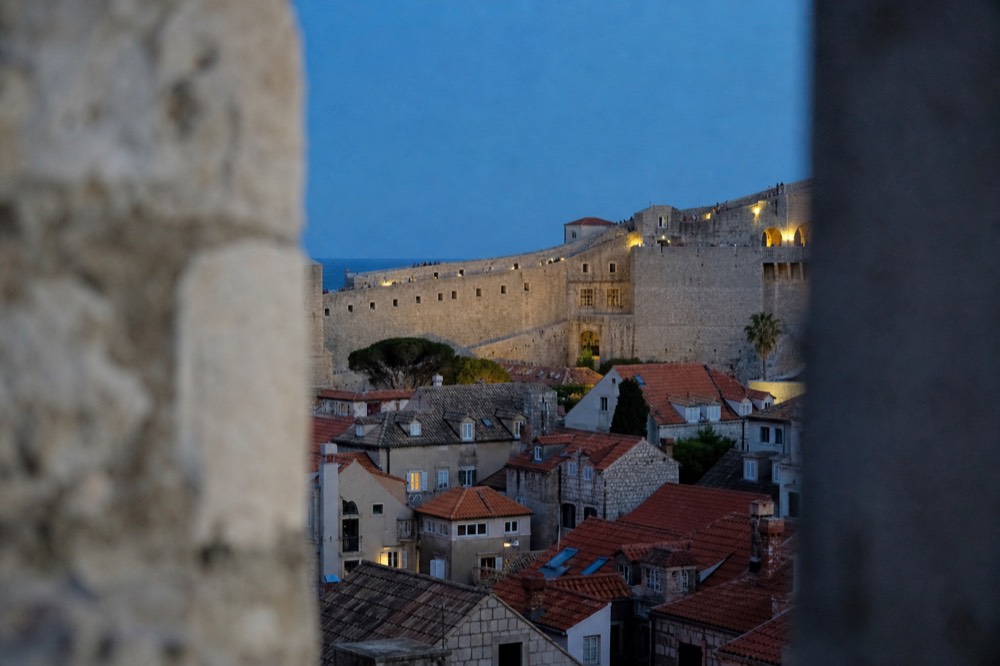
The siege of Dubrovnik began in the autumn of 1991, when the Yugoslav People's Army surrounded the city and bombarded it, including the UNESCO-listed Old Town. The bombardment damaged rooftops, palaces and churches across the 24.7-hectare heritage property. The city spent years restoring what was hit, and the UNESCO danger listing from 1991 to 1998 records how serious the assessment was. Today you have to look closely to spot the newer roof tiles, but the record of the destruction is preserved deliberately.
War Photo Limited handles this with photography: images made during the siege, printed and hung with straightforward captions, so the photographs carry the weight. The Homeland War Museum takes the other angle. It sits at the top of Mount Srd, at the 405.0-metre upper terminal of the cable car line, in the fortress that was held by defenders during the war, and its exhibits walk through the siege with maps, artefacts and material culture. The Homeland War Museum guide covers that side in detail, including how to combine it with the cable car ride.
If you only have time for one, the choice is really about format and legs. War Photo Limited is flat, central and short. The Homeland War Museum needs a cable car ride or a steep hike and rewards you with the panorama as well as the history. Many visitors do the photo museum on the day they walk the walls, then the hilltop museum on a separate, slower day.
The cable car and museums multipass is the product that ties the hilltop half of that plan together, bundling the Mount Srd ride with museum entry. If the siege story is the spine of your interest in Dubrovnik, it is worth checking availability on the operator's live listing early, because the cable car's peak-season hours draw long queues.
How Does War Photo Limited Compare With the Homeland War Museum?
War Photo Limited is a photography gallery inside the Old Town showing conflict images in a compact, self-guided format, while the Homeland War Museum is a larger exhibition on Mount Srd covering the siege with artefacts and displays. One is central and quick, the other needs the cable car or a hike and takes half a visit on its own.
| Aspect | War Photo Limited | Homeland War Museum |
|---|---|---|
| Location | Inside the walled Old Town | Mount Srd, at the cable car's upper station |
| Main format | Printed war photojournalism, captioned | Exhibits, displays and siege material |
| Focus | Conflict photography, including Dubrovnik's siege | The siege and the war in the region |
| Time needed | Under an hour | Longer, plus travel to the hilltop |
| Best paired with | A walls walk or Stradun stroll | The cable car and the Mount Srd panorama |
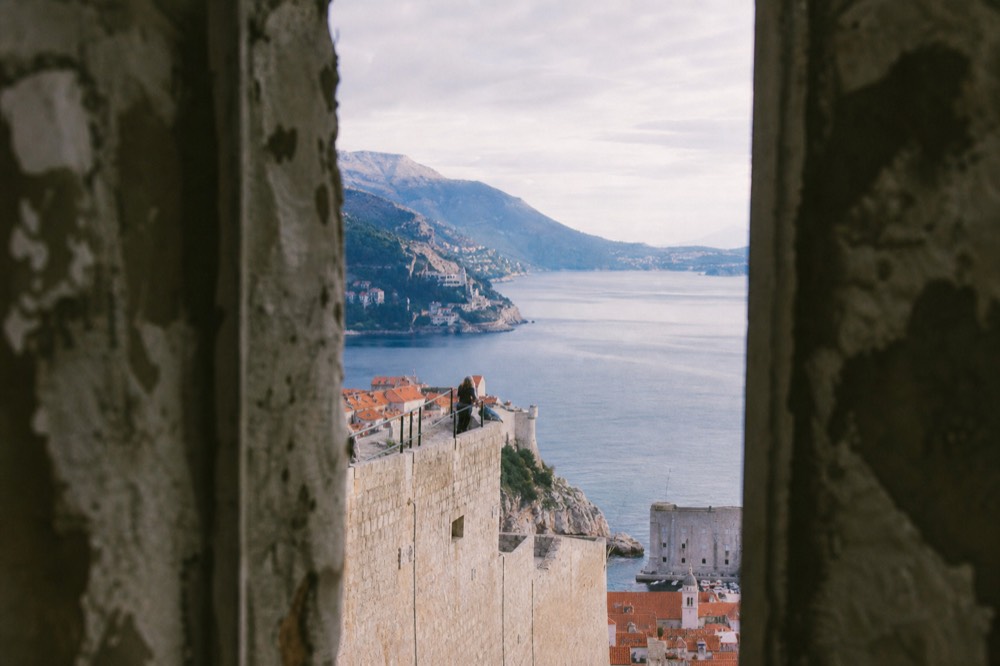
The comparison matters because the two venues are often confused in search results, and they are not substitutes. War Photo Limited's strength is intimacy: you stand close to images made by photographers who were in the city while it burned. The Homeland War Museum's strength is context and scale: you look down at the rooftops that were repaired and read the campaign around them.
One practical note on the hilltop half. The cable car climbs 367.0 metres over a 778.2-metre track in 3 minutes 30 seconds, and it closes from January to March, so a winter visit to the Homeland War Museum needs planning around that closure. The full seasonal timetable, prices and the best times to ride are covered in the cable car tickets guide.
What Not to Do in Dubrovnik?
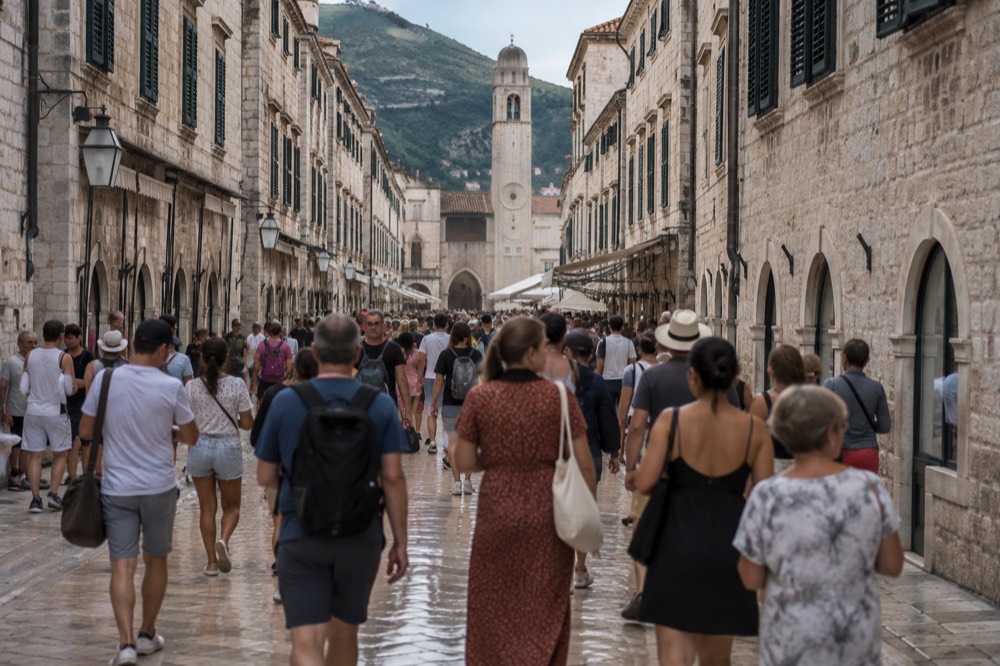
The mistakes visitors make in Dubrovnik are predictable: walking the walls at midday in high summer, underestimating cruise-day crowds in the lanes, dressing for the beach inside churches and monasteries, and treating the Old Town as a theme park with no recent history. Avoiding those four errors changes a visit more than any amount of extra planning.
First, timing on the walls. The circuit is 1,940 metres long, up to 25 metres high in places, and almost entirely exposed to the sun. There is very little shade, the stone radiates heat, and the operator's stated hours at the time of check run 08:00 to 19:30. Walk early or late, carry water, and wear shoes with grip, because the polished stone steps are slick underfoot. The city walls ticket prices guide breaks down exactly what the 40-euro main-season adult ticket includes, which is more than most people realise.
Second, respect the dress codes. The Franciscan Monastery, the cathedral and the Dominican Monastery are working religious buildings, and shoulders and knees need covering. This is also where the history intersects with courtesy: the monastery's cloister and its museum are part of the same heritage fabric that was restored after the war, so a slow, quiet visit is the right register.
Third, do not treat the lanes as a film set. Game of Thrones filming made several locations famous, and there is nothing wrong with seeking them out, but residents live here. The city counted 41,562 inhabitants at the 2021 census, and the ones inside the walls share their doorsteps with roughly 4.2 million overnight stays a year across the destination. Loud groups late at night, drone flights without checking the rules, and sitting on every doorstep add up.
Fourth, do not skip the recent past. It is the single most common gap in a Dubrovnik itinerary. Visitors walk the walls, swim, sail and never learn what happened here within living memory. War Photo Limited and the Homeland War Museum close that gap in a couple of hours, and they will change how the restored rooftops look to you afterwards.
When to Avoid Dubrovnik?
Avoid Dubrovnik at the height of the day in July and August, and be selective about September and October: Port Authority data shows cruise passengers peaked in September 2025 at 101,246 and October at 100,132, above July's 96,072 and August's 87,385. Early mornings and late afternoons beat midday in every season, and shoulder months with fewer calls beat the peak.
The counter-intuitive part of that answer deserves emphasis, because almost everyone gets it wrong. The received wisdom says avoid Dubrovnik in high summer because of cruise crowds, but the Port Authority's own monthly figures show September and October as the two busiest cruise months of 2025, ahead of July and August. The full year brought 625,257 cruise passengers, up from 582,499 in 2024, and 461 calls are scheduled for 2026. The when to avoid Dubrovnik answer works through the calendar month by month.
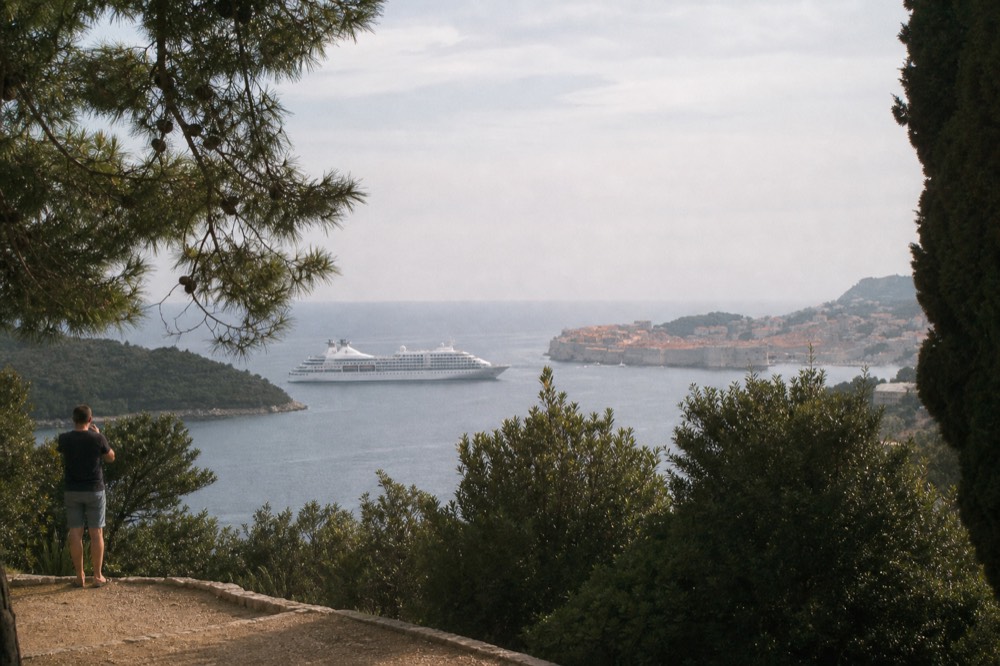
| Month 2025 | Cruise passengers | What that means for you |
|---|---|---|
| July | 96,072 | Hot, busy, long queues at the walls |
| August | 87,385 | Hottest month, still crowded |
| September | 101,246 | Busiest cruise month of the year |
| October | 100,132 | Second busiest, but softer light and heat |
| November | 28,480 | Quiet lanes, some closures begin |
| December | 2,458 | Almost no cruise traffic, festive season |
The city manages this pressure deliberately. The Port Authority limits cruise passengers to 8,000 a day in most cases, and of 243 cruise days a year only 18 exceed that number, with only 4 days slightly above 10,000. Inside the walls, six counters at every Old Town entrance update a headcount every 15 minutes, and the official carrying capacity from the UNESCO assessment is 11,275 people. On a real morning curve read on 8 September 2026, the count climbed from 5,419 people at 08:00 to a 7,739 peak at 10:00, then eased to 7,205 by 11:00. That is the shape of a Dubrovnik day: early is calm, late morning is the crush, evening recovers.
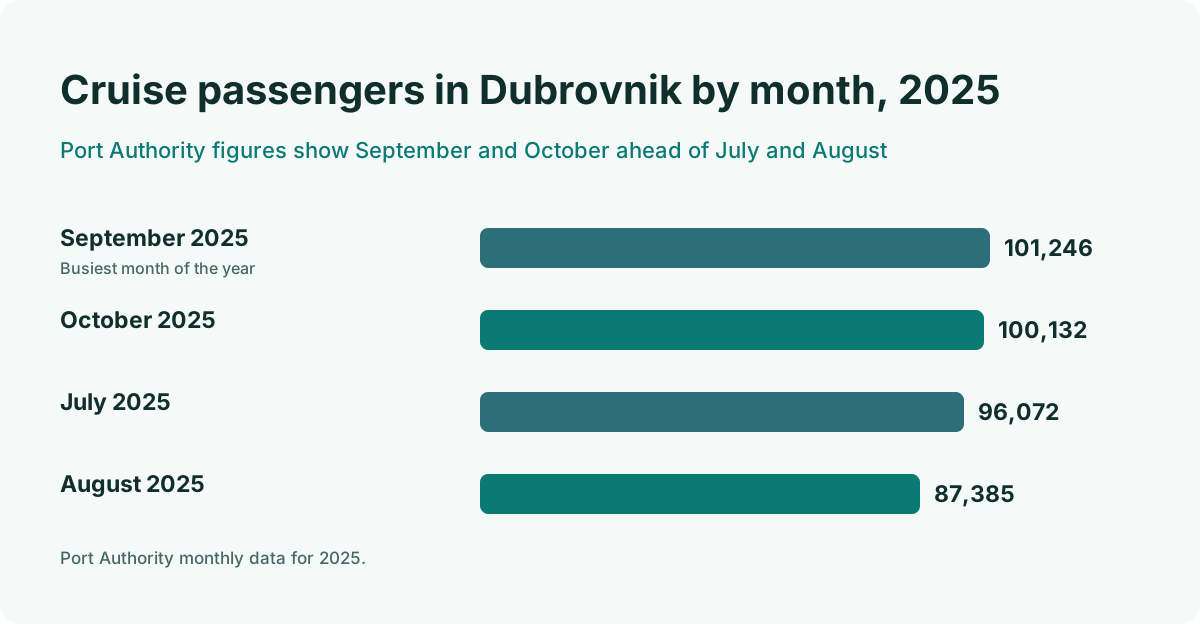
For a museum like War Photo Limited, the crowd curve matters less than for the walls, because the gallery absorbs visitors in small numbers and the lanes around it are what jam. The practical rule: do the walls at opening, spend the late-morning crush indoors, in a museum or a long lunch, and come back out for the golden hour.
Is Dubrovnik Good for Beaches?
Yes, with an asterisk. Dubrovnik is not a classic sandy beach resort: its beaches are mostly concrete platforms, pebble coves and rocky shelves on clear Adriatic water, and the sea is genuinely warm in summer, with a long-run August average of 25.8 degrees and September at 23.6. If you want sand and space, you pick your beach carefully or take a boat out.
The honest framing is that Dubrovnik is a city with excellent swimming rather than a beach town. The water is the draw. These figures are long-run open-water averages for 1991 to 2020 from NOAA's satellite analysis, not beach thermometer readings, and sheltered bays run warmer: the Croatian met service's own Dubrovnik buoy read 27.0 to 27.4 degrees on 8 September 2026 against a 23.6 September average. The swimming season guide works through the whole calendar.
| Month | Average sea temperature | Swimming verdict |
|---|---|---|
| May | 18.6 degrees | Brief, brave, refreshing |
| June | 22.5 degrees | Comfortable |
| July | 24.9 degrees | Warm and busy |
| August | 25.8 degrees | Warmest month of the year |
| September | 23.6 degrees | Excellent, and the sea is calmer |
| October | 21.0 degrees | Still swimmable early in the month |
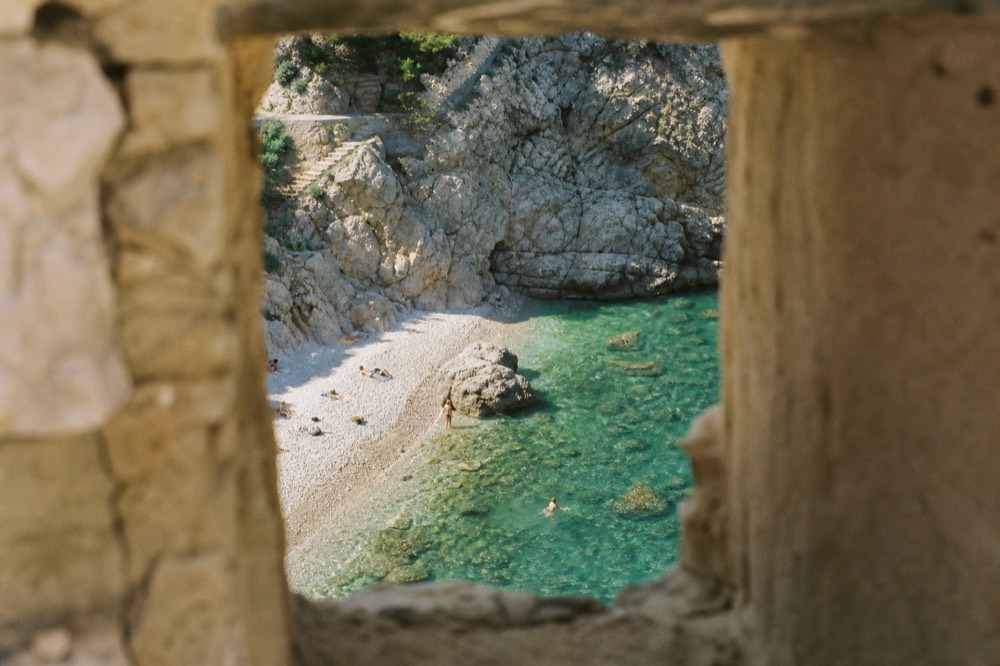
Which beach you pick shapes the day. Banje sits closest to the Old Town with the walls as a backdrop, which makes it the most convenient and the most crowded. Copacabana on the Lapad peninsula spreads out more and suits families. Sveti Jakov below the cliff is the postcard view over the Old Town, reached by a long stair descent. The Banje Beach guide covers the closest option, and the best beach answer compares them properly.
For a different register entirely, the boat tours get you to water you cannot reach on foot. The Elaphite islands cruise with lunch runs about 8 hours and is the most reviewed product on this site's roster, rated 4.9 across 10,312 reviews, from $59.16 per person. A shorter option is the Blue Cave and Sunj Beach tour with drinks, from $63.48 per person, rated 4.87 across 3,105 reviews. Sunj on Lopud is one of the few genuinely sandy stretches in the area, which is exactly why the boats go there.
What Else Is Near War Photo Limited?
Everything. The museum sits inside a walled core whose main street, the Stradun, runs 298 metres end to end, so the Franciscan Monastery, Onofrio's Fountain, the Rector's Palace, the cathedral and the Sponza Palace are all within a few minutes' walk. The walls entrance, Fort Lovrijenac across the bay, and the cable car's lower station are all short hops from the same point.
This density is the reason a Dubrovnik itinerary works so well around a museum anchor. You can leave War Photo Limited and be standing in the Franciscan Monastery's cloister, described as one of the treasures of the heritage core, within a couple of minutes. The monastery museum is one of the institutions bundled into the Dubrovnik Pass, alongside the Rector's Palace, the Maritime Museum, the Ethnographic Museum and others.
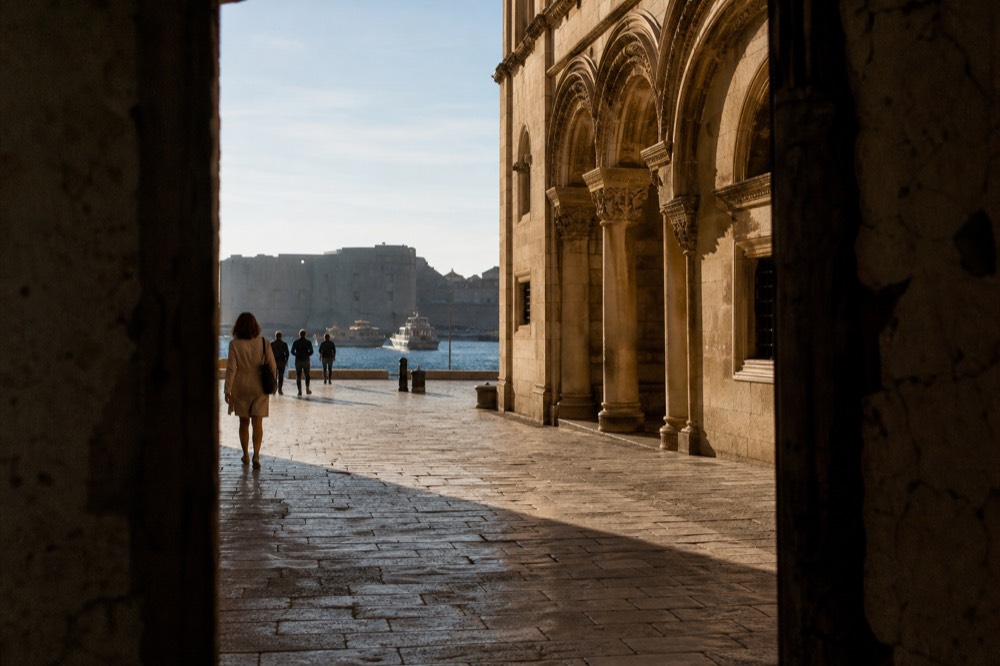
The pass math is worth knowing before you buy anything. In main season, 1 March to 30 November, the one-day Dubrovnik Pass costs 40 euro, exactly the same as the standalone adult walls ticket, and adds ten more sights plus a 24-hour bus ticket. The three-day pass is 50 euro and the seven-day pass is 60 euro, both adding suburban bus coupons and House Bukovac in Cavtat. In December the standalone walls ticket drops to 20 euro and no pass tier is on sale at all, so the equivalence only holds in main season. The full breakdown is in the Dubrovnik Pass guide.
| Pass or ticket | Price | Season | Includes |
|---|---|---|---|
| City Walls adult ticket | 40 euro | 1 March to 30 November | Walls, Fort Lovrijenac, Western Outer Wall, coin collection |
| City Walls adult ticket | 20 euro | December | Same inclusions, Western Outer Wall closed |
| Dubrovnik Pass, one day | 40 euro | Summer 2026 season | Walls plus ten sights, 24h bus |
| Dubrovnik Pass, three days | 50 euro | Summer 2026 season | Same plus suburban coupons and Cavtat |
| Dubrovnik Pass, seven days | 60 euro | Summer 2026 season | Same, week-long validity |
A guided walk is the other natural pairing, because the buildings around the museum carry stories a plaque will not give you. The Old Town walking tour with a local guide runs from $20 per person, rated 4.8 across 5,826 reviews, and is the cheapest paid walk on the roster. For something that layers the walls onto the same route, the combo tour of the Old Town and the ancient city walls runs about 3 hours 30 minutes, from $50.94 per person, rated 4.8 across 1,183 reviews. One recent guest review captures what a good guide adds here:
Alex was a fantastic guide, she explained the complex history of Dubrovnik to give a lasting impression of the history of the area. Really appreciated that she aimed for shaded areas on a boiling September day. The food recommendations for after were much appreciated too! Great tour for a first experience of the old town!
Sophie
If you would rather walk the circuit alone, the walls admission ticket from $36.37 per person covers entry without a guide, and the operator's stated hours at the time of check run 08:00 to 19:30. Either way, book the walls for opening time, not for after lunch.
How Much Time and Money Should You Budget?
Budget a half day for the museum cluster around War Photo Limited and the walls, roughly 40 euro per adult for the walls plus Lovrijenac in main season, and 30 euro round trip for the cable car if you add the hilltop museum. A full day combining the Old Town, the walls and Mount Srd is realistic, and two days lets you add an island or a beach without rushing.
The walls ticket deserves one more line of honesty because it comes up constantly. The 40-euro adult price covers more than the circuit: it is the walls plus Fort Lovrijenac combination, and it also includes the Western Outer Wall, closed in December, January and February, and the Collection of Coins of the Republic of Ragusa. Lovrijenac bought alone is 15 euro, and it stands on a 37-metre-high sea rock facing the city, so it doubles as a viewpoint. There is no family ticket; the operator sells exactly two paid types, adult and child 7 to 18 at 15 euro, with under 6 free.
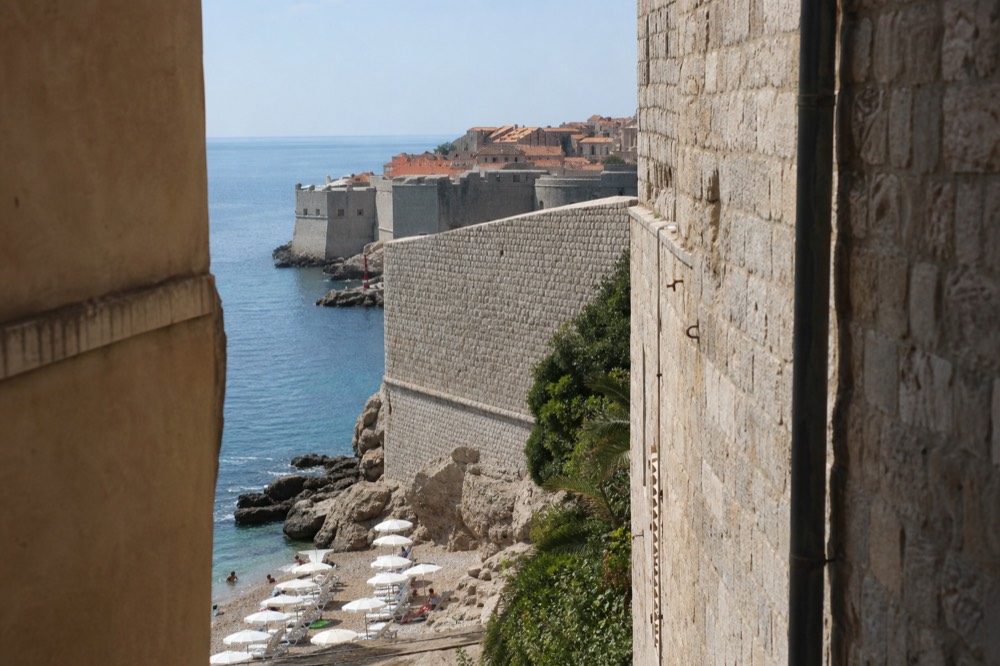
For the hilltop half, the cable car's 2026 prices are 30 euro adult round trip, 17 euro one way, and 8 euro round trip for a child aged 4 to 12, with under 4 free. The ride covers 778.2 metres of track in 3 minutes 30 seconds, and the operator claims a view range of up to 60 km on a clear day. Pair the ride with the Homeland War Museum at the top and you have the siege story told from both ends: the photographs in the city, the fortress above it.
A sample day built around this article's theme: walls at 08:00 when the count is still climbing toward its 10:00 peak, War Photo Limited and the monastery during the late-morning crush, a long lunch off the Stradun, the cable car after 16:00 when the queue shortens and the light turns, then the Homeland War Museum and the panorama before the last cabin down. That single day gives you the city's beauty and its hardest chapter in the same loop, which is, in the end, the only honest way to see Dubrovnik.
Whichever way you buy your entry, the same logic applies to the rest of the day: the walls are the anchor, the museums fill the hot hours, and the panorama closes it out. If you are still weighing the options, the three products below cover the three most common ways visitors put this exact plan together.
Common Questions About War Photo Limited Dubrovnik
What is the siege of dubrovnik museum?
The siege is told in two places: War Photo Limited, the photography museum inside the Old Town, and the Homeland War Museum on Mount Srd at the cable car's upper station. The first shows the shelling through photojournalism; the second tells it with exhibits inside the fortress that overlooked the city during the war.
What not to do in dubrovnik?
Do not walk the walls at midday in high summer, do not ignore cruise-day crowds in the lanes, do not enter churches with shoulders and knees uncovered, and do not skip the city's recent history. The Old Town was shelled during the war and spent 1991 to 1998 on UNESCO's danger list, and the museums that record it are the most valuable hour you can spend here.
When to avoid dubrovnik?
Avoid late morning on any day, and know that September and October are the busiest cruise months: 101,246 and 100,132 passengers in 2025, above July's 96,072 and August's 87,385. Early mornings are calm everywhere, and November through March is quiet, though the cable car closes January to March.
Is dubrovnik good for beaches?
Yes, if you accept pebble and rocky beaches rather than sand. The long-run sea average is 25.8 degrees in August and 23.6 in September, and sheltered bays read warmer still. Banje is closest to the Old Town, Sveti Jakov has the best view, and the boat tours reach sandy Sunj on Lopud.
How long does War Photo Limited take to visit?
Plan on well under an hour. The gallery is compact, the exhibitions are self-guided, and it sits inside the Old Town so it costs no extra travel time between the Stradun and the walls.
Does the Dubrovnik Pass include War Photo Limited?
The pass bundles the City Walls and Lovrijenac Fortress with sights including the Rector's Palace, the Maritime Museum, the Ethnographic Museum and the Franciscan Monastery museum. Check the current inclusion list on the official pass site before buying, since the one-day pass at 40 euro costs the same as the standalone walls ticket in main season and only makes sense if you will use the extras.