Homeland War Museum Dubrovnik: The Siege Museum on Mount Srđ
The Homeland War Museum in Dubrovnik sits inside Fort Imperial on Mount Srđ, reachable by the city's iconic cable car. It tells the story of the siege of Dubrovnik through photographs, artifacts, and a powerful documentary film. The museum is a stark reminder of the city's recent past and one of the most moving attractions in the region.
Short answer
The Homeland War Museum is located inside Fort Imperial on Mount Srđ, above the Old Town. It documents the siege of Dubrovnik with photographs, weapons, and a documentary film. The museum is open daily during cable car operating hours and is included in the Dubrovnik Pass and the cable car + museums multipass.
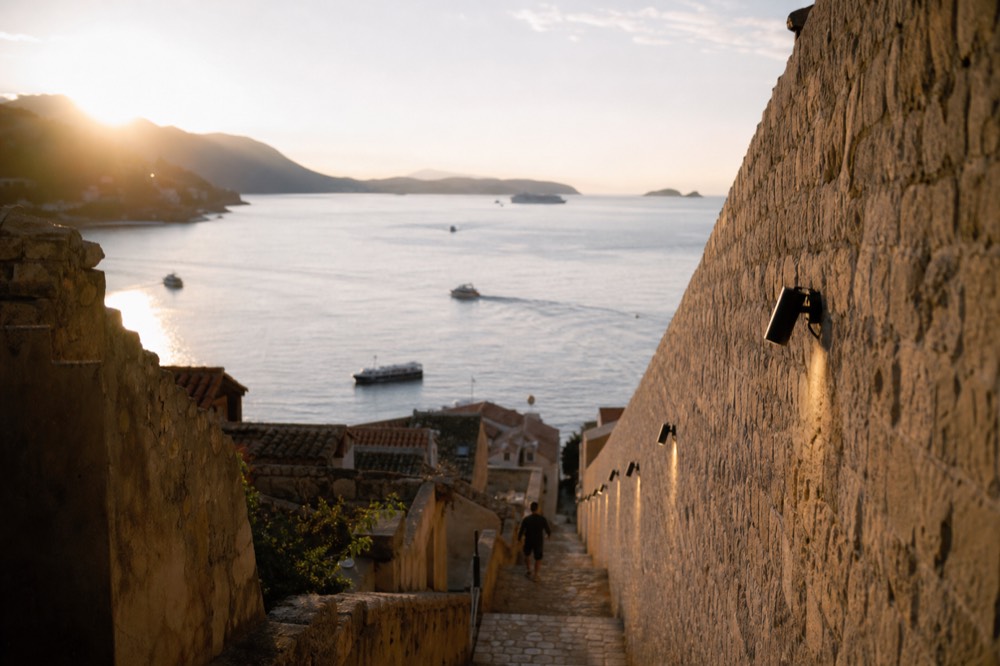
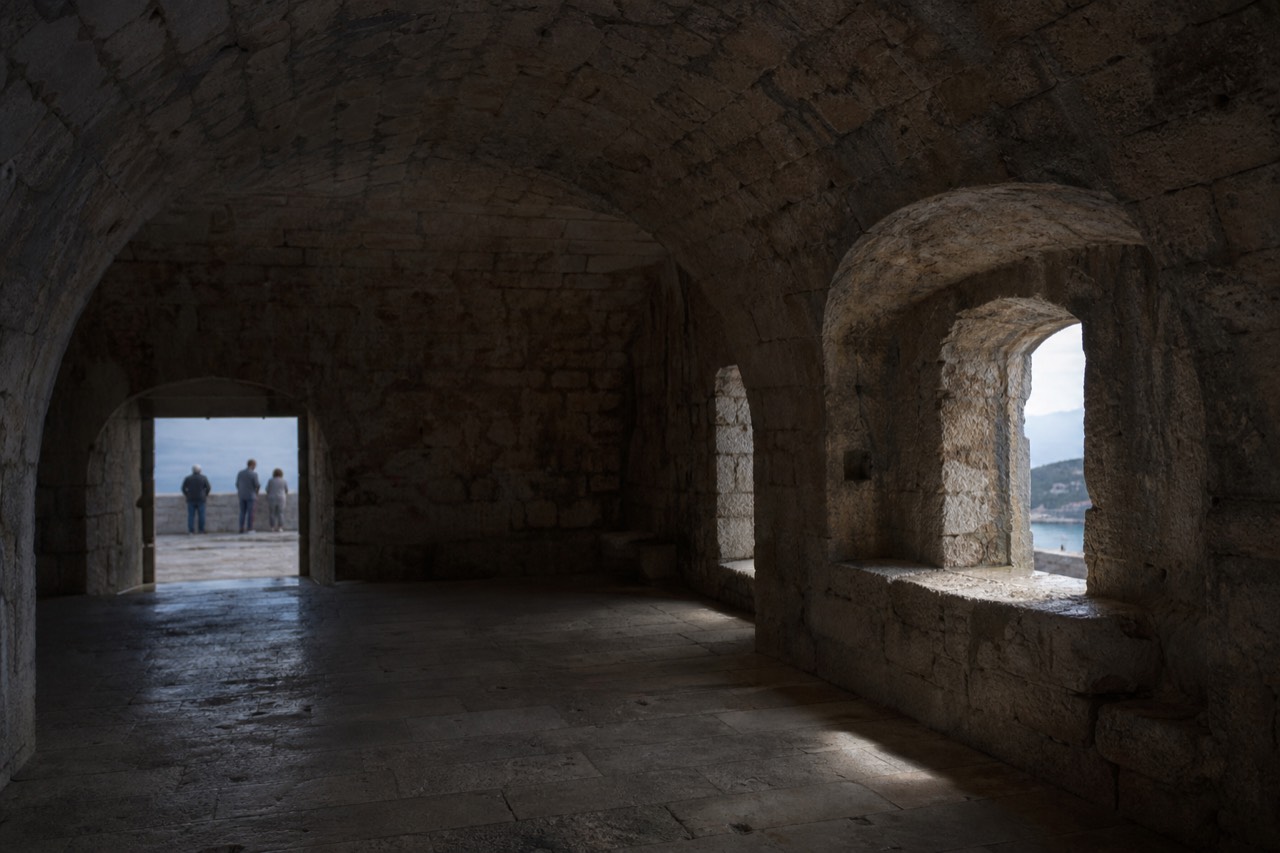
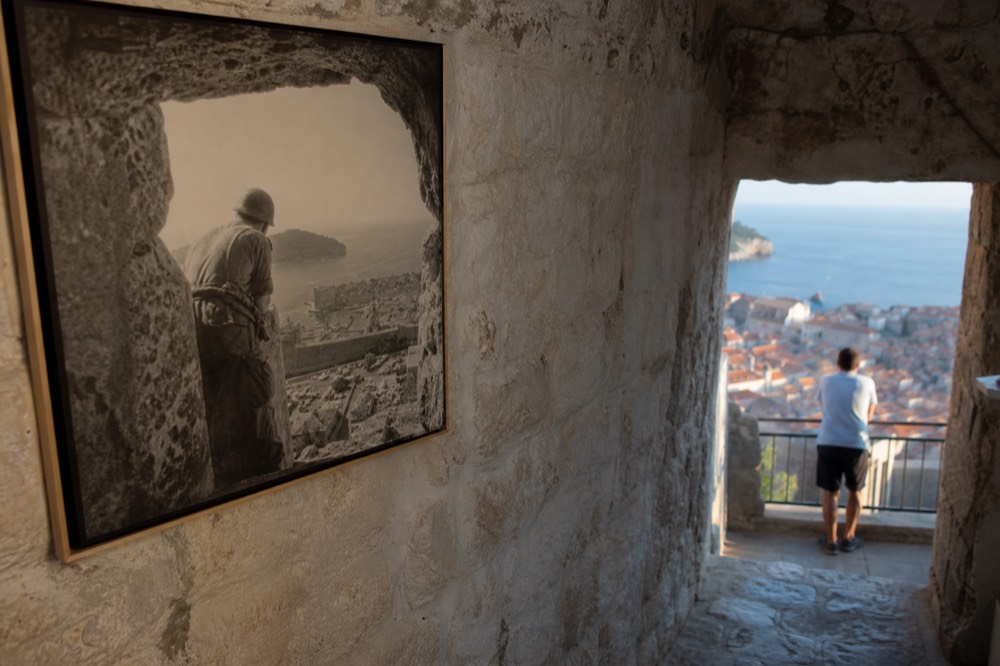
The Homeland War Museum is not a distant, centuries-old fortress story. It is the living memory of what happened to Things to Do in Dubrovnik between October 1991 and the months that followed, when the city was shelled by the Yugoslav People's Army and later by Serbian and Montenegrin forces. The museum is housed inside Fort Imperial, a fortress on the summit of Mount Srđ, the very ridge that protected the city and later became a key defensive position. The collection is modest but deeply affecting: a series of black-and-white photographs, soldiers' personal effects, shells, and a documentary film that plays on a loop. The view from the fort's ramparts, looking down over the red roofs of the Old Town, makes the story of what happened here all the more immediate.
The museum sits at the top of the Dubrovnik cable car, which rises 367 metres over a 778.2-metre track. The cable car itself is covered in the Dubrovnik Pass, and the museum is included in every pass tier. If you are heading up to Mount Srđ for the views, the museum is a natural stop, and it transforms a scenic ride into something far more meaningful. The fort's position, directly above the Old Town, explains why it was the strategic lynchpin of the city's defence: whoever held the fort held the city.
What Is the Siege of Dubrovnik Museum?
The Siege of Dubrovnik Museum, officially the Homeland War Museum, is a permanent exhibition inside Fort Imperial on Mount Srđ. It documents the siege of the city through photographs, weapons, and a documentary film. The museum is open daily during cable car operating hours, and admission is included in the Dubrovnik Pass and the cable car + museums multipass. The collection is a community effort built on donations from veterans and their families.
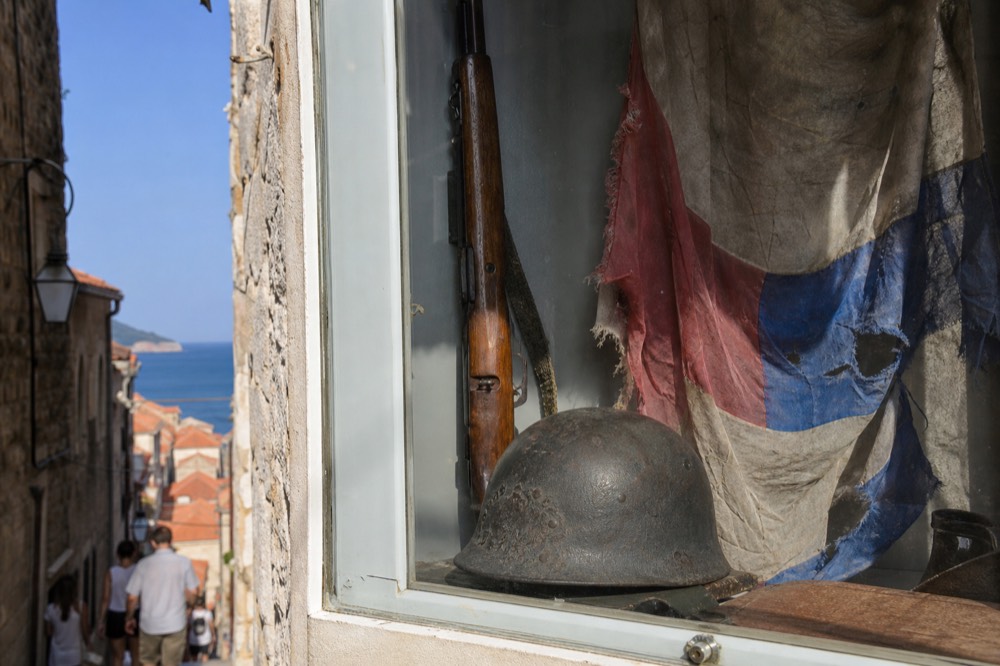
The museum's collection is arranged in three rooms of the fort, each focusing on a different phase of the siege. The first room sets the geopolitical scene, with maps and timelines that explain how the conflict began. The second room is the most visceral: it contains shrapnel, shell casings, and a piece of the mortar that struck the Sponza Palace. The third room is dedicated to the defenders, with photographs of the Croatian soldiers who held the fort during the bombardment. The documentary film, which plays every 20 minutes, uses footage shot by journalists and residents during the siege itself. It is not a polished production, but it is all the more powerful for it.
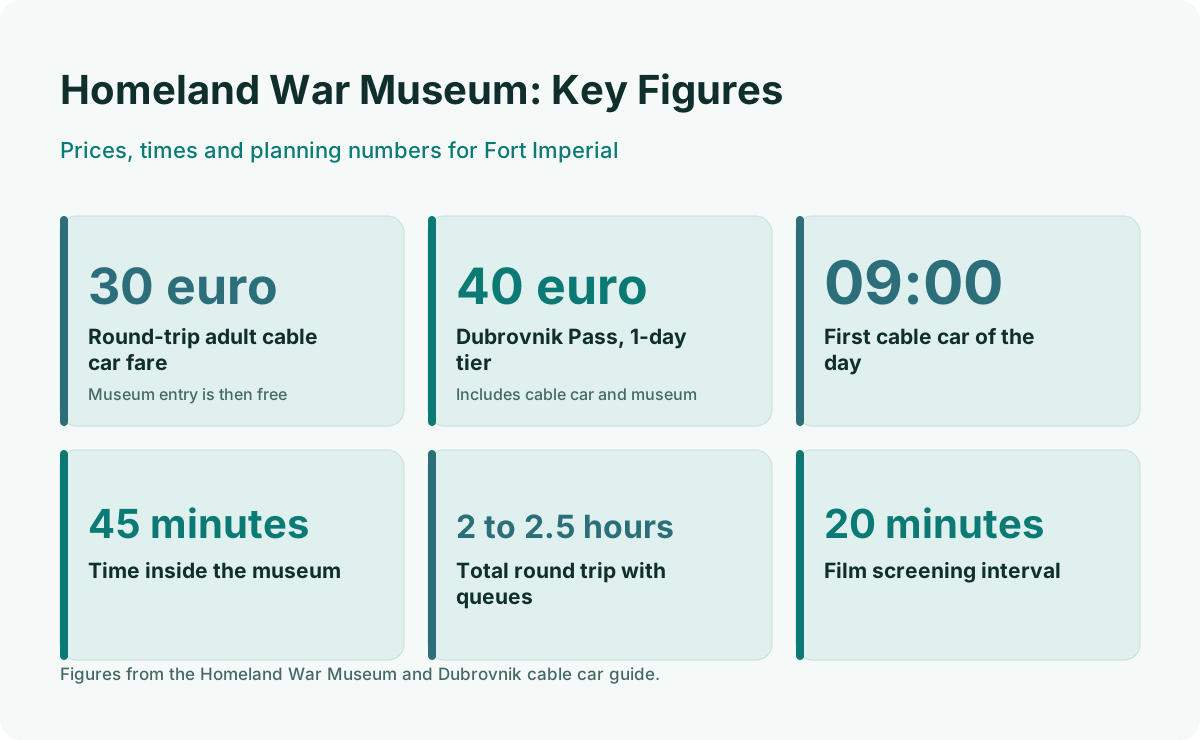
The museum is not a standalone ticketed attraction. Because it sits at the top of the cable car, you need a cable car ticket to reach it. The round-trip adult fare is 30 euro, and the museum is then free. If you already hold a Dubrovnik Pass, the cable car is included in the 1-day pass at 40 euro and the museum is covered. The most straightforward way to bundle transport and entry is the Explore Dubrovnik by CableCar & Museums Multipass, which costs from $24 on the operator's listing and covers the cable car, the museum, and several other sights. The cable car runs from April to December on a seasonal timetable, and the museum is open whenever the cable car is operating.
The museum is a small, intimate space, and the experience feels personal. Unlike the grand museums of European capitals, there are no interactive screens, no audio guides, and no guided tours inside. The power of the place comes from the simplicity of the presentation: a few hundred photographs pinned to boards, shells displayed in glass cases, and a film that does not try to be anything other than a record of what happened. The museum takes about 45 minutes to see properly, and the fort ramparts add another 30 minutes for the views and the walk.
| Ticket type | Price | Includes museum? | How to buy |
|---|---|---|---|
| Cable car round trip (adult) | 30 euro | Yes, free entry | At the cable car station |
| Dubrovnik Pass 1-day | 40 euro | Yes, plus walls and 9 other sights | Online at dubrovnikpass.com |
| CableCar & Museums Multipass | From $24 on the listing | Yes, plus other museums | On the operator's live listing |
| Dubrovnik Pass 3-day | 50 euro | Yes, plus suburban bus coupons | Online at dubrovnikpass.com |
If you want to see the museum as part of a guided tour, the Cable Car, Walking Tour and City Walls Combo takes you from the Old Town to the fort and then along the city walls. The guide handles the logistics, and the ticket includes the cable car ride and museum entry.
What Is Hilton Imperial Dubrovnik Known For?
As Dubrovnik's closest luxury hotel to the Old Town, it is celebrated for its historic landmark status, Habsburg-era elegance, and a terrace with sweeping views of the Adriatic and the ancient city, while also providing easy access to the cable car and Homeland War Museum.
The hotel originally opened as the Hotel Imperial, one of the grandest hotels in the Austro-Hungarian Empire, and it survived the siege of Dubrovnik with only minor damage. It reopened after a full renovation and now operates as a five-star Hilton property. The lobby retains its original marble columns and stained glass, and the terrace bar is a popular spot for a sunset drink. The hotel is not directly connected to the war museum, but its location at the foot of the cable car makes it a natural waypoint for anyone heading up to Mount Srđ. A morning walk from the Hilton to the cable car station takes less than five minutes.
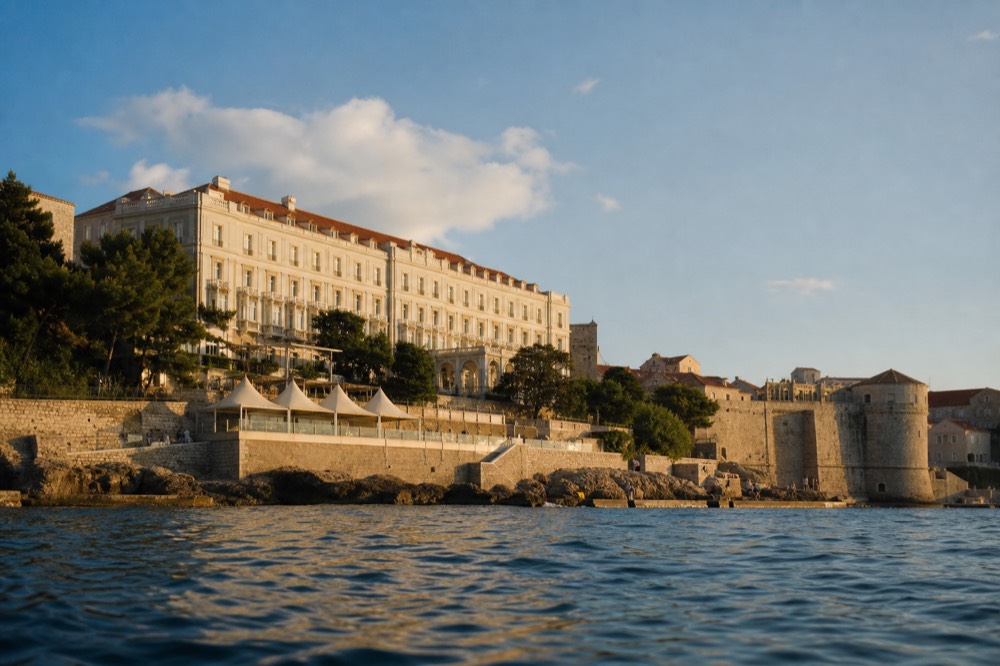
The Hilton Imperial is also known for its proximity to the Old Town walls and the Pile Gate, the main pedestrian entrance to the historic core. Guests can step out of the hotel and be inside the Old Town in under a minute. The hotel's Executive Lounge and the terrace restaurant offer views of the Lovrijenac Fortress and the sea. While it is one of the most expensive hotels in Dubrovnik, it is often fully booked in the summer months, so booking well ahead is essential. The hotel is a short walk from the main bus stop and the taxi rank, and it is one of the few hotels in the city that offers valet parking.
For visitors who want to combine a stay at the Hilton with a trip to the museum, the cable car station is the obvious starting point. The first cable car of the day is at 09:00, and the museum is peaceful at that hour. The morning light on the Old Town is also at its best for photography from the upper terminal. The Hilton's breakfast is served from 07:00, so you can eat, walk to the cable car, and be at the museum by 09:15.
To make the most of your visit, consider these top-rated tours:
The Cable Car Ride and Old Town Walking Tour combines the museum with a guided walk through the historic streets. The guide meets you at the cable car station and handles the tickets, so you can focus on the stories.
What Not to Do in Dubrovnik?
Do not visit the Old Town without a plan. The city is small, but the crowds can be overwhelming, especially when multiple cruise ships are in port. Do not skip the Homeland War Museum, even if military history is not your usual interest. Do not climb the city walls at midday in July or August. Do not forget to check the cruise schedule before you book a table at a restaurant with a view.
The most common mistake visitors make is trying to do everything in one day and ending up hot, tired, and frustrated. The walls alone take at least an hour and a half, and the cable car queue can be 45 minutes long in the afternoon. The museum is a quiet, air-conditioned space that gives you a reason to go up the mountain before the crowds arrive. The first cable car of the day is at 09:00, and the museum is never busy at that hour. The Dubrovnik Pass, which covers the cable car and the museum, is a good investment if you plan to visit the walls and several other sights. In main season, the 1-day pass costs 40 euro, exactly the same as the standalone walls ticket, and adds ten more sights plus 24 hours of bus travel.
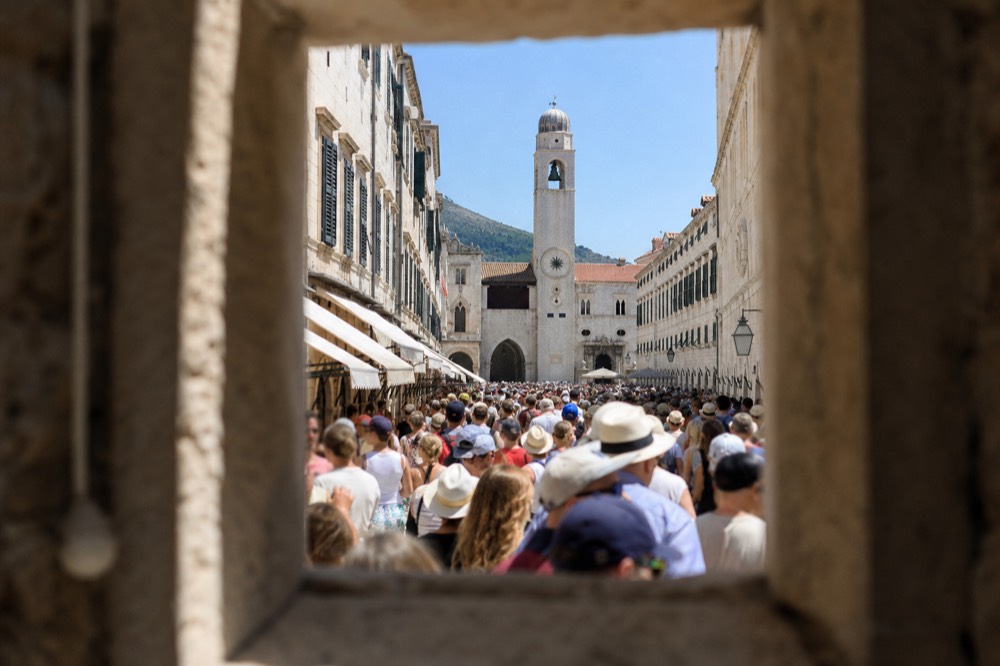
Another frequent error is ignoring the cruise schedule. On days when two or three large ships are in port, the Old Town can feel like a theme park. The Port Authority limits the number of cruise passengers to 8,000 per day in most cases, but on the busiest days, the city can feel strained. Checking the Port Authority's cruise calendar before you plan your day is a simple step that can save you a lot of frustration. The Port Authority has refused about forty cruise call requests in a single season to keep the numbers manageable.
The museum is a good counterpoint to the crowds. It is never packed, and the atmosphere is calm and reflective. The documentary film is screened in a small room with seating, and the exhibition rooms are rarely crowded even in the middle of summer. If you are visiting Dubrovnik between June and September, the museum is a good escape from the heat and the noise. The fort's thick stone walls keep the interior cool, and the ramparts catch the breeze.
The Cable Car & Museums Multipass is a smart way to avoid the ticket queue at the cable car. It includes the museum and a round-trip ride, and you can cancel for free up to 24 hours before.
How Long Does It Take to Walk the Fortress in Dubrovnik?
Walking the fortress ramparts and exterior of Fort Imperial takes roughly 30 to 45 minutes. If you also explore the Homeland War Museum inside, allow an additional 45 minutes. Including the cable car ride from the Old Town and potential queues, plan for a total round trip of 2 to 2.5 hours.
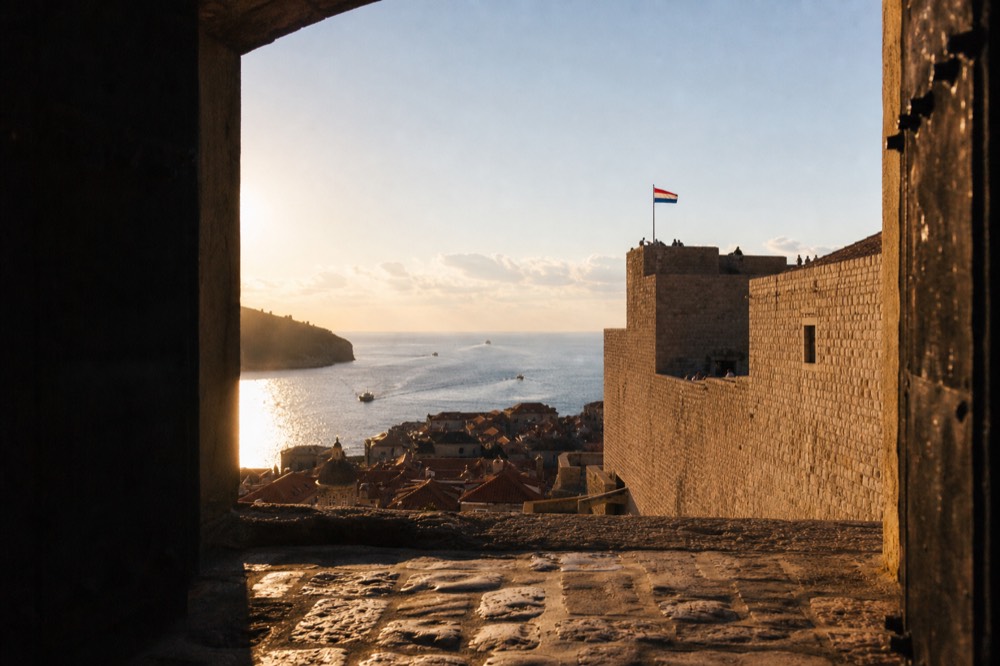
Fort Imperial is a compact fortress with two main levels. The museum occupies the upper level, and the ramparts form a loop around the fort. The views from the ramparts are spectacular, especially on a clear day when you can see up to 60 kilometres, about 37 miles, across the Adriatic. The fort's walls are thick and the walk is easy, with no steep climbs. The site is fully accessible to anyone who can manage the cable car.
The museum's documentary film runs every 20 minutes, so you can time your visit to watch it without a long wait. The three exhibition rooms are small enough that you can move through them at your own pace. The museum is not interactive, and there are no guided tours inside, but the photographs and the personal artifacts tell a clear story. If you are short on time, you can see the highlights in 30 minutes, but 45 minutes is a more realistic minimum. The film is the centrepiece of the experience, and skipping it would mean missing the most important part of the museum.
| Activity | Time needed | Notes |
|---|---|---|
| Cable car ride up (one way) | 3 minutes 30 seconds | 778.2-metre track, 367-metre rise |
| Queue for cable car (peak season) | 20 to 45 minutes | Shorter before 10:00 |
| Museum visit (all rooms and film) | 45 minutes | Film screens every 20 minutes |
| Fort ramparts walk | 30 minutes | Easy loop, no steep sections |
| Total, round trip from Old Town | 2 to 2.5 hours | Allow extra for photography |
For a hassle-free experience, the Explore Dubrovnik by CableCar & Museums Multipass covers the cable car and the museum, and you can go straight to the priority queue.
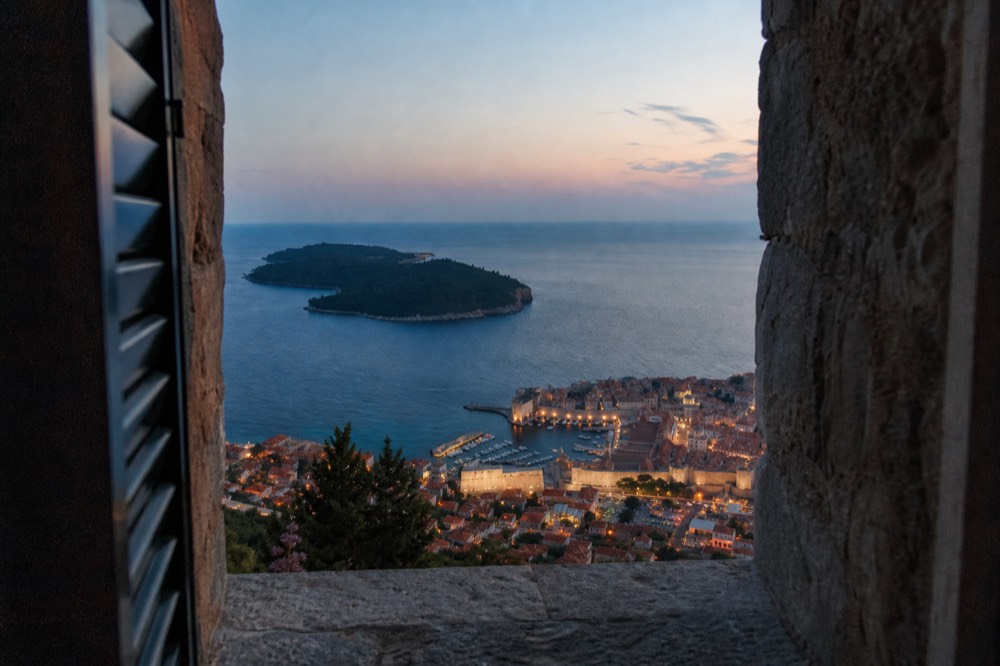
The museum is a sobering counterpoint to the postcard views. It is easy to spend half an hour on the ramparts and half an hour inside, and the contrast between the two experiences is part of what makes the visit so memorable. The fort's strategic position, 367 metres above the city, is the reason the siege could not break the defenders. Standing on the ramparts, you can see exactly why: the fort commands the entire Old Town, the harbour, and the sea approaches. There is no higher ground, and no way to take the city without taking the fort first.
The fort's lower terminal sits at 38 metres above sea level, and the upper terminal is at 405 metres. The cable car's two cabins each carry 32 plus 1 persons, and the journey takes 3 minutes and 30 seconds at 6.5 metres per second. The view from the cabin is itself worth the trip, and the glass walls give you a panoramic sweep of the Old Town as you rise. The cable car was built in 1969 and has been modernised several times since, most recently with a full replacement of the cabins and the drive system.
The museum is included in the Cable Car & Museums Multipass, which also covers the cable car ride and several other museums in Dubrovnik. The pass is a good value if you plan to visit the museum and at least one other sight. The Dubrovnik Pass covers the same attractions and adds the city walls ticket, which is 40 euro for adults in main season. If you are visiting between 1 March and 30 November, the 1-day pass at 40 euro is the same price as the walls alone and adds the cable car, the museum, and nine other sights.
| Pass type | Price | Museum included | Other key inclusions |
|---|---|---|---|
| CableCar & Museums Multipass | From $24 on the listing | Yes | Cable car, other museums |
| Dubrovnik Pass 1-day | 40 euro | Yes | Cable car, walls, 9 other sights, 24h bus |
| Dubrovnik Pass 3-day | 50 euro | Yes | Same as 1-day, suburban bus coupons, House Bukovac |
| Dubrovnik Pass 7-day | 60 euro | Yes | Same as 3-day, 168h bus ticket |
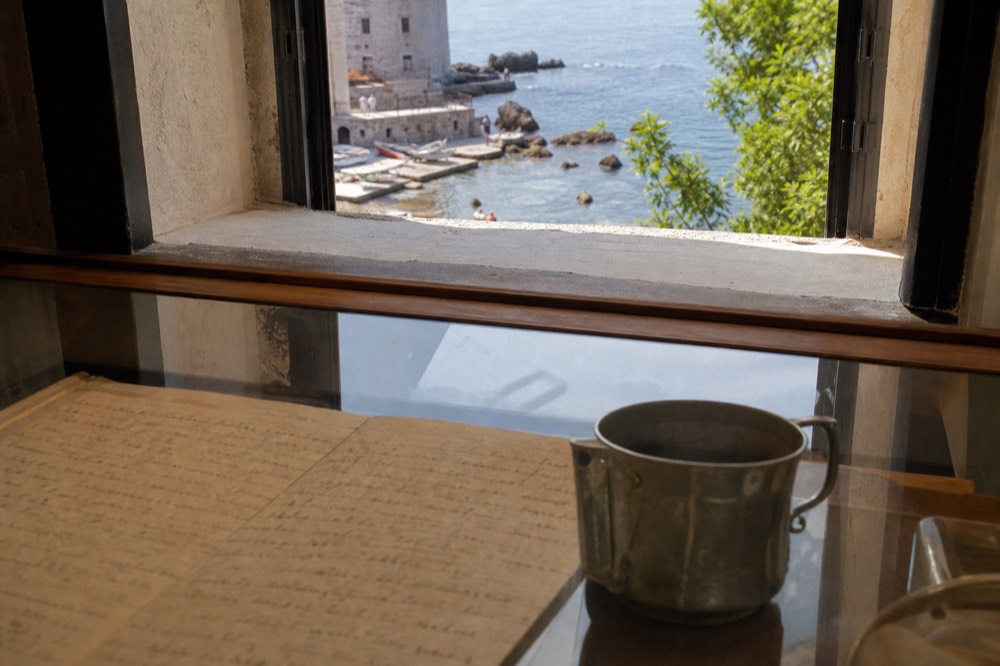
The siege of Dubrovnik is a story that is not told anywhere else in the city with this level of detail and intimacy. The museum is the only place where you can see the personal effects of the defenders, the maps that charted the bombardment, and the film footage that documented the daily reality of life under fire. The fort itself, the site of the city's most determined defence, adds a layer of meaning that a purpose-built museum could not replicate. The stone walls that now shelter the exhibits are the same walls that sheltered the defenders.
The museum is also a good starting point for a longer exploration of Mount Srđ. The walking trails around the summit offer views of the Elaphiti Islands and the Pelješac peninsula, and the Mount Srđ area has a small café and a restaurant at the upper cable car station. The Panorama Restaurant, which sits next to the fort, serves lunch and dinner with a view that is hard to beat. The museum closes when the last cable car descends, so plan your visit to leave time for a meal or a drink at the top.
Common Questions About the Homeland War Museum in Dubrovnik
What is the siege of dubrovnik museum?
The siege of Dubrovnik museum, officially the Homeland War Museum, is an exhibition inside Fort Imperial on Mount Srđ. It documents the siege of the city with photographs, weapons, and a documentary film. The museum is open daily during cable car hours and is included in the Dubrovnik Pass and the cable car + museums multipass.
How do I get to the Homeland War Museum?
The only way to reach the museum is by the Dubrovnik cable car, which departs from the station just outside the Old Town. The cable car operates from April to December, and the round-trip adult fare is 30 euro. The museum is free once you are at the top. The cable car rises 367 metres over a 778.2-metre track.
Is the museum suitable for children?
The museum contains graphic photographs and a documentary film that shows the bombardment. It is not recommended for very young children, but teenagers and older children with an interest in history will find it educational. The fort ramparts are safe and offer a good place for younger children to run around while adults visit the museum.
How long does the cable car ride take?
The cable car ride takes 3 minutes and 30 seconds. The cabins have a capacity of 32 plus 1 person each, and the track is 778.2 metres long. The lower terminal is at 38 metres above sea level, and the upper terminal is at 405 metres. The cable car operates from April to December on a seasonal timetable.
What is the best time of day to visit the museum?
The best time to visit is at 09:00, when the cable car opens. The museum is quiet, the air is cooler, and the queues are short. The afternoon is the busiest time, especially when cruise ships are in port. The museum is also a good option on a rainy day, as it is entirely indoors and the fort's thick walls keep it cool in summer.
Is the museum included in the Dubrovnik Pass?
Yes, the Homeland War Museum is included in all three Dubrovnik Pass tiers: the 1-day at 40 euro, 3-day at 50 euro, and 7-day at 60 euro. The pass also includes the cable car, the city walls, and nine other sights. The pass is sold from 1 March to 30 November, and a winter tier is not currently on sale.