Travel Insurance for Croatia: What Visitors to Dubrovnik Actually Need
Croatia is a safe, well-organised country, but Dubrovnik's steep stone, open water and day trips across borders are exactly the situations travel insurance exists for. Here is what a policy should cover, what it usually does not, and how the calendar changes the risk.
Short answer
Croatia does not legally require leisure visitors to carry travel insurance, but the costs that hurt are medical care, cancelled ferries and lost gear on the water. A solid policy for a Dubrovnik trip covers medical emergencies, trip interruption, and adventure activities such as kayaking and ziplining. Expect to pay a per-trip premium; check the policy wording before booking.
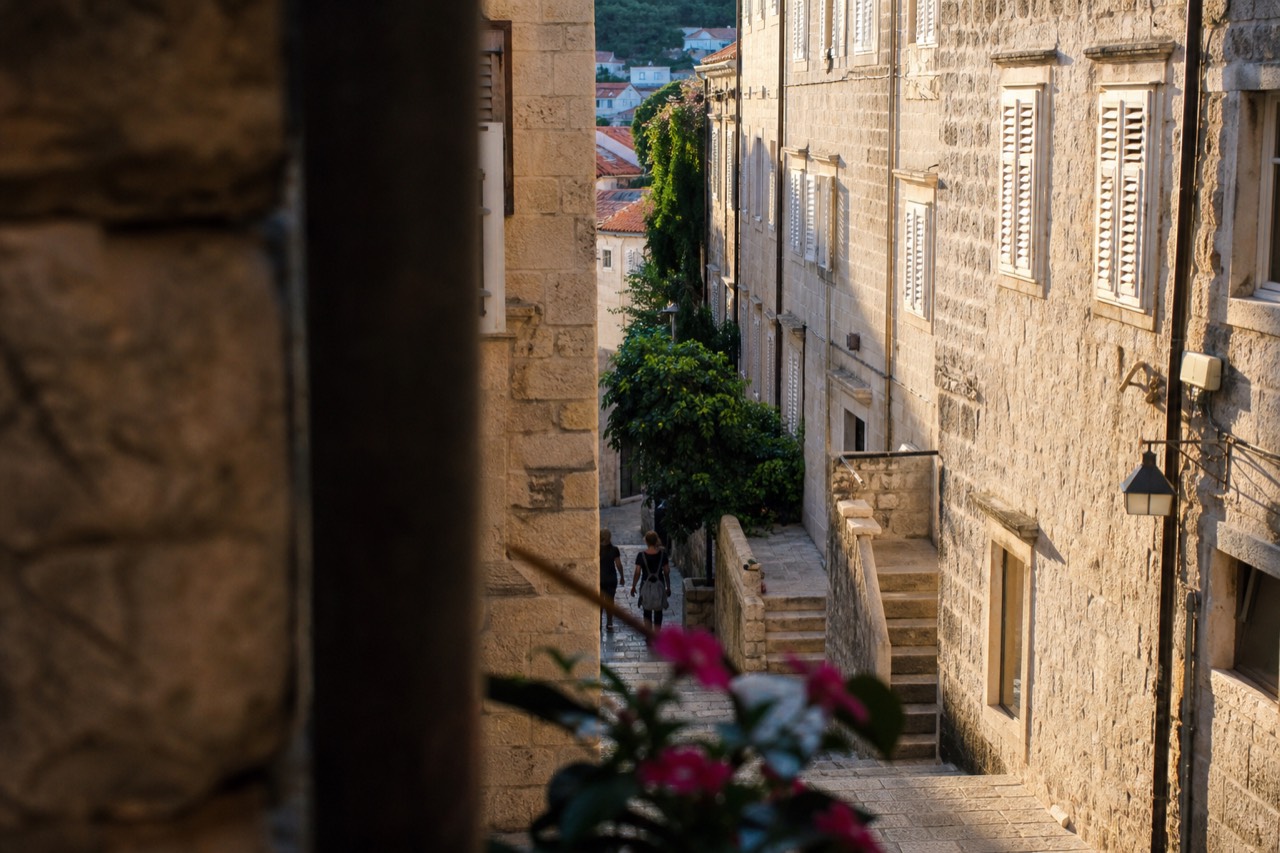
Dubrovnik concentrates a lot of risk into a small space: polished limestone that turns slick in rain, a two-kilometre wall circuit walked in full sun, sea kayaking along a rocky coast, and day trips that cross into Bosnia and Herzegovina or Montenegro, where a European Health Insurance Card stops applying. None of this makes the city dangerous. It makes the city the kind of place where a modest insurance policy earns its premium quietly, in the background, while you get on with the trip.
I have walked these streets and walls with travellers since 2015, and the pattern I see is consistent. People over-insure against theft, which is rare here, and under-insure against the boring things: a twisted ankle on the Stradun's worn stone, a cancelled boat because of wind, a phone dropped from a kayak. This guide sorts the two apart, using the verified figures this site has collected on crowds, seasons and prices, so you can buy a policy that matches what actually happens in Dubrovnik rather than what a generic brochure imagines. For the wider picture of everything worth doing here, start with Things to Do in Dubrovnik and work backwards to the practical planning.
Do You Need Travel Insurance for Croatia?
No Croatian law forces a leisure visitor to hold travel insurance, so nothing at the border will ask for a policy. The reason to buy one anyway is that Croatia sits outside most travellers' domestic health systems, and the moments that generate real bills here are medical care, interrupted itineraries and water-damaged equipment. A policy is a choice, not a formality, and the choice deserves ten minutes of thought.
Croatia is in the European Union and uses the euro, which makes everyday spending simple, but simplicity of currency is not simplicity of coverage. Visitors from EU countries can use a European Health Insurance Card for necessary state-provided care, and it is genuinely useful, yet it was never designed for repatriation, for a private clinic, or for getting a family home after a hospital stay. Visitors from the United States, Canada or Australia have no reciprocal arrangement at all and pay out of pocket for every consultation.
The structure of a Dubrovnik holiday raises the stakes a little. The city recorded about 4.2 million overnight stays in 2025, sharing first place among Croatian destinations with Rovinj, according to the Croatian Bureau of Statistics. That volume means ferries fill, tours sell out, and a missed connection in July has a knock-on cost. Insurance that covers trip interruption, not just cancellation before departure, is the piece people most often wish they had.
One more local reality: the activities people book here are water and height activities. Kayaking to Lokrum, a zipline above the city, cliff jumping at Buža, a full-day Elaphite cruise. Standard policies frequently exclude exactly these, or require a declared activity tier. Before buying, read the activity list in the policy wording, not the marketing page. If kayaking is named and covered, you have the right product for this coast.
What Should a Croatia Travel Insurance Policy Cover?
A policy fit for Dubrovnik covers five things: emergency medical treatment and repatriation, trip cancellation and interruption, baggage and equipment including water damage, activity coverage for kayaking and ziplining, and delay cover for ferries and flights. Medical is the headline, because a clinic visit or an air ambulance dwarfs every other cost a traveller can face here. The rest are conveniences with real price tags attached.
Start with medical. The number that matters is the emergency medical ceiling, and it should be high, in the millions rather than thousands, because evacuation from a coastal city by sea or air is priced accordingly. Check whether the policy pays the clinic directly or reimburses you later; in Dubrovnik you will typically pay first and claim second, so carry a payment card with room on it regardless.
Trip interruption deserves special attention on an island-heavy itinerary. Boats from the City Harbour to Lokrum run at 09:00, then every 15 minutes from 10:00 to 18:00, and a ticket bought at the Luža office stays usable for three days, which gives you flexibility. But the Elaphite cruises, the Mljet trips and the Montenegro and Mostar coach tours all run to fixed schedules, and a single delayed flight into Dubrovnik can strand a prepaid booking. Interruption cover, distinct from cancellation cover, is what pays for that.
Equipment cover should be sized honestly. Most people travel with a phone, a camera and maybe snorkelling gear, and a kayak day trip is where a phone meets the Adriatic. A policy that covers personal effects with a sensible single-item limit, and that does not exclude water damage, matches this destination better than a gadget-specific add-on.
| Coverage type | Why it matters in Dubrovnik | What to check in the wording |
|---|---|---|
| Emergency medical | Steep stone streets, heat, water activities | Ceiling amount, direct payment vs reimbursement |
| Repatriation | Coastal city, air or sea transfer if serious | Included within medical, not a paid extra |
| Trip interruption | Fixed-date boat tours and border day trips | Covers costs after departure, not only before |
| Baggage and gear | Phones on kayaks, cameras on the walls | Water damage not excluded, single-item limit |
| Activities | Kayaking, zipline, snorkelling, boat trips | Named activities listed, or a declared tier |
| Delay | Ferries and seasonal flight schedules | Hour thresholds and per-day amounts |
Finally, delay cover. Dubrovnik's airport handles a concentrated summer schedule, and the bura wind can stop both ferries and small-boat tours for a day. Delay benefits are small money, but they turn a stranded afternoon into a paid lunch rather than a loss.
Is It Safe to Travel to Croatia Right Now?
Yes. Croatia is one of the more stable and orderly countries on the Mediterranean, with no active conflict, no unusual health emergency and a tourism industry that functioned at full scale in 2025. The risks a visitor actually manages here are environmental, heat, slippery stone, sea conditions and crowds, not crime or unrest. Insurance addresses the environmental ones.
The city's own crowd management is a good proxy for how seriously Dubrovnik takes visitor safety. Six counters at every Old Town entrance update a headcount every 15 minutes, and the official carrying capacity, from the UNESCO carrying-capacity assessment, is 11,275 people. The Port Authority limits cruise passengers to 8,000 a day in most cases, and refused about forty cruise call requests in a single season to hold that line. You can read the measures on the Port Authority's cruise destination page.
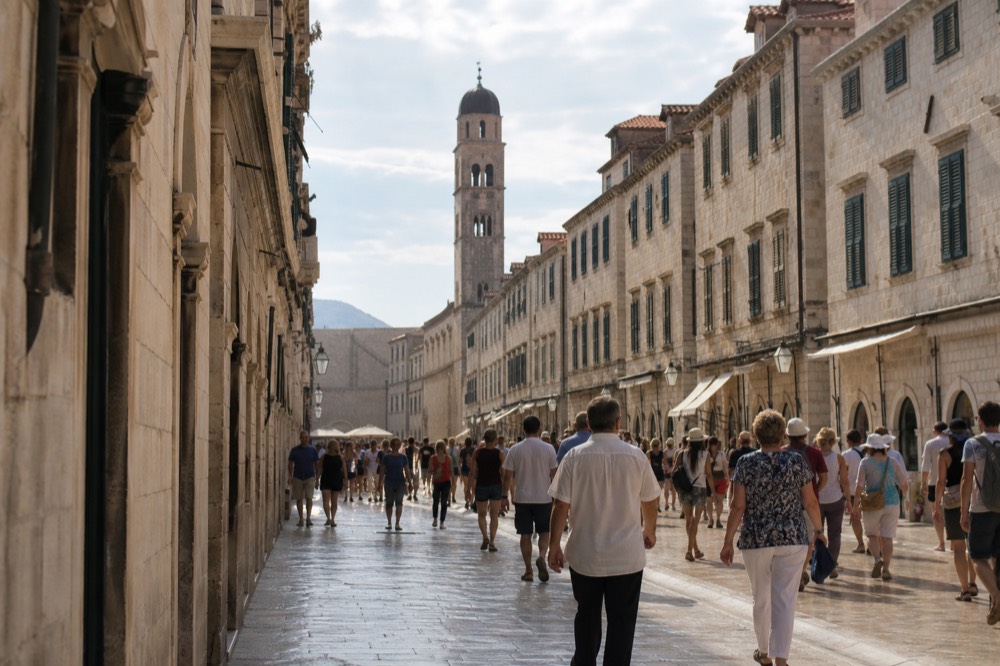
What does that mean for you? It means the worst experience most visitors report is congestion, not danger. On a real September morning the counters read 5,419 people at 08:00, 7,297 at 09:00 and a 7,739 peak at 10:00, which is why I tell people to walk the walls at opening rather than mid-morning. Heat is the second factor: shade is scarce on the wall circuit, and a policy with medical cover is a sensible companion to a water bottle, not a substitute for one.
Petty theft exists, as it does everywhere tourism concentrates, but violent crime against visitors is rare enough that it barely registers in local reporting. The practical safety steps are unglamorous: watch bags in the Pile Gate crush, wear shoes with grip, and treat the limestone as slippery after rain or morning polish. For a fuller picture of neighbourhoods and everyday precautions, see our guide to safety in Dubrovnik.
If a policy covers medical and interruption well, you have already matched the real risk profile of this city. Everything beyond that is optimisation.
Is It Safe for Americans to Travel to Croatia Right Now?
Yes. Croatia is a routine destination for United States visitors, who make up one of the largest groups of long-haul travellers here, and no special advisory situation singles it out. US citizens do not need a visa for ordinary tourist stays, English is widely spoken in Dubrovnik, and the main planning gap is healthcare: there is no reciprocal arrangement, so an American visitor without insurance pays every medical bill personally.
The practical difference for an American traveller is not safety, it is cost exposure. A European visitor with a health insurance card has a state-system backstop; an American has none. That makes medical cover with repatriation to the United States the single most valuable line in the policy, because a serious injury handled privately, then flown home, is the scenario with six-figure potential.
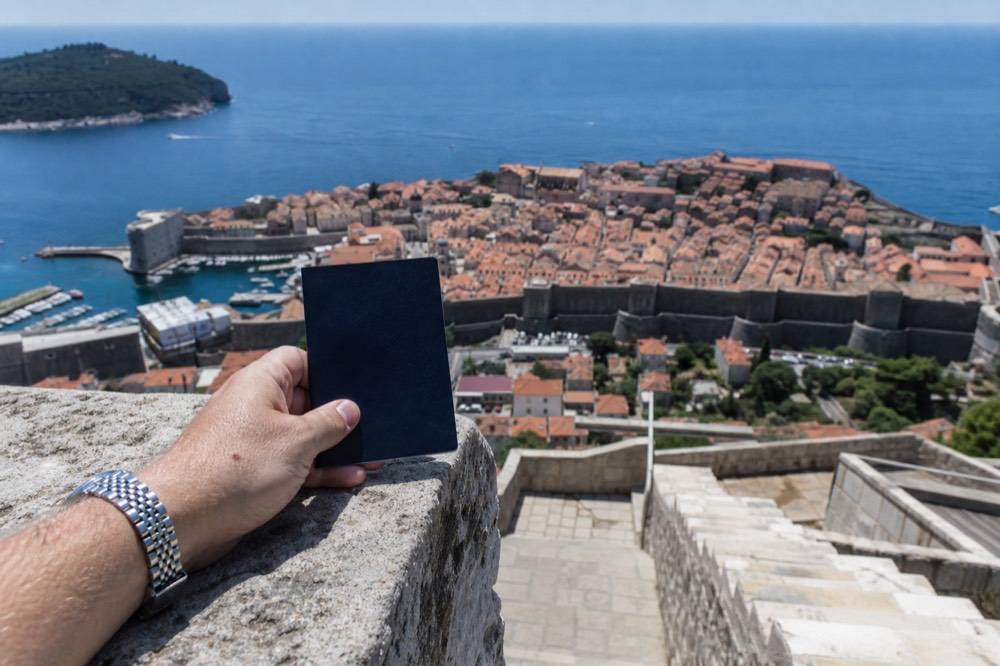
Border crossings matter too, because the popular day trips leave the country. Mostar and Kravica sit in Bosnia and Herzegovina, and Kotor sits in Montenegro, and both crossings involve non-EU passport checks that can stretch in peak season. One recent review of the Montenegro day trip noted that "the border in September only took us 15 minutes", which is the good case; in July the same crossing can take far longer. Insurance that covers missed tour departures because of border delay is worth confirming.
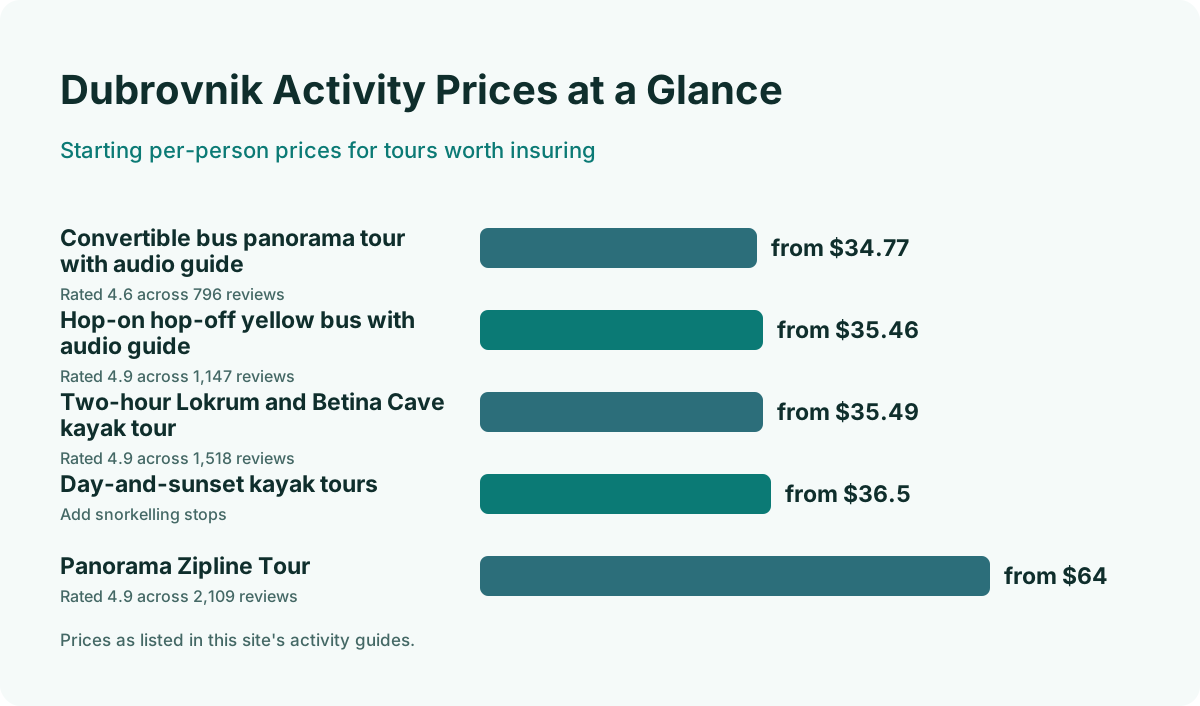
For getting oriented on a first day, low-effort options beat ambitious ones. The hop-on hop-off yellow bus with audio guide, from $35.46 per person and rated 4.9 across 1,147 reviews, loops the panorama and the Old Town approach without a staircase in sight, which suits a jet-lagged arrival afternoon well. You can Check availability alongside our hop-on hop-off bus guide when planning that first day.
The honest summary: Americans travel here constantly, safely, and without incident. The one genuinely American-specific task is buying medical coverage before departure, because after arrival there is no backstop to fall back on.
What Is the Best Month to Travel to Croatia?
For Dubrovnik specifically, the best months are May, June, September and October, when the sea is swimmable, prices sit below the July and August peak, and the cruise calendar is busy but not crushing. September is the warmest of the four and also the busiest cruise month of the year, so the sweet spot for quiet and warm together is late May, June or early October.
The sea-temperature record explains the swimming half of that answer. The September average for this coast is about 23.6 degrees, against 25.8 in August and 21.0 in October, on the NOAA OISST v2.1 long-run average for 1991 to 2020. Those are open-water grid-cell averages rather than beach readings, and sheltered bays run warmer; the Croatian met service's Dubrovnik buoy read 27.0 to 27.4 degrees across 8 September 2026 against that 23.6 September mean. Either way, the water stays genuinely pleasant well past the school-holiday crowd.
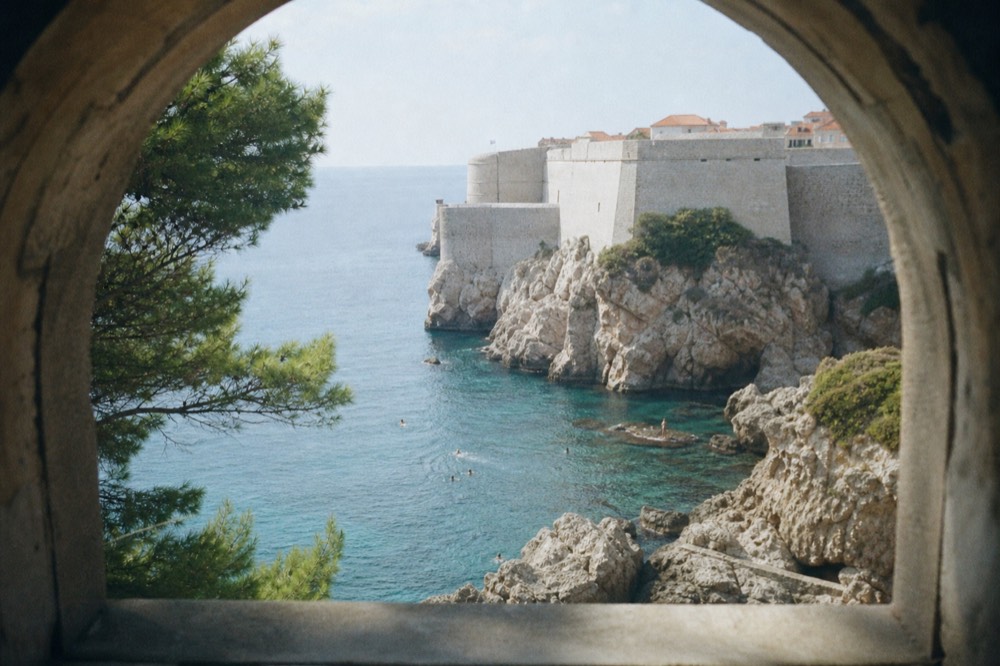
The cruise calendar is the counter-intuitive half. Cruise passengers peaked in September at 101,246 and October at 100,132 in 2025, above July's 96,072 and August's 87,385, on Port Authority data. September and October are the two busiest cruise months of the year, ahead of the summer holidays. Anyone promising you an "empty Dubrovnik in autumn" is guessing; the data says otherwise, and 461 cruise calls are scheduled for 2026.
| Month | Sea temperature average | What to expect in Dubrovnik |
|---|---|---|
| May | 18.6 °C | Warm days, quiet streets, cool-ish water |
| June | 22.5 °C | Full swimming season before peak crowds |
| July | 24.9 °C | Hottest, busiest, highest prices |
| August | 25.8 °C | Warmest water, dense crowds, cruise peak |
| September | 23.6 °C | Warm sea and streets, busiest cruise month |
| October | 21.0 °C | Second cruise peak, softer prices, mild |
For a deeper look at the trade-offs, our best time to visit guide breaks the year down month by month. Insurance-wise, the shoulder months argue for interruption cover: boat schedules thin in October, and a windy day can cancel a Blue Cave or Elaphite trip you booked months ahead.
Which Dubrovnik Activities Make Insurance Worth Having?
The activities that justify a proper policy are sea kayaking, the zipline, boat trips to caves and islands, and the city walls themselves, because each combines height, water or exertion with a remote-ish setting. None is extreme, but all sit outside what a basic policy treats as ordinary sightseeing, so each needs to be named as covered before you book it.
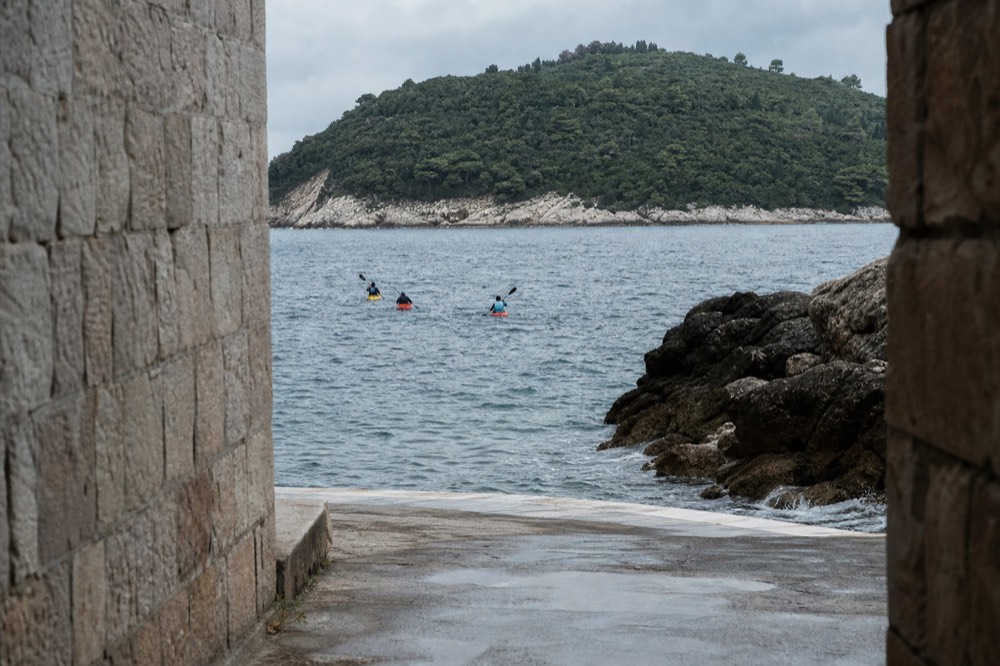
Kayaking is the clearest case. The two-hour Lokrum and Betina Cave tour, from $35.49 per person and rated 4.9 across 1,518 reviews, paddles open water to a cave beach, and the day-and-sunset kayak tours from $36.50 per person add snorkelling stops.
The zipline sits at the other end: height without water. The Panorama Zipline Tour runs from $64 per person and is rated 4.9 across 2,109 reviews. Well-run operations lower risk; they do not transfer it to zero, and insurers still class ziplines as an activity that must be declared.
| Activity | Main risk factor | Insurance angle |
|---|---|---|
| Sea kayaking and snorkelling | Open water, rocky shores | Confirm kayaking is a named activity |
| Panorama zipline | Height, harness | Declare adventure activity tier |
| City walls circuit | Heat, stairs, sun exposure | Medical cover, no special tier needed |
| Island boat cruises | Sea state, cancellations | Delay and interruption cover |
| Day trips to Mostar or Kotor | Border queues, long coach hours | Interruption cover, passport security |
The walls themselves deserve a mention. The circuit is 1,940 metres long and up to 25 metres high, walked mostly on exposed stone in a climate where August afternoons are serious. The adult ticket is 40 euro in main season, 1 March to 30 November, and 20 euro in December, and the operator's stated hours at time of check were 08:00 to 19:30. Go early, carry water, and let the medical line in your policy be the backstop rather than the plan.
For a calmer family afternoon that still counts as sightseeing, the convertible bus panorama tour with audio guide, from $34.77 per person and rated 4.6 across 796 reviews, covers the coastal viewpoints from a seat rather than a saddle.
What Does Travel Insurance Usually Not Cover?
The common exclusions are undeclared adventure activities, alcohol-related incidents, pre-existing medical conditions you did not disclose, ordinary trip costs you simply choose to abandon, and losses from travelling against official advice. In Dubrovnik terms, that means a kayak accident on an undeclared policy, a sprained ankle after a wine tasting, or a pre-booked tour you skip on a whim may all land on your own card.
The alcohol clause is the one that surprises people on food and wine itineraries. Policies do not exclude drinking; they exclude incidents where intoxication is judged a contributing cause. Moderation is not just etiquette here, it is a claim-protection strategy.
Pre-existing conditions are the second trap. Insurers ask you to disclose them at purchase, and an undisclosed condition that later causes a claim is grounds for refusal, regardless of how unrelated the holiday was. If you take regular medication, declare it, and carry the medication in hand luggage, because lost checked bags are a far more common Dubrovnik problem than any medical event.
The third exclusion is simple abandonment. If you decide mid-trip that you would rather sit on Banje beach than take your prepaid Mljet tour, no policy pays for that. What a policy does cover is the operator cancelling, or you being physically unable to attend, or a transport failure making attendance impossible. Keep receipts for every prepaid booking; claims live and die on paperwork.
How Do You Actually Make a Claim From Dubrovnik?
You gather evidence at the moment of the incident, notify the insurer within the deadline in your policy, and submit receipts in the format they specify, which usually means original invoices with your name on them. In practice the sequence is: get treated, pay, collect documentation, then claim. Doing the first three well is what makes the fourth succeed.
Start with the paperwork culture here. Croatian clinics and pharmacies issue proper invoices, but small operators, boat skippers, market stalls, may not. For anything you might claim, ask for an itemised receipt with the business name on it at the time, because going back later is rarely possible. Photograph everything immediately, including the receipt, the scene and any cancellation notice.
For cancellations, the operator's own confirmation email is your evidence. If a boat tour is called off for wind, ask the operator for a written cancellation notice; reputable local companies issue them routinely. If a border delay makes you miss a Mostar or Kotor departure, keep the tour confirmation, the boarding refusal or delay evidence, and any transport tickets. The insurer needs a causal chain, and you are the one who assembles it.
Most insurers now run claims through an app with a 24-hour assistance line. Save the policy number and the emergency number in your phone before departure, and keep a paper copy in your luggage. The assistance line is also where you confirm coverage before accepting expensive treatment, which is a call worth making whenever the situation allows it.
Where Does Insurance Fit in a Dubrovnik Trip Budget?
Insurance is a small line in a Dubrovnik budget that is otherwise dominated by accommodation, the walls ticket and food, and it should be bought once, early, so it covers the whole chain of prepaid bookings. The order matters: buy flights, book the hotel, then buy the policy that protects both, and only then add tours and activities.
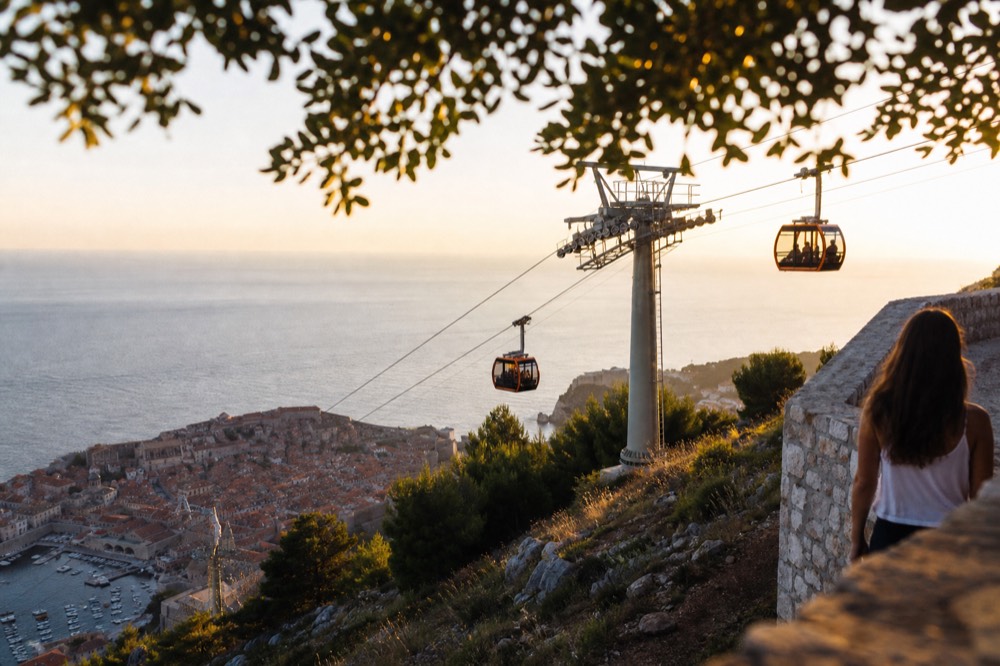
The big-ticket items here are fixed and knowable. The adult City Walls ticket is 40 euro in main season, the one-day Dubrovnik Pass is also 40 euro in that same main-season window, 1 March to 30 November, and adds ten more sights plus a 24-hour bus ticket. The cable car is 30 euro round trip for an adult. Against those, a per-trip insurance premium is a rounding error, but only if it actually covers the things you prepaid.
Timing the purchase is the one genuinely useful trick. A policy bought the day after your flights are ticketed covers those flights for cancellation from that moment. A policy bought the night before departure covers almost nothing except what happens after you land. The same logic applies to tours: book the Elaphite cruise or the Mostar day trip, then confirm your policy's cancellation window matches the operator's, which on the live listings here generally means free cancellation up to 24 hours before departure.
The budget summary is straightforward. Spend your planning energy on the walls timing, the pass decision and the boat bookings, and spend ten minutes on a policy with real medical cover and named activities. That is the whole task, and it is a small one.
Common Questions About Travel Insurance for Croatia
Is travel insurance mandatory for Croatia?
No. Croatia does not require leisure visitors to carry travel insurance, and no border or airline check will ask for a policy. It is a personal decision, and the sensible version of it is a policy with real medical cover, because visitors from outside the EU have no reciprocal healthcare arrangement here.
Is it safe for US citizens to travel to Croatia now?
Yes. Croatia is a routine, stable destination for American travellers, with no visa requirement for ordinary tourist stays and no unusual advisory situation. The one American-specific gap is healthcare: without insurance, a US visitor pays every medical bill personally, which is why medical cover with repatriation is the most valuable line in the policy.
Does travel insurance cover kayaking and the zipline in Dubrovnik?
Only if the policy names them. Kayaking, snorkelling and ziplining are frequently excluded from basic tiers or require a declared activity level. Read the activity list in the policy wording before booking any kayak tour to Lokrum or the Panorama Zipline Tour, and upgrade the tier if the wording is silent.
What is the best month to travel to Croatia?
For Dubrovnik, May, June, September and October combine swimmable seas with prices below the July and August peak. September is the warmest of the four but also the busiest cruise month of the year, with 101,246 cruise passengers in September 2025 against 96,072 in July, so late May, June or early October is the quietest warm window.
Does a European Health Insurance Card work in Dubrovnik?
Yes, for necessary state-provided care, if you are insured in an EU country. It does not cover private clinics, repatriation home, or trip interruption, so it complements travel insurance rather than replacing it. Travellers from the United States, Canada and Australia have no reciprocal arrangement and should treat medical cover as essential.
When should I buy travel insurance for a Croatia trip?
As soon as your flights are ticketed. A policy bought early covers cancellation of everything you prepaid afterward, while a policy bought the night before departure protects almost nothing except events after you land. Buy the policy, then book the hotel, tours and boat trips, so the whole chain sits inside the coverage window.