Is Dubrovnik Safe? What Every Visitor Should Know
Dubrovnik is one of the safest destinations on the Mediterranean, but safety here is mostly about stairs, sun, sea and timing rather than crime.
Short answer
Yes. Dubrovnik is a small city of 41,562 residents with low violent crime, no dangerous wildlife and a tourist economy that depends on visitors feeling secure. The real risks are slippery limestone, summer heat, sea urchins and crowd crush in peak season, all of which are avoidable with basic planning.
Is Dubrovnik Safe? What Every Visitor Should Know
The honest answer to "is Dubrovnik safe" is that the city's dangers are almost never the ones people worry about. I have walked these streets and walls with international visitors since 2015, and in all that time I have never once seen a violent incident, a scam worth the name, or a neighbourhood I would tell a visitor to avoid. Dubrovnik is a city of 41,562 people whose entire economy rests on travellers feeling comfortable, and it behaves accordingly.
What actually catches people out is physical: polished limestone that turns treacherous when wet, August heat on an unshaded wall circuit, sea urchins on rocky swimming spots, and a September and October cruise season that is busier than July. Those are manageable risks, and this guide walks through each one plainly, from swimming safety to the mistakes that cause most visitor injuries.
Is Dubrovnik Safe for Tourists?
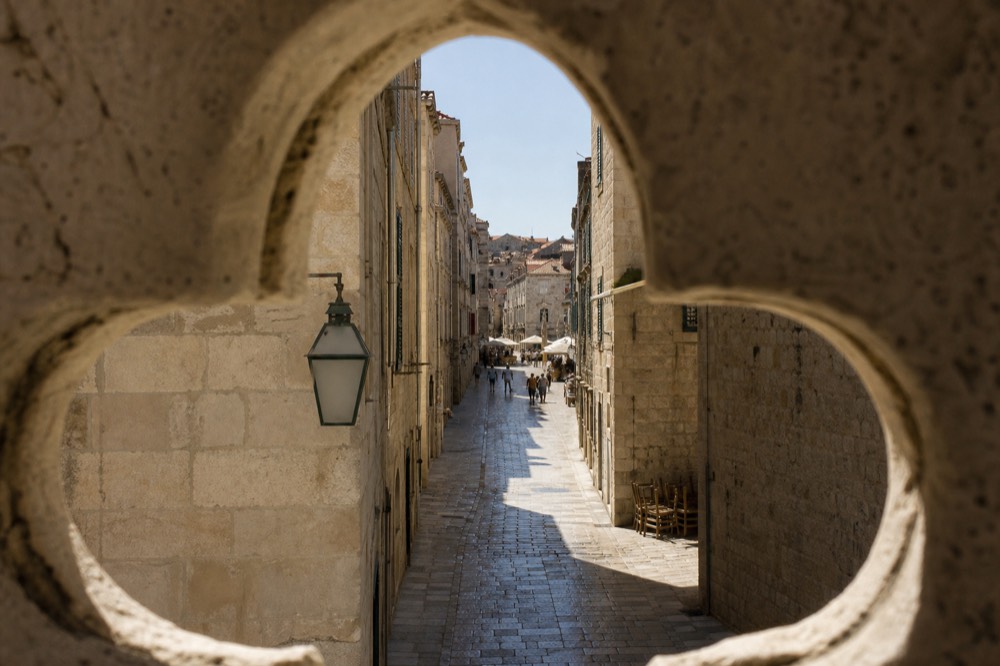
Yes, Dubrovnik is exceptionally safe for tourists by any European standard. Violent crime against visitors is rare enough that local news treats a single pickpocketing as a story, the Old Town is walkable and lit at night, and there are no areas a visitor needs to avoid. The realistic concerns are petty theft in dense crowds, heat exhaustion on the walls, and falls on worn stone staircases, none of which are unique to Croatia.
Croatia as a whole ranks among the safer countries in Europe for travellers, and Dubrovnik is quieter still than Zagreb or Split. The city is small, the historic core is compact, and the streets are busy from early morning until late at night, which is itself a form of security. A place where thousands of people are strolling at 22:00 is not a place where you feel uneasy walking back to your hotel.
The one structural safety issue worth naming is overtourism, not crime. The official carrying capacity of the Old Town, from the UNESCO carrying-capacity assessment, is 11,275 people, and the city runs six counters at every Old Town entrance that update a headcount every 15 minutes precisely because the numbers sometimes press against that ceiling. On a real morning in September, the count read 5,419 people at 08:00, 7,297 at 09:00, a 7,739 peak at 10:00, then 7,205 at 11:00. Crowds at that density are not dangerous in a criminal sense, but they are tiring, they slow emergency access, and they change how the city feels. Our page on Dubrovnik crowd management and overtourism goes deeper if that is your concern.
For a first visit, the single best safety investment is orientation. The Old Town is a maze of near-identical limestone lanes, and people who get lost at 14:00 in August are the people who end up dehydrated and exhausted.
If you would rather explore independently first, the basics are simple: carry water, wear shoes with grip, and note that the main street, the Stradun, is 298 metres long and runs between the two fountains, so you are never genuinely far from a landmark you recognise.
Is It Safe to Swim in the Sea in Dubrovnik?
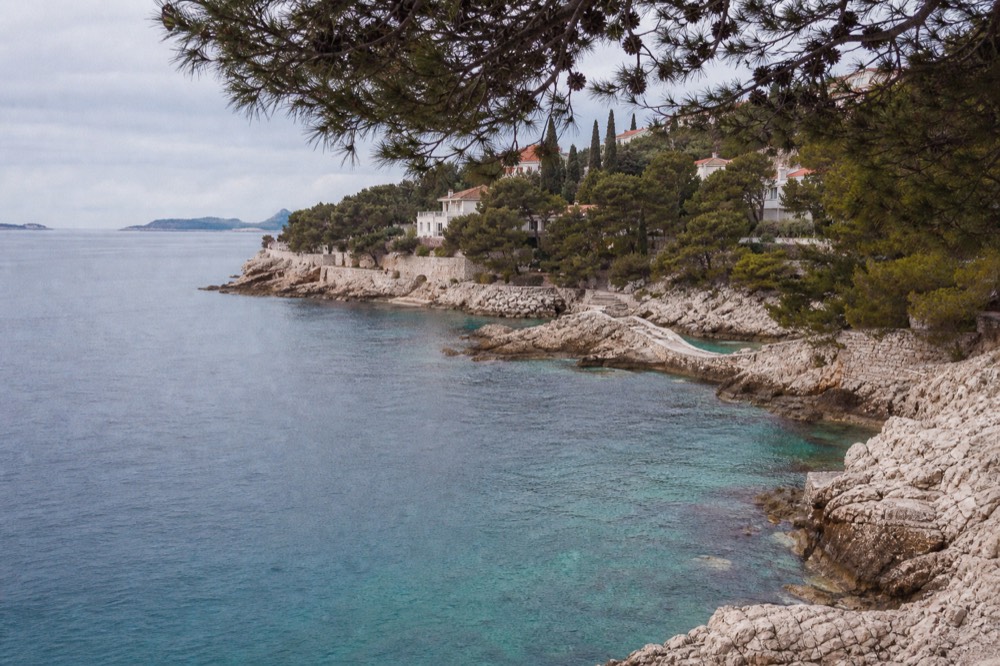
Yes, swimming in Dubrovnik is safe for competent swimmers. The Adriatic here has no dangerous currents to speak of, no sharks of concern, and clean, clear water. The genuine hazards are sea urchins on rocky entries, jellyfish in some late-summer weeks, boats in busy coves, and the fact that many beaches are concrete or stone rather than sand, so entering and exiting the water takes care.
The water itself is a genuine strength. The September average for this coast is about 23.6 degrees, and August about 25.8, based on the NOAA OISST v2.1 long-run 1991 to 2020 average for this stretch of open water. Those are open-water grid-cell averages, not beach thermometer readings: sheltered bays run warmer, and the Croatian met service's own Dubrovnik buoy read 27.0 to 27.4 degrees on 8 September 2026 against that 23.6 September mean. Either way, the swimming season here is long and comfortable.
| Month | Average sea temperature | Swimming verdict |
|---|---|---|
| May | 18.6 degrees | Brisk; fine for a quick dip |
| June | 22.5 degrees | Comfortable for most swimmers |
| July | 24.9 degrees | Warm and pleasant |
| August | 25.8 degrees | Peak swimming conditions |
| September | 23.6 degrees | Still very swimmable |
| October | 21.0 degrees | Cool but manageable |
The practical safety points are about entry and exits. Much of Dubrovnik's coastline is limestone shelf, and sea urchins live in the crevices. Water shoes solve the problem entirely, and they also help on the smooth rocks around beaches like Sveti Jakov. If you are swimming near a cove that boats use, stay close to shore and visible: kayakers and small boat traffic share the same water, and a swimmer in low light is hard to see. Our swimming and beach safety overview covers the coves individually.
Lifeguards are present at the main organised beaches in summer but not at every rocky spot, so swim where others swim if you are unsure. And if a jellyfish bloom is in, local swimmer groups and beach bars will tell you before any official sign does; ask before a long swim in late August or September.
For travellers who want the sea but with a guide and a flotation aid, a guided kayak tour is a safe middle path: the operators cluster around the same calm coves, provide equipment, and know which entry points are urchin-free. The Sea Kayaking Tour of Lokrum Island and Betina Cave runs about 2 hours, costs from $35.49 per person, and is rated 4.9 across 1,518 reviews, with a swimming break inside the cave itself.
One review from a family who took that exact tour sums up the safety case: "Loved this kayaking experience. Had an amazing time as a family and enjoyed the swimming break at Betina Cave very much. The views were amazing, water was crystal clear, the guide was excellent and we learnt a lot about Dubrovnik."
Between the walls, the water and the streets, the pattern across this whole guide is the same: the guided versions of each activity carry a local's judgment along with the equipment, which is why they dominate the recommendations here.
What Not to Do in Dubrovnik?
Do not walk the city walls at midday in high summer without water, do not wear flip-flops on wet polished limestone, do not climb on the walls or fortress edges for photographs, do not underestimate staircase exhaustion in the Old Town, and do not leave valuables unattended on busy beaches. None of these are exotic dangers; they are the ordinary causes of most visitor injuries and losses here, and all are avoidable with a little planning.
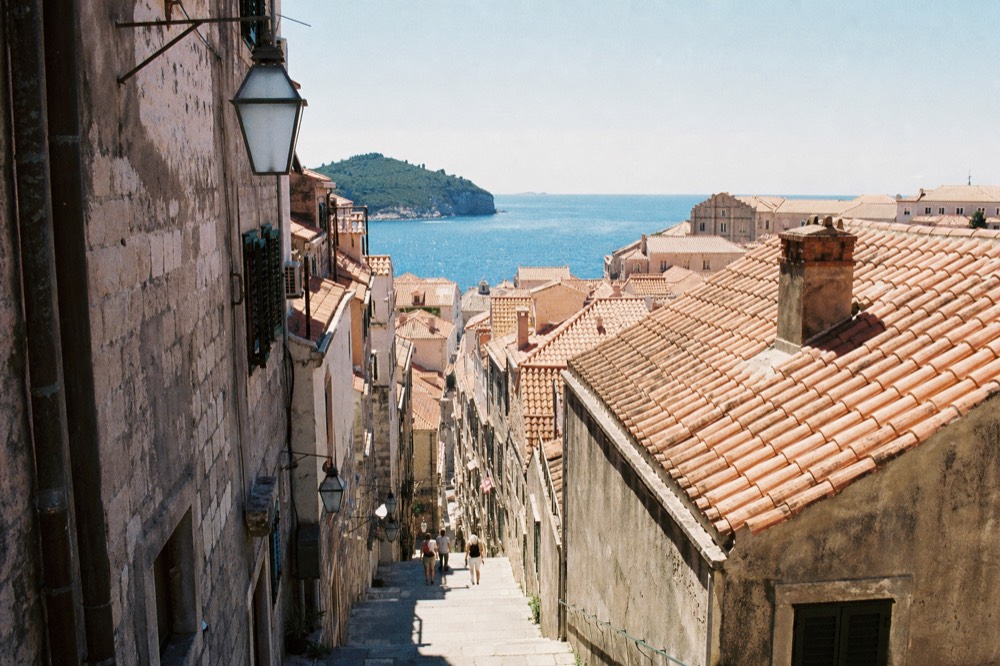
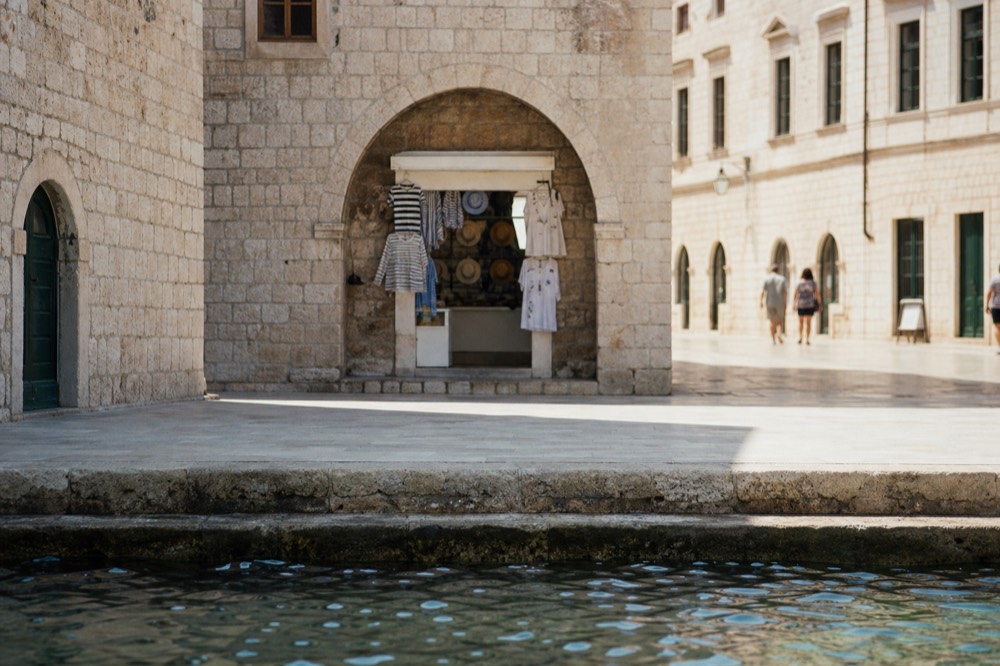
The limestone deserves its own paragraph. Centuries of foot traffic have polished the Old Town's paving stones to a near-glaze, and when it rains, or when the night cleaning crews wash the streets, that surface becomes genuinely slick. Flat-soled shoes with some grip beat both flip-flops and smooth leather soles. The same warning applies to the city walls: the stone steps are worn, the circuit is 1,940 metres long with constant stair climbing, and the operator's stated hours at the time of check ran 08:00 to 19:30, so the sensible move is the early or late end of the day, not the 13:00 start.
| Mistake | What actually happens | Simple fix |
|---|---|---|
| Walls at midday in July or August | Little shade, heat exhaustion, cut-short visits | Start at opening or after 17:00 |
| Flip-flops on polished stone | Slips on wet limestone, twisted ankles | Shoes with grip |
| Sitting on wall edges for photos | Falls from height on unfenced sections | Stay behind the railings |
| Valuables loose on a busy beach | Opportunistic theft, the city's main crime | Use a dry bag or hotel safe |
| Ignoring the staircase geography | Exhaustion on the climb back up | Plan routes downhill at day's end |
A guided walk removes several of these risks at once, because a local guide picks the shaded side of the street, times the route away from the worst crush, and warns you where the steps are uneven. The Ancient City Walls and Wars Walking Tour covers the full circuit in about 2 hours with a guide who explains the fortifications as you go; it costs from $29.58 per person and is rated 4.8 across 1,387 reviews.
One review from a recent guest captures why that matters: "This well organized tour helped put Dubrovnik's past (and present) into perspective. It's incredible that the city walls have withstood the test of time. Antun was a wonderful guide."
Beyond the physical, the behavioural list is short. Do not buy restaurant meals from touts on the Stradun without checking prices first, do not assume every "beach" has sand or facilities, and do not plan a same-day border trip to Montenegro or Bosnia without your passport and realistic time expectations. The common visitor mistakes and etiquette guide expands on all of these.
When to Avoid Dubrovnik?
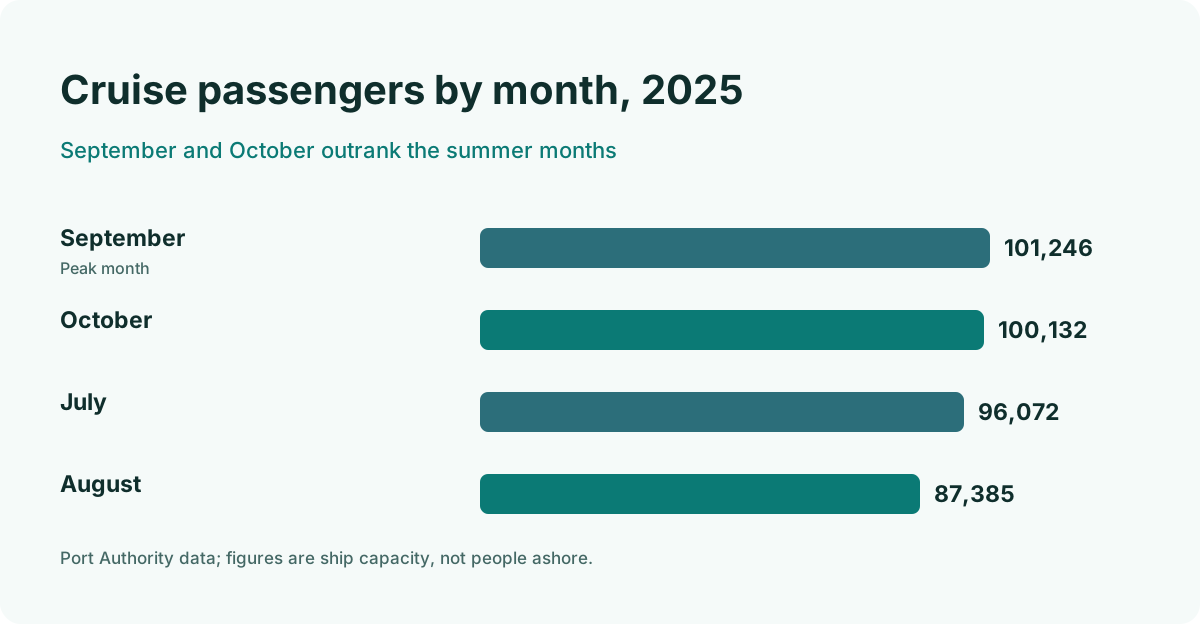
Avoid Dubrovnik in the peak cruise windows of September and October if crowds are your main safety concern, because cruise passengers peaked in September at 101,246 and October at 100,132 in 2025, above July's 96,072 and August's 87,385. Also avoid midday heat in July and August if you are sensitive to sun, and note that the cable car closes entirely from January to March.
The September and October peak surprises almost everyone, and it is the single most useful planning fact about this city. The Port Authority's own data shows the two autumn months ahead of both summer months for cruise passengers, and 461 cruise calls are scheduled for 2026. If your mental model is "August is the crush," the calendar disagrees. The Port Authority limits cruise passengers to 8,000 a day in most cases under its published cruise-destination measures, and of 243 cruise days a year only 18 exceed that number, but those days land where they land, and a four-ship day changes the Old Town completely.
| 2025 month | Cruise passengers | What it means for you |
|---|---|---|
| July | 96,072 | Busy, hot, long queues |
| August | 87,385 | Hottest, family peak |
| September | 101,246 | Busiest cruise month of the year |
| October | 100,132 | Nearly as busy, cooler air |
Note that cruise passenger figures are ship capacity, not people who actually walk ashore, so "up to 101,246 scheduled" is the honest phrasing. Even so, the pattern holds: if you want the city calmer, the shoulder edges of the season, late April to early June, or November, are gentler, and the best time to visit guide breaks the trade-offs down month by month.
Heat is the second timing risk. July and August afternoons on an unshaded wall circuit or a climb to a viewpoint are when visitors end up in pharmacies asking for rehydration salts. The cable car's own timetable and price page shows it running until midnight in June, July and August, which tells you what locals know: the pleasant hours up Mount Srd are the evening ones. The ride itself, 778.2 metres of track rising 367 metres in 3 minutes 30 seconds, is fully engineered and safe; it is the standing in the midday sun at the top that gets people.
Is Dubrovnik Good for Beaches?
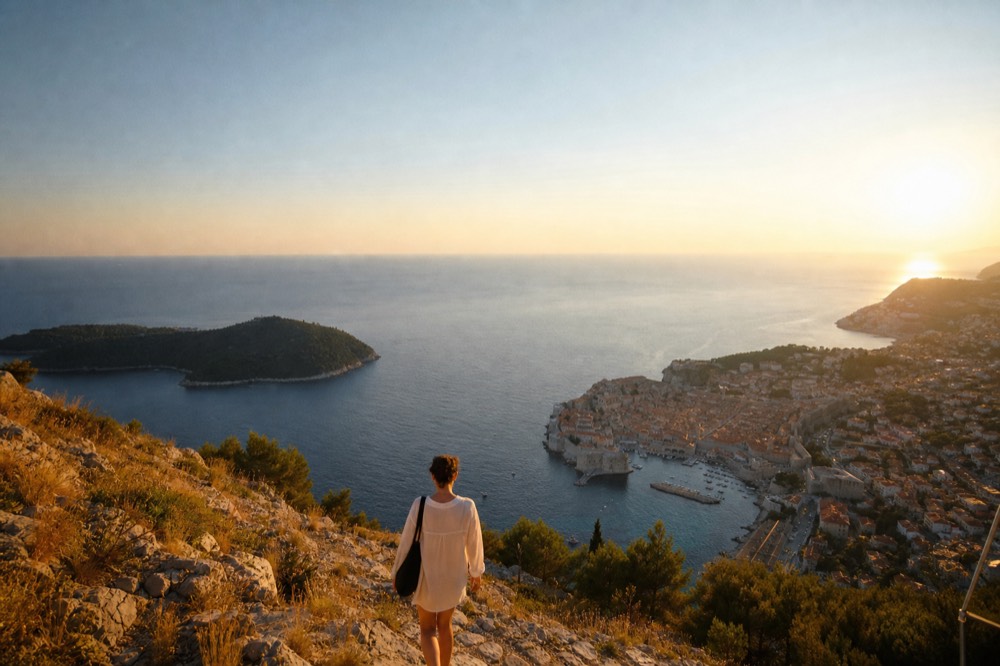
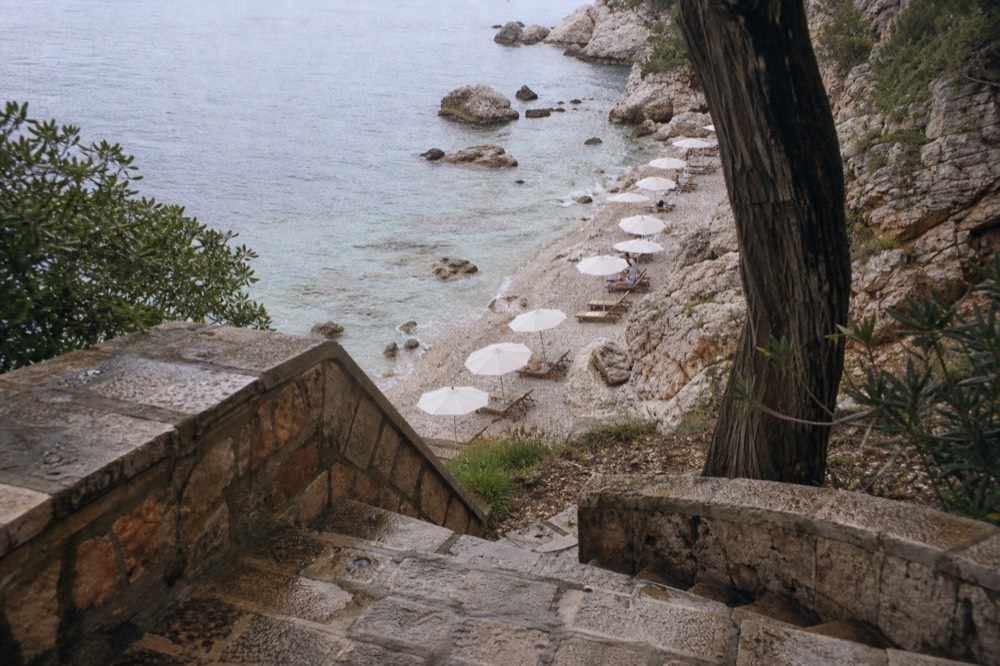
Yes, though not in the sandy sense most visitors picture. Dubrovnik's beaches are mostly concrete platforms, pebble coves and rocky shelves, with clear water and dramatic settings rather than sandcastles. Banje Beach sits minutes from Pile Gate, Sveti Jakov offers the postcard view, and Lapad Bay holds the closest thing to a classic beach day with shade and facilities.
The water quality is the reason people come back. It is clear, clean and warm through a long season, and the rocky seabed that makes entry awkward is the same geology that keeps the water so transparent. What you give up is soft sand underfoot; water shoes and a towel mat cover most of it.
| Beach | Type | Best for |
|---|---|---|
| Banje | Pebble and platform | Old Town proximity, views of the walls |
| Sveti Jakov | Pebble cove | The classic photo, quieter water |
| Lapad Bay | Pebble and concrete | Families, shade, cafes, easy parking |
| Copacabana | Pebble and platform | Water sports, Babin Kuk stays |
Safety at these beaches follows the same rules as swimming anywhere on this coast: watch children on concrete edges, check for urchins at rocky entries, and keep an eye on boat traffic in the coves that tours use. The individual guides to Banje Beach and Lapad's beaches cover access, facilities and the practical details for each.
Is Dubrovnik Safe at Night and for Solo Travellers?
Yes. Nightlife in Dubrovnik is centred on the Old Town and Lapad, streets stay busy and lit late into the night, and solo travellers, including women, report few problems. The realistic night-time risks are overpriced drinks in a handful of terrace bars, uneven footing on dim side streets after a couple of glasses of wine, and the fact that the city's staircases feel different in the dark.
The Old Town does not empty after dinner. In summer, the Stradun and the side lanes around it carry strollers until well past midnight, and the bars around Buža, the cliff-side spot outside the walls, stay open into the evening with one of the safest settings imaginable: a terrace above the sea with a railing and staff who know every customer. The club inside the fortress, Culture Club Revelin, is the main late venue, and it operates with security and a structured entry in a way that keeps trouble rare.
For solo travellers the honest picture is that Dubrovnik is close to ideal. It is compact, walkable, and full of organised tours that double as a social introduction if you want one. The free, pay-what-you-want walks on GuruWalk are a well-trodden solo-traveller entry point: the Ancient Old City Finest Tour runs 1 hour 45 minutes and is rated 4.87 across 2,242 reviews, and it costs nothing up front, you simply pay what you think it was worth at the end. For a longer look at that format, see the free walking tour guide.
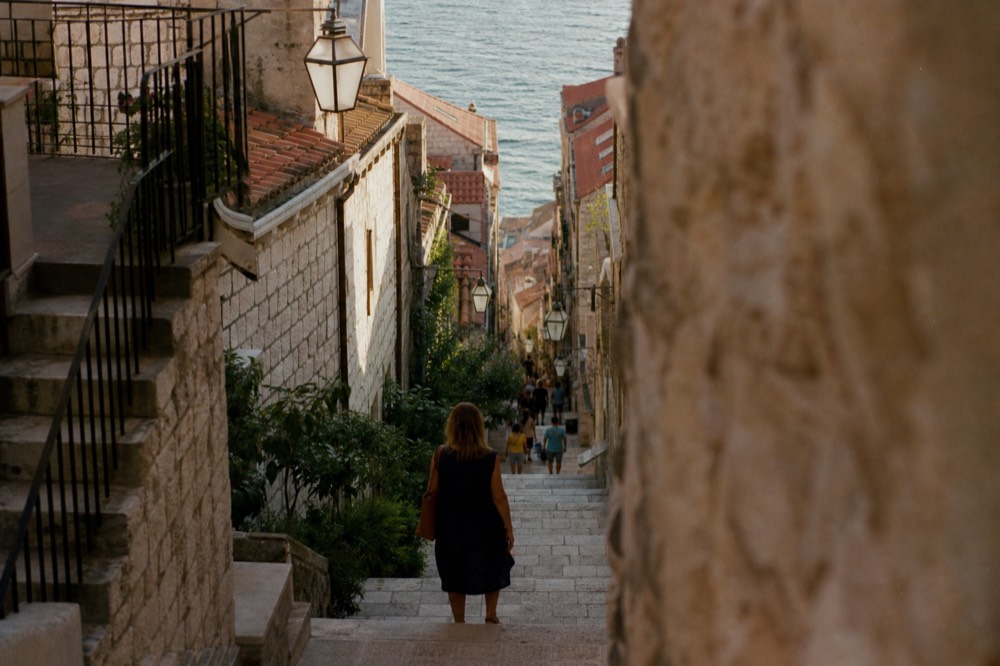
The one caution I give every solo visitor is physical, not social: the Old Town climbs steeply away from the Stradun in every direction, and a dark staircase at the end of a long evening is where ankles get turned. Take the main streets when you can, and let the taxi or the number 6 bus handle the climb back to Lapad if your legs are done.
Practical Safety: Money, Water, Health and Emergencies
Croatia uses the euro, tap water in Dubrovnik is safe to drink, credit and debit cards are widely accepted, and the single European emergency number works here as everywhere in Croatia. Petty theft is the main property crime and it is rare; the practical preparations are travel insurance that covers hiking and water activities, sun protection, and knowing that pharmacies are well stocked and English is spoken almost everywhere in the visitor economy.
A few practicalities settle most worries. The currency is the euro, so no exotic money handling is involved, and card acceptance is near universal in the Old Town, though a small cash reserve is useful at beach kiosks and markets. Tap water is safe. The health system is European-standard, and the city handles roughly 4.2 million overnight stays a year, so nothing about a visitor with a sprained ankle or sunstroke is unusual to local medical staff.
| Concern | Reality in Dubrovnik | What to do |
|---|---|---|
| Violent crime | Extremely rare in the visitor areas | Normal city precautions |
| Pickpocketing | Occasional in dense crowds | Front pockets, zipped bag |
| Tap water | Safe to drink | Refill a bottle and save money |
| Emergencies | Single European emergency number, as across Croatia | Save it before you need it |
| Medical care | European standard, English spoken | Carry your EHIC or insurance card |
Two further points earn their place. First, travel insurance that explicitly covers the activities you are actually doing, the walls walk, kayaking, the zipline, matters more here than any crime precaution; the travel insurance guide explains what to check. Second, sun safety is the most under-rated risk in this city: the Adriatic light off white stone is intense, and the walls offer almost no shade for a two-hour circuit. Hat, water and morning timing solve it.
How to Plan a Safe Visit Day by Day
Build each day around one demanding activity in the morning, one water or shade break in the afternoon, and flat streets in the evening. Book the walls or a kayak tour for the first hours after opening, keep beach time for the hottest part of the day, and let a guided walk or a bus tour absorb the logistics on the days you would otherwise over-plan. That structure alone prevents most heat, crowd and exhaustion problems visitors run into.
The city rewards early risers disproportionately. The walls are quietest in the first hour after opening, the swimming is calmer before the boats thicken, and the afternoon is better spent in the water than on stone. On days when you want the panorama without the stair-climbing, the Hop-On Hop-Off Yellow Bus Tour with audio guide covers the key viewpoints in about 1 hour 30 minutes, costs from $35.46 per person, and is rated 4.9 across 1,147 reviews: seated, shaded sightseeing on the hot afternoons. Check availability
If you are staying several days, spread the demanding elements out. The walls walk, a kayak tour and a full-day island cruise are three separate days, not one heroic itinerary, and the Elaphite cruise in particular is the city's favourite pressure valve: 8 hours on the water with lunch included, from $59.16 per person, rated 4.9 across 10,312 reviews.
For the fuller framework, the first-timers guide and the one-day itinerary sequence a safe, realistic visit, and the rest of Things to Do in Dubrovnik covers every neighbourhood and activity in detail.
Common Questions About Is Dubrovnik Safe
Is Dubrovnik safe for tourists?
Yes. Violent crime against visitors is rare, the Old Town is busy and lit late into the night, and there are no districts a visitor needs to avoid. The realistic risks are slippery limestone, heat on the walls, sea urchins and dense crowds in the September and October cruise peak.
Is It Safe to Swim in the Sea in Dubrovnik?
Yes. The water is clean and clear, with no dangerous currents of note. Wear water shoes for rocky and urchin-bearing entries, watch for boats in popular coves, and remember that many beaches are concrete or pebble rather than sand.
What Not to Do in Dubrovnik?
Do not walk the walls at midday in high summer without water, do not wear flip-flops on wet polished stone, do not climb on unfenced wall edges for photographs, and do not leave valuables loose on a busy beach. Those five mistakes account for most visitor injuries and losses.
When to Avoid Dubrovnik?
Avoid the September and October cruise peak if crowds are your main concern: those months carried 101,246 and 100,132 cruise passengers in 2025, ahead of July and August. Also avoid midday heat in July and August, and note that the cable car closes from January to March.
Is Dubrovnik Good for Beaches?
Yes, if you accept pebble, concrete and rock rather than sand. The water is exceptionally clear and warm through a long season, Banje and Sveti Jakov sit close to the Old Town, and Lapad Bay offers the most family-friendly set-up with shade and facilities.
Is Dubrovnik safe at night?
Yes. The Old Town stays busy with strollers past midnight in season, bars and the fortress club operate with normal security, and solo travellers report few problems. The main night-time hazard is uneven footing on dark staircases, so take the main lit streets back to your hotel.