Snorkeling and Diving in Dubrovnik: Where to Go and What to Book
Dubrovnik's water is clearer than most of the Adriatic coast, and most of the best snorkeling sits within an hour of the Old Town. Here is where to get in, when the sea is warm enough, and which guided trips earn their price.
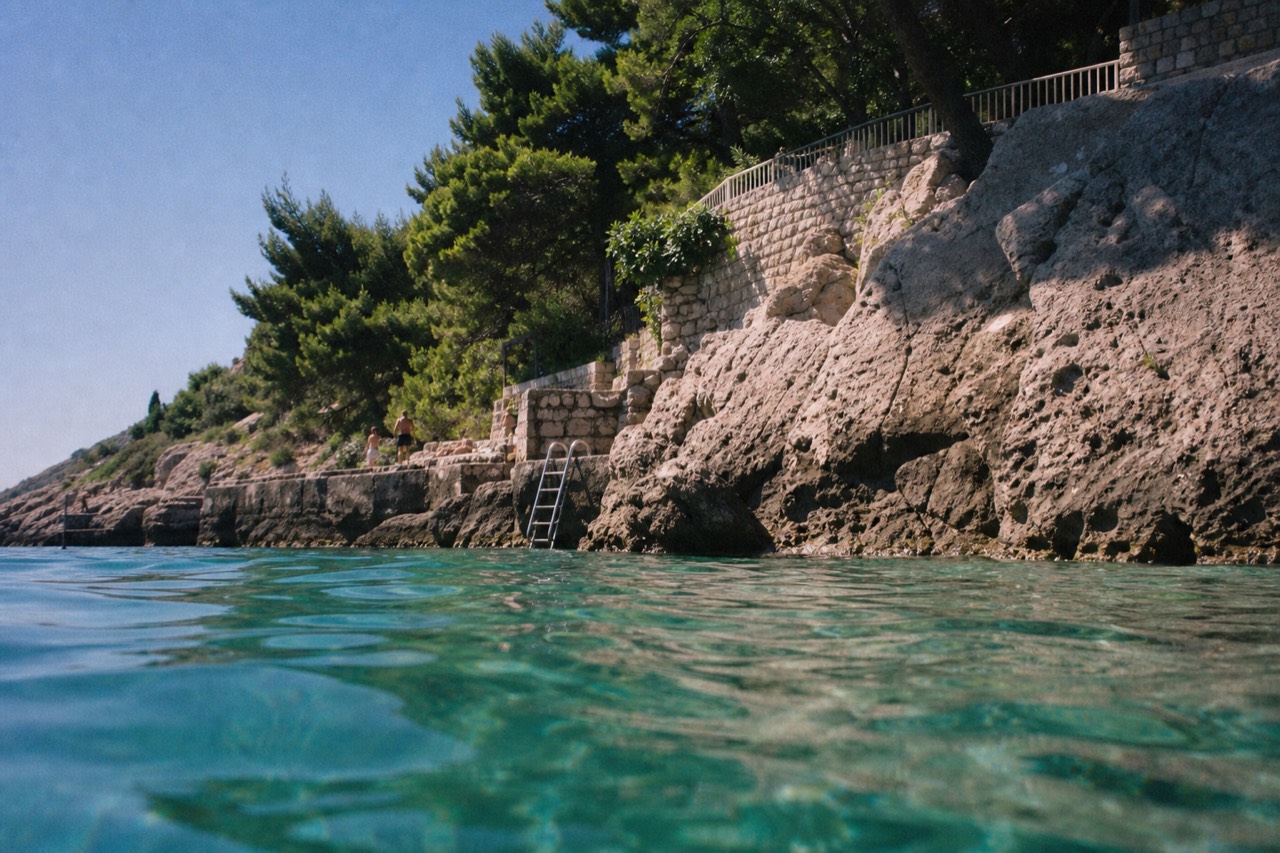
Short answer
The best snorkeling near Dubrovnik is around Lokrum Island and Betina Cave, both reachable by kayak or boat from the Old Town harbour. A guided kayak and snorkel tour runs from $35 per person, rated 4.9 across 3,619 reviews. The sea averages 23.6 degrees in September, warm enough without a wetsuit.
Snorkeling and Diving in Dubrovnik: Where to Go and What to Book
Dubrovnik sits on one of the cleanest stretches of the Croatian coast, and the water proves it: on a calm morning you can stand on the rocks below the walls and watch fish two metres down. I have walked this shoreline in every month of the year, and the question I get asked most by travellers is not whether the snorkeling is good, it is where exactly to get in without a car, a charter or a lot of planning.
The honest answer is that Dubrovnik is a snorkeling-by-boat-and-kayak destination more than a beach-snorkeling one. The gravel beaches near the Old Town are pleasant but shallow, while the genuinely clear water and the caves sit around Lokrum Island, along the Lapad peninsula's rocky edges, and out towards the Elaphiti Islands. Almost all of it is reachable on a half-day trip from the Old Town harbour, which is why the guided kayak and snorkel tours here are among the best-reviewed products in the city.
This guide covers the spots, the season, the tours worth their price, and the practical questions that decide how your day actually goes: how to get around, what not to do, whether Lapad works on foot, and how to keep the transport bill down.
Where Are the Best Snorkeling Spots Around Dubrovnik?
The best snorkeling around Dubrovnik is at Betina Cave below the Lokrum cliffs, along the rocky coves of the Lapad peninsula, and in the shallows off Šunj Beach on Lopud Island. All three are reachable without a car: two by kayak or boat from the Old Town, one by island cruise. Expect rocks, sea urchins and fish rather than coral, and bring water shoes.
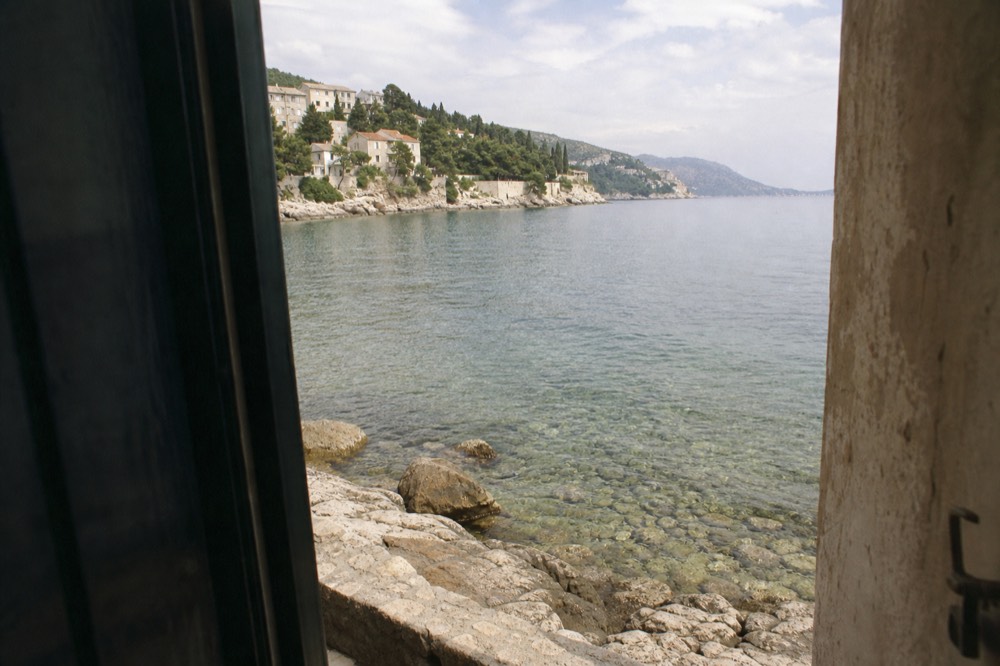
Betina Cave is the headline spot, and for good reason. It is a sea cave at the base of the cliffs between the Old Town and Lokrum Island, reachable only from the water, which keeps it quieter than any beach. Kayak tours stop here for a swimming and snorkeling break, and the water inside and around the cave mouth is genuinely transparent on a calm day. The cave is small, so tours stagger their arrivals; going with a guide is not a luxury here, it is how you get a slot.
Lokrum itself deserves more snorkeling attention than it gets. The island is a protected reserve, its ticket is 30 euro per person including the return boat, and the rocky southern and eastern shores drop into deeper, clearer water than any city beach. The official boat leaves the City Harbour at 09:00, then every 15 minutes from 10:00 to 18:00, and the ticket office at Luža works 08:00 to 18:00. Pack your own mask and fins; there is no rental operation on the island worth relying on.
Šunj Beach on Lopud is the third option, and the most family-friendly. It is a long shallow sand spit on the Elaphiti island of Lopud, reached by the full-day island cruises from Dubrovnik, and the water stays waist-deep far out, warming up fast in summer. It is sand underfoot rather than rocks, which children and hesitant swimmers appreciate.
| Spot | Access | Underfoot | Best for |
|---|---|---|---|
| Betina Cave | Kayak or boat tour only | Rock, deep water at the cave mouth | Clear water, caves, confident swimmers |
| Lokrum Island shores | Official boat, 30 euro ticket | Flat rock shelves | Half-day trip, fish, shade breaks |
| Šunj Beach, Lopud | Full-day island cruise | Sand, shallow | Families, hesitant swimmers |
| Lapad peninsula coves | Walk or bus from anywhere in the city | Mixed gravel and rock | Free snorkeling without a tour |
| Copacabana and Babin Kuk | Bus or 30-minute walk from Lapad | Gravel | Easy access, water sports rental |
One honest note on expectations: this is Mediterranean snorkeling, not a reef. You will see salema, sea bream, occasional octopus in the rocks, and plenty of sea urchins, which is exactly why water shoes matter. The clarity, not the fish life, is the draw, and on a calm September morning it is exceptional.
Can You Swim and Snorkel at Lokrum and Betina Cave?
Yes, and this pairing is the single best water day you can build in Dubrovnik. Betina Cave is only reachable from the water, so you either kayak there or take a boat tour that stops in. Lokrum's 30 euro ticket covers the reserve and the return boat, and its rocky shores offer the clearest walk-in snorkeling near the city. Doing both in one day is realistic from 09:00 onwards.
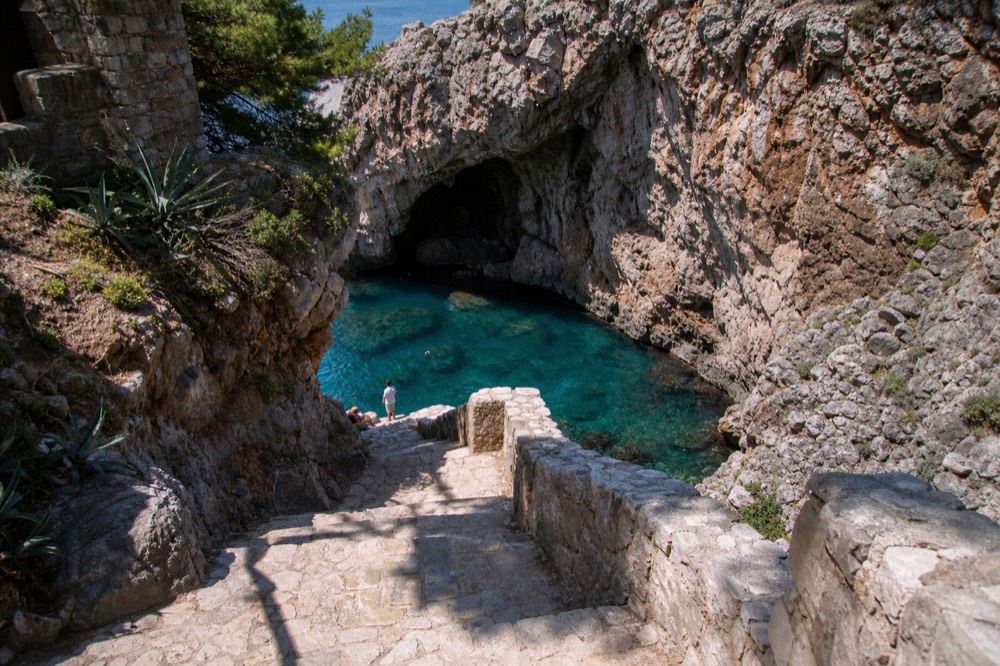
The kayak route from the Old Town harbour to Betina Cave and around Lokrum is roughly a half-day paddle, and it is the format most visitors end up loving, because it combines the walls-from-the-water view, the cave swim and the island in one guided block. The 2 hours 30 minutes Adventure Dubrovnik sea kayaking and snorkeling tour runs from $35 per person and is rated 4.9 across 3,619 reviews, which makes it one of the strongest value-to-rating ratios on the whole roster. A shorter 2-hour version, the Lokrum Island and Betina Cave kayak tour from $35.49 per person, rated 4.9 across 1,518 reviews, covers the same headline stops if your arms or your schedule are tight.
If you would rather not paddle at all, the boat option is the Dubrovnik: Lokrum Island (optional) and Betina Cave Boat Tour, from $39.42 per person, rated 4.6 across 1,154 reviews, which puts you in the water at the cave and leaves Lokrum as a choice.
For a fuller treatment of the paddle routes, read the Dubrovnik sea kayaking guide, and for the island itself see how to visit Lokrum Island. If you are weighing whether the paddle is worth it at all, the answer page on is kayaking in Dubrovnik worth it breaks down the costs and the crowds honestly.
If you go to Lokrum independently, remember two things. The reserve has no sand beach, so snorkeling means entering from flat rock shelves, and the official boat's last departures matter: boats leave every 15 minutes from 10:00 to 18:00, and a ticket stays usable for three days, so a morning visit leaves your afternoon flexible.
What Is the Best Way to Get Around in Dubrovnik?
For a snorkeling-focused trip, the best way around Dubrovnik is on foot inside the city, the number 6 and other local buses for Lapad and Babin Kuk, and boats or tours for everything on the water. Taxis and ride-hailing exist but are unnecessary for most days. A car is actively unhelpful in summer, when Old Town parking is scarce and expensive.
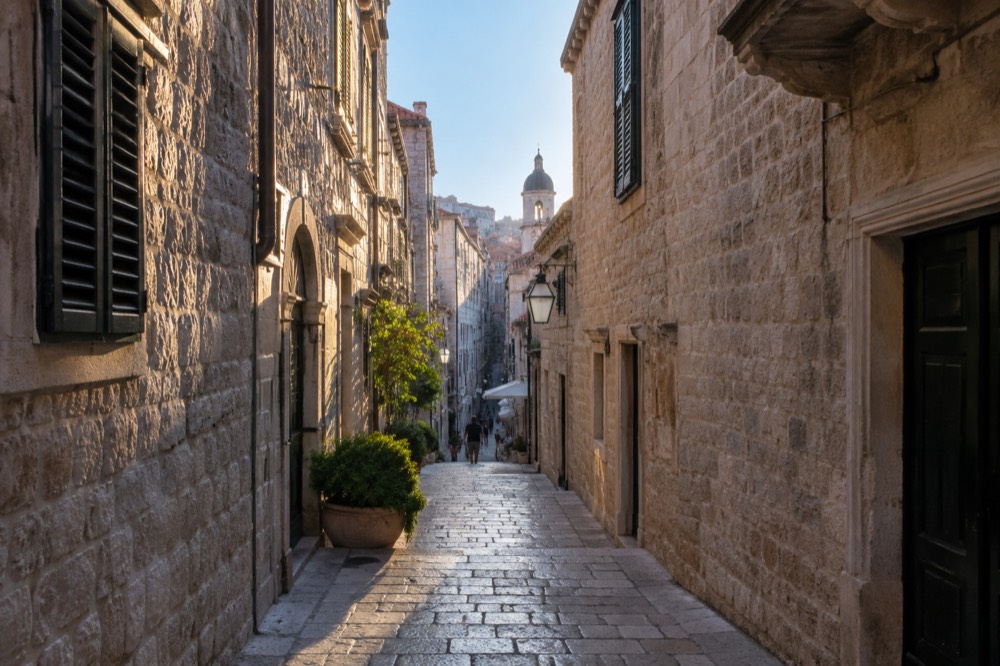
The geography does most of the work for you. The Old Town is entirely pedestrian, the harbour where nearly every kayak, boat and cruise departs is a five-minute walk from the Stradun, and the Lapad peninsula, where many of the affordable hotels sit, is a flat 20 to 30 minute walk or a short bus ride away. If your base is Lapad and your morning starts at the harbour, the bus is the sensible choice in July and August heat.
Buses are run by Libertas, tickets are cheapest bought at a kiosk or from the driver with exact change, and the same network covers the airport route from the main bus station at Gruž. The full transport picture, including ride-hailing availability and prices, is in the getting around Dubrovnik guide. For the specifics of reaching the water, what matters is simple: every commercial snorkel, kayak and cruise departure in this guide leaves from the Old Town harbour or the immediate Gruž area, so your accommodation choice barely constrains your water days.
One planning detail worth knowing: cruise-ship traffic peaks in September and October, not July and August. Port Authority figures show 101,246 cruise passengers in September 2025 and 100,132 in October, above July's 96,072 and August's 87,385. Those are ship capacities, not people ashore, but the pattern holds: if you want the harbour and the cave to yourself, book the earliest kayak departure of the day in early autumn rather than dodging crowds in midsummer.
| Mode | Where It Wins | Watch Out For |
|---|---|---|
| Walking | Old Town, Pile to Ploče, harbour departures | Steps everywhere, hot stone in summer |
| Local bus | Lapad, Babin Kuk, Gruž, the airport route | Buy tickets before boarding to save |
| Taxi or ride-hail | Airport runs, late nights, luggage days | Surge pricing on cruise days |
| Boat or kayak tour | Everything on the water in this guide | Book ahead in September and October |
| Rental car | Day trips to Ston, Montenegro, the Pelješac peninsula | Old Town parking is scarce and costly |
What Not to Do in Dubrovnik?
The mistakes that ruin water days in Dubrovnik are concrete: snorkeling without water shoes on urchin-covered rock, jumping from the walls or rocks in unfamiliar water, touching wildlife in the Lokrum reserve, leaving the walls walk to midday, and assuming the busiest cruise season is July. Each is avoidable with a few minutes of planning, and none requires spending more money.
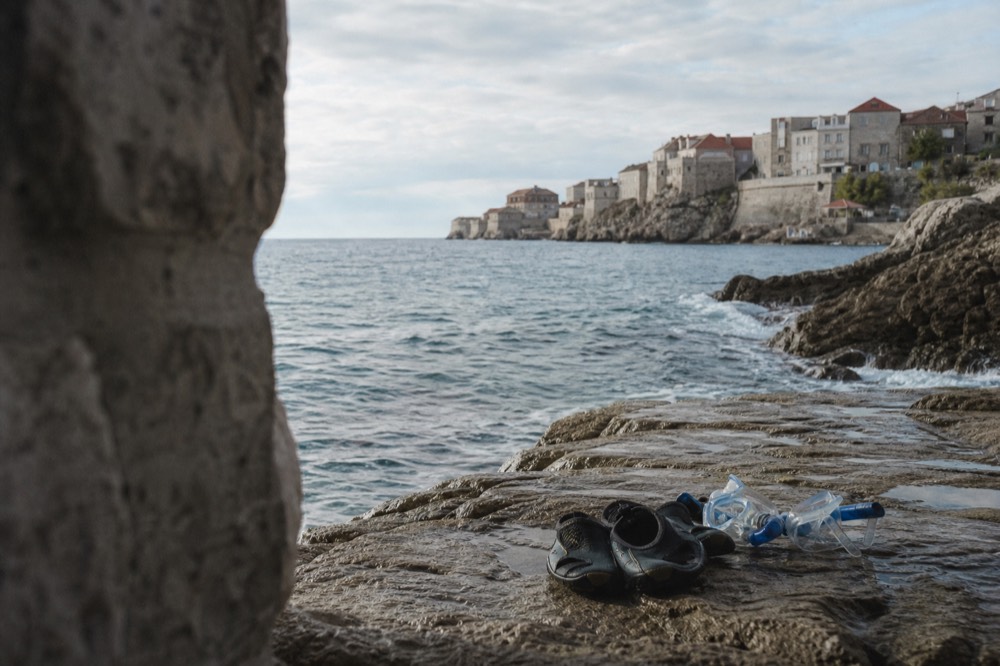
Start with the sea urchins. They cluster on every rocky surface along this coast, and a barefoot entry is the most common minor injury visitors pick up in the water. Water shoes cost a few euro in any of the shops around Pile and solve the problem completely. While you are in the water, do not touch the fish, the caves' rock surfaces or anything living in the Lokrum reserve; it is a protected area, and the peacocks and rabbits on land are the only wildlife that will approach you.
Do not jump into unfamiliar water, anywhere, ever. The spots around the walls and Lokrum look deep, but rock shelves extend further out than they appear to from above. Locals know exactly where the safe jumps are; visitors guessing is how accidents happen. Related: the cliffs above Buža bar are for sitting with a drink, not for diving, a point the Buža bar guide makes with some feeling.
| Mistake | Why It Costs You | Do This Instead |
|---|---|---|
| Barefoot entry on rocks | Sea urchin spines, ruined day | Wear water shoes, enter feet first |
| Cliff or wall jumping | Hidden rock shelves beneath | Swim only where guides or locals enter |
| Walls walk at midday in summer | Heat, no shade, peak crowds | Start at 08:00 opening, or late afternoon |
| Feeding or touching Lokrum wildlife | Fines, harm to a protected reserve | Watch from a distance |
| Booking tours on arrival in September | Peak cruise season sells out | Book water trips before you travel |
Two non-water mistakes complete the list. Do not plan the city walls walk for the middle of the day between June and August; the circuit is almost entirely unshaded, the operator's stated hours run 08:00 to 19:30, and the first two hours are cooler and emptier. And do not treat the sea temperature as a guarantee: the monthly averages are exactly that, averages, and a windy week in June can leave the water well below the June norm.
Can You Walk Around Lapad, Dubrovnik?
Yes, Lapad is the most walkable part of Dubrovnik outside the Old Town. The peninsula is largely flat around its bay, the main hotel zone, restaurants and the beaches sit within a 20 to 30 minute walk of each other, and a seaside promenade runs along the bay. Only the streets climbing the hillside towards the main road are steep, and you can route around them.
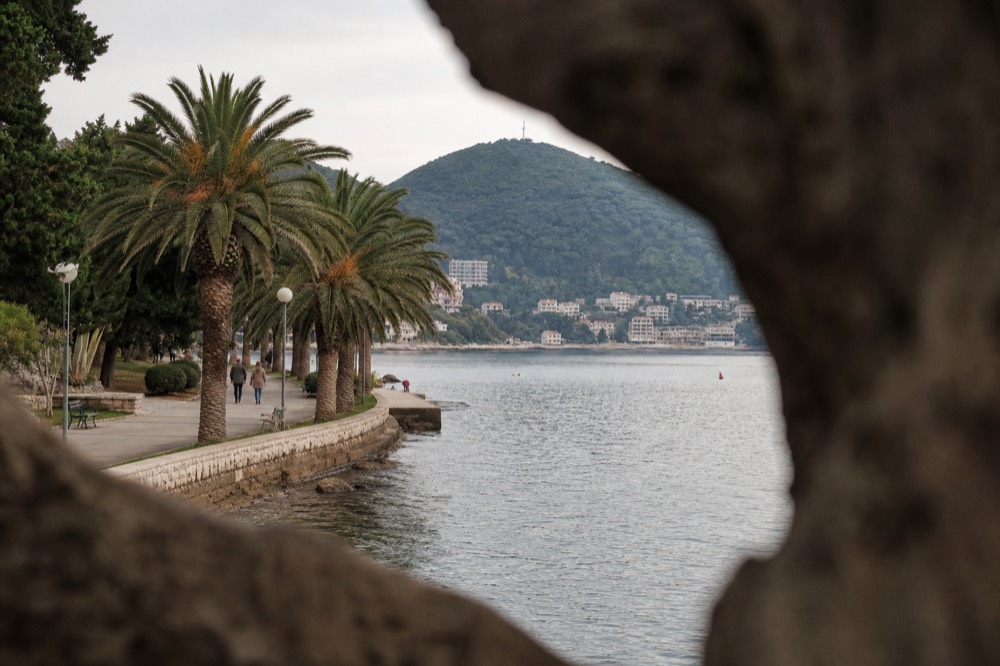
For a snorkeling trip this matters directly, because Lapad gives you a free, no-tour water option on the days you are not out with a guide. The rocky points either side of Lapad Bay, and the coves towards Copacabana and Babin Kuk further west, are all walk-in snorkeling with your own mask. The clarity is a notch below Betina Cave, but on a calm morning it is perfectly good, and the price is unbeatable. The rest of the planning pages sit on Things to Do in Dubrovnik.
A realistic walking loop: start anywhere on the bay promenade, walk its full length, continue along the coast path towards Copacabana beach, and return through the quiet back streets. Allow a relaxed hour and a half with a swim stop. The terrain is flat or gently rolling the whole way, which is why Lapad is also the answer for travellers who find the Old Town's constant staircases punishing. For the full picture on the neighbourhood, including where to base yourself, see the Lapad area guide.
| Lapad Walk | Time | Terrain |
|---|---|---|
| Lapad Bay promenade, end to end | 20 to 25 minutes | Flat, paved, shaded in parts |
| Bay promenade to Copacabana beach | 30 to 35 minutes | Flat coastal path |
| Copacabana to Babin Kuk headland | 15 to 20 minutes | Flat, some gravel |
| Bay to the main road bus stops | 10 to 15 minutes | Steep, stepped streets |
The one caveat is the hillside. Streets running up from the bay towards Iva Vojnovića and the main road climb steadily, and in August that climb is a workout. If your hotel sits up there, the bus stops on the main road save you the sweat on the way home.
What Is the Cheapest Way to Get Around Dubrovnik?
The cheapest way around Dubrovnik is your own feet plus the local bus: walking covers the Old Town and Lapad entirely free, and a kiosk-bought bus ticket costs less than a driver-sold one and covers the whole city network. Water taxis and tours are the expensive part of a Dubrovnik budget, so pick one guided water day and self-supply the rest with a mask and water shoes.
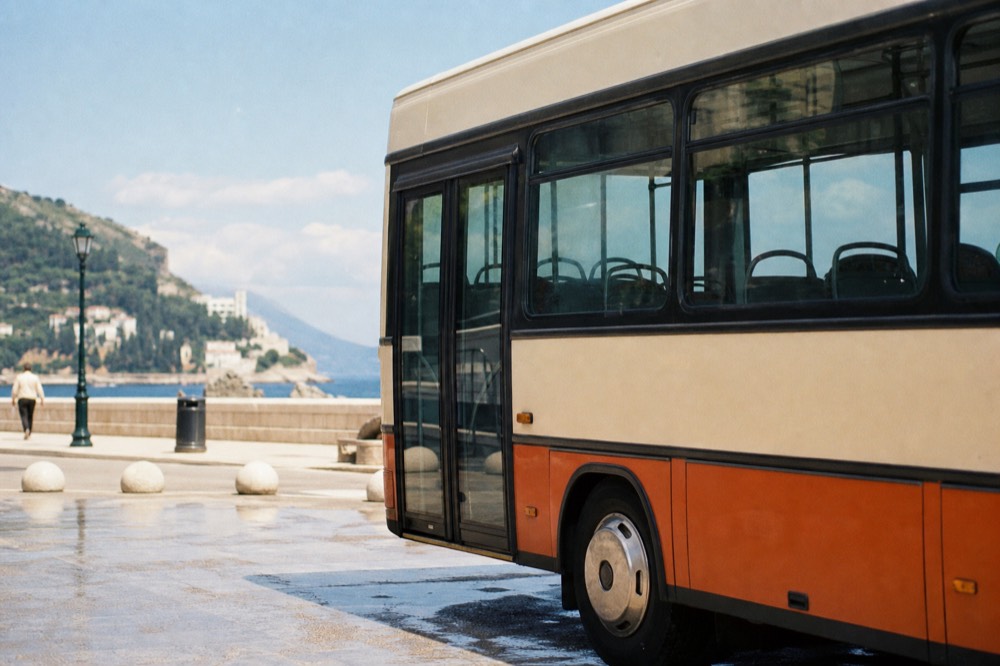
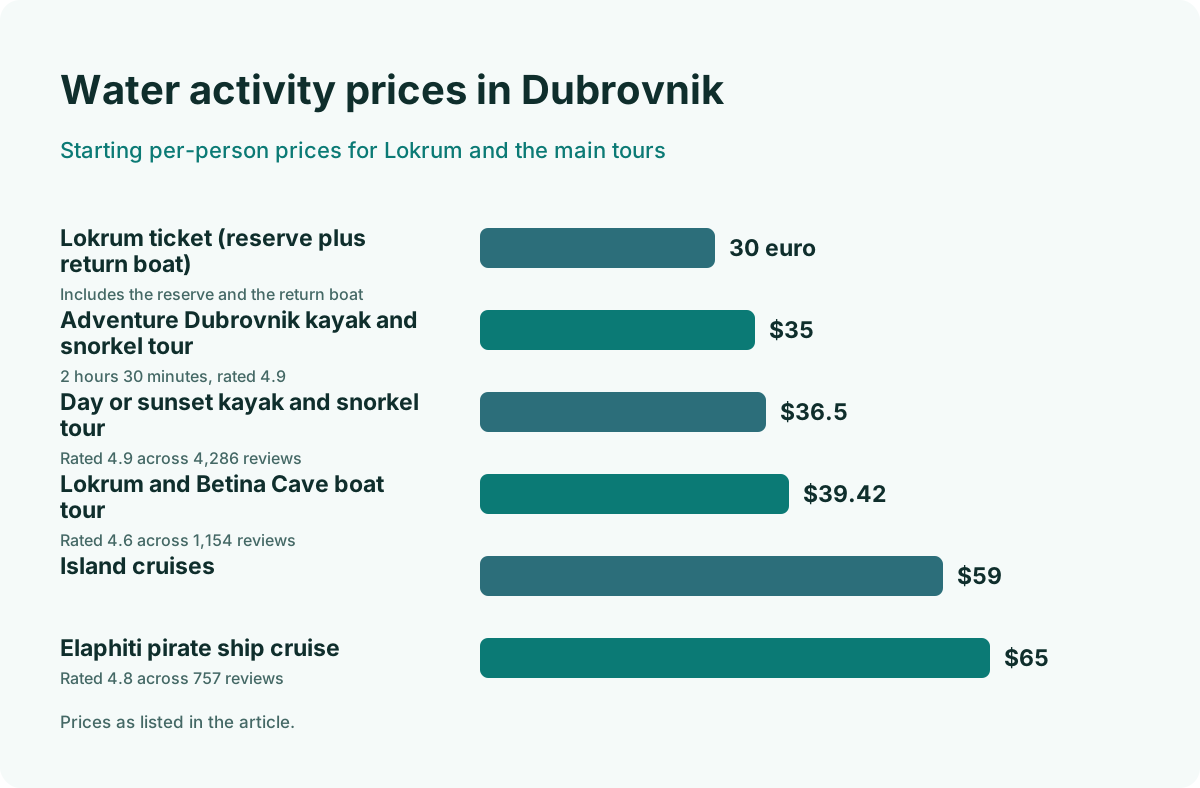
The arithmetic is simple. Inside the Old Town no transport exists or is needed. Between the Old Town, Lapad, Babin Kuk and Gruž the bus handles everything for pocket change, with kiosk tickets undercutting driver-sold ones. The sums that add up fast are the water options: the Lokrum ticket at 30 euro, the kayak tours from $35, the island cruises from $59. Those are fair prices for what they include, but a week of daily tours is not a budget, it is a splurge.
The budget snorkeler's formula is one guided day, then self-supply. Buy or bring a mask, snorkel and water shoes, use the kayak tour day to reach Betina Cave, and spend your other water mornings at Lapad's rocky points or on the Lokrum day trip, where the 30 euro ticket includes the boat and the reserve and you can swim off the rocks all afternoon. For the wider picture on stretching a budget in this city, the budget Dubrovnik guide covers accommodation, food and the free sights.
| Option | Typical Cost | Covers |
|---|---|---|
| Walking | Free | Old Town, Lapad Bay, coastal paths |
| Bus ticket, kiosk | Cheapest fare, check current rates at the kiosk | Whole city network, Lapad, Gruž, airport route |
| Lokrum ticket | 30 euro per person | Reserve entry plus return boat |
| Guided kayak and snorkel tour | From $35 per person | Gear, guide, Betina Cave swim stop |
| Full-day island cruise with lunch | From $59.16 per person | Elaphiti Islands, lunch, Šunj Beach stop |
One more saving that people miss: the Dubrovnik Pass. In main season, 1 March to 30 November, the one-day pass costs 40 euro, the same as the standalone walls ticket, and adds ten more sights plus a 24-hour bus ticket. That bus inclusion is what makes it a transport saving as well as a sightseeing one. In December the walls ticket drops to 20 euro and no pass tier is on sale at all, so the comparison only holds in main season. The details are in the Dubrovnik Pass guide.
Which Snorkel and Boat Tours Are Worth Booking?
The three water products that consistently earn their price are the Adventure Dubrovnik kayak and snorkel tour from $35 per person rated 4.9 across 3,619 reviews, the day or sunset kayak and snorkel tours from $36.50 rated 4.9 across 4,286 reviews, and the Elaphiti pirate ship cruise from $65 rated 4.8 across 757 reviews. Each covers a different need: short and cheap, flexible timing, or a full day with swimming stops.
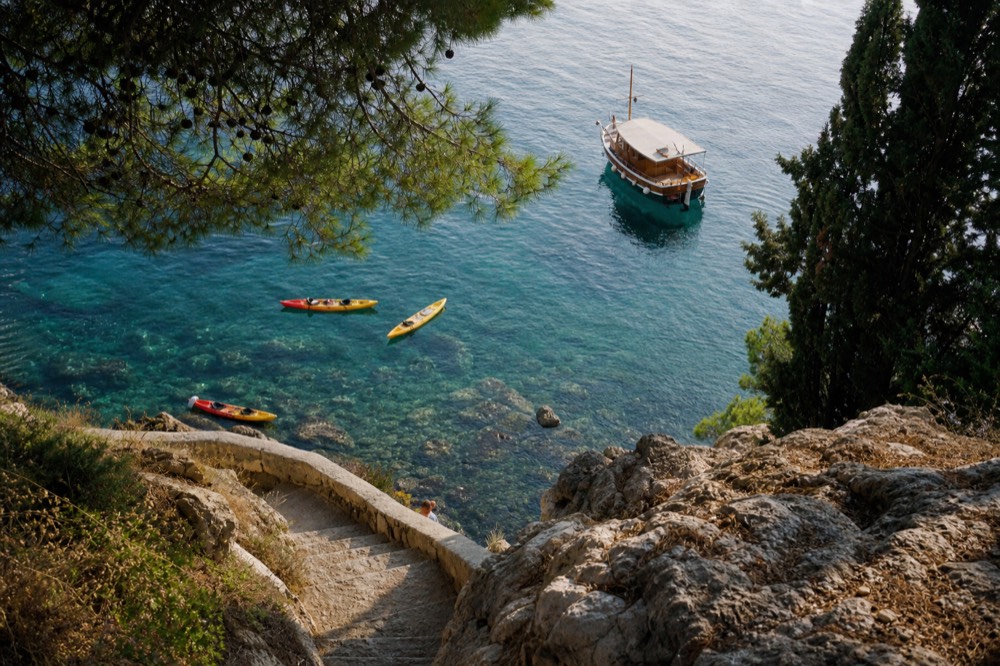
The choice between them comes down to your day's shape. The Adventure Dubrovnik tour is the efficient pick: two and a half hours, gear and guide included, Betina Cave swim, back in time for a late lunch. The day or sunset version from the same family of operators adds the timing choice, and a sunset paddle along the walls is one of the best two hours on this coast, with the sea at its calmest and the light doing the work. The pirate ship cruise is the full-day option: eight hours around the Elaphiti Islands on the Karaka, a replica ship, with swimming stops including Šunj Beach, rated 4.8 across 757 reviews at from $65 per person.
For divers, the honest position is that Dubrovnik is a modest scuba destination: a handful of operators run shore and boat dives, the visibility is good, and the underwater interest is caves, rock walls and some wrecks rather than abundant fish life. If scuba is the priority of your trip, the Croatian islands further north offer more; if it is one dive day inside a broader Dubrovnik stay, the local operators deliver, and dive trips book through the same partners as the snorkel products.
| Tour | Length | From (per person) | Rating |
|---|---|---|---|
| Adventure Dubrovnik Kayak and Snorkel | 2 hours 30 minutes | $35 | 4.9 across 3,619 reviews |
| Kayak and Snorkel, Day or Sunset | Half day, your choice of slot | $36.50 | 4.9 across 4,286 reviews |
| Lokrum and Betina Cave Kayak Tour | 2 hours | $35.49 | 4.9 across 1,518 reviews |
| Lokrum and Betina Cave Boat Tour | Half day | $39.42 | 4.6 across 1,154 reviews |
| Blue Cave and Šunj Beach Boat Tour | Half to full day | $63.48 | 4.87 across 3,105 reviews |
| Elaphiti Luxury Pirate Ship Cruise | 8 hours | $65 | 4.8 across 757 reviews |
The Blue Cave and Šunj Beach boat tour deserves its own mention for snorkelers specifically: from $63.48 per person and rated 4.87 across 3,105 reviews, it pairs a cave swim with the sand-shallow beach, drinks included, which makes it the strongest non-kayak option for people whose arms would rather not paddle.
Booking timing matters more than which tour you pick. September and October are the peak cruise months, the water is at its warmest and calmest, and the popular departures fill. Reserve your water days before you travel in autumn, and keep at least one flexible morning for a wind day, because strong jugo wind cancels kayak trips and you will want the fallback.
When Is the Sea Warm Enough to Snorkel in Dubrovnik?
The sea around Dubrovnik averages 22.5 degrees in June, 24.9 in July, 25.8 in August and 23.6 in September, on a 1991 to 2020 long-run average, which makes late June through early October comfortable snorkeling without a wetsuit. May at 18.6 and October at 21.0 are tolerable for short swims. Sheltered bays run warmer than the open-water average, sometimes by several degrees.
Those figures come from a NOAA long-run satellite climatology for the open-water grid cell off Dubrovnik, averaged over 1991 to 2020, and an independent European dataset corroborates them within about one degree. They are not this year's water and not a beach thermometer. The gap is real and worth understanding: on 8 September 2026 the Croatian met service's Dubrovnik buoy read 27.0 to 27.4 degrees across the day, against a 23.6 September average, because sheltered and shallow water warms well above the open-sea mean in late summer. Plan on the average, enjoy the bonus.
| Month | Average Sea Temperature | Snorkeling Verdict |
|---|---|---|
| May | 18.6 | Short swims for the hardy |
| June | 22.5 | Comfortable, wetsuit optional |
| July | 24.9 | Peak comfort |
| August | 25.8 | Warmest month, busiest water |
| September | 23.6 | Excellent, and peak cruise season |
| October | 21.0 | Good with a shorty wetsuit or grit |
| November | 18.5 | Wetsuit territory |
The practical read of all this: the sweet spot for a snorkeling trip is mid-June to early July or the second half of September. You get water in the low to mid twenties, air temperatures that make the walk to the harbour pleasant, and, in late September, a cruise calendar you can check in advance against the busiest days. The best time to visit Dubrovnik guide works through the whole year if your dates are flexible.
Whatever the month, one rule holds: the calmest water is before the afternoon breeze picks up, and the clearest water is on the day after wind stops, when the sediment has settled. Early morning kayakers get the best of both, which is one more argument for the first departure slot.
Common Questions About Snorkeling and Diving in Dubrovnik
Can you swim and snorkel at Lokrum Island?
Yes. The Lokrum ticket, 30 euro per person, covers the reserve and the return boat, and the rocky shores offer clear walk-in snorkeling. There is no sand beach, so enter from the flat rock shelves and wear water shoes for the sea urchins.
Do you need a wetsuit to snorkel in Dubrovnik?
Not from late June through September, when the long-run average sea temperature runs from 22.5 to 25.8 degrees. In May, October and November a shorty wetsuit makes longer swims much more comfortable.
Can you snorkel from the beach in Dubrovnik without a tour?
Yes, along the rocky points of the Lapad peninsula and the coves towards Copacabana and Babin Kuk. Bring your own mask and water shoes. The clearest water, at Betina Cave and around Lokrum, is only reachable from the water, so a kayak or boat tour is how you get there.
Is Dubrovnik good for scuba diving?
Modestly. Local operators run shore and boat dives with good visibility, caves and rock walls, but fish life is typical Mediterranean rather than abundant. One or two dive days work well inside a broader stay; a dive-focused trip is better served elsewhere on the Croatian coast.
When is the water warmest in Dubrovnik?
August, on a long-run average of 25.8 degrees, followed by July at 24.9 and September at 23.6. Sheltered bays can run several degrees warmer than the open-water average in late summer.