Plavac Mali: A Guide to Dalmatia's Signature Red Wine
Plavac mali is the red wine you will be handed at almost every konoba table between Dubrovnik and the Pelješac peninsula, and it deserves better than to be treated as holiday background noise.
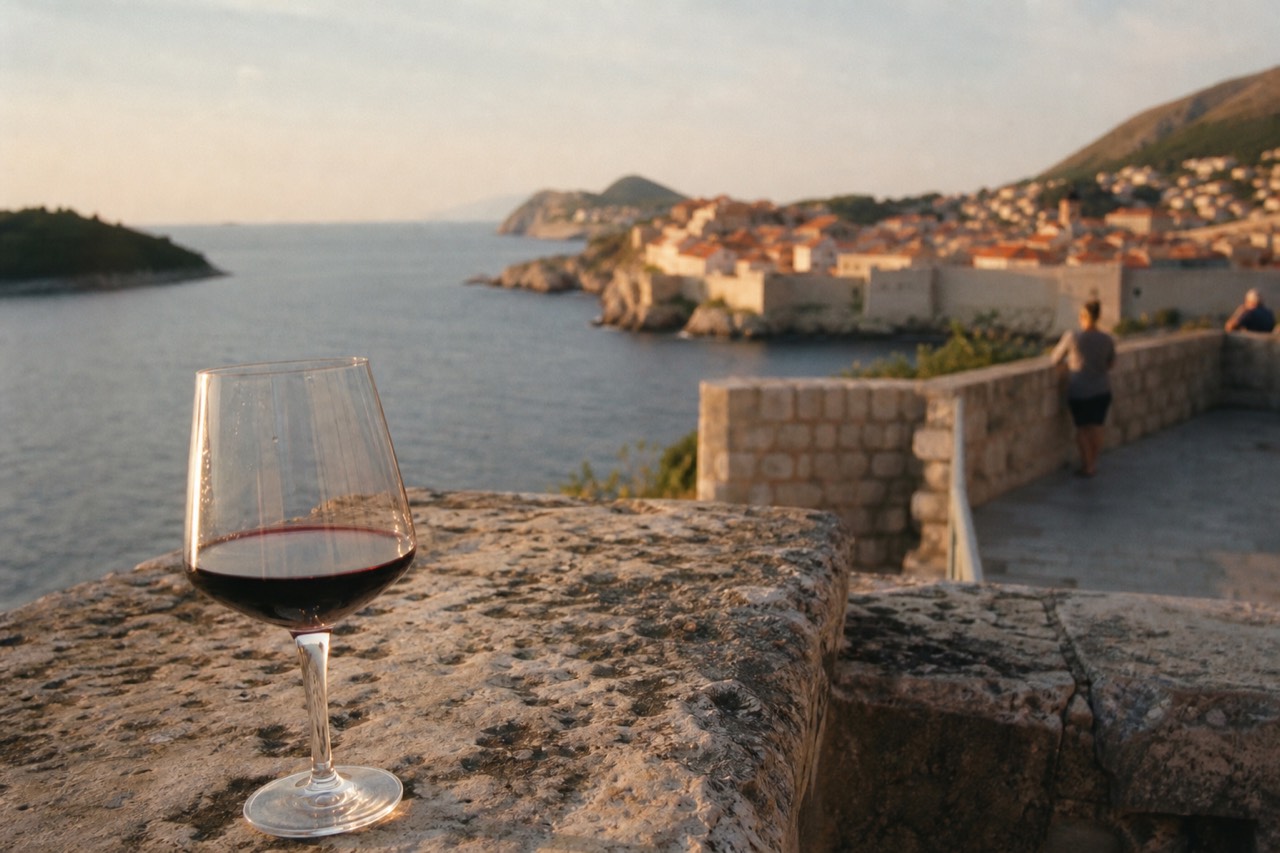
Short answer
Plavac mali is Dalmatia's signature red grape, grown on steep, sun-baked coastal slopes south of Dubrovnik, and it produces full-bodied reds that dominate local wine lists.
Plavac Mali: A Guide to Dalmatia's Signature Red Wine
Plavac mali is the red wine you will be handed at almost every konoba table between Dubrovnik and the Pelješac peninsula, and it deserves better than to be treated as holiday background noise. It is a dark-skinned grape that thrives on barren, stony slopes where almost nothing else wants to grow, and the vines that cling to those hillsides produce some of the most characterful reds on the Croatian coast. This guide explains what the grape is, where it grows relative to Dubrovnik, how to taste it well, and which wine-focused tours from the city are actually worth your money.
I have walked these coastlines and eaten at these tables for years, and the one constant in every local wine conversation is plavac mali. Visitors arrive asking about it by the third or fourth day, usually after a waiter has poured a glass alongside grilled fish or peka, and most leave wishing they had understood it sooner.
What Is Plavac Mali?
Plavac mali is a dark-skinned red grape variety native to Dalmatia, the coastal region of southern Croatia, and it is the country's most widely planted premium red variety. The name translates plainly as "little blue", a description of the small, deeply coloured berries, and the wines it produces are typically full-bodied, richly fruity and firmly structured, with enough tannin and warmth to stand up to the region's grilled meat and slow-cooked dishes.
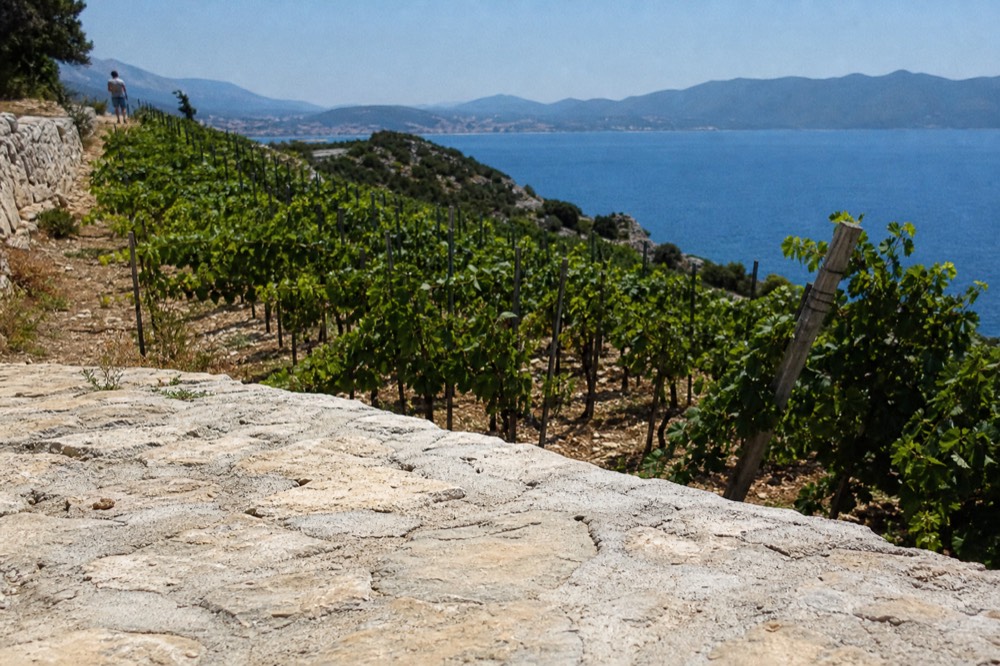
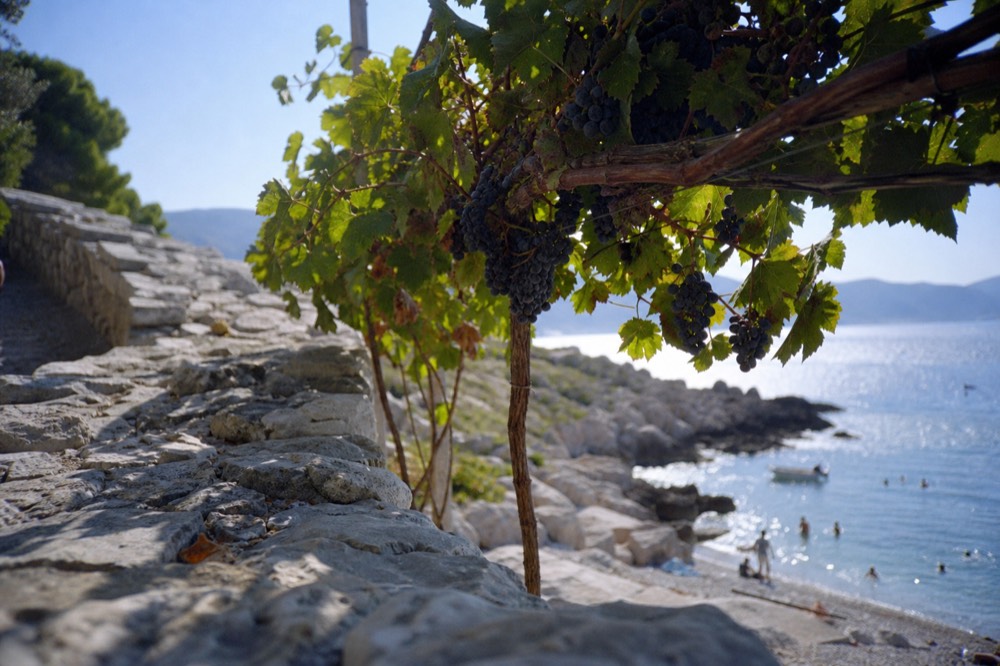
The grape's home territory is the strip of coast and islands running south and north-west from Dubrovnik: the Pelješac peninsula, the islands of Hvar and Brač, and the slopes above the sea on the mainland side. What those places share is punishing sun, minimal rainfall, thin soil over limestone, and wind off the water. Vines planted there are forced to work hard for water, which concentrates the berries and gives the resulting wine its density. The steeper plantings, where terraces are held together by dry stone walls built over generations, are the source of the most prized bottles.
In the glass, expect a deep ruby to almost purple colour, aromas that lean towards dark cherry, plum and dried fig, and a finish that often carries a warm, slightly dried-fruit character. The best examples balance that richness with a mineral edge that comes straight from the stone the vines grow on. Because the grape ripens fully in this climate, alcohol is rarely shy, which is exactly why locals drink it with food rather than on an empty stomach.
A practical note for anyone exploring the grape on their own: labelling on Croatian bottles can be confusing at first. Many producers name the wine after the place rather than the grape, so a bottle labelled with a Pelješac or Dingač designation is plavac mali even when the variety name appears only in small print. Our guide to Dingač, Plavac Mali's Most Famous Address breaks down those designations in detail, and our broader Dalmatian wine tasting guide covers how to build a tasting day around them.
Is Dubrovnik Part of the Dalmatian Coast?
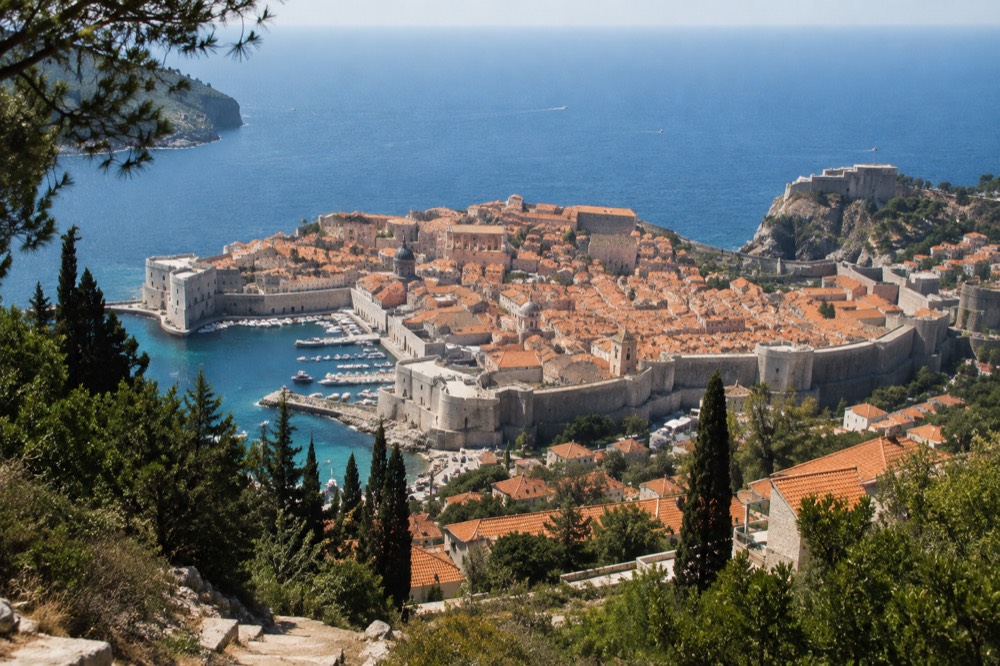
Yes, Dubrovnik sits at the southern end of the Dalmatian coast, the strip of eastern Adriatic shoreline that runs down Croatia from Zadar through Split to the Dubrovnik region and the border with Montenegro. That geography matters for wine, because Dubrovnik is the natural gateway to Dalmatia's southern wine country: Pelješac, the Korčula and Elaphite islands, and the Konavle valley all sit within a short drive or boat ride of the city.
Dalmatia is not an administrative region but a historical one, and the name still shapes how locals describe everything from food to dialect to wine. For a visitor, the useful mental map is simple. Central Dalmatia, around Split and Hvar, is white wine territory led by pošip and other island varieties. Southern Dalmatia, from the Neretva delta down to Dubrovnik, is where plavac mali and its relatives dominate the red side of the ledger, alongside smaller plantings of local whites in Konavle and on Korčula.
The city itself recorded about 4.2 million overnight stays in 2025, sharing first place among Croatian destinations with Rovinj, according to the Croatian Bureau of Statistics. Almost none of those visitors arrive thinking about wine, and yet the best wine country in the country's south is close enough to reach on a half-day trip. Konavle, the green valley immediately south-east of the city, holds family wineries within half an hour's drive. Pelješac, the peninsula whose north-western hills produce the most famous plavac mali, is a comfortable excursion from Dubrovnik, typically combined with the oyster beds at Ston.
That combination, wine and shellfish, is not a marketing invention. Ston's oyster beds sit at the base of the Pelješac peninsula, and the salt pans and shellfish farms there have fed the wine trade for centuries. A tasting in Konavle or Pelješac almost always ends with prosciutto, cheese and olives, because that is how the wine is drunk at home.
If you want the structure of a guided day rather than a self-drive, these are the three options I would shortlist from the city, covering the full range from a full oyster-and-wine lunch to a hands-on cooking experience and a border-crossing day trip with wine stops:
Each one takes a different angle on the same region, and the right choice depends mostly on whether your priority is the wine itself, the food it pairs with, or the scenery along the way.
What Is the Most Popular Wine in Croatia?
By volume and by reputation, the most visible Croatian wines are the whites, led by graševina in the continental north-east and malvazija istarska in Istria, but along the Dalmatian coast and in Dubrovnik specifically, plavac mali is the wine locals pour, list and recommend most, making it the effective answer to "what should I drink here". Popularity in Croatia is regional, and the correct answer depends on which coast you are standing on.
The continental interior, Slavonia and the Danube basin, drinks graševina, a fresh, light white that makes up a large share of Croatia's total production. Istria, in the north-west, has built an international following for malvazija and teran. Dalmatia is red country at heart, and plavac mali is its standard-bearer: it is the wine on restaurant lists from Split to Dubrovnik, the bottle opened at family celebrations, and the variety most small southern producers build their reputation on.
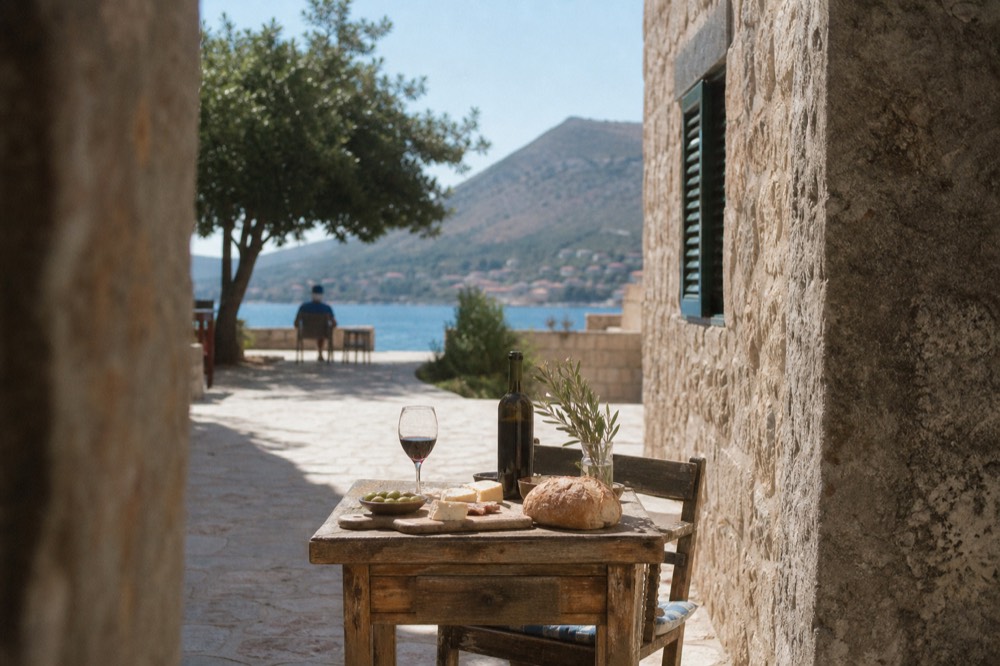
For a visitor in Dubrovnik, this regional reality simplifies things. Order the house red at any konoba and you will almost certainly be drinking plavac mali, usually from a small producer within an hour or two of your table. Order the house white and you are more likely to meet pošip, a Dalmatian island white, or a local Konavle blend. Tasting both side by side over a week is one of the quiet pleasures of eating in this city.
The question of which wine to bring home matters too. Plavac mali travels well: its structure and fruit hold up over a few years, and bottles from serious producers are available at the city's wine shops at prices far below what equivalent quality costs in better-known regions. Our piece on what to buy in Dubrovnik covers where to shop for bottles, and the Croatian wine basics in our Korčula wine guide explain the white varieties you will meet alongside it.
Does Dubrovnik Have Good Wine?
Yes, and better than its reputation as a cruise-and-walls destination suggests. The Dubrovnik area sits inside one of Dalmatia's strongest wine zones: Konavle for local whites and lighter reds, Pelješac and Dingač for serious plavac mali, and Korčula and the Elaphite islands for marine-driven whites. The city's restaurants and wine bars stock this range well, and a guided tasting or a day trip puts the best of it within easy reach.
The honest caveat is that wine culture inside the Old Town itself is a mixed picture. Streets around the Stradun, the 298-metre main street whose plan was fixed by the 1272 Statute, carry plenty of places selling wine by the glass at tourist prices, and some of it is indifferent. Walk a few streets off the main drag, or head to the konobas in the side alleys, and the quality jumps sharply, because those are the tables locals actually use. The pattern holds across the city: the further you are from the busiest photo spots, the more care goes into the glass.
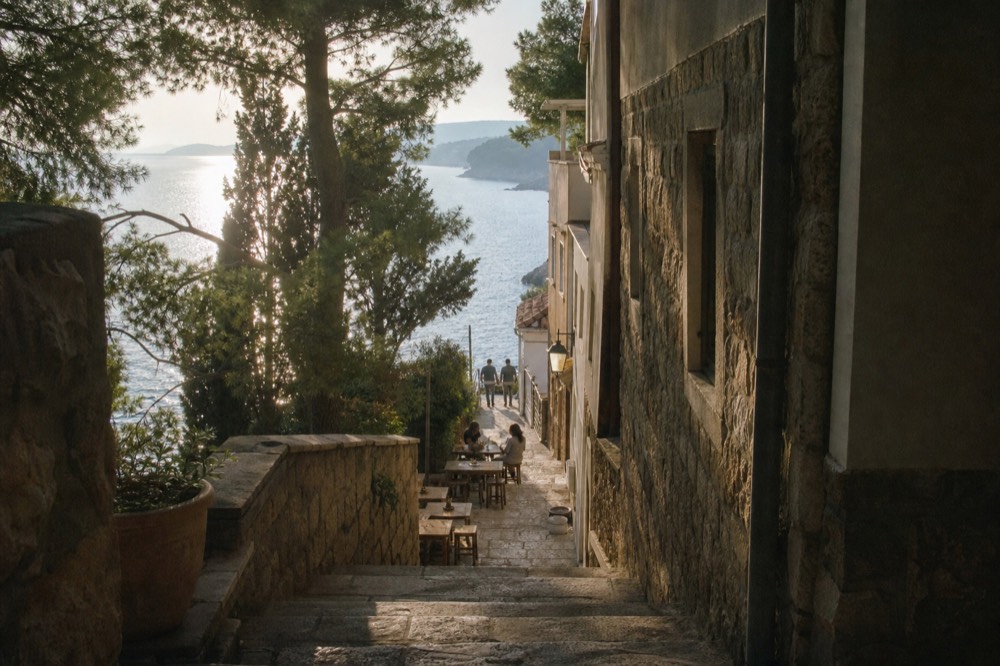
The strongest wine experiences near Dubrovnik are not in the city at all. They are in the countryside and on the water: a cellar in Konavle, an oyster bed at Ston, a boat between the Elaphite islands with a glass in hand. This is where the grape stops being a menu item and starts being a place. A wine trip from Dubrovnik is also one of the few tourist activities here that genuinely improves in shoulder season, when the tasting rooms are quieter and the harvest is on.
Here is how the main wine and food experiences from the city compare on the basics:
| Experience | Length | From (per person) | Rating |
|---|---|---|---|
| Ston oyster, mussel and wine tasting with lunch | Full day | $157 | 4.9 across 111 reviews |
| Food and drink walking tour, local guide | 3 hours approx | $165.64 | 5 across 704 reviews |
| Peka cooking lesson | 4 hours approx | $159.83 | Rating on the listing |
| Ston and Korčula day trip with wine tasting | 11 hours approx | $81.69 | 3.8 across 131 reviews |
The Ston and Korčula trip is the budget option and the longest day, and its rating reflects the pace rather than the wine. The Ston oyster tour is the one I would point wine-first visitors towards, because it puts the region's two flagship products, shellfish and plavac mali, on the same table.
Where to Taste Plavac Mali Near Dubrovnik?
The three best bases for tasting plavac mali from Dubrovnik are Konavle, the valley immediately south-east of the city with family cellars close enough for a half-day; the Pelješac peninsula, home to the grape's most famous slopes and the oyster beds at Ston; and Korčula, which pairs serious plavac mali with island whites on a full-day trip. Each works as a guided excursion or, with a hired car, as a self-drive.
Konavle is the easiest. It is close, green and quiet, and its wineries are small family operations where the person pouring is usually the person who made the wine. This is where the guided half-day tasting excursions go, and it is the right choice if you want wine without surrendering an entire day. More of these guides are collected on Things to Do in Dubrovnik.
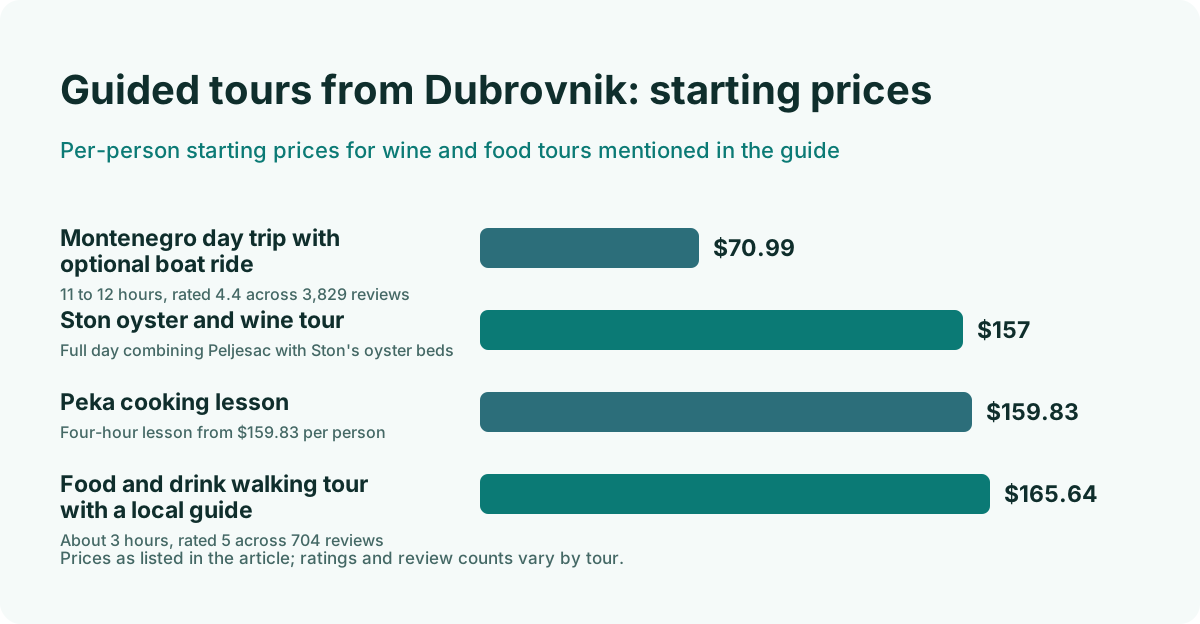
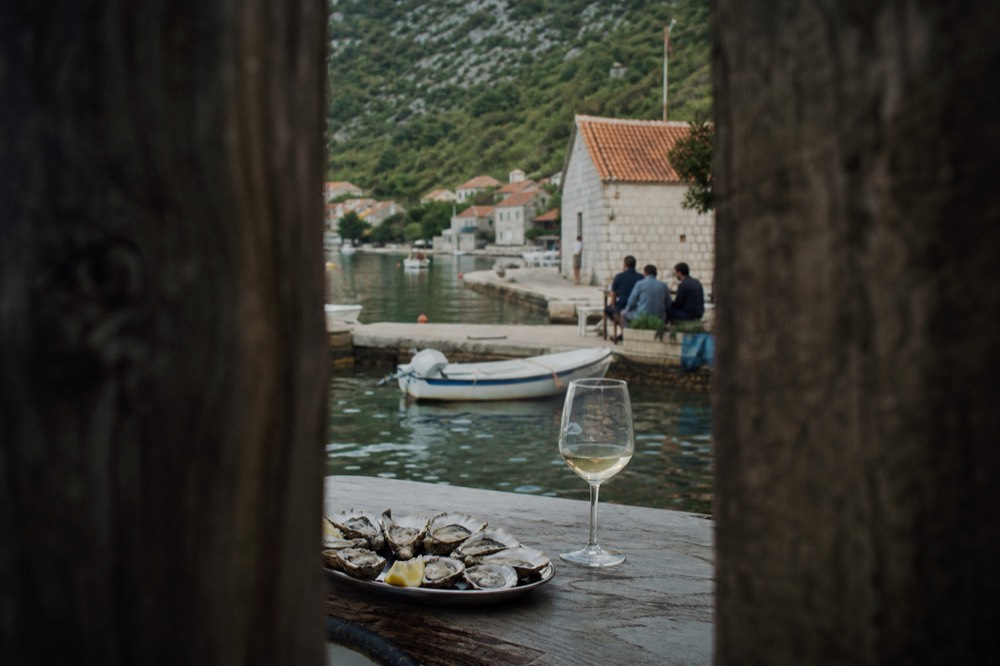
Pelješac is the pilgrimage. The peninsula's north-western end holds the steep, stone-walled vineyards that produce the most concentrated plavac mali, and the drive out along the coast, past the long walls of Ston and the salt pans, is part of the experience. Combining Pelješac with Ston's oyster beds is the classic southern Dalmatian day, and it is exactly what the oyster, mussel and wine tasting tour does: a full day from $157 per person, rated 4.9 across 111 reviews, with shellfish pulled from the water that morning and local wine poured alongside.
Korčula, reached by boat or ferry, is the option for people who want wine and islands in one day. Its plavac mali plantings sit alongside white varieties the island is better known for, and the crossing itself is a good chunk of the pleasure. Our Korčula day trip guide covers the logistics in full.
For a completely different route into the region's table, the peka cooking lesson turns the wine question into a food question. Peka is the Dalmatian method of slow-cooking meat or octopus under a domed metal lid buried in embers, and the four-hour lesson from $159.83 per person is built around preparing and then eating that dish, with local wine as a natural companion. It carries too few reviews for a reliable star rating, so judge it on the format rather than the score.
How Do You Pair Plavac Mali With Dalmatian Food?
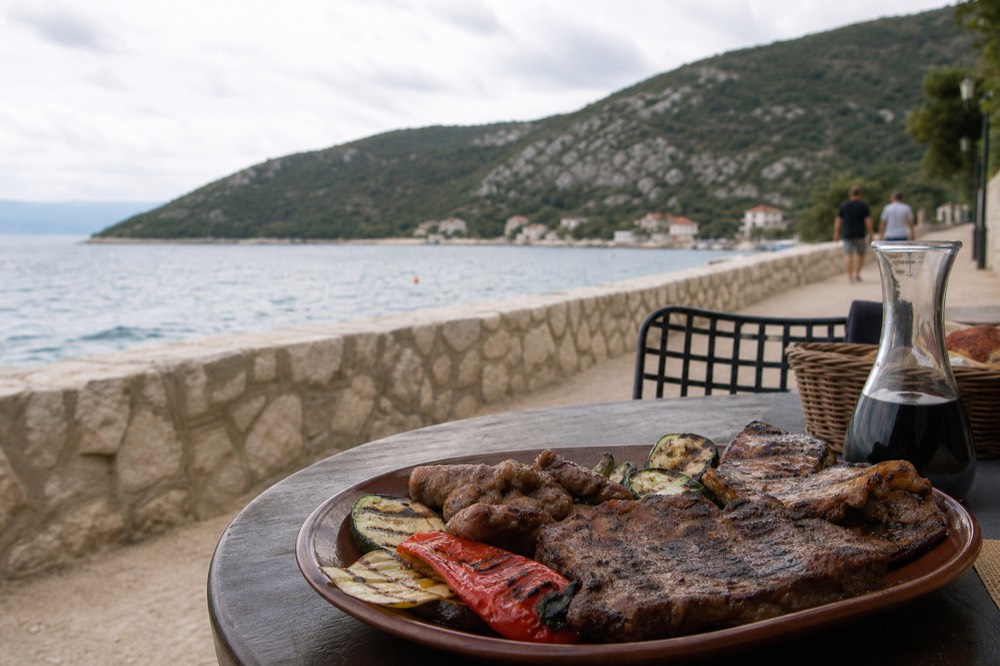
Pair plavac mali with the region's substantial dishes: grilled meat, lamb under the bell, aged cheese, prosciutto and anything slow-cooked with rosemary and garlic. Its tannin and alcohol need food with fat and char, which is why it sits beside peka rather than beside a light fish lunch. For grilled white fish and shellfish, Dalmatians reach for the local whites instead, and the two styles together cover almost every meal you will eat here.
The pairing logic is straightforward once you have tasted the wine. Plavac mali is dense and warm, and drunk alone on a hot afternoon it can feel heavy. Set it against lamb cooked for hours under a peka lid, or a plate of cured ham and hard sheep cheese, and the fruit opens up while the tannin does useful work cutting through the fat. This is not a wine for sipping, it is a wine for the table, and the table it belongs to is a Dalmatian one.
The white side of the ledger handles the seafood. Oysters at Ston want a crisp local white, grilled squid wants the same, and the region's whites are built for exactly that freshness. The cleverest meals here order both: a white to start with shellfish, a plavac mali to finish with the grilled meat course. The Ston oyster tour is built on precisely that sequence, which is part of why it earns the reviews it does.
Here is the short version of what to order alongside what you are drinking:
| Dish | Best Match | Why It Works |
|---|---|---|
| Fresh oysters and mussels | Local white (pošip or Konavle blend) | Crisp acidity against the brine |
| Grilled white fish | Local white | Light wine for a light dish |
| Prosciutto and aged sheep cheese | Plavac mali | Fruit and tannin cut the salt and fat |
| Lamb or octopus under the peka lid | Plavac mali | Density matches the slow-cooked richness |
| Grilled meat and sausage | Plavac mali | Char and fat need the wine's structure |
If you want to learn the pairings rather than just eat them, the food and drink walking tour with a local guide is the strongest option in the city itself. It runs about 3 hours, starts from $165.64 per person, and is rated 5 across 704 reviews, with a local guide leading you through the Old Town's food stops and the wines poured at each.
For eating well on your own, our guide to what to eat in Dubrovnik lists the dishes worth ordering, and the konoba guide explains how these family-run taverns work, from the daily fish display to the house wine you should simply accept when offered.
When Should You Visit for the Wine Harvest?
The grape harvest on the southern Dalmatian coast runs through early autumn, which makes September and early October the most rewarding months for a wine-focused visit: the harvest is underway, the sea is still warm enough to swim, the summer crush of day visitors has eased, and the tasting rooms have time to talk. The September average sea temperature is about 23.6 degrees, so wine country and beach weather coexist comfortably.
September is the sweet spot for reasons beyond the vines. Cruise passenger numbers in Dubrovnik actually peaked in September 2025, at 101,246, ahead of July's 96,072 and August's 87,385, per Port Authority data. But cruise passengers are ship capacity, not people guaranteed in the streets, and the Old Town's official carrying capacity of 11,275, monitored by six counters at every entrance updating every 15 minutes, keeps the picture measurable rather than guessed. The practical effect for wine travellers is that September mornings are busy in the city and calm in the countryside, which is exactly the balance you want.
The sea temperature figures deserve one honest caveat: they are long-run open-water averages for 1991 to 2020 from NOAA's OISST dataset, not a beach thermometer. Sheltered bays run warmer, and the Croatian met service's own Dubrovnik buoy read 27.0 to 27.4 degrees on 8 September 2026 against that 23.6 September mean. For planning a harvest-season trip that mixes cellar visits with swimming, the averages below are the right baseline.
| Month | Average Sea Temperature (°C) | Wine Season Notes |
|---|---|---|
| June | 22.5 | Vines flowering, tasting rooms quiet |
| July | 24.9 | Peak crowds, book tastings ahead |
| August | 25.8 | Warmest water, busiest Old Town |
| September | 23.6 | Harvest begins, best all-round month |
| October | 21.0 | Late harvest, quiet cellars |
October holds up well too. Cruise numbers in October 2025 came in at 100,132, second only to September, but the pace inside the city's restaurants and bars is noticeably calmer, and the vineyards are at their most photogenic as the leaves turn. By November the tasting rooms shorten their hours and the season winds down, though the sea still averages 18.5 degrees and the mild autumn light makes the coast worth the trip on its own.
Is a Wine Tour From Dubrovnik Worth It?
**For most visitors, yes: a guided wine tour is worth it because the best plavac mali country is not walkable from the city, self-driving the Pelješac roads eats half a day, and a good guide converts a scenic drive into an explanation of what is in your glass.
The economics are clearer than for most tour categories. A tasting day bought separately, transport hired, cellar fees paid and lunch covered, lands close to the guided price, and the guided version removes the designated-driver problem entirely. On a peninsula where the whole point is drinking, that is not a small thing.
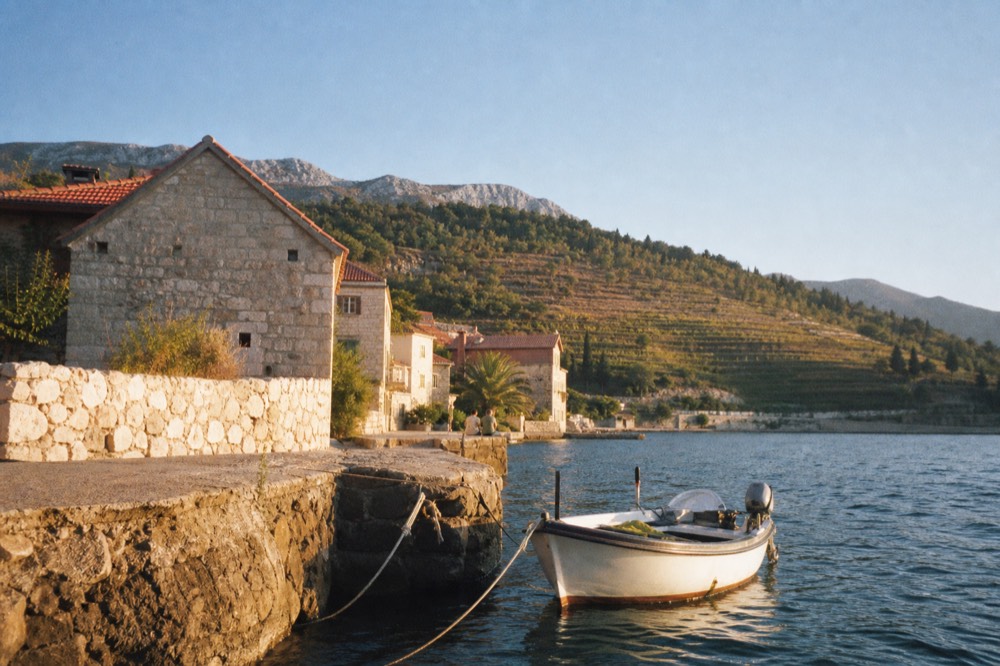
For a trip that puts wine in a wider frame, the Montenegro day trip with optional boat ride is a surprising but genuine contender. It runs 11 to 12 hours, starts from $70.99 per person and is rated 4.4 across 3,829 reviews, and it trades cellar depth for the Bay of Kotor, one of the most dramatic coastal landscapes within a day of Dubrovnik. The wine angle is thinner, but the day itself is memorable, and it suits a group where not everyone came for the grape.
Whichever you choose, book the harvest months early. September and October fill the best small-group departures weeks ahead, and the flexible-cancellation terms on the live listings mean an early booking costs you nothing if your plans shift.
Here, finally, are the three options side by side, the oyster and wine day, the peka cooking lesson and the Montenegro trip, for anyone deciding with a budget in hand:
Common Questions About Plavac Mali and Dubrovnik Wine
What Is Plavac Mali?
Plavac mali is a dark-skinned red grape native to Dalmatia, Croatia's coastal south, and the region's signature wine. The name means "little blue", a reference to the small, deeply coloured berries, and the wines are full-bodied, dark-fruited and firmly structured, made to drink with grilled meat and slow-cooked Dalmatian dishes.
Is Dubrovnik Part of the Dalmatian Coast?
Yes. Dubrovnik sits at the southern end of Dalmatia, the historical coastal region running down Croatia's eastern Adriatic shore, and it is the natural gateway to southern Dalmatian wine country: Konavle, Pelješac, Korčula and the Elaphite islands are all within a short drive or boat ride of the city.
What Is the Most Popular Wine in Croatia?
Nationally, the whites graševina and malvazija lead by volume, but along the Dalmatian coast and in Dubrovnik specifically, plavac mali is the wine locals pour and recommend most. Popularity in Croatia is strongly regional, and in the south the answer is plavac mali.
Does Dubrovnik Have Good Wine?
Yes. The city sits inside one of Dalmatia's strongest wine zones, with Konavle, Pelješac and Korčula all within reach, and its better restaurants and wine bars stock the region well. The strongest experiences are guided tastings and day trips into the surrounding valleys and peninsulas rather than tourist-priced glasses on the main street.
Where Can I Taste Plavac Mali Near Dubrovnik?
The three best options are Konavle, a half-day valley trip with family cellars; the Pelješac peninsula, home of the grape's most famous slopes and usually combined with Ston's oyster beds; and Korčula, which pairs plavac mali with island whites on a full-day boat trip. Guided tours run to all three from the city.
When Is the Plavac Mali Harvest?
The harvest runs through early autumn, making September and early October the best months for a wine-focused visit. The sea still averages about 23.6 degrees in September, so cellar mornings and swimming afternoons fit in the same day, and the tasting rooms are calmer than in July and August.