Minčeta Tower Dubrovnik: The Highest Point on the City Walls
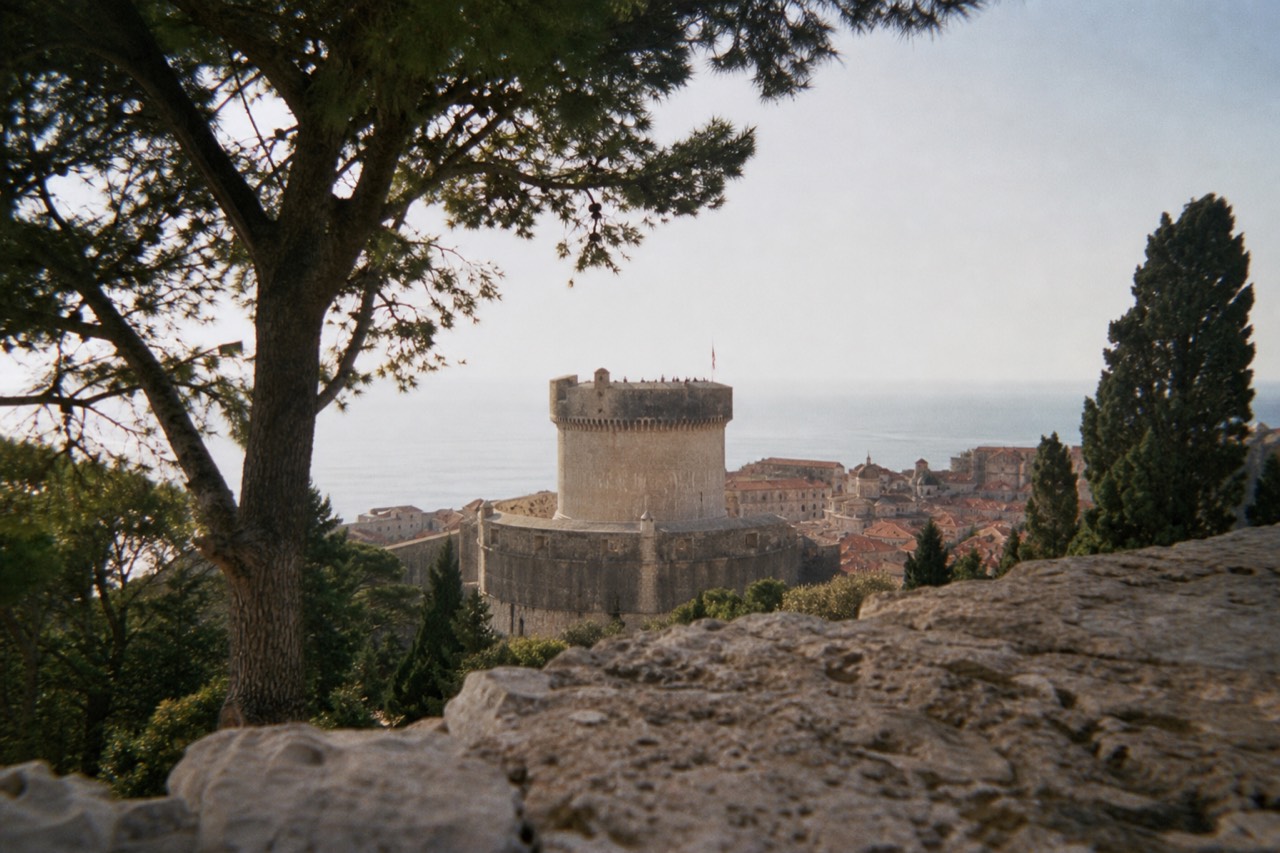
The circular stone crown of Minčeta Tower is the most commanding silhouette on the Dubrovnik skyline. This guide explains how to visit it, what the ticket covers, and how to time your walk on the walls for the best light and the smallest crowds.
Short answer
Minčeta Tower is the highest point on the Dubrovnik city walls and is included with the standard 40-euro walls ticket during the main season, March through November. The 1,940-metre circuit passes directly through the tower, and the walk usually takes about two hours. No separate ticket is needed for Minčeta itself.
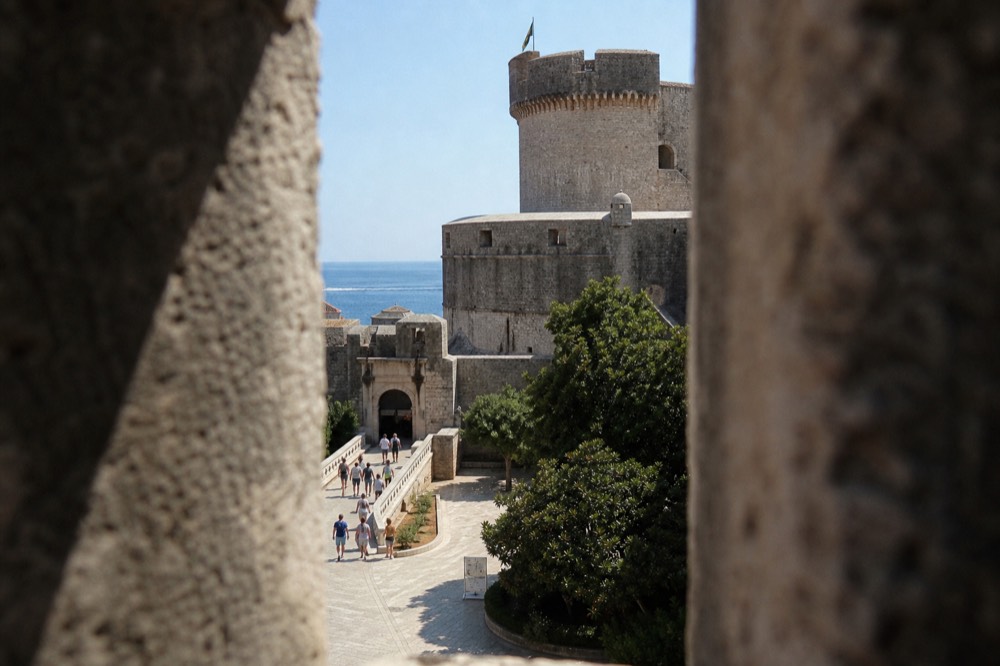
The first thing you notice about the Things to Do in Dubrovnik city walls is the squat, circular fortress that crowns the landward corner. That is Minčeta Tower. If you are planning to walk the walls, you will pass through Minčeta, and the climb up its internal staircase rewards you with the widest view of the Old Town and the open Adriatic.
What Is Minčeta Tower and Where Is It?
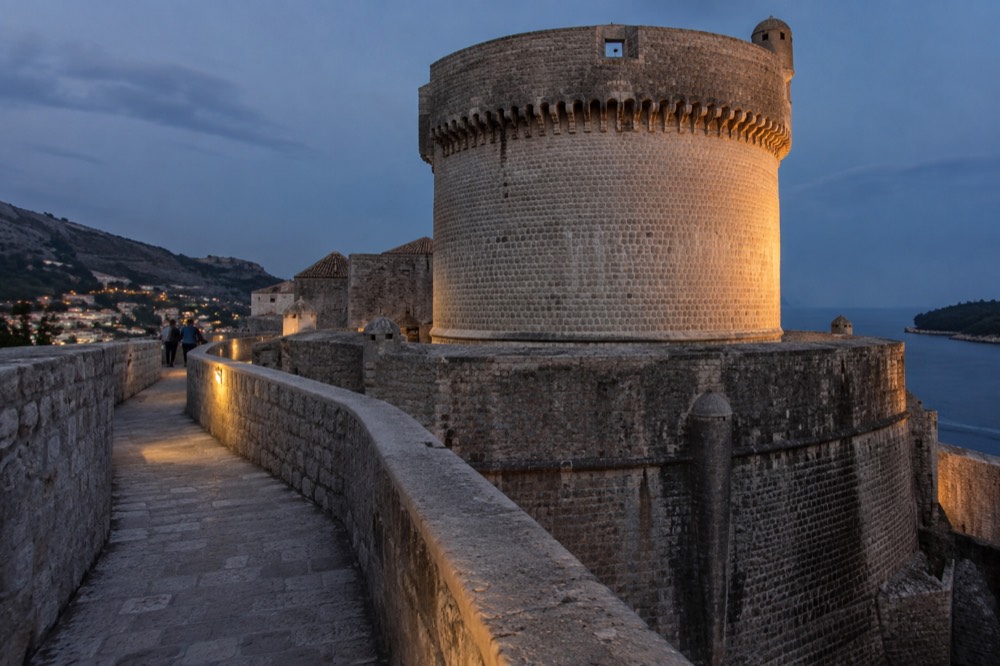
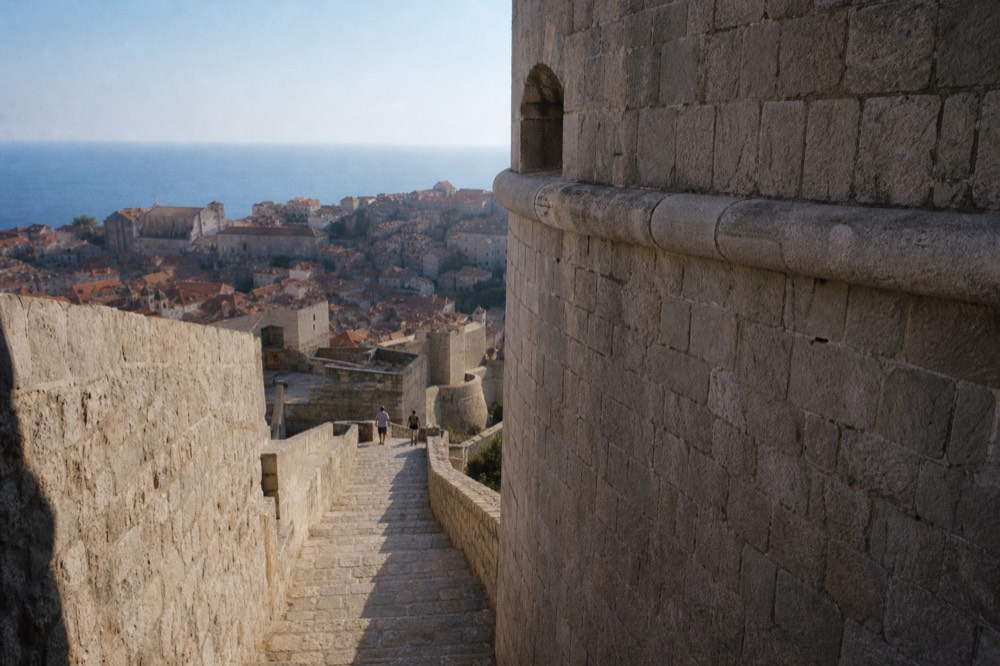
Minčeta Tower is the northernmost fortress of the Dubrovnik city walls, standing at the highest point of the landward defenses. The tower is a massive round structure built on the site of an earlier square fort. It is part of the 1,940-metre walls circuit and is entered directly from the walkway, which climbs to its upper terrace through a narrow internal staircase.
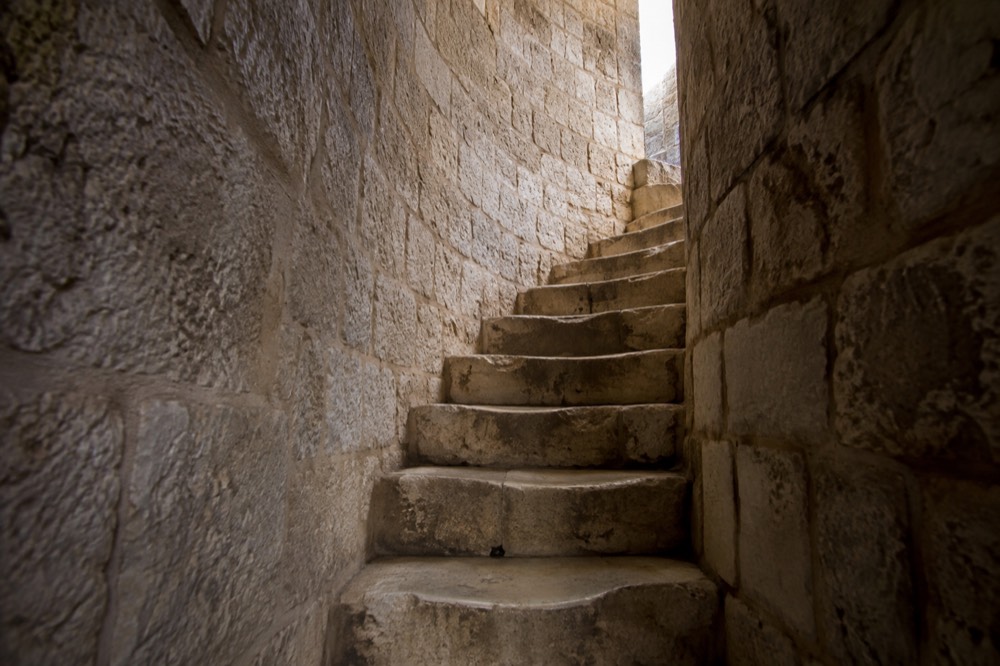
The tower's interior is not a museum, but the climb to the top is the main event. A tight stone staircase winds inside the wall, emerging onto a wide parapet where you can look straight down into the Old Town streets and across the rooftops to Lokrum Island. The tower gives you a better sense of the city's layout than any other viewpoint, because you can see both the seaward and landward sides at once. For a full breakdown of the complete circuit, read the Dubrovnik city walls guide which covers every fortress and bastion on the walk.
What Is the Club in the Walls Dubrovnik?
The nightclub inside the Dubrovnik city walls is Culture Club Revelin, and it is not in Minčeta Tower. It sits inside the Revelin Fortress, a separate fortification near the eastern entrance to the Old Town. Minčeta Tower is a historic viewpoint, not a venue, and it closes to visitors when the walls shut in the evening. The club inside the walls is a different structure entirely.
The confusion often comes from the fact that the city walls contain several large fortresses, and the phrase "club in the walls" can sound as though it sits up on the walkway itself. It does not. Culture Club Revelin operates inside the vaulted chambers of the Revelin Fortress, which was built to guard the Ploče Gate. The club has a separate entrance on the ground level and is a major nightlife destination during the summer, with international DJs drawing large crowds.
If you want to experience the nightlife, head to Revelin after your walk on the walls. During the day, the Revelin Fortress itself is sometimes open to visitors, but the walls circuit does not pass through it. The walkway connects the main landward fortifications, and Minčeta is the highest point on that route. The club and the tower are two different things, and they are about a five-minute walk apart inside the Old Town.
Is It Worth Doing the City Walls in Dubrovnik?
Walking the Dubrovnik city walls is the single most essential activity in the city, and it is worth the ticket price for the views alone. The circuit gives you a perspective that no street-level walk can match, and it passes through Minčeta Tower, Fort Bokar, and Fort Lovrijenac. The 40-euro main-season ticket may feel steep, but the experience is a two-hour immersion in the city's history and its most impressive views.
The walls are the reason Dubrovnik is a UNESCO World Heritage site, and the walk is the best way to understand the city's layout. From the walkway you can see the medieval street plan, the monasteries, the Rector's Palace, and the sea on three sides. The climb up Minčeta Tower is the highlight for many visitors, because the view takes in the entire Old Town and the mountains beyond. The walk is physically moderate, with many steps and several steep sections, and there are rest points and a few small kiosks for drinks.
The question of value is often really about whether the 40-euro ticket is worth it when you are already paying for so many other things in Dubrovnik. The answer is that the walls are the experience most people remember most clearly, and the alternative is seeing the city only from street level, which misses the drama of the fortifications and the sea views. If you are on a tight budget, the Dubrovnik Pass can make sense: the one-day pass costs the same 40 euro in main season and adds ten more sights plus a 24-hour bus ticket. That is a direct value win if you plan to visit a couple of museums after the walls.
Can I Walk the Dubrovnik City Walls?
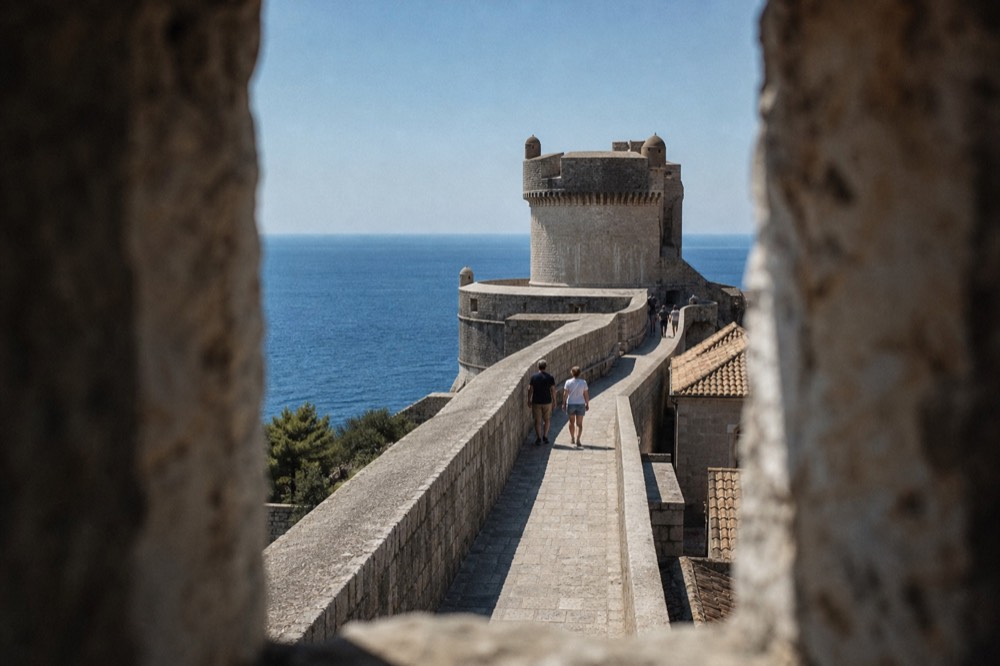
Yes, the Dubrovnik city walls are open to the public every day, and the full circuit is a one-way, counter-clockwise walk of about 1,940 metres. The walk is entirely on a paved stone path with guardrails, and it passes through several towers including Minčeta. The circuit is physically demanding, with many steps and no shade, but it is walkable for anyone with average fitness.
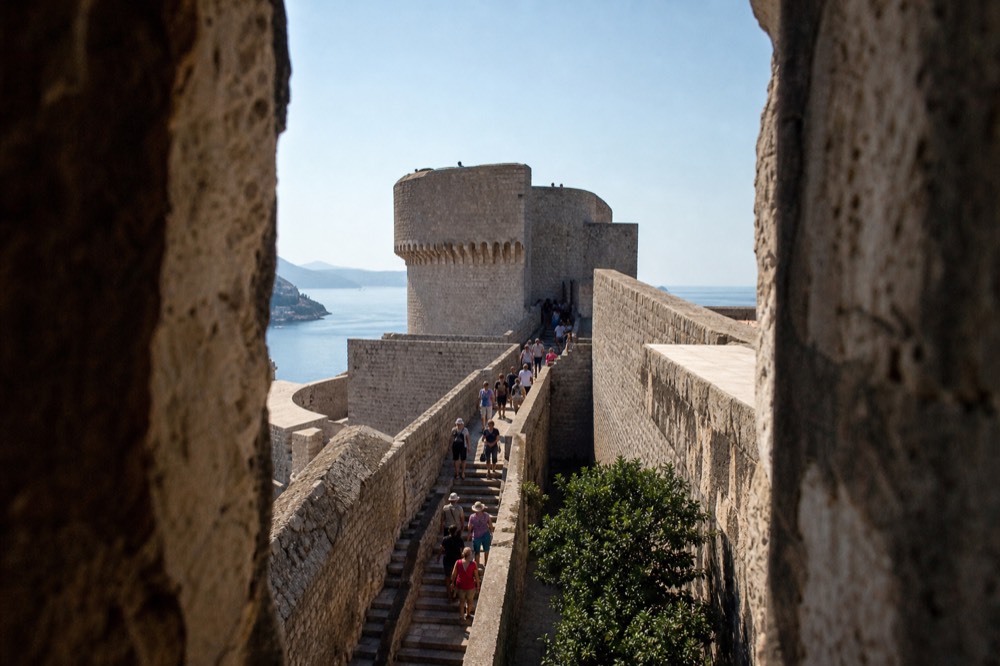
There is no shortcut or partial route: once you enter the walls at one of the three official entrances (Pile Gate, Ploče Gate, or the Maritime Museum entrance), you follow the circuit in one direction and exit at the same point. The walk takes most people between 90 minutes and two hours, depending on how often you stop for photos. The path is narrow in places, and it can be crowded in the middle of the day, especially in July and August.
The entrance at Pile Gate is the most common starting point, and that is the closest to Minčeta Tower. You climb a staircase just inside the gate and you are on the walkway within a few minutes. The tower comes early in the circuit if you start at Pile, so you hit the big climb while your legs are fresh. The operator's stated working hours are 08:00 to 19:30, and the ticket office closes about 30 minutes before the walls shut. Arrive early or late in the day to avoid the worst of the heat and the crowds.
Can I Walk the Walls of Dubrovnik for Free?
No, there is no free access to the Dubrovnik city walls. The ticket is required for everyone over the age of six, and there is no free day, no free hour, and no loophole that lets you walk the circuit without paying. The walls are operated by the Society of Friends of Dubrovnik Antiquities, and the ticket revenue funds the conservation of the fortifications.
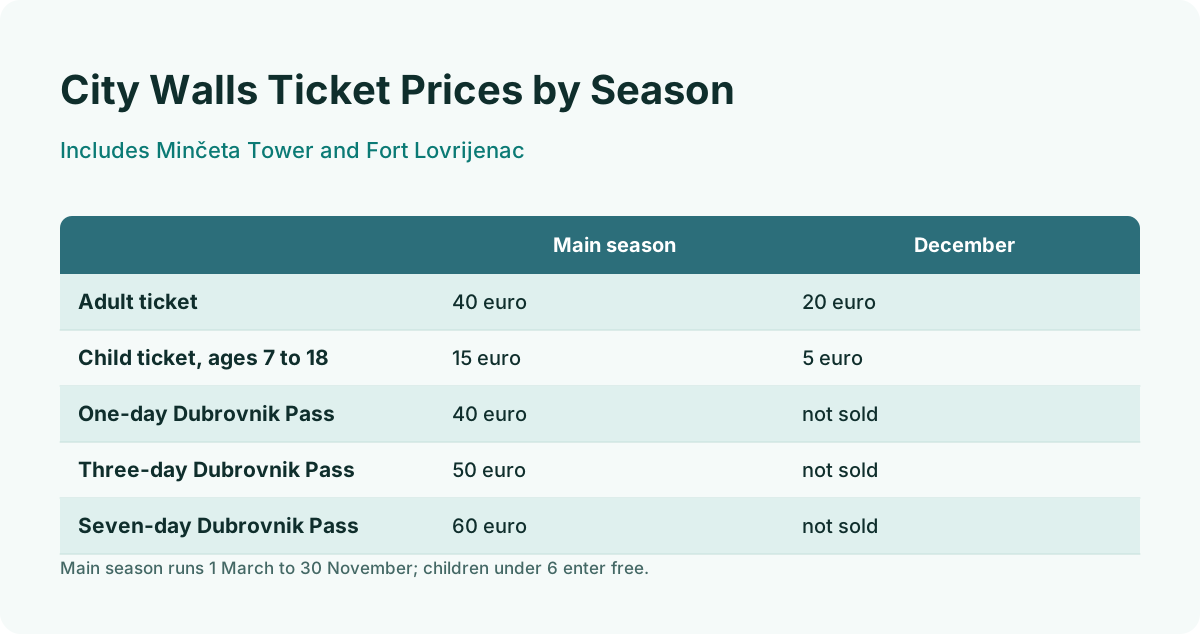
The adult ticket is 40 euro in the main season, which runs from 1 March to 30 November, and 20 euro in December. Children aged 7 to 18 pay 15 euro in the main season and 5 euro in December, and children under 6 are free. There is no family ticket, and no senior discount. The ticket is a single entry, and you cannot leave and re-enter the same day.
Some visitors ask whether the Dubrovnik Pass makes the walls free. It does not make them free, but it includes them in the pass price. A one-day pass costs 40 euro in main season, the same as the walls ticket, and adds ten more sights plus a 24-hour bus ticket. That is the closest thing to a free walls visit if you already planned to buy the pass. Outside the main season, the pass is not sold, and the walls ticket drops to 20 euro, so the economic equation changes. The Fort Lovrijenac guide covers the standalone fortress that is included with both the walls ticket and the pass.
How Much Does It Cost to Walk the Walls and Visit Minčeta Tower?
The standard city walls ticket, which includes Minčeta Tower and Fort Lovrijenac, costs 40 euro for adults during the main season from 1 March to 30 November. Children aged 7 to 18 pay 15 euro, and children under 6 enter free. In December, the adult price drops to 20 euro and the child price to 5 euro.
The ticket is a combination ticket for the walls and Lovrijenac Fortress, the standalone fort on the 37-metre sea rock just outside the western walls. You can visit the walls and Lovrijenac on the same ticket within a few days, but the walls themselves are a single entry. There is no separate ticket for Minčeta Tower, and no way to visit only the tower. The tower is part of the circuit, and entering the walls is the only way to see it.
The Dubrovnik Pass is the other way to pay. The one-day pass is also 40 euro in main season and includes the walls, Lovrijenac, and ten other cultural sites, plus a 24-hour bus ticket. The three-day pass is 50 euro, and the seven-day pass is 60 euro. If you plan to visit the Rector's Palace, the Maritime Museum, or the Franciscan Monastery Museum, the pass pays for itself quickly. All pass tiers include exactly one entry to each site, including the walls.
| Ticket | Main Season (1 Mar to 30 Nov) | December |
|---|---|---|
| Adult | 40 euro | 20 euro |
| Child 7 to 18 | 15 euro | 5 euro |
| Child under 6 | free | free |
What Can You See from Minčeta Tower?
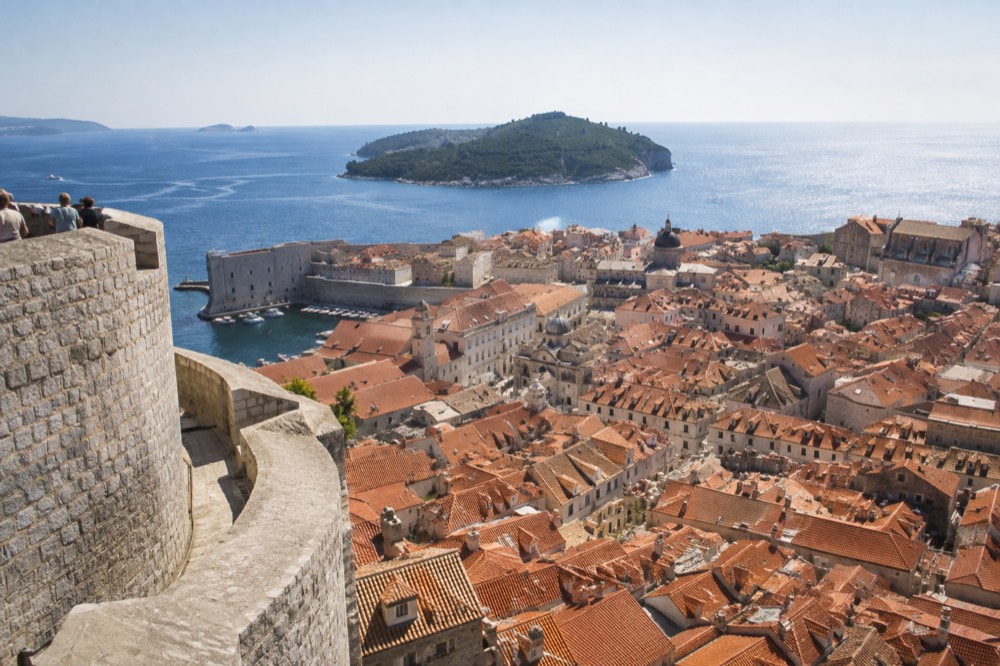
From the top of Minčeta Tower you can see the entire Old Town of Dubrovnik, the island of Lokrum, the open Adriatic, and the mountains of the Dalmatian hinterland.
The view from Minčeta is different from the view from the cable car on Mount Srđ, because you are still inside the city rather than looking down on it from a distance. From the tower you can trace the line of the Stradun, pick out the domes of the Cathedral and the Jesuit Church, and watch the boats coming into the Old Port. The seaward side shows the walls dropping down to the water, with Fort Bokar and Fort Lovrijenac below you. The landward side looks over the newer neighbourhoods and the car park near Pile, which is a reminder of how tightly the Old Town is squeezed between the sea and the hills.
Photographers usually prefer the tower in the late afternoon, when the sun is behind you and the light is warm on the rooftops. The morning light is harsher, but the crowds are thinner, and the climb is cooler. The tower platform is open to the sky, and there is no shelter, so a hat and water are essential in summer.
Should You Combine the Walls with a Guided Tour?
A guided tour is not required to walk the walls, but a guide transforms the experience from a scenic walk into a history lesson. The small-group combo tours that cover the Old Town and the walls, including Minčeta, are the most efficient way to understand what you are looking at. The standard self-guided walk gives you views, but a guide gives you context.
The walls are well signposted, and the path is straightforward, so you will not get lost. But the stories behind the fortifications are not on any sign. A guide can explain why the walls are shaped the way they are, how the Republic of Ragusa used diplomacy as much as stone to survive, and what the various towers were built to defend against. The combo tours that include the Old Town walking portion before the walls give you a grounding in the city's layout before you climb up, which makes the aerial view more meaningful.
The guided option also handles the practical side: the guide knows the best entrance, the quietest time to start, and how to pace the walk so you are not rushed. The combo tour that includes the Old Town and the walls is a 3.5-hour experience, and the live listing shows it rated 4.8 across 1,183 reviews. You can Check availability on the live listing.
How Long Does the Walls Circuit Take?
The full circuit of the Dubrovnik city walls, including the climb up Minčeta Tower, takes most visitors between 90 minutes and two hours. The distance is 1,940 metres, and the walk includes several steep sections with many steps. The pace is slow because of the views and the narrow walkway, and you should allow extra time for photos and rest stops.
The circuit is one-way, and you cannot turn back or cut the walk short without exiting. The distance is not especially long, but the constant up and down, plus the heat in summer, makes it feel longer than a flat walk of the same length. There are no benches on the walkway itself, but there are a few wider spots where you can step aside and catch your breath.
The walk is usually done in the morning or late afternoon, because the midday sun is punishing and the stone radiates heat. The walls open at 08:00, and the first hour is the quietest. If you start at 08:00, you can finish the circuit before the cruise crowds arrive, which is a real advantage. The counter system at the entrances shows that by 09:00 the number of people inside the Old Town has already climbed to 7,297 on a typical day.
| Segment | Approximate Time | Notes |
|---|---|---|
| Pile Gate to Minčeta Tower | 10 to 15 minutes | Steady climb, the first big view |
| Minčeta to Ploče Gate | 30 to 40 minutes | Sea views, passes Fort Bokar |
| Ploče Gate to Maritime Museum | 20 to 25 minutes | Harbour side, flatter section |
| Maritime Museum to Pile Gate | 20 to 30 minutes | Inland side, finishes at the starting point |
What Are the Best Times to Visit the Walls?
The best time to walk the Dubrovnik city walls is at 08:00, when the gates open, or in the late afternoon after 16:00, when the heat begins to fade and the light is golden. The worst time is between 10:00 and 14:00, when the walls are busiest and the sun is at its strongest. The cruise passenger schedule is the other factor to watch, and the numbers are highest in September and October.
The walls are open from 08:00 to 19:30, and the ticket office stops selling about 30 minutes before closing. The early morning is the sweet spot: the air is cool, the light is clean, and the crowds are thin. The six counters at the Old Town entrances show that the number of people inside the walls rises rapidly after 08:00, from 1,725 at 06:00 to 5,419 by 08:00 and 7,297 by 09:00. If you start at 08:00, you are ahead of that curve.
The cruise schedule is the other major variable. The Port Authority limits cruise passengers to 8,000 per day in most cases, and 461 calls are scheduled for 2026. The busiest cruise months in 2025 were September with 101,246 passengers and October with 100,132, both exceeding July at 96,072 and August at 87,385. That means the walls are often busier in the autumn than in the peak summer, which is a useful piece of local knowledge. On a day with multiple ships in port, the walls can feel crowded even in the late afternoon, so checking the cruise schedule is worth the effort.
How Does the Walls Ticket Compare to the Dubrovnik Pass?
The 40-euro walls ticket and the 40-euro one-day Dubrovnik Pass are the same price in the main season, but the pass includes ten additional sights and a 24-hour bus ticket. If you plan to visit at least one more museum, the pass is the better deal. The pass also includes Lovrijenac Fortress, which is part of the walls ticket anyway.
The pass covers the Rector's Palace, the Maritime Museum, the Ethnographic Museum, the Franciscan Monastery Museum, the Museum of Modern Art, and several other cultural sites. A single entry to the Rector's Palace costs 15 euro, so the pass pays for itself if you visit the walls and the palace. The three-day pass at 50 euro and the seven-day pass at 60 euro add suburban bus coupons and House Bukovac in Cavtat, which is useful if you are staying longer.
The pass is sold only in the main season, from 1 March to 30 November, and there is no winter pass. In December, the walls ticket drops to 20 euro, and the pass is not available, so the pass-versus-ticket comparison only applies during the main season. The pass is a single entry to each site, including the walls, so you cannot walk the walls twice on the same pass.
| Pass Duration | Price (Main Season) | Includes |
|---|---|---|
| 1 Day | 40 euro | Walls, Lovrijenac, 10 more sights, 24h bus |
| 3 Days | 50 euro | Same plus suburban bus coupons, House Bukovac |
| 7 Days | 60 euro | Same as 3-day, longer validity |
What Else Should You Know Before You Walk the Walls?
A few practical things make the walls walk easier: wear trainers, not flip-flops, bring a bottle of water, and use the toilet before you enter, because there are no facilities on the walkway. The walls are one-way, and the stairs are uneven, so a reasonable level of fitness is required. The walk is not suitable for pushchairs or wheelchairs.
The walls are exposed to the sun for most of the circuit, and there is very little shade. A hat, sunglasses, and sunscreen are essential, even in the spring and autumn. The stone can be slippery after rain, and the steps are worn smooth in places, so take your time. There are a few small kiosks selling drinks on the walkway, but they are not always open, and the prices are high.
The walk is not recommended for anyone with a fear of heights, because the walls are up to 25 metres high and the guardrails are not always solid. Children need to be closely supervised, especially near the edge. The walk is physically demanding, and the many steps are a genuine workout, but the rewards are the views and the sense of walking through a living fortification. The official City Walls page has the latest details on hours and any closures.
Common Questions About Minčeta Tower and the Dubrovnik City Walls
Is There a Nightclub Inside the City Walls?
Yes, but it is not in Minčeta Tower. Culture Club Revelin operates inside the Revelin Fortress near the Ploče Gate, and it is a separate venue not connected to the walls walkway. Minčeta Tower is a historic viewpoint and is not open at night.
Is It Worth Doing the City Walls in Dubrovnik?
Yes, walking the walls is the most rewarding activity in Dubrovnik. The views are unmatched, and the circuit passes through Minčeta Tower and several other fortifications. The 40-euro main-season ticket is worth it for the experience and the photo opportunities.
Can I Walk the Dubrovnik City Walls?
Yes, the walls are open daily, and the full circuit is a one-way, counter-clockwise walk of about 1,940 metres. The walk takes most people between 90 minutes and two hours, and it is accessible to anyone with average fitness, though the many steps make it physically demanding.
Can I Walk the Walls of Dubrovnik for Free?
No, there is no free access to the walls. The ticket is required for everyone over six, and the adult price is 40 euro in the main season and 20 euro in December. The Dubrovnik Pass includes the walls at no extra cost if you buy the pass.
How Long Does the Walls Walk Take?
Plan for at least 90 minutes to two hours, depending on your pace and how often you stop. The distance is 1,940 metres, and the circuit includes several steep staircases and narrow sections that slow the flow of people.
What Is the Best Time to Walk the Walls?
The best time is at 08:00 when the gates open, or after 16:00 when the heat and crowds begin to ease. Check the Dubrovnik Port Authority cruise schedule, as the busiest months are September and October.