Best Things to Do in Dubrovnik: A Local Specialist's Shortlist
Dubrovnik packs a walled medieval city, an island nature reserve, swimmable sea and a stack of filming locations into a town of 41,562 people. Here is what is genuinely worth your time, and what to skip.
Short answer
Walk the 1,940-metre city walls early, wander the Old Town with a guide, ride the cable car up Mount Srd for the 405-metre panorama, take a boat to Lokrum or the Elaphiti Islands, and swim from Banje or a quiet bay. The walls ticket is 40 euro in main season; the one-day Dubrovnik Pass costs the same and adds ten more sights.
Dubrovnik is small enough to walk across in twenty minutes and rich enough to fill four days without repeating yourself. The walled Old Town, a UNESCO World Heritage Site inscribed in 1979, covers just 24.7 hectares, yet inside and around it sit a fortress on a 37-metre sea rock, a cable car that lifts you 367 metres up Mount Srd, a forested island ten minutes off the harbour, and some of the cleanest swimming water on the Adriatic. I have been guiding travellers through these streets since 2015, and the honest shortlist is shorter than most guidebooks suggest: the walls, the Old Town itself, the panorama from Srd, the sea, and one good day trip. Everything else is seasoning.
This page walks through each of those in the order I would plan them, with real prices, crowd timing drawn from the city's own counting system, and a frank section on what not to do. If you want the full menu of attractions first, the attractions and landmarks overview covers the secondary sights, and one day in Dubrovnik itineraries compress all of this into a single visit.
What Are the Best Things to Do in Dubrovnik?
The five experiences that define a Dubrovnik visit are the 1,940-metre city walls circuit, a guided walk through the Old Town, the cable car to the 405-metre Mount Srd station, a boat out to Lokrum or the Elaphiti Islands, and swimming off a beach or a kayak. Everything else, museums, Game of Thrones spots, viewpoints, is a supporting act to those five, and two or three days covers them comfortably.
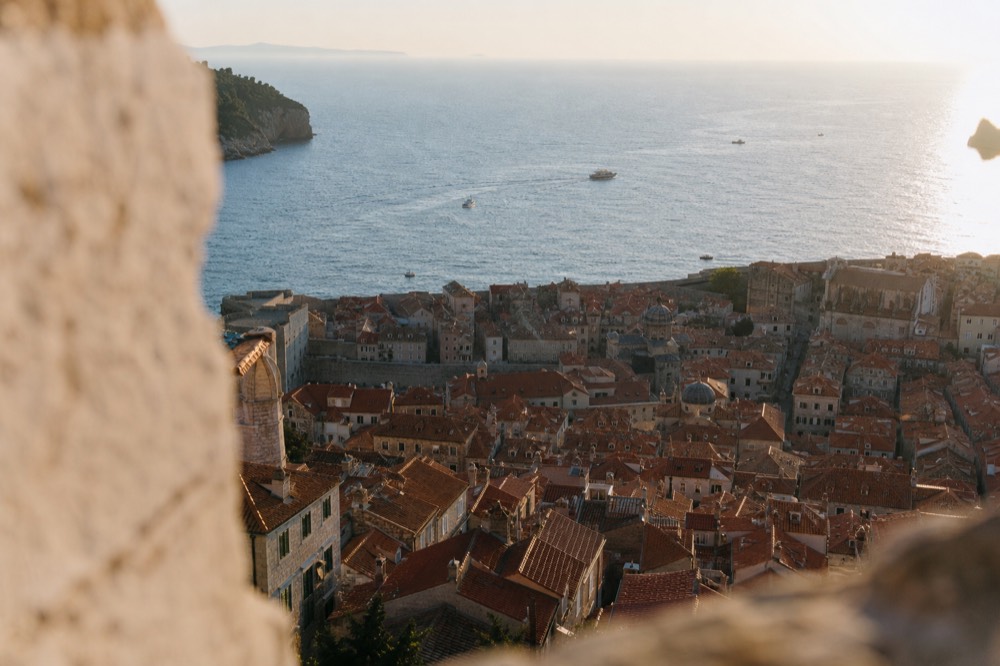
The order matters more than the list. The walls are best at opening time, before the midday sun turns the stone into a griddle and the cruise-day crowds arrive; the counters at the Old Town gates recorded 5,419 people at 08:00 on a September morning, rising to a 7,739 peak at 10:00. The cable car is best late afternoon, when the light goes gold across the Elaphiti chain. Boats fill up first in high season, so they are the thing to book before you arrive, and the Old Town walk works on any evening once the day-trippers have gone.
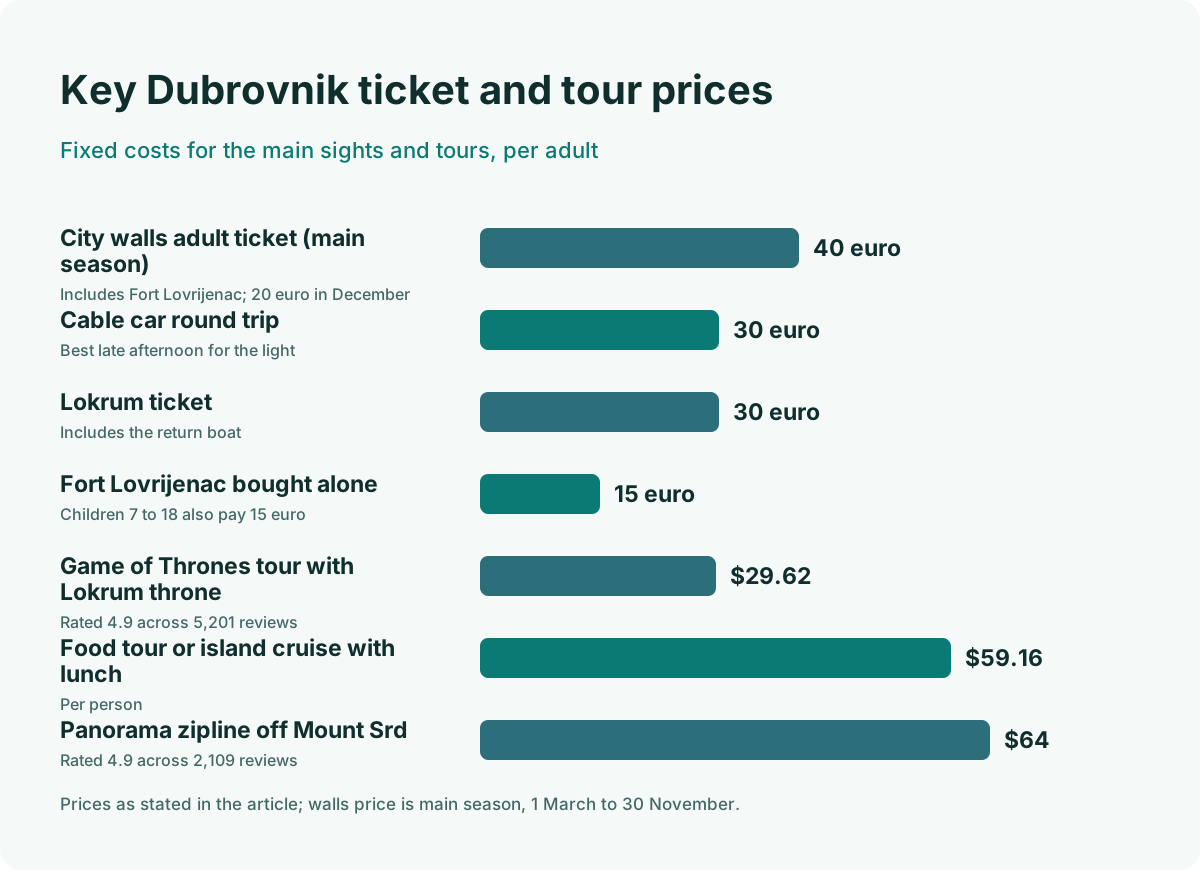
Budget-wise, the big fixed costs are the walls ticket at 40 euro per adult in main season, 1 March to 30 November, the cable car at 30 euro round trip, and a Lokrum ticket at 30 euro including the return boat. A food tour or an island cruise with lunch runs from $59.16 per person. You can do Dubrovnik expensively or modestly; what you cannot do is do it cheaply and lazily at the same time, because the two most famous experiences, the walls and the sea, reward early starts.
For planning depth on timing, the best time to visit guide breaks the year down month by month, and the crowd question deserves its own section below, because the busiest month in Dubrovnik is not the one most people expect.
How Do You Tackle the City Walls and the Old Town?
Walk the walls first, early, in the direction that puts the sea on your right from the Pile entrance, then spend the rest of the morning in the streets below with a guide. The walls circuit is 1,940 metres long, up to 25 metres high, and takes most people about two hours; the adult ticket is 40 euro in main season and that price already includes Fort Lovrijenac.
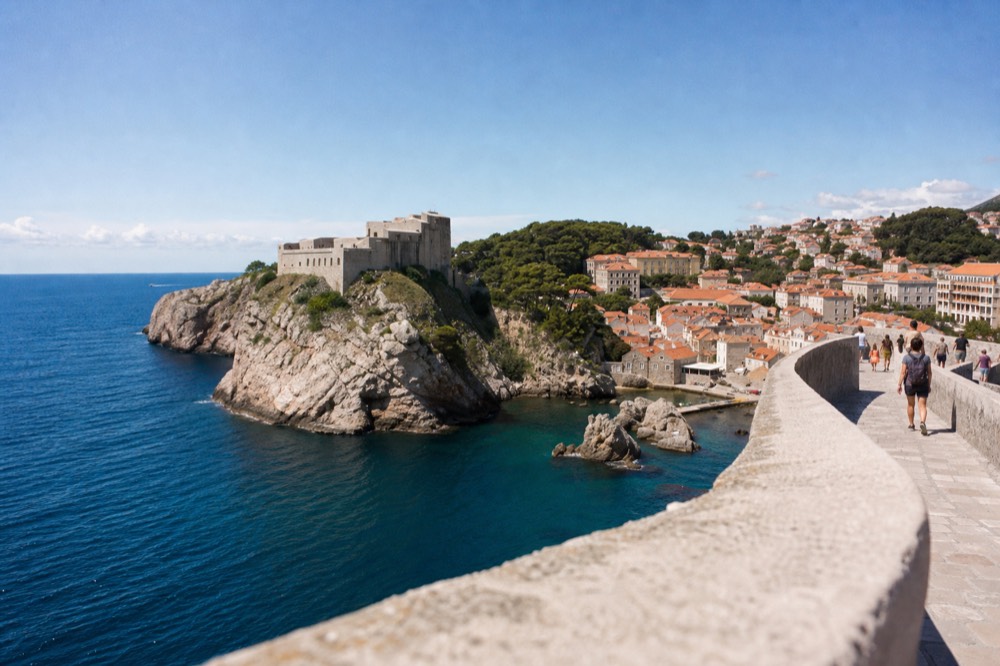
The walls are the single best thing in Dubrovnik and the single most misplanned. The operator's stated hours are 08:00 to 19:30, and the first hour is a different experience from the fourth: cooler, quieter, and with the light raking across the terracotta rather than flattening it. There is no shade up there, none at all, so in July and August the 08:00 start is not advice, it is self-preservation. Bring water; there is a kiosk near the highest point but the queue tells its own story.
The ticket structure confuses people, so here it is plainly. The 40-euro adult ticket is a combination: the walls plus Fort Lovrijenac, the standalone fortress across the bay, plus the Western Outer Wall and the Collection of Coins of the Republic of Ragusa. Lovrijenac bought alone is 15 euro. Children 7 to 18 pay 15 euro, under 6s are free, and there is no family ticket, the operator sells exactly two paid ticket types. In December the adult price drops to 20 euro.
| Ticket | Main season (1 Mar to 30 Nov) | December |
|---|---|---|
| Adult, walls + Lovrijenac | 40 euro | 20 euro |
| Child 7 to 18 | 15 euro | 5 euro |
| Child 6 and under | free | free |
| Lovrijenac alone | 15 euro | 15 euro |
One wrinkle worth knowing: the one-day Dubrovnik Pass costs the same 40 euro in main season and includes the walls plus ten more sights and a 24-hour bus ticket, so in season it is almost never wrong. That equivalence is a main-season fact only: in December the walls ticket halves to 20 euro and no winter pass tier is on sale at all. The Dubrovnik Pass guide works through the maths in detail.
Below the walls, the Old Town rewards a guide more than almost any city I know, because the streets look like a film set and behave like a palimpsest. The Stradun, the limestone main street, is 298 metres long, and the plan of the city and its main street was fixed by the Statute of 1272. A good guide turns blank facades into stories in ninety minutes. The full walking tours comparison covers the alternatives, including three free, pay-what-you-want walks on GuruWalk, which cost nothing up front and are genuinely good for orientation.
If you would rather combine the two headline experiences in one morning, a 2-hour City Walls walk from $29.58 per person, rated 4.8 across 1,387 reviews, covers the circuit with the fortifications explained rather than just admired, and there is a 3 hour 30 minute combo that adds the Old Town streets for from $50.94. One verified guest on the walls walk put it well:
This well organized tour helped put Dubrovnik's past (and present) into perspective. It's incredible that the city walls have withstood the test of time. Antun was a wonderful guide.
linda_a
What Are Some Quirky Things to Do in Dubrovnik?
The quirky side of Dubrovnik includes drinking at Buža, the bar clinging to the seaward cliff face outside the walls, hunting the Game of Thrones filming spots, riding the Mount Srd zipline, exploring the abandoned Kupari hotel complex, and visiting the Franciscan Monastery's pharmacy, one of the oldest in Europe. These are the experiences people remember and photograph, and most cost little or nothing.
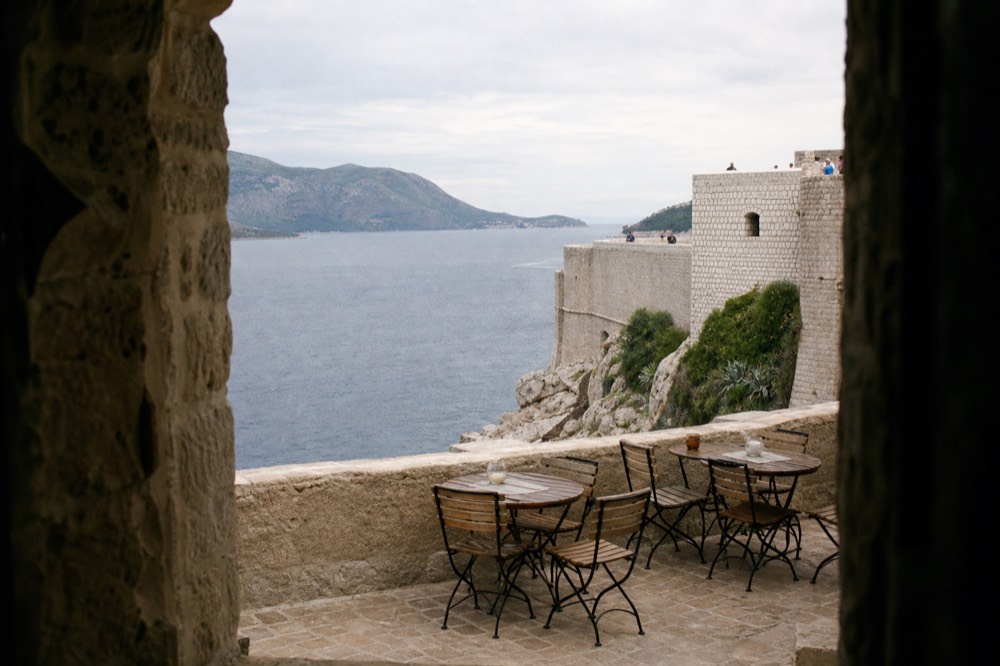
Buža is the classic. You pass through a hole in the wall, literally a doorway signed nothing more than a hint, and suddenly you are on a limestone ledge above open sea with a cold drink and nowhere to be. Sunset is the famous hour and it gets crowded, but mid-afternoon it is often near-empty. The Buža bar guide covers the details, including the second, quieter Buža most visitors never find.
The Game of Thrones layer is the other big quirky draw, and it is bigger than most visitors realise: the Pile Gate, the Lovrijenac fortress, the Jesuit Staircase and the Dominican Monastery steps all appear in the series, and the filming locations guide maps them all. A dedicated GoT tour with the Lokrum throne option runs from $29.62 per person, rated 4.9 across 5,201 reviews, and there is a free Game of Thrones and history walk on GuruWalk, rated 4.74 across 444 reviews, if you want the locations without the price tag.
For something with adrenaline, the panorama zipline from $64 per person, rated 4.9 across 2,109 reviews, runs off Mount Srd with the whole city below you. For something quieter and stranger, the abandoned Kupari hotel complex a short ride up the coast is a haunting relic of the Yugoslav-era Riviera, and the hidden gems guide lists more corners like it. The quirky things to do roundup goes deeper on this list.
What Not to Do in Dubrovnik?
Do not drive into the Old Town, it is car-free and the parking outside is scarce and expensive; do not walk the walls at midday in summer; do not eat on the Stradun's main drag at peak hours expecting value; do not expect a quiet visit on a big cruise day; and do not buy a Dubrovnik Pass in December, when no pass tier is on sale and the walls ticket costs 20 euro on its own.
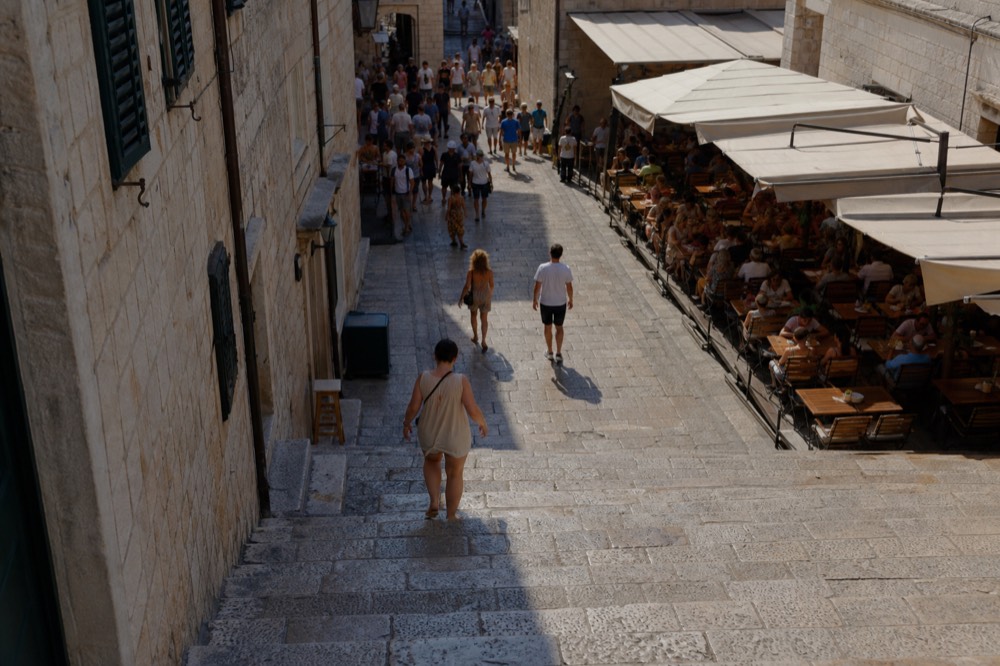
The driving point first, because it costs people real money. The walled city has no cars, the parking around Pile and Ploče fills early, and the fines for creative parking are not gentle. The parking guide explains the realistic options, but the short version is: stay outside the walls or arrive by bus and do not fight it. Similarly, if you are arriving on a cruise, the cruise port to Old Town guide saves a lot of confused walking with luggage.
The midday walls walk deserves repeating because it is the most common mistake I see from my window onto the Pile Gate. There is no shade on 1,940 metres of stone, the operator's stated hours run to 19:30, and in July and August the surface heat is brutal by 11:00. Go at 08:00 or after 17:00. The same logic applies to the cable car queue, which is longest exactly when the view is haziest.
| Common mistake | Why it backfires | Do this instead |
|---|---|---|
| Driving to the Old Town | Car-free core, scarce paid parking | Bus to Pile or stay within walking distance |
| Walls at midday in summer | No shade anywhere on the circuit | Enter at 08:00 or after 17:00 |
| Main-street restaurants at peak | Highest prices, fastest tables | Side streets in [where locals eat territory](/answers/where-do-locals-eat-in-dubrovnik/) |
| Pass in December | No winter pass tier on sale | Buy the 20-euro walls ticket |
| Booking nothing in July and August | Boats and tours sell out days ahead | Reserve the boat day before you fly |
On money: Dubrovnik is genuinely expensive, and pretending otherwise helps nobody. The trip cost guide has the honest per-day numbers. What you can control is where the money goes: a picnic from the Gruž market eaten on a wall terrace beats a mediocre sit-down lunch on the Stradun at double the price.
When to Avoid Dubrovnik?
Avoid Dubrovnik on the biggest cruise days in September and October, when up to several thousand cruise passengers are scheduled ashore on top of the regular visitors, and avoid the midday crush between 10:00 and 13:00 on any day. Counter-intuitively, cruise volume peaked in September 2025 at 101,246 passengers, above July's 96,072 and August's 87,385, so late summer is busier than high summer.
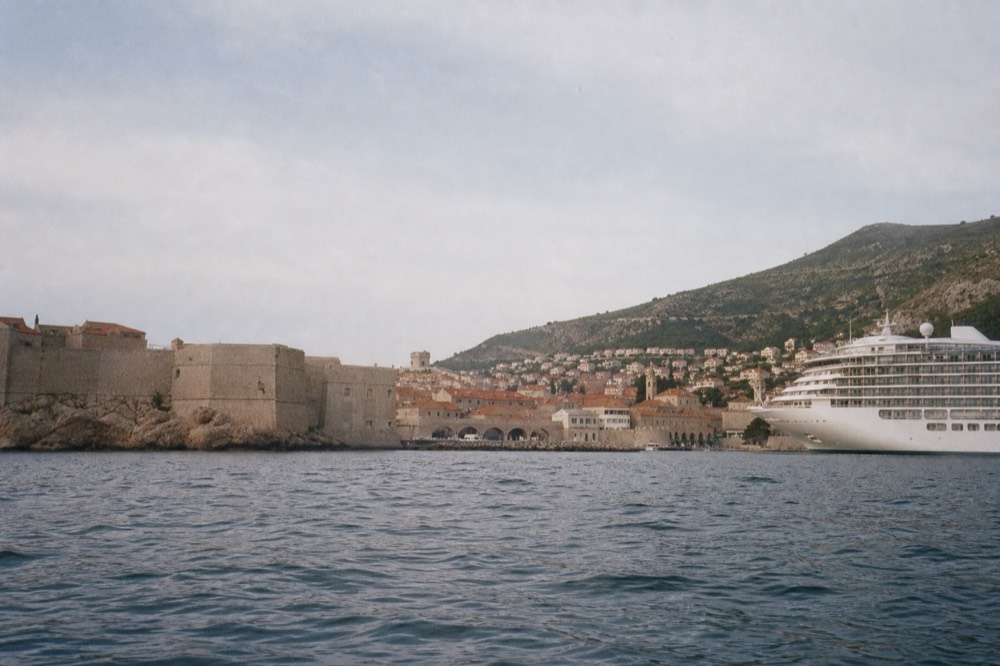
That September and October peak is the single most useful fact on this page, and almost nobody plans around it because everyone assumes July and August are the crush months. The Port Authority's own figures show cruise passengers in 2025 hitting 101,246 in September and 100,132 in October, ahead of July's 96,072 and August's 87,385, with a full-year total of 625,257 against 582,499 the year before. The season is shifting later, and the Dubrovnik in October guide covers what that month is actually like: warm sea, long light, and the busiest quays of the year.
| Month, 2025 | Cruise passengers | Character of the month |
|---|---|---|
| July | 96,072 | Hottest, busiest hotels, long queues |
| August | 87,385 | Peak family travel, warmest sea |
| September | 101,246 | Busiest cruise month of the year |
| October | 100,132 | Second busiest, golden light |
The city manages this rather than surrendering to it. Six counters at every Old Town entrance update a headcount every 15 minutes, and the official carrying capacity from the UNESCO assessment is 11,275 people. The Port Authority limits cruise passengers to 8,000 a day in most cases, and of 243 cruise days a year only 18 exceed 8,000, with only 4 above roughly 10,000; about forty call requests were refused in a single season. So the crush is real but bounded, and the half-hourly curve on a September day tells you when to strike: 3,139 people at 07:00, 5,419 at 08:00, a 7,739 peak at 10:00, easing to 7,205 by 11:00. Before 09:00 the town is yours.
If your dates are fixed, the workaround is rhythm rather than avoidance: do the walls and the Old Town before 09:00, get on a boat for the late morning when the streets are fullest, and return for the evening when the day-trippers have sailed. If your dates are flexible, May, June and late April give you warm stone, swimmable-ish water and a fraction of the footfall, and the Dubrovnik in May guide makes the case in detail.
Is Dubrovnik Good for Beaches?
Yes, though not in the long sandy sense: Dubrovnik's beaches are mostly stone, concrete and pebble, with spectacular clear water in exchange. Banje sits beneath the walls with the Old Town behind you, Sveti Jakov offers the best view-and-swim combination, and the Lapad bay beaches are the family-friendly option; the sea averages 23.6 degrees in September on the long-run NOAA series.
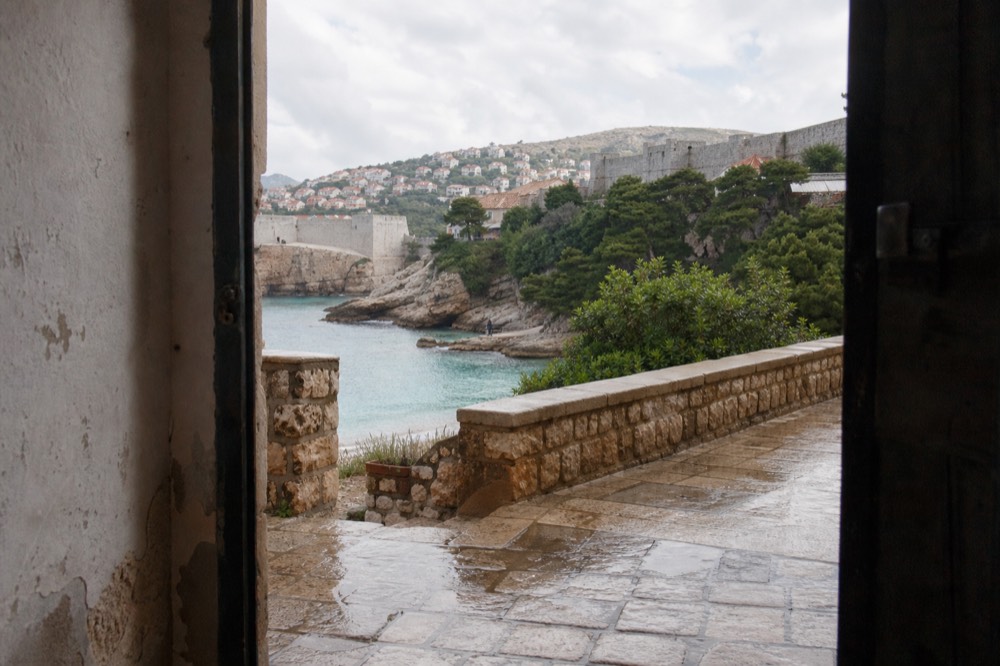
Set expectations honestly. This is not a sandy Riviera; it is a limestone coast where you share flat rocks with towels and the water is astonishingly clear because there is no sand to stir. Water shoes earn their price on day one. The swimming season is real, though: the long-run monthly averages from NOAA's 1991 to 2020 series put June at 22.5 degrees, July 24.9, August 25.8 and September 23.6, and those are open-water grid-cell averages, not beach readings, with sheltered bays running warmer; the Croatian met service's Dubrovnik buoy read 27.0 to 27.4 degrees on a day in early September against that 23.6 monthly mean. The swimming season guide has the month-by-month table.
| Beach | Surface | Best for | Trade-off |
|---|---|---|---|
| Banje | Pebble and concrete | Old Town proximity, the classic photo | Busy, priced for the view |
| Sveti Jakov | Pebble | The best panorama of the walls | A steep walk down and back up |
| Lapad bay | Pebble and sand patches | Families, easy facilities | A bus ride from the walls |
| Copacabana, Babin Kuk | Pebble and concrete | Water sports, sunset | Feels like a resort strip |
The best swim of most visits is not from a beach at all but from a kayak. Paddling around the walls to the Betina Cave sea cave, with a swim stop inside, is the way to see the city from the one angle walkers never get. The two-hour kayak tour of Lokrum Island and Betina Cave runs from $35.49 per person, rated 4.9 across 1,518 reviews, and the kayaking guide compares it with the longer day and sunset paddles.
One verified guest on that exact route described it this way:
Loved this kayaking experience. Had an amazing time as a family and enjoyed the swimming break at Betina Cave very much. The views were amazing, water was crystal clear, the guide was excellent and we learnt a lot about Dubrovnik.
Imara_D
What About the Islands and Day Trips?
Lokrum is the easy island win, a 30-euro ticket covering reserve entry and the return boat with departures from the City Harbour at 09:00 and then every 15 minutes from 10:00 to 18:00. For a full day, the Elaphiti Islands cruise with lunch from $59.16 per person is the most-reviewed trip on the roster, and Mostar, Montenegro and Korcula are the big mainland day trips.
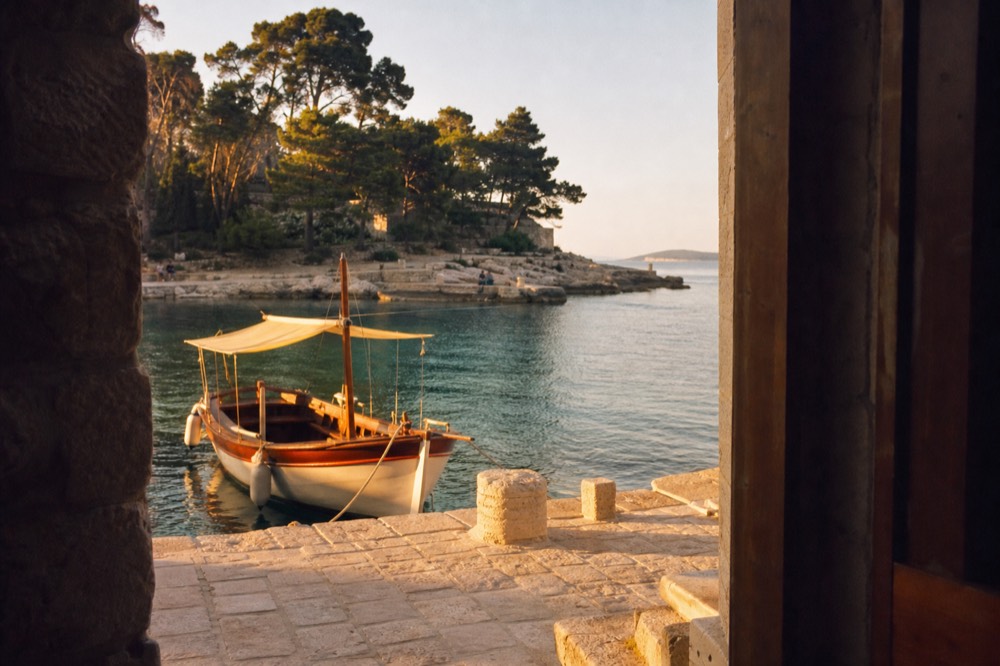
Lokrum first, because it is the one people underestimate. The forested reserve a short sail from the Old City Port has peacocks, a botanical garden, a Benedictine monastery ruin, a rocky swimming coast and the Iron Throne from the Game of Thrones shoot. The 30-euro ticket covers both entry and the boat, whether you use the official boat or your own transport, the ticket office at Luža works 08:00 to 18:00, and a ticket stays usable for three days. The Lokrum Island guide covers how long to give it, and the Lokrum ferry guide handles the schedule questions.
The Elaphiti cruise is the classic full-day escape: eight hours, three islands, a fish-picnic lunch, and the most-reviewed product in the city at 4.9 across 10,312 reviews.
Beyond the sea, the three headline day trips are Mostar and Kravica in Bosnia and Herzegovina, from $35 per person, Montenegro's Bay of Kotor, from $58, and Korcula with a Ston oyster stop, from $81.69. All three involve border crossings, so carry your passport and expect queues in peak weeks; one recent guest on the Montenegro trip reported a border crossing of only 15 minutes in September, which is the good end of the range. The day trips guide compares all of them, including the Mljet National Park boat tour from $153.99 for the quiet-island alternative.
| Trip | Duration | From, per person | Rating |
|---|---|---|---|
| Mostar and Kravica waterfalls | about 11 hours | $53.19 | 4.8 across 1,254 reviews |
| Montenegro day trip | about 11 to 12 hours | $58 | 4.4 across 5,611 reviews |
| Ston and Korcula with wine tasting | about 11 hours | $81.69 | 3.8 across 131 reviews |
| Mljet National Park and 3 islands | about 10 hours | $153.99 | 4.9 across 397 reviews |
How Do You Fit It All Together, and What Should You Actually Book?
Book three things before you arrive: your island boat day, the cable car if you want a sunset slot, and a guided walk. Do the walls on your first morning at 08:00 with a ticket bought online, keep one afternoon unplanned for the beach or Buža, and leave the day trip for the day with the best forecast.
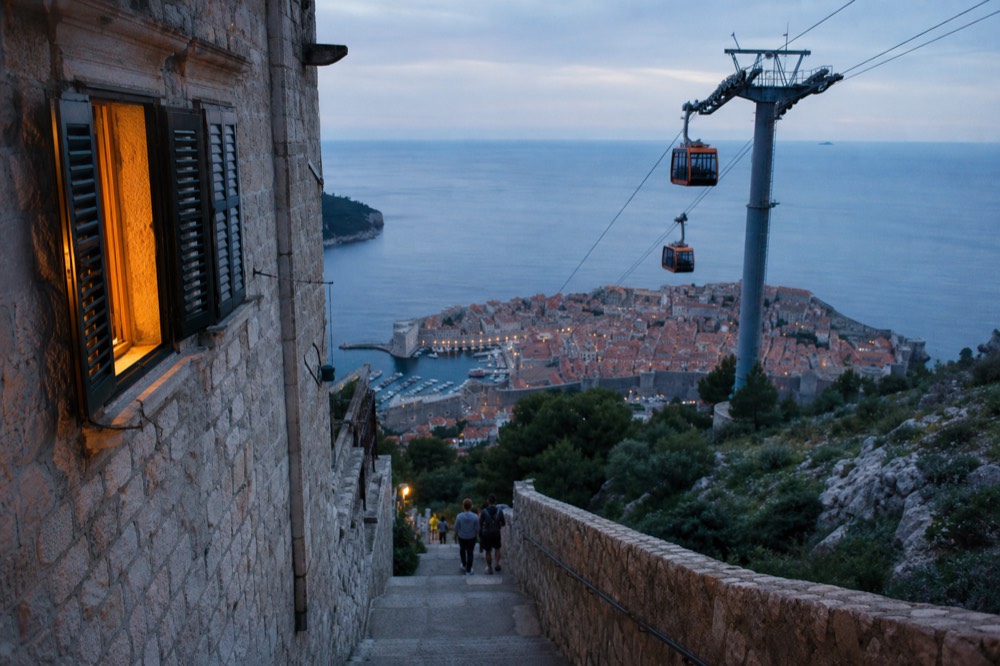
The booking order matters because things sell out in a specific sequence. The sunset cable car rides go first in summer, then the island boats, then the small-group walks. The cable car costs 30 euro round trip for an adult, rises 367 metres in 3 minutes 30 seconds, and is best ridden in the last two hours of daylight. Built in 1969, the two cabins climb a 778.2-metre track from the lower terminal at 38.0 metres to the Mount Srd station at 405.0 metres, and the operator claims a view range of up to 60 km on a clear day. Prices are 30 euro adult round trip, 17 euro one way, 8 euro round trip for children 4 to 12, and under 4s ride free; the service is closed January to March and runs to midnight in June, July and August. The cable car guide and the cable car tickets guide cover the timing decisions in detail.
For a first visit of two or three days, the shape that works is: day one, walls at 08:00 followed by a guided Old Town walk and an evening at Buža; day two, the Elaphiti cruise or Lokrum with a swim; day three, the cable car late afternoon and a food tour in the evening, the three-hour food and drink walk from $165.64 is rated a perfect 5 across 704 reviews. If you have four days or more, add a Mostar or Montenegro day trip and a beach morning. The how many days guide helps you size the stay, and the three-day itinerary sequences all of this hour by hour.
For anyone who wants the panorama without the climb, the hop-on hop-off yellow bus with audio guide runs from $35.46 per person, rated 4.9 across 1,147 reviews, and loops the key viewpoints including the Srd approach. Whatever you choose, the honest summary from years of watching visitors get it right and wrong is simple: go early, get on the water at least once, and spend your evenings inside the walls after the crowds have gone, because that is when Dubrovnik stops performing and starts being itself. That is the whole idea behind Things to Do in Dubrovnik as a site, and it is the reason this shortlist is short.
Common Questions About the Best Things to Do in Dubrovnik
What Are Some Quirky Things to Do in Dubrovnik?
Drink at Buža, the bar perched on the cliff outside the walls, hunt the Game of Thrones filming spots from the Pile Gate to the Jesuit Staircase, ride the Mount Srd zipline from $64 per person, wander the abandoned Kupari hotel complex, and visit the Franciscan Monastery's pharmacy, one of the oldest in Europe. A free Game of Thrones and history walk on GuruWalk, rated 4.74 across 444 reviews, covers several of these at no fixed price.
What not to do in dubrovnik?
Do not drive to the Old Town, it is car-free with scarce parking. Do not walk the walls at midday in summer, there is no shade on the whole 1,940-metre circuit. Do not eat on the Stradun at peak hours expecting value, and do not buy a Dubrovnik Pass in December, when no pass tier is on sale and the walls ticket costs 20 euro on its own.
When to Avoid Dubrovnik?
Avoid the biggest cruise days in September and October, when cruise volume actually peaks: 101,246 passengers in September 2025 and 100,132 in October, above July and August. On any day, avoid the Old Town between 10:00 and 13:00, when the headcount peaks at around 7,739 on a busy September day before easing by 11:00.
Is Dubrovnik Good for Beaches?
Yes, with a caveat: the beaches are stone, pebble and concrete rather than sand, but the water is exceptionally clear. Banje sits below the walls, Sveti Jakov has the best view, and the Lapad bay beaches suit families. The long-run September sea average is about 23.6 degrees, and sheltered bays run warmer than that open-water figure.
How Much Does the City Walls Ticket Cost?
The adult ticket is 40 euro in main season, 1 March to 30 November, and 20 euro in December. Children 7 to 18 pay 15 euro, then 5 euro, and under 6s are free. The 40-euro ticket already includes Fort Lovrijenac, the Western Outer Wall and the Collection of Coins of the Republic of Ragusa, and there is no family ticket.
Is the Dubrovnik Pass Worth It?
In main season, usually yes: the one-day pass costs the same 40 euro as the standalone walls ticket and adds ten more sights plus a 24-hour bus ticket, with one-time entry to each. That equivalence holds only from 1 March to 30 November, because in December the walls ticket drops to 20 euro and no winter pass tier is on sale at all.