Dubrovnik Airport Bus and Transfer Guide
The airport bus is the cheapest way into Dubrovnik, but it is not the only way, and on a cruise day or a late arrival it is not always the smartest. Here is how the options actually compare.
Short answer
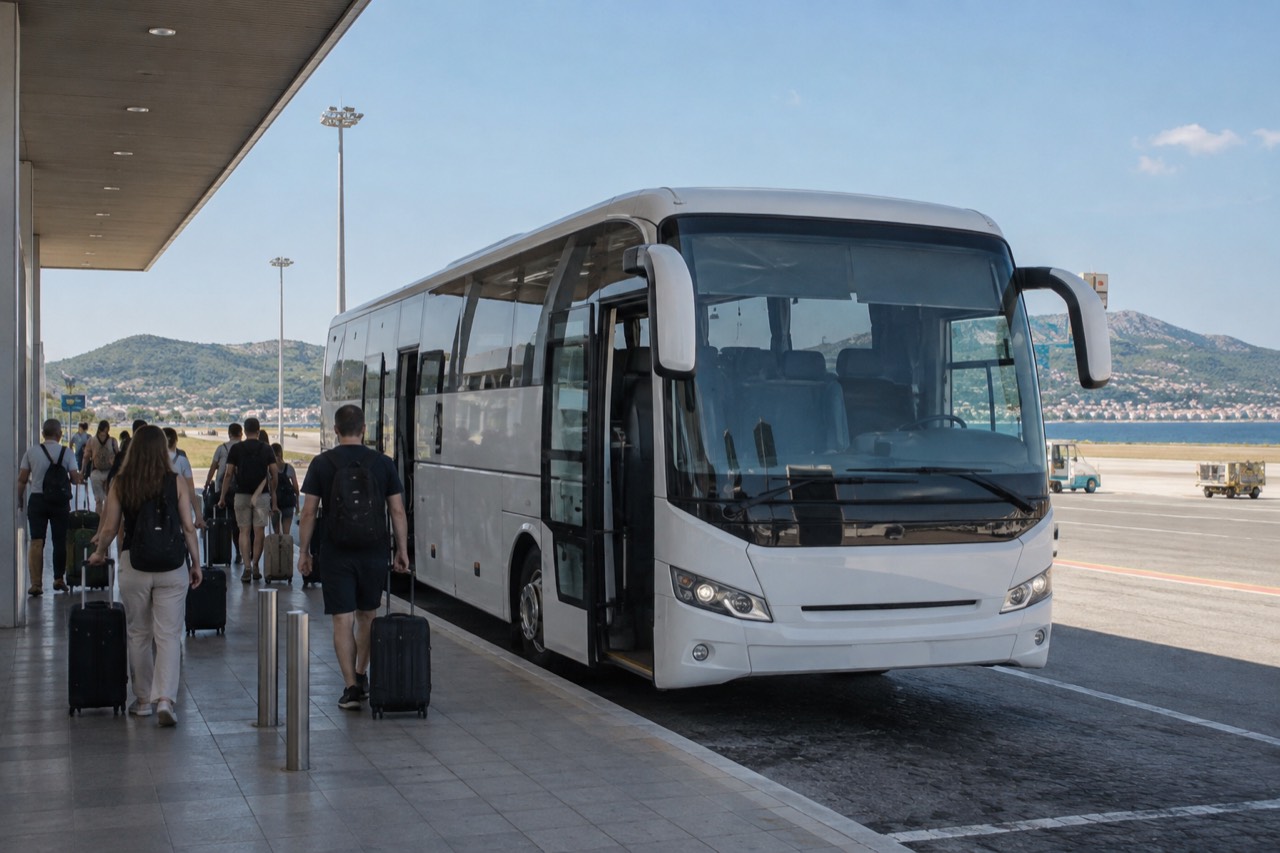
The airport bus runs between Dubrovnik Airport and the Old Town area and is the cheapest way in, with a shared departure transfer from $20 per person as the easiest bookable alternative. The walls ticket is 40 euro in main season, the one-day Dubrovnik Pass is also 40 euro, and the cable car round trip is 30 euro, so plan your first hours before you land.
The Dubrovnik Airport bus is the answer most budget travellers want, and it deserves its reputation: it is the cheapest scheduled link between Čilipi and the city. But the airport sits well outside town, the bus drops at specific stops rather than your door, and in a summer where 625,257 cruise passengers passed through the port in 2025, the state of the roads matters as much as the price of the ticket. I have watched travellers make the same handful of mistakes on arrival day for years, and almost all of them come from treating the transfer as an afterthought.
This guide walks through every realistic way from the terminal to the Old Town, what each one costs where a verified figure exists, and how the rest of your first day, the walls, the pass, the cable car, fits around the transfer you choose. Where a price is not published in a form I can verify, I say so plainly rather than quoting a number that may be stale by the time you fly.
How Do I Get From Dubrovnik Airport to Old Town?
You have four realistic options: the scheduled airport bus, which is the cheapest; a pre-booked shared transfer, from $20 per person; a private transfer or taxi booked on arrival; or a rental car if you are continuing along the coast. Each suits a different arrival time, budget and luggage situation, and the right choice often depends on what time your flight actually lands.
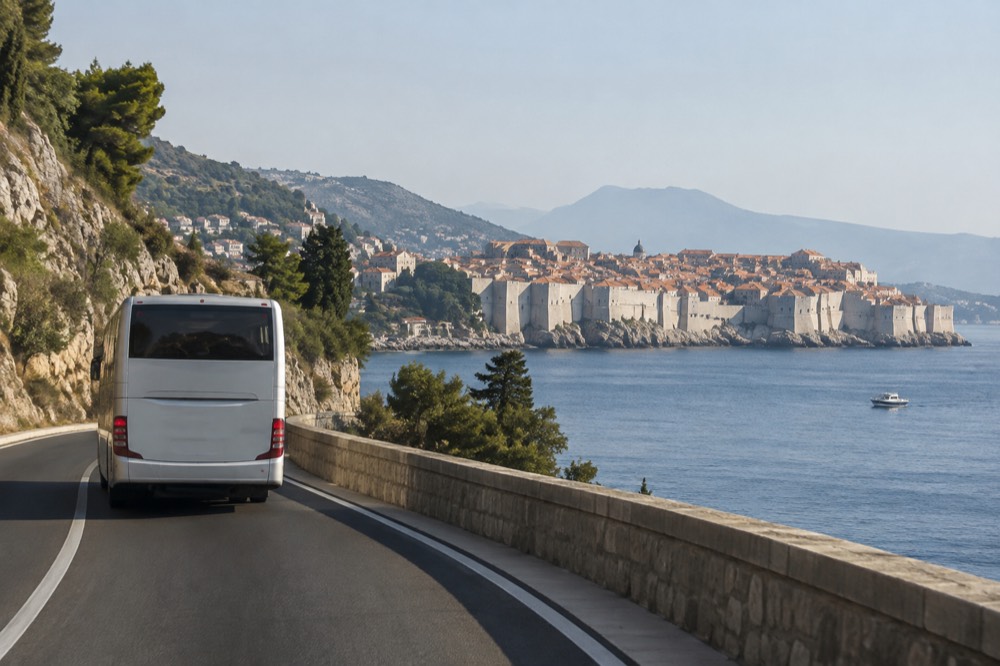
The scheduled bus is timed around flight arrivals, which is its great strength and its great weakness. When your flight is on time, a bus is usually waiting or arriving shortly; when a flight lands late at night or very early in the morning, the schedule thins out and you can wait longer than the journey itself takes. The route serves the main station at Gruž. If your accommodation is in Lapad or Babin Kuk, the Gruž end is convenient, a point worth checking against your hotel address before you choose.
A shared transfer sits between the bus and a private car. The one on this site's roster, the shared departure transfer from Dubrovnik and Cavtat to Dubrovnik Airport, starts at $20 per person and is rated 4.5 across 57 reviews. It is a departure product, aimed at the outbound leg, but it illustrates the format: a fixed per-person price, a set pickup window, and a vehicle shared with a handful of other travellers. For arrivals, the same format exists from other operators, and the live listing states the current price and pickup terms. For a deeper comparison of the arrival-side costs, the answer page on airport to Old Town costs breaks down the realistic per-person spend.
Taxis and ride-hailing are the flexible option, and yes, Uber operates in Dubrovnik; the can you get Uber in Dubrovnik answer covers how it works in practice. The trade-off is price and, in peak weeks, availability. A rental car is worth considering only if Dubrovnik is one stop on a longer Croatian route; inside the city itself a car is a liability, and the parking in Dubrovnik guide explains why in detail.
| Option | Best for | Price basis | Watch out for |
|---|---|---|---|
| Scheduled airport bus | Solo and budget travellers, daytime arrivals | Cheapest scheduled option, price on the operator's timetable | Fixed stops, thinner service at night |
| Shared transfer | Fixed price and a guaranteed seat | From $20 per person on the rostered departure product | Pickup windows, shared with others |
| Taxi or ride-hailing | Late arrivals, groups, door-to-door needs | Metered or app fare, confirm before boarding | Peak-season demand and surge pricing |
| Rental car | Multi-stop Dalmatian road trips | Daily rate varies by season | Old Town is car-free, parking is scarce |
One structural fact shapes all of this: the Old Town itself is car-free. Whatever vehicle you arrive in, the last stage of every journey into the walled city is on foot, over polished limestone that gets slippery when wet. Pack so you can walk a few hundred metres comfortably, because no bus, taxi or transfer will ever deliver you inside the walls.
Which Airport Flies Direct to Dubrovnik?
Dubrovnik Airport is Croatia's southernmost international airport and the one that serves the city, with direct seasonal links from across Europe and a small number of long-haul connections via hub cities. There is no train to Dubrovnik at all, so unless you are arriving by ferry, road or cruise ship, this airport is your gateway, and its seasonality shapes when you can fly.
The direct network is strongly seasonal. In summer, carriers connect Dubrovnik with most major European hubs and a long list of secondary cities, and the schedule swells to match the 4.2 million overnight stays the destination recorded in 2025, a figure that put Dubrovnik level with Rovinj as Croatia's busiest destination by nights. In winter the network contracts sharply, and many routes pause entirely. Travellers from North America typically connect through a European hub rather than flying nonstop, and the flights to Dubrovnik guide covers the routing patterns in detail, while the does Dubrovnik have a train station answer settles the rail question for good.
The practical consequence for your transfer planning is timing. Seasonal schedules mean many arrivals cluster between late morning and early evening, which is exactly when the airport bus runs at its best frequency and when the shared-transfer operators have full vehicles. A winter or shoulder-season arrival is more likely to find you nearly alone at the curb, with a thinner bus schedule and a taxi as the realistic fallback.

If you are still choosing between flying into Dubrovnik or Split, the comparison is worth making deliberately rather than by habit. The is it better to fly into Split or Dubrovnik answer weighs cost against convenience, and the Dubrovnik to Split transport guide covers the four-hour road and ferry links between the two. Whichever airport you choose, the same logic on this page applies: check what your arrival hour does to the bus schedule before you commit to anything.
How Far Is Hotel Dubrovnik From the Airport?
Dubrovnik Airport sits at Čilipi, well to the southeast of the city, so the drive from the terminal to the Old Town or the hotel strips of Lapad and Ploče is a genuine journey rather than a hop, typically somewhere in the region of half an hour by road depending on traffic. The exact distance depends on which end of the city your hotel occupies, and traffic on the approach road can stretch the trip considerably in peak months.
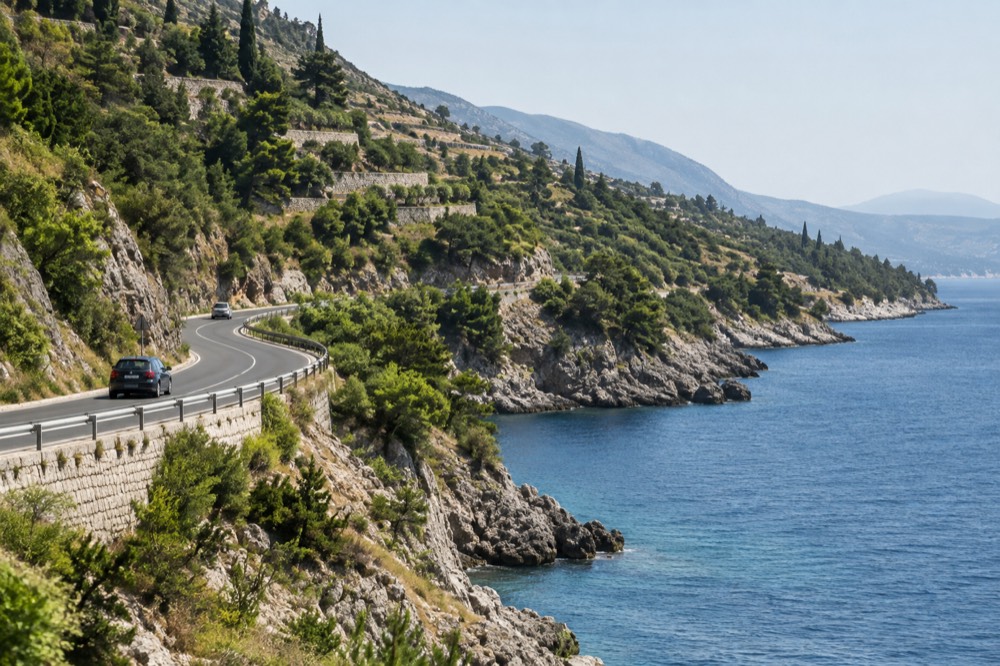
The geography matters more than most first-time visitors expect. The airport is beyond Cavtat, on the far side of the Župa valley from the city, and every vehicle heading to Dubrovnik covers the same coastal approach. Hotels in Ploče, at the eastern end of the city, are reached first; the Old Town and Pile come next; Lapad and Gruž sit furthest. If you are staying in Lapad, a transfer that drops at Pile still leaves you a walk or a short taxi hop, which is why matching your transfer's drop point to your hotel district saves real time.
Where you base yourself is its own decision, and the where to stay in Dubrovnik guide works through the districts properly. For a transfer-focused summary: budget travellers do well around Lapad, where Hotel Komodor, rated 7.8 out of 10 across 822 Expedia reviews, sits about a 29-minute walk from the Gruž cruise and ferry port and connects to Pile by the number 6 bus rather than a walk. Mid-range travellers have Hotel Lapad in the same district, and the luxury pick is Hotel Excelsior in Ploče, the closest of the three to the Old Town walls and the first district you reach from the airport side.
A practical note on timing your departure day: the transfer back to the airport should be booked with more margin than the raw drive time suggests. Cruise-ship traffic and the single approach road can both add delay, and the shared departure transfer format builds that margin into its pickup windows, which is precisely why many travellers take the bus in and a booked transfer out.
Bus, Transfer or Taxi: Which Should You Actually Book?
Take the airport bus if you are travelling light, arriving in daylight and staying near a scheduled stop; take a shared transfer if you want a fixed price and a guaranteed seat without paying for a whole car; take a taxi or ride-hail if you land late, travel in a group, or your hotel sits far from the bus route. The cheapest option is not always the cheapest once you add the last leg to your door.
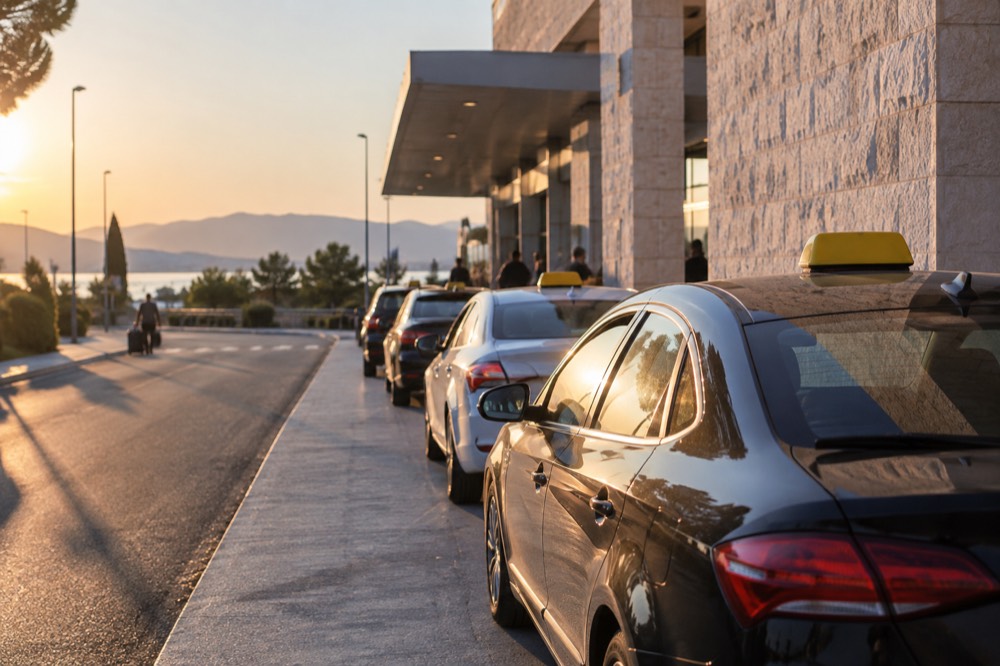
Do the arithmetic for your own group before assuming the bus wins. A bus fare that looks tiny per person can stop being a bargain for a family of four once you add two taxi hops at either end, while a shared transfer at a fixed per-person rate becomes better value the more people you are. Solo travellers in daylight almost always come out ahead on the bus. Couples and families with luggage and a hotel away from the stops usually do not. The rest of the planning pages sit on Things to Do in Dubrovnik.
The time of day is the second variable. Dubrovnik's visitor flow is not evenly spread: the official counting system in the Old Town uses six counters at every entrance, updating a headcount every 15 minutes, and on one September day the numbers ran 1,200 at 04:00, 5,419 at 08:00, a 7,739 peak at 10:00, then 7,205 at 11:00. The roads feeding the city follow a similar rhythm. An arrival that clears the airport by mid-morning beats the late-morning congestion; an arrival at 15:00 can spend longer in traffic than in the air.
This is where a booked transfer earns its keep. You are not paying for the vehicle, you are paying for the certainty: a named pickup, a fixed price agreed before you fly, and no negotiation at a curb at midnight after a delayed landing. For travellers with a morning flight out, that certainty is worth more than the bus's saving, and the shared format keeps the per-person cost closer to the bus than to a private car.
Once you are installed, the same bus-versus-booked logic applies to getting around the city itself. The getting around Dubrovnik guide covers the local buses, and two bookable products solve the sightseeing leg neatly for people who arrived by bus and want comfort on day two. The hop-on hop-off yellow bus tour with audio guide, from $35.46 per person and rated 4.9 across 1,147 reviews, links the panoramic viewpoints with the Old Town, and the e-tuk-tuk panorama ride, from $59.24 per person and rated 5 across 1,799 reviews, covers the same idea in a smaller, quieter vehicle.
What Not to Do in Dubrovnik?
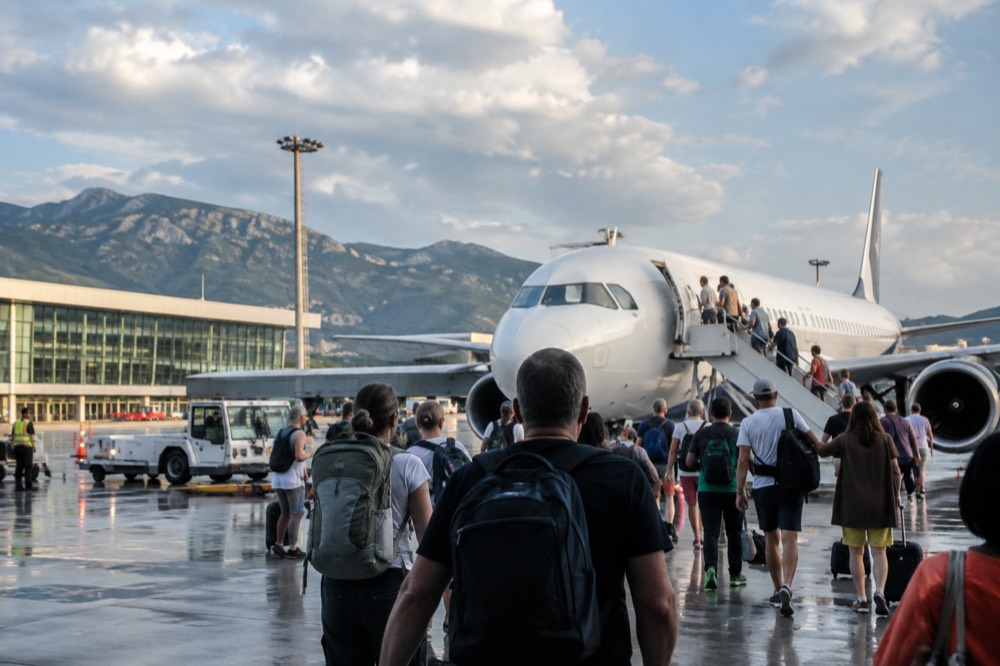
Do not walk the city walls at midday in summer, do not buy a standalone walls ticket before checking whether the Dubrovnik Pass suits you, do not drive into the Old Town area expecting to park, and do not assume July and August are the busiest months, because cruise data shows September and October actually peak. Avoiding these four mistakes is worth more than any amount of itinerary optimisation.
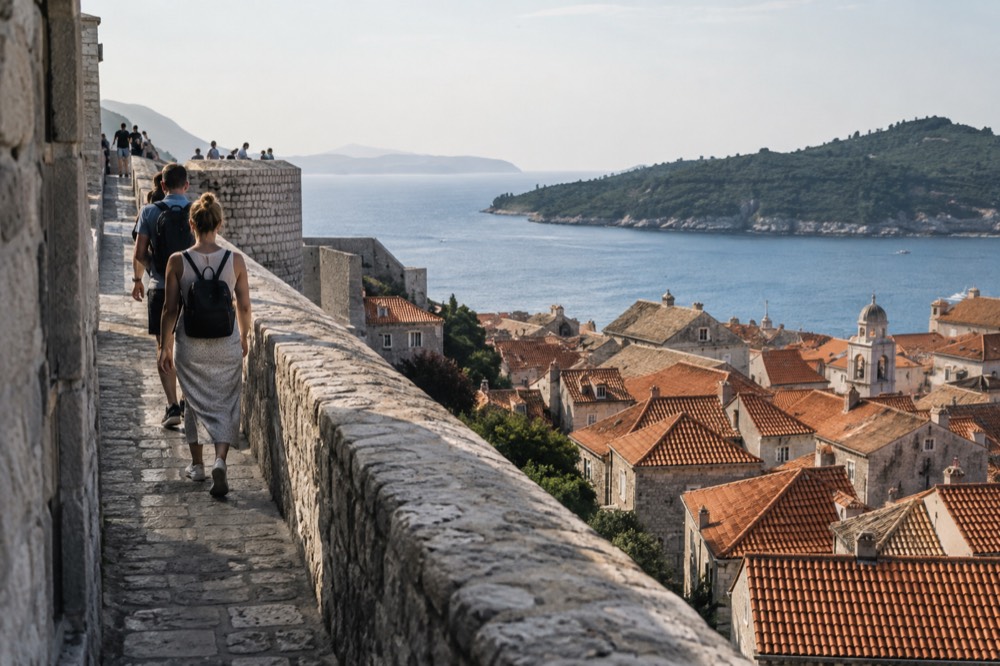
The walls mistake is the most common. The circuit is 1,940 metres long, up to 25 metres high, and almost entirely unshaded, and the operator's stated hours at the time of check ran 08:00 to 19:30. Walking it at 08:00 means cooler air and thinner crowds; walking it at 13:00 in August means queueing at the entrance and standing in full sun on stone. The adult ticket is 40 euro in main season, 1 March to 30 November, and 20 euro in December, with children 7 to 18 at 15 euro then 5 euro, and under 6 free. There is no family ticket; the operator sells exactly two paid ticket types, adult and child. Full details are on the city walls tickets page, and the operator's own site, the Society of Friends of Dubrovnik Antiquities, publishes the authoritative figures.
The pass mistake is its sibling. In main season the one-day Dubrovnik Pass costs the same 40 euro as the standalone walls ticket and adds ten more sights plus a 24-hour bus ticket, which is close to a free upgrade if you will use even two of the extras. But that equivalence is a main-season claim only: in December the walls ticket drops to 20 euro and no winter pass tier is on sale at all, so the comparison flips. The three-day pass is 50 euro and the seven-day 60 euro, both adding suburban bus coupons and House Bukovac in Cavtat. The is the pass worth it analysis works through the break-even maths, and the official Dubrovnik Pass site lists every inclusion.
| Ticket or pass | Main season (1 Mar to 30 Nov) | December | Key inclusions |
|---|---|---|---|
| City Walls adult | 40 euro | 20 euro | Walls, Fort Lovrijenac, Western Outer Wall, coin collection |
| City Walls child 7 to 18 | 15 euro | 5 euro | Same circuit, under 6 free |
| Fort Lovrijenac alone | 15 euro | 15 euro | The fortress only, on its 37-metre sea rock |
| Dubrovnik Pass 1 day | 40 euro | Not on sale | Walls plus ten sights, 24-hour bus ticket |
| Dubrovnik Pass 3 days | 50 euro | Not on sale | Same sights, suburban bus coupons, House Bukovac |
| Dubrovnik Pass 7 days | 60 euro | Not on sale | Same as three-day, longer validity |
The parking mistake is easily avoided by reading the rules of the place before you arrive: the walled city is pedestrian-only, the surrounding streets are a maze of residents' permits and paid zones, and the parking guide maps the realistic lots. The timing mistake is the subtle one. Port Authority data shows 2025 cruise passengers peaked in September at 101,246 and October at 100,132, above July's 96,072 and August's 87,385, with a full-year total of 625,257 and 461 calls scheduled for 2026. The Port Authority's own limit is 8,000 cruise passengers a day in most cases, and of 243 cruise days a year only 18 exceed that number. September is a magnificent month here, the sea's long-run September average is about 23.6 degrees, but it is not the quiet month newcomers imagine, and the Dubrovnik in September guide plans around that reality.
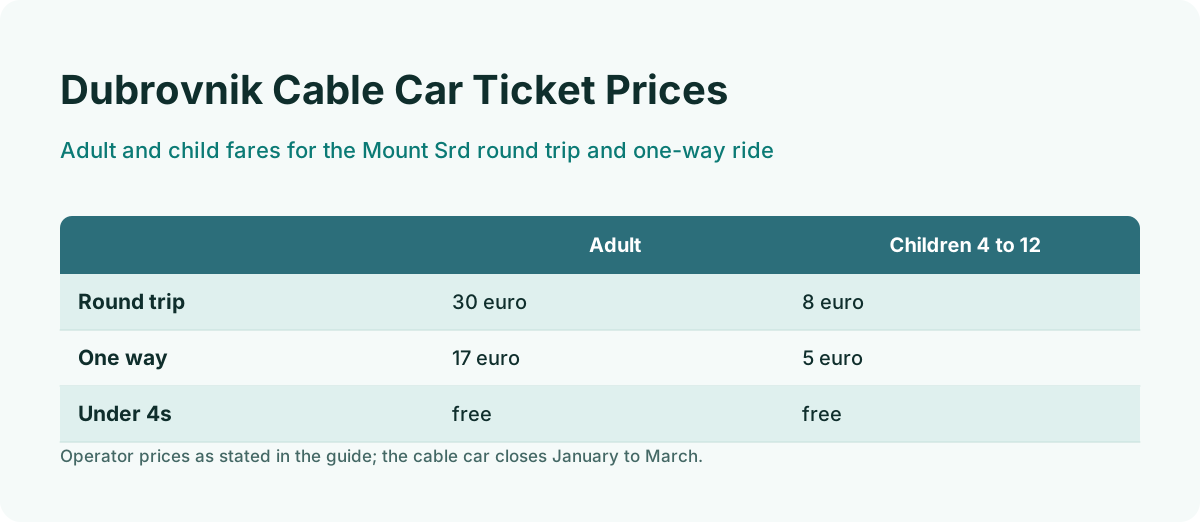
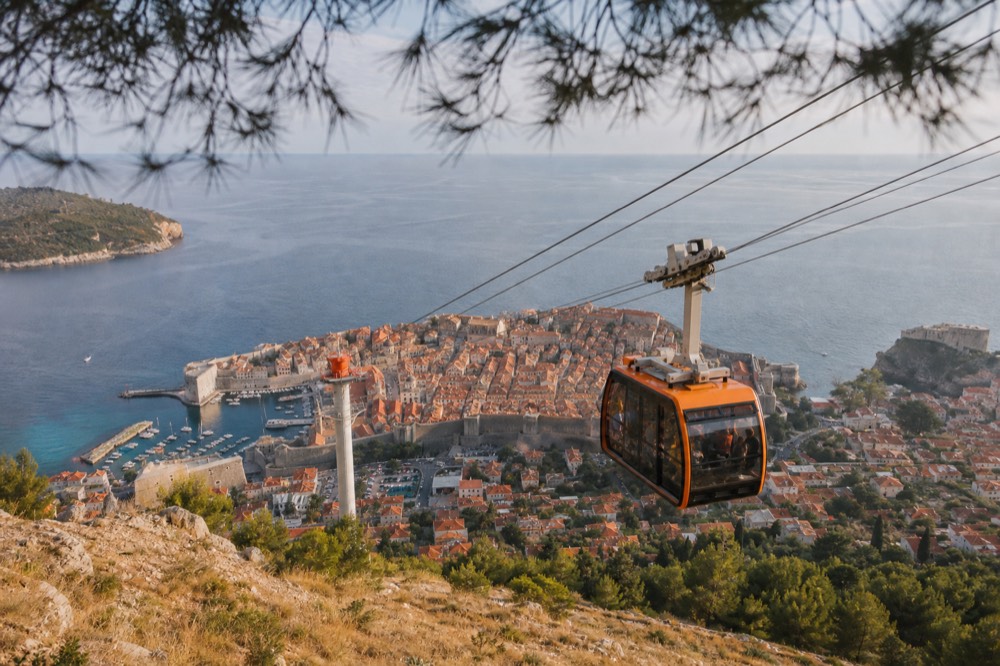
The cable car deserves its own caution. The adult round trip is 30 euro, one way 17 euro, children 4 to 12 pay 8 and 5 euro, and under 4s ride free. The ride covers 778.2 metres of track and a 367.0-metre rise in 3 minutes 30 seconds, from a lower terminal at 38.0 metres above sea level to the Mount Srđ station at 405.0 metres. It closes January to March, and in high summer runs until midnight. The mistake is not the ride, it is the timing: sunset queues are the longest of the day, and the cable car tickets guide explains the off-peak windows. The operator's own timetable and price page is the source for both figures.
Planning Your First Day Around the Transfer
Land, transfer, drop bags, then do one big thing rather than three small ones: the walls in the early morning, the cable car in the late afternoon, or Lokrum across the water, with the Stradun and the Old Town lanes filling whatever gaps remain. A first day built around one anchor sight beats a checklist day every time, and the transfer choice you made at the airport determines how much daylight you have left to spend.
The Stradun, the limestone main street that runs 298 metres through the heart of the Old Town, is the natural spine for a first wander, and the Stradun guide gives it proper attention. From Pile, where most transfers drop you, you enter at the western end and the whole city unfolds in a compact loop. The Old Town is a UNESCO World Heritage Site, inscribed in 1979 under criteria (i), (iii) and (iv), covering 24.7 hectares with a 1,188.6-hectare buffer zone, and it was on the List of World Heritage in Danger from 1991 to 1998, a reminder of how recent the city's hardest period is.
| First-day anchor | Best time | Cost basis | Pairs well with |
|---|---|---|---|
| City Walls circuit | 08:00 opening | 40 euro adult in main season | Stradun wander and an early dinner |
| Cable car to Mount Srđ | Late afternoon into sunset | 30 euro adult round trip | Drinks at altitude, then downhill stroll |
| Lokrum Island | Mid-morning boat | 30 euro, entry and return boat | Swim stop and Old Town evening |
| Guided Old Town walk | Morning or early evening | From $20 per person on the roster | Food tour or a konoba dinner |
Lokrum deserves a mention in any first-day plan because the logistics are simpler than they look. The ticket is 30 euro per person and covers both the reserve entry and the return boat transfer, boats leave the City Harbour at 09:00 and then every 15 minutes from 10:00 to 18:00, and the ticket office at Luža works 08:00 to 18:00. A ticket stays usable for three days. The one number nobody should quote is the crossing time in minutes, because neither the reserve's site nor its official schedule states one; what matters is the frequency, which makes Lokrum an easy spontaneous decision rather than a booked excursion. The Lokrum ferry guide covers the rest.
If your flight lands with an afternoon to spare, the guided walk is the best value anchor of all: the cheapest paid Old Town walk on this site's roster starts at $20 per person, and the format does double duty as orientation and sightseeing. The walking tours comparison covers the full range, from that budget walk to the three-and-a-half-hour Old Town and walls combo at from $50.94 per person, rated 4.8 across 1,183 reviews. Whatever you pick, book the things with limited capacity before you fly; on a day when up to 8,000 cruise passengers are scheduled ashore, the walk-up queue is the one thing that can genuinely eat your afternoon.
Common Questions About the Dubrovnik Airport Bus
How Do I Get From Dubrovnik Airport to Old Town?
Take the scheduled airport bus, which is timed around flight arrivals and runs to the main bus station in Gruž; take a shared transfer from $20 per person for a fixed price and a guaranteed seat; or take a taxi or ride-hail for door-to-door service. The Old Town itself is car-free, so every option ends with a short walk.
how much does it cost to get from dubrovnik airport to old town?
The bus is the cheapest scheduled option, with the price published on the operator's timetable rather than fixed year-round. A shared transfer starts at $20 per person on the rostered departure product, and taxis and ride-hails are metered or app-priced. For most solo travellers in daylight the bus wins; for couples and families the arithmetic often flips.
Which Airport Flies Direct to Dubrovnik?
Dubrovnik Airport at Čilipi is the city's gateway, with a strongly seasonal network of direct European routes that swells in summer and contracts in winter. There is no train to Dubrovnik, so the alternatives are road, ferry or cruise ship. Long-haul travellers typically connect through a European hub.
How Far Is Hotel Dubrovnik From the Airport?
The airport sits at Čilipi, southeast of the city past Cavtat, and the drive to the Old Town area typically takes somewhere in the region of half an hour depending on traffic. Hotels in Ploče are reached first, then the Old Town and Pile, then Lapad and Gruž. Match your transfer's drop point to your hotel district to save the last leg.
What Not to Do in Dubrovnik?
Do not walk the walls at midday in summer, do not buy a standalone walls ticket before checking the Dubrovnik Pass, do not drive into the Old Town expecting to park, and do not assume July and August are the peak months, because cruise passengers actually peaked in September and October 2025. The walls ticket is 40 euro in main season and 20 euro in December; the one-day pass matches the 40 euro walls price in main season only.
Do I Need to Book My Transfer in Advance?
Book the outbound transfer, especially in peak weeks, because departure-day margin matters on a single approach road shared with cruise traffic. The inbound leg can often be decided on the day, though a late-night arrival is the case where a pre-booked transfer or taxi saves a long wait for a thin bus schedule.