Gruž Dubrovnik: The Port Neighborhood Guide
Most visitors meet Gruž before they meet Dubrovnik. The cruise berths, the ferry terminal and the daily market all sit in this working bay two kilometres northwest of the walled city, and knowing how it fits together saves you money, time and a hot walk.
Short answer
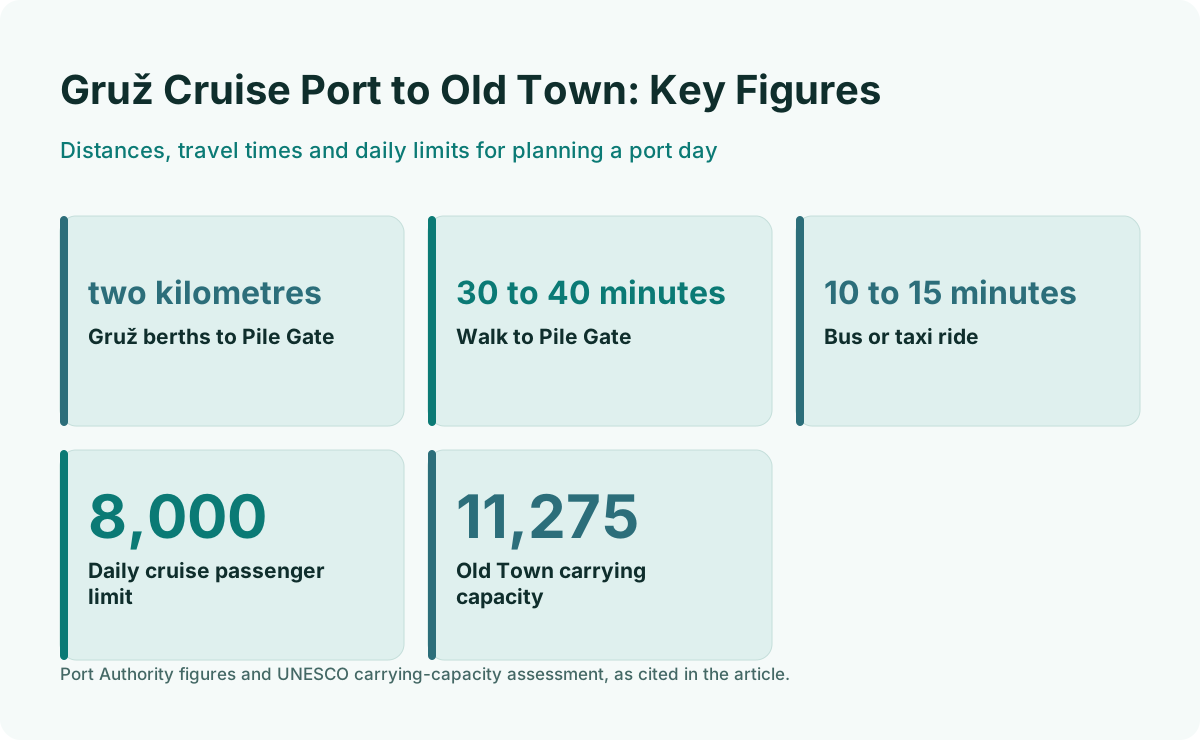
Gruž is Dubrovnik's port district, about two kilometres from the Old Town, roughly a 30 to 40 minute walk or a short bus ride. Cruise ships, ferries to the islands and the daily market all operate here. The adult City Walls ticket is 40 euro in main season, 1 March to 30 November, and 20 euro in December.
What Is Gruž and Why Does Every Trip Start Here?
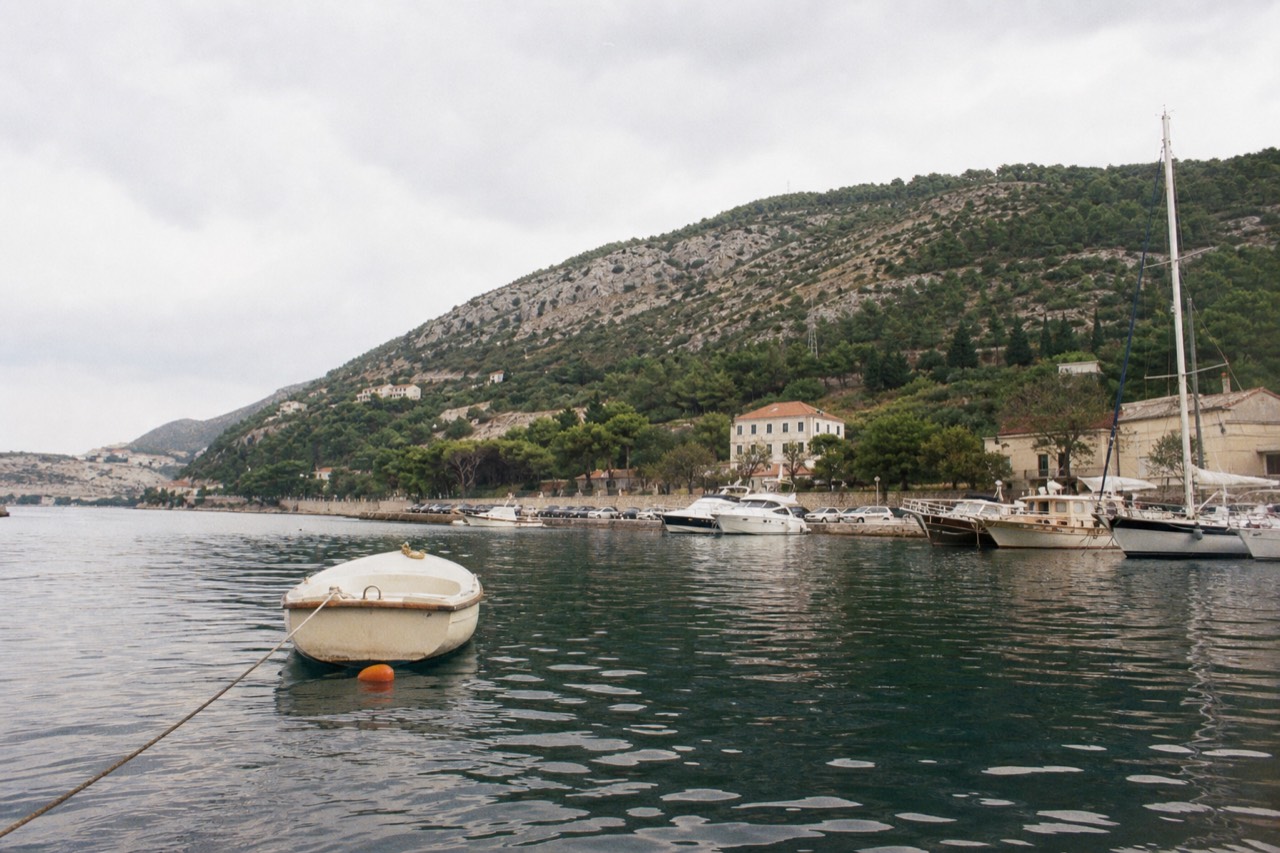
Gruž is Dubrovnik's port neighborhood, a working bay of cruise berths, ferry jetties, boatyards and the city's daily market, sitting about two kilometres northwest of the walled Old Town. Almost every visitor passes through it, because the cruise terminal, the islands ferry terminal and the main bus station all sit here rather than inside the UNESCO core. Treat it as your arrival engine, not a detour.
I have been guiding here since 2015, and the first thing I tell arriving travellers is that Dubrovnik is really two towns. The Old Town is the postcard: 24.7 hectares inside the walls, inscribed by UNESCO in 1979 under criteria (i), (iii) and (iv). Gruž is the machinery that keeps it running. The city counted 41,562 inhabitants at the 2021 census, and a large share of daily life, the fishing boats, the wholesale trade, the commuter buses, happens on this side of the bay, not on the Stradun.
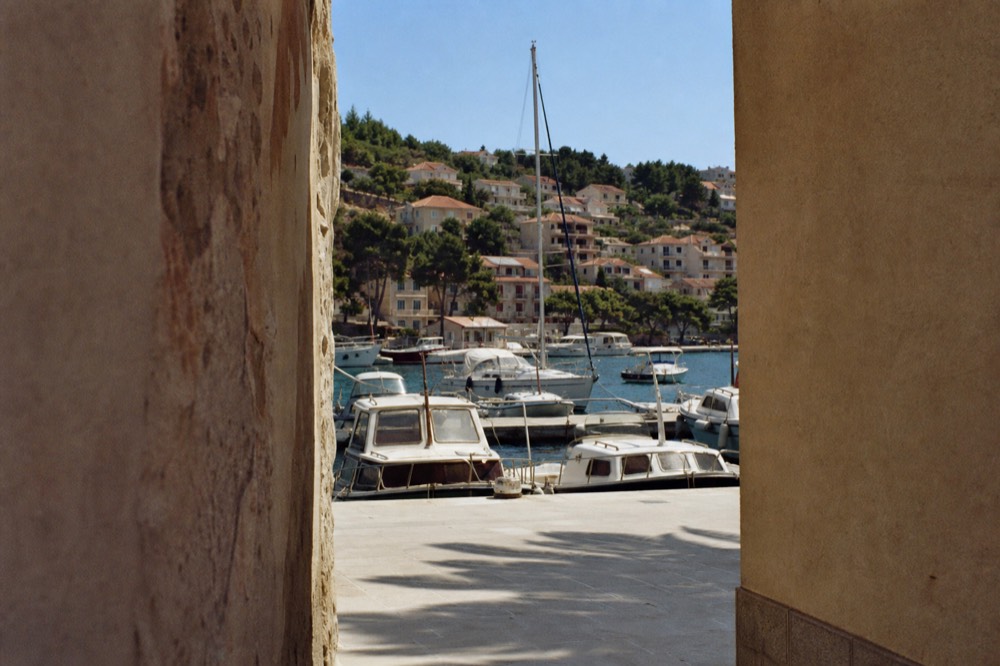
The neighborhood climbs from the water in terraces. At sea level you have the quays, the ferry terminal and the market halls; above them, apartment blocks and small hotels rise toward Babin Kuk and the Lapad peninsula, where most of the city's modern hotel capacity sits. If your accommodation address says Lapad, Babin Kuk or Gruž, you are on this side, and the good news is that buses, taxis and a very pleasant coastal footpath connect you to the Old Town in minutes.
For orientation on your first day, the Things to Do in Dubrovnik homepage pulls the whole city together, but this page stays focused on the port side: how to get in, what the walk is actually like, what Gruž itself offers, and where the common mistakes happen.
Is Dubrovnik Walkable From a Cruise Port?
Yes, with a caveat. The cruise berths in Gruž sit about two kilometres from Pile Gate, the western entrance to the Old Town, and the walk takes most people 30 to 40 minutes along the waterfront and through residential streets. It is flat to gently rolling for most of the way, with one steeper section near the end. In summer heat, many cruise visitors prefer the 10 to 15 minute bus or taxi ride instead.
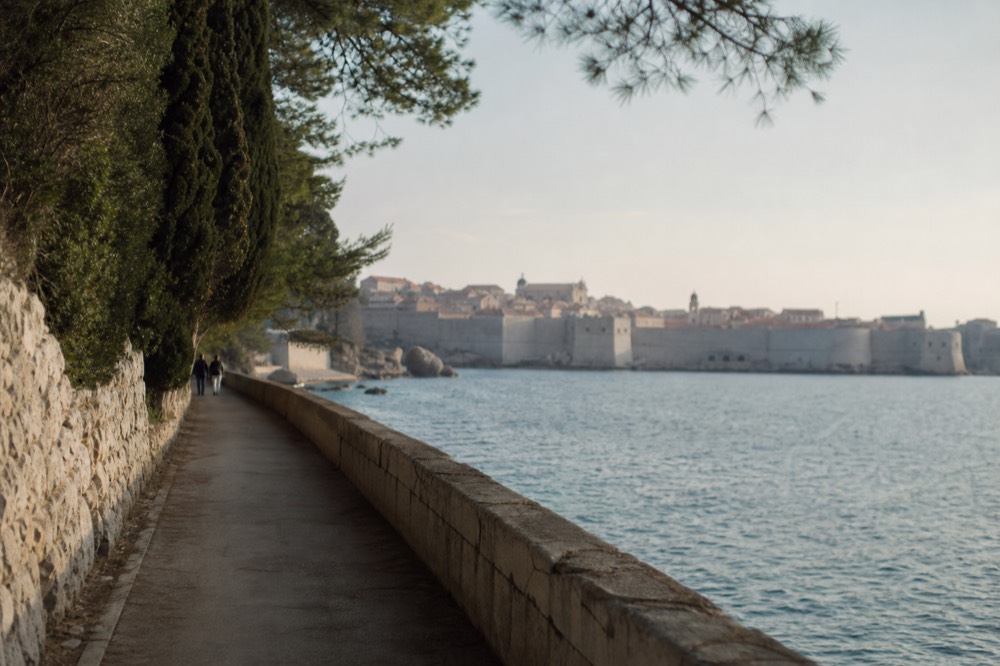
The route is genuinely pleasant in the right conditions. You follow the bay, pass the marina and the rowing club, then join the coast toward the Old Town with the sea on one side the whole way. I have walked it at dawn in September and it is one of my favourite stretches in the city. I have also walked it at two in the afternoon in August, and I would not recommend that to anyone carrying a daypack.
The honest answer depends on three things: temperature, luggage and time in port. Cruise passengers on a short call usually should not spend an hour of it walking both directions. Independent travellers with a full day and light bags can treat the walk as sightseeing in itself. The walkable from a cruise port question gets a fuller treatment in its own answer page, including the exact gate-to-gate route.
One planning note that surprises people: cruise traffic here does not peak in July and August. Port Authority figures for 2025 show September was the busiest cruise month, with 101,246 passengers, ahead of October at 100,132, July at 96,072 and August at 87,385. The full year brought 625,257 cruise passengers, up from 582,499 in 2024, and 461 calls are scheduled for 2026. If you are docked in September or October, book anything you care about ahead, per the Port Authority's own statistics.
How Far Is Dubrovnik From the Cruise Port?
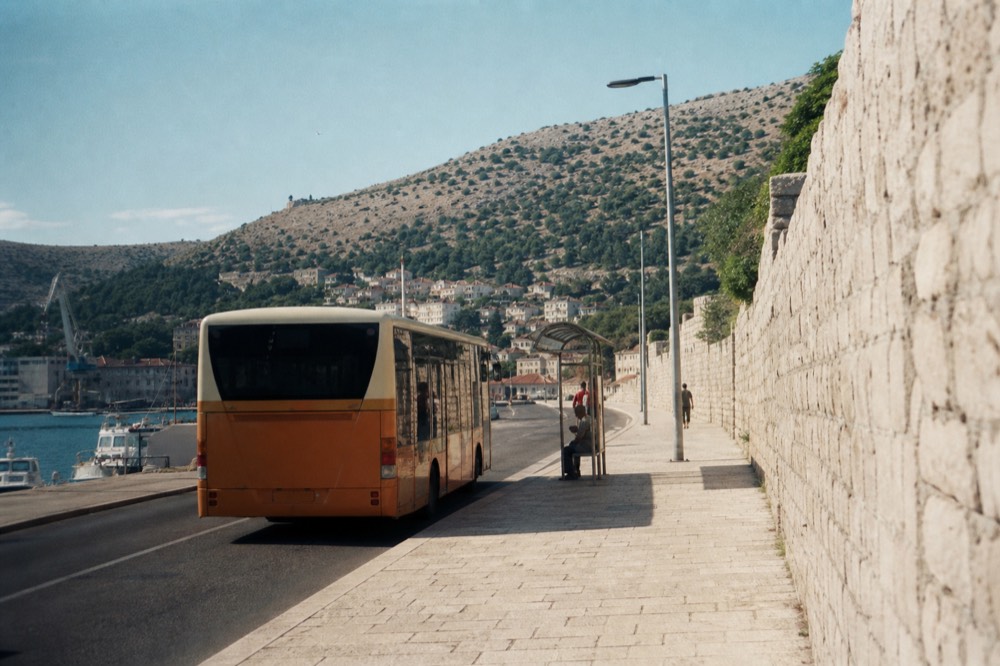
The distance from the Gruž cruise berths to the Old Town's Pile Gate is about two kilometres, and to the eastern Ploče Gate a little over three. By road, a taxi covers it in roughly 10 minutes depending on traffic; the local buses run the same corridor every few minutes in season. There is no shuttle train or metro, so your real choices are feet, bus, taxi or a pre-booked transfer.
Two kilometres sounds trivial until you factor in the August sun and the fact that the last stretch climbs. Here is how the practical options compare, using the figures families actually ask about.
| Option | Rough time | Best for | Watch out for |
|---|---|---|---|
| Walking | 30 to 40 minutes to Pile Gate | Full-day visitors, cool months | Heat, one uphill section, no shade in places |
| Local bus | 10 to 15 minutes | Budget travellers, repeat trips | Crowding at peak times, exact change or ticket apps |
| Taxi or ride app | About 10 minutes | Short port calls, groups | Traffic when several ships are in |
| Pre-booked transfer | About 10 minutes | First-timers with luggage | Fixed pickup windows |
The Port Authority limits cruise passengers to 8,000 a day in most cases, out of 243 cruise days a year only 18 exceed that, and about forty call requests were refused in one season, so the crush is managed rather than unlimited. Still, when several ships coincide, the bus corridor into town slows noticeably. The official carrying capacity for the Old Town, from the UNESCO carrying-capacity assessment, is 11,275 people, and six counters at every entrance update a headcount every 15 minutes.
If you would rather ride than walk on a hot day, the hop-on hop-off bus overview covers the panorama circuits, and the convertible bus panorama tour with audio guide, from $34.77 per person and rated 4.6 across 796 reviews, loops the coast with the Old Town included, a comfortable middle ground between a taxi and a full tour.
Can You Walk to Dubrovnik From the Cruise Port?
Yes, you can walk from the cruise port in Gruž to the Old Town, and thousands do it every week. The route runs about two kilometres along the bay and the coast to Pile Gate, mostly on pavements and a waterfront promenade. Allow 30 to 40 minutes each way, carry water in summer, and start early or go late in the day to avoid the worst heat and the midday crowds at the gates.
The walk has a rhythm worth knowing in advance. The first stretch follows the inner bay past the marina, flat and open. The middle section runs through quieter residential streets where locals actually live, a useful corrective to the idea that all of Dubrovnik is a stage set. The final approach hugs the coast, and suddenly the walls appear above the rocks, which is the moment most people stop for photographs.
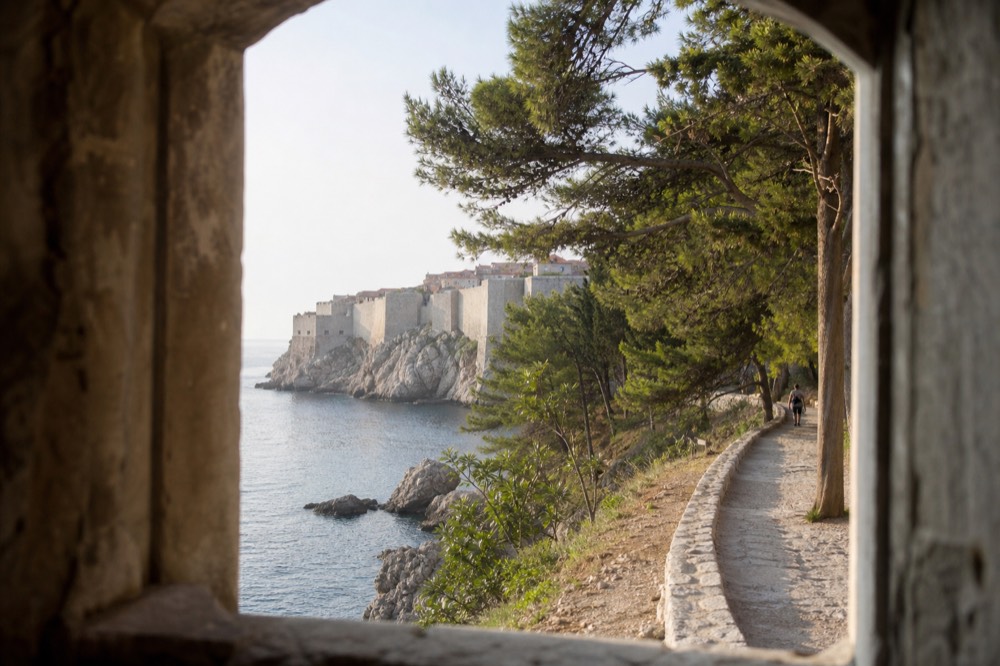
Two practical warnings from someone who has timed this route more times than I can count. First, cruise passengers arriving before 09:00 walk into the thickest of the day's crowd build-up: the counters recorded 5,419 people in the Old Town at 08:00 on a September morning, rising to a 7,739 peak at 10:00. Second, the return walk in the afternoon heat is harder than the way out, and there is little shade on the last stretch. If your ship sails at five, leave town by three or take the bus back.
For visitors with a full day, a smarter pattern is to walk one direction and ride the other. The Old Town and walls combo walk, three and a half hours from $50.94 per person, rated 4.8 across 1,183 reviews, pairs the Stradun with a full walls circuit, and finishing it around lunch leaves the afternoon for the port-side walk back with a swim stop on the way.
What to See and Do in Gruž Itself?
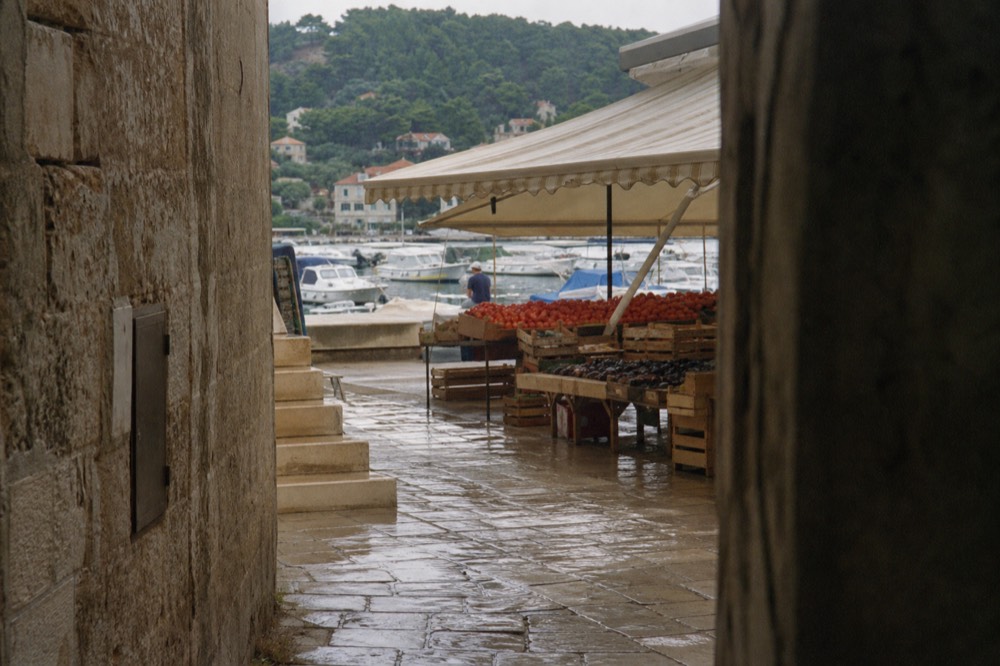
Gruž's headline attraction is the daily market, where fishermen, farmers and stallholders sell produce from the Dubrovnik hinterland through the morning. Around it sit the working harbour, the marina, the ferry jetties to the Elaphiti islands, and the coastal path toward Babin Kuk and Lapad's beaches. Most travellers give it an hour or two, which is about right unless you are shopping for a picnic or a self-catering dinner.
The market is the real thing, not a craft market for tourists. Tomatoes, figs, herbs, olive oil and salted fish arrive from Konavle and the Pelješac peninsula, and the fish hall at the water's edge sells whatever the boats brought in that morning. Go before about 11:00 for the full spread; by early afternoon the stalls thin out. Prices are honest, and buying a bag of figs and a loaf for a quay-side breakfast is one of the cheapest good mornings in the city.
From the market, the day-trip machinery is all within a few hundred metres. Ferries and excursion boats to the Elaphiti islands, Lopud, Šipan and Koločep, leave from this side of the bay, and the full-day Elaphite islands cruise with lunch, from $59.16 per person and rated 4.9 across 10,312 reviews, is the single most-reviewed trip on the whole roster. The Elaphiti islands guide covers which island suits which traveller.
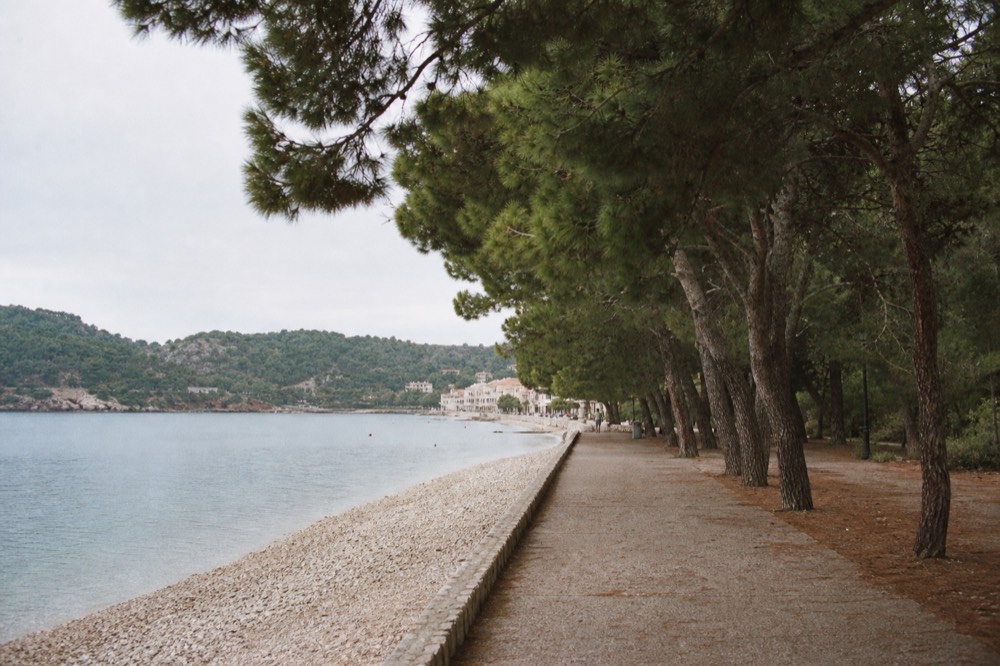
For a slower afternoon, walk or ride out along the coast to Babin Kuk and the Lapad peninsula. The path is flat, the beaches are swimmable, and the September average sea temperature on this coast is about 23.6 degrees, a long-run open-water average rather than a beach thermometer, with sheltered bays often running a few degrees warmer. The Lapad neighborhood guide details the beaches and café strip.
If you want the geography explained from above without the climb, the convertible bus panorama tour with audio guide is the port-side option: from $34.77 per person, rated 4.6 across 796 reviews, and it passes through this corridor on its circuit.
Where to Eat in and Around Gruž?
Gruž eats better and cheaper than the Old Town, because it cooks for locals. Around the market and the back streets you find konobas, bakeries, fish kitchens and pizzerias at prices noticeably below the Stradun, where rents push menus up. Expect simple grilled fish, peka orders placed a day ahead, and market-fresh vegetables; expect most kitchens quiet before 12:00 and full by 20:00.
The pattern to understand is that Gruž is where Dubrovnik feeds itself. The bakeries open early for commuters, the market does the morning trade, and the konobas fill with families and workers in the evening. A dinner for two here, without alcohol, generally runs well below the equivalent inside the walls, though exact prices shift with the season, so treat any figure you read online, including on the what to eat in Dubrovnik guide, as a planning range rather than a promise.
| Meal | Typical Gruž setting | Planning note |
|---|---|---|
| Breakfast | Bakery by the market or the bus station | Cheapest meal of the day, buy before 09:00 for the best choice |
| Lunch | Market picnic or a fish kitchen near the quay | Catch of the day is priced per kilo, always ask before ordering |
| Dinner | Konoba in the back streets | Peka usually needs ordering a day ahead, kitchens fill from 20:00 |
| Drinks | Quay-side café bars | Morning coffee here costs a fraction of an Old Town terrace |
One dish worth planning around is peka, meat or octopus slow-cooked under a domed bell in embers. It is a household and konoba tradition rather than a restaurant convenience, and kitchens need notice. The konoba guide explains the etiquette and what to order.
Where to Stay in Gruž?
Gruž and its slopes toward Lapad offer the best value beds within reach of the Old Town, because you pay port-side prices for a 10 to 15 minute bus ride instead of walled-city premiums. Hotel Komodor in Lapad is the reliable budget anchor, rated 7.8 out of 10 across 822 Expedia reviews, about a 29-minute walk from the Gruž cruise and ferry port. Hotel Lapad and Hotel Excelsior cover the mid and luxury ends.
Staying here makes particular sense for three kinds of traveller: cruise passengers with a pre- or post-cruise night, families who want a pool and a beach within walking distance, and anyone who prefers a real neighborhood to a museum piece. The trade is simple: you swap the fantasy of waking inside the walls for space, price and a shorter walk to the ferries.
| Hotel | Tier | Area | Rating (Expedia 10-point scale) |
|---|---|---|---|
| Hotel Komodor | Budget, three-star | Lapad | 7.8 out of 10 across 822 reviews |
| Hotel Lapad | Mid-range | Lapad | On the live listing |
| Hotel Excelsior | Luxury | Ploče, Old Town side | On the live listing |
From the Komodor side, the number 6 bus runs to Pile Gate rather than demanding the walk, which matters in August. If your priority is being beside the water on the quiet side, the where to stay in Dubrovnik guide compares every district, and the is Lapad a nice part of Dubrovnik answer looks at the peninsula next door in detail.
What Not to Do in Dubrovnik?
The big mistakes are all about timing and tickets: arriving at the walls at midday in high summer, buying the 40 euro walls ticket in December when it costs 20 euro, expecting to park near the Old Town, and treating September and October as quiet because they follow August. Cruise data shows those two months are the busiest of the year. Add sun preparation, because the walls offer almost no shade.
The walls deserve the most careful planning of anything in the city. The circuit is 1,940 metres long, up to 25 metres high, and the operator's stated hours at time of check are 08:00 to 19:30. The adult ticket is 40 euro in main season, 1 March to 30 November, and 20 euro in December; children 7 to 18 pay 15 euro, then 5 euro, and under 6s are free. There is no family ticket, only adult and child 7 to 18 articles are sold. The 40 euro ticket is actually the walls plus Fort Lovrijenac combination, and it also covers the Western Outer Wall, closed December through February, and the coin collection at Gundulić Square, per the walls operator's own site.
| Ticket | Main season (1 Mar to 30 Nov) | December |
|---|---|---|
| Adult, walls + Lovrijenac | 40 euro | 20 euro |
| Child 7 to 18 | 15 euro | 5 euro |
| Under 6 | Free | Free |
| Lovrijenac alone | 15 euro | On the operator's listing |
The other avoidable mistake is ignoring the Dubrovnik Pass arithmetic. The one-day pass costs 40 euro, the same as the standalone walls ticket in main season, and adds ten more sights plus a 24-hour bus ticket; three-day and seven-day passes cost 50 and 60 euro and add suburban bus coupons and House Bukovac in Cavtat. But that equivalence is main season only: in December the walls ticket drops to 20 euro while no winter pass tier is on sale at all, so the comparison flips. Full details are on the official pass site and in our Dubrovnik Pass guide.
Beyond tickets, the recurring errors are physical and social. People underestimate the walls as exercise, there are stairs and almost no shade, so water and a hat are not optional. People also underestimate the sun on the two-kilometre port walk covered earlier. And people plan island days without checking that the Lokrum boats, which leave the City Harbour at 09:00 and then every 15 minutes from 10:00 to 18:00, and the Elaphiti departures from Gruž both run on fixed morning rhythms: miss the early boats and the day compresses fast.
A guided circuit protects you from several of these at once. The two-hour Ancient City Walls and Wars walking tour, from $29.58 per person and rated 4.8 across 1,387 reviews, times the circuit sensibly and explains what you are looking at.
This well organized tour helped put Dubrovnik's past (and present) into perspective. It's incredible that the city walls have withstood the test of time. Antun was a wonderful guide.
linda_a
How Should You Structure a Day That Starts in Gruž?
Start early at the market for figs and coffee, be at Pile Gate or on the walls before 09:00 while the counters still read in the low thousands, spend the late morning in the Old Town, then reverse the flow after lunch: ferry to an island, a beach on the Lapad side, or a simple konoba dinner back in Gruž. The port neighborhood is your escape valve whenever the Old Town crowds peak between 10:00 and late afternoon.
The single most useful mental model for Dubrovnik is that the crowd curve is predictable and you can be on the right side of it. The counting system's own half-hourly curve on a September morning read 3,139 people at 07:00, 5,419 at 08:00, 7,297 at 09:00 and a 7,739 peak at 10:00. Every one of those numbers is a reason to do the walls first and the museums after, not the other way round. By evening the flow reverses, cruise passengers return to their ships, and the Old Town belongs to people staying on.
For a second or third day, Gruž is your launchpad rather than your destination. Island boats leave from here and from the Old City Harbour, Montenegro and Mostar day trips collect from this side, and the coastal path to Babin Kuk turns a spare afternoon into a swim. The cruise day itinerary compresses all of this into a single port call if that is all you have.
Common Questions About Gruž in Dubrovnik
Is Dubrovnik Walkable From a Cruise Port?
Yes. The cruise berths in Gruž sit about two kilometres from Pile Gate, and the walk takes 30 to 40 minutes along the bay and the coast. In high summer many visitors prefer the 10 to 15 minute bus or taxi ride, and walking one direction and riding back is a good compromise.
How Far Is Dubrovnik From the Cruise Port?
About two kilometres from the Gruž berths to Pile Gate, the western entrance of the Old Town, and a little over three to the Ploče Gate on the far side. By road it is roughly a 10 minute taxi ride, and local buses run the same corridor every few minutes in season.
can you walk to dubrovnik from the cruise port?
Yes, thousands do it every week. The route is about two kilometres, mostly flat along the waterfront with one steeper section near the end. Carry water in summer, start early, and remember the return walk in afternoon heat is harder than the way out.
What Not to Do in Dubrovnik?
Do not walk the walls at midday in high summer, do not buy the 40 euro walls ticket in December when it costs 20 euro, do not assume September and October are quiet when they are the two busiest cruise months of the year, and do not plan island days without checking the morning boat departures.
Is Gruž Worth Visiting for More Than the Port?
Yes, for the morning market, the working harbour, cheaper local food and the coastal walk toward Lapad and Babin Kuk. Give it an hour or two on the way somewhere, or a relaxed evening, rather than treating it as a headline sight.
Does the Dubrovnik Pass Cover Transport From Gruž?
Yes. Every pass tier includes a public bus ticket for city transport, the one-day pass carries a 24-hour ticket, and the three-day and seven-day passes add suburban coupons usable toward Cavtat. The pass is sold for the summer season, 1 March to 30 November, in an adult type only.