Is It Safe to Swim in the Sea in Dubrovnik?
Yes, swimming in Dubrovnik is safe: clean Adriatic water, warm summer seas, and well-marked beaches. Here is what to know about temperatures, beaches and local swim spots.
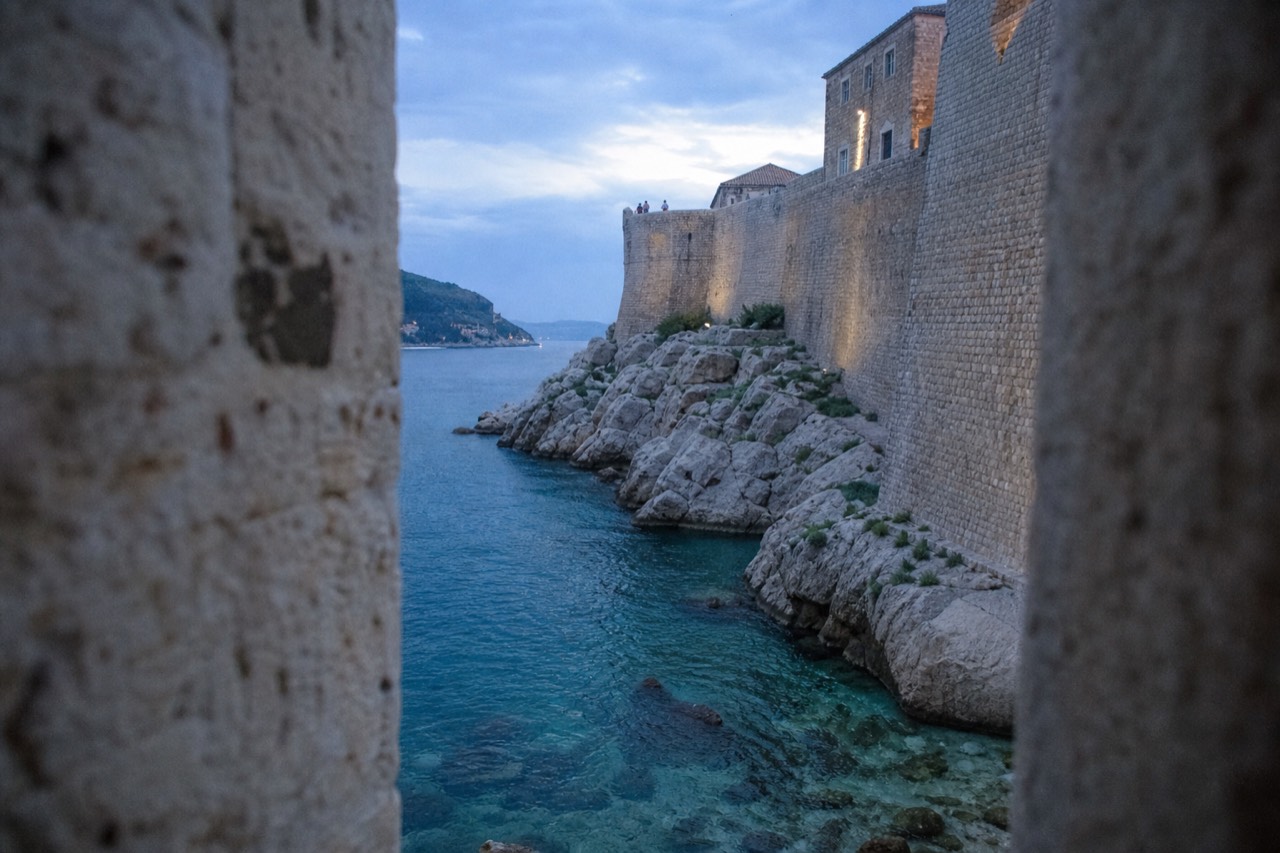
Is It Safe to Swim in the Sea in Dubrovnik?
Yes, swimming in the sea in Dubrovnik is safe. The Adriatic here is clean, calm for most of the summer, and free of the hazards that worry swimmers elsewhere: no strong surf, no rip currents to speak of on the main beaches, and water quality that is monitored through the swimming season. Most beaches are rocky or pebbly rather than sandy, so water shoes help more than caution does.
That is the short answer, and it holds for the whole stretch of coast around the city, from Banje Beach below the walls to the Lapad bay beaches and out to the islands. I have walked this shoreline for years, first as a guide and now as someone who still swims here most mornings in summer, and the pattern is consistent: the water is clear enough to see the bottom several metres down, the sea is sheltered, and the only real risks are the ordinary ones, sun, heat, and slippery stone.
Clear water is not the same as guaranteed water, of course. Croatia monitors bathing water quality at designated beaches through the summer season, and Dubrovnik's main beaches are tested and posted. The sea here is also not a river mouth or an industrial coast: the prevailing currents run along a mostly uninhabited shoreline, and the city's beaches sit away from the port's working quays. If a beach is ever flagged, the sign goes up at the entrance, and it comes down when the test clears. In practice, on the beaches visitors actually use, that is a rare event.
The honest caveats are practical rather than alarming. Much of the coast is limestone, and limestone underfoot is smooth, angled and slick when wet, so the single best safety upgrade you can make is a pair of hard-soled water shoes. Sea urchins live in the rocks and in the Posidonia grass patches; they are not aggressive, they are just there, and shoes plus a bit of attention where you put your feet handles them. Jellyfish appear some summers for a few weeks, usually the small harmless kind, but if you are swimming with children it is worth a glance at the water's surface before a long session. None of this makes the sea unsafe. It makes the sea the Adriatic.
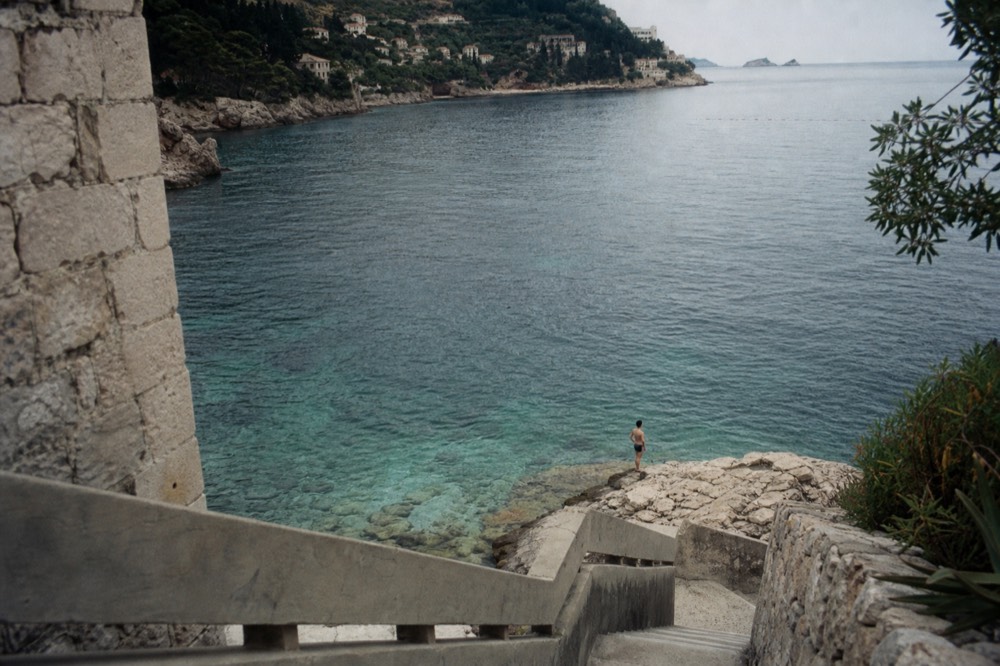
One more thing worth saying plainly, because it is the kind of detail that does not surface on a first page of search results: the sea temperature numbers you will read for Dubrovnik are usually long-run averages for open water, not a beach thermometer. The headline series used on this site is the NOAA OISST v2.1 climatology for 1991 to 2020, an open-water grid-cell average, and it reads about 23.6 degrees for September. Yet the Croatian met service's own Dubrovnik buoy read 27.0 to 27.4 degrees across 8 September 2026. Both are true: the open sea offshore averages one thing, and the sheltered shallow bay you are actually standing in runs several degrees warmer in high summer. If a number you read online feels wrong against the water on your own ankles, that gap is usually the explanation.
If your question is really about how the sea fits into a full trip, the practical pairing is simple: swim in the morning when the sea is calm and the rocks are not yet hot, do the walls or the Old Town through the middle of the day, and come back to the water in the late afternoon. For more on the whole shoreline, start with the cluster guide to Dubrovnik's best beaches and the wider picture on Things to Do in Dubrovnik.
Can You Swim in Dubrovnik Beaches?
Yes, you can swim at Dubrovnik's beaches, and almost all of them are swim-first beaches rather than sunbathing beaches with water attached. Entry is typically over rock or pebble, the water deepens quickly, and there is no tide to speak of, so conditions change with wind and swell rather than with a clock. Banje, the Lapad bay beaches and the island coves are all swimmable through the whole season.
The beach map is small and easy to learn. Banje Beach sits just outside the Old Town walls toward Ploče, a pebble beach with a postcard view back at the city, and it is the one most visitors end up at simply because it is closest. Around the Lapad peninsula, the beaches sit in a shallow bay: more families, more shade in the later afternoon, easier entry, and café service. Then there are the rock ledges, including the famous Buža Bar spot where you swim off the rocks below the walls themselves, and the island beaches such as Šunj on Lopud, a shallow sandy stretch that warms up like a bath.
What changes beach to beach is not safety, it is comfort and entry type. A quick comparison of the ones people actually ask about:
| Beach | Entry type | Best for | Watch out for |
|---|---|---|---|
| Banje Beach | Pebble, deepens fast | Views, proximity to Old Town | Crowds midday in high season |
| Lapad bay beaches | Pebble and rock, gentler slope | Families, shade, café service | Shallow water stays busy |
| Buža Bar rocks | Rock ledge, ladder entry | Swimming below the walls | Slick stone, no lifeguard |
| Šunj, Lopud | Sand, very shallow | Warm water, children | Half a day needed to reach it |
| Lokrum coves | Rock, deep water | Day trip with a swim | Reserve closes in the evening |
Two practical notes that genuinely affect safety. First, most of these beaches do not have lifeguards in the way a resort beach does; the sea is calm enough that this rarely matters, but it means swimming alone at dusk off a remote rock ledge is a judgement call you are making yourself. Second, the sun is the actual hazard. Limestone reflects heat, the sea keeps you cool while it cooks your shoulders, and the UV in July and August is fierce. Shade, water and timing matter more than anything in the water itself.
The islands deserve a special mention because they are where the water is at its best. The Elaphiti islands and Lokrum sit close offshore, and a day on the water is the easiest way to swim in the clearest, calmest spots. The kayaking tours are the natural fit here: the two-hour Lokrum and Betina Cave route paddles out to a sea cave you can swim inside, and it is rated 4.9 across 1,518 reviews, from $35.49 per person. A recent guest review captures the format well:
Loved this kayaking experience. Had an amazing time as a family and enjoyed the swimming break at Betina Cave very much. The views were amazing, water was crystal clear, the guide was excellent and we learnt a lot about Dubrovnik.
Imara_D
If you would rather be above the water than in it, the panorama zipline above the coast gives you the full read on the shoreline before you choose your swim spot: it is rated 4.9 across 2,109 reviews, from $64 per person, and the view of the bays and islands from the top of the lines is the best orientation you will get.
Is the Sea Warm in Dubrovnik?
Yes, the sea in Dubrovnik is warm in summer. The long-run average for this coast runs from about 14.0 degrees in February to 25.8 in August, with September at about 23.6 and October at about 21.0. Those are open-water averages, and sheltered shallow bays run warmer: the Croatian met service's Dubrovnik buoy read 27.0 to 27.4 degrees on a single September day against that 23.6 September mean.
That distinction between an offshore average and a bay reading is the single most useful thing to understand about sea temperature here, because it explains why two honest sources can disagree by several degrees. The headline series on this site is the NOAA OISST v2.1 long-run monthly average for 1991 to 2020, an open-water grid-cell figure, and an independent EU dataset, EMODnet's SeaDataNet climatology, corroborates it within about 1 degree in the months that matter (August 24.90, September 23.15). Neither is a beach thermometer, and neither is a forecast for your week. What they give you is the shape of the season.
| Month | Sea temperature (long-run average) | What it means for swimming |
|---|---|---|
| May | 18.6 | Bearable for a quick dip, cold for a long swim |
| June | 22.5 | Comfortable, the season gets going |
| July | 24.9 | Warm sea, warm nights |
| August | 25.8 | The warmest month offshore |
| September | 23.6 | Still properly warm, and the bays run hotter |
| October | 21.0 | Fresh but swimmable, especially early in the month |
| November | 18.5 | For the committed only |
Read the table with the caveat in mind and it becomes more useful, not less. An August average of 25.8 offshore means the shallow, sandy, sun-soaked spots like Šunj on Lopud are often warmer still, because a metre of water over pale sand absorbs the whole day's heat. A September average of 23.6 means the sea is genuinely pleasant, not a token dip, and the buoy reading of 27.0 to 27.4 on 8 September 2026 shows exactly how far a sheltered spot can run above the offshore number. By late October the same bays have given their heat back and the water feels honest again.
The practical takeaway for planning is that the swimming season here is longer than most visitors assume. June through early October is comfortably in range, with May and late October as judgement calls depending on your tolerance. If your whole trip is built around the water, aim for late June through September, and if you want the sea to yourself, remember the counter-intuitive crowd fact for this coast: cruise passengers peaked in September (101,246) and October (100,132) in 2025, above July's 96,072 and August's 87,385, per Port Authority data, but those passengers concentrate in the Old Town, not on the beaches. A morning swim in September is often quieter than the same swim in July. For the fuller picture on timing, see the guide to Dubrovnik's swimming season.
Where Do the Locals Swim in Dubrovnik?
Locals swim at the rock ledges and small coves away from the main visitor beaches: the concrete and rock platforms along the Lapad and Babin Kuk shoreline, the coves below the coastal path toward Sveti Jakov, and quiet spots around Gruž. The pattern is simple: locals choose entry points with deep water immediately, shade nearby, and no entrance fee, and they go early, before the day heats up.
If you want to swim the way the city actually swims, follow the morning routine. By seven on a summer morning the rock platforms on the Lapad side hold a steady population of regulars, many of them older, many swimming every single day of the season, and the etiquette is easy to join: pick a spot, keep your voice down, leave the water as clear as you found it. The platforms are flat limestone or poured concrete with ladders or natural steps, the water under them is deep and clean, and there is nothing to book and nothing to pay. This is the closest thing Dubrovnik has to a municipal swimming culture, and it runs on a handshake.
The other local pattern is the evening swim, after the day trippers have gone. The beaches empty in the late afternoon as excursion groups head back to their ships and hotels, and from about five o'clock the shoreline returns to the people who live here. The light goes gold, the limestone gives up its heat, and the sea is at its calmest. If you have spent the day in the Old Town, this is the hour to head for the water, and it costs nothing.
For visitors who want to borrow the local rhythm without hunting for it, three rules of thumb work. First, walk the coastal path from Lapad toward Sveti Jakov and swim where you see towels, not where you see signage; the presence of regulars is the best safety audit a swimming spot can have. Second, favour deep-water entry over shallow shelves in the hottest weeks, because the shallow bays, lovely as they are for children, are also where the water feels warmest and where the sea urchins concentrate. Third, go before nine or after five and you will share almost any spot with locals rather than crowds. The neighbourhood guides go deeper on this: see where to stay in Lapad for the bay side of the city, and the Sveti Jakov beach guide for the most spectacular of the local coves, a steep walk down to a beach with a full view of the Old Town walls across the water.
One safety note attaches specifically to the local spots: they are unsupervised by design. No lifeguard, no flag system, sometimes not even a ladder. That is fine in the calm morning sea, and it is the reason locals swim early: the prevailing wind tends to freshen in the afternoon, and a rock platform that was glassy at seven can have a chop on it by three. If the surface is rough where you planned to get in, walk ten minutes along the path to the next cove; the coastline alternates exposed and sheltered faces, and one headland is usually enough to find flat water again.
Can You Swim in the Sea in Split, Croatia?
Yes, the sea in Split is safe to swim in too, and in the summer months it is essentially the same sea. Split sits up the same Adriatic coast, its water quality is monitored the same way under the same Croatian framework, and the long-run sea temperatures run within a degree or so of Dubrovnik's. The differences are in the beaches, not the water: Split has more concrete and pebble city beaches close to the centre.
Split's swimming culture is more urban than Dubrovnik's. The Bacvice beach area is a shallow sandy bay right by the city centre, busy, social, and famous for picigin, the local game of keeping a small ball out of the water in a circle of players standing chest-deep. Further along, the coast toward Žnjan and the Marjan peninsula is a string of concrete platforms and pebble coves, with the Marjan side offering the clearer, deeper, quieter water. The sea itself needs no caveats beyond the ones that apply anywhere on this coast: watch your footing on rock and concrete, mind the sun, and check the surface for jellyfish in the weeks they appear.
The honest comparison for a visitor choosing between the two is not safety, because both are safe, but character. Dubrovnik's swimming is dramatic: walls, cliffs, islands, deep water close to shore. Split's swimming is convenient: you can be in the sea five minutes from the Diocletian's Palace, and the sandy entry at Bacvice is easier for small children than any beach in Dubrovnik. The sea temperature difference is marginal; if you are planning around the water, the month matters far more than the city. For the fuller comparison, see Dubrovnik vs Split.
A note on the wider Croatian coast, since the question often really means "is the Adriatic safe generally": yes. Croatia recorded about 4.2 million overnight stays in Dubrovnik alone in 2025, sharing first place among Croatian destinations with Rovinj, per the Croatian Bureau of Statistics, and the overwhelming majority of those visitors swim in the sea without incident. Water quality at designated bathing sites is monitored through the season under the EU's bathing water framework, and the Croatian met service publishes live sea readings from its coastal buoys, including the Dubrovnik one, at meteo.hr, if you want to check the day's actual water temperature before you choose your beach.
Common Questions About Swimming in the Sea in Dubrovnik
Is it safe to swim in the sea in Dubrovnik?
Yes. The water is clean and monitored through the bathing season, the sea is calm and sheltered, and there are no significant currents or surf on the main beaches. The practical hazards are slippery limestone, sea urchins in the rocks, and the sun, so water shoes and shade do more for your safety than any precaution in the water itself.
Can You Swim in Dubrovnik Beaches?
Yes. Banje, the Lapad bay beaches, the Buža Bar rocks, Lokrum's coves and Šunj on Lopud are all swimmable through the season. Entry is usually over pebble or rock and the water deepens quickly. Most beaches are unsupervised, so swim with someone and avoid remote rock ledges at dusk.
Is the Sea Warm in Dubrovnik?
Yes, from June into October. The long-run open-water averages run 22.5 degrees in June, 24.9 in July, 25.8 in August, 23.6 in September and 21.0 in October. Sheltered shallow bays run several degrees warmer than those offshore figures in high summer.
Where Do the Locals Swim in Dubrovnik?
At the rock and concrete platforms along the Lapad and Babin Kuk shoreline, the coves below the coastal path toward Sveti Jakov, and quiet spots around Gruž. Locals favour deep water immediately, shade nearby and no fee, and they swim before nine or after five, when the excursion crowds have gone.
Can You Swim in the Sea in Split, Croatia?
Yes. Split's sea is monitored under the same Croatian framework and the temperatures run within about a degree of Dubrovnik's. The difference is the beaches: Split has sandy Bacvice and concrete platforms close to the centre, while Dubrovnik's swimming is rockier, deeper and more dramatic.
Do You Need Water Shoes in Dubrovnik?
They help a lot. Most entry points are limestone or pebble, smooth and slick when wet, and sea urchins live in the rocks and grass patches. Hard-soled water shoes are the single cheapest safety upgrade for swimming here, especially for children and anyone unsteady on wet stone.