Do I Need Insect Repellent in Croatia?
A straight answer on whether you need insect repellent in Croatia, when and where mosquitoes are worst, what to pack, and what else to watch out for.
Do I Need Insect Repellent in Croatia?
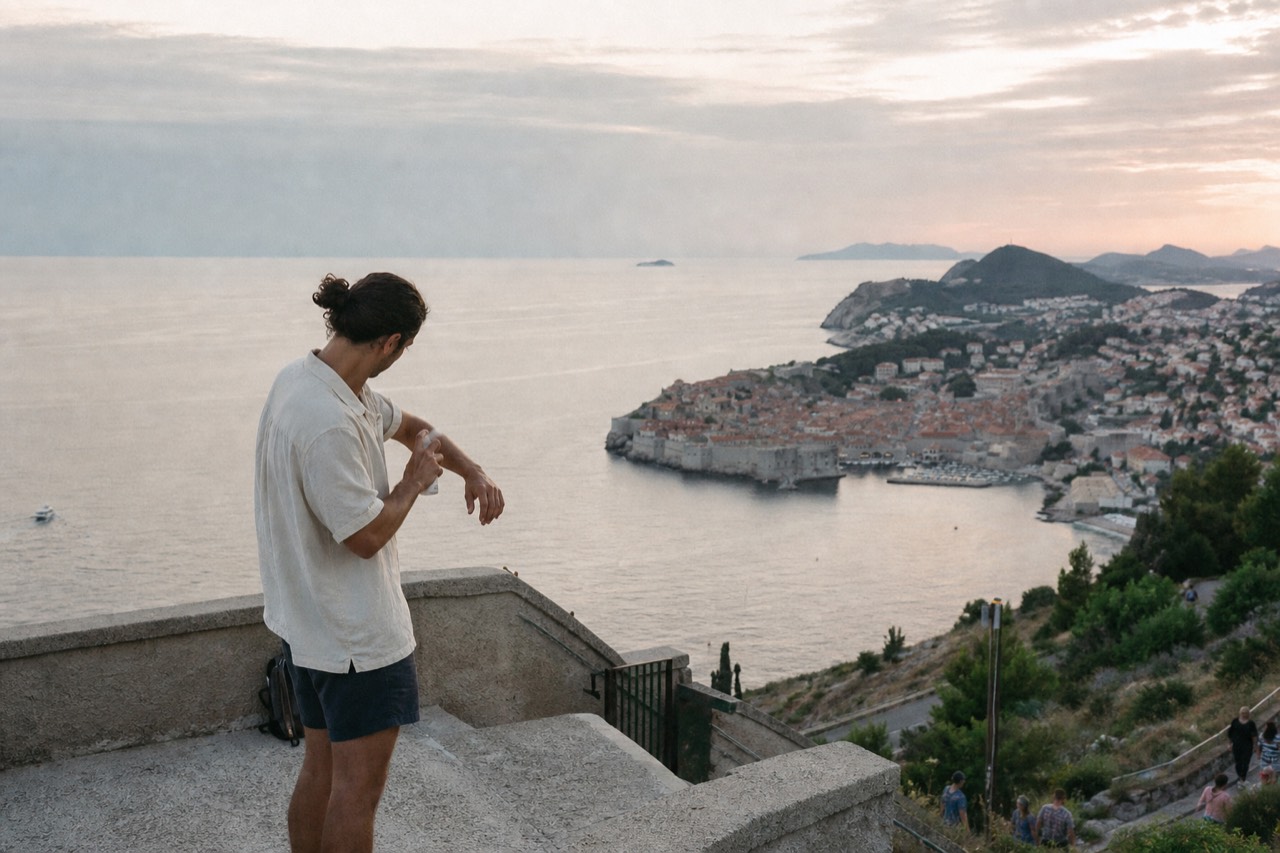
Yes, you will likely need insect repellent in Croatia if you are visiting between May and October, especially along the coast, on islands, or anywhere near still water. Mosquitoes are most active at dusk and after dark, and a good repellent with DEET or picaridin makes a real difference to your comfort. Ticks are a smaller concern in wooded areas, and sandflies can be a nuisance on certain beaches, so a repellent that covers all three is worth packing.
Croatia's warm Mediterranean climate and long, humid evenings create ideal conditions for mosquitoes, particularly in the coastal towns and islands that most visitors head to. The risk is not constant: a dry summer with a strong breeze can push mosquito numbers down, while a wet spring and a run of still, hot nights can bring them out in force. Still, the pattern is reliable enough that you should plan to bring repellent rather than hope you will not need it.
The country's public health authorities do not list mosquito-borne diseases as a major domestic threat, and malaria has been eradicated for decades. That said, mosquitoes can still carry West Nile virus, and a handful of human cases are reported in Croatia most years, enough that the European Centre for Disease Prevention and Control includes the country in its seasonal surveillance. For most travellers, the real issue is discomfort: a single evening of bites on an Old Town terrace or a ferry ride back from Lopud can colour your memory of a holiday. Repellent solves that cheaply.
The practical answer differs by season. In winter, from November through March, you do not need repellent at all: the temperatures are too low for active mosquito populations, and few people are eating outdoors anyway. In April and October, the risk is low but not zero, especially on warm, still evenings. From May to September, pack repellent as a matter of course, and keep it in your day bag for sunset drinks, outdoor concerts, and any accommodation without screened windows. If you are staying on a boat, at a rural agritourism, or on an island like Lopud or Šipan, the case is even stronger.
The repellent you choose matters. DEET at 20 to 30 percent is widely available in Croatian pharmacies, as is icaridin (picaridin), which is less greasy and works against the same range of biting insects. Most visitors from outside Europe bring their own, especially if they have a preferred brand or a child-friendly formula. If you run out, any pharmacy in Dubrovnik, Split or a larger town will sell a repellent called "repelent protiv komaraca," and the pharmacist will know what you mean. Expect to pay about 7 to 10 euro for a standard pump spray.
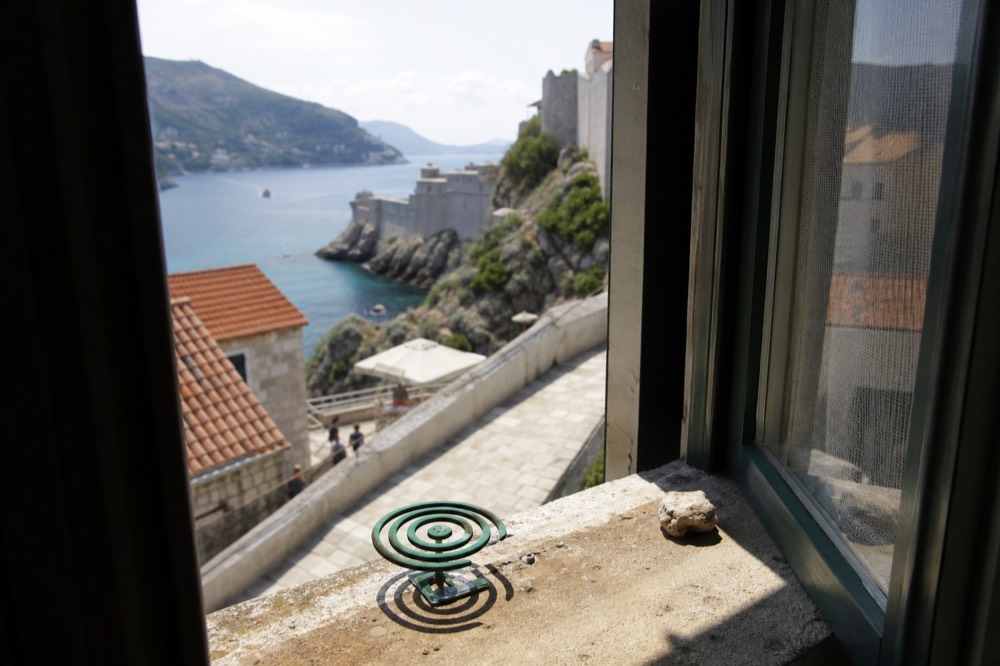
The mosquitoes that bite near the coast are mostly the common house mosquito and the Asian tiger mosquito, the latter being more aggressive during daylight hours. The tiger mosquito is a relatively recent arrival in southern Europe, and it has adapted well to urban environments, breeding in small amounts of standing water like plant pot saucers and blocked gutters. That means even a city-centre apartment with a balcony can have a mosquito problem, and a plug-in vaporiser from a local supermarket is a good investment if you are staying more than a couple of nights. These cost about 5 euro and use a small tablet that releases a scentless vapour overnight.
If you are prone to bad reactions, pack an antihistamine cream as well as the repellent. Croatian pharmacies sell hydrocortisone cream over the counter, and the brand names vary, but the pharmacist will understand "krema protiv uboda komaraca" (cream for mosquito bites). The combination of a good repellent applied before sunset and a cream for the bites you inevitably still get is the most reliable strategy for a comfortable trip.
| Repellent type | Active | Best for | Approximate cost |
|---|---|---|---|
| DEET 20 to 30% | DEET | Mosquitoes, ticks, sandflies | 7 to 10 euro |
| Picaridin 20% | Icaridin | Mosquitoes, ticks; less greasy | 8 to 12 euro |
| Natural (citronella, eucalyptus oil) | Oil of lemon eucalyptus | Mild mosquito pressure, short exposures | 5 to 8 euro |
| Permethrin spray (for clothing) | Permethrin | Tick protection on hikes; not on skin | 10 to 15 euro |
What to Be Careful of in Croatia?
Croatia is a safe country by any reasonable measure, and the things that catch visitors out are usually small, preventable ones: sunburn, dehydration, insect bites, slippery rocks, sea urchins, and pickpocketing in crowded spots. The two biggest risks are underestimating the sun in summer and overestimating your footing on the coastal rocks, both of which land people in the clinic every season.
The sun is fierce. In July and August, UV levels commonly hit 8 or 9 on the index, and a full day on a boat or a beach without reapplication will burn even the most careful person. Bring a high-factor sunscreen, a wide-brimmed hat, and a cover-up for the middle of the day. The sea breeze tricks you into feeling cool long after your skin has absorbed enough radiation to damage it. Drink water constantly; the tap water in Dubrovnik and most coastal towns is safe and tastes good, so carry a refillable bottle.
Sea urchins are a real concern on rocky beaches, which are the norm along the Dubrovnik Riviera. Water shoes are the cheapest and most effective protection. They are sold at every souvenir shop and beach stall for about 10 euro, and they are worth every cent. If you do step on an urchin, a pharmacist can recommend a cream that softens the spines, and the spines themselves will dissolve or work their way out over a few days. Do not try to dig them out with a needle; you are more likely to cause an infection.
Pickpocketing is not rampant, but it exists in the same places it does in every popular European destination: on the Stradun, in the cable car queue, and on crowded buses. A cross-body bag worn to the front and a wallet in a front pocket are enough to deter most opportunists. Violent crime is rare, and the police presence in tourist areas is visible and generally helpful.
The tap water is safe to drink, and buying bottled water is unnecessary. The same cannot be said for every remote island well, but anywhere with a town water supply is fine. In restaurants, you can ask for a glass of tap water, though you will often be offered bottled water instead, and some waiters will politely charge for it. That is not a scam; it is simply the local custom. If you want free tap water, you may need to be explicit.
Insect repellent is part of this same list of small, sensible precautions. The mosquitoes that bite you at sunset are not dangerous, but they will keep you awake and scratching. A mosquito net is overkill for most hotel rooms, but a plug-in vaporiser or a tablet from a local supermarket works well. If you are staying in a private apartment, ask the owner whether the windows have screens; many do not, and a simple citronella candle on the balcony can make a difference.
Driving is another area where caution pays off. The coastal roads are winding and narrow, and parking in the Old Town is both scarce and expensive. If you rent a car, book a parking space in advance or choose accommodation with guaranteed parking. The local driving style is assertive, and in summer the roads can be congested. A ferry or a bus is often a more relaxing way to travel between coastal towns.
What Is the Best Month to Go to Croatia?
The best month depends on what you want, but for most travellers the sweet spot is September, when the sea is warm, the crowds have thinned, and the weather is reliably sunny. May and June are a close second, with long days and fewer people. October can pay off with glorious, quiet weeks or a run of rain. July and August are the hottest, busiest, and most expensive.
September's sea temperature averages about 23.6 degrees Celsius along the Dubrovnik coast, which is a long-run climatological average, not a beach thermometer reading. Sheltered bays run warmer, and the Croatian met service's own buoy off Dubrovnik read 27.0 to 27.4 degrees on an early September day, so the water is still very swimmable. The air temperature hovers in the mid-20s by day, and the fierce heat of August has usually broken.
The cruise passenger numbers support September's reputation as a busy month, but the Port Authority's data for 2025 tells a counter-intuitive story: September and October were the two busiest cruise months, with 101,246 and 100,132 passengers respectively, ahead of July's 96,072 and August's 87,385. So the streets are still full, but the overall visitor mix is different: fewer families with young children, more couples and older travellers, and a noticeable shift in the rhythm of the day.
| Month | Sea temp (°C) | Crowds | Weather | Insect risk |
|---|---|---|---|---|
| April | 15.4 | Low | Mild, some rain | Low |
| May | 18.6 | Moderate | Warm, sunny | Moderate |
| June | 22.5 | High | Hot, long days | High |
| July | 24.9 | Peak | Very hot | High |
| August | 25.8 | Peak | Very hot | High |
| September | 23.6 | High | Warm, sunny | High |
| October | 21.0 | Moderate | Mild, some rain | Moderate |
The insect risk tracks the heat and the humidity. May through September are the months when you will want repellent, with June to September being the peak. If you are prone to reactions, a cortisone cream from a local pharmacy is a good addition to your kit. The mosquitoes are not a reason to avoid any month, but they are a reason to pack a small, light bottle of repellent and to use it.
For a complete planning guide on when to visit, including festivals, prices, and swimming conditions, see our best time to visit Dubrovnik page. It breaks down the year month by month with the same honest, data-backed approach.
If you want to combine a great panoramic view with a walking tour that covers the Old Town in depth, the Cable Car Ride and Old Town Walking Tour is a popular choice, rated 4.6 across 716 reviews. It starts from $163.50 per person and includes the cable car ticket, saving you the hassle of queueing separately.
Is Split in Croatia Worth Visiting?
Yes, Split is absolutely worth visiting. It is home to Diocletian's Palace, one of the best-preserved Roman monuments in the world, and a living city where people still live, work, and drink coffee inside the ancient walls. The waterfront Riva promenade, the Marjan hill park, and the ferry connections to the islands make it a destination in its own right, not just a stopover.
Split and Dubrovnik are often compared, and the honest answer is that they are different enough to justify visiting both. Dubrovnik is a complete, walkable walled city that feels like a film set. Split is a larger, more chaotic, more lived-in city where the ancient and the modern are layered on top of each other. That is not a weakness; it is the reason many travellers prefer Split.
The palace itself is a UNESCO World Heritage site, built for the Roman emperor Diocletian. Its cellars, courtyards, and temples are astonishingly intact, and you can wander through them for free or pay a small fee for the cathedral and the bell tower. The climb up the bell tower is steep and narrow, but the view over the red rooftops and the harbour is worth the effort.
The Riva is Split's social heart, a long palm-lined promenade where locals and visitors sit at outdoor cafes for hours. It is a good place to try a coffee the Croatian way: slowly, with a glass of water, and without any pressure to leave. The Marjan peninsula, a short walk from the Riva, offers pine-shaded trails, small beaches, and a view back across the city that is especially beautiful at sunset.
Split is also the main ferry hub for the central Dalmatian islands: Brač, Hvar, Vis, and Korčula all depart from here. If your trip includes island hopping, Split is a natural base, and many travellers choose to spend two or three nights here before heading south to Dubrovnik. The insect situation is similar to Dubrovnik's: mosquitoes are present near the waterfront and in the parks from May to October, so the same repellent you packed for the south will serve you well. The Jadrolinija and Krilo ferry companies operate the main routes, and tickets are easy to book online or at the harbour kiosk on the day of travel.
Beyond the palace and the Riva, Split rewards wandering. The Varoš neighbourhood, just west of the old town, is a maze of steep stone alleys and small konobas where the food is cheaper and the crowd is local. The Green Market, just outside the palace's eastern gate, is a riot of produce, cheese, and cured meats every morning, and it is one of the best places in the city to buy picnic supplies for a ferry ride or a beach day. For a longer read on how Split compares to Dubrovnik, see our Dubrovnik vs Split breakdown.
Common Questions About Insect Repellent in Croatia
Do I need insect repellent in Croatia?
Yes, you will likely need insect repellent between May and October, especially along the coast, on islands, and near still water. Mosquitoes are most active at dusk and after dark, and a repellent with DEET or picaridin is the most effective option. In winter, from November to March, you do not need it.
What is the best month to go to Croatia?
September is the best all-round month for most travellers: the sea is still warm, the crowds begin to ease, and the weather is reliably sunny. May and June are also excellent, with long days and fewer people. July and August are the hottest and busiest months, and they suit travellers who enjoy peak-season energy.
Is Split in Croatia worth visiting?
Yes, Split is well worth visiting for its Roman palace, its lively waterfront, and its ferry connections to the islands. It is a larger, more lived-in city than Dubrovnik, and the two make a rewarding pair on a Dalmatian itinerary.
What to be careful of in Croatia?
The main risks are sunburn, dehydration, insect bites, slippery rocks, sea urchins, and pickpocketing in crowded areas. The sun is especially strong in summer, and water shoes protect against urchins on rocky beaches. Tap water is safe to drink, and violent crime is rare.
Is Dubrovnik safe for solo travellers?
Yes, Dubrovnik is very safe for solo travellers. The Old Town is well-lit and busy until late, the public transport is reliable, and the local attitude toward tourists is welcoming. The same precautions that apply in any city, keeping an eye on your belongings in crowds and avoiding unlit back streets late at night, are enough here.