Things to Do in Dubrovnik With Kids
Dubrovnik rewards families who plan around stairs, sun and crowds. Here is what actually works with children: boat days, the cable car, the walls done early, and the tickets worth buying.
Short answer
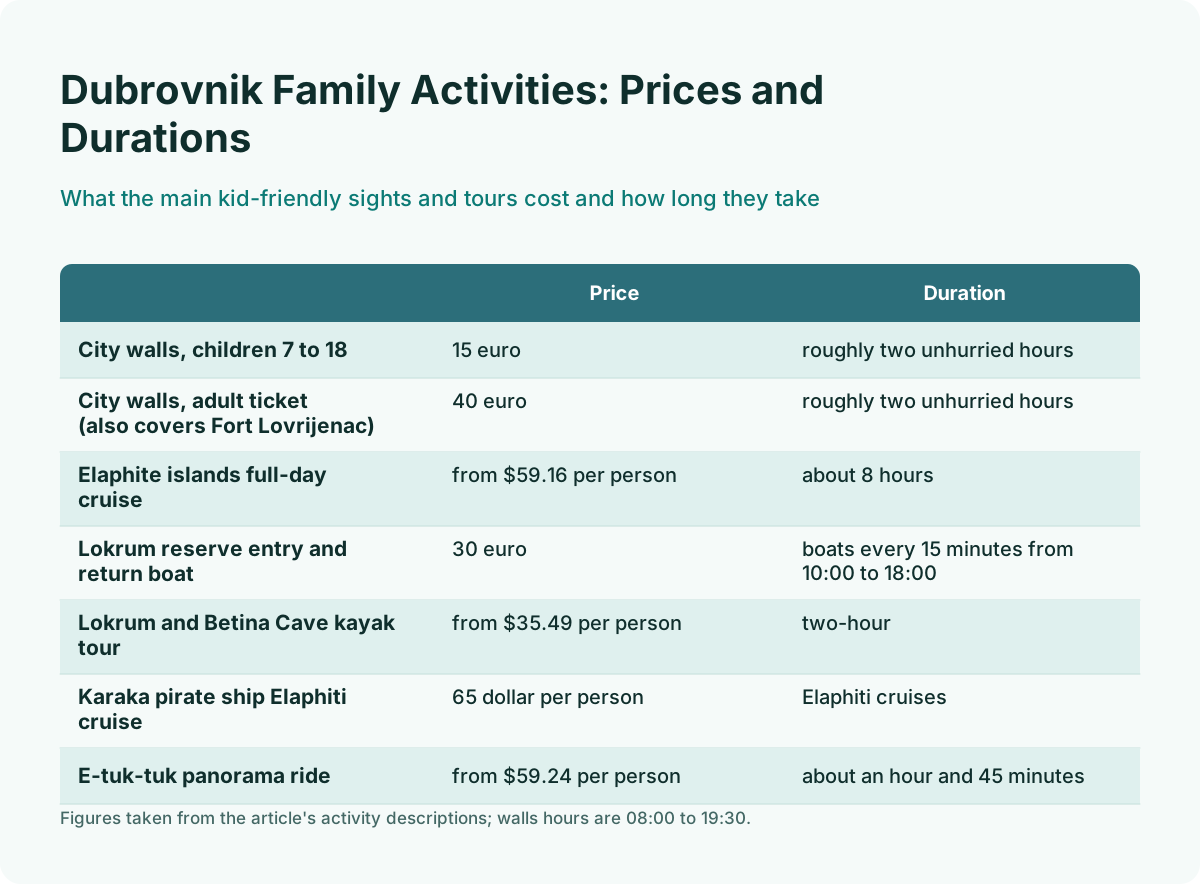
Dubrovnik works well with kids if you mix one big sight a day with water time. The City Walls adult ticket is 40 euro in main season, children 7 to 18 pay 15 euro and under 6 go free. The cable car round trip is 30 euro for adults, 8 euro for children 4 to 12, and the Elaphite islands cruise runs from $59.16 per person.
Dubrovnik is a city of stone staircases, boat decks and ice cream stops, and it treats children better than most Mediterranean old towns, provided you plan around the heat and the crowds. I have walked these streets with visiting families since 2015, and the pattern that works never changes: one big sight in the morning, water in the afternoon, and a table somewhere shaded by early evening. This guide lays out the full toolkit, from the walls and the cable car to the quirks kids remember, the tickets worth their price, and the mistakes that ruin a family day.
Is Dubrovnik Worth Visiting With Kids?
Yes, for most families with children from around five or six up, Dubrovnik is genuinely worth it. The Old Town is compact, car-free and walled, so kids can roam with a loose leash. The counterweights are stairs, summer heat and cruise crowds, and all three are manageable with timing. Families with toddlers or stroller-age children should read the getting-around section before committing.
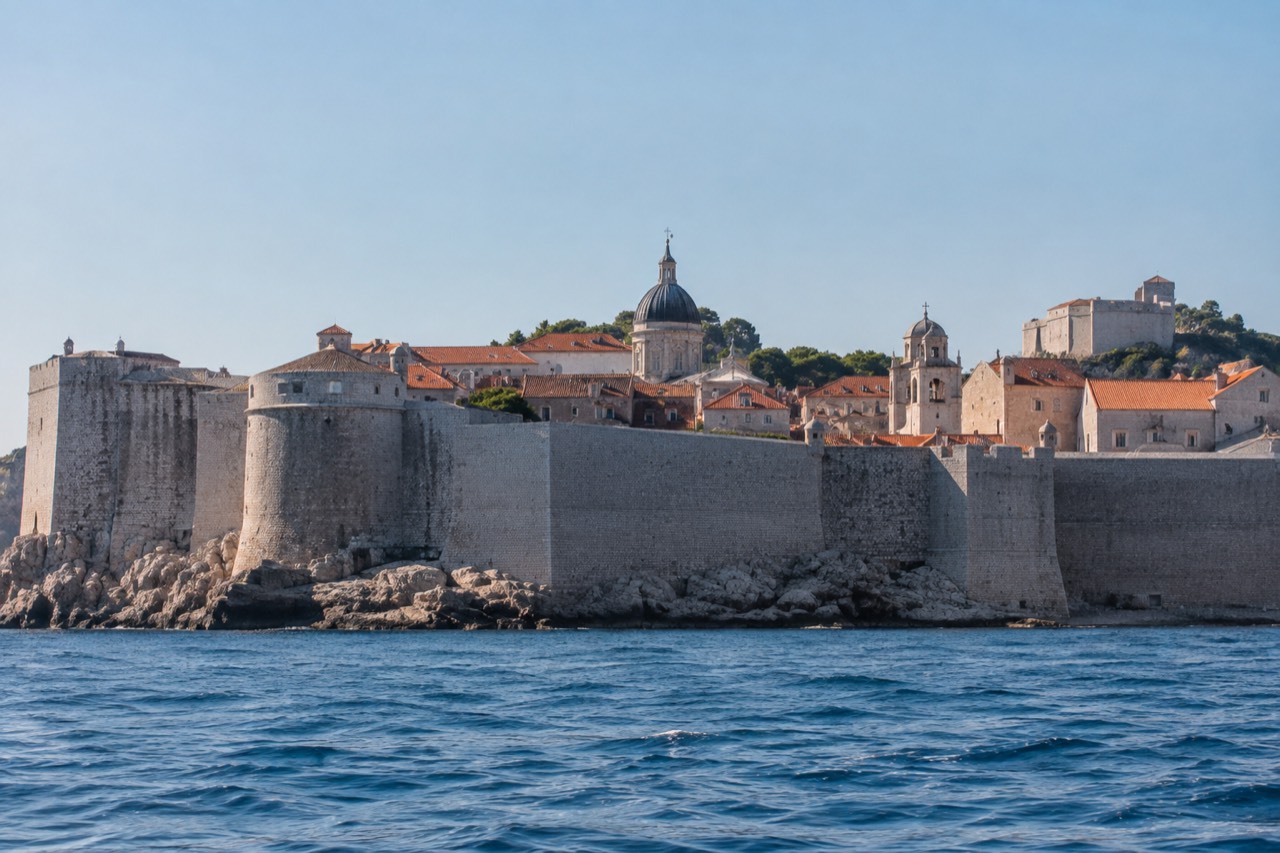
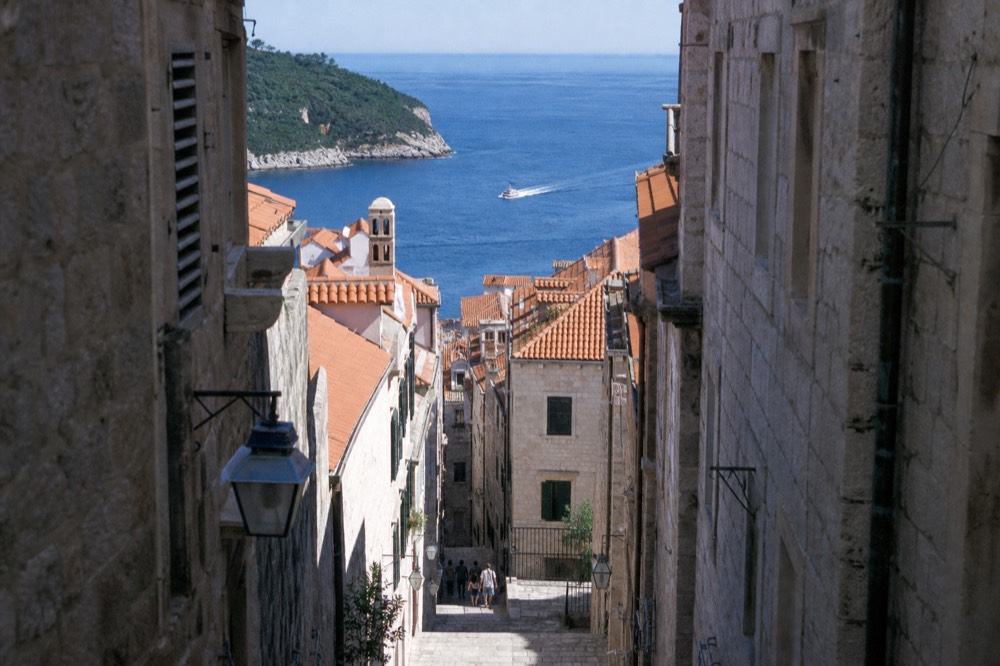
The Old City covers just 24.7 hectares inside its walls, inscribed by UNESCO in 1979 under criteria (i)(iii)(iv), and there are no cars inside them at all. That single fact does more for a family holiday than any attraction list: a child who wanders off is never more than a few streets from you, and the main street, the Stradun, is a flat 298-metre limestone promenade that ends, helpfully, at ice cream in both directions. The 1272 Statute fixed the plan of the city and its main street, and the layout still works for a six-year-old's legs.
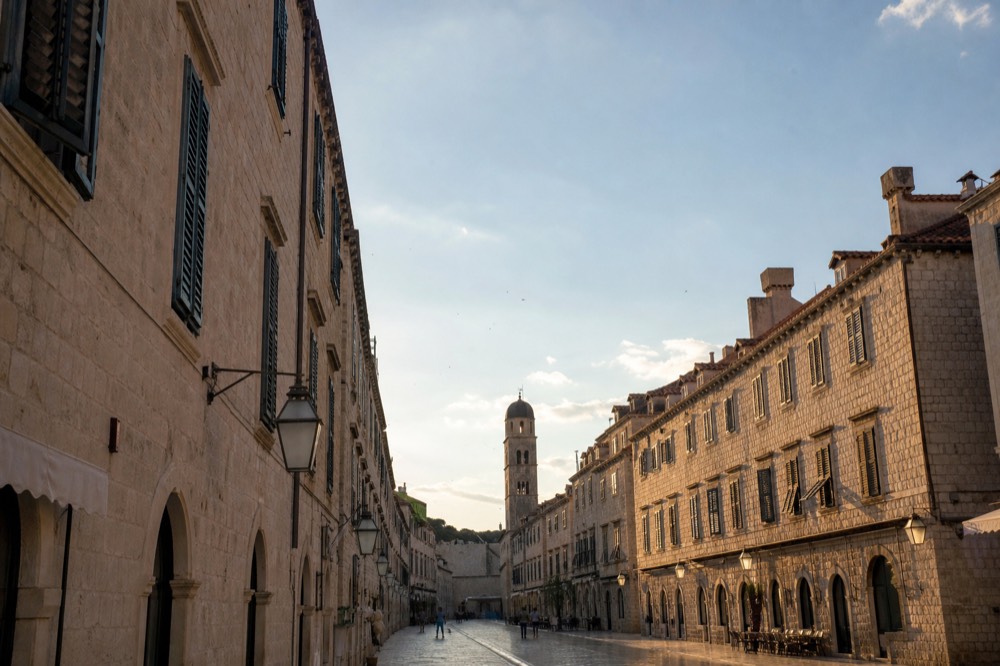
What makes it work is the mix of scales. The big sights, the walls, the cable car, the sea, are dramatic enough for adults, while the everyday texture, cats dozing on warm stone, boats in the old harbour, water splashing over the Buža bar rocks, is exactly what children latch onto. My own rule for visiting families is simple: never schedule two big-ticket sights in one day. The walls in the morning and a swim at a beach in Lapad in the afternoon is a full day. Anyone who tries the walls, the cable car and Lokrum before dinner ends up carrying someone.
The honest caveats. Summer afternoons are hot, the Old Town's stone holds heat late into the evening, and the busiest cruise days push the historic core toward its official carrying capacity of 11,275 people. September and October are actually the two busiest cruise months of the year, which surprises everyone who assumed July was the peak. None of this is a reason to skip the city with kids; it is a reason to read the timing section below and book accordingly.
What Are the Top Things to Do in Dubrovnik With Kids?
The shortlist for families is the City Walls walked early, a full-day Elaphite islands boat cruise, the Mount Srd cable car, a sea kayaking session to Betina Cave, and Lokrum island with its peacocks and swimming coves. The walls and the cable car are the two headline sights, but the boat day is the one children consistently rank first, because it turns sightseeing into a swimming trip.
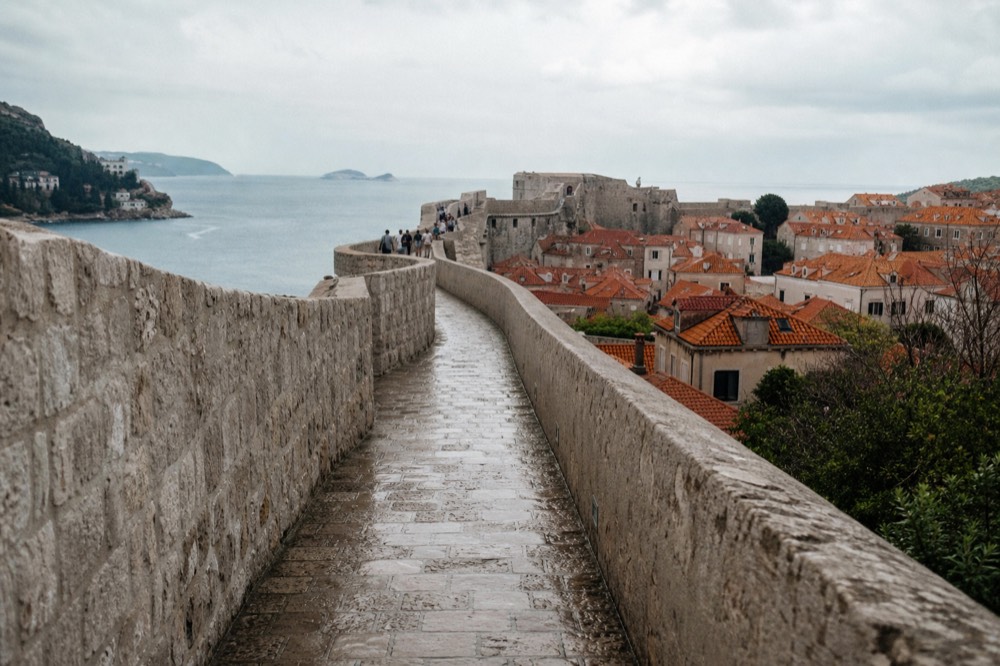
Start with the walls. The circuit is 1,940 metres long, up to 25 metres high, and takes a family with children roughly two unhurried hours. Go at opening time, the operator's stated hours are 08:00 to 19:30, because by late morning the unshaded sections are punishing and the stair traffic slows everyone down. Children 7 to 18 pay 15 euro, under 6 walk free, and the 40 euro adult ticket also covers Fort Lovrijenac across the bay, which kids often like more than the walls themselves. The full structure, 16 towers, 3 fortresses and 6 bastions, gives a scavenger-hunt structure to the walk if you turn the towers into a counting game.
The boat day is the family banker. The full-day Elaphite islands cruise runs about 8 hours, costs from $59.16 per person, and carries a 4.9 rating across 10,312 reviews, which makes it the most-reviewed trip on this site's roster. It stops at three islands, serves a fish picnic lunch on board, and keeps the drinks coming; the shaded deck is the detail parents appreciate most in July and August. One recent review captures the family case better than I can:
This was a wonderful day. Nice and shaded on the boat as we cruised on the cool adriatic. Loved seeing the neat Elphiti Islands and a wonderful way to get out the the heat and large crowds for a bit. They kept the drinks flowing and lunch was phenomenal and a generous portion. This is the way to cruise the Adriatic.
Shelby_S
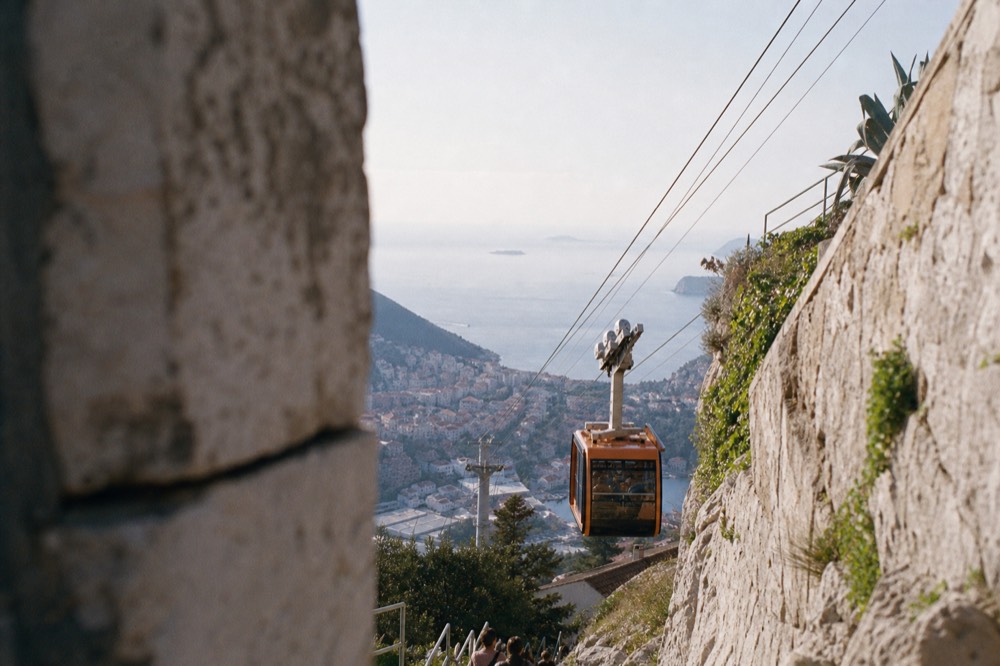
The cable car is the third pillar. The ride covers 778.2 metres of track in 3 minutes 30 seconds, lifting you from 38 metres to 405 metres above sea level, and the operator claims a view range of up to 60 km on a clear day. At the top there is space to run, a panorama of the whole walled city, and the Imperial Fort, which older children studying history will recognise from the 1991 to 1998 period, when the Old Town sat on UNESCO's List of World Heritage in Danger. Adults pay 30 euro round trip, children 4 to 12 pay 8 euro, and under 4 rides free.
Kayaking suits confident swimmers from around eight up. The two-hour Lokrum and Betina Cave tour costs from $35.49 per person and is rated 4.9 across 1,518 reviews; the swimming break inside the cave is the moment children talk about for the rest of the week. A family who took it recently put it plainly:
Lokrum itself is the easiest island day. The 30 euro ticket covers reserve entry and the return boat, boats leave the City Harbour at 09:00 and then every 15 minutes from 10:00 to 18:00, and the island delivers peacocks, a botanical garden, rocky swimming spots and enough shade to survive a hot afternoon. For a fuller family plan built around these pieces, the one day in Dubrovnik itinerary sequences them hour by hour.
| Activity | Best age | Time needed | Why kids like it |
|---|---|---|---|
| City Walls walk | 6 and up | About 2 hours | Towers, cannons and rooftop views |
| Elaphite islands cruise | 4 and up | About 8 hours | Swimming stops, boat deck, lunch on board |
| Cable car to Mount Srd | All ages | Half a day | The ride itself, space to run at the top |
| Sea kayaking to Betina Cave | 8 and up | About 2 hours | Cave swimming stop, clear water |
| Lokrum island | All ages | Half a day | Peacocks, coves, fort ruins to explore |
| Aquarium and museums | All ages | 1 to 2 hours | Break from the heat, tanks and sea life |
If you want to compare the three easiest family days side by side, these are the picks I would put in front of any parent planning the week.
What Are Some Quirky Things to Do in Dubrovnik?
The quirky side of Dubrovnik includes drinking at Buža bar through a hole in the city walls, hunting Game of Thrones filming spots, riding a pirate ship to the Elaphiti islands, taking the evening history and legends walk on GuruWalk, and flying the Mount Srd zipline. Most of these are things children find cooler than the official sights, and several cost little or nothing beyond a drink or a tip.
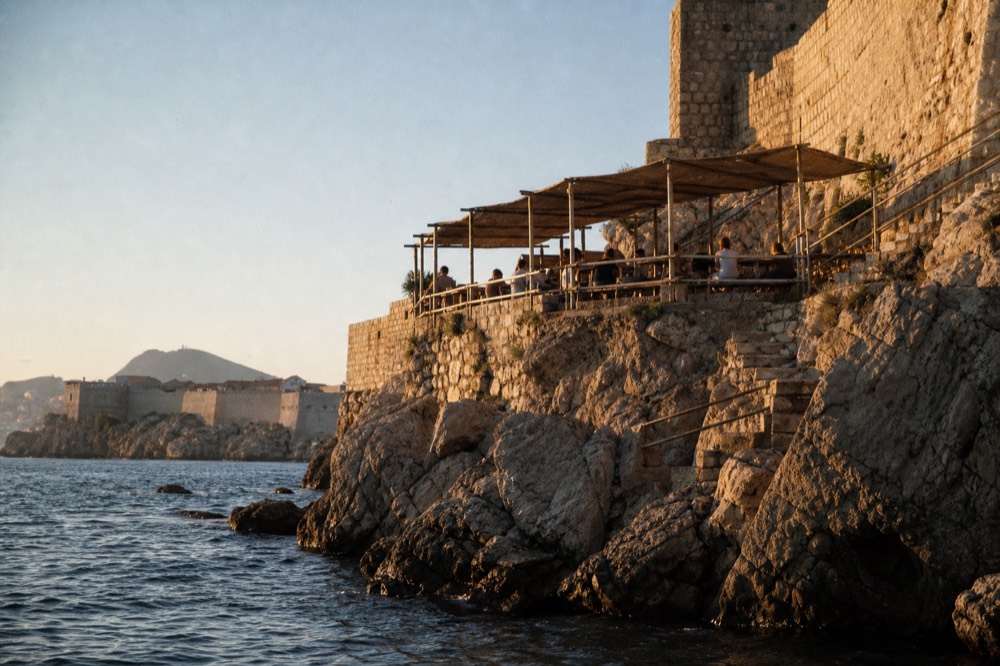
Buža bar is the classic. You walk through an unmarked doorway in the walls near the south side and suddenly you are on a cliff terrace above open sea, drink in hand, with ladder access to the water below. Children treat the doorway as a secret passage, which is exactly the right instinct. The Buža bar guide covers how to find it and when the terrace is calmest. The Game of Thrones layer works the same way: the city is King's Landing, and a kid who has seen the show will spot the Walk of Shame staircase and the Red Keep locations without much prompting. The original Game of Thrones tour with the Lokrum throne stop costs from $25.57 per person and is rated 4.8 across 6,132 reviews.
The pirate ship is the quirkiest transport in the region. The Karaka, a replica argosy, runs Elaphiti cruises from 65 dollar per person with a 4.8 rating across 757 reviews, and the sight of it under sail does half the entertaining before you leave the harbour. For evening entertainment, the Magical Dubrovnik Nights history and legends walk on GuruWalk runs an hour and 45 minutes, is free on a pay-what-you-want basis, and is rated 4.9 across 288 reviews; it is the rare tour where ghost stories are the actual product, which is precisely why it lands with children. The zipline on Mount Srd, from 64 dollar per person and rated 4.9 across 2,109 reviews, suits teenagers more than small children, but pairs perfectly with a cable car morning.
For families who want the panorama without the climb, the e-tuk-tuk panorama ride is the odd one out that shouldn't be overlooked. It runs about an hour and 45 minutes, costs from $59.24 per person, and carries a perfect 5 rating across 1,799 reviews, the highest-rated product on the whole roster. Read more on the tours and experiences overview, or check dates on the E-Tuk Tuk panorama tour page and Check availability if a rest day for little legs appeals.
What Not to Do in Dubrovnik?
The four mistakes that hurt families most are walking the walls at midday in summer, trying to see the Old Town on a peak cruise day without checking the schedule, attempting the whole city with a stroller on the stair streets, and skipping water and shade planning between 11:00 and 17:00. Each is avoidable with a schedule check and honest timing, and none requires spending more money.
The walls at midday is the big one. The circuit is almost entirely unshaded, the stone radiates heat, and the operator's own stated hours, 08:00 to 19:30, exist partly so you can start at 08:00. A family that starts at 14:00 in August is not sightseeing, it is endurance testing. The same logic applies to the Stradun: it is a heat funnel in the afternoon, and the side lanes with their shuttered alleys run a few degrees cooler.
Cruise-day planning matters more than most guides admit. The Port Authority limits cruise passengers to 8,000 a day in most cases, but 2025 saw September peak at 101,246 cruise passengers and October at 100,132, both above July's 96,072 and August's 87,385. The counting system, six counters at every Old Town entrance updating every 15 minutes, exists because the difference between a calm morning and a packed one is often one ship's worth of people. Check the cruise schedule before you pick your walls day. The Port Authority's own cruise destination page explains the daily limits and the berthing arrangement in the operator's own words.
| Mistake | Why it hurts a family day | The fix |
|---|---|---|
| Walls at midday in summer | No shade, hot stone, slow stair traffic | Start at 08:00, be done by 10:30 |
| Old Town on a peak cruise day | Crowds double, queues lengthen | Check the cruise schedule first |
| Stroller on stair streets | Many lanes are steps, not ramps | Carrier for under 3, stay on the Stradun |
| Three big sights in one day | Overtired children by 15:00 | One big sight plus water time |
| No swimming plan | Afternoons drag without a cooldown | Beach or kayak slot every day |
Strollers deserve a specific warning. The Stradun is flat, but most of the side streets are staircases, and the walls themselves are steps and slopes throughout. A carrier beats a stroller for any child light enough to carry, and this is the single most common gear mistake I see visiting families make. The walkability guide maps which parts of the city a stroller can actually handle.
Which Tickets Should Families Buy, and What Do They Cost?
Budget 40 euro per adult for the walls in main season, 15 euro per child 7 to 18, free under 6, and treat the one-day Dubrovnik Pass at 40 euro as the better buy, since it costs the same and adds ten more sights plus a 24-hour bus ticket. The cable car is 30 euro round trip for adults and 8 euro for children 4 to 12. That pass and walls equivalence holds only in main season.
The walls ticket is really a combination ticket: the operator's own webshop sells it as walls plus Fort Lovrijenac, and it also covers the Western Outer Wall, closed December through February, and the Collection of Coins of the Republic of Ragusa. Lovrijenac alone is 15 euro. There is no family ticket at any price; the operator sells exactly two paid article types, adult and child 7 to 18. The walls operator's own site carries the dimensions and inclusions in full.
| Ticket | Main season, 1 March to 30 November | December |
|---|---|---|
| City Walls adult, walls plus Lovrijenac | 40 euro | 20 euro |
| City Walls child 7 to 18 | 15 euro | 5 euro |
| Child 6 and under | Free | Free |
| Dubrovnik Pass, one day | 40 euro | Not on sale |
| Dubrovnik Pass, three days | 50 euro | Not on sale |
| Dubrovnik Pass, seven days | 60 euro | Not on sale |
The pass maths for a family is straightforward in main season. Every pass tier lists City Walls plus Lovrijenac Fortress as its first inclusion, each institution is visitable once, and the one-day tier adds sights like the Rector's Palace, the Maritime Museum, the Natural History Museum and the Dubrovnik Aquarium, plus a 24-hour bus ticket that covers the ride back from Lapad. The official pass site lists every inclusion. In December the standalone walls ticket drops to 20 euro and no winter pass tier is on sale at all, so the comparison flips and the plain ticket wins.
The cable car has its own price ladder, published by the operator. Children under 4 ride free, which softens the family total considerably, and the timetable matters as much as the price: the cable car closes January through March, runs 09:00 to midnight in July and August, and shortens from mid-September. The operator's price and timetable page is the source to check before you promise anyone a sunset ride.
| Cable car ticket | Round trip | One way |
|---|---|---|
| Adult | 30 euro | 17 euro |
| Child 4 to 12 | 8 euro | 5 euro |
| Child under 4 | Free | Free |
If you would rather fold the cable car, a guided walk and the walls into one booked morning, the combined cable car, walking tour and city walls product costs from $90.66 per person and is rated 4.6 across 360 reviews. It suits families with older children who can hold a full half-day of sightseeing without a break.
When Is the Best Time of Year to Visit With Kids?
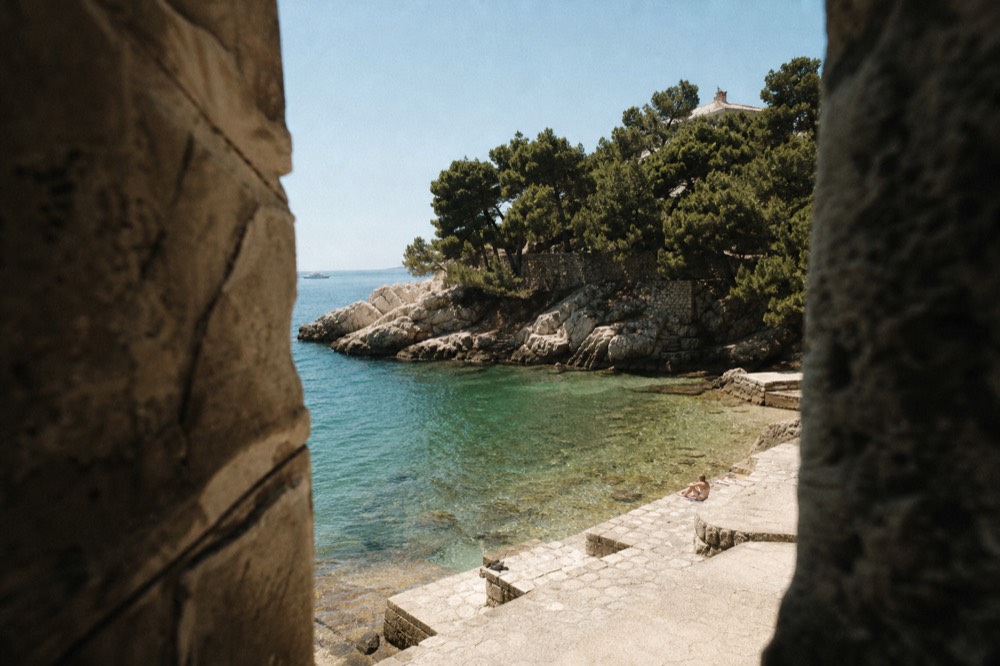
June and September are the sweet spots: the sea is warm, at a long-run average of 22.5 degrees in June and 23.6 in September, prices sit below the July and August peak, and the worst cruise crowds have either not arrived or have thinned. July and August bring the hottest water, 24.9 and 25.8 degrees, but also the densest days. October still swims at a 21.0 degree average.
Those sea figures are NOAA long-run monthly averages for 1991 to 2020, open-water grid-cell numbers rather than beach readings, and sheltered bays run warmer: the Croatian met service's own Dubrovnik buoy read 27.0 to 27.4 degrees on 8 September 2026 against a 23.6 September mean. For a family deciding when to book, the practical reading is that swimming is comfortable from mid-June through early October, and that the water in a sheltered bay in September will feel noticeably warmer than the open-sea average suggests.
| Month | Sea average, degrees C | Family verdict |
|---|---|---|
| May | 18.6 | Warm days, brisk swims |
| June | 22.5 | Best balance of warmth and calm |
| July | 24.9 | Hottest, busiest, book everything |
| August | 25.8 | Peak water, peak crowds, peak heat |
| September | 23.6 | Warm sea, thinner streets, top cruise month |
| October | 21.0 | Still swimmable, quietest warm month |
The crowd calendar runs counter to instinct, and this is the fact most first-time visitors get wrong. Cruise passengers in 2025 peaked in September at 101,246 and October at 100,132, both above July's 96,072 and August's 87,385. September is therefore a double-edged month for families: the sea is at its family-friendly best, but the Old Town absorbs its heaviest cruise traffic of the year. Time your walls walk for opening hour regardless of month, and lean on the boat days and beach afternoons when the streets are full.
How Tiring Is Dubrovnik for Children?
Expect a walking city, not a resort. The Old Town is compact but vertical, the walls circuit is 1,940 metres of steps and slopes, and a typical sightseeing day logs far more stair climbing than flat strolling. Children from about six up manage it happily with breaks; under fours need a carrier, and every day needs a mid-afternoon swim or rest slot built in.
The geometry is the explanation. Inside 24.7 hectares the city stacks uphill from the Stradun toward the walls on both sides, and the lanes off the main street are staircases with names. Two mitigations work. First, the bus and boat network: the pass's 24-hour bus ticket, the Lapad beaches and the boat departures from the old harbour all let you replace a hot walk with a ride. Second, the water tax: every swim stop resets a child's legs. Copacabana beach in Lapad and the Banje beach below the walls are the two easiest wins, and the beaches guide ranks them for families.
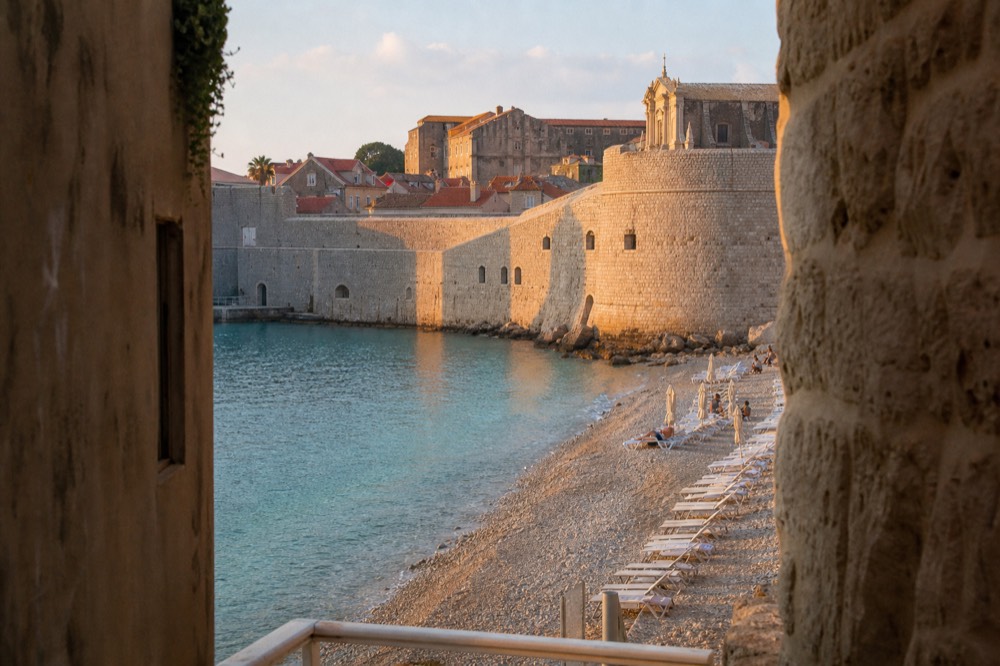
Pace is a parental choice, not a constraint. The families who leave happiest are the ones who did two things well each day rather than five things adequately. A morning walls walk followed by a long lunch and a beach afternoon is a complete Dubrovnik day by any measure. If your children are young enough that the walls are out of reach, swap them for Fort Lovrijenac, which is dramatic, quick to explore and included with the same ticket anyway.
How Do You Fill a Rainy Day or a Rest Day?
Rainy and rest days are for the Dubrovnik Aquarium, the museums bundled on the Dubrovnik Pass, a food walk with a local guide, and the covered konoba lunches that stretch across an afternoon. The pass covers the Maritime Museum, the Natural History Museum and the Rector's Palace among others, so a wet day can be genuinely full without buying anything extra beyond the pass you already hold.
The aquarium sits in the old harbour complex and is exactly the right size for children, small enough to finish before boredom, real enough to hold attention. The museum cluster inside the walls does the rest: the Maritime Museum inside Fort St John, the Natural History Museum, and the Rector's Palace, whose courtyard and exhibits suit a slow hour. All of them are pass inclusions, one visit each.
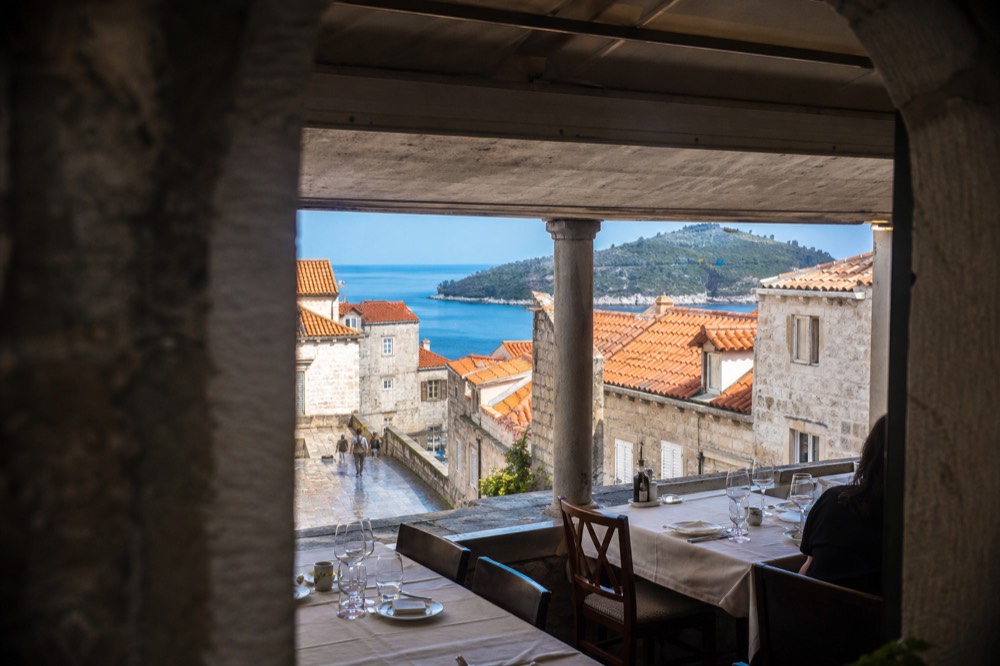
Food is the other rest-day structure. The three-hour food and drink walking tour with a local guide costs from $165.64 per person and carries a perfect 5 rating across 704 reviews, which puts it in the older-children-and-up bracket, but a plain konoba lunch works for every age and the what to eat guide points at the dishes children reliably order twice. The rainy day itinerary sequences a full wet-weather plan if you want it hour by hour, and the wider Things to Do in Dubrovnik index carries the full list of options beyond the family core.
Whichever way you build the week, the three products below are the ones I would put in front of parents first: the boat day that children rank above everything, the alternative cruise with a different ship and lunch style, and the panorama ride that saves little legs on a hot afternoon.
Common Questions About Things to Do in Dubrovnik With Kids
Is Dubrovnik Worth Visiting With Kids?
Yes, especially for children from around five or six up. The Old Town is car-free and compact, the walls and cable car are dramatic sights, and the boat and beach days reset everyone's energy. The challenges are stairs, summer heat and crowds, all manageable with early starts and a one-big-sight-per-day pace.
How much does it cost for a family to visit the City Walls?
In main season, 1 March to 30 November, the adult walls ticket is 40 euro and children 7 to 18 pay 15 euro, with under 6 free. There is no family ticket. In December the adult price drops to 20 euro and the child price to 5 euro.
Is the Dubrovnik Pass worth it for families?
In main season, yes for most. The one-day pass costs the same 40 euro as the walls ticket and adds ten more sights, including the aquarium's museum neighbours and the Rector's Palace, plus a 24-hour bus ticket. Each sight is visitable once. In December no pass tier is on sale, so buy the plain walls ticket instead.
What is the best month to visit Dubrovnik with children?
June and September. The sea averages 22.5 degrees in June and 23.6 in September, warm enough for long swims, and the streets are calmer than in July and August. Note that September is also the busiest cruise month, so keep your morning starts early.
Can you take a stroller around Dubrovnik?
Only partly. The Stradun and the main squares are flat, but most side streets are staircases and the walls circuit is steps throughout. Use a carrier for children under three and plan routes along the Stradun, the old harbour and the Pile area.
Which boat trip is best with children?
The full-day Elaphite islands cruise is the family favourite: about 8 hours, from $59.16 per person, rated 4.9 across 10,312 reviews, with a fish picnic lunch and shaded deck. Shorter options include the Blue Cave and Sunj beach tour and the two-hour kayak trip to Betina Cave for confident swimmers.