Trsteno Arboretum: The Garden Day Trip From Dubrovnik
Trsteno Arboretum is the quiet, green answer to a Dubrovnik itinerary that has run out of walls to walk. Here is how to reach it, what it costs, and how it fits alongside Cavtat, Lokrum and the big inland day trips.
Short answer
Trsteno Arboretum sits on the coast road northwest of Dubrovnik and is reached by local bus, taxi or a booked tour. The combined Dubrovnik, Trsteno, Lokrum ticket is 42 euro and covers arboretum entry plus an air-conditioned boat. Allow half a day, and pair it with Lokrum or Cavtat rather than rushing it.
Trsteno Arboretum is the day trip most Dubrovnik visitors hear about the day after it would have been useful. The walled city keeps everyone busy for two days, and by the third the heat on the Stradun starts to feel structural, which is exactly when a shaded garden on the water starts to sound like a plan. I have sent plenty of travellers up that stretch of coast over the years, and the ones who go almost always come back saying the same thing: they wish they had gone sooner.
The arboretum is a Renaissance garden complex terraced above a small bay on the coastal road northwest of the city, part of the same stretch of shoreline that continues on toward Ston and the Pelješac peninsula. It is a Game of Thrones filming location, it is green in a way almost nothing else near Dubrovnik is, and it costs less to reach than most people expect. This guide covers what it is, how to get there, what the verified ticket options actually include, and how it fits alongside the two boat questions people ask constantly: the Cavtat crossing and the Plitvice fantasy.
What Is Trsteno Arboretum?
Trsteno Arboretum is a historic garden and parkland complex on the coast northwest of Dubrovnik, built around terraces, an old stone aqueduct and a fountain, with sea views over a small bay. It is one of the few genuinely green, shaded half-day trips from the city, and it doubles as a Game of Thrones filming location, which is why tour buses and independent travellers both show up.
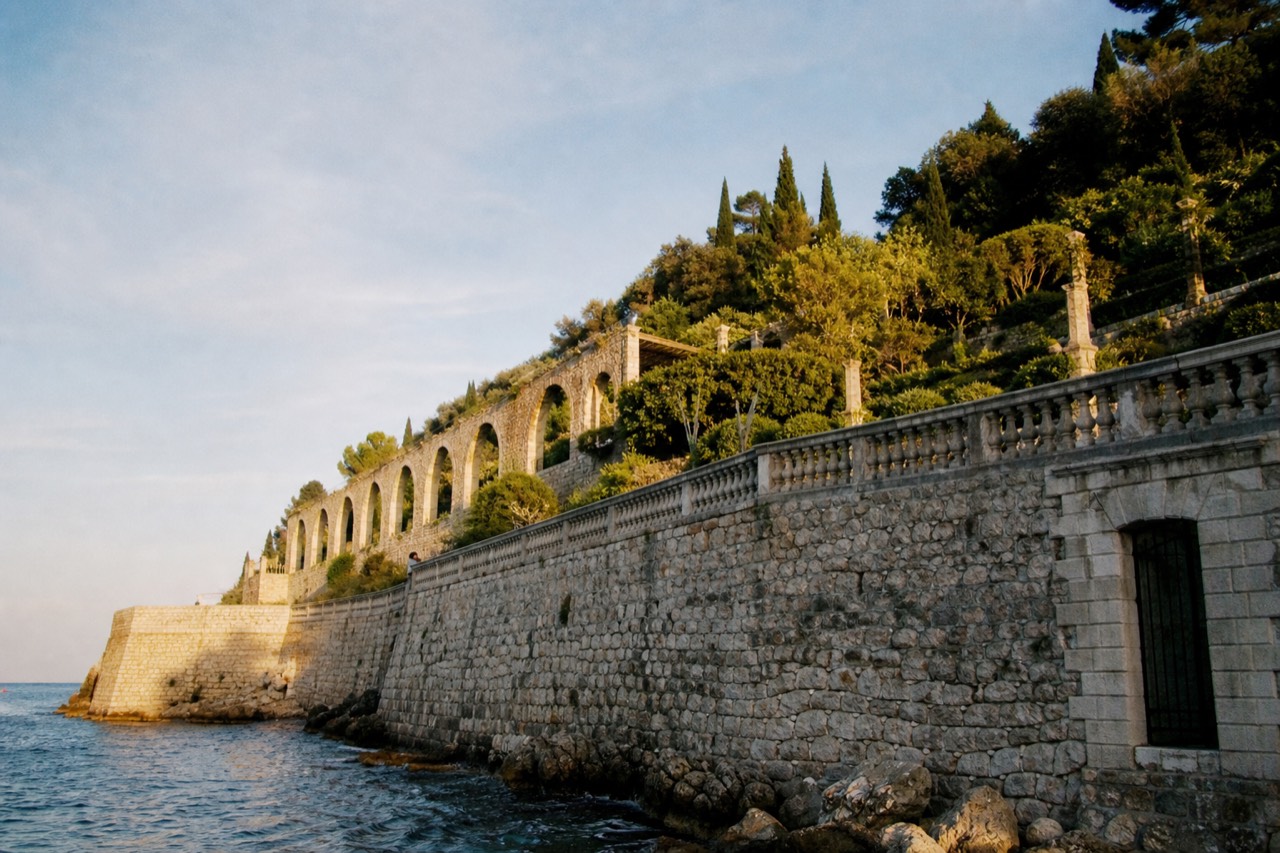
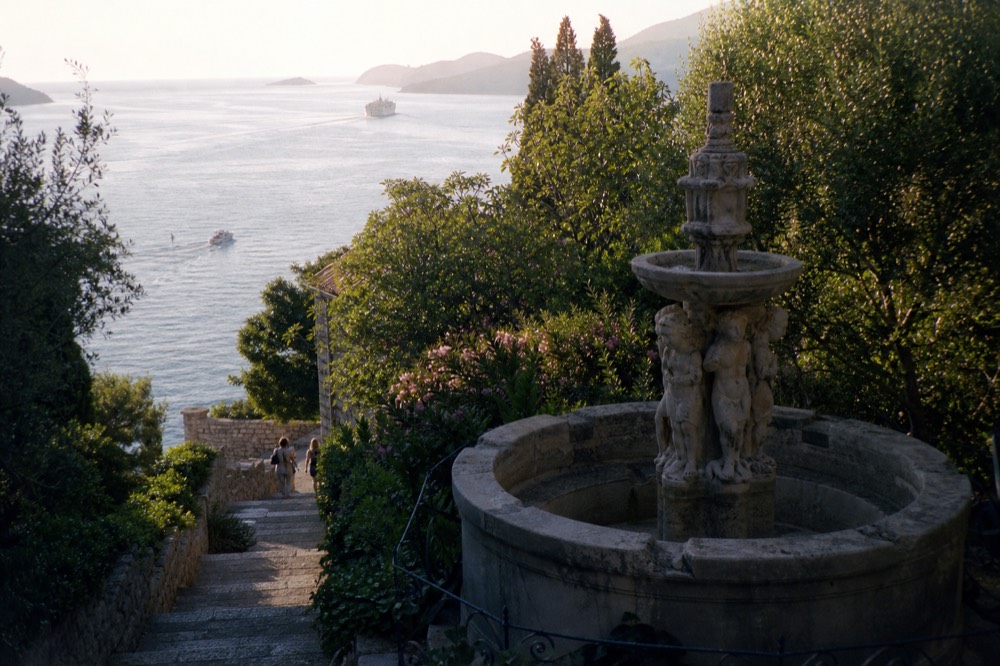
The core of the visit is the terraced garden that steps down toward the water, fed by the stone aqueduct that runs along its upper edge. The aqueduct ends in a fountain with carved figures, and the whole ensemble exists because a Renaissance summer estate needed water and its owners had the money to move it. That is the honest shape of the story: a wealthy family's pleasure garden that survived long enough to become a public institution.
What makes it work as a day trip is the combination of shade and scale. Dubrovnik in summer is limestone and heat; Trsteno is canopy, running water and a sea breeze off the bay. The gardens are small enough to see in a relaxed morning and large enough that you are not circling the same bed twice. The two giant plane trees by the entrance are the signature sight, and the pavilion above the bay is where most people take the photograph they actually keep.
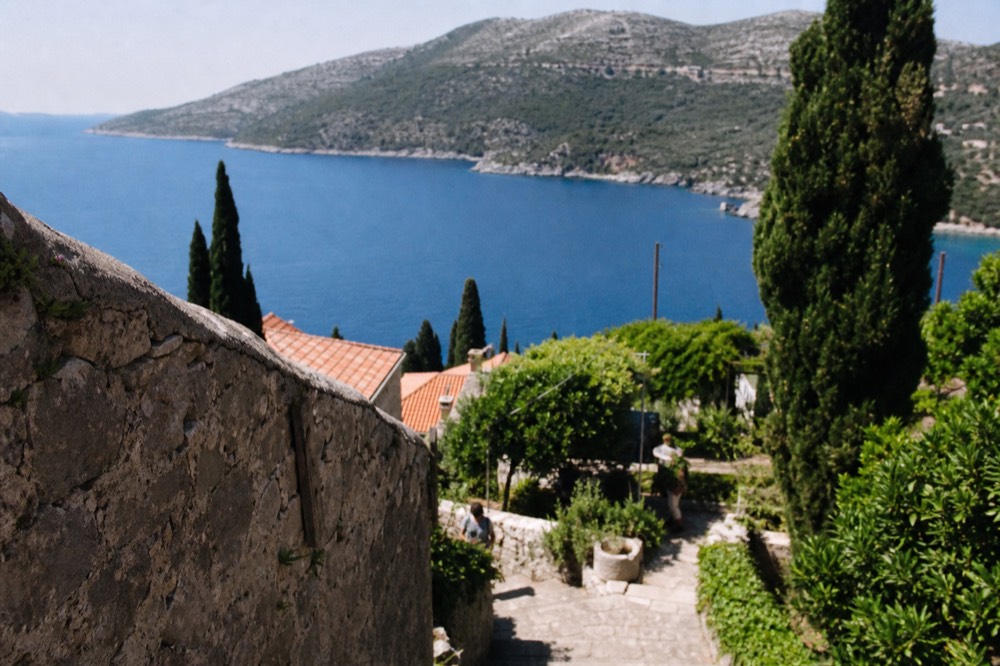
Because it is a filming location, Trsteno draws two crowds: garden people and Game of Thrones people. The garden people linger by the fountain; the Thrones people head straight for the spot that stood in for the Red Keep gardens in King's Landing. If you are in the second group, our Game of Thrones filming locations guide maps every Dubrovnik site, and Trsteno is the one that gets you out of the city walls for the afternoon.
How Do You Get From Dubrovnik to Trsteno?
You reach Trsteno by local bus along the coastal road, by taxi or private transfer, or as a stop on a booked day trip. There is no boat from Dubrovnik to Trsteno itself; the sea option is the combined ticket that pairs the arboretum with Lokrum on an air-conditioned boat, priced at 42 euro per person. Most independent visitors take the bus out and a taxi back.
The bus is the honest budget answer. Local services run along the coast road through a string of villages, and Trsteno is a recognised stop, so you do not need a car or a tour to get there. The trade-off is that coastal buses fill up in high season and run to a schedule that assumes you are a commuter, not a tourist, so check the return times before you commit to the outbound ride. A taxi or transfer solves the schedule problem and costs more; for two or three people splitting it, the difference from two bus return fares narrows to the point where the convenience wins.
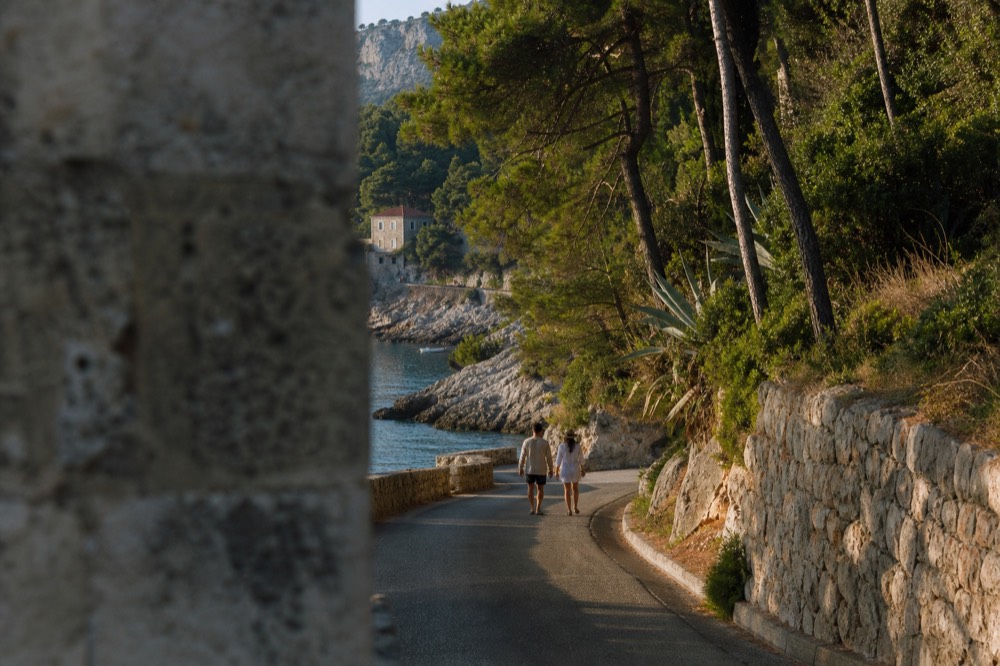
The third route is the one most people do not know exists. The Public Institution Lokrum Reserve sells a combined Dubrovnik, Trsteno, Lokrum, Dubrovnik ticket for 42 euro per person, and it includes Trsteno Arboretum admission and travel on an air-conditioned boat. The details are on the official Lokrum Reserve site. That ticket turns two separate half-days into one loop: gardens in the morning, boat and island in the afternoon, and no bus timetable anywhere in the plan.
| Option | Best for | Watch out for |
|---|---|---|
| Local bus along the coast road | Budget travellers comfortable with a timetable | Return times thin in the afternoon; fills up in July and August |
| Taxi or private transfer | Couples and families wanting schedule freedom | Agree the return pickup in advance; Trsteno village is quiet |
| Combined Lokrum boat ticket, 42 euro | Visitors pairing the gardens with Lokrum Island | Boat departure pattern is fixed; the ticket stays usable for three days |
| Booked day trip with a Trsteno stop | Anyone combining it with Ston, Korčula or wine country | Time at the arboretum is short, usually under an hour |
If a booked day trip appeals, the choice is really between the coastal direction, which is Trsteno's own, and the big inland classics. The inland options carry far more review history and a very different kind of day.
One planning note from experience: the coast road out to Trsteno is the same road that continues to Ston, so if you are renting a car or booking a private driver, the gardens pair naturally with the Ston walls and the oyster farms rather than with anything south of Dubrovnik. Our day trips from Dubrovnik guide lays out the full map of what is reachable in a day.
How Long Is the Boat Ride From Dubrovnik to Cavtat?
There is no verified official crossing time for the Dubrovnik to Cavtat boat, so treat any minute figure you read online with suspicion. What is verified is the shape of the service: scheduled boats and tourist cruises run the short coastal hop between Gruž and Cavtat, and the shortest bookable option on our roster is a one-hour Cavtat sunset cruise from 23.66 dollar per person, rated 4.9 across 203 reviews.
Cavtat sits southeast of Dubrovnik on the same peninsula as the airport, and the sea route between them is one of the pleasantest short hops on this coast: you clear the Old Town harbour, run past Lokrum and the green slopes above Župa, and pull into Cavtat's long waterfront promenade. Because it is a hop rather than a crossing, the question people actually care about is not the minutes but the logistics, and those are simple. Boats leave from the Gruž side and from the Old City harbour depending on the operator, and in season there are enough departures that you can decide on the quay.
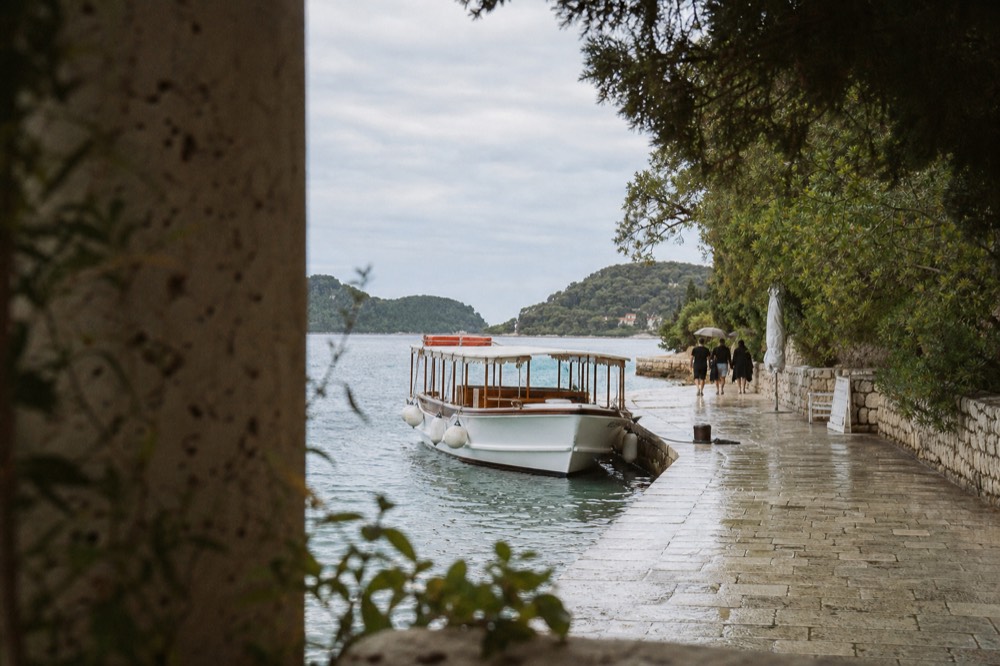
The bookable product that answers this question directly is the Cavtat sunset cruise with cold platter and drinks, which runs about an hour, costs from 23.66 dollar per person, and carries a 4.9 rating across 203 reviews. It is a cruise rather than a ferry, so think of it as the evening version of the crossing: unlimited drinks, a cold platter, and Cavtat's waterfront at golden hour. For a pure daytime transfer, the scheduled boat services and the number 10 bus are the alternatives, and the bus wins on price every time.
| Way to reach Cavtat | What it is | Verified figures |
|---|---|---|
| Cavtat sunset cruise | Booked evening cruise with cold platter and drinks | 1 hour approx, from $23.66 per person, rated 4.9 across 203 reviews |
| Scheduled boat service | Seasonal coastal hop from Dubrovnik to Cavtat | Timetable varies by operator; no verified crossing time exists |
| Local bus | Fixed-route service toward Cavtat and the airport peninsula | Cheapest option; frequency drops outside summer |
Why does a Trsteno guide spend a section on Cavtat? Because most people planning this coast trip are choosing between the two half-days: green gardens to the northwest or a waterfront town to the southeast. They are opposites, and that is the point. Trsteno is shade, stone and quiet; Cavtat is a promenade, cafes and swimming. If your Dubrovnik days are already full of walls and museums, Trsteno is the better contrast. If they are full of heat and crowds, Cavtat's water wins.
How Long Is the Boat Ride From Cavtat to Dubrovnik?
The return leg from Cavtat to Dubrovnik is the same short coastal hop in reverse, and the same honesty applies: no official crossing time in minutes is verified, so plan around departure schedules rather than a promised duration. The sunset cruise runs about an hour, scheduled boats run to their own timetables, and the last departures of the day matter far more than the length of any single ride.
The practical advice is to fix the return before you fix the outbound. Cavtat is lovely at dusk and expensive to leave late: taxis back to Dubrovnik exist, but the price of a late-evening private ride will exceed everything you saved taking the boat out. Check the last scheduled departure when you arrive, set an alarm, and treat anything after that as a deliberate decision to dine in Cavtat rather than an accident.
The reverse direction also changes what you see. Coming back toward Dubrovnik in the late afternoon, the walled city appears from the sea as one long silhouette, with Fort Lovrijenac on its 37-metre sea rock standing apart from the walls. That view is the reason the sunset cruise carries its rating, and it is the reason I would book the evening version over a midday transfer every time in summer. For everything on the Cavtat side, our Cavtat guide covers the town, the beaches and the connections in detail.
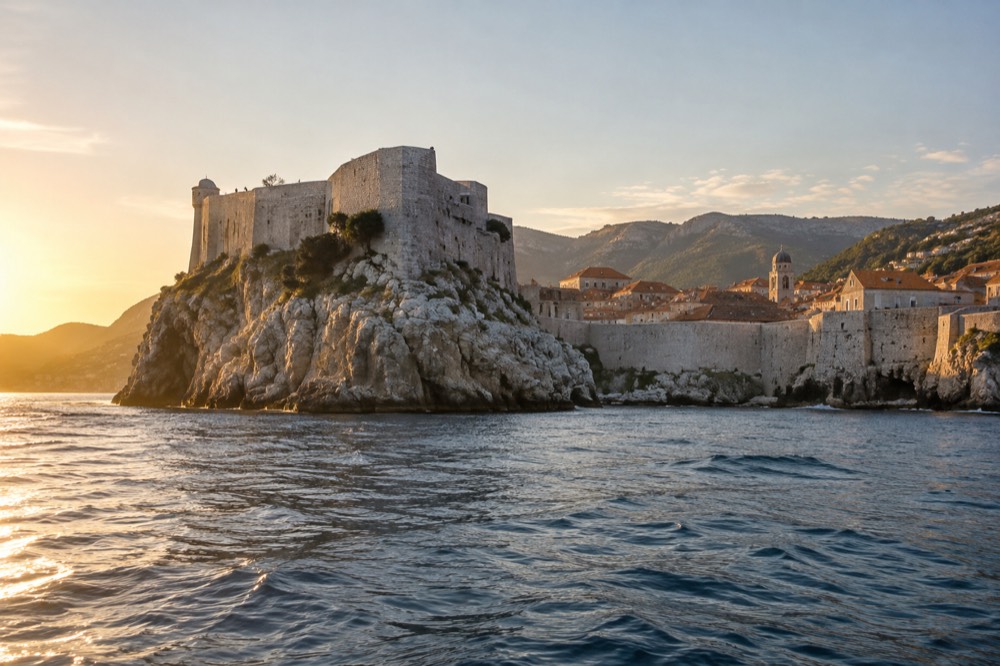
One more connection worth knowing: Cavtat is on the airport peninsula, so a Cavtat morning slots neatly before an evening flight, and a Cavtat afternoon slots after a morning arrival. Trsteno does neither of those things well; it is a destination in its own direction, which is exactly why the two names keep appearing in the same planning conversation.
Can You Do a Day Trip From Dubrovnik to Plitvice Lakes?
No, not sensibly. Plitvice Lakes sits far north in Croatia, closer to Zagreb than to Dubrovnik, and a same-day round trip from Dubrovnik is not a realistic plan for a visitor on a normal holiday. The honest alternatives are to overnight near the lakes between Dubrovnik and Zagreb, or to spend that day on the big trips that genuinely work from Dubrovnik: Mostar and Kravica, Montenegro, or the Elaphiti and Mljet islands.
This question comes up constantly because Plitvice photographs like nowhere else in Croatia, and every visitor sees those photos within an hour of deciding to come. The geography is unkind, though. Dubrovnik sits at the country's southern tip; Plitvice is hundreds of kilometres north. Even with modern roads, the drive each way eats the better part of a day, which means a "day trip" would deliver you to the lakes with an hour of daylight and a hotel bill waiting back in Dubrovnik anyway. Anyone selling you a same-day Plitvice trip from Dubrovnik is selling you a bus seat and a memory of a windscreen.
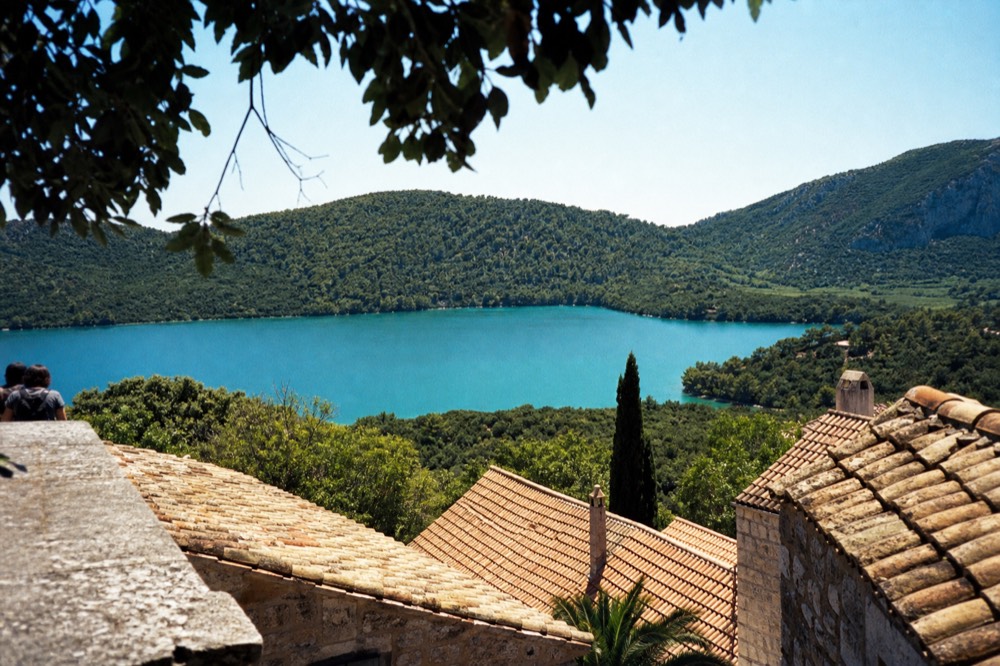
The constructive version of the answer is to route Plitvice into a Split or Zagreb leg of your trip, and to give your Dubrovnik day-trip energy to the destinations that reward it. From Dubrovnik, the strongest full-day options are inland to Mostar and the Kravica waterfalls, south into Montenegro's bay, or out onto the water to the Elaphiti islands and Mljet National Park. The Mljet National Park and 3 Island Boat Tour runs about 10 hours from 153.99 dollar per person and is rated 4.9 across 397 reviews; it is the closest thing to a Plitvice-grade landscape within honest day-trip range, green water and forests instead of lakes and falls.
| Destination | Realistic from Dubrovnik? | What the day looks like |
|---|---|---|
| Plitvice Lakes | No, not as a day trip | Overnight near the lakes on the way to or from Zagreb instead |
| Mostar and Kravica waterfalls | Yes, full day | Border crossing, Ottoman bridge town, waterfall swim stop |
| Montenegro bay | Yes, full day | Kotor and the bay, with border waits factored in |
| Mljet National Park | Yes, long day | About 10 hours, from $153.99 per person, rated 4.9 across 397 reviews |
| Trsteno Arboretum | Yes, half day | Gardens and aqueduct, pairable with Lokrum on the 42 euro combined ticket |
What Do You Actually See at the Arboretum?
The visit breaks into three parts: the terraced gardens with the aqueduct and its fountain, the shaded parkland with the two giant plane trees near the entrance, and the pavilion and viewpoints above the bay where the Game of Thrones garden scenes were filmed. Most people spend a relaxed two to three hours, longer in the shade of a hot afternoon, and the terrain is stepped and uneven in places.
Start at the top and work down. The aqueduct runs along the upper terrace and feeds the fountain at the heart of the old garden, and the carved figures on that fountain are the single most photographed detail after the plane trees. The terraces below step toward the sea through hedges, stone paths and shaded benches, and the planting is a mix of the historical collection and ongoing restoration work, so some beds will always look like a work in progress. That is honest for a living monument, and it is worth setting expectations accordingly.
The plane trees by the entrance are the signature: two enormous specimens whose canopy covers the whole approach. The pavilion above the bay is the other must-see, a small classical structure that looks straight down the coastline, and it is the Thrones connection that brings a steady stream of fans to this exact spot. Between the two, the parkland stretches along the shore with space that feels extravagant after a week inside Dubrovnik's walls.
For Thrones travellers who want the full King's Landing circuit rather than a single garden, the Original Game of Thrones Tour with Lokrum and the throne visit runs from 25.57 dollar per person and is rated 4.8 across 6,132 reviews, one of the most reviewed products anywhere on this coast.
Practical notes from walking this site with visitors: wear real shoes, because the terraces are stone steps and gravel paths, not promenade. Bring water, since the shade is generous but the climb back up from the bay is real. And go in the morning if you can, both for the light on the terraces and because tour groups arrive mid-morning and the entrance area narrows.
What Do Tickets Cost and What Do They Include?
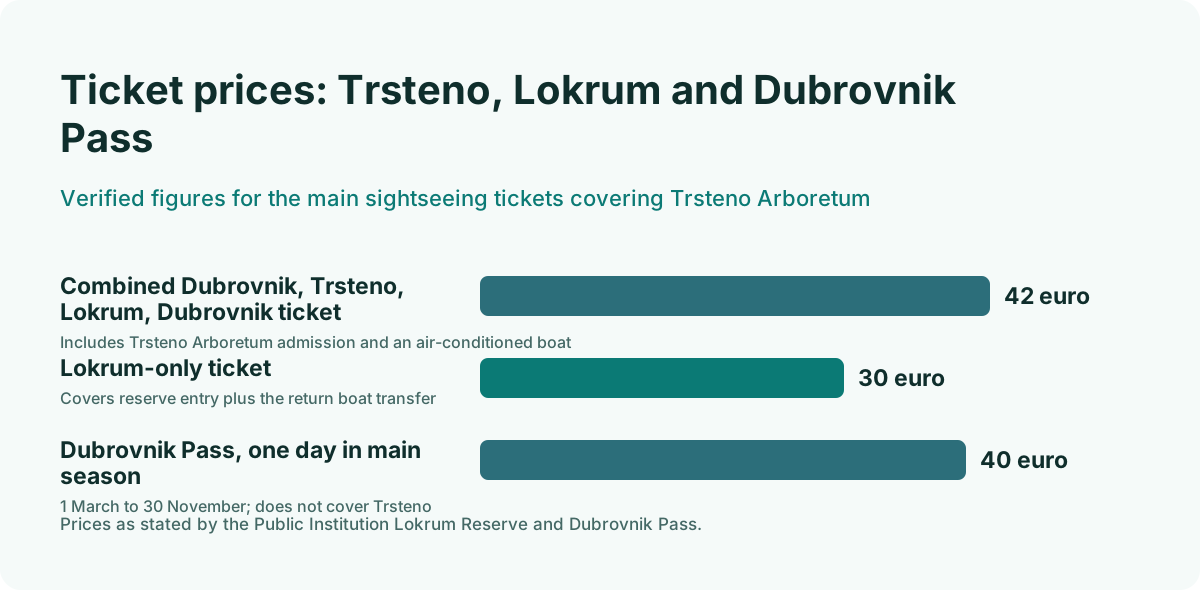
The verified figure is the combined Dubrovnik, Trsteno, Lokrum, Dubrovnik ticket at 42 euro per person, which includes Trsteno Arboretum admission and an air-conditioned boat. The Lokrum-only ticket is 30 euro and covers reserve entry plus the return boat transfer. Arboretum-only entry pricing is on the official site, and no verified standalone figure belongs in print here.
The combined ticket deserves more attention than it gets, because it is the only way to see Trsteno and Lokrum in one clean loop without a bus. The boat element departs from the City Harbour at 09:00, then every 15 minutes from 10:00 to 18:00, and the ticket office at Luža in the Old City Port works 08:00 to 18:00. A ticket stays usable for three days after the date printed on it, which adds useful slack if the weather turns. Those schedule details come from the Lokrum Reserve's official pages, and they are the details that actually decide whether the loop works for you.
For context on the other side of the ledger, the Dubrovnik Pass costs 40 euro for one day in main season, 1 March to 30 November, and covers the City Walls plus Lovrijenac and a list of museums, but it does not cover Trsteno; the arboretum is not a pass sight. So the honest comparison for a garden-minded visitor is 42 euro for Trsteno plus Lokrum versus 40 euro for the walls plus museums, and those are two different days rather than two prices for the same thing. Full pass details are on the official pass site.
| Ticket | Price | What it includes |
|---|---|---|
| Combined Dubrovnik, Trsteno, Lokrum, Dubrovnik | 42 euro per person | Trsteno Arboretum admission, Lokrum reserve entry, air-conditioned boat |
| Lokrum only | 30 euro per person | Lokrum reserve entry and return boat transfer |
| Dubrovnik Pass, one day | 40 euro, main season 1 March to 30 November | City Walls plus Lovrijenac, museums, 24-hour bus ticket; no Trsteno |
One caution that travels with every price on this site: figures change between seasons, and anything you read anywhere, including here, should be confirmed at the point of sale. The operator's live listing or official webshop is always the final word.
When Should You Go, and What Should You Pair It With?
Go in the morning, and go between April and June or in September and October for the best combination of green gardens, manageable heat and thinner crowds. Pair Trsteno with Lokrum on the combined ticket for a single-day loop, or with Ston and Pelješac if you have a car, and avoid the peak cruise hours in the Old Town entirely by being up the coast when they land.
September and October are the sweet spot on this coast for reasons most visitors never hear. Port Authority data shows cruise passengers in 2025 peaked in September at 101,246 and October at 100,132, above July's 96,072 and August's 87,385, so the town is not quieter then, but the gardens are at their best and the sea is still warm: the September average for this coast is about 23.6 degrees as a long-run open-water average, and sheltered bays run warmer. The counterpoint for a Trsteno day is that you are out of the Old Town during exactly the hours it is fullest, which is the whole strategy.
The pairing decision is really about transport. With no car, the combined ticket is the clean answer: one purchase, two sights, no timetable anxiety. With a car, drive on to Ston for the walls and oysters, which turns the day into the best food-and-garden combination reachable from Dubrovnik. On a cruise day ashore, Trsteno is honestly a stretch; the cruise day itinerary is built for shorter hours, and the gardens deserve more than a rushed hour.
Is Trsteno Worth the Trip From Dubrovnik?
For most visitors with three or more days, yes: Trsteno is the best half-day escape from the limestone and the crowds, especially on the 42 euro combined ticket with Lokrum. Skip it only if your stay is two days or a single cruise day, when the walls, the cable car and the Old Town itself should take every hour you have.
The honest case against is time. On a short stay, every hour in Trsteno is an hour not on the walls or at Buža or on a kayak around Lokrum, and those are the experiences Dubrovnik is actually famous for. The honest case for is exhaustion: by day three, the third stroll down the Stradun, all 298 metres of it, stops delivering, and a green terrace above the sea restarts the trip. I have watched that reset happen enough times to recommend it without hedging.
If your instinct is that a garden is not worth leaving a World Heritage city for, remember what the inscription actually covers: the Old Town's 24.7 hectares were inscribed in 1979 under criteria (i), (iii) and (iv), per the UNESCO listing, and the site spent 1991 to 1998 on the List of World Heritage in Danger. The city you are standing in survived to be visited; the gardens up the coast are part of the same long story of this shoreline, and they are the part with shade.
For travellers who want their day trip to be bigger than a garden, the full-day options below are the strongest on this coast, and all three can be booked with free cancellation on the live listing.
The Ston and Korčula day trip with wine tasting is the natural coastal companion to Trsteno, running about 11 hours from 81.69 dollar per person and rated 3.8 across 131 reviews, a long but rewarding loop through the same shoreline the gardens sit on.
Whatever you choose, book the big day trips early and leave the gardens flexible: Trsteno forgives a last-minute decision, the border crossings and boat decks of the full-day classics do not. That is the whole planning logic of this stretch of coast in one sentence, and it is the note I would leave you on as you work out what Things to Do in Dubrovnik really means for your own trip.
Common Questions About Trsteno Arboretum
How Long Is the Boat Ride From Dubrovnik to Cavtat?
No official crossing time in minutes is verified, so plan around departure schedules rather than a promised duration. Bookable options include the Cavtat sunset cruise, about an hour from 23.66 dollar per person, rated 4.9 across 203 reviews, alongside scheduled seasonal boats and the local bus.
how long is the boat ride from dubrovnik to cavtat?
The honest answer is that no verified minute figure exists for this crossing. The practical planning facts are solid: boats and cruises run the short coastal hop in season, the sunset cruise lasts about an hour, and checking the last return departure matters more than the length of the ride.
Can You Do a Day Trip From Dubrovnik to Plitvice Lakes?
No, not realistically. Plitvice sits in northern Croatia, closer to Zagreb than to Dubrovnik, and the drive each way consumes most of a day. Overnight near the lakes on a Split or Zagreb leg instead, and give your Dubrovnik day-trip days to Mostar, Montenegro, the Elaphiti islands or Mljet.
How Much Does the Trsteno and Lokrum Combined Ticket Cost?
The combined Dubrovnik, Trsteno, Lokrum, Dubrovnik ticket is 42 euro per person and includes Trsteno Arboretum admission and an air-conditioned boat. The Lokrum-only ticket is 30 euro. Boats leave the City Harbour at 09:00, then every 15 minutes from 10:00 to 18:00, and a ticket stays usable for three days.
Is Trsteno Arboretum a Game of Thrones Filming Location?
Yes, the gardens stood in for the Red Keep gardens in King's Landing, and the pavilion above the bay is the spot fans come to find. It is one of the few Thrones locations that gets you out of the walled city and into green surroundings for the afternoon.
What Is the Best Time of Day to Visit Trsteno?
Go in the morning. The light is better across the terraces, the tour groups tend to arrive from mid-morning, and the climb back up from the bay is far kinder before the afternoon heat. Allow a relaxed two to three hours, and wear real shoes for the stone steps and gravel paths.