Cavtat From Dubrovnik: The Easy Day Trip Guide
Cavtat is the quiet peninsula town half an hour down the coast from Dubrovnik, and it fixes exactly what Dubrovnik lacks: sea air without crowds, a long palm-lined riva, and swimming spots you can actually find a towel on.
Short answer
Cavtat sits about 20 km southeast of Dubrovnik on the Župa bay. Boats run there in the season from the Old City Port, buses run year-round, and a one-hour Cavtat sunset cruise with drinks and a cold platter starts at $23.66 per person, rated 4.9 across 203 reviews.
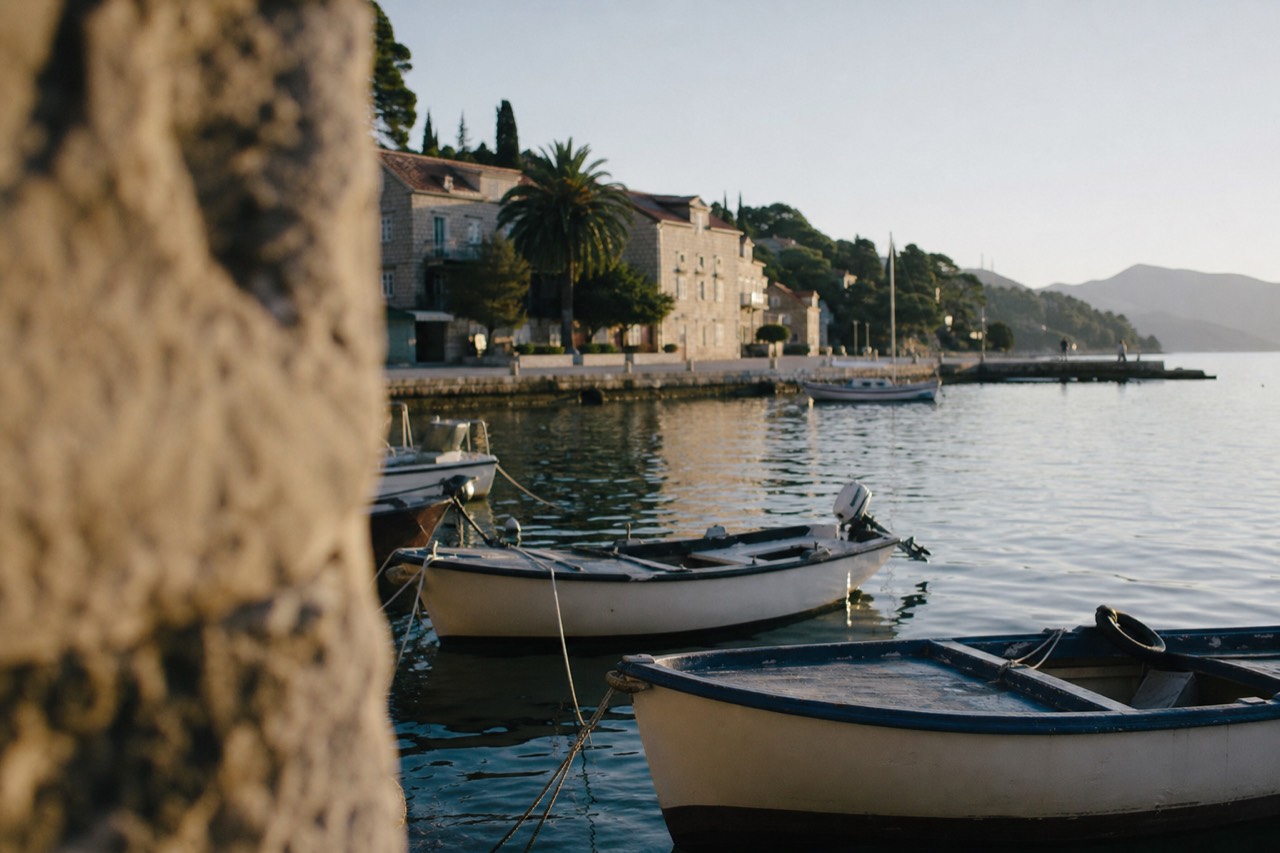
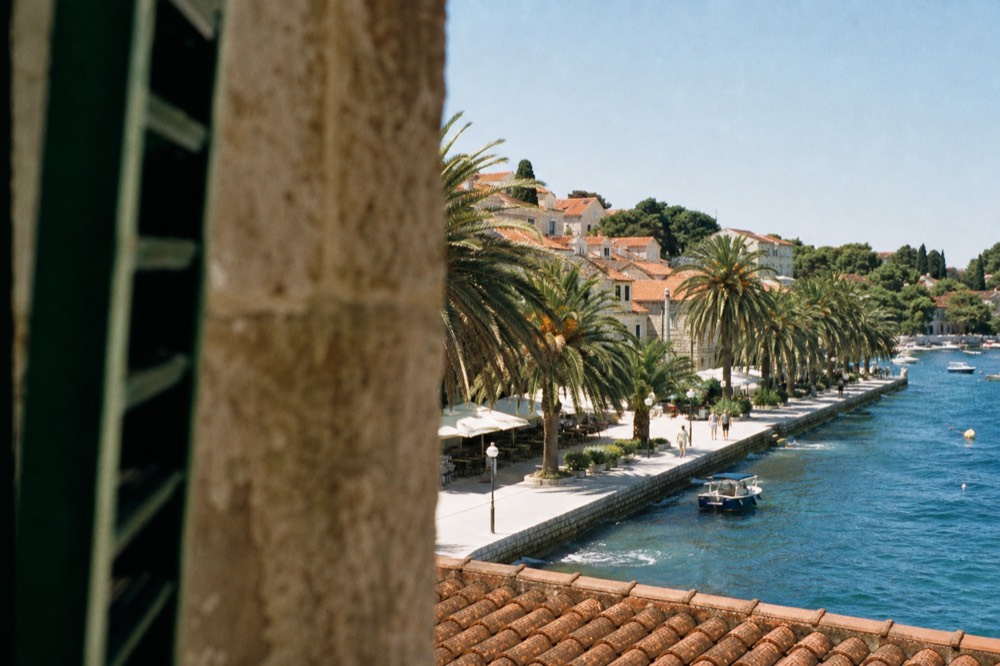
Cavtat is the town Dubrovnik locals escape to, and that sentence alone should tell you most of what you need to know. Twenty kilometres down the coast, on a wooded peninsula that curls around a calm bay, it has a long riva lined with palms, a harbour full of small boats, pebble beaches within a five-minute walk of the centre, and none of the shoulder-to-shoulder shuffle you get on the Stradun in July. I have walked the Dubrovnik crowds for a decade as a guide, and I send people to Cavtat whenever they tell me the Old Town is wearing them down.
The relationship between the two towns runs deeper than geography. Cavtat was the Roman Epidaurum, and when that city was destroyed, survivors moved north to the rocky islet that became Ragusa, the town you now know as Dubrovnik. So the story runs in reverse of what visitors expect: Cavtat is the parent settlement, Dubrovnik the upstart that outgrew it. That history is why the two share a tourist board and why the pairing works so well as a day trip, one gives you walls and grandeur, the other gives you air and ease.
This guide covers the practical side of a Cavtat day trip from Dubrovnik: how to get there, what to actually do once you arrive, whether it beats staying in the city, and how it stacks up against the other big day trips on offer. I will also answer the questions travellers ask most often, including whether Mostar deserves the long day it takes.
How Do You Get From Dubrovnik to Cavtat?
Boat is the way to arrive, bus is the way to return, and the two together cost less than a single Old Town museum entry, which is part of why this is the easiest day trip on the entire coast. Boats depart from the Old City Port in Dubrovnik during the season and put you directly onto Cavtat's riva, which is the whole point of the trip: arriving by sea past the villas and cypress of the Župa coast. Buses run year-round from the main bus station and take the coastal road, dropping you a short walk above the harbour. Both are cheap, frequent and need no advance planning outside peak weekends.
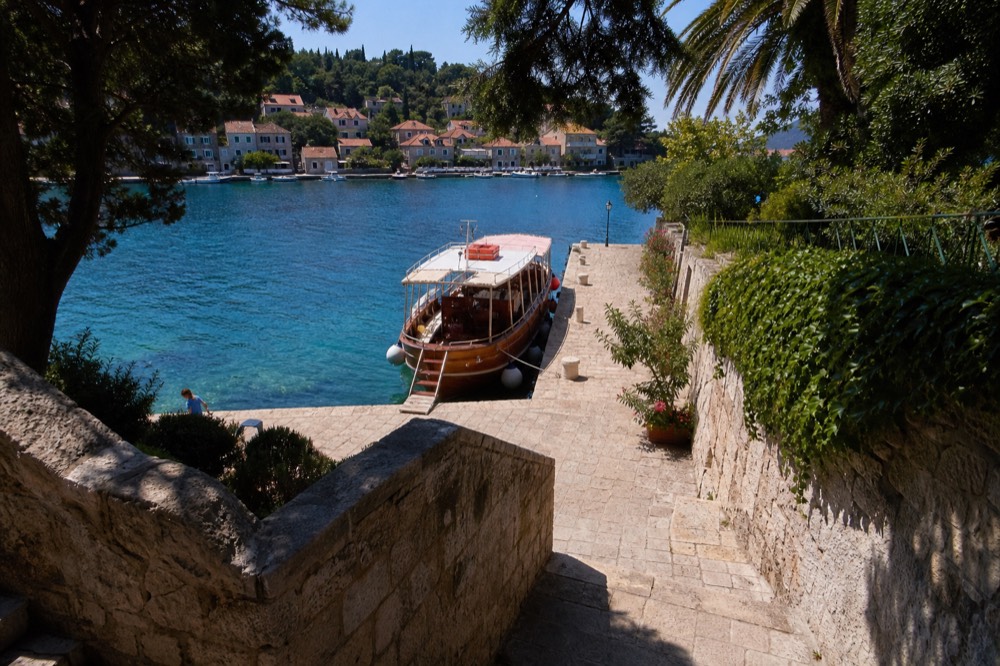
The boat is the experience. You leave the Old City Port, round the breakwater, and the walls of Dubrovnik drop away behind you while the coastline opens up: Lokrum's dark green bulk, then the bays of Župa, then Cavtat's peninsula appearing with its two island sentinels just offshore. Sit on the open deck for this. The crossing is short enough that even nervous sailors stay comfortable, and the approach into Cavtat harbour, past moored yachts and the promenade, is the best first impression the town can give.
The bus costs a few euro and runs roughly every half hour through the day, more often in summer. It follows the same coast the boat does, at road level, through Lapad and the bays, and terminates a few minutes' walk uphill from the harbour. In the shoulder season, when boat schedules thin out, the bus is your reliable backbone: it runs in December and January exactly as it runs in July. Check the departure boards at the station rather than a printed timetable, since times shift with the season.
| Option | Where from | Runs | Best for |
|---|---|---|---|
| Boat | Old City Port, Dubrovnik | Season, daily sailings | The scenic arrival, direct to the riva |
| Local bus | Dubrovnik main bus station | Year-round, roughly every 30 minutes | Cheap, reliable, off-season travel |
| Taxi or transfer | Anywhere in Dubrovnik | Always | Luggage, early starts, groups |
| Sunset cruise | Old City Port or Gruž | Season, evening departures | Seeing Cavtat from the water with drinks |
One planning note worth the paragraph: do not treat the boat timetable as fixed. Departure times and frequency change between June and September, and in October the schedule contracts sharply even on warm days. Ask at the kiosk by the Old City Port the day before, or check with your accommodation. The bus, by contrast, is boringly dependable, and boringly dependable is exactly what you want for the return leg after a long lunch.
What Is the Best Day Trip From Dubrovnik?
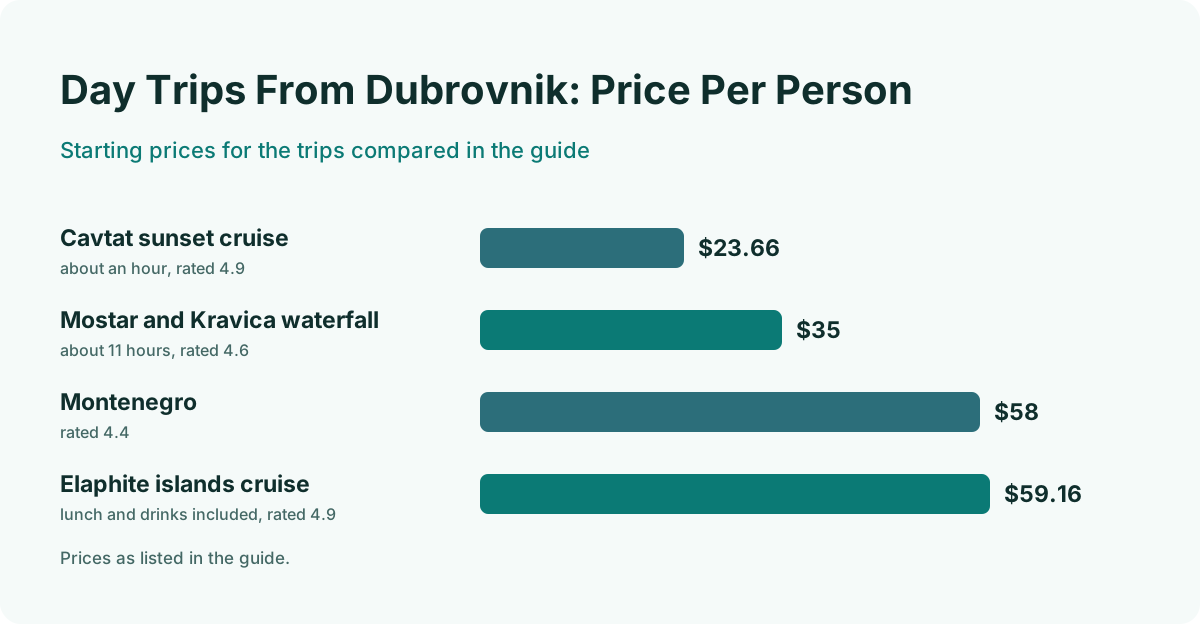
For a short, low-effort, high-reward day, Cavtat wins; for a full-day adventure, the Elaphite islands cruise is the most loved product on the coast, rated 4.9 across 10,312 reviews, from $59.16 per person with lunch and drinks included, and it holds that rating across a review base no other trip here comes close to. The honest answer depends on your energy. Cavtat asks nothing of you: no border, no early start, no boat transfer you must catch. Mostar and Montenegro ask for a full day, a passport and patience at a border. The islands ask for a whole day at sea, and reward it with swimming stops and a fish picnic lunch.
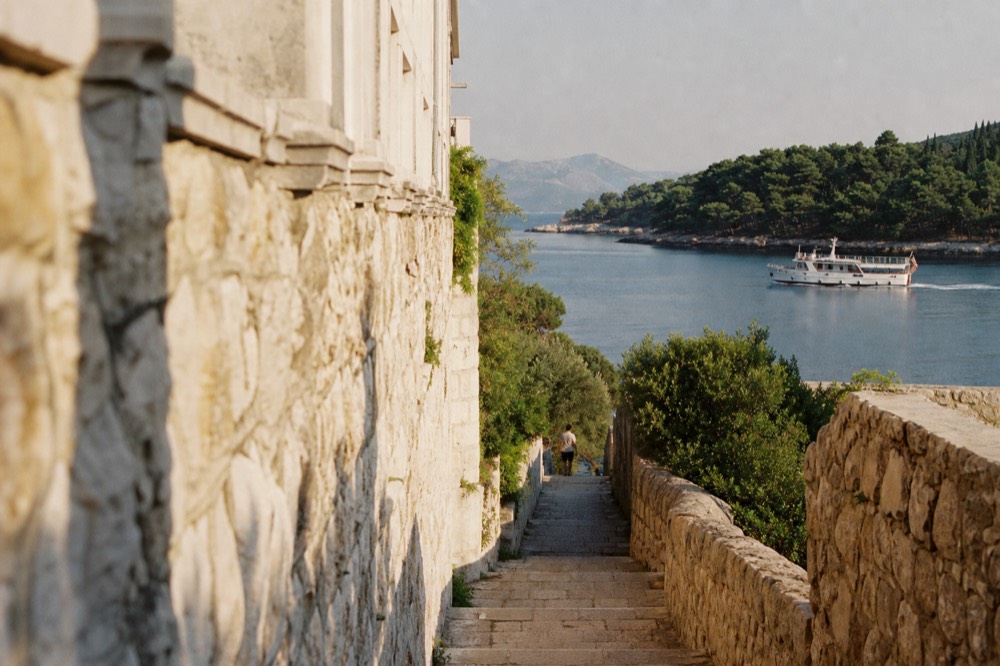
I rank them by what a visitor actually reports back. The full-day Elaphite islands cruise is the single most reviewed trip in the region, and its rating holds at 4.9 across more than ten thousand reviews, which is a genuinely hard thing to sustain. The Zrinka boat carries you to three islands, Koločep, Lopud and Šipan, with lunch and drinks on board. If your image of a Croatian day trip involves swimming off a boat in water you can see the bottom of, that is the one to book. Our Elaphiti islands guide covers the islands themselves if you would rather go independently.
Mostar, across the border in Bosnia and Herzegovina, is the trip people remember longest, and it is also the longest day: the standard Mostar and Kravica waterfall trip runs about 11 hours, from $35 per person, rated 4.6 across 10,019 reviews. Montenegro is the other border run, from $58, rated 4.4 across 5,611 reviews, taking in Kotor's fjord-like bay. Both are magnificent and both are tiring. Cavtat sits at the opposite end of that spectrum, a half-day if you want it to be, with no documents to carry.
| Day trip | Travel effort | From (per person) | Rating |
|---|---|---|---|
| Cavtat | Very low, no border | Bus fare or boat ticket | Town visit, no tour needed |
| Elaphite islands cruise | Full day at sea | $59.16 | 4.9 across 10,312 reviews |
| Mostar and Kravica | 11 hours, border crossing | $35 | 4.6 across 10,019 reviews |
| Montenegro | Full day, two borders | $58 | 4.4 across 5,611 reviews |
The pattern I see in traveller feedback is simple: people who have three or more days in Dubrovnik should take one boat day and one border day. People with two days should take the boat day and save the borders for a longer trip. Cavtat slots into whatever gap is left, because it never demands a whole day. You can leave Dubrovnik at ten, swim in Cavtat by eleven, eat lunch on the riva, and be back for evening drinks inside the walls.
Some travellers pair a morning in Cavtat with an afternoon tasting inland, though doing both in one day means you experience neither slowly.
Which Is Nicer, Cavtat or Dubrovnik?
Neither is "nicer" because they serve entirely different purposes: Dubrovnik is the spectacle, all stone walls and crowds and history, while Cavtat is the relaxed seaside town where you actually unwind. If you want drama and sightseeing, choose Dubrovnik; if you want a quieter base with swimming and evening strolls, choose Cavtat. Many travelers split their stay between the two, since they are only about 40 minutes apart by boat or bus. Dubrovnik has the walls, the limestone glare, the film-set alleys and the crowds that come with all three, and 4.2 million overnight stays were recorded across the destination in 2025, tying it with Rovinj for first place in Croatia. Cavtat has the same sea, a fraction of the footfall, cheaper restaurants and beaches you can actually lie on. Visitors who see both almost never regret the pairing.
The comparison matters most in summer. On a real counted day in September, the Old Town headcount passed 5,419 people at 08:00 and peaked at 7,739 at 10:00, against an official carrying capacity of 11,275 assessed for the UNESCO site. Those numbers come from the six electronic counters at every Old Town entrance, updating every 15 minutes, and they explain why a day in Dubrovnik in high season can feel like work. Cavtat has no counters because it has never needed them. Its riva absorbs people the way a beach town does, spreading them along two kilometres of waterfront rather than funnelling them through two gates.
| What you want | Better in Dubrovnik | Better in Cavtat |
|---|---|---|
| History and architecture | Walls, palaces, churches | Modest old quarter, two small museums |
| Swimming | Banje beach, crowded | Multiple pebble coves steps from town |
| Dining prices | Premium, tourist core | Noticeably lower, local clientele |
| Crowds | Heavy, counted hourly | Light to moderate |
| Evening atmosphere | Theatrical, floodlit | Relaxed, family-paced |
Food is where Cavtat quietly wins. The restaurants along the riva and in the back lanes serve the same grilled fish and black risotto you find in Dubrovnik, at prices a notch lower and with tables you can get without booking days ahead. If you want the full picture of eating in the city itself, our Dubrovnik restaurants guide covers where the value actually is. In Cavtat, order what the boats brought in that morning and take your time over it.
One thing Cavtat cannot match: the view from the sea of Dubrovnik's walls, which is why the sunset cruise from the city toward Cavtat is such a clever product. You get the city silhouette in golden light as you leave, the open coast on the way down, and Cavtat's harbour lights as you turn back. It compresses the best of both towns into about an hour on the water.
What Should You Not Miss in Cavtat?
The Račić Mausoleum on the hill above the cemetery, the walk around the Sustjepan peninsula, and a swim off the rocks at the end of the riva are the three essentials, and all three cost nothing beyond the shoe leather you spend on them. Cavtat's sights are modest by design, and that is its charm. The mausoleum sits at the top of the town cemetery with the whole bay spread beneath it, and the short climb through cypresses is the most atmospheric quarter hour on the peninsula. The Sustjepan loop path circles the headland past pines and private coves, and takes well under an hour at a stroll.
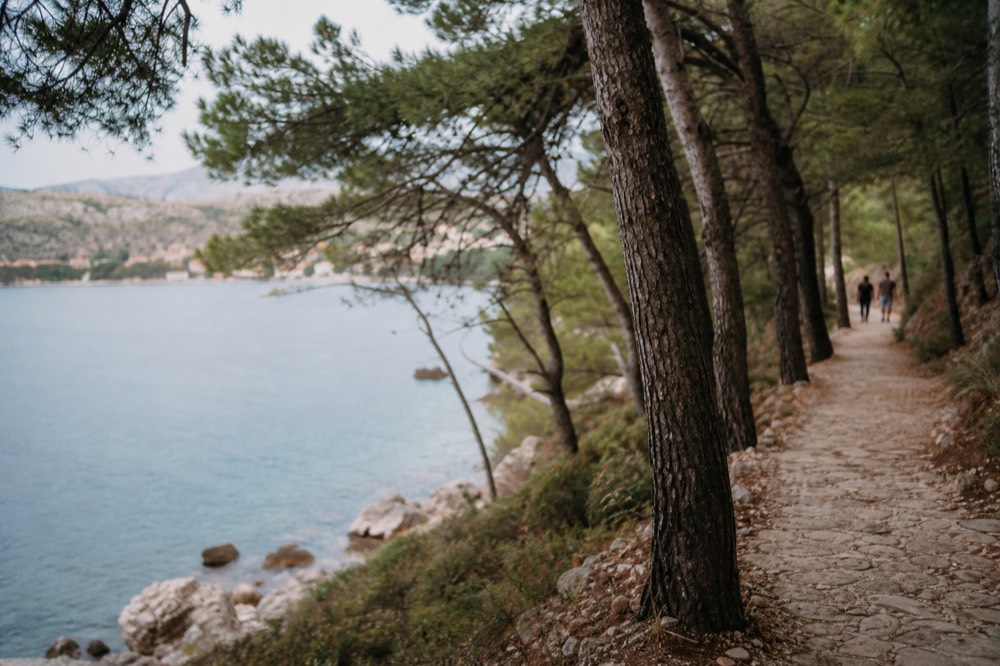
The Sustjepan walk deserves the early slot, before the sun is high. Start at the eastern end of the riva, follow the path around the peninsula, and you will pass swimming spots the whole way: flat rock shelves with ladder access, tiny shingle pockets, and one small beach near the tip where locals gather. The water is the same Adriatic you pay premium prices to swim in inside Dubrovnik, and the September long-run average for this coast is about 23.6 degrees, a figure worth knowing when you pack. Bring shoes you can walk on rocks in.
Back in town, the Rector's Palace collection holds what remains. It is quiet, inexpensive and short, exactly right for the hot middle of the day when the riva is bright and you want shade. The Franciscan monastery on the headland rounds it out. None of these needs pre-booking, which is itself a relief after planning a Dubrovnik itinerary.
The evening is the part people miss by day-tripping too early. Cavtat's riva at dusk is the town at its best: cafe tables out under the palms, boats rocking in the harbour, the peninsula going dark on one side and the open sea holding the last light on the other. The Cavtat sunset cruise with cold platter and drinks, from $23.66 per person and rated 4.9 across 203 reviews, runs about an hour and is built precisely around this hour of the day. You can read more in the Cavtat sunset cruise overview, and Check availability if the timing suits your dates.
If you would rather build your own evening, take the last boat back to Dubrovnik after dinner instead of before it, and you get the approach to the floodlit walls from the water, which is a view day-trippers on the bus never see. That single return leg, in the dark, with the city glowing ahead of you, is worth planning your whole day around.
When Is the Best Time to Visit Cavtat?
May, June, September and October give you the best combination of warm sea, open boats and thin crowds, and October in particular is this coast's quietly best month, warm enough for swimming and past the peak of the summer shore traffic. The sea is swimmable from June through September, with the long-run September average at about 23.6 degrees and October still at about 21.0. These are open-water averages for the coast, not beach readings: sheltered bays along the Župa shore run warmer, and the Croatian met service's Dubrovnik buoy read 27.0 to 27.4 degrees on a day in early September against that 23.6 monthly mean.
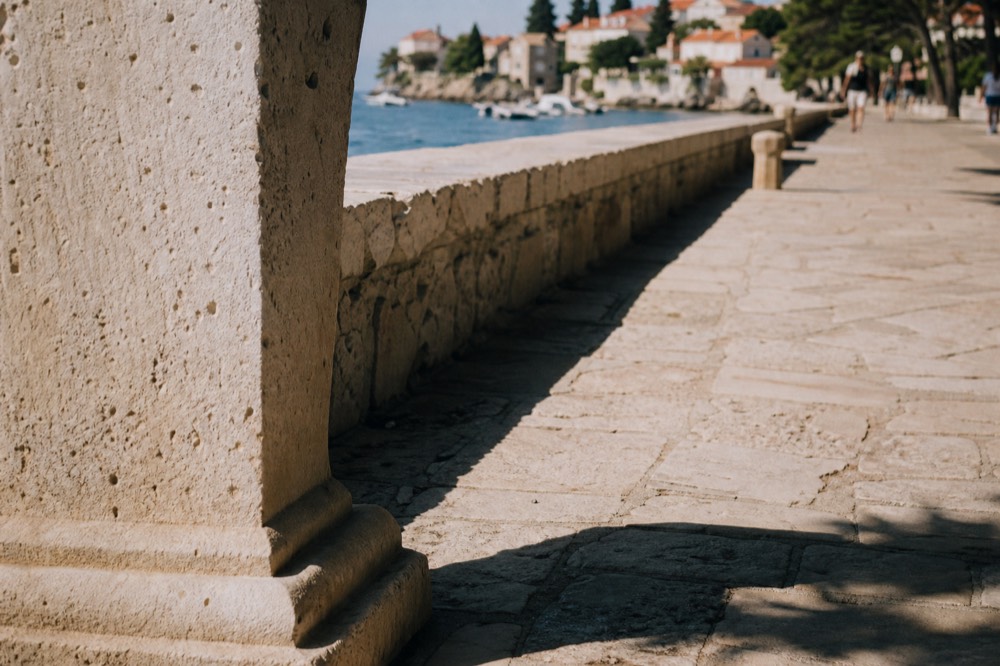
The counter-intuitive fact about this coast is that autumn, not summer, is peak cruise season. Port Authority data shows 2025 cruise passengers peaked in September at 101,246 and October at 100,132, above July's 96,072 and August's 87,385. The full year brought 625,257 cruise passengers, up from 582,499 in 2024, and 461 calls are scheduled for 2026. What that means for Cavtat specifically is simple: the day-trip pressure on Dubrovnik stays high into October, and the escape value of Cavtat stays high with it. You can check the port's own figures at the Port Authority statistics page.
For the water itself, the honest framing is the one I give guests: the NOAA long-run averages are the planning baseline, the buoy readings are what you actually swim in, and sheltered spots run a degree or two above both. June at about 22.5 degrees is already pleasant, July and August are the warmest at 24.9 and 25.8, and if you can take a holiday in late September you get near-peak water with a fraction of the shore traffic. October mornings can be cool enough for a jacket on the boat out, so pack layers even for a swim day. More of these guides are collected on Things to Do in Dubrovnik.
What Can I See in Dubrovnik in One Day?
Walk the walls early, one main street and one fortress at midday, and the cable car or a boat for the last light: that is a complete Dubrovnik day, and it is tight but genuinely doable if you start at opening time rather than mid-morning. The walls circuit is 1,940 metres long, up to 25 metres high, and takes most people around two hours with photo stops. The adult ticket is 40 euro in main season, 1 March to 30 November, and that price is actually the walls plus Fort Lovrijenac combined ticket, with Lovrijenac alone at 15 euro if you skip the walls. In December the adult walls ticket drops to 20 euro.
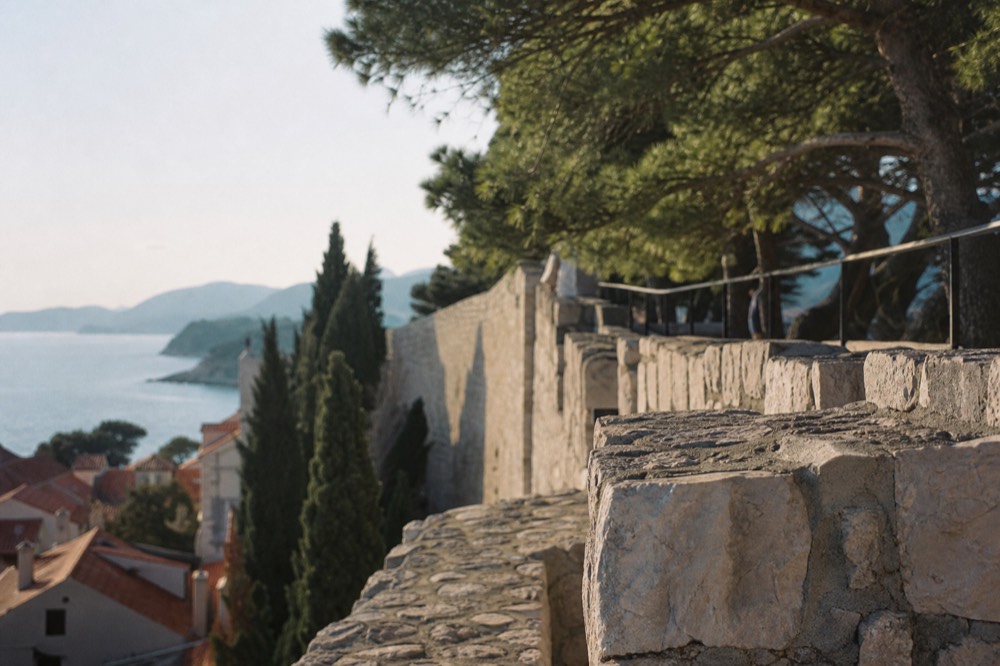
Start at the Pile entrance at opening time. The operator's stated hours at time of check run 08:00 to 19:30, and the first hour is the cool, quiet one: the counters read 5,419 people at 08:00 but 7,739 by 10:00, so every hour you wait costs you space on the wall. Walk the circuit clockwise from Pile, take the staircase at the far end down into the Old Town, and you finish at the Stradun, the 298-metre main street whose final plan was fixed by the city Statute of 1272. The Tourist Board's own pages, like its Placa article, carry those details if you want the primary source.
Midday belongs to shade. The Rector's Palace, the Sponza Palace and the Franciscan monastery complex with its cloister all give you cool stone and quiet, and the monastery's pharmacy is one of the oldest in Europe. Lovrijenac, the fortress on its 37-metre sea rock just outside the walls, is covered by your walls ticket and takes half an hour, with the best single view back over the entire Old Town. Our city walls tickets guide breaks down the pricing options in full, including how the Dubrovnik Pass compares in main season.
The evening is where the one-day itinerary splits. The cable car lifts you 367 metres to the upper terminal on Mount Srđ in three and a half minutes, and the operator claims a view range of up to 60 km on a clear day; an adult round trip is 30 euro. Or take to the water: the sunset cruise toward Cavtat gives you the walls from the sea in golden light, which no land viewpoint matches. If your day in the city is your only day, ending it on the water is the choice I would make.
Is a Day Trip to Mostar From Dubrovnik Worth It?
Yes, if you accept the shape of the day before you board the bus: about 11 hours door to door, two border crossings and a very early start, in exchange for the single most dramatic townscape within reach of Dubrovnik and a waterfall you can swim under. The standard Mostar and Kravica waterfall trip runs from $35 per person and is rated 4.6 across 10,019 reviews, an enormous review base for this coast. Mostar's rebuilt old bridge, the bazaar street and the Neretva gorge are genuinely unlike anything in Croatia, and Kravica's waterfall amphitheatre is a swimming hole worth the drive on its own.
The honest caveats first. It is a long day on a bus, the border queues vary wildly with the season, and in the height of summer the crossing can eat an hour in each direction. Your passport must travel with you, and it must be the document, not a photo. The town itself is small and can be walked in a couple of hours, which is why the good tours pad the day with Kravica and often Počitelj, the fortified village on the Neretva. Travellers who go in with that expectation consistently rate the trip highly; travellers expecting a relaxed day do not.
The practical detail in that review deserves underlining: bring euro cash. Much of Bosnia and Herzegovina outside the big hotels runs on cash, and the waterfall kiosks and market stalls in Mostar's bazaar are no exception. Our Mostar day trip guide covers the itinerary, the border and the timing in detail, including which departure times avoid the worst queues.
Montenegro is the other border day, from $58 per person and rated 4.4 across 5,611 reviews, built around the Bay of Kotor and its walled towns. Where Mostar is dramatic and Ottoman, Montenegro is fjord-like and Venetian, and the drive down the Adriatic coast to get there is half the experience. The same rules apply: passport, patience, a full day. One reviewer on the semi-private version of that trip noted the border crossing in September took only 15 minutes, which tells you the other half of the story, in high summer it can take far longer.
If you are choosing between the two border trips and you have seen neither place, Mostar is the more otherworldly of the two, the one that feels least like the Croatia you just left. Montenegro is the gentler, more scenic day and the easier one with children. Both beat a second day of queueing inside the walls, which is the real comparison most July visitors are making.
Should You Stay Overnight in Cavtat?
Most visitors should not: Dubrovnik at night empties of day-trippers and becomes the best version of itself, while Cavtat is at its best exactly when the day-tripper is leaving, so the evening belongs to the city and the afternoon to the peninsula. The town's restaurants and riva cafés stay open into the evening, and the sunset hour there is lovely, but the case for sleeping over is narrow. It suits travellers who want a quiet base near the airport, families who value a swimmable doorstep over walkable sights, or anyone on a longer, slower holiday who has already done the Old Town thoroughly.
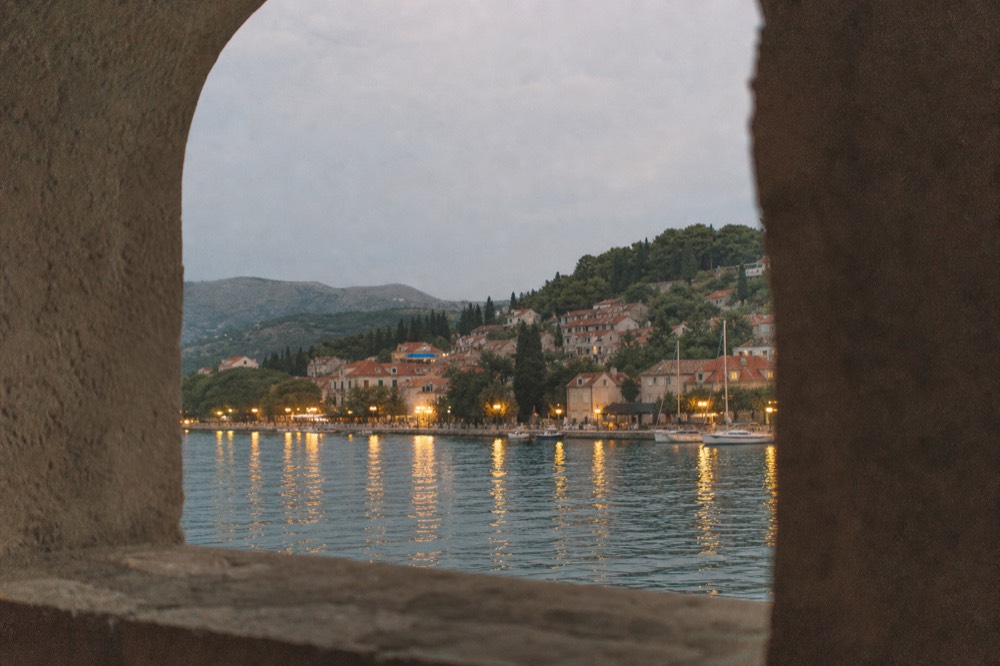
For everyone else, the evening cruise is the compromise that captures Cavtat without giving up your Dubrovnik night. The Cavtat sunset cruise, about an hour on the water with a cold platter and drinks, from $23.66 per person and rated 4.9 across 203 reviews, delivers the peninsula at golden hour and returns you to the city in time for a late dinner. It is the rare product that improves both halves of the day it sits between.
There is one more argument for the overnight that I hear from returning guests: the airport. Cavtat sits closer to Dubrovnik Airport than the city does, and a final night there turns an early flight into a relaxed morning by the sea rather than a pre-dawn transfer. If your departure is before nine, that alone can justify the move. Otherwise, let Cavtat be the easy half-day it was built to be, and keep your nights inside the walls.
Common Questions About Cavtat From Dubrovnik
What Is the Best Day Trip from Dubrovnik?
For a short, easy day, Cavtat, reachable by boat or cheap bus with no border and no booking. For a full-day adventure, the Elaphite islands cruise, from $59.16 per person with lunch, rated 4.9 across 10,312 reviews, is the most reviewed and most loved. Mostar and Montenegro reward a full day and a passport.
Which Is Nicer, Cavtat or Dubrovnik?
They do different jobs. Dubrovnik is the spectacle: walls, palaces and crowds, with the Old Town headcount peaking at 7,739 at 10:00 on a counted September morning. Cavtat is the holiday: palm-lined riva, cheaper seafood, swimmable coves steps from the centre, and a fraction of the footfall. Most visitors are happiest seeing both.
How Do You Get From Dubrovnik to Cavtat?
By boat from the Old City Port in the season, arriving directly on the riva, or by local bus from the main bus station, roughly every half hour and running year-round. The bus costs a few euro each way. A taxi or private transfer takes about twenty minutes by road.
Is a Day Trip to Mostar From Dubrovnik Worth It?
Yes, if you accept an 11-hour day, two border crossings and an early start. The standard Mostar and Kravica waterfall trip runs from $35 per person, rated 4.6 across 10,019 reviews. Bring euro cash for the bazaar and the waterfalls, and carry your physical passport.
Can You Swim in Cavtat?
Yes, and it is one of the main reasons to go. The Sustjepan peninsula walk passes rock shelves with ladder access and small pebble coves within minutes of the harbour. The September long-run sea average for this coast is about 23.6 degrees, and sheltered bays along the shore run warmer than that.
What Should You Not Miss in Cavtat?
The Račić Mausoleum above the cemetery for the view over the whole bay, the Sustjepan peninsula loop walk with its swimming spots, and the riva at dusk. The small Rector's Palace collection fills a hot midday hour. All of it is walkable without transport once you arrive.