Šipan Island: The Quiet Elaphiti Day Trip From Dubrovnik
Šipan is the largest of the Elaphiti islands and the quietest day trip you can take from Dubrovnik, covered in olive groves, summer mansions and two tiny harbours that most visitors never reach.
Short answer
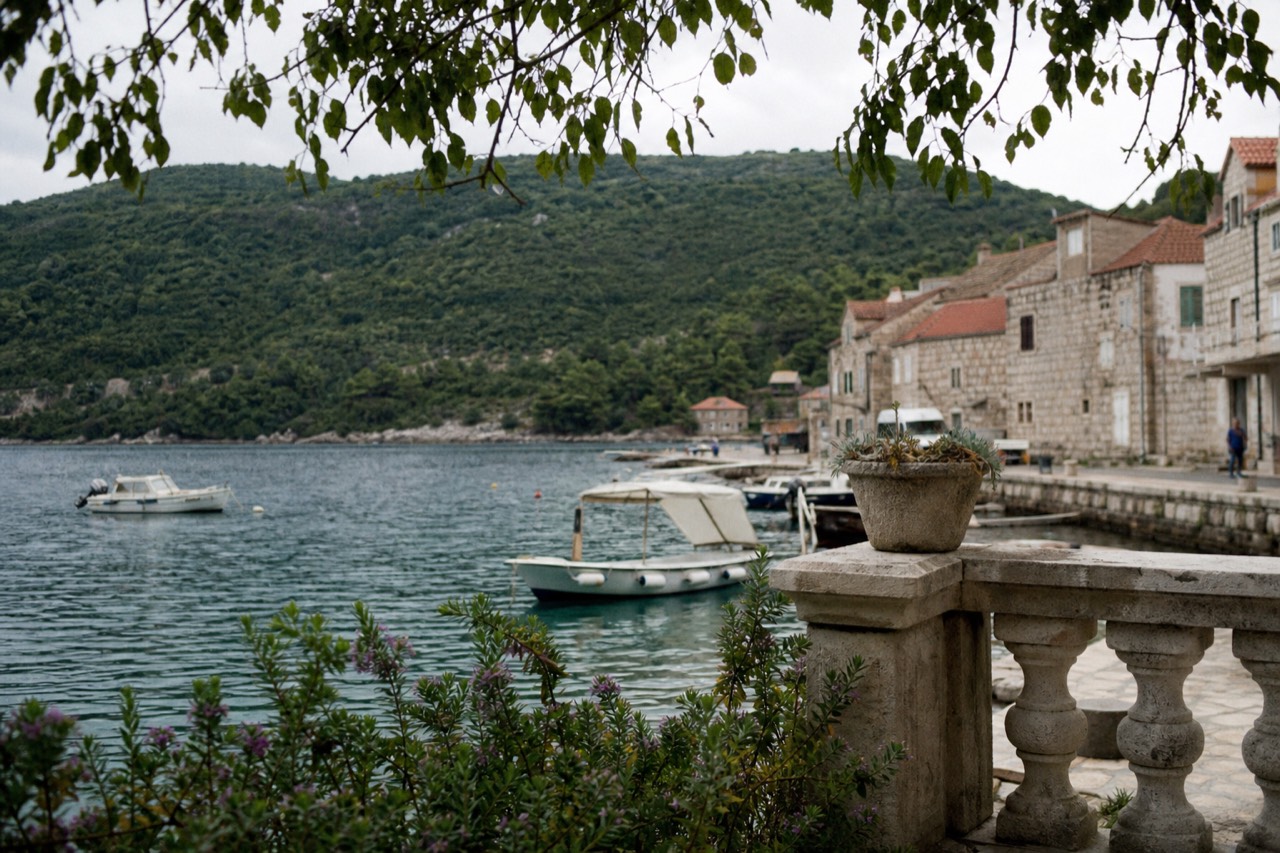
Šipan island sits in the Elaphiti chain northwest of Dubrovnik and is reached by local ferry from Gruž or by the full-day three-island cruise, from $59.16 per person with lunch. The island has two harbours, Šipanska Luka and Suđurađ, linked by a flat walking road through olive groves, plus swimming coves with sea temperatures around 23.6 degrees in September.
Šipan is the biggest of the thirteen Elaphiti islands, the scattered chain that trails northwest of Dubrovnik across the Adriatic, and it is the one that cruise boats and day-trippers most often photograph without ever properly landing on. That is exactly its appeal. Where Koločep has its swimming coves and Lopud has its famous sandy Sunj beach, Šipan keeps two working harbours, a road between them lined with old summer mansions, and a pace that has barely changed since the Dubrovnik aristocracy built villas here to escape the summer heat of the city.
I have walked the length of this island more times than I can count, usually in the shoulder season when the ferry is mostly locals and the olive groves smell of the sea. This guide covers how to get there, what to do once you are off the boat, and, because so many people researching the Elaphiti chain end up asking the same questions, honest answers on Lokrum island too, including the ferry questions that trip up almost every first-time visitor.
What Is Šipan Island and Why Go?
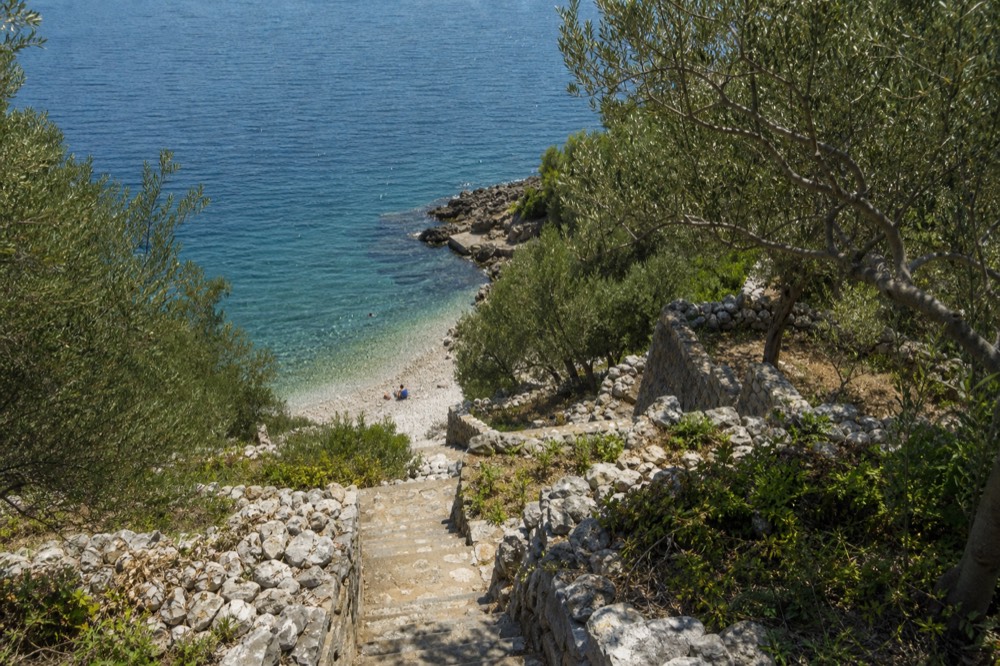
Šipan is the largest island in the Elaphiti chain, roughly an hour from Dubrovnik by local ferry, and it offers the quietest full day out of the city: two small harbours, Suđurađ and Šipanska Luka, connected by a flat road through olive groves, plus swimming coves, konoba lunches and a handful of Renaissance summer mansions. It costs almost nothing to reach. The island earned a reputation in the Republic of Ragusa era as the place where wealthy families built country houses, and dozens of those stone mansions still stand along the road between the two harbours, some restored, some gently falling into fig trees. The Dubrovnik Tourist Board's own pages on the region describe the Elaphiti as the city's island garden, and Šipan is the most agricultural of the three, with olive groves and vineyards covering most of its surface. What you get is a day of walking, swimming and long lunches rather than sights you queue for. If your holiday plan already includes the walls and the Old Town, this is the counterweight.
How Do You Get to Šipan Island From Dubrovnik?
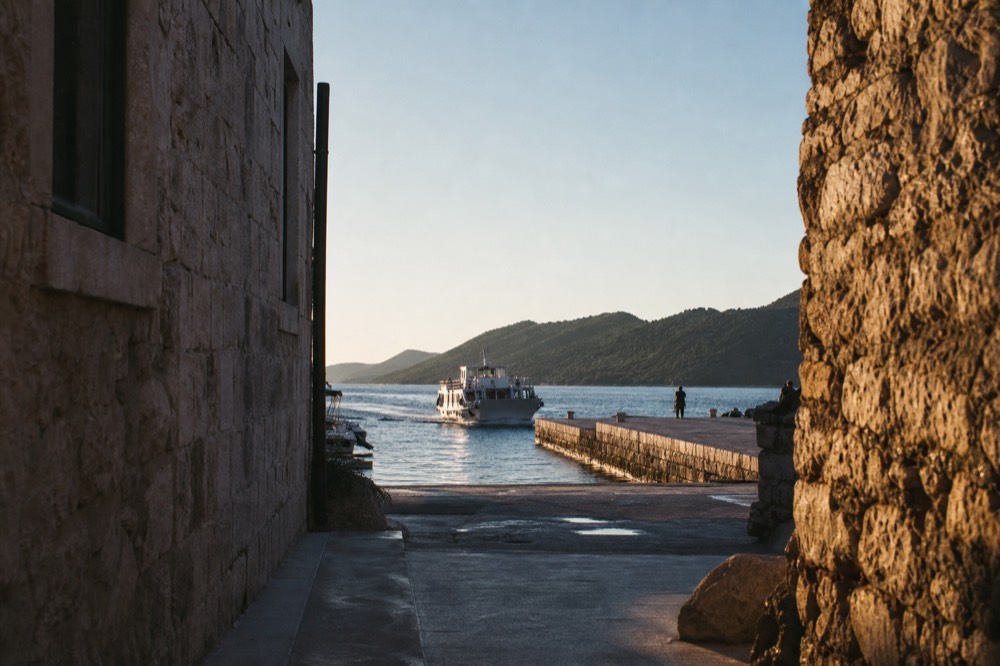
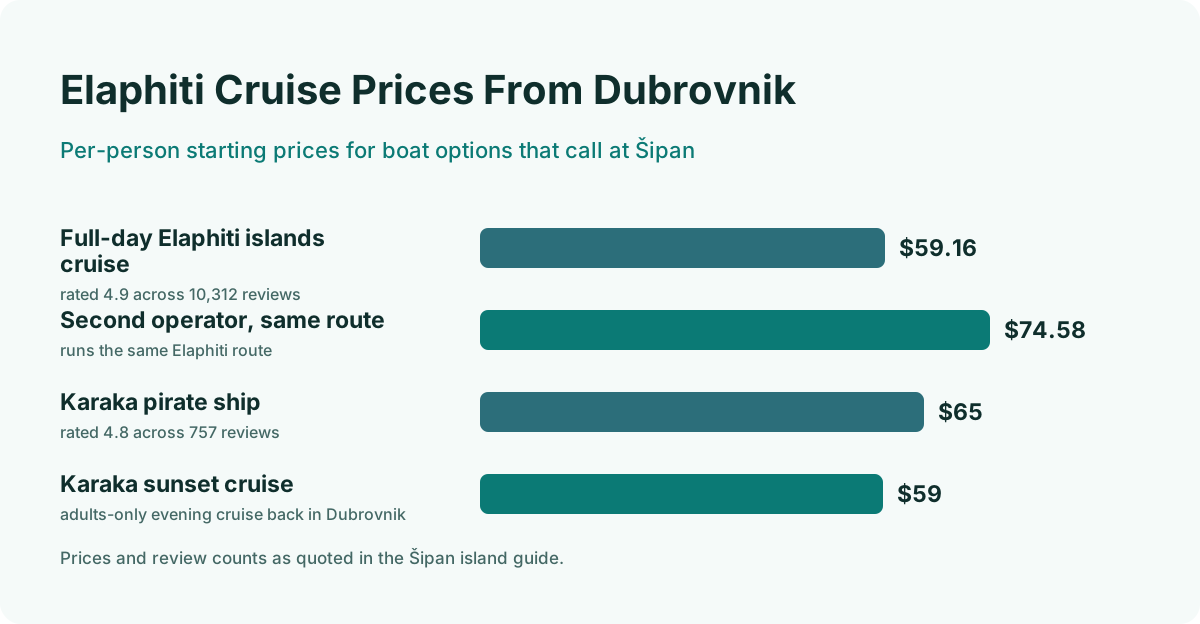
You have two realistic options: the local Jadrolinija ferry from Gruž port, which runs a near-daily service and costs a few euro each way, or a boat tour, of which the best reviewed is the full-day Elaphiti islands cruise, from $59.16 per person with lunch, rated 4.9 across 10,312 reviews. The ferry leaves from Gruž, the working port a bus ride or a brisk 29-minute walk from the Lapad hotel zone, and docks at Suđurađ, the eastern harbour. From there everything on the island is reachable on foot. The ferry is the budget choice and gives you total freedom over the day, but you must check the sailing times for your date, because the schedule thins outside the summer months. The cruise boats, by contrast, handle all the sailing for you and usually call at all three main Elaphiti islands in one day.
| Option | Where from | Best for | Cost |
|---|---|---|---|
| Local ferry | Gruž port, Dubrovnik | Independent day at your own pace | A few euro per crossing, buy at the port |
| Full-day Elaphiti cruise with lunch | Dubrovnik Old Port area | All three islands in one relaxed day | From $59.16 per person |
| Luxury pirate ship cruise | Dubrovnik | A taller ship and a slower rhythm | From $65 per person |
| Private boat or self-drive rental | Dubrovnik marinas | Families and small groups | From $259.60 per boat day, up to 6 people |
The cruise option deserves a moment, because it solves the hardest part of an Elaphiti day, which is logistics. One booking covers the boat, the crew, a fish picnic lunch on board and calls at the islands, which is why the most reviewed product in the entire Dubrovnik roster is this one, with 10,312 reviews at 4.9. For a deeper comparison of the whole chain, read our Elaphiti islands guide, which breaks down all three islands and who each one suits.
Is It Worth Going to Lokrum Island?
Yes, Lokrum is worth visiting, but it is a half-day rather than a full day: a 30 euro ticket covers both the reserve entry and the return boat transfer, and the island packs a botanical garden, a ruined Benedictine monastery, a small salt lake and rocky swimming spots into a compact walkable space. Lokrum sits directly across the water from the Old Town, so close you can see it from the city walls, and it is the easiest green escape in Dubrovnik. The reserve is car-free, shaded by pines and holm oaks, and peacocks wander the paths. The official reserve site, lokrum.hr, sells the combined ticket and states plainly what the 30 euro covers, which is more than most visitors expect.
Where Šipan is a slow, all-day rural escape, Lokrum is a concentrated half-day of gardens, ruins and swimming twenty minutes of boat traffic from the Old Port. If your time in Dubrovnik is short, Lokrum wins on convenience. If you have a spare full day and want beaches and lunch rather than paths and peacocks, the Elaphiti chain wins. Many people do both, Lokrum on a short afternoon, Šipan and its neighbours on a full cruise day. Our Lokrum island guide covers the reserve in detail.
Is It Worth It to Go to Lokrum Island?
For most visitors, yes: the 30 euro combined ticket includes the return boat and the reserve, the island is a 15-minute-scheduled sailing from the City Harbour, and the swimming, gardens and monastery ruins make it the best half-day add-on to an Old Town visit. The honest caveat is crowds, since Lokrum absorbs overflow from a city that counted 4.2 million overnight stays in 2025. The value question really comes down to what else is on your list. If you have already booked the city walls and a cable car ride, Lokrum adds a different register entirely, shade, water and quiet, for a price that undercuts most single Dubrovnik activities. If your budget is tight, the free and pay-what-you-want walking tours on GuruWalk, like the 1 hour 45 minute Ancient Old City walk rated 4.87 across 2,242 reviews, cost nothing up front and pair nicely with a Lokrum afternoon.
One comparison worth making: the combined Dubrovnik, Trsteno, Lokrum, Dubrovnik ticket at 42 euro adds the Trsteno Arboretum and an air-conditioned boat, which suits garden lovers. The plain 30 euro Lokrum ticket suits everyone else. The ticket office is at Luža in the Old City Port and works 08:00 to 18:00, and a ticket stays usable for three days after the date printed on it, so you can buy one day and sail the next if the weather turns.
How Long Is the Ferry Ride From Dubrovnik to Lokrum Island?
The official Lokrum schedule does not state a crossing time in minutes, so treat any figure you read elsewhere with caution; what is verified is the departure pattern, boats leave the City Harbour at 09:00, then every 15 minutes from 10:00 to 18:00, with the ticket office at Luža open 08:00 to 18:00. That frequency is the real answer to the question. You do not need to time a Lokrum crossing like a train, because in the main part of the day a boat leaves roughly every quarter hour and the last sailing back gives you a full day on the reserve. The question "how long is the ferry ride" usually hides a planning worry, and the honest reply is that the schedule matters far more than the minutes on the water. We cover the same question in more depth in how long is the ferry ride to Lokrum island.
For Šipan the logic is different, because the Elaphiti ferry is a scheduled inter-island service rather than a shuttle, and sailing times genuinely shape your day. Check the Gruž departure board for your travel date, plan around the last return sailing, and remember that in October and beyond the service reduces. October is still a fine month to go, cruise passenger numbers in Dubrovnik peaked in September at 101,246 and October at 100,132 in 2025, above July and August, yet the islands stay calm because most of those passengers never leave the Old Town.
What Do You Actually Do on Šipan Island?
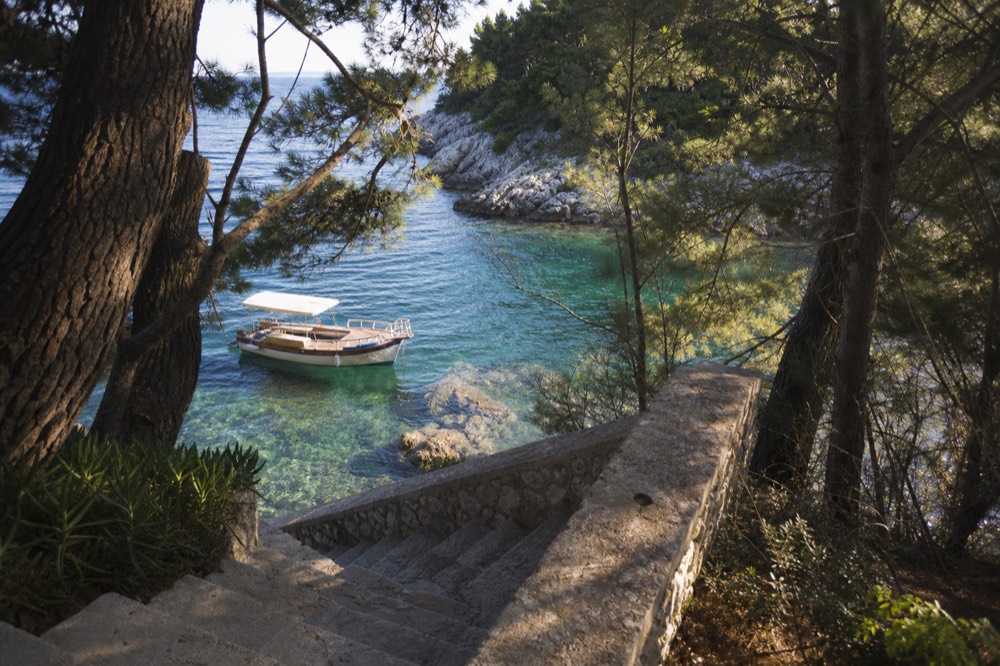
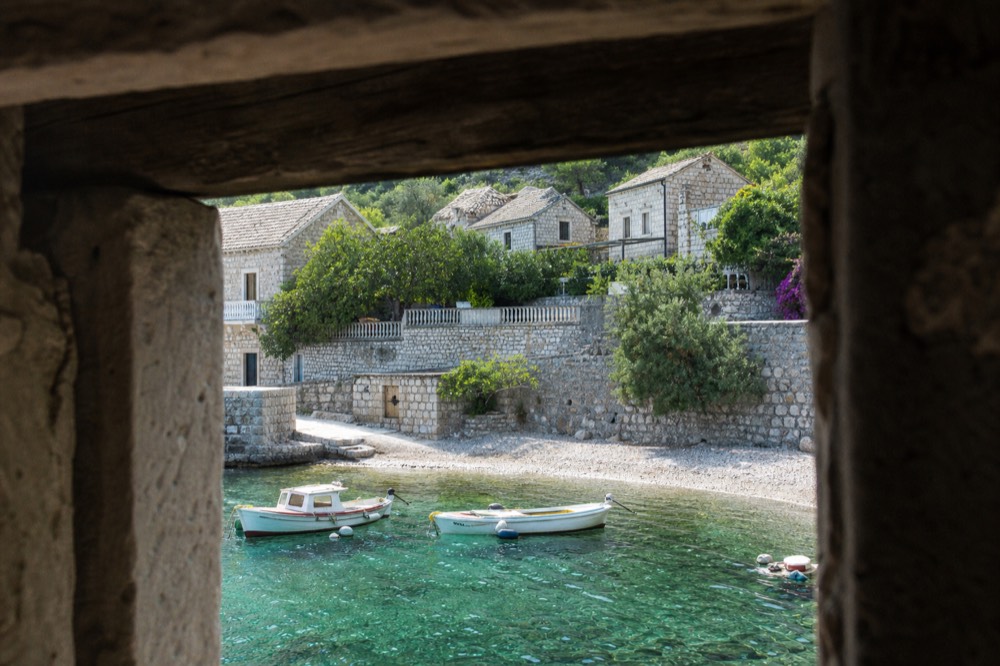
The island day has three parts: arrive at Suđurađ, the eastern harbour with its fortified summer mansion right on the quay; walk or take the island road 5 kilometres west to Šipanska Luka, the main village with its long waterfront and parish church; and swim, with the best water in the coves around Šipanska Luka and on the walk between the two harbours. Suđurađ is small enough to see in twenty minutes, though the Skočibuha castle, a fortified Renaissance residence standing directly on the quay, is worth a slow look. The road west is flat, shaded in stretches and lined with the mansions and chapels of the old Dubrovnik elite, and locals will tell you it takes about an hour at a stroll. Šipanska Luka is the bigger settlement, a horseshoe bay with konobas, a bakery, a small beach and the kind of waterfront where lunch easily becomes an afternoon.
| Place on Šipan | What it is | Time to allow |
|---|---|---|
| Suđurađ | Eastern ferry harbour, fortified Skočibuha mansion on the quay | 30 to 45 minutes |
| The island road | Flat 5 km walk between the harbours, olive groves and mansions | About an hour walking |
| Šipanska Luka | Main village, waterfront konobas, small beach, parish church | Half the day |
| Velji Joj coves | Rocky swimming spots reached on foot from Šipanska Luka | As long as the sun holds |
Swimming is the quiet highlight. The sea here is the same open Adriatic that laps Dubrovnik's own coast, and the September long-run average for this coast is about 23.6 degrees, with August at 25.8 and July at 24.9, figures from a 1991 to 2020 open-water climatology rather than a beach thermometer, so sheltered bays often read warmer. Pack shoes for the rocks, because Šipan's swimming is stone-and-pine swimming, not sand. If sandy beaches are the priority, the neighbouring island of Lopud and its Sunj beach is the better Elaphiti call, and our Lopud guide covers it.
Should You Visit Šipan Independently or on a Cruise?
Visit independently if you want one island, one long lunch and total control of the clock, and take a cruise if you want all three Elaphiti islands in a single day without checking a single timetable; the leading cruise runs about 8 hours, from $59.16 per person, and is rated 4.9 across 10,312 reviews, while a second operator runs the same route from $74.58 per person. The independent day costs less in cash and more in attention. You watch the ferry times, you walk or wait for the island bus between harbours, and you own every hour. The cruise day hands all of that to a crew, feeds you a fish picnic lunch on deck, and usually gives you time on Šipan, Lopud and Koločep in turn, which is the only realistic way to see all three in one outing.
A review from one recent guest on the full-day cruise captures the mood of the day better than any schedule can:
This was a wonderful day. Nice and shaded on the boat as we cruised on the cool adriatic. Loved seeing the neat Elphiti Islands and a wonderful way to get out the the heat and large crowds for a bit. They kept the drinks flowing and lunch was phenomenal and a generous portion. This is the way to cruise the Adriatic.
Shelby_S
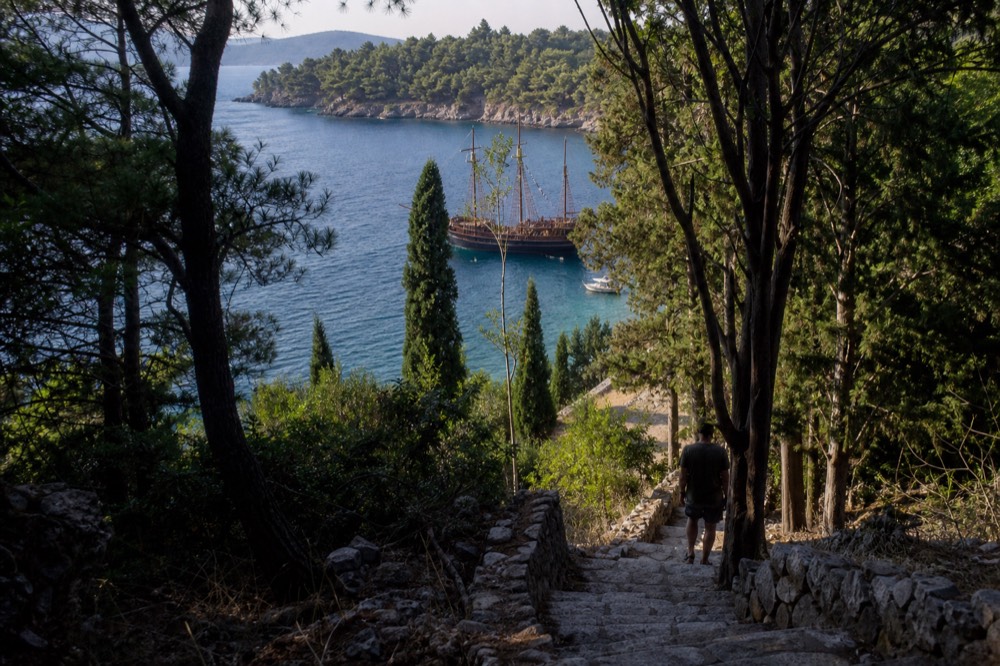
There is also a middle path worth knowing about: the pirate ship. The Karaka, a replica of a Dubrovnik argosy, sails the Elaphiti route from $65 per person and is rated 4.8 across 757 reviews, and its tall silhouette turning into Šipanska Luka is the most photographed event of the island's day. The same ship runs an adults-only sunset cruise back in Dubrovnik from $59 per person if the evening calls.
When Is the Best Time to Visit Šipan?
June and September are the sweet spots: the sea is warm, 22.5 degrees in June and 23.6 in September on the long-run average, the ferry runs its full schedule, and the island is calm, while July and August bring the hottest water, 24.9 and 25.8 degrees, alongside the season's thickest crowds in town. May works too, at an 18.6 degree average, if you accept a bracing first swim. The island's rhythm follows the ferry timetable, so the practical season is roughly April to October, and outside that window the sailings thin and many konobas close. One counter-intuitive planning fact from the Port Authority's own data: Dubrovnik's cruise passengers peaked in September at 101,246 and October at 100,132 in 2025, above July's 96,072 and August's 87,385, yet almost none of those passengers reach the Elaphiti islands, so early autumn gives you warm water in town and an empty Šipan at once.
| Month | Sea temperature average | Island day verdict |
|---|---|---|
| May | 18.6 degrees | Green and quiet, brisk swimming |
| June | 22.5 degrees | Best balance of warmth and calm |
| July | 24.9 degrees | Hottest water, busiest town |
| August | 25.8 degrees | Warmest sea, peak crowds ashore |
| September | 23.6 degrees | Warm water, island still quiet |
| October | 21.0 degrees | Fine for walking, check ferry times |
What Should You Pack and Plan for a Šipan Day?
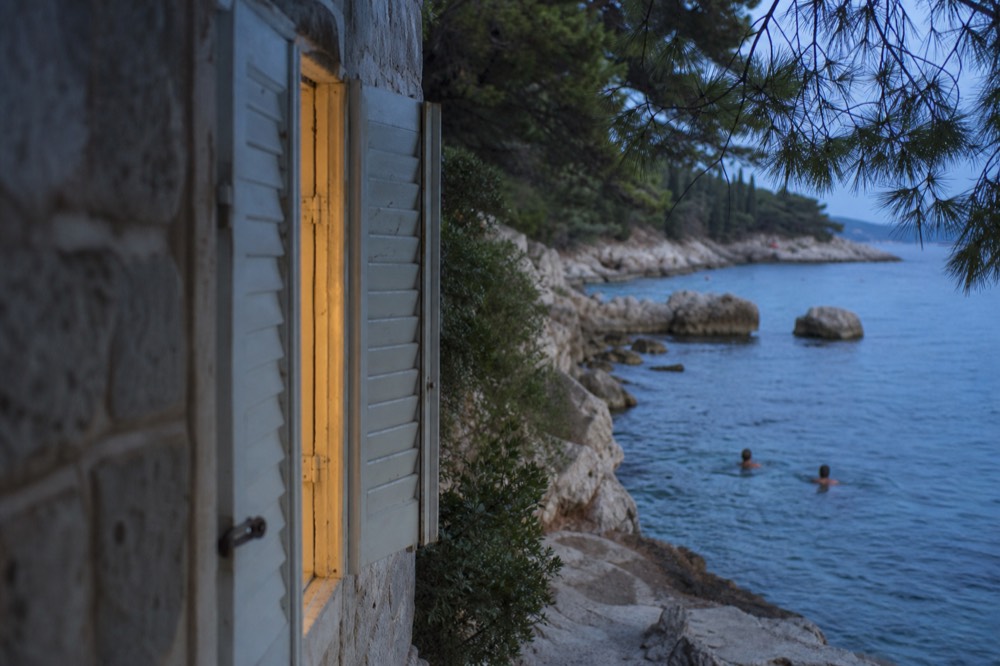
Pack for heat, stone and a late return: real walking shoes for the harbour-to-harbour road, water shoes for the rocky swimming, sun protection with little natural shade on the road, cash for konobas in Šipanska Luka, and a plan that respects the last ferry or the cruise's departure time, since the island has no late-night transport back to Dubrovnik. The mistakes I see are almost always packing mistakes. People arrive in flip-flops for a road that is tarmac but exposed, they forget that the island's shops are a bakery and a couple of small stores, and they trust that a boat will always be waiting. It will not. If you came by ferry, the return sailing from Suđurađ is the fixed point of your day, and everything else bends around it. If you came by cruise, the boat leaves when the boat leaves.
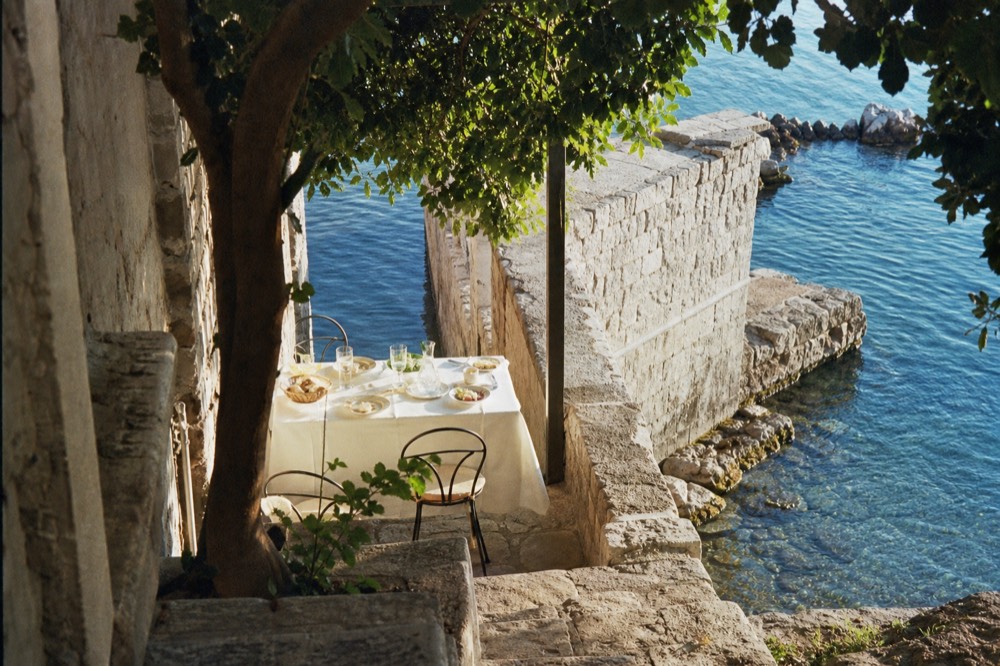
Food is part of the answer. The konobas of Šipanska Luka serve the island's own fish, olive oil and wine at prices noticeably kinder than the Old Town's, and a long lunch under a vine pergola is, for many visitors, the whole point of the day. Our what to eat in Dubrovnik guide explains the konoba tradition and the dishes to order, from grilled catch to peka if you order a day ahead. Book nothing in advance on Šipan except your boat, and even that you can often decide on the quay.
Šipan, Lokrum or Both: Which Island Day Is Right for You?
Do both if you have the days: Lokrum is a half-day of gardens, ruins and swimming directly opposite the Old Town, while Šipan is a full slow day of villages, walking and long lunches an hour up the coast; if you must choose one, take Šipan for peace and a real island, and Lokrum for convenience and a short visit. The two islands answer different urges. Lokrum is the city's garden, reached on a boat that leaves every 15 minutes through the day, with a 30 euro ticket covering the reserve and the return sailing. Šipan is the countryside, reached on a scheduled ferry or a cruise, with almost no sights in the guidebook sense and no need of any. For more on the whole question of how many days to give the region, including how island days fit alongside the walls and the cable car, see how many days do I need to see Dubrovnik and the wider planning pages on Things to Do in Dubrovnik.
Common Questions About Šipan Island
Is it worth going to Lokrum island?
Yes. The 30 euro combined ticket covers the reserve entry and the return boat, the island has gardens, a ruined monastery, peacocks and rocky swimming, and boats leave the City Harbour at 09:00 and then every 15 minutes from 10:00 to 18:00. It is the easiest half-day escape from the Old Town.
Is it worth it to go to Lokrum island?
For most visitors, yes, especially if your Dubrovnik time is short. Lokrum gives you shade, water and quiet for less than the price of most city activities. If your budget is very tight, a free pay-what-you-want GuruWalk of the Old Town plus an afternoon on Lokrum is one of the better-value days available.
How long is the ferry ride from dubrovnik to lokrum island?
The official Lokrum schedule does not state a crossing time in minutes, so no reliable figure exists. What is verified is the departure pattern: boats leave the City Harbour at 09:00, then every 15 minutes from 10:00 to 18:00, with the Luža ticket office open 08:00 to 18:00 and tickets valid for three days.
How do you get to Šipan island from Dubrovnik?
Take the local ferry from Gruž port to Suđurađ, the island's eastern harbour, or book a full-day Elaphiti cruise from $59.16 per person with lunch, which calls at the islands and removes every timetable decision from your day.
What is there to do on Šipan island?
Walk the flat 5 km road between Suđurađ and Šipanska Luka past olive groves and old mansions, swim from the rocky coves, and eat a long konoba lunch on the waterfront in Šipanska Luka. There are no ticketed sights; the island is the attraction.
When is the best month to visit Šipan?
June and September balance warm water, 22.5 and 23.6 degrees on the long-run average, with quiet island days. July and August are warmest but busiest in town, and from October you should check the reduced ferry schedule before committing.