The Siege of Dubrovnik: What Happened and What You Can Still See
Most visitors walk the Stradun without knowing that a generation ago these same limestone streets were emptied by shellfire. Here is what happened during the siege, where the story is told today, and how it changes the way you read the city.
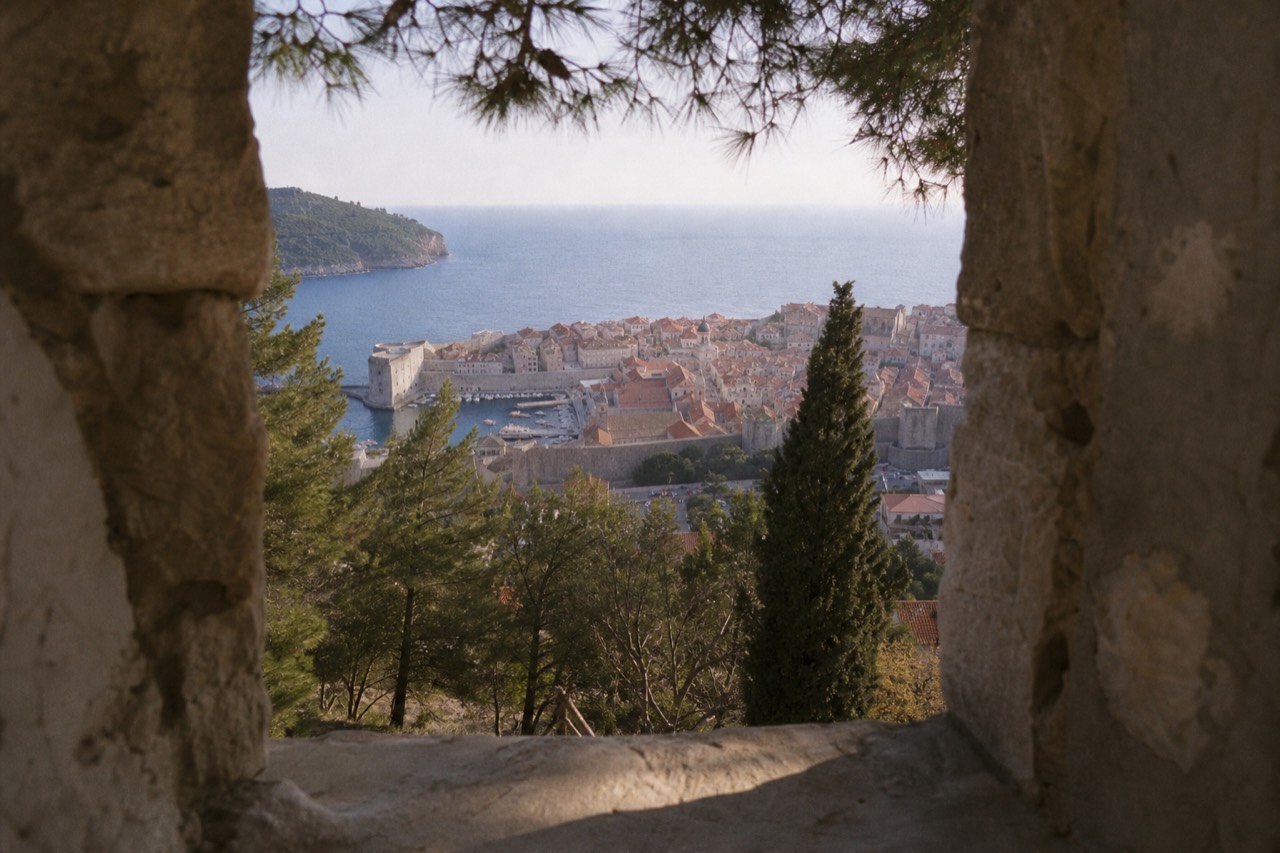
Short answer
Dubrovnik spent time on UNESCO's List of World Heritage in Danger from 1991 to 1998 after the Homeland War damaged the Old Town. The story is told at the Homeland War Museum on Mount Srd, reachable by cable car, and in the repaired rooftops and walls you walk today. The city walls ticket is 40 euro in main season.
What Was the Siege of Dubrovnik?
The Homeland War reached Dubrovnik when the city and its UNESCO-listed Old Town came under attack, and the damage put the site on the List of World Heritage in Danger from 1991 to 1998. The medieval walls, built to repel medieval armies, stood between the civilian population and the shelling. What you see today is a city that was repaired almost stone by stone, which is why so many rooftops are newer than they look.
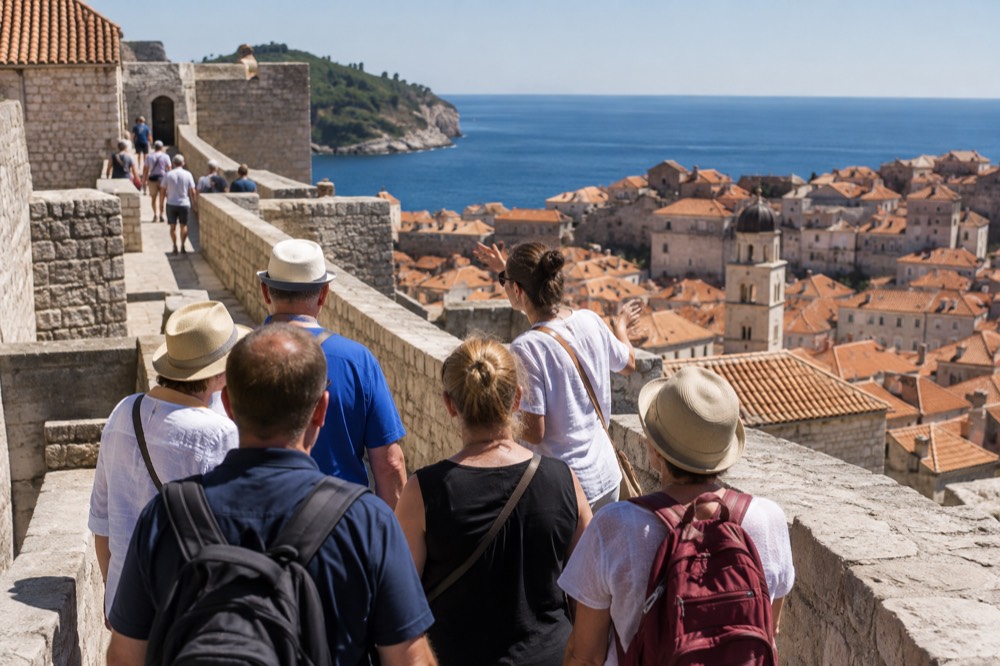
I walk these streets for a living, and the detail that stops visitors cold is the rooftops. From the wall circuit or from Mount Srd you notice that a large share of the Old Town's roof tiles are a brighter, cleaner orange than the rest. Those are the replacements. The original tiles were shattered along with the buildings under them, and the repair work went on for years after the fighting stopped.
The Old City was inscribed on the World Heritage List in 1979 under criteria (i), (iii) and (iv), reference C 95bis, covering a property area of 24.7 hectares with an 1,188.6-hectare buffer zone. Barely a decade later the war came, and UNESCO's own listing records the site on the danger list from 1991 to 1998. That is the paper trail of the siege, and it is the reason the restoration here is treated as an international project rather than ordinary municipal repair work.
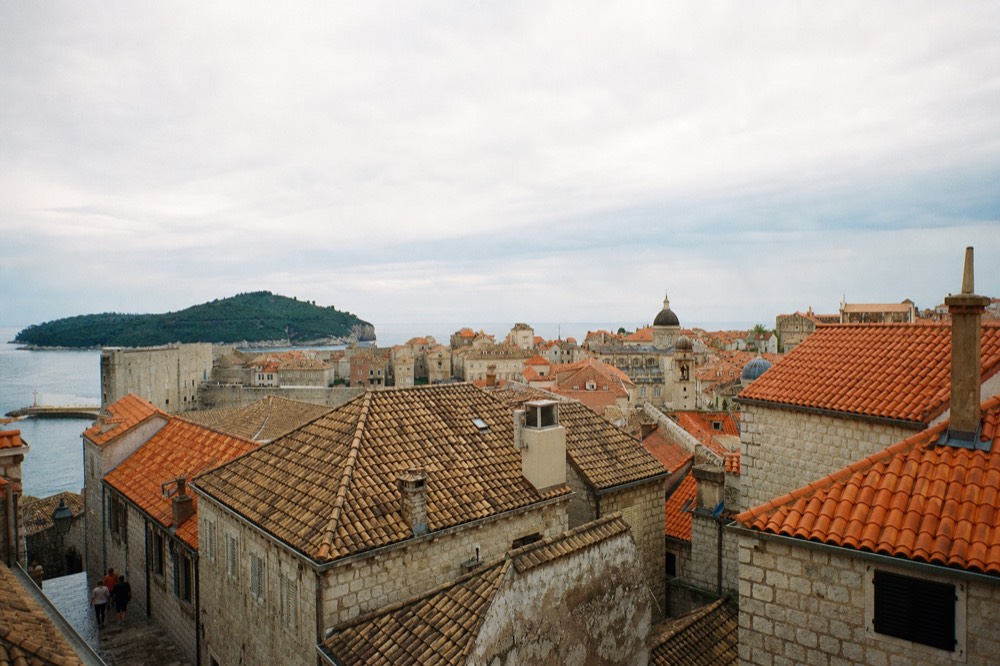
The fortifications themselves are worth understanding before you read any war history, because the siege played out across them. The walls run 1,940 metres, stand up to 25 metres high, and are 4 to 6 metres thick on the land side and 1.5 to 3 metres on the sea side. The circuit took its basic shape in the 13th century and was finished in 1660 with the Bastion of St Stephen. Fort Lovrijenac, the standalone fortress on its 37-metre sea rock, guarded the western approach. You can read the full inventory on the walls operator's own page at the Society of Friends of Dubrovnik Antiquities site.
| Fortification element | Count on the circuit |
|---|---|
| Towers | 16 |
| Fortresses | 3 |
| Bastions | 6 |
| Corner fortifications | 2 |
| Moats | 3 |
| Flank fortresses | 2 |
| Drawbridges | 2 |
For the wider sweep of the city's story, from the Republic of Ragusa to the present, our Dubrovnik history overview puts the war years in context. And if you are planning to walk the circuit yourself, start with the complete city walls guide, which covers entrances, direction and timing.
What Is the Siege of Dubrovnik Museum?
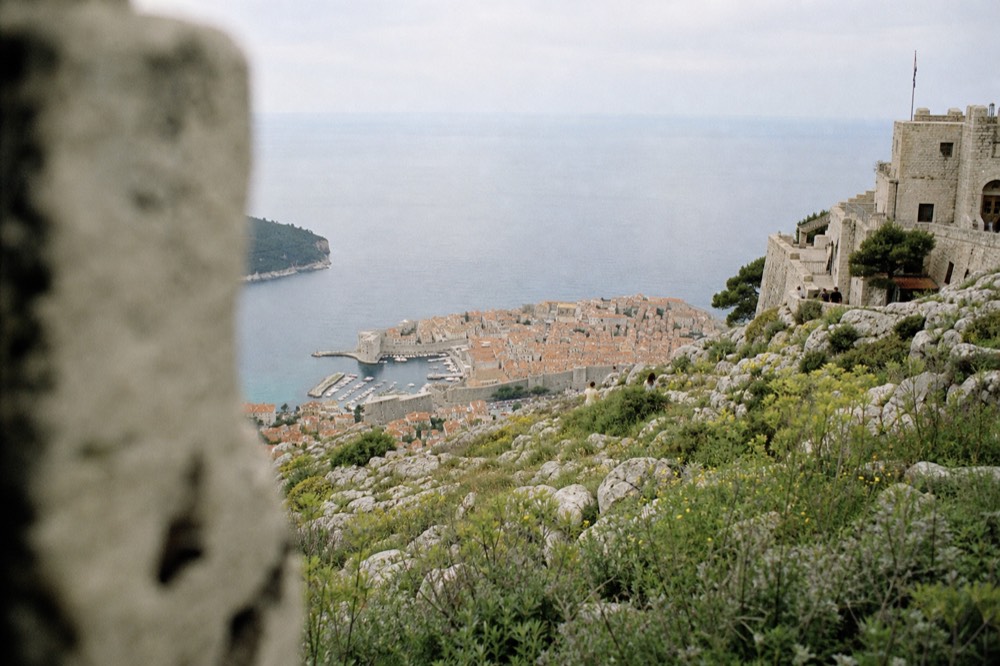
The story of the siege is told at the Homeland War Museum, which sits at the top of Mount Srd beside the upper cable car station, 405 metres above the sea. Its exhibits cover the attack on Dubrovnik and the defence of the city, inside the old fort with the whole Old Town below. Getting there is half the experience: the cable car covers 778.2 metres of track in 3 minutes 30 seconds.
The pairing is deliberate and it works. You ride up through the same skyline the defenders watched, and you stand in a fortress that was itself one of the positions in the fighting, looking down at the grid of red roofs that had to be rebuilt. The museum does not sanitise the period, and many visitors say the visit changes how they see the streets below for the rest of their trip.
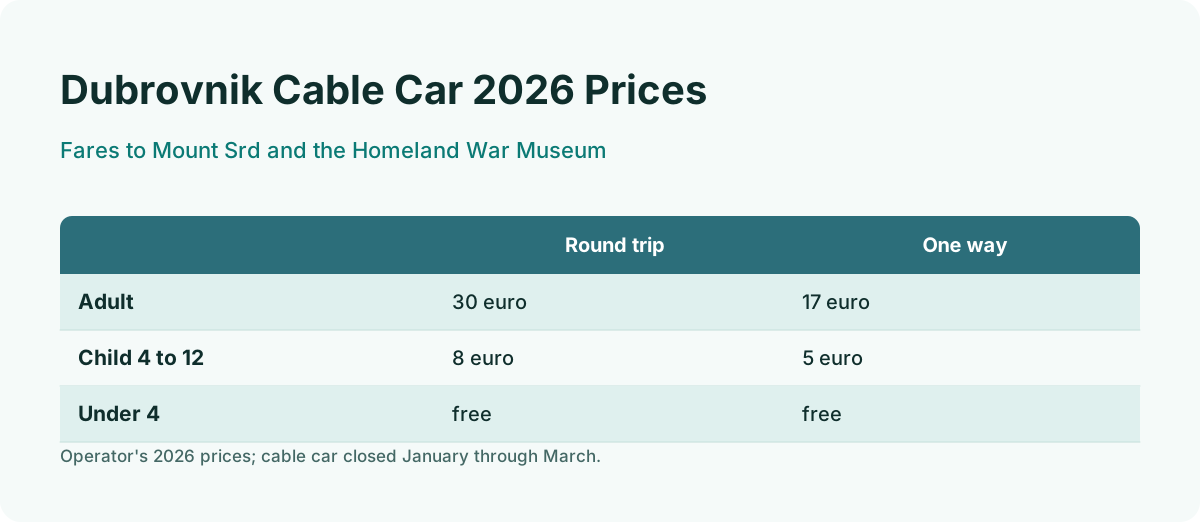
Practicalities are simple. The cable car's 2026 prices are 30 euro adult round trip, 17 euro one way, 8 euro round trip for a child 4 to 12, 5 euro one way, and under 4 free. It runs from 09:00, with closing hours that stretch to midnight in the height of summer, and it is closed January through March. Our Mount Srd guide and the cable car tickets guide cover timing, queues and sunset slots in detail.
| Cable car ticket | 2026 price |
|---|---|
| Adult round trip | 30 euro |
| Adult one way | 17 euro |
| Child 4 to 12 round trip | 8 euro |
| Child 4 to 12 one way | 5 euro |
| Under 4 | free |
If you would rather have the war story explained on the ground, in the streets where it happened, the guided walks are the strongest option. The Old Town and walls combination walk is the natural fit for this topic, because a local guide can point at a repaired facade or a replaced roofline and tell you what stood there before.
The combo tour runs about 3 hours 30 minutes, from $50.94 per person, and is rated 4.8 across 1,183 reviews. It pairs the Old Town walk with the full wall circuit, which is exactly the route that makes the siege story land: street level first, then the panoramic view from the ramparts where the scale of the repair work becomes obvious. If your budget or knees only allow one of the two halves, a shorter walls-focused walk is rated 4.8 across 1,387 reviews, from $29.58 per person.
A guest who took that walls walk left this review:
For a deeper dive into the museum itself, see our dedicated Homeland War Museum guide.
Is Dubrovnik Still Cheap?
Honestly, no. Dubrovnik is one of the most expensive destinations in Croatia, with about 4.2 million overnight stays in 2025, sharing first place nationally with Rovinj. The walls ticket alone is 40 euro in main season, and restaurant prices inside the Old Town reflect a UNESCO-listed, cruise-served tourist core. But the war history itself is nearly free to explore, and costs drop fast once you know where the locals' city begins.
The economics here have a post-war shape. The siege emptied and damaged the city; the reconstruction and the tourism boom that followed rebuilt it around visitors, and prices followed. That does not mean a siege-interest visit has to be expensive. Walking the Stradun, reading the rooftops from the outside of the walls, riding the number 6 bus to Gruž, and browsing the market cost almost nothing. The paid items are the walls, the museums and the cable car, and those you can budget precisely.
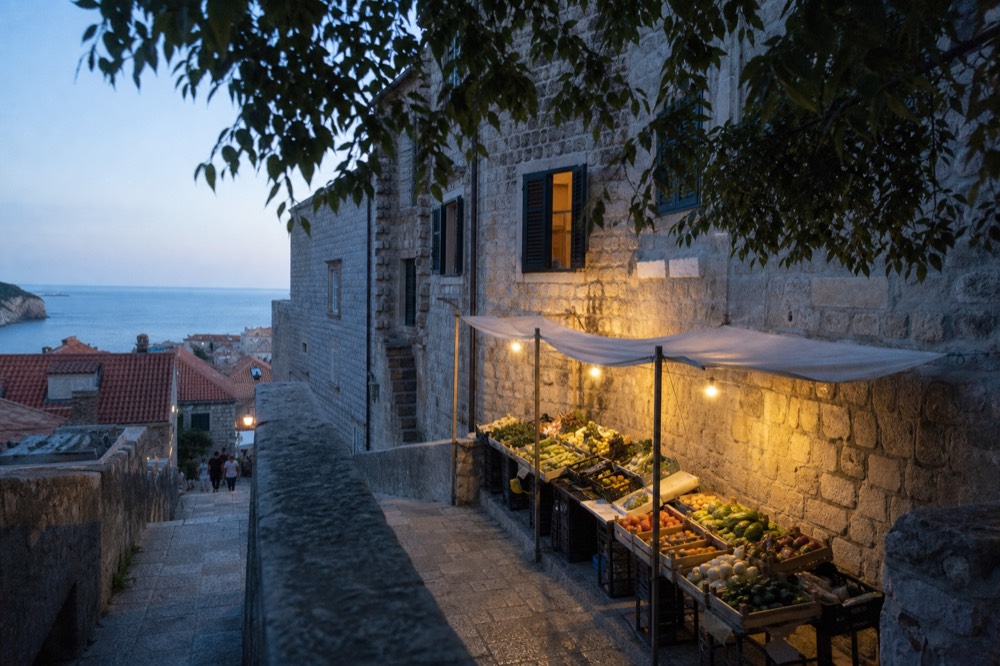
Here is the honest planning table for the core paid sights, using the operators' own current prices. Note that the walls and pass comparison only holds in main season, 1 March to 30 November: in December the standalone walls ticket drops to 20 euro and no pass tier is on sale at all.
| Item | Main season price | What it covers |
|---|---|---|
| City Walls ticket, adult | 40 euro | Walls, Fort Lovrijenac, Western Outer Wall, coin collection |
| City Walls ticket, child 7 to 18 | 15 euro | Same coverage |
| Dubrovnik Pass, one day | 40 euro | Walls plus ten more sights, 24-hour bus ticket |
| Dubrovnik Pass, three days | 50 euro | Same plus suburban bus coupons and House Bukovac in Cavtat |
| Dubrovnik Pass, seven days | 60 euro | Same, week-long validity |
The pass maths is straightforward in main season: the one-day pass costs the same 40 euro as the walls ticket and adds ten more sights plus a day of buses, so it wins the moment you plan a second museum. There is no family ticket for the walls, only adult and child 7 to 18, with under 6 free. Our is the pass worth it breakdown runs the numbers for different trip lengths.
For the budget side of the ledger, free things to do in Dubrovnik is a longer list than most visitors expect, and it includes several of the best views of the repaired rooftops. For everything else, the site's own Things to Do in Dubrovnik homepage keeps the full sight-by-sight index.
Can You Still Swim in Dubrovnik in October?
Yes, and October is quietly one of the better swimming months. The long-run September average for this coast is about 23.6 degrees and October about 21.0 degrees, from the NOAA OISST 1991 to 2020 climatology, an open-water average rather than a beach thermometer. Sheltered bays read warmer than that, and the crowds thin sharply once the school holidays end.
That framing matters, so keep it straight: those figures are a 30-year open-water grid-cell average, not a forecast and not this week's beach reading. EMODnet's independent climatology corroborates them within about a degree, and the Croatian met service's own Dubrovnik buoy has read 27.0 to 27.4 degrees on an early September day against a 23.6 September mean, which tells you how much sheltered, shallow water can run above the open-sea number in late summer.
| Month | Open-water average, degrees C | Month | Open-water average, degrees C |
|---|---|---|---|
| May | 18.6 | September | 23.6 |
| June | 22.5 | October | 21.0 |
| July | 24.9 | November | 18.5 |
| August | 25.8 | December | 16.0 |
There is a war-history footnote to October swimming, and it is one of the site's genuinely counter-intuitive facts: October is one of the two busiest cruise months of the year. In 2025, Port Authority data shows September peaked at 101,246 cruise passengers and October at 100,132, both above July's 96,072 and August's 87,385. The water is at its warmest-friendly and the streets are at their fullest, so swim early and walk late. The Dubrovnik in October guide unpacks the whole month, and the swimming season guide covers which bays hold their warmth longest.
What Not to Do in Dubrovnik?
Do not treat the Old Town as a theme park with a gift shop at the exit. Do not walk the walls at midday in summer without water, do not expect a quiet dinner on a day when several ships are in port, and do not reduce the city to its filming locations. The siege story is the best correction to all of those mistakes: a street where homes were destroyed deserves more than a photo stop.
The practical version first. The walls circuit is almost entirely unshaded stone, the operator's stated hours run 08:00 to 19:30, and the counting system at the gates shows the Old Town climbing from 5,419 people at 08:00 to a 7,739 peak at 10:00 on a measured September day. Walking the walls at opening time is not a tip, it is basic self-preservation. The official carrying capacity for the historic core, from the UNESCO carrying-capacity assessment, is 11,275 people, and six counters at every entrance update a headcount every 15 minutes, so the city itself is watching the numbers.
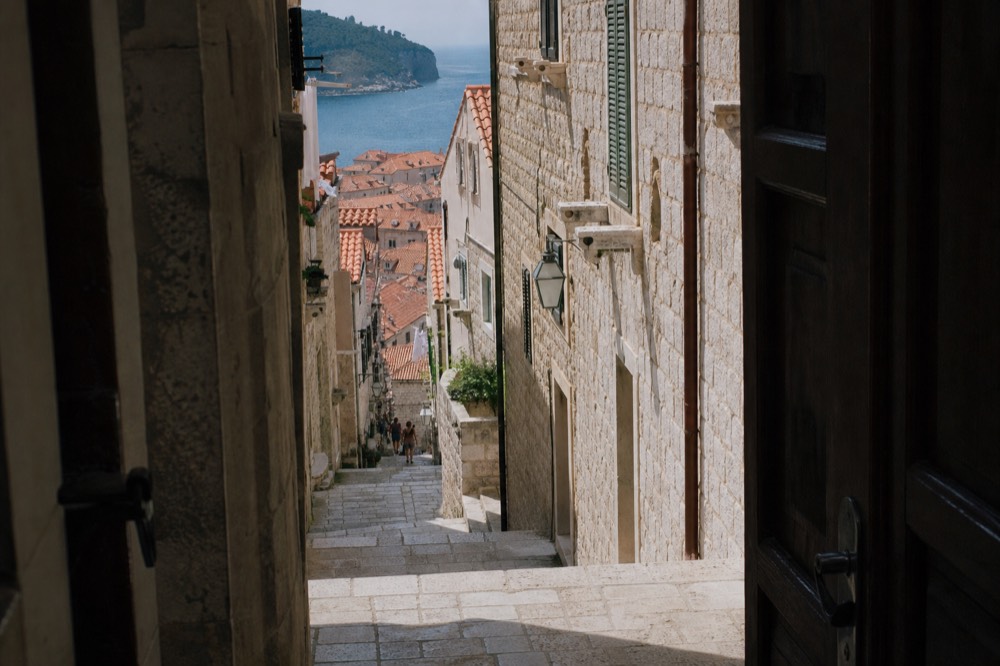
The behavioural version matters more here. Locals lived through the siege and rebuilt these houses; a share of the city's 41,562 residents at the 2021 census still live in and around the walled core, and the morning streets belong to them before the crowds arrive. Greet people, step aside on the staircase streets, and keep your voice down at night in the residential lanes off the Stradun. The what to be careful of in Dubrovnik guide collects the rest of the etiquette in one place.
| Mistake | Why it fails | Do this instead |
|---|---|---|
| Walls at midday in July or August | Unshaded stone, thickest queues | Enter at 08:00, finish by late morning |
| Eating on the Stradun every night | Highest prices, most tourist menus | Walk five minutes into side lanes or to Gruž |
| Game of Thrones spots only | You miss the actual city, war story included | Add the walls walk and one museum |
| Assuming summer is peak crowds | September and October beat July in cruise passengers | Check the schedule, walk early regardless |
How Has the City Managed Crowds Since the War?
Dubrovnik now runs its visitor flow with a counting system and a cruise cap that most visitors never hear about. The Port Authority limits cruise passengers to 8,000 a day in most cases, out of 243 cruise days a year only 18 exceed that number, and about forty call requests were refused in a single season. The Old Town's official carrying capacity is 11,275 people, monitored by six entrance counters updating every 15 minutes.
This is the modern continuation of the siege story: a city that nearly lost its Old Town once, and now manages it deliberately so it is never loved to death. The measures come from a carrying-capacity study of the World Heritage site, and the Port Authority publishes the underlying numbers on its cruise destination page. For 2026, 461 cruise calls are scheduled, against a 2025 actual of 625,257 passengers.
What this means for you is simple. Cruise figures are ship capacity, not a promise of how many people actually walk ashore, but the pattern is real: early September is the busiest stretch of the whole year on the streets, not deep summer. Plan the walls and the museum for the first hours of the day, keep afternoons flexible, and use the quieter lanes. The overtourism guide goes deeper if the topic interests you.
Which Tours Bring the Siege Story to Life?
The strongest pick is a guided walk that combines the Old Town with the full walls circuit, because the war story lives in the contrast between street level and rampart level. The combo tour runs about 3 hours 30 minutes from $50.94 per person, rated 4.8 across 1,183 reviews. Pair it with the Homeland War Museum on Mount Srd and you have the complete arc: the streets, the walls, then the view from above.
I have not taken these operator tours myself, so everything here is reporting on what the listings state and what reviewers say in aggregate. The reporting is consistent: guides who lived through the period, or whose families did, are the ones visitors remember. A good local guide turns a repaired roofline into a story, and the walls are where the geography of the siege becomes visible all at once.
If you want to spread the story over two lighter outings instead of one long one, the Old Town walk with a local guide runs from $20 per person, rated 4.8 across 5,826 reviews, and covers the street-level history.
For the ramparts half alone, the admission-only ticket from $36.37 per person lets you walk the circuit self-guided with an audio guide from your phone, rated 3.6 across 249 reviews. It is the cheapest way onto the walls and pairs well with reading up beforehand, though it carries no live commentary.
There is also a pop-culture route into the same history. The original Game of Thrones tour, from $25.57 per person and rated 4.8 across 6,132 reviews, walks the filming locations with the city's real past woven through, and one reviewer specifically noted it helps you get your bearings in the Old Town. It is a lighter touch than a history walk, but it lands many of the same viewpoints.
How Should You Plan a Siege-History Day in Dubrovnik?
Start at 08:00 with the walls, either guided or with the admission ticket, while the count is still climbing. Come down into the Old Town by late morning, walk the Stradun with fresh eyes for the bright roof tiles, and eat away from the main drag. Ride the cable car up Mount Srd in the late afternoon, visit the Homeland War Museum, and watch the sunset from 405 metres with the repaired city below.
That single day contains the entire arc of this article: the fortifications that held, the streets that were rebuilt, the museum that explains it, and the panorama that shows you the scale of the recovery. It also sidesteps both of the big crowd mistakes, because you are on the walls before the 10:00 peak and on the mountain after the day-trippers have started to drain out of the Old Town.
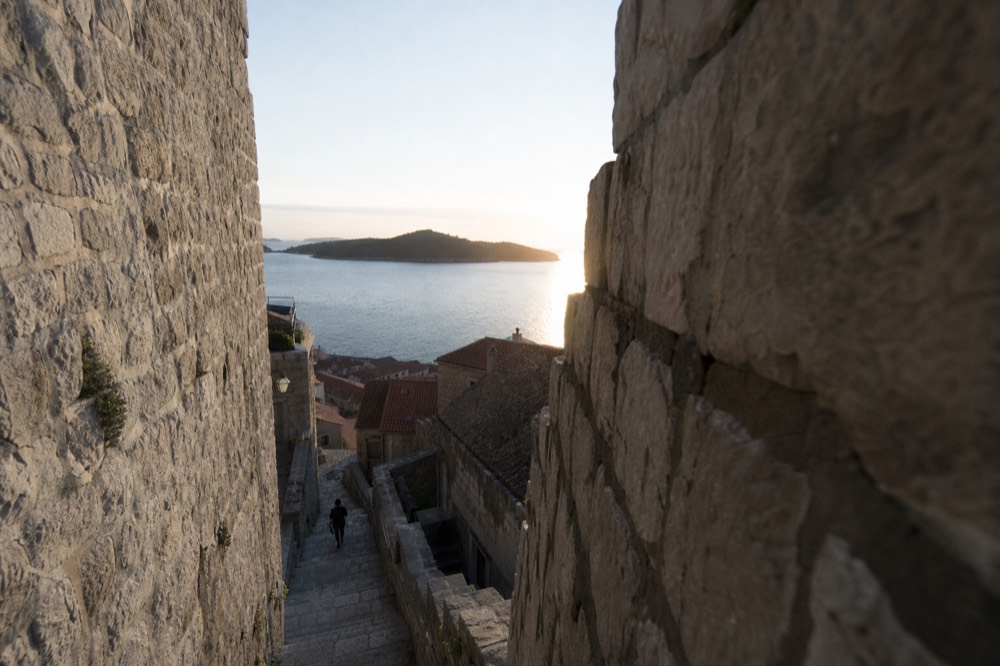
Budget-wise, the day runs 40 euro for the walls (or the same 40 euro as a one-day pass with ten more sights included, in main season), 30 euro for the cable car round trip, plus lunch and museum entry. Do the walls and the cable car on separate days if the heat is fierce; the walls in particular deserve a fresh start. And whatever you book, keep the season in mind: the December walls ticket is 20 euro, the cable car closes January to March, and no winter pass tier is on sale.
If your day happens to fall in September or early October, you get the warmest sea of the shoulder season alongside the year's busiest streets, a trade most visitors are happy to make. Swim at a sheltered bay in the morning before the walls, or the day after, and let the busiest hours belong to the ramparts where the crowd thins along 1,940 metres of walkway.
Common Questions About the Siege of Dubrovnik
What Was the Siege of Dubrovnik?
The Homeland War reached Dubrovnik when the city came under attack, damaging the UNESCO-listed Old Town and putting it on the List of World Heritage in Danger from 1991 to 1998. The medieval walls stood through the shelling, and the city was rebuilt over the following years, which is why so many rooftops are newer than they look.
What Is the Siege of Dubrovnik Museum?
The Homeland War Museum sits beside the upper cable car station on Mount Srd, 405 metres above the sea. Its exhibits cover the attack on the city and its defence, inside a fortress that was itself a wartime position, with the whole Old Town visible below.
Is Dubrovnik Still Cheap?
No, it is among Croatia's most expensive destinations, with about 4.2 million overnight stays in 2025. The walls ticket is 40 euro in main season and the one-day Dubrovnik Pass costs the same with ten more sights included. Costs drop quickly outside the Old Town, in Gruž and the side lanes.
Can You Still Swim in Dubrovnik in October?
Yes. The long-run October average for this coast is about 21.0 degrees, from the NOAA 1991 to 2020 open-water climatology, and sheltered bays run warmer. Crowds are another matter: October was the second-busiest cruise month of 2025, with 100,132 passengers.
What Not to Do in Dubrovnik?
Do not walk the walls at midday in summer without water, do not eat every meal on the Stradun, and do not treat the city as a filming-location checklist. The Old Town holds a real community in and around its walls, and the siege story deserves more than a photo stop.
Where Can You See War Damage in Dubrovnik Today?
Mostly in the rooftops: the brighter orange tiles across the Old Town are post-war replacements. The Homeland War Museum on Mount Srd tells the full story, and a guided walls walk points out repaired sections of the fortifications as you go.