Dubrovnik Maritime Museum: What to See and How the Pass Covers It
The Maritime Museum is one of the ten sights folded into every Dubrovnik Pass tier, which makes it the cheapest museum in the city to see well, provided you understand how the pass, the walls ticket and the crowds interact.
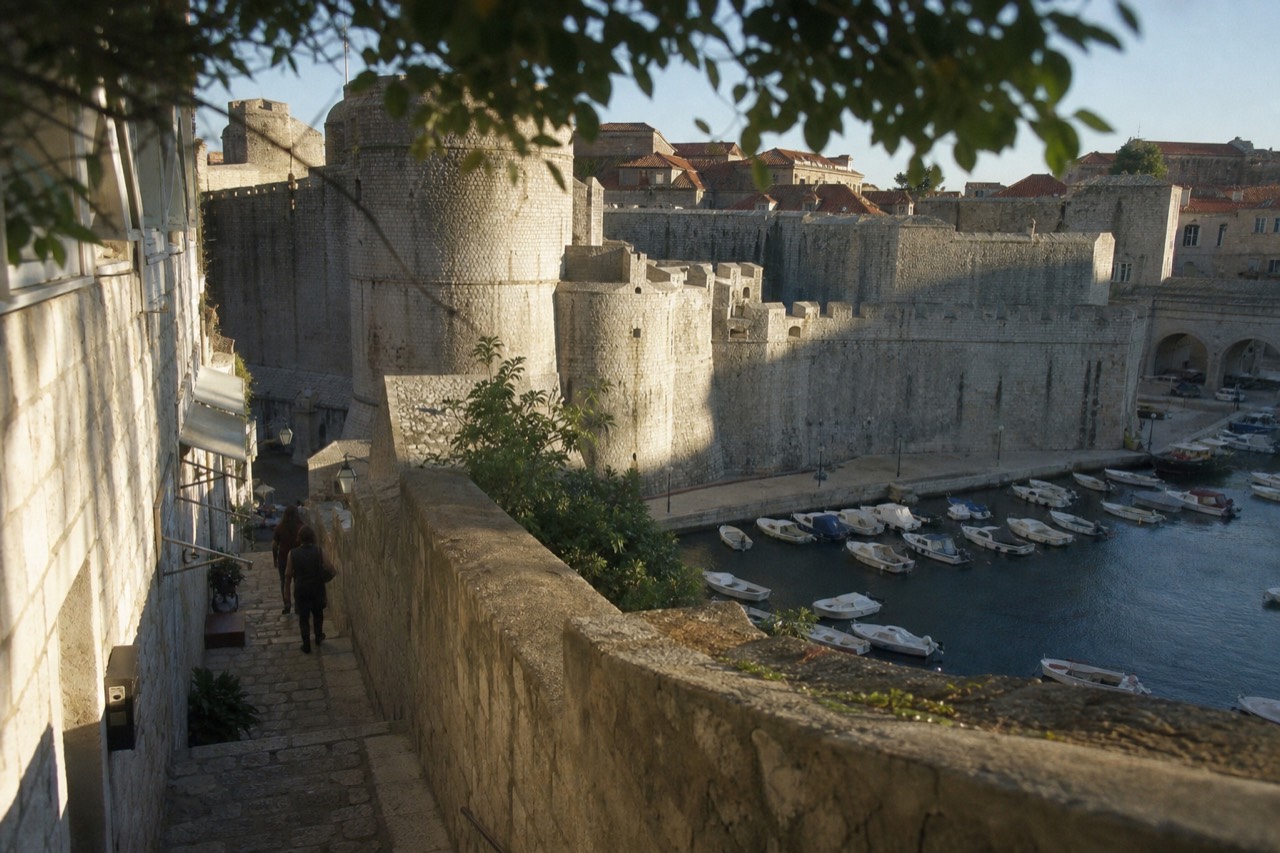
Short answer
The Maritime Museum is included in every Dubrovnik Pass tier, from the 40 euro one-day pass upward, alongside the City Walls and Lovrjenac Fortress. A one-day pass costs the same 40 euro as the standalone walls ticket in main season, 1 March to 30 November, so the museum and nine other sights effectively come free with a walls visit.
Dubrovnik built its fortune on the sea, and the city's museum landscape reflects that. The Maritime Museum sits inside the network of sights the city runs through the Dubrovnik Pass, and that single fact changes how you should plan a visit. Bought alone, museum entry adds up quickly across a multi-day stay. Bought through the pass, it costs nothing extra on top of a walls ticket you were probably buying anyway.
I have walked this city's streets and staircases with travellers since 2015, and the pattern I see every season is the same: people buy the walls ticket at 40 euro, then discover afterwards that the same money would have covered the walls plus ten more institutions, the Maritime Museum among them. This guide exists to stop that happening to you. It covers what the museum is, how the pass maths works, what the separate siege exhibition is about, and how to steer around the crowds and the heat that shape every museum day here.
What Is the Dubrovnik Maritime Museum?
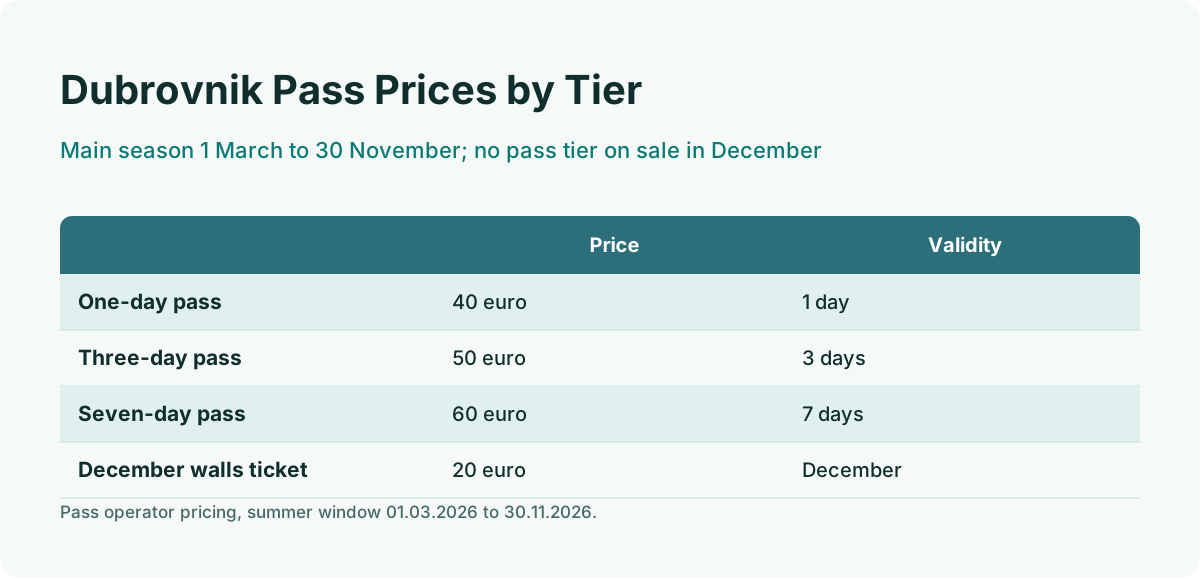
The Dubrovnik Maritime Museum is one of the cultural institutions included in every tier of the official Dubrovnik Pass, listed by the pass operator alongside the City Walls, Lovrjenac Fortress, the Rector's Palace and the Museum of Modern Art. Entry is covered once per pass, and the pass costs 40 euro for one day, 50 for three days and 60 for seven days in main season. That is the whole pricing story a visitor needs.
The museum tells the story of the republic that once ruled these waters. Dubrovnik's Old Town was inscribed on the UNESCO World Heritage List in 1979 under criteria (i), (iii) and (iv), a 24.7-hectare property with an 1,188.6-hectare buffer zone, and its maritime history is inseparable from that listing. The city's wealth came from shipping and diplomacy, not from land holdings, and the museum's collection exists to document that seafaring past. For opening hours and any standalone entry fee, check the museum's own current information before you go, because schedules shift with the season and I will not print a figure the sources do not confirm.
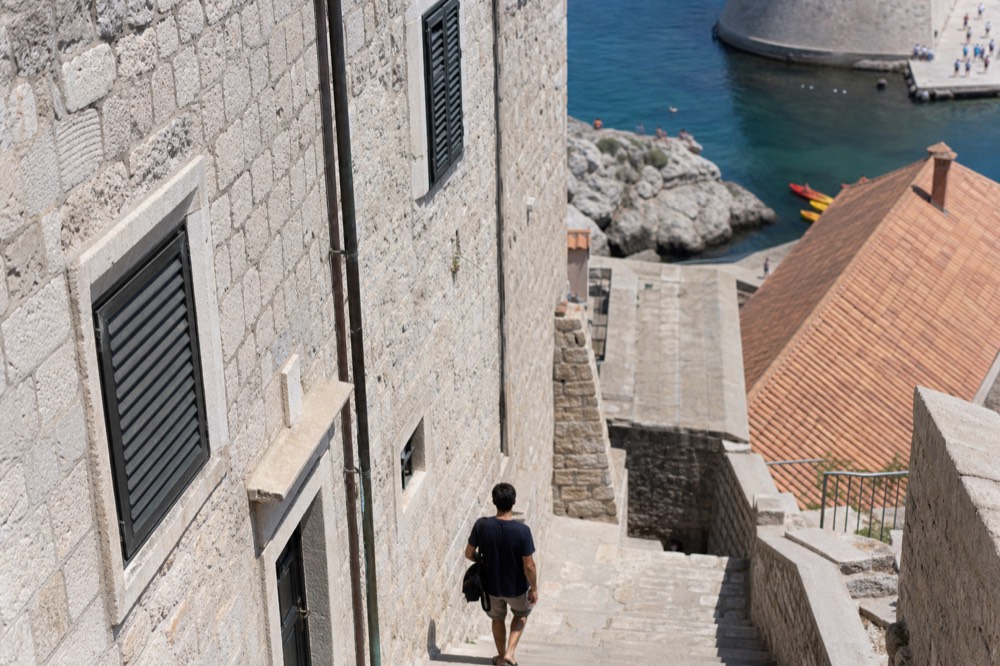
What catches most visitors out is not the museum itself but the ticketing structure around it. The Dubrovnik Pass is sold as a single "ADULT PASS (7+)" ticket type, labelled "SUMMER 2026, 01.03.2026 to 30.11.2026", and no winter tier is on sale at all. Every tier lists "City Walls + Lovrjenac Fortress" as its first inclusion, and the checkout states plainly that you are entitled to a one-time visit to the walls and to each cultural institution, regardless of which pass you bought. One visit per sight, so if the Maritime Museum matters to you, plan it into the day rather than assuming you can return.
The pass structure, read from the official operator's own site, breaks down like this:
| Pass tier | Price | Sights included | Transport included |
|---|---|---|---|
| One day | 40 euro | City Walls + Lovrjenac plus ten more sights, Maritime Museum among them | 24-hour bus ticket |
| Three days | 50 euro | Same sights plus House Bukovac in Cavtat | 72-hour bus ticket plus suburban coupons |
| Seven days | 60 euro | Same sights plus House Bukovac in Cavtat | 168-hour bus ticket plus suburban coupons |
The full included list from the official tiles runs to the Rector's Palace, the Ethnographic Museum, Marin Držić House, the Natural History Museum, the Franciscan Monastery Museum, the Museum of Modern Art, the Dulčić, Masle and Pulitika Gallery, Pulitika Studio and the archaeological exhibitions. The three-day and seven-day tiers add House Bukovac in Cavtat, which is what the city's "nine sights, or ten with Cavtat" wording refers to. If you want the full breakdown of what the pass buys, our Dubrovnik Pass inclusions explained guide walks through every tier.
How Does the Maritime Museum Fit Into a One-Day Visit?
Pair the Maritime Museum with the City Walls in a single morning, because the one-day pass makes them a package. The walls circuit is 1,940 metres long, up to 25 metres high, and the operator's stated hours at time of check are 08:00 to 19:30, so an early walls walk followed by a museum visit in the cooler late morning is the sequence that works. The pass covers both once each.
The walls deserve the early slot for reasons the crowd data makes blunt. Six counters at every Old Town entrance update a headcount every 15 minutes, and on a representative September day the count climbed from 3,139 at 07:00 to 5,419 at 08:00, then 7,297 at 09:00, peaking at 7,739 at 10:00 before easing to 7,205 by 11:00. The official carrying capacity for the Old Town core, from the UNESCO carrying-capacity assessment, is 11,275 people. Walk the walls before 09:00 and you share them with a fraction of the mid-morning crowd; leave it until 11:00 and every viewpoint has a queue.
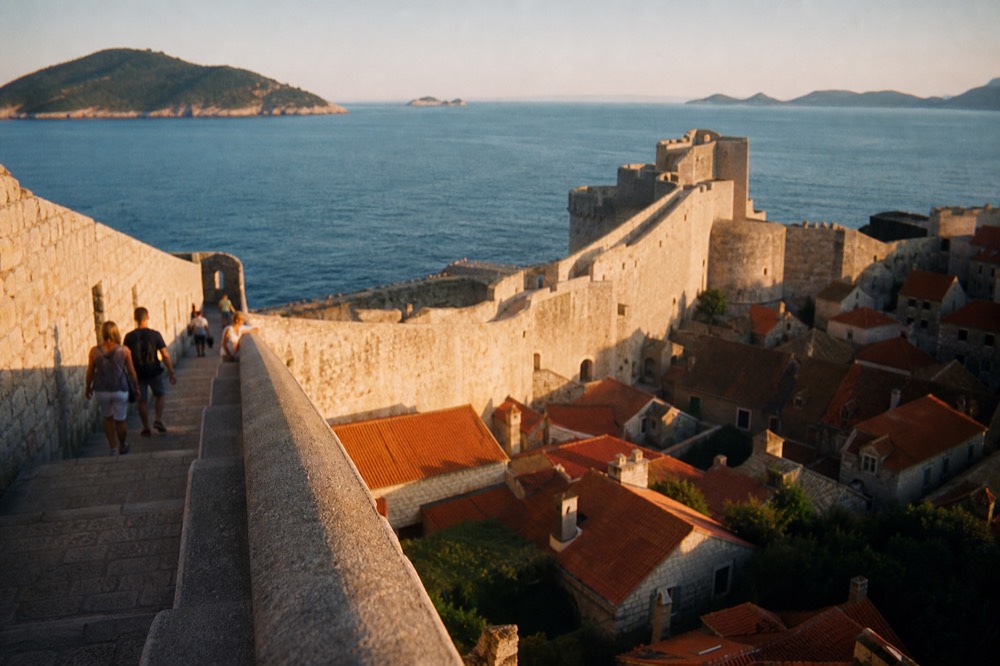
The walls ticket itself needs one clarification that saves people money. The 40 euro adult ticket is the walls plus Fort Lovrijenac combination, and it also covers the Western Outer Wall, closed December through February, and the Collection of Coins of the Republic of Ragusa at Gundulić Square 6. There is no separate, cheaper walls-only ticket, and there is no family ticket: the operator sells exactly two paid article types, adult and child 7 to 18, with under 6 free. Lovrijenac bought alone is 15 euro. The seasonal split matters too, and I will come back to it in the December section below.
| Ticket | Main season (1 Mar to 30 Nov) | December |
|---|---|---|
| Adult walls + Lovrjenac | 40 euro | 20 euro |
| Child 7 to 18 | 15 euro | 5 euro |
| Child 6 and under | free | free |
| Dubrovnik Pass, any tier | 40 / 50 / 60 euro | not on sale |
If a guided version of the walls appeals more than going alone, the 2-hour Ancient City Walls and Wars Walking Tour runs from $29.58 per person and is rated 4.8 across 1,387 reviews. A guided walk and a pass are not mutually exclusive: plenty of travellers take a guided Old Town walk on day one for orientation, then use the pass on day two for the walls and the museums at their own pace. For more on that debate, see choosing a Dubrovnik walking tour.
Is the Dubrovnik Pass Worth It for the Maritime Museum Alone?
In main season, 1 March to 30 November, the one-day pass costs exactly the same 40 euro as the standalone walls ticket, so the Maritime Museum and nine other sights plus a 24-hour bus ticket effectively come free with a walls visit you were already planning. In December the maths flips: the walls ticket drops to 20 euro and no pass tier is on sale at all, so the museum must be paid for separately.
That equivalence is a main-season fact and every sentence comparing the two should carry the season, because a December visitor reading "the pass costs the same as the walls" would be misled on both halves of the comparison. The pass is sold for the summer window only, in a single adult ticket type. If your trip falls in the last month of the year, budget for the walls at 20 euro and treat the museums as separate purchases, checking each institution's own listing for its winter schedule.
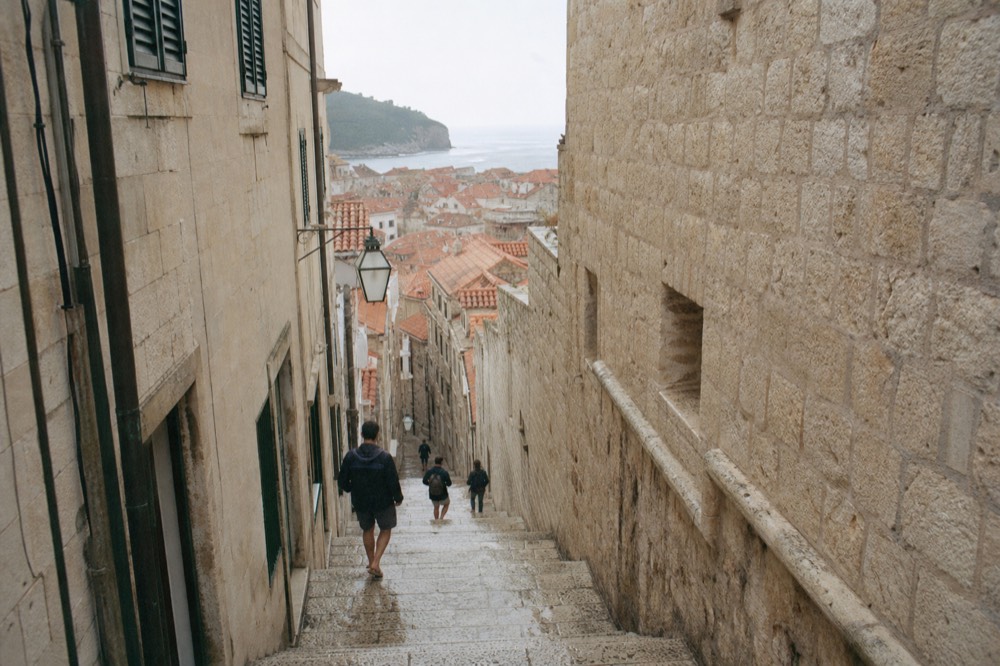
For everyone else, the pass is close to a default. The walls plus Lovrjenac combination alone justifies the 40 euro, and the museum list behind it is long enough that a single rainy afternoon can absorb two or three visits without any incremental cost. The bus ticket is the quiet bonus: 24 hours of city transport on the one-day tier, which covers the ride between the Old Town and Lapad, where many visitors stay. The three-day and seven-day tiers add suburban bus coupons usable for a trip to Cavtat, which pairs neatly with the House Bukovac inclusion on those tiers.
There is also a bundled product that skips the pass maths entirely: the cable car and museums multipass, which combines the panorama ride with museum entry. It runs from $24 per person and is rated 4 across 101 reviews, a budget-friendly option for travellers who want the view and a taste of the museums without committing to the full city pass. Whether that or the official pass suits you better depends on whether the City Walls are on your list, and for most first-time visitors they are.
One more planning note from someone who has timed these staircases for a decade: the cable car's lower terminal sits at 38.0 metres above sea level and the upper station at 405.0 metres, a 367.0-metre rise over a 778.2-metre track, travelled in 3 minutes 30 seconds at 6.5 metres per second. The ride is quick; the queue is not, in high summer. The operator's 2026 prices are 30 euro adult round trip, 17 euro one way, with children 4 to 12 at 8 euro round trip and under 4 free, and it runs from 09:00 to midnight in June, July and August. Our Mount Srd and cable car guide covers the timing strategy in full.
What Is the Siege of Dubrovnik Museum?
The siege of Dubrovnik is covered by a separate museum from the Maritime Museum, dedicated to the attack the city endured in the early 1990s, and it is not part of the Dubrovnik Pass inclusion list. The Old Town's UNESCO status was placed on the List of World Heritage in Danger from 1991 to 1998 as a direct result of that period, which is the clearest official marker of how serious the damage was.
Visitors often conflate the two institutions, and the confusion is understandable: a maritime city that was shelled from the sea naturally produces a war exhibition and a shipping exhibition that feel adjacent. But they are distinct. The Maritime Museum documents centuries of seafaring, trade and shipbuilding. The siege museum documents the bombardment and the reconstruction that followed. For what the siege exhibition holds and where it sits in the Old Town, see our dedicated Siege of Dubrovnik history guide, which carries the full context.
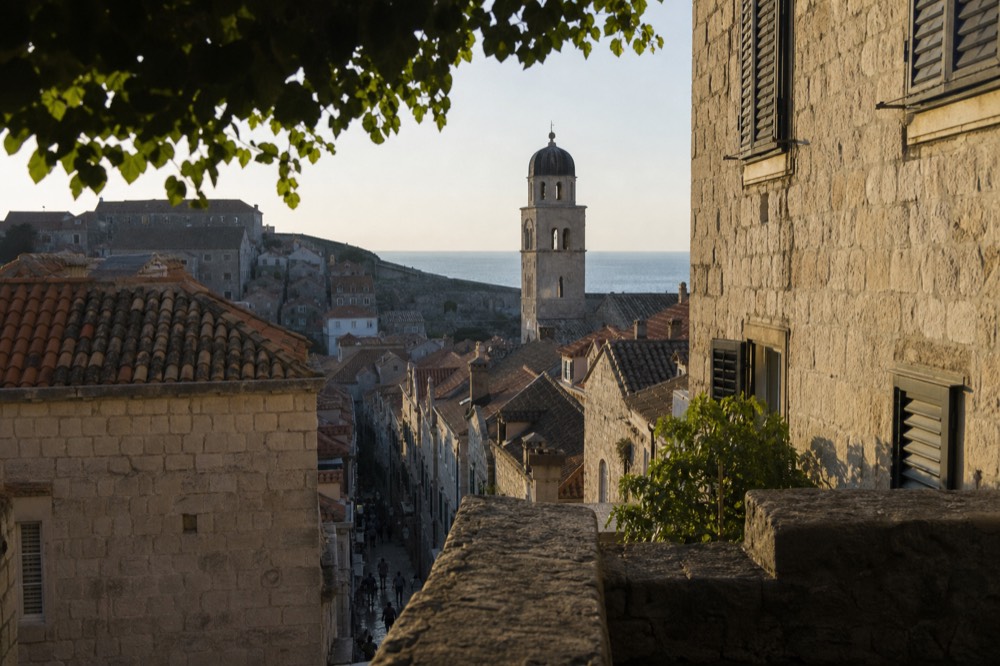
The UNESCO record gives the scale without any need for embellishment. The Old City was inscribed in 1979, placed on the Danger list in 1991, and removed in 1998, with a significant boundary modification in 1994 and a minor one in 2018. Walking the Stradun today, 298 metres long with its final plan fixed by the 1272 Statute, you see a street that was rebuilt tile by tile. The city's population at the 2021 census was 41,562, and the county's 115,862, ordinary figures that sit behind an extraordinary couple of decades.
For travellers who want the war period handled well, the Homeland War Museum on Mount Srd, reached by the cable car, is the other key stop, and our Homeland War Museum guide explains how to pair it with the panorama ride. The multipass product above is one way to combine the view with museum entry in a single ticket.
A practical word on sequencing: the siege material is heavy, and most travellers do better seeing it after they have fallen for the city, not before. A first morning on the walls or the Stradun, an afternoon in the Maritime Museum, and the war museums on day two is the order I would suggest to friends.
What Not to Do in Dubrovnik?
Do not buy the standalone walls ticket in main season without checking the pass first, do not walk the walls at midday in July and August, do not arrive at the Old Town between 09:00 and 11:00 expecting calm, and do not plan a December trip around the Dubrovnik Pass, because no winter tier is on sale and the walls ticket is half price instead. Those four mistakes account for most of the avoidable disappointment I hear about.
The midday walls walk deserves its own warning. The circuit is 1,940 metres of stone with almost no shade, and the sea temperature data tells you what the air is doing too: the long-run averages for this coast run 24.9 degrees in July and 25.8 in August, and those are open-water grid-cell figures, not beach readings, with sheltered bays running warmer still. The Croatian met service's own Dubrovnik buoy read 27.0 to 27.4 degrees on 8 September against a 23.6 September average, which shows how much hotter the near-shore water gets than the offshore average. Stone amplifies that. Walk early or walk late. More of these guides are collected on Things to Do in Dubrovnik.
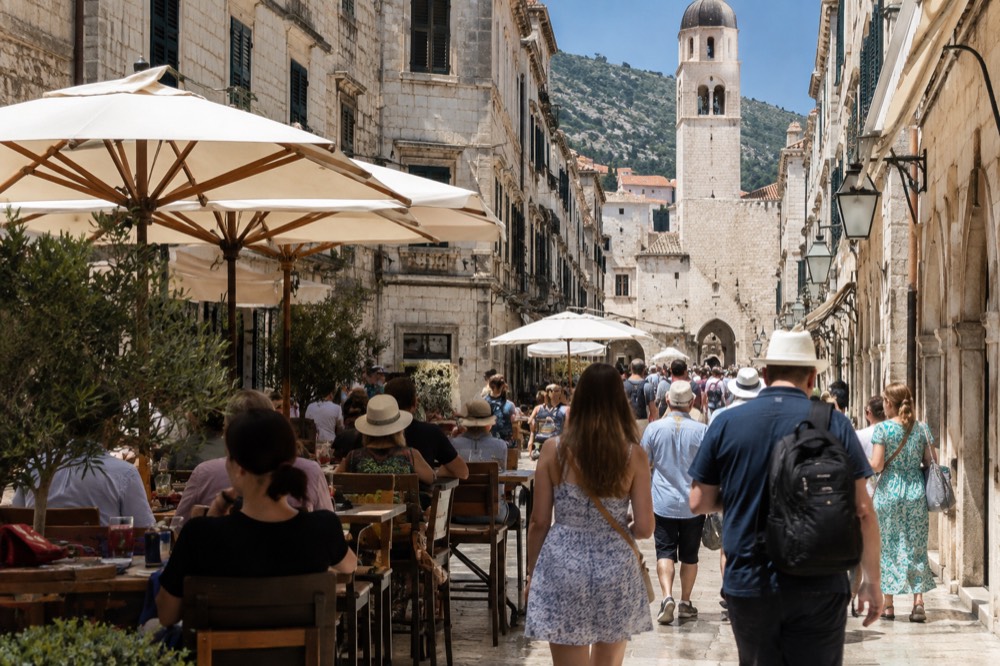
The other recurring mistake is treating the Old Town as a whole-day base in peak season. The counting system exists precisely because the numbers get serious: the official capacity is 11,275 people, and a September day already peaked at 7,739 by 10:00. Add a cruise day on top and the lanes tighten. The fix is rhythm: museums and walls in the morning, a beach or a boat in the early afternoon, back into town after 17:00 when the day-trippers have gone. The best things to do in Dubrovnik guide lays out that rhythm across a full stay.
| Common mistake | Why it costs you | Better move |
|---|---|---|
| Buying the walls ticket alone in main season | Same 40 euro as the one-day pass, but no museums or bus | Buy the pass unless you truly want walls only |
| Walls walk at midday in high summer | 1,940 metres of unshaded stone in peak heat | Start at 08:00 or after 17:00 |
| Old Town 09:00 to 11:00 on a cruise day | Headcount peaks at 10:00, capacity 11,275 | Shift to a beach or boat, return late afternoon |
| Assuming the pass exists in December | No winter tier on sale; walls ticket is 20 euro instead | Buy the discounted walls ticket, pay museums separately |
| Expecting a family walls ticket | Only adult and child 7 to 18 are sold, under 6 free | Price adults and children individually |
One smaller point that matters to museum-goers: the pass allows one visit per institution. If you leave the Maritime Museum intending to return for the part you skipped, you cannot, on the same pass. Do the whole thing in one sitting, and check the museum's own hours before you build the day around it.
When to Avoid Dubrovnik?
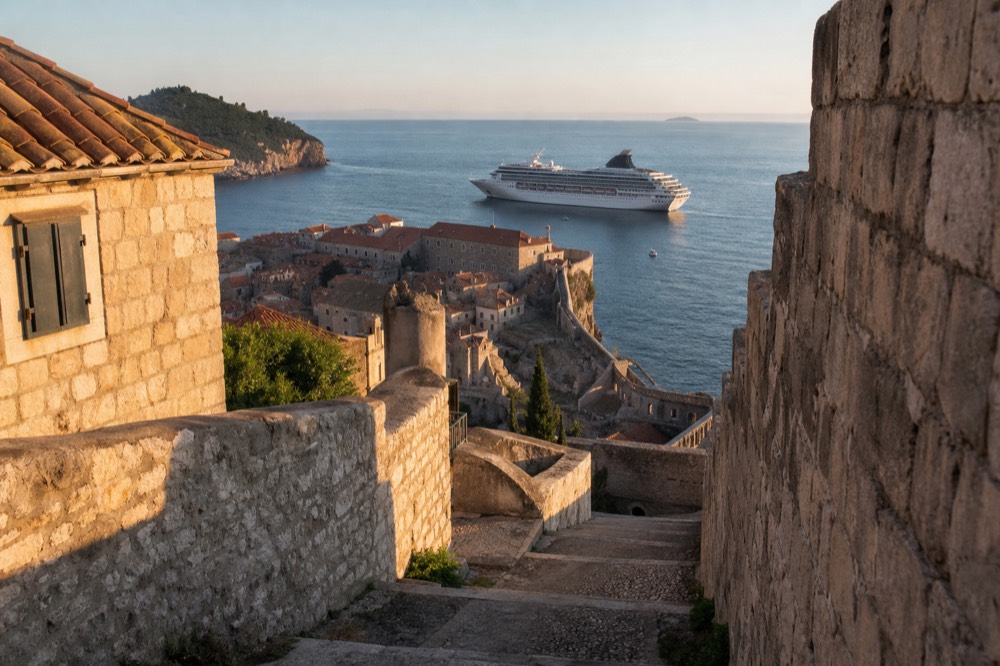
Avoid the peak cruise windows, and know that they are not in July and August: 2025 cruise passengers peaked in September at 101,246 and October at 100,132, above July's 96,072 and August's 87,385. Within those months, avoid the days when multiple ships coincide, and within any day, avoid the 09:00 to 11:00 window when the Old Town count climbs toward its 10:00 peak.
That September and October outrank the summer months is the single most counter-intuitive fact in Dubrovnik planning, and it comes straight from the Port Authority's own statistics. The full year 2025 brought 625,257 cruise passengers against 582,499 in 2024, and 461 cruise calls are scheduled for 2026. The Port Authority limits cruise passengers to 8,000 a day in most cases, with a "2+1" berthing arrangement, and of 243 cruise days a year only 18 exceed 8,000 and only 4 exceed roughly 10,000. About forty call requests were refused in one season. The system works, but it works on averages, and your Tuesday is not an average.
| Month 2025 | Cruise passengers |
|---|---|
| July | 96,072 |
| August | 87,385 |
| September | 101,246 |
| October | 100,132 |
One honesty note that belongs here: cruise passenger figures are ship capacity, not people who actually walk ashore, so write "up to X scheduled" and never "X people will be in town". The busiest remaining days in the 2026 season schedule illustrate the point: 6 October with 2 ships and 5,798 by capacity, 29 September with 2 ships and 5,675, 30 September with 3 ships and 5,536, and 15 September with 4 ships and 5,273. Those are manageable numbers spread across a whole day, but concentrated between 10:00 and 14:00 they thicken every lane between Pile Gate and the Stradun.
For museum visitors specifically, the implication is simple: the Maritime Museum is indoors, and indoor sights are the correct answer to a crowded afternoon. The walls and the lanes have no escape from a 10:00 peak; a museum does. If your dates are fixed in September or October, put the walls at 08:00, the museum at 11:00, and the lanes after 17:00, and you will have sidestepped most of what people complain about. Our Dubrovnik in October guide develops the shoulder-season case in full.
Is Dubrovnik Good for Beaches?
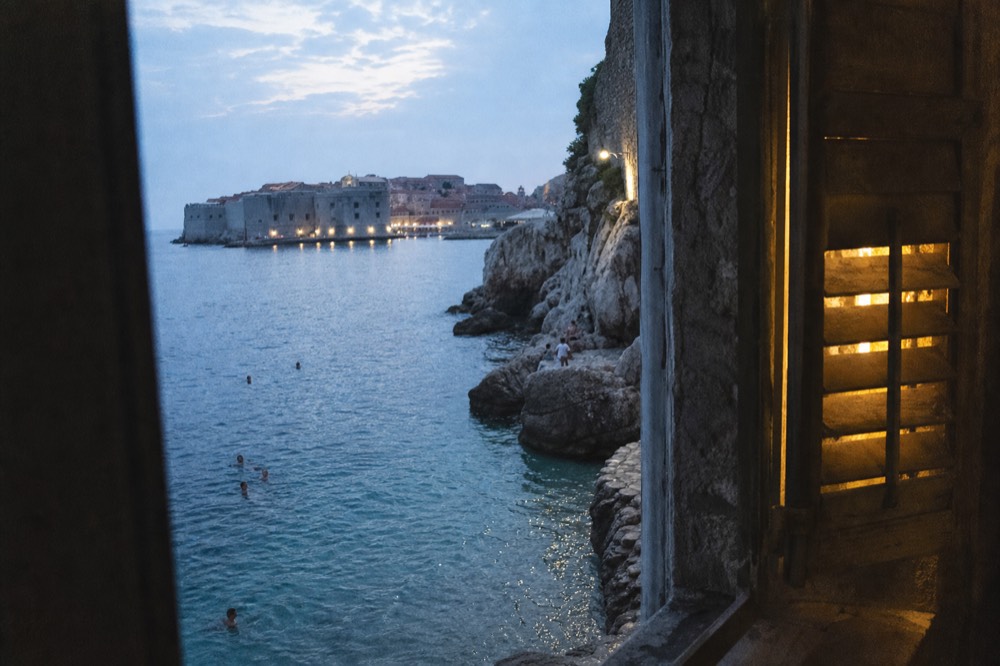
Yes, and the sea is warm enough to swim for most of the visitor season: the long-run averages for this coast run 22.5 degrees in June, 24.9 in July, 25.8 in August and 23.6 in September, with October still at 21.0. Those are open-water averages, not beach readings, but they frame a swimming season that comfortably brackets a museum-and-walls trip.
The provenance matters here and I state it plainly: the headline series is a NOAA long-run average for 1991 to 2020, a grid-cell figure for this stretch of coast, corroborated by an independent EU dataset within about 1 degree in the months that matter. It is not this year's water and not a beach thermometer. The Croatian met service's Dubrovnik buoy read 27.0 to 27.4 degrees on 8 September against that 23.6 September mean, which is the sheltered-bay effect in a single number: shallow, protected water runs several degrees above the offshore average in high summer.
| Month | Sea temperature, long-run average |
|---|---|
| May | 18.6 degrees |
| June | 22.5 degrees |
| July | 24.9 degrees |
| August | 25.8 degrees |
| September | 23.6 degrees |
| October | 21.0 degrees |
The beaches themselves are mostly stone and rock rather than sand, which surprises visitors expecting Dalmatian sand. The swimming is excellent, the entries are often rock-and-ladder, and water shoes earn their place in your bag. For the full picture, including which stretch suits which kind of traveller, see our Dubrovnik beaches guide. The practical link to this article's subject is the afternoon swap: a museum morning and a beach afternoon is the natural shape of a hot Dubrovnik day, and the pass's 24-hour bus ticket covers the ride out to Lapad's beaches and back.
For travellers who would rather be on the water than beside it, the options are strong. Sea kayaking tours around Lokrum and Betina Cave run from $35.49 per person and are rated 4.9 across 1,518 reviews, and the full-day Elaphite Islands cruise with lunch runs from $59.16 per person, rated 4.9 across 10,312 reviews, the most-reviewed product on this site's entire roster. A museum day and a boat day are not competing plans; they are consecutive ones.
How Should You Plan the Full Museum Day?
Build the day as walls at 08:00, Maritime Museum around 11:00 once the street count peaks, lunch off the Stradun, and either a beach, a boat or the cable car in the afternoon, with the pass covering the first three items. If you are staying two or more days, move the cable car and the war museums to day two and keep day one inside the walls.
That sequence is not arbitrary; it follows the crowd curve and the heat. The walls are best before the 10:00 peak of 7,739 on a busy September day, the museum is the correct shelter for the 10:00 to 14:00 window, and the lanes empty meaningfully after 17:00 when day-trippers return to their ships and buses. Dinner in Dubrovnik runs late by northern European habits, so the evening is when the Old Town gives its best version of itself back to you.
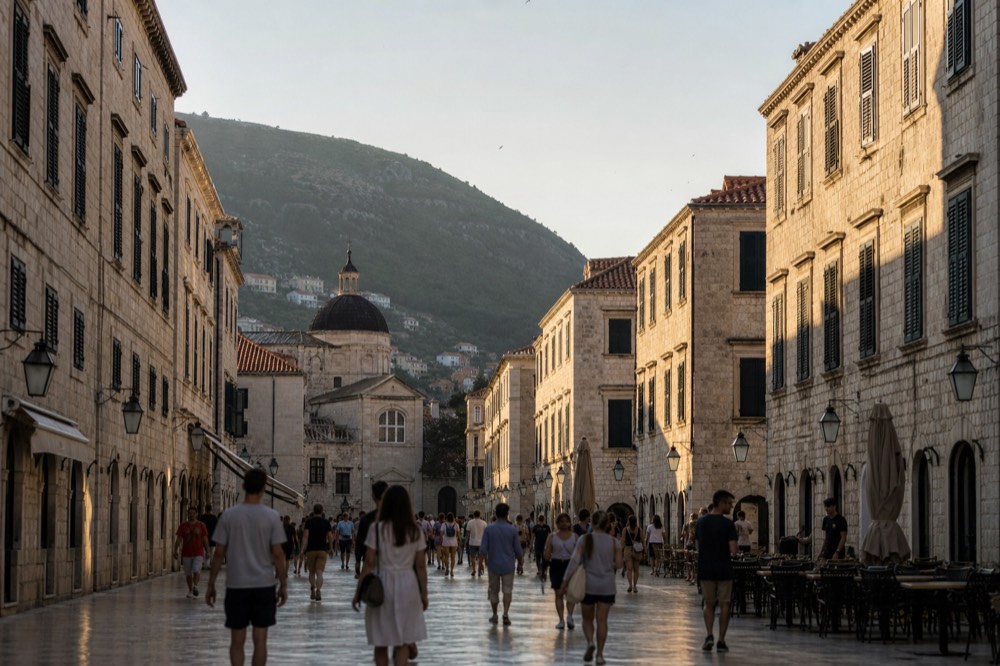
Budget the whole picture before you commit. The one-day pass at 40 euro covers the walls, Lovrijenac, the Maritime Museum and the rest of the sight list plus buses. Add a kayak tour from $35.49 or an Old Town walk from $20 and a full two-day plan comes together for well under 150 euro per person in tickets and tours, before food and lodging. The trip cost guide itemises the rest of the budget, and the first-timers guide is the right read if this is your opening visit.
A final word on what the Maritime Museum rewards. This is a city whose entire reason for being was the sea: a small republic that survived centuries of empires by shipping, insurance and diplomacy. The walls show you how it defended that position, and the museum shows you how it paid for it. Seen in that order, on the same ticket, each one makes the other better. That is the real argument for the pass, and it is why this museum belongs on your list rather than on the cutting-room floor.
Common Questions About the Dubrovnik Maritime Museum
Is the Maritime Museum Included in the Dubrovnik Pass?
Yes. Every pass tier, from the 40 euro one-day pass to the 60 euro seven-day pass, includes the Maritime Museum among its sights, alongside the City Walls, Lovrjenac Fortress, the Rector's Palace and others. Each institution may be visited once per pass.
How Much Does the Dubrovnik Pass Cost?
The pass costs 40 euro for one day, 50 euro for three days and 60 euro for seven days, sold for the main season window of 1 March to 30 November. No winter tier is on sale, so December visitors pay the reduced 20 euro walls ticket and buy museum entry separately.
what is the siege of dubrovnik museum?
It is a separate institution from the Maritime Museum, dedicated to the bombardment the city endured in the early 1990s. The Old Town's UNESCO status sat on the List of World Heritage in Danger from 1991 to 1998 as a result of that period. It is not on the Dubrovnik Pass inclusion list.
When Should I Walk the City Walls?
Start at 08:00, when the operator's stated hours open and the Old Town count is still climbing from 5,419 toward its 10:00 peak of 7,739 on a busy day. Avoid midday in July and August, when 1,940 metres of unshaded stone meets peak heat.
Can You Swim in Dubrovnik in September?
Yes. The long-run September average for this coast is about 23.6 degrees, and sheltered bays run warmer, with the local buoy reading 27.0 to 27.4 degrees on an early September day. October's average of 21.0 degrees still suits swimming for most people.
Is September a Bad Time to Visit Because of Crowds?
September is the busiest cruise month, 101,246 passengers in 2025, ahead of July and August, but cruise figures are ship capacity, not people ashore. Time your day around the 10:00 Old Town peak, use museums for the late morning, and September remains one of the best months to visit.