What Is the Tourism Problem in Dubrovnik?
Dubrovnik's overtourism problem is real, but the city's 8,000-passenger cruise cap, real-time counters, and the surprising fact that September and October see more cruise passengers than July and August mean a smart visit is still possible.
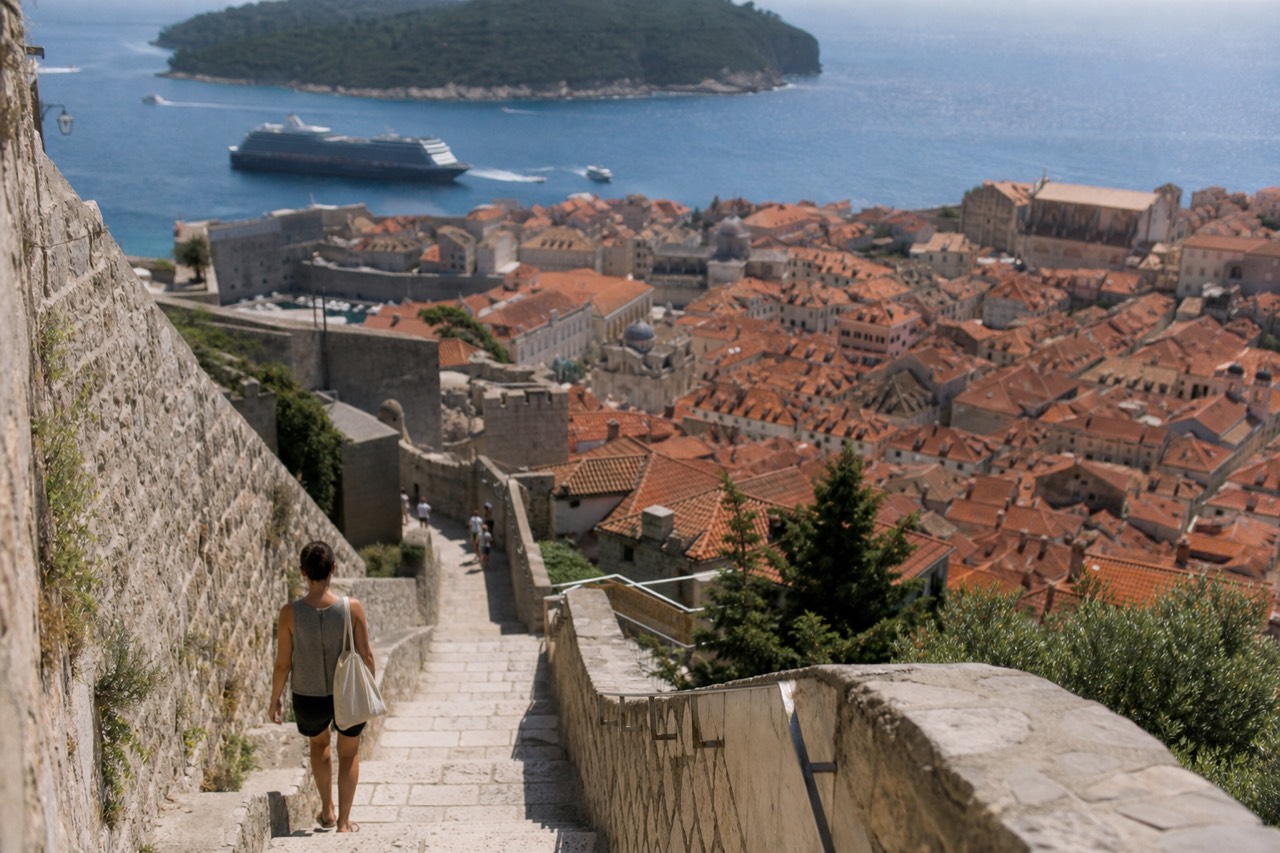
What Is the Tourism Problem in Dubrovnik?
Overtourism brings up to 8,000 cruise passengers a day, straining the 1,940-metre city walls, the 24.7-hectare Old Town, and its 11,275-person carrying capacity, but the city has capped cruise numbers, introduced a real-time people counter, and the top months for crowds are actually September and October, not summer.
The question of whether Dubrovnik is a victim of its own success is one that Things to Do in Dubrovnik has been tracking for years. The numbers are stark: the Port Authority recorded 625,257 cruise passengers in 2025, and 461 calls are scheduled for 2026. UNESCO inscribed the Old City in 1979 under criteria (i), (iii) and (iv), and it spent seven years on the World Heritage in Danger list between 1991 and 1998. Today the danger is not war but the sheer weight of visitors. The Dubrovnik cruise port is the funnel through which most of this pressure arrives, and understanding the cruise schedule is the first step to a calmer visit.
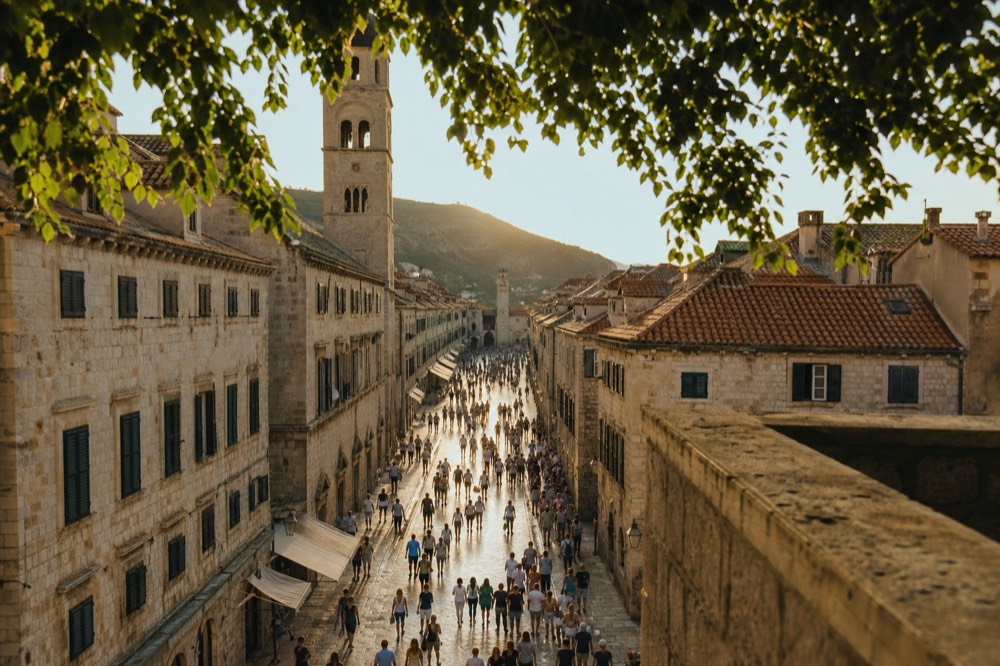
The city's own monitoring system counts people every 15 minutes at six Old Town gates. On a typical September morning the headcount climbed from 1,725 at 06:00 to 5,419 at 08:00 and hit a peak of 7,739 at 10:00. The official carrying capacity, set by the UNESCO-commissioned assessment, is 11,275 people. The Port Authority acknowledges that 18 of the 243 cruise days a year exceed 8,000 passengers, and only four days push slightly above 10,000. About forty cruise call requests were refused in one season alone.
What most visitors get wrong is the timing. The busiest cruise months in 2025 were September (101,246 passengers) and October (100,132), not July (96,072) or August (87,385). That means the Old Town can feel more crowded in early autumn than in high summer, a fact that flips the usual Mediterranean logic. The city of Dubrovnik recorded about 4.2 million overnight stays in 2025, sharing first place among Croatian destinations with Rovinj, and the combined pressure of land-based tourists and cruise day-trippers is what creates the bottleneck moments.
The strain is not just about numbers. The Old Town is a living city of 41,562 residents at the 2021 census, and the daily crush of visitors affects everything from grocery prices to the availability of rental housing. The 2026 schedule holds 149 ship calls across 80 cruise days from mid-September onward, with the busiest days carrying up to 5,798 passengers on a single day. That is still well under the 8,000 cap, but the cumulative effect of consecutive busy days is what makes the streets feel packed.
The Dubrovnik Pass is the city's main tool for spreading the load. A 1-day pass costs 40 euro, exactly the same as the standalone walls-and-Lovrjenac ticket in the main season (1 March to 30 November), and it adds admission to nine more museums, the Rector's Palace, the Maritime Museum, and a 24-hour city bus ticket. The 3-day and 7-day passes add suburban bus coupons and House Bukovac in Cavtat. Because the pass lets you visit the walls once and the museums at any pace, it encourages a spread-out itinerary rather than a rush-hour crush on the ramparts. The Dubrovnik Pass guide covers exactly what is included and how to use it to sidestep the queues.
The city walls themselves are the most visible pressure point. The 1,940-metre circuit, finished in 1660 with the Bastion of St Stephen, carries up to 25 metres of height and a thickness of 4 to 6 metres on the land side. The operator's stated working hours are 08:00 to 19:30, and the adult ticket is 40 euro in the main season. The walls need a full walking the city walls plan, and the best window is the first hour of the day.
Here is the monthly cruise passenger breakdown for 2025, straight from the Port Authority's own statistics.
| Month | Passengers (2025) | Month | Passengers (2025) |
|---|---|---|---|
| January | 3,137 | July | 96,072 |
| February | 46 | August | 87,385 |
| March | 3,346 | September | 101,246 |
| April | 36,206 | October | 100,132 |
| May | 84,107 | November | 28,480 |
| June | 82,642 | December | 2,458 |
The 2026 schedule holds 149 ship calls across 80 cruise days from mid-September onward, with the busiest days carrying up to 5,798 passengers on a single day. That is still well under the 8,000 cap, but the cumulative effect of consecutive busy days is what makes the streets feel packed. A half-hourly counter curve read on 8 September 2026 showed the headcount climbing from 1,200 at 04:00 to 7,739 at 10:00, then settling at 7,205 by 11:00. That arc tells you exactly when to be inside the walls and when to be somewhere else.
One way to sidestep the pedestrian crush is to use the city's own sightseeing buses. The hop-on hop-off yellow bus loops from the Old Town to Lapad and Babin Kuk, and the convertible bus panorama tour gives you a wind-in-your-hair view of the coast and the cable car station. And if you want to walk the walls and the Old Town with a guide who knows the quietest hours, the Old Town and Walls combo walk is a smart choice.
What Not to Do in Dubrovnik?
Don't walk the walls at midday when the headcount peaks at 7,739, ignore the Dubrovnik Pass which costs the same 40 euro as the walls ticket in the main season but adds ten more sights, eat on the Stradun where prices are inflated, or join a cruise ship excursion that drops 50 people at Pile Gate at 10:00.
These are the mistakes that turn a visit from a pleasure into a chore. I've walked the walls at 8am and been back down by the time the 10am peak hits. The sun is lower, the stone is cooler, and the counter shows 5,419 people inside the walls. By midday that number can climb past 7,205, and the narrow rampart passages become a slow shuffle. The walls are 1,940 metres long and up to 25 metres high, with 16 towers, 3 fortresses and 6 bastions; they deserve your full attention, not a hurried shuffle.
The Dubrovnik Pass is the single best tool for avoiding the worst of the crowd. At 40 euro for a 1-day pass, it costs the same as the standalone walls ticket in the main season, yet it covers the Rector's Palace, the Maritime Museum, the Ethnographic Museum, the Franciscan Monastery Museum, and more. You can visit the walls at 08:00, then duck into the museums during the midday crush, and finish with a bus ride to Lapad in the afternoon. The pass also includes a 24-hour city bus ticket, so you never need to drive or park in the Old Town. The 3-day and 7-day passes add suburban bus coupons and House Bukovac in Cavtat, and every tier allows a one-time visit to each institution.
Eating on the Stradun is another trap. The main street's restaurants are expensive and often disappointing, and the constant stream of foot traffic kills any sense of atmosphere. Walk one street back, into the side alleys, and you'll find konobas where the food is better and the tables are shaded. The same rule applies to gelato and coffee: step away from the main drag. The Stradun is 298 metres long and was laid out to a plan fixed in 1272, and it is best appreciated at dawn or after dark, when the limestone gleams and the crowds have gone.
Cruise ship excursions that march a group of 50 people through the Pile Gate at 10am are the worst possible way to see the city. The group moves at the pace of its slowest member, blocks the narrow streets, and misses the quiet corners. A self-guided walk with a good map and the Dubrovnik Pass, or a small-group tour booked independently, is a far better experience. The Port Authority's own "2+1" berthing arrangement means one large cruise ship sits in front of the Old City at a time, which is why the morning crush is so concentrated.
If you want to see the city without adding to the congestion, board the hop-on hop-off bus. It loops from the Old Town to Lapad and Babin Kuk, and you can hop off at any stop for a fraction of the price of a taxi. The audio guide fills in the history, and the open top deck gives you a panorama you won't get from street level.
Is Dubrovnik Worth Visiting?
Yes, Dubrovnik is worth visiting for its UNESCO-listed Old Town, the walkable city walls, and the Adriatic views, but a smart visit requires timing your trip outside peak cruise hours, using the Dubrovnik Pass, and knowing that September and October, not July, are the busiest months for cruise passengers.
The walls alone are a 1,940-metre circuit of stone, towers, and fortresses that took centuries to complete. The Stradun is 298 metres of polished limestone, laid out to a plan fixed in 1272. Fort Lovrijenac stands on a 37-metre-high sea rock. These are not things that lose their power because there are people around them. The question is not whether the city is worth it, but whether you are willing to visit it on its own terms. Read the full breakdown of whether Dubrovnik is worth visiting for a deeper dive.
The key is to plan your day around the crowd data. The 15-minute counter shows that the Old Town is quietest before 08:00 and after 17:00. Walk the walls first thing, visit the museums in the middle of the day, and take the cable car up Mount Srđ in the late afternoon when the light is golden and the cruise crowds have started to reboard. The cable car rises 367.0 metres over a 778.2-metre track, and on a clear day you can see up to 60 kilometres.
Even with the crowds, the old town tours still deliver.
SophieIf you want to see the city without contributing to the pedestrian crush, the hop-on hop-off bus is a low-impact way to get around. The audio guide fills in the history, and the open top deck gives you a perspective you won't get from the street. The remaining 2026 season schedule holds 149 ship calls across 80 cruise days, with the busiest days including 6 October with two ships and 5,798 passengers, and 29 September with two ships and 5,675. These are capacity figures, not actual walk-ashore numbers, but they still give a reliable picture of the days when the Old Town will feel tight.
When to Avoid Dubrovnik?
Avoid Dubrovnik between 10:00 and 14:00 in July and August when the walls are packed, and on days when multiple large cruise ships dock, but the real peak cruise months are September and October, so avoid those if you want fewer passengers, and consider April, May, or late October for lighter crowds.
The 15-minute counter data tells the story. On a typical day the headcount jumps from 3,139 at 07:00 to 7,297 at 09:00 and peaks at 7,739 at 10:00. That means the window from 10:00 to 14:00 is the worst time to be inside the walls, and the best time to be at the beach, on a boat, or in a museum. The counter at each of the six Old Town gates feeds a live feed, and the system is precise enough to track the flow in 15-minute increments.
The 2026 cruise schedule shows that the busiest days in the remaining season are 6 October with two ships and 5,798 passengers, 29 September with two ships and 5,675, and 30 September with three ships and 5,536. These are capacity figures, not actual walk-ashore numbers, but they still give a reliable picture of the days when the Old Town will feel tight. The Port Authority has refused about forty cruise call requests in one season, and the 8,000-passenger daily limit is a genuine constraint, not a suggestion.
If you have flexibility, aim for April, May, or late October. The weather is mild, the sea is warm enough for a swim by May, and the cruise volume is a fraction of the autumn peak. The city walls are open, the Dubrovnik Pass is on sale, and the restaurant terraces are not yet packed. The walls price drops to 20 euro for adults and 5 euro for children aged 7 to 18 in December, but no winter pass tier is on sale at all, so the pass is a main-season tool only.
The convertible bus panorama tour gives you a breezy overview without the crush. The open-top bus climbs the coastal road, and the audio guide points out the landmarks while you stay above the street-level scrum. For a broader look at the city's rhythms, the best time to visit Dubrovnik guide covers the full seasonal picture.
Is Dubrovnik Good for Beaches?
Dubrovnik has a few beaches like Banje and Lapad, but the city is a cultural destination, not a beach resort, and the pebbly shores are crowded in summer, so the best swimming is found on island day trips to Lokrum, Lopud, or Šipan where the water is clearer and the beaches are quieter.
Banje Beach is the closest to the Old Town, a pebbly crescent with a view of the walls and Lokrum Island. It fills up by mid-morning in summer, and the sunbeds are expensive. Lapad Beach, in the Lapad Peninsula, is larger and sandier, with a shallow bay that suits families. Copacabana Beach, at Babin Kuk, is a pebble-and-concrete sunbathing platform with a water-sports centre and a few beach bars. Sveti Jakov, east of Banje, is a quieter pebble beach reached by a long staircase, and the effort of the climb down keeps the crowds thinner.
None of these beaches are the reason to come to Dubrovnik. The water is clean, the Adriatic is a deep blue, and the sea temperature reaches a long-run average of 25.8°C in August and 23.6°C in September, but the coast here is rocky and the best swimming spots are on the islands. The sea temperature figures are NOAA 1991 to 2020 open-water averages, and sheltered bays like the ones around Lokrum run warmer on a hot day.
| Beach | Location | Type | Crowd Level | Best For |
|---|---|---|---|---|
| Banje | East of Old Town | Pebble | High | Views, proximity |
| Lapad | Lapad Peninsula | Sandy/pebble | Medium | Families, swimming |
| Copacabana | Babin Kuk | Pebble/platform | Low | Water sports, sunbathing |
| Sveti Jakov | East of Banje | Pebble | Low | Quieter swim, steps down |
The island day trips are the real escape. Lokrum is a 30-euro ticket that includes the reserve entrance and a return boat ride, with boats departing every 15 minutes from 10:00 to 18:00. The rocky shoreline has ladders into the sea, and the water is crystal clear. Lopud and Šipan, in the Elaphiti Islands, are reached by ferry and offer sandy beaches and walking trails through pine forests. The combined Dubrovnik, Trsteno, Lokrum, Dubrovnik ticket is 42 euro and includes Trsteno Arboretum and an air-conditioned boat, making it a full day out for not much more than the Lokrum-only fare.
The best beach day in Dubrovnik is not a beach day at all. It is a morning on the walls, a midday ferry to Lokrum, and an afternoon swim in the Adriatic with the Old Town on the horizon. Banje Beach is fine for a quick dip after the walls, but if you want sand, space, and a sense of escape, the islands are the answer. The crowds thin out dramatically once you leave the Old Town, and the tourism problem dissolves the moment you are on a boat with the sea breeze in your face.
Common Questions About What Is the Tourism Problem in Dubrovnik?
What is the tourism problem in Dubrovnik?
The city faces overtourism from cruise ships and day-trippers that can put up to 8,000 passengers into the 24.7-hectare Old Town on a single day, straining the 1,940-metre city walls and the 11,275-person carrying capacity. The Port Authority has capped cruise numbers, introduced a real-time people counter, and refused about forty call requests in one season. The busiest cruise months are September and October, not July and August.
What is the carrying capacity of Dubrovnik Old Town?
The official carrying capacity, set by the UNESCO-commissioned assessment, is 11,275 people. Six counters at the Old Town gates update a headcount every 15 minutes, and the system helps the city manage the flow. On a typical day the count peaks at 7,739 at 10:00, well under the limit, but the narrow streets of the old core can still feel packed.
How many cruise passengers visit Dubrovnik?
In 2025, the Port Authority recorded 625,257 cruise passengers, with 461 calls scheduled for 2026. The busiest months were September (101,246) and October (100,132), ahead of July (96,072) and August (87,385). The Port Authority limits passengers to 8,000 a day in most cases, and only 18 days a year exceed that number.
Is the Dubrovnik Pass worth it?
Yes, especially in the main season (1 March to 30 November). A 1-day pass costs 40 euro, the same as the standalone walls-and-Lovrjenac ticket, and adds nine more museums, the Rector's Palace, the Maritime Museum, and a 24-hour city bus ticket. The 3-day and 7-day passes add suburban bus coupons and House Bukovac in Cavtat. The pass is not on sale in December, when the walls ticket drops to 20 euro.
When is the best time to visit Dubrovnik to avoid crowds?
The quietest months are April, May, and late October, when the cruise volume is lower and the weather is still pleasant. The worst time of day is 10:00 to 14:00, when the headcount peaks at 7,739. Walk the walls at 08:00, visit museums at midday, and take the cable car in the late afternoon. Avoid September and October if you want fewer cruise passengers, as those are the busiest months of the year.
What are the best ways to avoid the crowds in Dubrovnik?
Use the Dubrovnik Pass to visit the walls early and the museums later, board the hop-on hop-off bus to reach the quieter neighbourhoods of Lapad and Babin Kuk, and take a day trip to Lokrum or the Elaphiti Islands. Avoid eating on the Stradun and skip the large cruise ship excursions that crowd the streets at mid-morning. A small-group walking tour or a self-guided stroll with a good map is a far better experience.