What Are the Dos and Don'ts in Croatia?
Practical dos and don'ts for Croatia from a Dubrovnik base: money, crowds, sea temperatures, tipping, safety and the best month to visit.
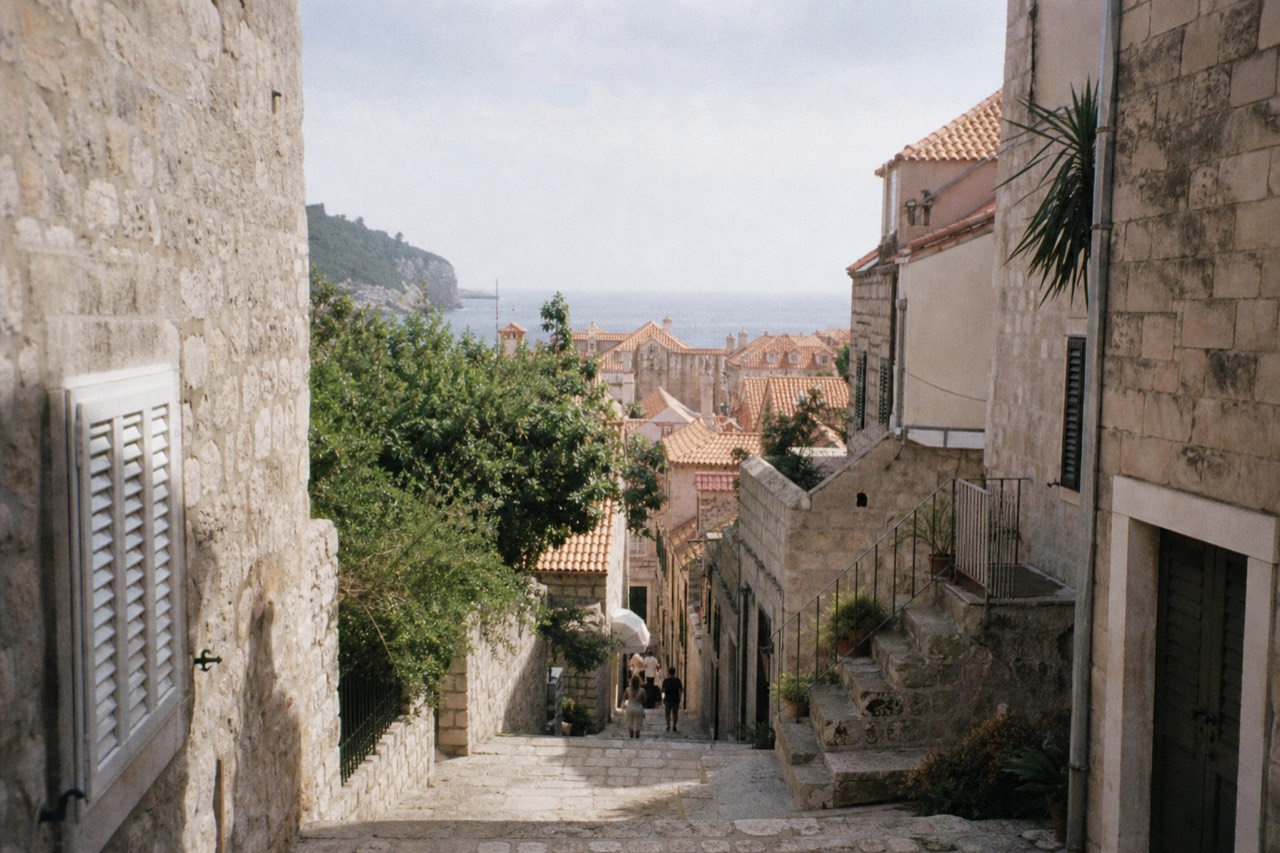
What Are the Dos and Don'ts in Croatia?
The short list of dos: carry some euro cash for small konobas and markets, book Old Town activities and walls tickets ahead in the main season, swim where locals swim, greet with "dobar dan" before asking anything, and tip around 10 percent in restaurants. The main don'ts: don't rely on cards everywhere, don't visit Dubrovnik's core at midday in peak cruise season, and don't assume July and August are the busiest months on the coast.
I have walked these streets with travellers since 2015, and the mistakes I see repeated are almost never dramatic. Nobody gets into trouble in Croatia. The country is safe, English is spoken nearly everywhere in the tourist zones, and the infrastructure works. What trips people up is small stuff: arriving at the city walls at noon, expecting a card machine at a beach kiosk, or assuming that the biggest crowds come in August when the Port Authority's own numbers say otherwise.
Start with the practical layer. Croatia uses the euro. Cards are accepted in hotels, bigger restaurants and shops, but plenty of beach bars, market stalls, small family konobas and public toilets are cash-only or cash-friendliest. A modest amount of cash saves awkward moments. Greetings matter more than visitors expect: a "dobar dan" (good day) before a question changes the entire tone of an interaction, in shops, at ticket counters and on tours. Croatians will switch to English the moment they hear your accent, but the greeting is the handshake that opens the door.
The timing layer matters most on the Dalmatian coast. Dubrovnik recorded about 4.2 million overnight stays in 2025, sharing first place among Croatian destinations with Rovinj, and the pressure is not spread evenly. The Port Authority counted 625,257 cruise passengers in 2025, up from 582,499 in 2024, and the peak months were September at 101,246 and October at 100,132, both above July's 96,072 and August's 87,385. Anyone planning around "avoid the summer crowds" needs to know that autumn, not high summer, is when the most cruise passengers step ashore here. The city counted 41,562 residents at the 2021 census, which gives a sense of the scale: a single heavy cruise day can add a number approaching a fifth of the resident population to the streets of the wider city, concentrated inside a walled core of just 24.7 hectares.
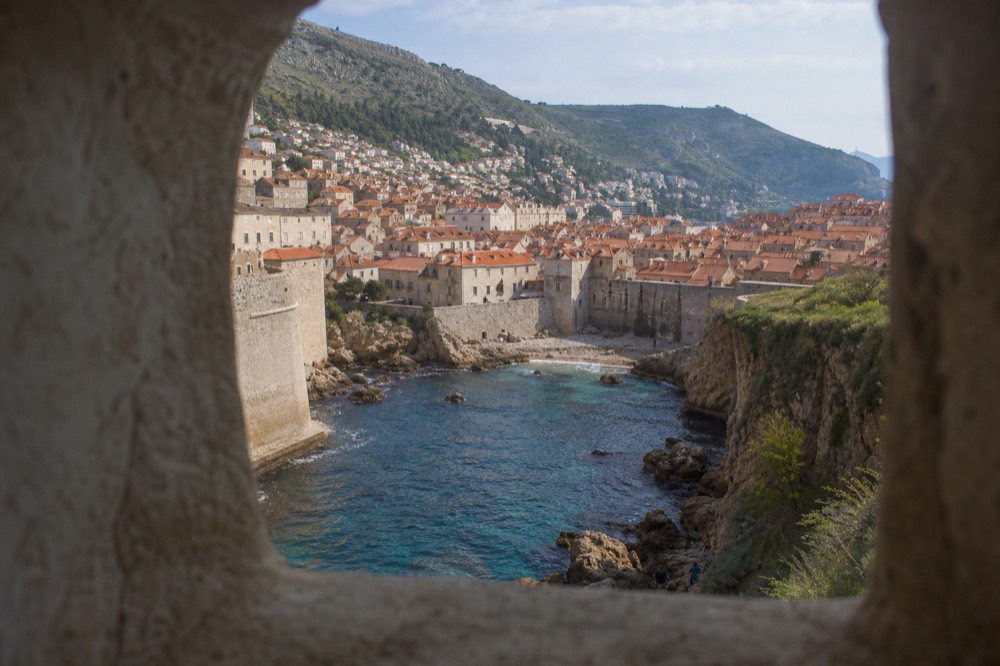
If you are landing in Dubrovnik and want the etiquette and the street plan sorted in one go, an early guided walk does both at once. These three are the formats that fit that first-morning slot best:
It is a reporting voice recommendation, not a personal one, but the format is exactly right for learning where everything sits before you set off on your own. A guide also answers the questions this article cannot: which konoba takes cards, where the quiet toilet is, which lane shortcuts from the Stradun to the Pile Gate. That local knowledge is what you are really buying in the first hour of a trip.
Do and Don'ts in Croatia?
Do: greet before you ask, carry euro cash, book restaurant tables and walls tickets ahead in season, validate bus tickets, dress modestly in churches, and swim where there are other swimmers. Don't: sunbathe topless outside marked beaches, expect shops to stay open through the afternoon lull, assume every card works everywhere, plan a same-day border crossing without buffer time, or treat the midday heat as a walking hour in July and August.
The etiquette layer first. Croatians are formal in first encounters. A greeting, a "molim" (please) and an "hvala" (thank you) go a long way, and skipping straight to a demand reads as rude even when nobody says so. In restaurants, the pace of service is slower than North American norms: your server is not ignoring you, the meal is simply expected to take its time. Ask for the bill, it will not arrive unbidden. Tipping around 10 percent is the norm in sit-down restaurants, and rounding up is fine in cafes and bars. Nobody will chase you for a tip, but regulars and locals do leave one, and it is noticed.
Dress codes are specific and worth knowing. Churches and monasteries, including the Franciscan Monastery on the Stradun, expect covered shoulders and knees. Beachwear belongs on the beach: walking the 298-metre Stradun in a swimsuit draws genuine local irritation, and some konobas will refuse service. On the water, the same rules of preparation apply as anywhere on the Adriatic: the sea is warm enough to swim from roughly June through September, but the open-water September average is about 23.6 degrees, a long-run figure rather than a beach thermometer reading, and sheltered bays run warmer.
The money layer. Croatia adopted the euro, which removes the old kuna conversion headache, but not the cash question. Card acceptance is broad in cities and thin at the edges: market stalls, beach kiosks, small family-run places and public facilities still prefer notes. ATMs labelled with no bank name, the bright yellow standalone machines, charge the worst fees, so withdraw from a bank-branded machine or use a card with no foreign transaction fee. For a fuller breakdown of what things cost on the ground, our Dubrovnik trip cost guide covers realistic daily budgets.
The booking layer. In the main season, from 1 March to 30 November on the walls operator's own calendar, the adult City Walls ticket is 40 euro and the one-day Dubrovnik Pass is also 40 euro, adding ten more sights plus a 24-hour bus ticket. That equivalence is a main-season fact only: in December the standalone walls ticket drops to 20 euro and no winter pass tier is on sale at all. Either way, buying ahead matters, because the operator's stated hours run 08:00 to 19:30 and the morning window is the calm one. The details are in our city walls tickets guide. The pass also allows only a one-time visit to each institution, the walls included, so plan the walls walk for a single deliberate morning rather than a casual drop-in.
Those counter numbers translate into the single most useful don't on this coast: don't tour the Old Town between 10:00 and late afternoon in the cruise season. The headcount curve is not a guess, it is measured, and the climb from 5,419 people at 08:00 to a 7,739 peak at 10:00 happens inside the same 24.7-hectare UNESCO property, on the same lanes and the same staircases. Walk early, eat lunch late, and use the middle of the day for the water or a viewpoint. The Old Town was inscribed by UNESCO in 1979 under criteria (i), (iii) and (iv), and it spent 1991 to 1998 on the List of World Heritage in Danger during the war; it is a living monument under real pressure, and the counters exist precisely because the city takes that seriously.
What to Be Careful of in Croatia?
The honest risks are heat, crowds, sunburn, pickpocketing in packed lanes, and border queues on day trips to Montenegro or Bosnia and Herzegovina, not violent crime. Watch your footing on polished limestone, which turns slick, swim only where others swim and never after heavy drinking, and keep your passport on any trip that crosses a border. Emergency help is a single standard European number away.
Croatia is one of the safest countries in Europe for visitors. What catches people is terrain and weather rather than people. The limestone paving of every Dalmatian old town, Dubrovnik's included, is polished by centuries of feet and becomes genuinely slippery when wet or when worn smooth, so proper shoes matter more than they seem to in a town you can walk across. Flip-flops on wet stone are the most common cause of visitor injuries I see, followed closely by heat exhaustion in July and August. The walls circuit itself is 1,940 metres long, up to 25 metres high in places, and largely unshaded, which turns a casual stroll into an endurance event at midday.
The sun deserves respect. The Adriatic summer is dry and bright, and the sea does not tell you the air temperature story: the August open-water average is about 25.8 degrees, but the midday air on an unshaded wall walk is a different matter entirely. One recent review of a cable car and walls tour mentions exactly this, that the group "walked part of the wall because it was very hot". Take that as planning data. Water, a hat, and morning timing are not optional in high summer.
Water safety is the other quiet one. The Adriatic is calm and clear, and that lulls people. Swim at patrolled or populated beaches, avoid swimming alone or at night, and remember that rocky entries and sea urchins are facts of life on much of this coast: water shoes earn their space in your luggage. On the crowd side, petty theft exists but is rare; the standard precautions in packed lanes and on buses are enough. For a fuller rundown of specific cautions around town, see our piece on what to be careful of in Dubrovnik.
Border crossings are the practical trap that nobody warns you about. Day trips from Dubrovnik to Mostar in Bosnia and Herzegovina or to Kotor in Montenegro cross external borders of the European Union, so passports are mandatory and queues vary wildly with season and time of day. One verified traveller review of a Montenegro day trip notes that a September crossing took only 15 minutes, but that is luck, not a schedule: build in buffer time, keep your passport accessible, and let an organised tour absorb the risk if the border is having a bad day. The Mostar day trip guide covers the practicalities.
| Risk | How real | What to do |
|---|---|---|
| Slippery limestone paving | Very common | Wear shoes with grip, especially when wet |
| Heat in July and August | Common | Walk before 10:00, carry water, use midday for swimming |
| Pickpocketing in crowds | Rare but real | Standard precautions in packed lanes and buses |
| Border queues on day trips | Seasonal and variable | Carry a passport, allow buffer time or book a tour |
| Sea urchins on rocky beaches | Common on rocks | Water shoes, enter where others enter |
What Is the Best Month to Go to Croatia?
For the Dubrovnik coast, the best months are June and late September: the sea is warm, the air is bearable, and prices sit below the August peak. July and August are hottest and fullest of independent travellers, while September and October carry the most cruise passengers. April, May and October suit walkers who do not need to swim, and the cable car and walls both run through the main season, 1 March to 30 November.
The month question is really two questions: how warm do you need the sea, and how few people do you need around you. The sea answer comes from a long-run average, not a forecast. The open-water temperature off this coast averages 22.5 degrees in June, 24.9 in July, 25.8 in August, 23.6 in September and 21.0 in October. Those are grid-cell averages for 1991 to 2020 from NOAA's satellite series, and sheltered bays run warmer: the Croatian met service's own Dubrovnik buoy read 27.0 to 27.4 degrees on an early September day against that 23.6 monthly mean. Treat the numbers as a planning baseline, not a beach thermometer.
The crowd answer is where most planning goes wrong. The reflex is to avoid August, and August is indeed busy with independent travellers and the hottest air of the year. But the Port Authority's own monthly figures show cruise passengers peaking in September at 101,246 and October at 100,132 in 2025, both ahead of July and August. The Old Town counters tell the same story: a September morning that climbs from 5,419 people at 08:00 to a 7,739 peak at 10:00. If your image of September is "quiet shoulder season", recalibrate it for Dubrovnik specifically. The remaining 2026 season schedule alone holds 149 ship calls across 80 cruise days, with the heaviest single days in late September and early October, so the pattern is set to repeat.
For the full month-by-month picture, including the winter case, our best time to visit guide goes deeper. The short version for this coast: June for warm sea before the peak, late September for warm sea after most families have gone home, October for walking and wine country with the understanding that cruise days are heavy, and April and May for hiking, the Lokrum reserve and city sightseeing when you do not need to swim. The cable car closes January to March, which rules the deep winter out for the classic panorama view, though the walls operator sells a reduced 20-euro December ticket. Lokrum runs on its own calendar too: boats leave the City Harbour at 09:00, then every 15 minutes from 10:00 to 18:00, and the 30-euro ticket covers both the reserve and the return boat.
| Month | Open-water average | What it suits |
|---|---|---|
| April | 15.4 degrees | Walking and sightseeing, no swimming |
| May | 18.6 degrees | Hiking, Lokrum, warming days |
| June | 22.5 degrees | Swimming starts, pre-peak prices |
| July | 24.9 degrees | Peak heat and peak land travellers |
| August | 25.8 degrees | Warmest sea, fullest towns |
| September | 23.6 degrees | Warm sea, heaviest cruise month |
| October | 21.0 degrees | Walking and wine, second cruise peak |
Whichever month you choose, the same first-morning rule holds: orient yourself before the counters climb. A short guided walk at 09:00 buys you the rest of your trip, because once you know how the Stradun, the gates and the stair-lanes connect, nothing in the Old Town feels confusing again. The walls walk below is the natural second step, pairing the street plan with the view from the ramparts.
The Ancient City Walls and Wars Walking Tour runs about two hours, from $29.58 per person, rated 4.8 across 1,387 reviews. One verified review captures why the format works: "This well organized tour helped put Dubrovnik's past (and present) into perspective. It's incredible that the city walls have withstood the test of time. Antun was a wonderful guide."
This well organized tour helped put Dubrovnik's past (and present) into perspective. It's incredible that the city walls have withstood the test of time. Antun was a wonderful guide.
linda_a
For a lighter or cheaper orientation, the cable car and museums multipass starts from $24 per person and bundles the classic panorama ride with museum entry, a good fit for a first day when you want the geography of the whole bay in one look. And if you would rather compare all the options side by side, the homepage of Things to Do in Dubrovnik gathers the full roster, from free pay-what-you-want walks to full-day island cruises.
These three cover the first-day essentials between them, and every one of them can be booked with free cancellation through the operator's live listing:
Between them, that trio also covers the three layers of this article in miniature: the etiquette and street plan on the Old Town walk, the history and the rampart views on the walls tour, and the panorama plus museums on the multipass. If your time is short and you can only do one, start with the orientation walk and add the walls on a separate early morning, because combining a long wall circuit with a first-day arrival is the classic overreach that leaves people exhausted by lunchtime.
Common Questions About Dos and Don'ts in Croatia
What are the dos and don'ts in croatia?
Greet before you ask, carry some euro cash, tip around 10 percent in restaurants, dress modestly in churches and book key tickets ahead in season. Don't walk the old towns at midday in peak heat, don't expect cards to work everywhere, and don't assume July and August are the busiest months: on this coast, September and October carry the most cruise passengers.
Is Croatia safe for tourists?
Yes. Croatia is among the safer countries in Europe for visitors, and the realistic risks are heat, slippery limestone paving, sunburn and rare pickpocketing in crowded lanes, not violent crime. Water safety means swimming where others swim and wearing shoes on rocky entries.
Do I need cash in Croatia?
Some, yes. Croatia uses the euro and cards are widely accepted in hotels, restaurants and shops, but beach kiosks, market stalls and small family konobas often prefer or require cash. Withdraw from bank-branded ATMs rather than standalone yellow machines, which charge the highest fees.
What is the best month to go to Croatia?
June and late September are the sweet spots on the Dubrovnik coast: sea averages of 22.5 and 23.6 degrees respectively, warm enough to swim, with prices below the August peak. Note that September and October are the two busiest cruise months here, ahead of July and August, so book Old Town activities early in autumn.
Do you tip in Croatia?
Yes, in sit-down restaurants a tip of around 10 percent is the norm, and rounding up is fine in cafes and bars. Service is not automatically added in most places, so check the bill. A "dobar dan" and a "hvala" cost nothing and improve every interaction.
Do I need a passport for day trips from Dubrovnik?
Yes, for Mostar in Bosnia and Herzegovina and for Kotor in Montenegro, because both trips cross external borders of the European Union. Queues vary a great deal by season and time of day, so carry your passport, allow buffer time, or let an organised tour absorb the delay.