What Are Some Hidden Gems to See in Dubrovnik?
Discover Dubrovnik's lesser-known attractions, from tucked-away museums and quiet coastal towns to quirky experiences most visitors miss.
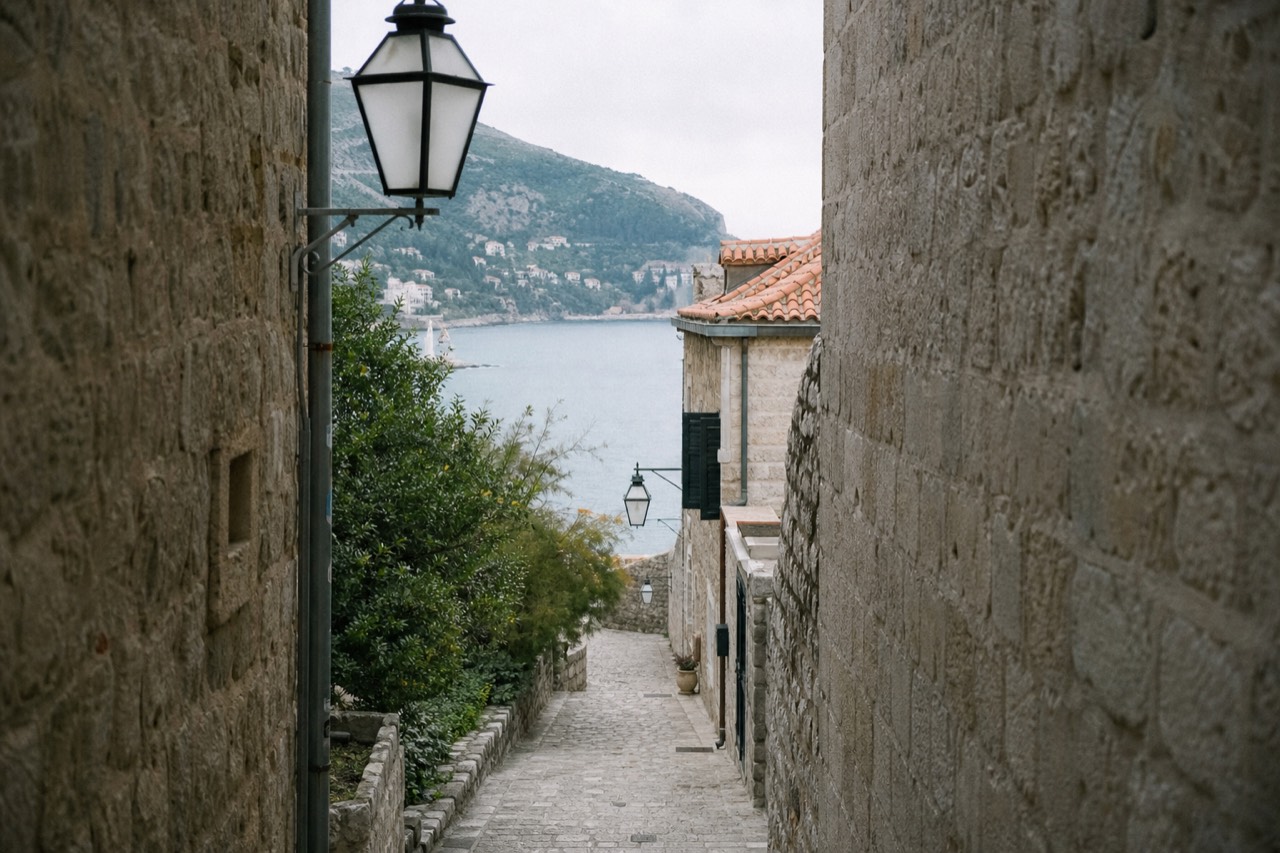
What Are Some Hidden Gems to See in Dubrovnik?
Dubrovnik's hidden gems go beyond the well-trodden Stradun. The Rector's Palace, the Maritime Museum, and the Franciscan Monastery's quiet cloister offer a deep dive into the city's past without the crowds. The Western Outer Wall and the Collection of Coins of the Republic of Ragusa are included in the walls ticket but rarely visited. For a local perspective, the Lapad promenade and the abandoned resort at Kupari deliver a different, more authentic Dubrovnik.
The Old Town pulses with visitors, but stepping off the main route reveals a city that still belongs to its residents. The Things to Do in Dubrovnik that truly reward the curious are the ones that hide in plain sight. The Dubrovnik Pass, which costs the same as the standalone walls ticket in main season, unlocks a string of museums and galleries that most visitors overlook. A single one-day pass, at 40 euro, covers the walls plus ten more institutions, many of them housed in beautifully preserved Renaissance palaces.
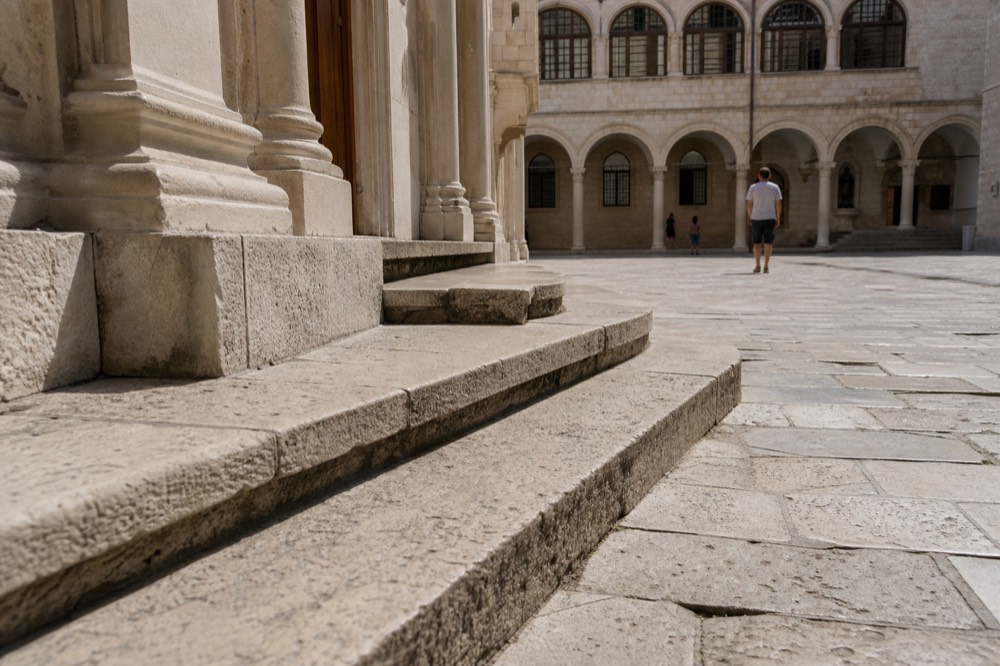
The Rector's Palace, once the seat of the Republic's government, now holds the Cultural History Museum and a fine collection of period furniture and portraits. The atrium, with its arcaded courtyard and ornate stone staircase, is one of the most photographed spaces in the city, yet the upper floors are often empty. The Maritime Museum, on the first floor of the Fort of St John, traces Dubrovnik's seafaring past with ship models, navigational instruments, and a moving display on the 1991 siege. The Ethnographic Museum, in the old granary building, shows traditional costumes and domestic life, while the Natural History Museum occupies a quiet corner with a collection of Adriatic specimens. All are covered by the pass, and all are often empty when the Stradun is packed.
The Franciscan Monastery Museum, tucked behind the church near Pile Gate, is a peaceful escape. Its Romanesque cloister holds a garden of palms and citrus trees. The monastery pharmacy, one of the oldest in Europe, still operates, and the museum displays ancient medical instruments, manuscripts, and religious art. The Marin Držić House, dedicated to Dubrovnik's most famous playwright, is a small museum on a side street near the Cathedral. Držić, often called the Croatian Shakespeare, wrote comedies that satirised Renaissance Dubrovnik society, and the museum's interactive exhibits bring his world to life.
The Modern Art Museum, housed in a villa on the Frana Supila road, holds Croatian paintings and sculpture, with a terrace that overlooks the sea. The Dulčić-Masle-Pulitika Gallery, a short walk from the Stradun, is a trio of local painters whose work captures the light and colour of the Dalmatian coast. The Pulitika Studio, the painter's own workspace, is preserved as an intimate gallery. Together, these make up a cultural circuit that costs nothing beyond the pass, and on a hot afternoon, their cool stone interiors are a welcome refuge.
What Are Some Hidden Gems in Croatia?
The Dubrovnik region is a gateway to hidden gems across southern Dalmatia. The Pelješac peninsula, with its stone villages and Dingač vineyards, feels worlds away from the city. The Elaphiti Islands, particularly Lopud and Šipan, offer quiet beaches and car-free villages. Just an hour away, the fortified town of Ston boasts the longest stone walls in Europe, and the abandoned resort complex at Kupari, a short bus ride from Cavtat, is a haunting coastal time capsule.
The Elaphiti archipelago, a string of eight islands northwest of Dubrovnik, is the easiest escape. Only three are inhabited. Lopud has a sandy beach at Šunj, a rarity on the rocky Adriatic coast, and the small Franciscan Monastery of St Mary of the Spilica. Šipan, the largest, is covered in olive groves and vineyards, with two sleepy villages, Suđurađ and Luka. Koločep, the closest to the city, is a 20-minute ferry ride and has two villages, Donje Čelo and Gornje Čelo, connected by a walking trail through pine forest. Several boat tours and the regular Jadrolinija ferry connect them with Dubrovnik, but the islands' pace remains slow. A full-day Elaphiti Islands cruise is the simplest way to visit all three in a day, with swim stops and lunch included.
Kupari, a former luxury resort complex built for the Yugoslav military elite, was shelled in the 1991 war and never rebuilt. The shell of the Grand Hotel and the smaller Pavilions sit right on the beach, now a popular spot for urban explorers and photographers. It is a short bus ride from Cavtat, and the beach itself is open and swimmable. The contrast between the ruined architecture and the turquoise water is surreal. The site is free to walk through, and there is a small cafe on the beach. It is not signposted or promoted, which is part of the appeal.
Pelješac, a long peninsula northwest of the city, is Croatian wine country. The steep slopes above the village of Potomje produce the Plavac Mali grape, the backbone of Dingač and Postup reds. Several small wineries open their cellars for tastings; the drive from Ston along the coast is one of the most scenic in the region. The walls of Ston, built to protect the Republic's salt pans, stretch for 5.5 kilometres and are rarely crowded, even in peak season. The salt pans are still in operation, and the town's restaurants focus on oysters and mussels harvested from the bay. A day trip to Ston and Pelješac combines the walls, the salt pans, and a wine tasting in a single, unhurried day.
The city walls themselves hold a hidden gem: the Western Outer Wall, a section that runs between the Pile and Ploče gates. It is included in the standard walls ticket but closed in winter. The climb is steep, and the views across the Lapad peninsula are unmatched. The Fort Lovrijenac, standing on its 37-metre sea rock, is also part of the ticket and stages summer theatre performances. The Collection of Coins of the Republic of Ragusa, at Gundulić Square 6, is a tiny, quiet museum that most visitors walk past. The one-day Dubrovnik Pass, at 40 euro, is the same price as the standalone walls ticket in main season, making these museums effectively free. The three-day pass, at 50 euro, adds suburban bus coupons and House Bukovac in Cavtat. The seven-day pass is 60 euro. All passes include a one-time visit to each institution, so you can spread the museums over several days.
| Attraction | Included in Dubrovnik Pass? | Why It Is a Hidden Gem |
|---|---|---|
| Rector's Palace | Yes | Renaissance palace with ornate courtyard and period rooms |
| Maritime Museum | Yes | Seafaring history in the Fort of St John |
| Ethnographic Museum | Yes | Traditional costumes and domestic life in the old granary |
| Marin Držić House | Yes | Dedicated to Dubrovnik's celebrated playwright |
| Natural History Museum | Yes | Adriatic specimens in a quiet corner |
| Franciscan Monastery Museum | Yes | Peaceful cloister and one of Europe's oldest pharmacies |
| Modern Art Museum | Yes | Croatian art in a villa with a sea-view terrace |
| Dulčić-Masle-Pulitika Gallery | Yes | A trio of local painters capturing the Dalmatian light |
| Pulitika Studio | Yes | Intimate studio of the famed Dubrovnik painter |
| Archaeological Exhibitions | Yes | Rotating finds from the region |
| House Bukovac (Cavtat) | 3-day and 7-day passes only | A preserved house museum in Cavtat |
The walk along the city walls is the single best way to appreciate the scale of the Old Town. The walls are 1,940 metres long, up to 25 metres high, and 4 to 6 metres thick on the land side. The circuit includes 16 towers, 3 fortresses, 6 bastions, and 2 drawbridges, and the seaward stretch offers uninterrupted views of the Adriatic. The walls reached their final shape in 1660, when the last Bastion of St Stephen was finished, and walking them today is a journey through six centuries of defensive architecture.
The walls ticket is a gateway to Dubrovnik's quieter corners. The Western Outer Wall, the Fort Lovrijenac, and the Collection of Coins are all on the same ticket, and they are consistently the least-visited parts of the circuit. The Dubrovnik Pass adds the museums and galleries, and because it costs the same as the walls ticket in main season, the museums are effectively free. The three-day and seven-day passes add suburban bus coupons and House Bukovac in Cavtat.
What Are Some Hidden Gem Restaurants in Dubrovnik?
The best hidden gem restaurants in Dubrovnik are the family-run konobas tucked into side streets and the terraces overlooking the harbour. Places like Konoba Dubrava, near the Franciscan Monastery, and Konoba Dalmatino, in the old town, serve slow-cooked peka and fresh seafood. For a true local experience, join a food tour that visits several stops, or take a cooking lesson in a village outside the city.
Konoba is the Croatian word for a traditional tavern, and the ones worth seeking out are often hard to find. They are small, with a handful of tables, and the menu changes with the catch. Black risotto, made with cuttlefish ink, and gregada, a fisherman's stew, are dishes that rarely appear on the tourist menus. The best way to find them is to ask a local or take a guided food tour. The 3-hour food and drink walking tour with a local guide is rated 5.0 across 704 reviews and visits several family-run spots, with generous portions and wines at every stop.
The Pelješac peninsula, meanwhile, is the origin of Dubrovnik's most celebrated food pairing: oysters and wine. The oysters of Ston, harvested from the bay, are prized for their clean, briny taste. A dedicated oyster, mussel, and wine tasting tour in Ston comes with lunch and is rated 4.9 across 111 reviews. For a deeper dive into Dalmatian cooking, the peka cooking lesson, held in a village outside the city, teaches the slow-baking method under a bell-shaped lid. The dish, typically lamb or octopus with potatoes, cooks for hours under hot coals and is the centrepiece of a Croatian Sunday lunch.
For a casual evening, the Lapad neighbourhood has a strip of local restaurants along the promenade. The Hotel Komodor, a budget three-star in Lapad rated 7.8 out of 10 across 822 Expedia reviews, is an easy walk from several well-regarded konobas. Fewer tourists venture that far, and the prices are noticeably lower than inside the walls. The Gruž market, held most mornings near the ferry port, is the place to buy local cheese, olive oil, and seasonal fruit if you are staying in an apartment with a kitchen. The market is a working one, not a tourist attraction, and the vendors are happy to let you taste before you buy.
What Are Some Good Towns to Visit Near Dubrovnik?
Cavtat, a 30-minute bus ride south, is a charming seaside town with a palm-lined waterfront and a promenade filled with cafes. Ston, with its monumental walls and salt pans, is a food-lover's day trip. The island of Korčula, reached by ferry or a day tour, has a medieval walled town that rivals Dubrovnik's, and the Elaphiti Islands, Lopud, Šipan, and Koločep, offer a car-free escape from the city's pace.
Cavtat is the closest and easiest getaway. The bus from Dubrovnik's main station takes about 30 minutes, and the town sits on a peninsula with two bays. The waterfront promenade is lined with palm trees and cafes, and the town has a small museum, House Bukovac. The Cavtat Sunset Cruise, a 1-hour trip with unlimited drinks and a cold platter, is rated 4.9 across 203 reviews and offers a view of the coastline from the water. Walking paths follow the water's edge around the peninsula, past small beaches and rocky coves.
Ston is a more substantial day trip, about an hour by road. The walls, built to protect the Republic's salt production, are the longest in Europe after the Great Wall of China. The salt pans are still in operation, and the town's restaurants in Mali Ston focus on oysters and mussels. The Ston and Korčula Island day trip from Dubrovnik with wine tasting combines the walls with the medieval town of Korčula, a walled island settlement often called a mini-Dubrovnik. Korčula's old town, on a small peninsula, is a grid of narrow streets built around a central cathedral, and the town claims to be the birthplace of Marco Polo.
The Elaphiti Islands are accessible by the regular Jadrolinija ferry or by a full-day cruise. The Full-Day Elaphiti Islands Cruise from Dubrovnik with Lunch on the Zrinka boat is rated 4.9 across 10,312 reviews and includes a fish picnic lunch. The Karaka pirate ship cruise, a luxury option, is rated 4.8 across 757 reviews. Lopud's sandy Šunj beach is the standout, a wide crescent of sand that is rare on the rocky Adriatic coast. Šipan's olive groves and vineyards are a quiet escape, and the island's two villages, Suđurađ and Luka, are connected by a single road through the hills. A visit to Cavtat pairs well with a morning in Kupari, and the bus continues to the airport, making it a practical stop on a departure day.
What Are Some Quirky Things to Do in Dubrovnik?
Dubrovnik's quirky side includes cliffside bars, a zipline over the Adriatic, and museums that tell the city's recent history. The Buza Bar, perched on the rocks outside the sea wall, is a classic. The Red History Museum and War Photo Limited offer a stark look at the 1991 siege. The Panorama Zipline Tour, rated 4.9 across 2,109 reviews, runs above the coastline, and the abandoned Kupari resort is a favourite for urban explorers.
The Buza Bar, accessible through a hole in the city wall near the Cathedral, is a collection of wooden platforms and tables set on the rocks. The drinks are cold, the sunsets are spectacular, and the cliff diving is optional. The Cave Bar, at the Hotel More in Lapad, is built into a natural sea cave with coloured lights. Both are local institutions that feel worlds away from the cruise-ship crowds. The Buza Bar has no sign, no website, and no phone number, and finding the hole in the wall is part of the experience.
The Red History Museum, on the Lapad peninsula, is a hands-on look at life under communism, with reconstructed rooms and interactive exhibits. War Photo Limited, on the Stradun, is a gallery of conflict photography that focuses on the Balkan wars. Both are sobering and essential. The Homeland War Museum, in the Fort Imperial on Mount Srđ, is reached by the cable car and tells the story of the 1991 siege from the viewpoint of the defenders. The cable car rises 367 metres over a 778.2-metre track in 3 minutes 30 seconds, and the view from the top stretches up to 60 kilometres on a clear day. The fort itself is a fascinating piece of military architecture.
The Dubrovnik Panorama Zipline Tour, run from the hills above the city, covers two lines with views of the Old Town and the sea. It is rated 4.9 across 2,109 reviews. The E-Tuk Tuk Panorama Ride, rated 5.0 across 1,799 reviews, is a 1-hour 45-minute electric vehicle tour that climbs to the Franjo Tuđman Bridge for a different angle on the city. For a more sedentary experience, the Hop-On Hop-Off Yellow Bus Tour with Audio Guide, rated 4.9 across 1,147 reviews, loops through the city and up to the cable car station, with commentary in multiple languages.
The hidden gems of Dubrovnik are not secret, exactly. They are simply the places that take a little more effort to reach, a willingness to walk past the obvious, and a curiosity about what lies behind the unmarked door. The city rewards those who explore it slowly, and the museums, the konobas, the islands, and the viewpoints are all the better for being shared with only a handful of other visitors.
The Old Town Walking Tour with a Local Guide, rated 4.8 across 5,826 reviews and starting from 20 dollars per person, is the best way to orient yourself before striking out on your own. A good guide will point out the hidden courtyards, the quiet side streets, and the stories that the guidebooks miss, and after 90 minutes you will have a mental map of the Old Town that makes every subsequent exploration easier.
Common Questions About Hidden Gems in Dubrovnik
What Are Some Hidden Gems to See in Dubrovnik?
The Rector's Palace, the Maritime Museum, and the Franciscan Monastery are quiet, fascinating stops. The Western Outer Wall, the Collection of Coins, and the abandoned Kupari resort are lesser-known. The Buza Bar, the Red History Museum, and the Pelješac wine region also qualify.
What Are Some Hidden Gem Restaurants in Dubrovnik?
Family-run konobas like Konoba Dubrava and Konoba Dalmatino serve traditional dishes. The food and drink walking tour with a local guide visits several hidden spots. For oysters, the Ston oyster tasting tour is a standout.
What Are Some Good Towns to Visit Near Dubrovnik?
Cavtat, Ston, and the Elaphiti Islands are the best nearby escapes. Korčula is a medieval walled town reachable by ferry or day tour. The Pelješac peninsula offers wine country and stone villages.
What Are Some Quirky Things to Do in Dubrovnik?
Cliffside bars like Buza Bar and the Cave Bar, the zipline over the coast, the Red History Museum, and the abandoned Kupari resort are all offbeat experiences. The E-Tuk Tuk Panorama Ride and the cable car also offer unique perspectives.
Is the Dubrovnik Pass Worth It for Hidden Gems?
Yes. The one-day pass costs the same as the walls ticket in main season and includes ten museums and galleries that are often overlooked. The three-day and seven-day passes add suburban buses and House Bukovac in Cavtat.
How Do I Get to the Abandoned Kupari Resort?
Take bus number 10 to Cavtat and get off at Kupari, about 6 kilometres south of Dubrovnik. The resort is on the beach and free to explore. The bus ride takes under 30 minutes.