Is It Worth Going to Lokrum Island?
An honest answer to whether Lokrum island is worth the trip from Dubrovnik, with verified ticket prices, boat times, swimming and food facts.
Is It Worth Going to Lokrum Island?
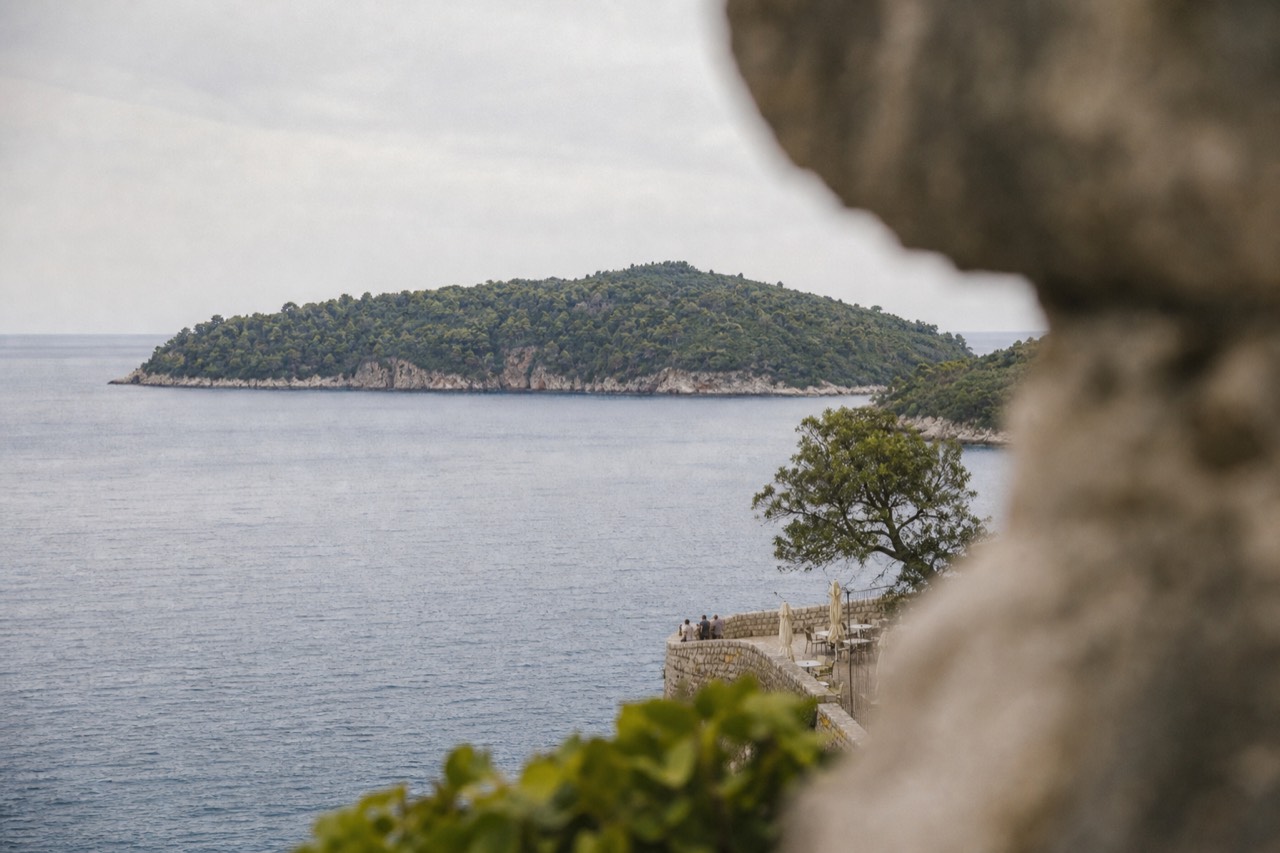
Yes, for most visitors Lokrum is worth it, and it is the easiest island trip you can make from Dubrovnik. The reserve ticket is 30 euro per person and covers both entrance and the return boat transfer, boats leave the City Harbour from 09:00 onward, and you can walk the whole island in a few hours. Peacocks, botanical gardens, a monastery, swimming rocks and the Game of Thrones throne room set are all inside one compact green space.
I have watched a lot of travellers weigh this one from the harbour wall, and the hesitation is always the same: is a small green island you can see from the city worth giving up half a day of the Old Town? My honest planning answer is that Lokrum and the Old Town complement each other rather than compete. The city is stone, staircases and crowds; Lokrum is shade, pine scent and water. On a hot afternoon in July or August, when the Stradun feels like a furnace and the counters at the gates are ticking upward, the island is exactly where you want to be.
The island is a protected nature reserve managed by the Public Institution Lokrum Reserve, not a developed tourist resort, and that is the core of its appeal. There are no cars, no hotels and no permanent overnight guests; a legend even holds that anyone who stays the night will be cursed, which the reserve leans into by closing the island each evening. What you get instead is a botanical garden, an old Benedictine monastery, a small salt lake called the Dead Sea, rocky swimming edges and a population of peacocks that wanders the paths as if it owns them.
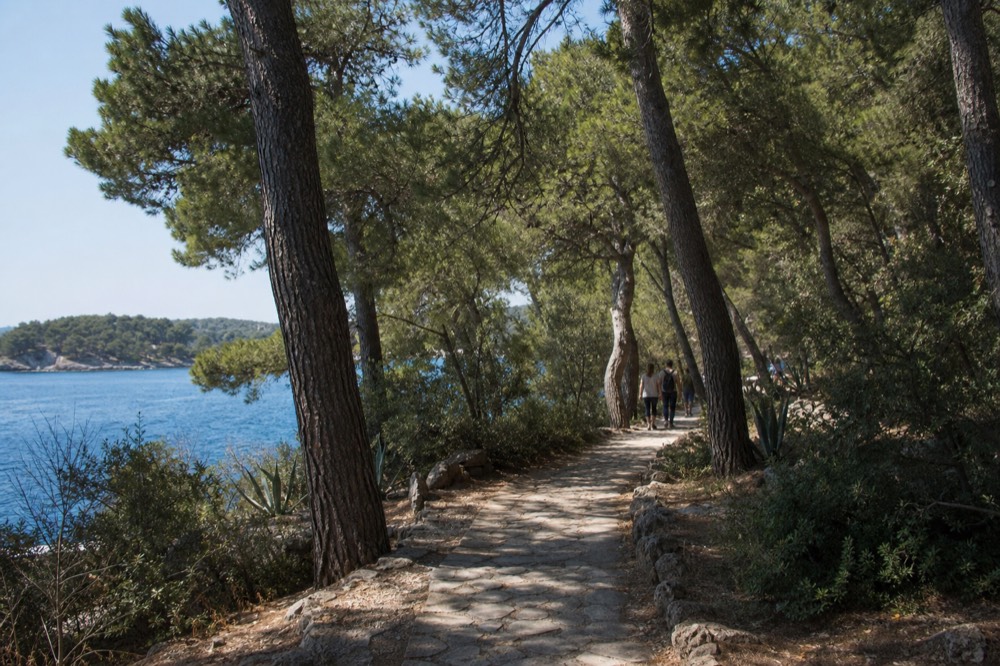
For Game of Thrones fans the answer tilts even more strongly toward yes. The walled garden of the monastery stood in for the city of Qarth, and a replica Iron Throne is installed on the island, one of the few places you can sit on a throne without a studio tour. Several filming-location tours include Lokrum for exactly this reason, and the standalone Game of Thrones tour with Lokrum and throne access runs from $25.57 per person and is rated 4.8 across 6,132 reviews if you want the scenes explained rather than just found.
The honest counter-argument is crowd timing. Because Lokrum is the nearest island and the easiest to reach, it absorbs day-trippers in waves, and the midday hours in high season can feel busy on the main paths near the port. The fix is simple: take one of the first boats and you will have the gardens and the swimming rocks largely to yourself before the late-morning arrivals land. If your Dubrovnik days are short, our full Lokrum island guide covers the paths, gardens and monastery in more depth.
There is one more practical reason the answer is usually yes: Lokrum requires almost no planning compared with every other island option. The Elaphiti cruises and Mljet trips are full-day commitments with fixed departures, while Lokrum runs like a shuttle, with boats every 15 minutes through the middle of the day and a ticket that stays valid for three days. If the weather turns or you simply change your mind, nothing is lost. That flexibility is rare in a destination this popular, and it is the reason I keep recommending Lokrum to first-time visitors who are nervous about committing a whole day to the sea.
If you would rather see Lokrum from the water and swim at Betina Cave on the way, a boat tour that includes an optional Lokrum stop is a strong alternative to the ferry on its own.
How Much Does It Cost to Go to Lokrum Island?
A Lokrum ticket is 30 euro per person, and that single price covers both the entrance to the Lokrum Reserve and the return boat transfer, whether you ride the official boat or arrange your own transport. A combined Dubrovnik, Trsteno, Lokrum, Dubrovnik ticket costs 42 euro and adds Trsteno Arboretum entry and an air-conditioned boat. There is no separate cheaper entry-only price listed.
That 30 euro figure is the one that surprises people, because it reads like a ferry fare but is actually a reserve admission with the boat bundled in. The pricing is set by the Public Institution Lokrum Reserve and published on its official site, and the structure is deliberate: you cannot pay a small fee to hop over and walk around, because the island is a protected reserve and entry is the product. Children and adults pay the same per-person structure the reserve publishes, so budget 30 euro per head for a family unless a combined ticket suits you better.
Here is the full cost picture in one place:
| Item | Price | What it covers |
|---|---|---|
| Lokrum ticket | 30 euro per person | Reserve entry plus return boat transfer, official boat or own transport |
| Combined ticket | 42 euro per person | Dubrovnik, Trsteno Arboretum, Lokrum and return, air-conditioned boat |
| Ticket office | Luža, Old City Port | Open 08:00 to 18:00 |
| Ticket validity | Three days | Usable no later than three days after the date printed on it |
One detail that genuinely helps: the ticket stays valid for three days after its date, so you are not trapped into a specific return boat if you decide to linger or if weather turns. Buy at the Luža office in the Old City Port, which works 08:00 to 18:00, or through tour products that bundle the island with a boat outing. The official reserve site publishes the schedule and prices directly at lokrum.hr.
It is worth being clear about who pays what, because families ask this constantly. The reserve publishes a single per-person price rather than a child tier in the material we verified, so a family of four should budget 120 euro for the island day, and weigh that against the combined 42 euro Trsteno ticket if the arboretum appeals. Against other paid experiences in the city, the comparison is fair: the adult City Walls ticket is 40 euro in main season, 1 March to 30 November, so Lokrum at 30 euro is actually the cheaper of the two headline sights, and it includes your transport. In December the walls ticket drops to 20 euro, while Lokrum's winter operation is limited and boat schedules contract, so neither comparison holds year-round.
For travellers who want the island plus a swim stop combined, the Betina Cave boat tour with optional Lokrum, from $39.42 per person and rated 4.6 across 1,154 reviews, is the product most often booked for exactly this plan.
There is also a decision worth making between Lokrum alone and a full Elaphiti islands day. If your heart is set on Lokrum's gardens and throne, go direct. If you want a whole day of islands with lunch, the Elaphiti cruise with lunch, from $59.16 per person and rated 4.9 across 10,312 reviews, covers more water for a modest step up in price.
Can You Swim at Lokrum Island?
Yes, swimming is one of the main reasons to go, and the island offers rocky ledges, small coves and the sheltered salt lake known as the Dead Sea. There are no long sandy beaches on Lokrum; you enter the water from flat rocks or stone steps, and sea shoes make the difference between a pleasant swim and a careful one. The water is clear and deep quickly.
The Dead Sea, a small salt lake linked to the sea, is the family-friendly option because it is calm, shallow enough for children and free of waves. The outer edges of the island are for confident swimmers: you step off rock shelves into deep, glassy water, and on a calm morning the visibility is some of the best you will find this close to a major city. The cliffs on the southern side drop into deeper blue that snorkellers tend to love.
On temperature, be precise about what the numbers mean. The September average for this coast is about 23.6 degrees, from a long-run 1991 to 2020 open-water average in the NOAA OISST dataset, not a beach thermometer reading. Sheltered spots run warmer: the Croatian met service's Dubrovnik buoy read 27.0 to 27.4 degrees on 8 September 2026 against that 23.6 September mean, which tells you how much a calm bay can climb above the open-water figure. For planning, the monthly averages look like this:
| Month | Average sea temperature | Month | Average sea temperature |
|---|---|---|---|
| January | 14.3 degrees | July | 24.9 degrees |
| February | 14.0 degrees | August | 25.8 degrees |
| March | 14.2 degrees | September | 23.6 degrees |
| April | 15.4 degrees | October | 21.0 degrees |
| May | 18.6 degrees | November | 18.5 degrees |
| June | 22.5 degrees | December | 16.0 degrees |
A note on what those figures are not: they are open-water grid-cell averages, not a Croatian government series, and they are not a forecast for the week you travel. An independent EU dataset, EMODnet's Mediterranean climatology, corroborates them within about a degree in the months that matter, August 24.90 against NOAA's 25.8 and September 23.15 against 23.6, so the range is trustworthy as a planning band. What it means in practice for Lokrum is simple: from late June through September the water is genuinely warm on the rocks, in May it is brisk but swimmable for the determined, and by November swimming becomes a wetsuit question rather than a pleasure.
The other way to swim at Lokrum is to paddle there. A guided kayak tour of Lokrum island and Betina Cave, from $35.49 per person and rated 4.9 across 1,518 reviews, crosses from the mainland beach, stops at the cave for a swim break and gives you the island from sea level, which is honestly its best angle. One guest review of that tour captures the experience:
Loved this kayaking experience. Had an amazing time as a family and enjoyed the swimming break at Betina Cave very much. The views were amazing, water was crystal clear, the guide was excellent and we learnt a lot about Dubrovnik.
Imara_D
If swimming is the whole point of your island day, compare Lokrum against the Elaphiti islands, where Šunj beach on Lopud gives you actual sand. Our guide to Lopud and the Elaphiti islands breaks down that trade-off.
Is There a Restaurant on Lokrum Island?
Yes, there is a restaurant on Lokrum, located near the monastery in the island's core, plus cafe-style service close to the port area where the boats arrive. It is a limited operation rather than a dining scene, so treat it as a lunch stop and not a destination, and expect simple Mediterranean plates at prices that reflect everything having to be brought over by boat.
The practical advice follows from that. If you want a relaxed long lunch with a proper konoba atmosphere, eat in Dubrovnik before or after; the Old Town's konobas do it better and cheaper. On the island itself, plan for a straightforward meal or a drink in the shade, and bring a water bottle regardless. Picnicking is restricted in parts of the reserve, so check signage rather than assuming, and do not count on finding a shop. Families with children, in particular, should carry snacks, because the combination of sun, swimming and walking burns through energy fast.
Timing matters around food too. The restaurant and cafe close with the island, and the last boats back leave well before dusk, so your Lokrum day ends earlier than a mainland evening would. That is the flip side of the no-overnight rule, and it is worth building into your plan: arrive on an early boat, swim before lunch, eat, walk the gardens, and take a late-afternoon boat back with the whole evening still in front of you in the city. For a sense of how much time the island deserves, see how many hours you need on Lokrum.
When Is the Best Time to Go, and What About the Crowds?
Go in the morning, and go in late spring or early autumn if you have the choice. Boats leave the City Harbour at 09:00, then every 15 minutes from 10:00 to 18:00, so the first departure is your friend. September and October are actually the busiest cruise months in Dubrovnik, ahead of July and August, which surprises most visitors and should shape your timing.
That last point deserves emphasis because almost everyone gets it backwards. Port Authority data shows cruise passengers peaked in September 2025 at 101,246 and October at 100,132, above July's 96,072 and August's 87,385. The Old Town's six entrance counters update a headcount every 15 minutes against an official carrying capacity of 11,275 people, and on a September morning the curve climbs steeply: 5,419 people at 08:00, 7,297 at 09:00, a 7,739 peak at 10:00, then 7,205 at 11:00. Lokrum is the pressure valve for exactly those mornings.
Weather-wise, the shoulder months are the sweet spot. May averages 18.6 degrees in the water, June 22.5, and September 23.6, all from the long-run open-water averages, with sheltered bays running warmer. May and June give you green gardens and fewer cruise days; September gives you the warmest late-season water but the biggest cruise crowds. October, at a 21.0 degree average, is still swimmable for most people and the gardens are at their most golden. Winter, at 16.0 degrees in December, is for walking only, and you should check boat schedules carefully outside the core season.
The crowd rhythm on the island itself follows the boat schedule, and knowing it changes your day. The 09:00 boat carries the early risers, mostly photographers and hikers, who scatter along the southern paths within minutes of landing. From 10:00 the 15-minute frequency begins, and by 11:00 the port area, the Dead Sea and the monastery garden hold the thickest groups. The afternoon reverses the flow: from about 16:00 the boats start carrying people back, and by 17:00 you can have the western rocks nearly to yourself with the low sun behind the city walls. If you want both quiet and warmth, that late-afternoon window in September is the single best combination Lokrum offers.
Lokrum or the Alternatives: Which Boat Should You Book?
Book the direct ferry if gardens, the monastery and the throne are your goal, a Betina Cave boat tour with optional Lokrum if you want a swim stop too, a kayak tour if you want to reach the island under your own paddle, and a full Elaphiti cruise if you have a whole day and want beaches and lunch. Lokrum is the shortest commitment of the four and the only one you can do in a half-day.
The comparison is worth making concrete, because Dubrovnik's boat options overlap in ways that confuse first-time visitors:
| Option | Best for | Time needed |
|---|---|---|
| Official Lokrum boat | Gardens, monastery, Iron Throne, swimming rocks | Half a day |
| Betina Cave boat with optional Lokrum | Cave swim plus island stop in one outing | Half a day |
| Kayak tour to Lokrum and Betina Cave | Active travellers, sea-level views, cave swim | About 2 hours |
| Elaphiti islands full-day cruise | Sandy Šunj beach, multiple islands, lunch | About 8 hours |
My planning view, after years of watching people try to cram everything: if you are in Dubrovnik for two days or fewer, Lokrum by direct boat is the island trip that fits, because you control the clock and can be back for dinner. With three days or more, split your water time: one full Elaphiti day for beaches and one Lokrum half-day for the gardens. Travellers who only care about the Game of Thrones connection should note that the tour combining the Old Town locations with Lokrum and the throne, from $25.57 per person, handles both in a single booking.
Whatever you choose, book the boat products ahead in the July-to-October window, when 461 cruise calls are scheduled for the year and the busy days stack up. The Old City's UNESCO World Heritage listing, inscribed in 1979 across a 24.7-hectare property, is the reason the whole area is so visited, and Lokrum sits inside that same protected seascape. For everything else across the region, start with Things to Do in Dubrovnik and build outward from there.
Common Questions About Lokrum Island
Is it worth going to Lokrum island?
Yes, for most visitors. The 30 euro ticket includes reserve entry and the return boat, and the island packs gardens, a monastery, the Iron Throne replica, peacocks and swimming into a half-day trip that is the easiest island outing from Dubrovnik.
How much does it cost to go to Lokrum island?
30 euro per person, covering both the reserve entrance and the return boat transfer. A combined Dubrovnik, Trsteno, Lokrum ticket costs 42 euro and adds Trsteno Arboretum entry with an air-conditioned boat.
Can you swim at Lokrum island?
Yes. You swim from rocky ledges and stone steps rather than sand, and the sheltered salt lake known as the Dead Sea is the calm, family-friendly option. Sea shoes help on the rocks.
Is there a restaurant on Lokrum island?
Yes, there is a restaurant near the monastery plus cafe service near the port. Expect simple Mediterranean plates at boat-supplied prices, and bring water and snacks with you.
How often do boats leave for Lokrum?
Boats leave the City Harbour at 09:00, then every 15 minutes from 10:00 to 18:00. The ticket office at Luža in the Old City Port works 08:00 to 18:00, and a ticket stays usable for three days.