How Many Days in Dubrovnik Do You Need?
The honest answer from someone who plans Dubrovnik trips for a living: most travellers need three days, two is workable, one is a highlight reel, and the fourth day is where the city finally slows down for you.
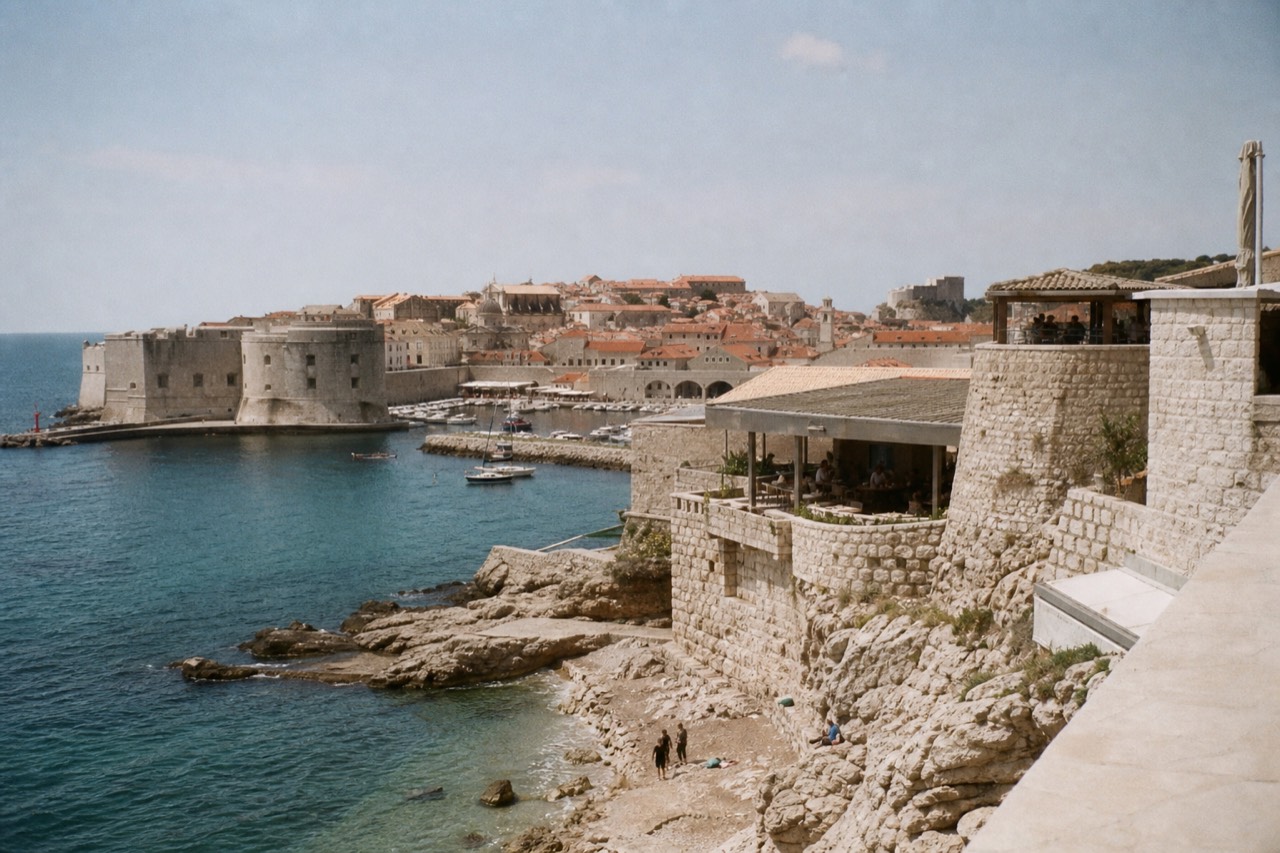
Short answer
Most travellers need three days in Dubrovnik: one for the Old Town and the city walls, one for an island or coastal trip, and one flexible day for Lokrum, the cable car or a border day trip. Two days covers the essentials, one day works only with an early start and hard choices.
How Many Days in Dubrovnik Do You Need?
Dubrovnik recorded about 4.2 million overnight stays in 2025, sharing first place among Croatian destinations with Rovinj, and the single biggest mistake I see in those numbers is compression: people give the city a day and a half, then wonder why they left exhausted. The Old Town itself is small, 24.7 hectares inside the walls, but almost nothing worth doing inside it is quick. The walls circuit alone is 1,940 metres of stone staircase in full sun.
The short answer: three days is the sweet spot for Dubrovnik, two days covers the essentials if you start early, and one day is a sprint through the highlights. The first day belongs to the Old Town and the city walls, the second to the islands or the coast, and the third is the flexible day that absorbs Lokrum, the cable car at sunset, or a border day trip. Four days or more suits travellers who want beaches, slow dinners and a Mostar or Montenegro excursion without racing. Cruise passengers are a separate case, and I cover that too.
This page breaks the decision down by trip style, by what each additional day realistically adds, and by the crowd data that should shape which days you pick. Everything here comes from the operators' own published figures and the Port Authority's statistics, not from brochure optimism.
How Many Days in Dubrovnik Do You Need, Honestly?
Three days is the honest answer for a first visit, and the reason is arithmetic rather than opinion. One day covers the old town walls and main streets, a second lets you slow down and wander without a checklist, and a third absorbs weather delays, crowds, or a boat trip. Fewer days work only if you accept skipping things you will later regret. The core paid sights, the walls, Lovrijenac, the Rector's Palace and the museums, need a full day together. The Elaphiti islands cruise runs about 8 hours, which is a second full day. Lokrum plus the cable car plus unhurried Stradun time is a third. Squeeze that into two days and something gets cut; squeeze it into one and you see the walls, the Stradun and little else. Anyone who tells you one day is enough is describing a photo stop, not a visit.
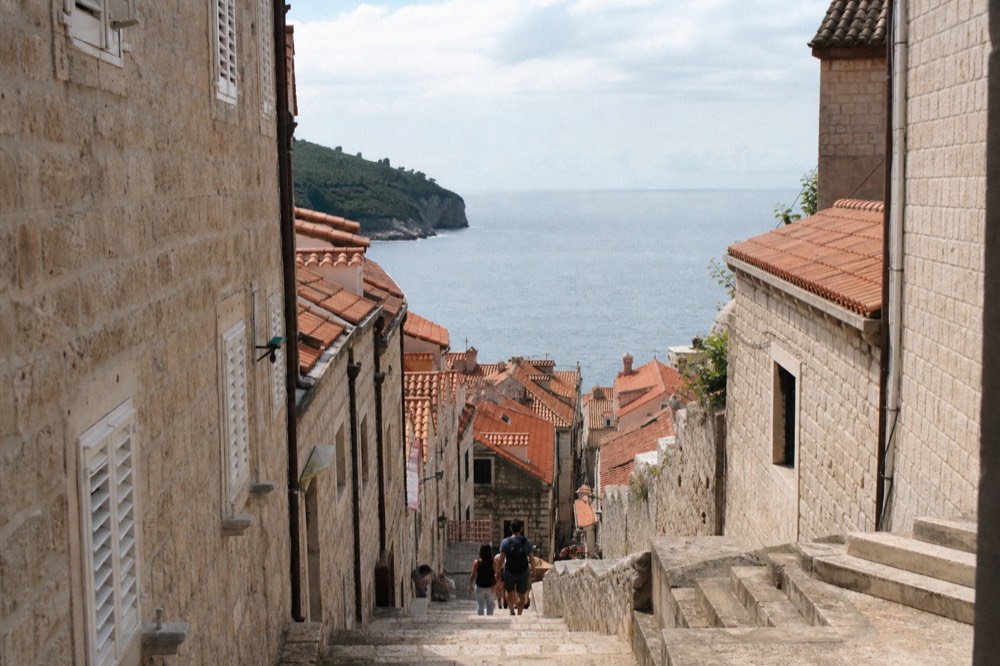
I plan routes through this city every week, and the pattern holds across every traveller type. The walls walk takes most people two hours at a comfortable pace, longer in July heat, and the operator's stated hours run 08:00 to 19:30. Add the queue at the gate, the recovery drink, and the afternoon you spend wandering the side streets off the Stradun, and day one is full without touching a single museum.
The trap is that Dubrovnik looks small on a map. The walled core is a 298-metre main street with a warren of stairs climbing away from it on both sides, and every worthwhile viewpoint is at the top of a staircase. Distance in this city is measured in steps, not metres, and steps eat time.
| Trip length | What fits comfortably | What you sacrifice |
|---|---|---|
| 1 day | Old Town loop, city walls, one viewpoint | Islands, Lokrum, museums, any day trip, relaxed meals |
| 2 days | Day one core plus an Elaphiti cruise or Lokrum | The cable car at sunset, museum time, a border day trip |
| 3 days | Core, one island day, one flexible day | Almost nothing essential |
| 4+ days | All of the above plus Mostar or Montenegro, beaches, slow evenings | Nothing, though four days suits slow travellers more than checklist travellers |
If you are still undecided, read the section on what each day actually contains before you book anything, because the difference between two and three days is not one extra sight, it is the difference between seeing Dubrovnik and experiencing it.
How Many Days Do You Need in Dubrovnik by Trip Style?
Most travellers do well with three days in Dubrovnik, which covers the Old Town walls, key sights, and a nearby island or beach day. Couples and sightseers can manage comfortably in three days, while those combining beaches and boat trips should budget three to four, and cruise passengers should simply make the most of their single port day with a focused plan. Families with children should add a day for pacing, because the walls, the stairs and the heat are harder on small legs, and a beach afternoon between sightseeing days keeps everyone sane. Budget travellers can do the city in two days, but they walk more and skip more. The trip style, in other words, changes the number more than the season does, so match the day count to how you actually travel rather than to what the average visitor does.
The trip style matters more than the calendar. A traveller who wants photographs and a walls walk is done faster than a traveller who wants to understand the place, and the second kind is exactly who benefits from a guided first morning. The cheapest paid Old Town walk starts at $20 per person, rated 4.8 across 5,826 reviews, and it front-loads the orientation so your remaining hours are efficient rather than accidental.
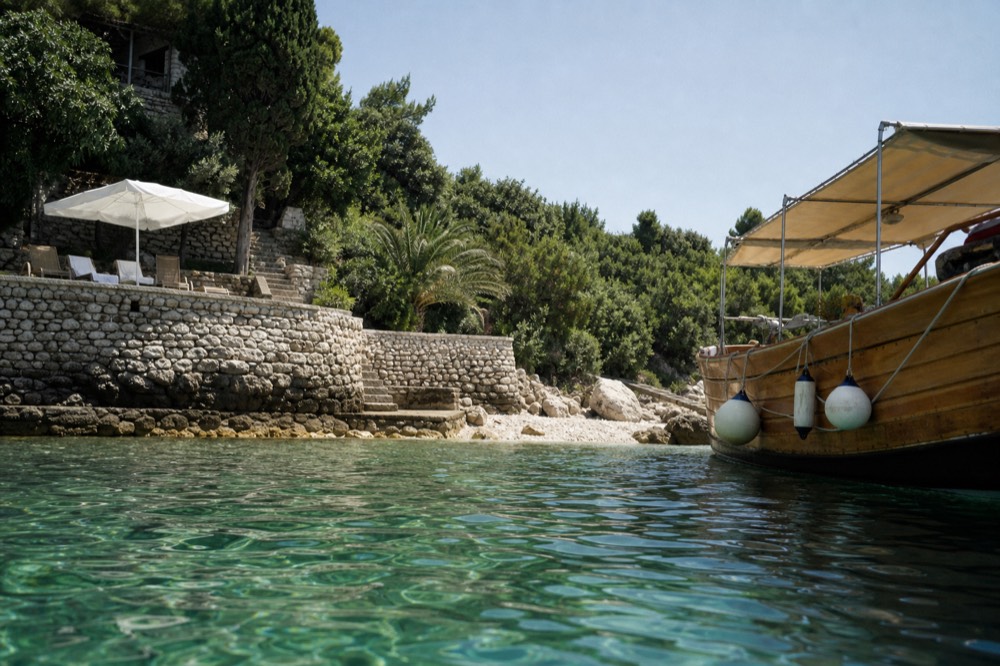
Boat-first travellers should think in whole days. The most reviewed island cruise, the full-day Elaphiti trip with lunch, runs about 8 hours and carries a 4.9 rating across 10,312 reviews, which tells you it consistently delivers. That is one of your days spoken for, and it is a day well spent: it gets you off the hot stone and onto the water, which is half the point of being on the Adriatic. Our guide to the Elaphiti Islands day trip covers the three islands in detail.
Active travellers, kayakers, snorkellers, zipline people, can fold those into existing days rather than adding new ones. A sunset kayak departure or a morning zipline slot slots around the walls walk without costing a day, which is one reason three days works for so many styles at once.
| Traveller type | Days needed | Why |
|---|---|---|
| First-time sightseer | 3 | Core sights, one island day, one flexible day |
| Cruise passenger | 1 (fixed) | Port day only; walls plus Old Town loop is realistic |
| Beach and boat focus | 3 to 4 | Water days need weather buffer |
| Family with kids | 3 to 4 | Stairs and heat demand slower pacing |
| Day-trip taker | 4+ | Mostar or Montenegro each consume a full day |
How Many Days Do I Need to See Dubrovnik Without Rushing?
Two full days is the realistic minimum for seeing Dubrovnik at a comfortable pace, covering the Old Town walls, the main streets, and a cable car ride with time to linger. Three days is when the rushing stops entirely, letting you add a leisurely day for beaches, nearby islands, or simply wandering without watching the clock. On day one you walk the walls early, spend the afternoon in the Old Town, and finish on a viewpoint. On day two you take a boat out or cross to Lokrum. The third day is the one that changes the character of the trip, because it is the first day with no must-do item on it, and that is when the city opens up: you linger over lunch, you find the staircases nobody photographs, and you stop checking a watch. Rushing is not a pace problem in Dubrovnik, it is a scheduling problem, and the third day solves it.
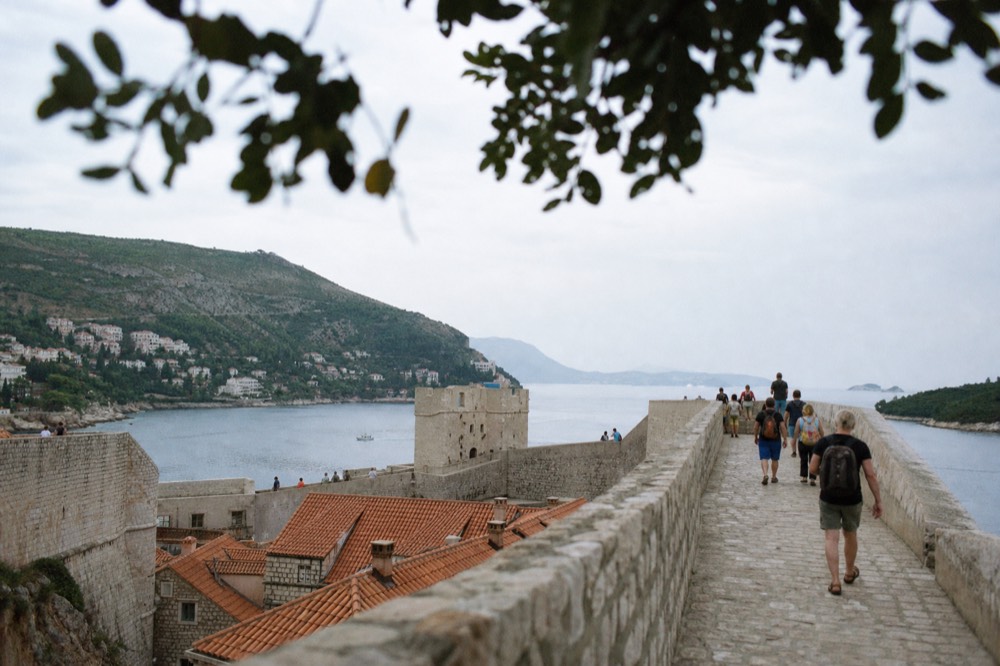
The walls deserve their own morning. The circuit is 1,940 metres long, up to 25 metres high in places, 4 to 6 metres thick on the land side, and the operator's own description counts 16 towers, 3 fortresses and 6 bastions along the way, per the walls operator's site. That is not a stroll, it is a hike with a view, and doing it at 08:00 rather than at noon is the difference between pleasant and punishing.
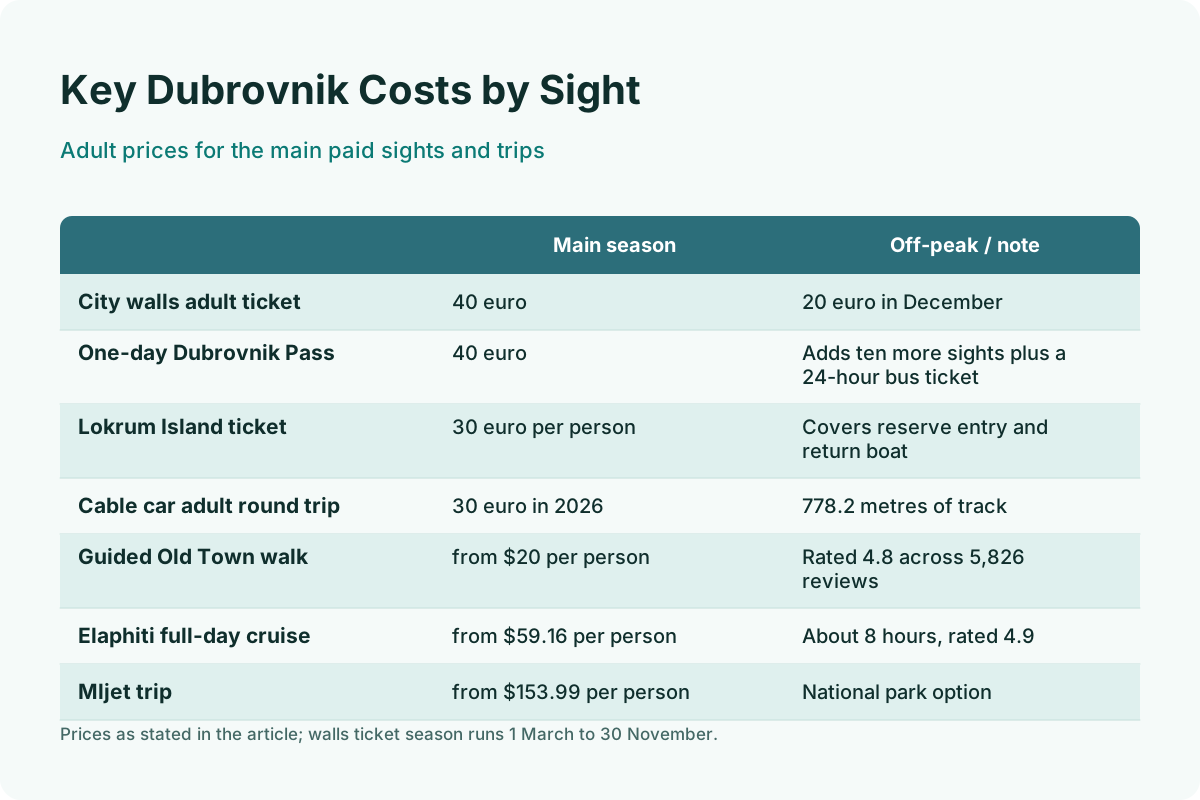
Ticket logistics matter here more than most guides admit. The adult walls ticket is 40 euro in main season, 1 March to 30 November, and 20 euro in December, and that 40-euro ticket is actually a combination covering the walls, Fort Lovrijenac, the Western Outer Wall and the coin collection. The one-day Dubrovnik Pass also costs 40 euro in main season and adds ten more sights plus a 24-hour bus ticket, so the pass pays for itself the moment you visit the walls plus one museum, per the official pass site. In December that comparison collapses, because the walls ticket drops to 20 euro and no winter pass tier is on sale.
| Ticket | Main season (1 Mar to 30 Nov) | December |
|---|---|---|
| City Walls adult (includes Lovrijenac) | 40 euro | 20 euro |
| City Walls child 7 to 18 | 15 euro | 5 euro |
| Child 6 and under | free | free |
| Dubrovnik Pass, one day, adult | 40 euro | not on sale |
| Dubrovnik Pass, three day, adult | 50 euro | not on sale |
Lokrum is the other fixed cost of an unhurried visit. The ticket is 30 euro per person and covers both the reserve entry and the return boat transfer, with departures from the City Harbour at 09:00, then every 15 minutes from 10:00 to 18:00. Give it half a day at minimum, peacocks, botanical gardens, swimming rocks and all, and you can read more in our Lokrum Island guide.
How Many Days Do You Need for Dubrovnik and Its Islands?
Plan on adding one full day for the islands on top of however many days you spend in Dubrovnik itself, and if the islands are the main reason for your trip, count on two island days instead. That means a city-only visit can stay short, but once island hopping enters the picture, your total grows by one or two days depending on how central the islands are to your plans. The Elaphiti cruise is a full 8-hour day. Lokrum is a half day. Mljet National Park is a 10-hour day. None of these combine with each other, and none combine well with a walls morning, because boats leave in the morning and the walls are best walked in the morning too. An island is not an add-on to a city day, it is a city day's replacement, so budget the calendar accordingly rather than trying to stack both into a single morning and failing at each.
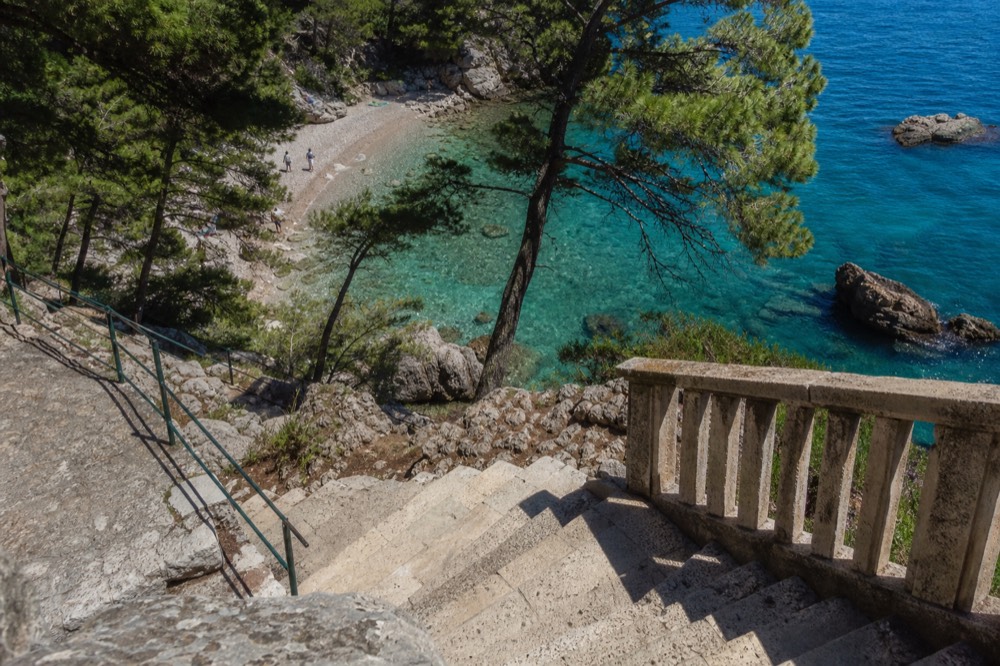
The choice between them is a choice of temperament. The Elaphiti cruise, from $59.16 per person and rated 4.9 across 10,312 reviews, is the social, everything-arranged option: three islands, lunch on board, drinks, swimming stops. Mljet, from $153.99 per person, is the quiet, national-park option for travellers who would rather have lakes and forest than a boat party. Lokrum is the near-shore option when you want island air without giving up your evening.
Weather decides more than preference. A windy day cancels the small-boat trips and makes the crossing unpleasant on the bigger ones, which is the strongest argument for a three-day minimum: with two days, a cancelled boat day halves your trip, while with three you simply swap days. The September average sea temperature on this coast is about 23.6 degrees, a long-run open-water average rather than a beach reading, and sheltered bays run warmer still, so the swimming season stretches later than most visitors expect.
What Does Each Day Actually Look Like?
Each day follows a clear rhythm: day one covers the Old Town and its walls, day two is spent on the water, day three moves to viewpoints and the city's edges, and day four heads to the border. The plan balances walking, swimming, and sightseeing so no single day feels overloaded. That is the skeleton almost every successful Dubrovnik itinerary hangs on, and it works because it alternates hot stone mornings with water days and puts the longest travel day last, when you have stopped panicking about seeing everything. Each day also has a natural evening built in, a wall-side bar, a harbour dinner, a cable car sunset, so the plan leaves room for the parts of Dubrovnik that are free and slow. Below is the day-by-day version of that skeleton.
| Day | Morning | Afternoon | Evening |
|---|---|---|---|
| Day 1 | Guided Old Town walk, then the walls circuit | Rector's Palace, side streets, a museum | Sunset from a wall-side bar |
| Day 2 | Elaphiti islands cruise with lunch | On the boat, swimming stops | Early dinner near the harbour |
| Day 3 | Lokrum reserve | Cable car to Mount Srd, panorama walk | Dinner in the Old Town |
| Day 4 | Mostar or Montenegro day trip | Still on the day trip | Recovery, last Stradun stroll |
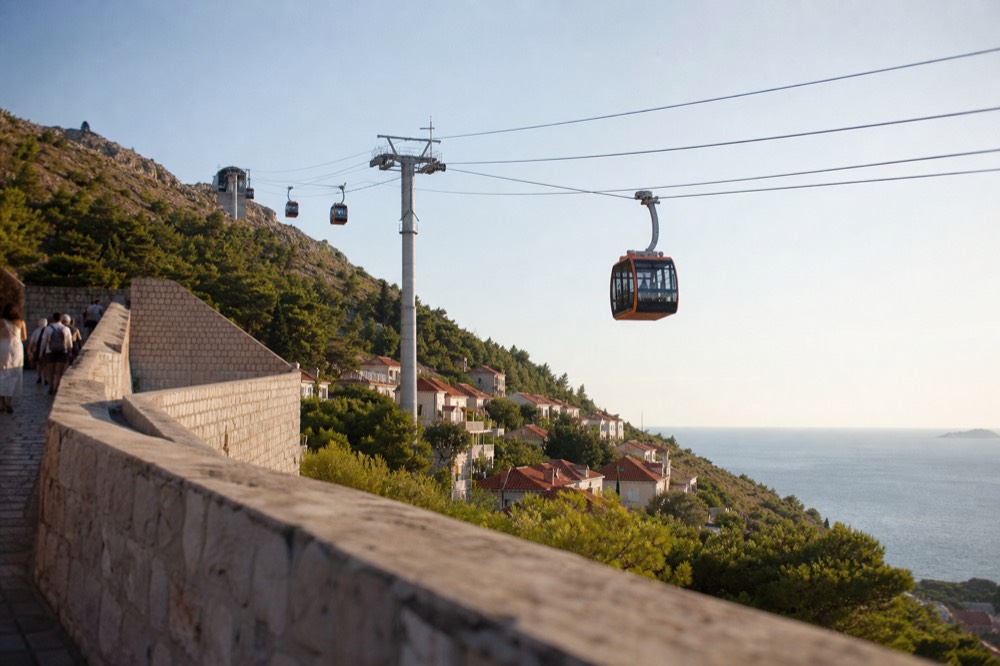
The cable car earns its evening slot. The ride covers 778.2 metres of track and 367.0 metres of elevation in 3 minutes 30 seconds, and the operator claims a view range of up to 60 km on a clear day, per the cable car's technical page. An adult round trip is 30 euro in 2026. Going up in the last hour before sunset gives you the golden view and spares you the midday queue, and the full details are in our Mount Srd guide.
For the first morning, a guided walk is the most valuable 90 minutes of the whole trip. The Old Town walk with a local guide runs from $20 per person, rated 4.8 across 5,826 reviews, and it maps the city before you try to find your way yourself.
One recent guest put it better than a listing ever could:
Alex was a fantastic guide, she explained the complex history of Dubrovnik to give a lasting impression of the history of the area. Really appreciated that she aimed for shaded areas on a boiling September day. The food recommendations for after were much appreciated too! Great tour for a first experience of the old town!
Sophie
If you are building the trip day by day, our ready-made plans go deeper: the one day in Dubrovnik plan for the compressed case and the three days in Dubrovnik plan for the sweet spot.
Do Crowds Change How Many Days You Need?
Yes, crowds change how many days you need, and more than most visitors expect: September and October were the two busiest cruise months of 2025, ahead of July and August, so simply switching months will not spare you the crush. Adding a buffer day, especially in shoulder season, buys you more breathing room than changing your travel dates alone ever could. Port Authority figures show 101,246 cruise passengers in September 2025 and 100,132 in October, against 96,072 in July and 87,385 in August. The idea that summer is the peak and autumn is quiet is simply wrong for this city. Crowds, in other words, are an argument for more days rather than different ones, because extra days are what let you route around the peaks instead of standing inside them.
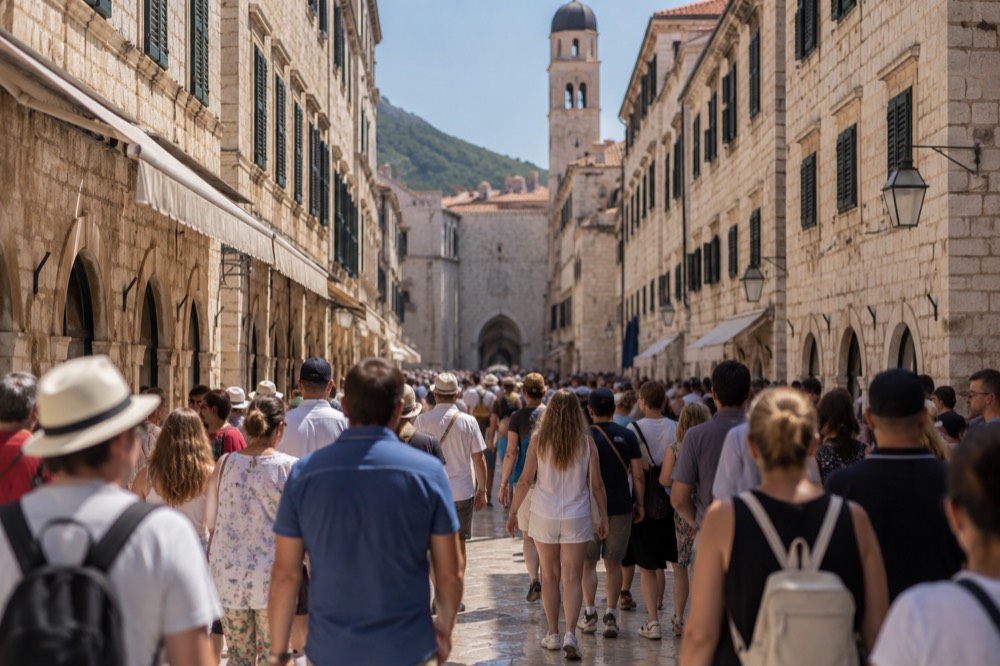
The counting system behind those numbers is worth knowing. Six counters at every Old Town entrance update a headcount every 15 minutes, and the official carrying capacity from the UNESCO assessment is 11,275 people. On a real September morning the curve ran 5,419 people at 08:00, 7,297 at 09:00, a 7,739 peak at 10:00, then 7,205 at 11:00. The practical lesson: the walls at 08:00 are a different experience from the walls at 11:00, on any day of the season.
The Port Authority limits cruise passengers to 8,000 a day in most cases, and 461 cruise calls are scheduled for 2026, per the Port Authority's statistics. Those are ship capacity figures, not people who actually walk ashore, so treat them as an upper bound. Still, on the busiest scheduled days in the remaining 2026 season, up to 5,798 cruise passengers arrive on a single day, and a second or third day in the city is what lets you route around those arrivals instead of standing inside them.
| Month, 2025 | Cruise passengers | What it means for your days |
|---|---|---|
| July | 96,072 | Heat plus crowds; start at 08:00, add a beach day |
| August | 87,385 | Hotter, marginally fewer cruise arrivals than July |
| September | 101,246 | Busiest cruise month; best weather-to-crowd trade needs early starts |
| October | 100,132 | Second busiest; sea still about 21.0 degrees on average |
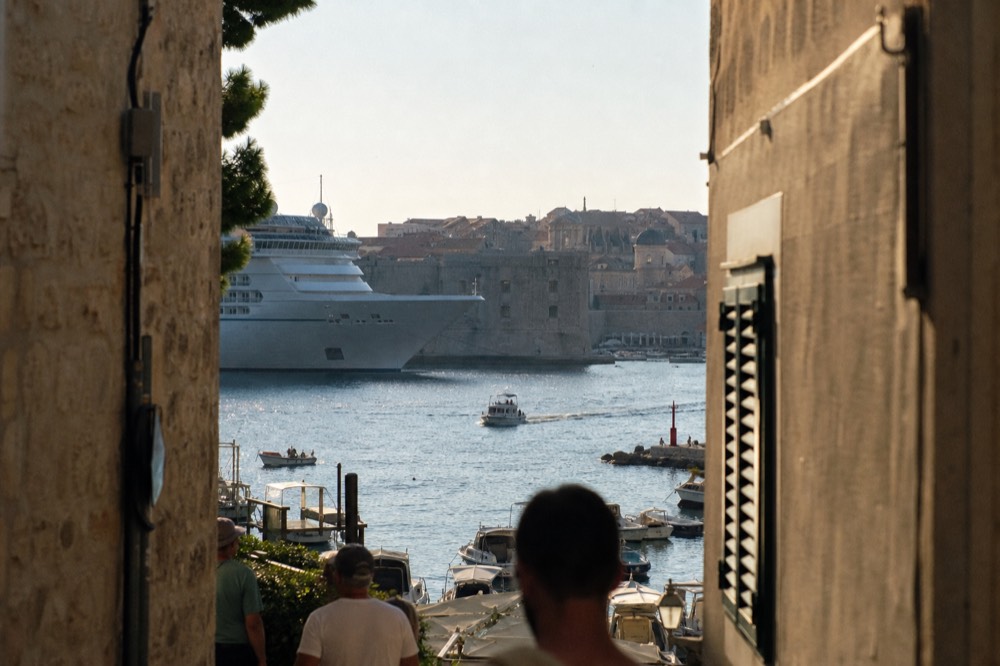
Crowds argue for more days, not fewer. With one day and a 10:00 cruise peak, you get the city at its worst. With three, you can put your walls walk on whichever morning the schedule is light and spend the heavy afternoon on a boat, which is exactly where the crowd is not.
What If You Only Have One Day, or You Are on a Cruise?
Yes, one day works if you accept it as a highlight reel: start with the walls at 08:00, take a guided Old Town walk, ride the cable car at sunset, and let go of everything else. If you are on a cruise, the plan is the same, just tightened around your ship's departure time. Cruise passengers face the same constraint with a hard clock on it, and the port-to-Old-Town transfer plus a disciplined route is the difference between a great port day and a missed one. The full port logistics are in our cruise day guide. What one day cannot absorb is the islands, Lokrum and any border day trip, so decide in advance which of those you are genuinely willing to lose rather than attempting three of them badly and losing the whole afternoon to transit.
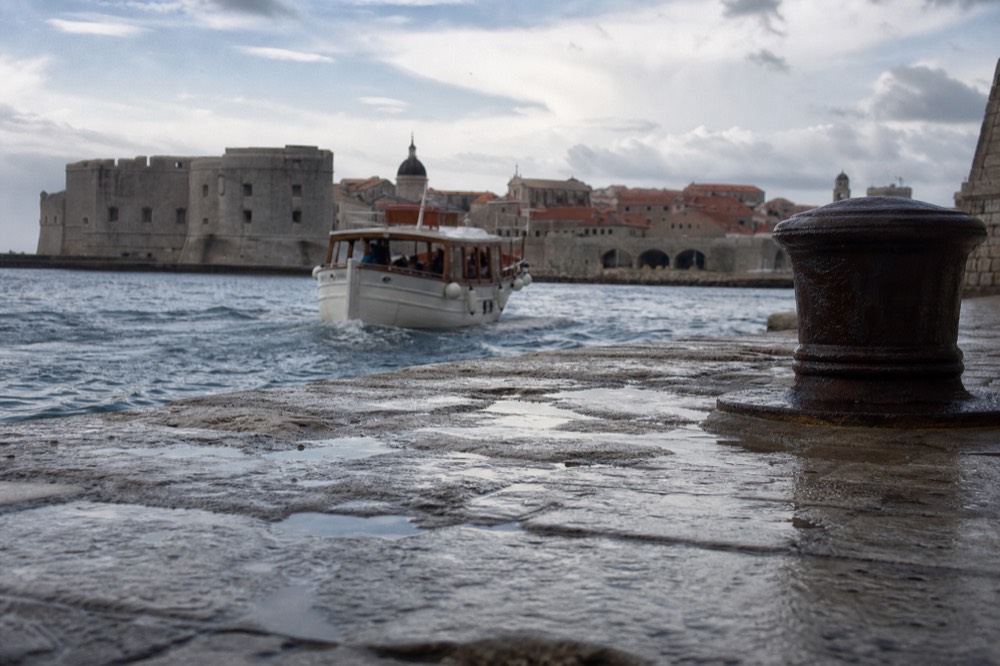
The single-day route I give friends is fixed: enter at Pile Gate by 08:00, walk the walls circuit first while the stone is cool and the counters are still climbing, come down for a late-morning guided walk or a self-guided loop of the Stradun, the Rector's Palace and the Franciscan monastery street, eat early, and ride the cable car in the final hour before sunset. Skip Lokrum, skip the islands, skip any border trip. One day is not a smaller version of three days, it is a different product.
For cruise passengers, the arithmetic is set by the ship. If you are docked from morning to evening you can add either a short boat trip or Lokrum to the walls-and-town core, but not both. The Cavtat sunset cruise with drinks, from $23.66 per person and rated 4.9 across 203 reviews, is one of the few short excursions that fits a port afternoon without gambling on your all-aboard time.
So, How Many Days Should You Book?
Plan on three days in Dubrovnik as your baseline: two days covers the Old Town walls and main sights at a brisk pace, while a fourth day makes sense if you want to add island hopping or a day trip across the border. Three days is the point where the itinerary stops being a checklist and starts being a trip: the core sights, one island day, and one day that bends to weather, crowds and your energy. Every day beyond the third is a bonus with diminishing returns unless day trips or beaches are your priority, in which case four to five is the range that fits everything without hurrying any of it. The number is a budget question before it is a time question, so treat it that way.
The decision rule I use with clients is simple. If your holiday is Dubrovnik plus somewhere else in Croatia, give Dubrovnik three days. If Dubrovnik is the whole holiday, give it four to five and fill the extra days with the Elaphiti islands, Mljet, Mostar or Montenegro, each of which is a full day out. If you are choosing between two days in Dubrovnik and three, spend the money on the third day rather than on a fancier hotel, because the third day is the one you will remember.
Whichever count you land on, put the bookable pieces in place early: the walls walk at 08:00, the island cruise on your clearest forecast day, and a guided first morning so the city explains itself before you explore it alone. The rest of the planning is on this site, and Things to Do in Dubrovnik is a good place to keep digging.
Common Questions About How Many Days in Dubrovnik
How Many Days in Dubrovnik Do You Need?
Three days for a first visit: one for the Old Town and walls, one for an island cruise or Lokrum, and one flexible day for the cable car, museums or a day trip. Two days covers the essentials, and one day is a highlights-only sprint.
How many days do I need to see Dubrovnik?
Two full days is the realistic minimum to see the city without rushing, covering the walls, the Old Town core and one water excursion. Three days adds Lokrum, the cable car at sunset and museum time, which is when the trip stops feeling compressed.
Is Two Days in Dubrovnik Enough?
Yes, if you start both mornings at 08:00. Day one takes the walls and the Old Town, day two takes an island cruise or Lokrum. You will skip the museums and any day trip, but you will see the city's core properly rather than in passing.
Is One Day in Dubrovnik Worth It?
One day is worth it if it is the day you have, and it is the standard case for cruise passengers. Walk the walls at opening, tour the Old Town core, and finish on the cable car at sunset. Accept that Lokrum and the islands are for a longer visit.
When Is the Best Time of Day to Walk the City Walls?
At 08:00, when the operator opens. Old Town headcounts on a September morning ran 5,419 people at 08:00 and peaked at 7,739 at 10:00, so the first two hours give you cooler stone, thinner crowds and better photographs.