Do You Need a Car in Dubrovnik? Honest Advice for Your Trip
Dubrovnik's Old Town is famously car-free, and the city's steep streets and limited parking make a rental car more of a burden than a convenience for most visitors. But there are a few specific day trips where a set of wheels genuinely helps. Here's when you need a car, where to rent one, and the best alternatives that skip the stress entirely.
Short answer
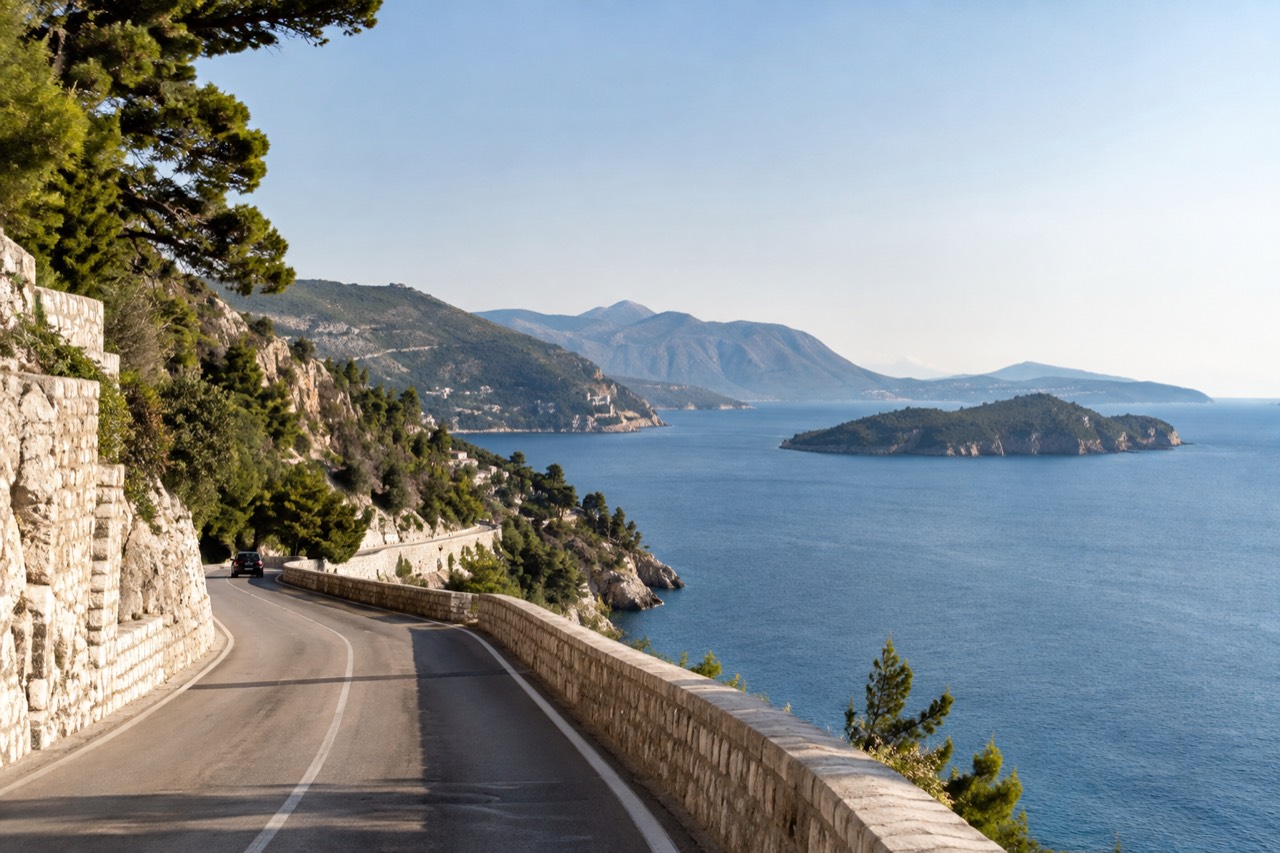
For almost all visitors, you do not need a car in Dubrovnik. The pedestrian Old Town is the main draw, and the cable car, public buses, and walking tours cover the hills and viewpoints without the hassle of parking or dealing with one-way streets. Renting a car only makes sense if you plan a full day exploring the Pelješac peninsula or a multi-stop coastal road trip.
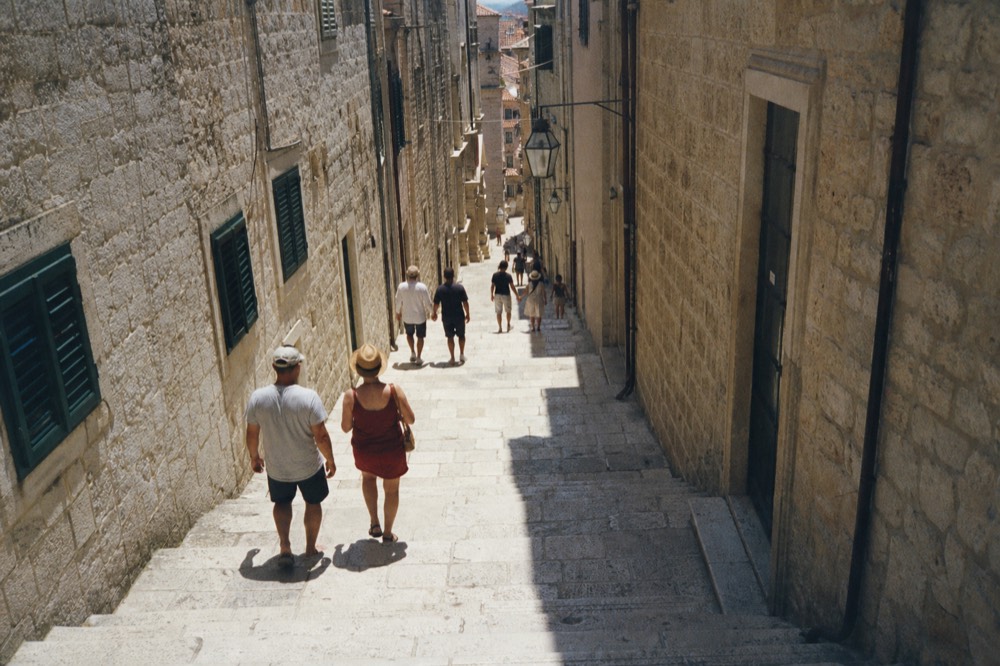
For a compact city break, Things to Do in Dubrovnik usually means walking, not driving. The Old Town is entirely pedestrianised, the cable car whisks you up Mount Srđ in minutes, and public buses reach every suburb and beach. I have been guiding visitors here since 2015 and I rarely recommend a rental car for a standard holiday. That said, if you want to explore the Pelješac peninsula's wineries or the Bay of Kotor at your own pace, a car can be the right tool. This guide lays out the honest costs, the best places to rent, and the cabriolet bus and cable car tours that often do the same job for less money and zero frustration.
The local bus network is surprisingly good, and the number 6 bus from Pile Gate to Lapad and Babin Kuk runs every 15 minutes in summer. A single journey costs about €2, and a 24-hour bus ticket is included with the Dubrovnik Pass. The cable car's lower station is a 15-minute walk from Pile Gate, and the upper station on Mount Srđ delivers a 360-degree panorama without a single parking ticket. Most visitors find that a combination of walking, the cable car, and a single organised day trip covers everything they want to see, and they never miss the car.
Is It Worth It to Rent a Car in Dubrovnik?
For most travellers, renting a car in Dubrovnik is not worth the cost and stress. The core attractions are walkable, the cable car reaches the best viewpoint in minutes, and parking near the Old Town is scarce and expensive. A car only makes sense for a full day outside the city, like a wine tour of Pelješac, where the flexibility outweighs the daily rental fee and parking charges.
The compact layout of Dubrovnik works against the car. The Old Town is a UNESCO World Heritage site with no vehicle access at all, and the surrounding neighbourhoods, Lapad, Babin Kuk and Ploče, are well served by the number 6 bus and, in summer, a frequent shuttle. Add in the one-way system, the steep streets, and the fact that the city's public car parks fill up by mid-morning in high season, and the rental car quickly becomes a liability. The Ilijina Glavica garage, the largest public car park near the Old Town, charges roughly €4 to €5 per hour and fills by 10:00 in July and August. Street parking in the residential zones is almost entirely resident-only, and the fines for parking in a restricted zone are steep.
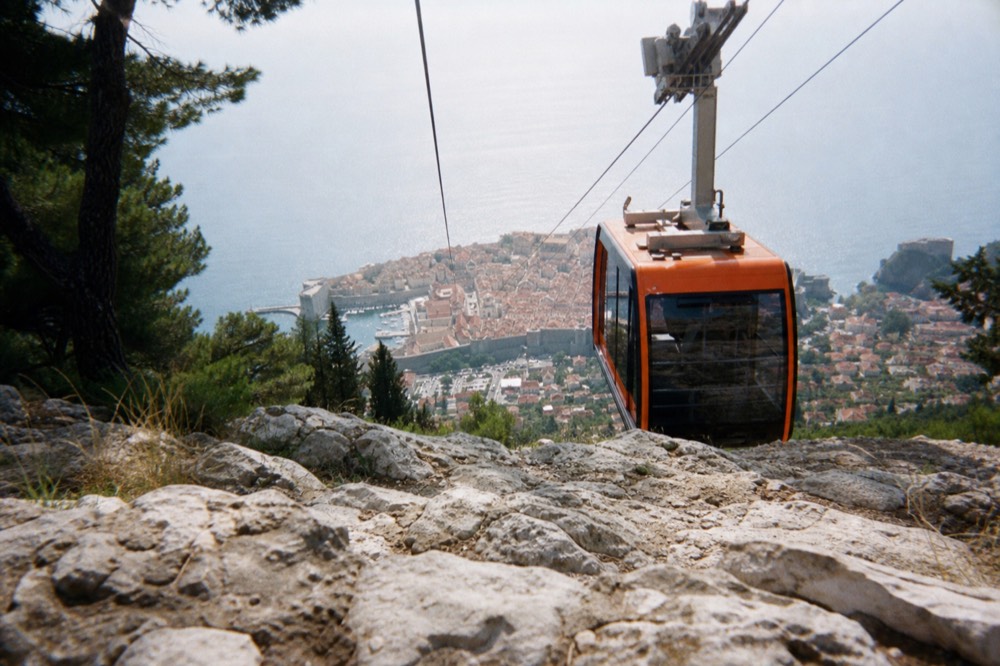
The cable car's lower station sits just outside the Ploče Gate, a short walk from the Old Town. The two cabins each hold 32 passengers plus the operator, and the 778.2-metre track glides over the terracotta rooftops. At the top, the Panorama Restaurant and the Fort Imperial museum offer a cool break from the heat, and the Homeland War Museum is housed in the fortress itself. The operator states a view range of up to 60 km, about 37 miles, on a clear day, and on a calm evening you can see the Elaphiti Islands and the Pelješac peninsula. None of this requires a car.
| Pros of Renting a Car | Cons of Renting a Car |
|---|---|
| Full flexibility for day trips to Pelješac, Konavle, or Kotor | No access to the pedestrian Old Town, where you will spend most of your time |
| Can reach wineries and beaches without relying on bus schedules | Parking near the Old Town is limited, expensive, and often full by 10:00 |
| Easier to explore the Dubrovnik Riviera at your own pace | Narrow, steep one-way streets and aggressive local driving can be stressful |
| Good for multi-stop trips where you change accommodation frequently | Daily rental rates, insurance, fuel, and parking fees add up quickly |
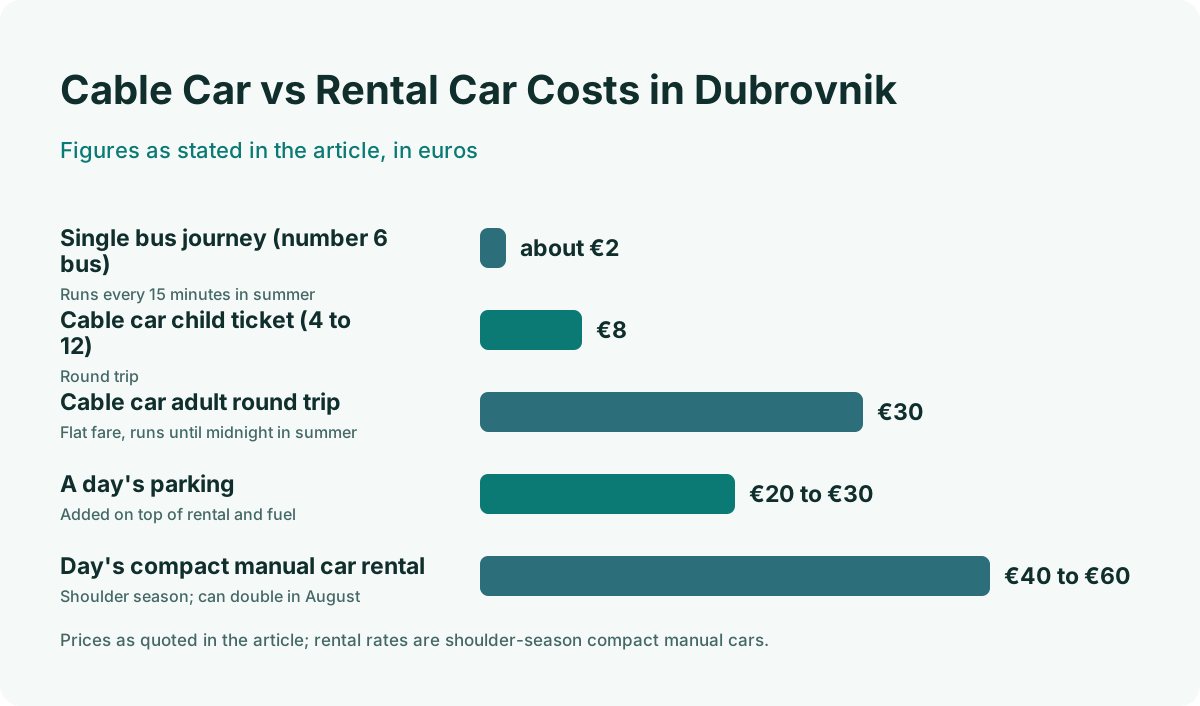
The official cable car runs from April to the end of the year, with a round-trip adult ticket costing €30 and a child ticket (4 to 12) at €8. Compare that to a day's rental, which typically starts at €40 to €60 for a compact manual car in shoulder season and can double in August, plus fuel, plus €20 to €30 in parking, and the cable car is the clear winner for sightseeing.
Is a Dubrovnik Cable Car Worth It?
Yes, the Dubrovnik cable car is worth every cent. It covers a 367-metre rise in three and a half minutes, delivers a view stretching up to 60 kilometres, and costs a flat €30 round trip. Compared to a rental car with parking and fuel, the cable car is a far cheaper way to get the city's best aerial view, and it runs until midnight in summer, so you can time your visit for sunset.
The cable car was built in 1969 and has been modernised since, with two cabins that each carry 32 passengers plus the operator. The lower terminal sits at 38.0 metres above sea level, and the upper terminal on Mount Srđ is at 405.0 metres, a 367.0-metre vertical rise. The 778.2-metre track is suspended up to 40 metres above the ground at its highest point, and the ride is smooth and fast. For visitors who want a guided experience, the cable car and Old Town walking tour handles the ticket logistics and adds a local guide's commentary on the city's history.
| Ticket Type | Price |
|---|---|
| Adult round trip | €30 |
| Adult one way | €17 |
| Child 4 to 12 round trip | €8 |
| Child 4 to 12 one way | €5 |
| Child under 4 | Free |
The cable car is closed from January to March, and the operating hours stretch from 09:00 in spring to midnight in July and August. In September the last ride down is at 23:00 or 23:30, so you can still catch a sunset without rushing. The Panorama Restaurant at the top is a popular evening spot, and a round-trip ticket does not include a reservation; you can eat there and then ride down. The view on a clear day takes in the entire Old Town, the Elaphiti Islands, and the Pelješac peninsula, and the operator states a range of up to 60 km, about 37 miles.
Where Can I Rent a Car in Dubrovnik?
You can rent a car at Dubrovnik Airport, at several city-centre rental desks, and through online brokers that deliver to your hotel. The airport has the widest selection of vehicles and the longest opening hours, but you pay a premium for the convenience. City-centre offices in Gruž and Lapad often have lower rates, though their inventory is smaller and you will need to catch a taxi or bus to reach them.
The main international rental companies, Sixt, Hertz, Europcar and Enterprise, all have desks inside the arrivals hall at Dubrovnik Airport. The airport is about 22 km south of the Old Town, and the drive into the city takes around 30 minutes on the coastal road. If you plan to pick up a car only for a day trip, booking a city-centre office and using public transport for the rest of your stay is usually the smarter move. You avoid paying for the car on days it sits in a car park, and you skip the airport surcharge that most rental desks add.
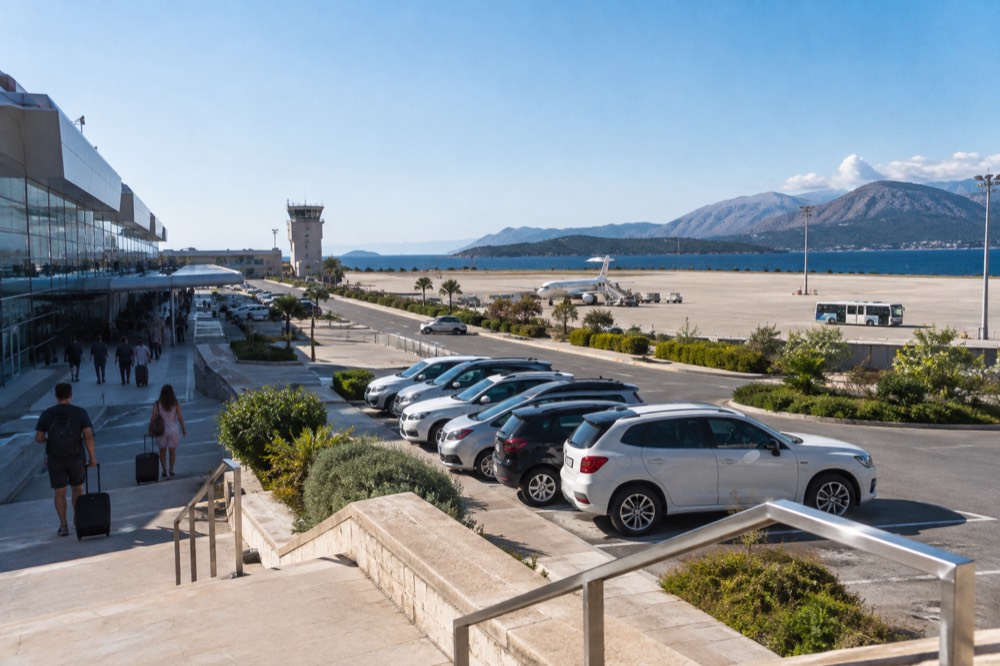
Rates on the ground vary wildly by season. In August a compact manual car can cost double what it does in May, and automatic transmissions are scarce and pricey. The Dubrovnik Pass does not cover car rental, but it does include a 24-hour bus ticket and ten cultural sights, which is a strong argument for leaving the car parked. When you do rent, book the smallest car you can fit into. The streets in the Old Town's vicinity are narrow, and a compact hatchback is far easier to manoeuvre and park than a saloon or an SUV. Insist on full insurance with a zero excess, because the narrow coastal roads and tight parking garages make minor scrapes a real possibility, and the excess on a standard policy can run to several hundred euro.
| Rental Location | Typical Features | Best For |
|---|---|---|
| Dubrovnik Airport | Widest car selection, long opening hours, higher daily rates and airport surcharge | Arriving by plane and starting a road trip immediately |
| Gruž Port / Main Bus Station | Several desks, shorter hours, smaller fleet, lower rates | Picking up a car for a single day trip or a Pelješac run |
| Lapad and Babin Kuk hotels | Delivery and collection available, limited models, hotel convenience | Guests who want a car for a day without trekking to the airport |
Before you commit to a rental, consider whether a convertible bus panorama tour could do the same job for a fraction of the price. The open-top bus loops through the city's best viewpoints, and the audio guide tells you what you are looking at without you having to deal with traffic or parking.
Do I Need to Buy Dubrovnik Cable Car Tickets in Advance?
You do not need to buy cable car tickets in advance for a standard ride, but booking a guided tour that includes the cable car is smart in high season. The ticket office sells walk-up tickets all day, and the queue moves quickly. For a sunset slot in July or August, arriving 30 minutes early helps, and a pre-booked tour guarantees your ride and often includes a skip-the-line component.
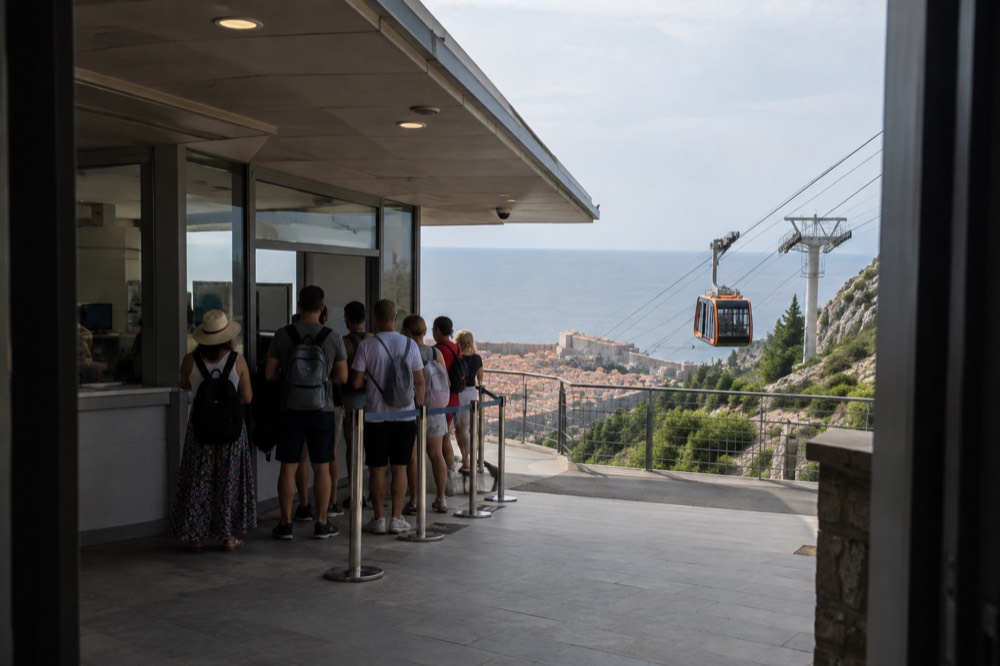
The cable car's timetable is published on the operator's official site, and it runs until late in the evening during the main season. The last ascent is usually 30 minutes before the stated closing time, so if you want to ride up at 23:00, you need to be at the station by 22:30. The Panorama Restaurant at the top is a popular evening spot, and many visitors book a table for dinner and then ride down after their meal. The cable car is closed from January to March, so if you are visiting in winter, you will need to drive or take a taxi up to Mount Srđ, which is one of the few winter scenarios where a rental car or a taxi actually makes sense.

If you want a deeper experience, the cable car and Old Town walking tour combines the ride with a guided walk through the city's history. The tour operator handles the ticket, so you skip the queue and get straight onto the cabin. The same combo is available as a full-day experience that adds the city walls, though that package is better suited to travellers who want a complete overview in one day. For visitors staying in Lapad or Babin Kuk, the number 6 bus drops you within a five-minute walk of the cable car station, and the ride costs about €2 each way.
When Should You Rent a Car in Dubrovnik?
Rent a car only when you have a full day planned outside the city and the destination is not easily reached by a public bus or an organised tour. The Pelješac peninsula, the Konavle wine region, and the Bay of Kotor are the three scenarios where a rental car genuinely earns its keep. For everything else, a bus, a ferry, or a small-group day trip is cheaper, easier, and often more enjoyable.
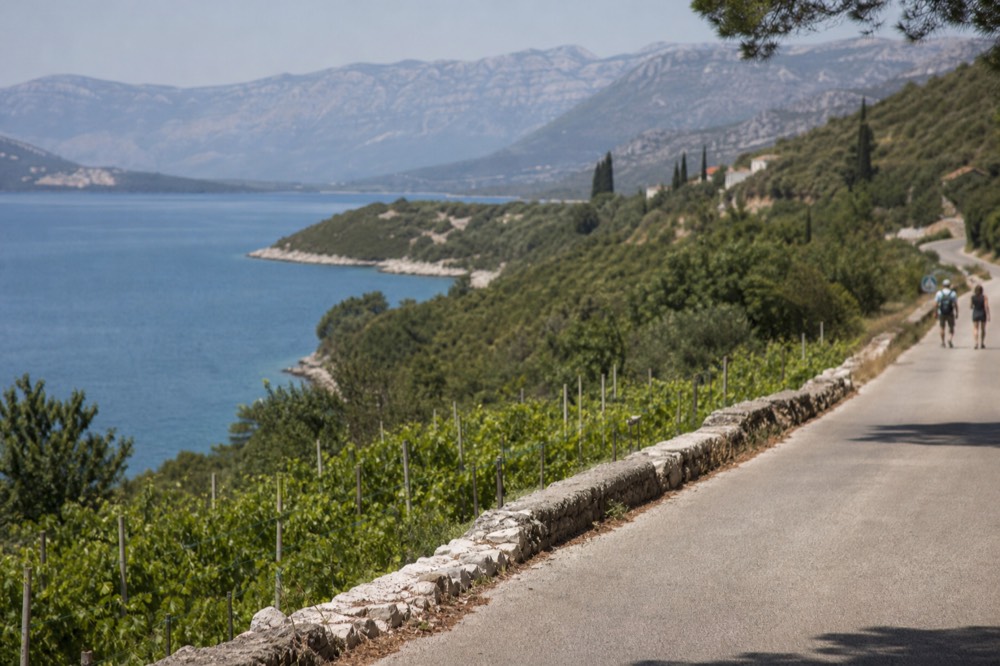
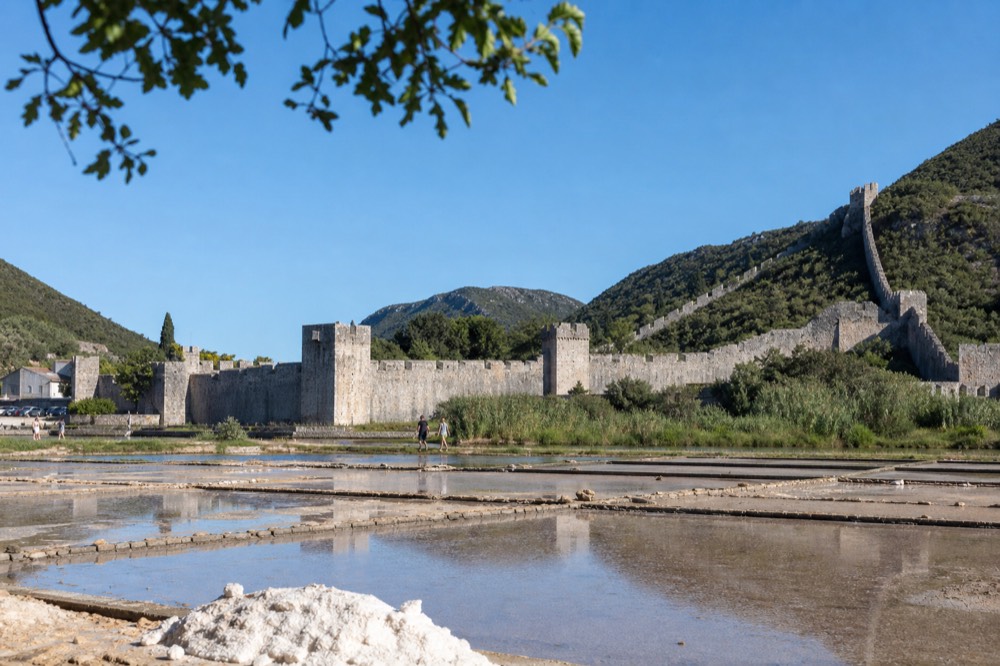
The Pelješac peninsula is the classic Dubrovnik road trip. The drive to Ston takes about an hour, and from there the coastal road winds past oyster farms and family wineries. Public buses run to Ston but not to the wineries further up the peninsula, so a car is the only way to visit a couple of cellars and a beach in the same day. The Ston walls themselves, sometimes called the longest defensive wall system in Europe, are a worthy stop, and the salt pans have been in continuous operation for centuries. Pick up a dozen fresh oysters in Mali Ston for a fraction of what they cost in a Dubrovnik restaurant, then drive up to the Dingač vineyards for a tasting of one of Croatia's most celebrated red wines.
The same goes for the Konavle valley south of the airport, where the vineyards and the Sokol Grad fortress are a 40-minute drive but nearly impossible to string together without your own wheels. The valley is a protected landscape of cypress-lined roads and stone farmhouses, and several family-run wineries offer tastings without the need for a booking. The Ljuta River, which runs through the valley, powers a series of old watermills, and a couple of them have been converted into rustic restaurants serving peka, the slow-cooked meat and vegetable dish that is a Dubrovnik speciality.
For the Bay of Kotor, a car lets you cross the border at your own pace and stop at Perast and the old town of Kotor. However, the border crossing can take 30 minutes or more in summer, and a guided day trip from Dubrovnik handles the paperwork and the timing for you. The Montenegro day trip runs regularly and costs about the same as a day's rental plus fuel, and you get a local guide who knows where to park. The drive itself is spectacular, hugging the coast with views of the bay, but the road is narrow in places and the border queue in August can be unpredictable.
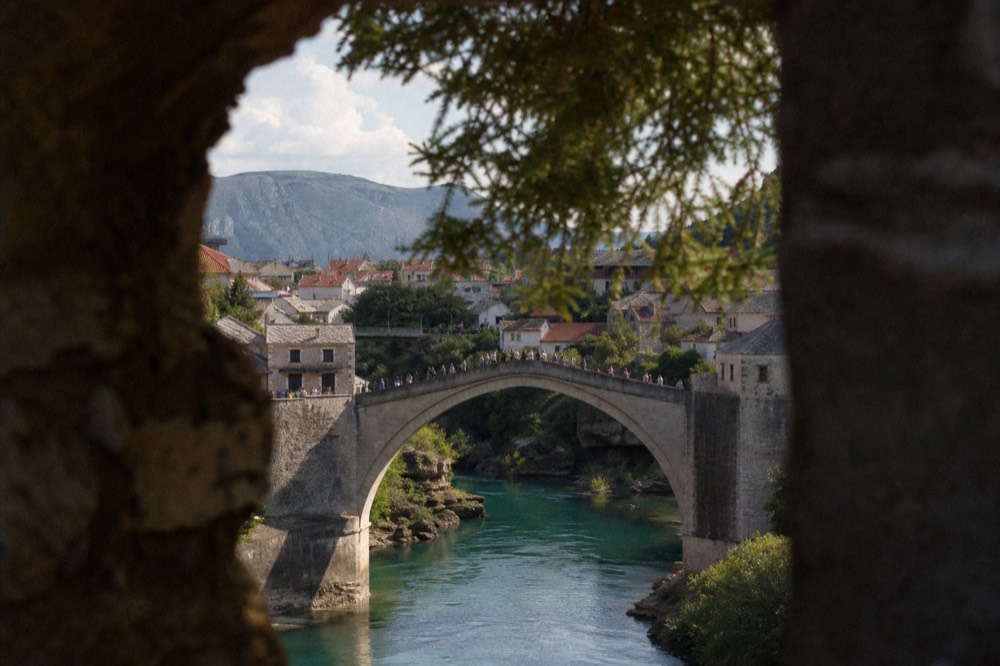
Mostar is another popular day trip, but the drive is over two hours each way and the roads are winding. A small-group tour from Dubrovnik lets you sleep on the way back, and the guide handles the border crossing into Bosnia and Herzegovina. The Mostar and Kravica Waterfalls day trip is a well-reviewed option that includes the waterfall stop and leaves the driving to someone else. The tour also covers the paperwork for the border, which requires your passport and, for some nationalities, a visa check. The drive to Mostar is beautiful but tiring, and a rental car does not get you there any faster than a tour minibus.
If you do decide to rent a car, book it for a single day and pick it up from a city-centre office rather than the airport. That way you avoid paying for the car on days it sits in a car park. And remember that parking in Dubrovnik is a whole separate challenge: the parking guide covers the public garages and the few free spots. The Ilijina Glavica garage is the closest to the Old Town, but it is a steep 10-minute walk up from Pile Gate, and the hourly rate adds up fast. A better strategy for most visitors is to park at the hotel or apartment and use the bus for everything inside the city.
| Day Trip Destination | Why a Car Helps | Tour Alternative |
|---|---|---|
| Pelješac peninsula (Ston, wineries) | Wineries are spread out, no direct bus to most cellars | No direct tour covers multiple wineries; a car is best here |
| Konavle valley (vineyards, Sokol Grad) | Scattered stops, limited public transport, a 40-minute drive from the city | Wine tasting tours from Dubrovnik available |
| Bay of Kotor (Perast, Kotor) | Flexibility to stop at viewpoints, but border queues can be long | Guided Montenegro day trip handles border and parking |
| Mostar and Kravica Waterfalls | Long drive, multiple border crossings, over two hours each way | Small-group day trip includes transport and guide |
One more car-free tip: if you are staying in the Old Town or just outside the walls, the walking-tour options are excellent and cover a lot of ground. The Dubrovnik walking tours guide covers the best Old Town walks, the Game of Thrones tours, and the city walls combo tours. A good walking tour in the morning, a cable car ride in the afternoon, and a sunset drink at a Buža Bar is a perfect car-free day that costs less than a rental and involves zero parking stress.
Common Questions About Renting a Car in Dubrovnik
Do I need a car in Dubrovnik?
For a standard holiday, no. The Old Town is pedestrian-only, the cable car covers the best viewpoint, and public buses reach every suburb. Only day trips to Pelješac or Kotor make a car worth the rental cost and parking hassle.
Is parking in Dubrovnik easy?
No. Public car parks fill up by mid-morning in high season, and street parking is heavily restricted. The main garages are at Ilijina Glavica and the Old Town port, but both are a 10- to 15-minute walk from Pile Gate and charge roughly €4 to €5 per hour.
Can I rent a car at Dubrovnik Airport?
Yes, all the major international rental companies have desks in the arrivals hall. The airport is the best place for a wide selection of vehicles, but daily rates are higher than at city-centre offices and an airport surcharge often applies.
What is the best alternative to renting a car for sightseeing?
The convertible bus panorama tour is a popular car-free option. It loops through the city's best viewpoints with an audio guide, and a round trip costs far less than a day's rental, fuel, and parking.
Is the Dubrovnik Cable Car worth it?
Absolutely. The cable car covers a 367-metre rise in three and a half minutes, offers a view of up to 60 km on a clear day, and costs €30 round trip. It is the simplest way to get the city's best aerial view without a car.
Do I need to buy cable car tickets in advance?
No, walk-up tickets are available all day, but a guided tour that includes the cable car can save you a queue in peak summer. The cable car runs until midnight in July and August, so you can time your visit for sunset.