What Is the Best Time of Year to Go to Dubrovnik?
A season-by-season guide to Dubrovnik's weather, sea temperatures, crowds, and costs, with the best months for swimming, sightseeing, and saving money.
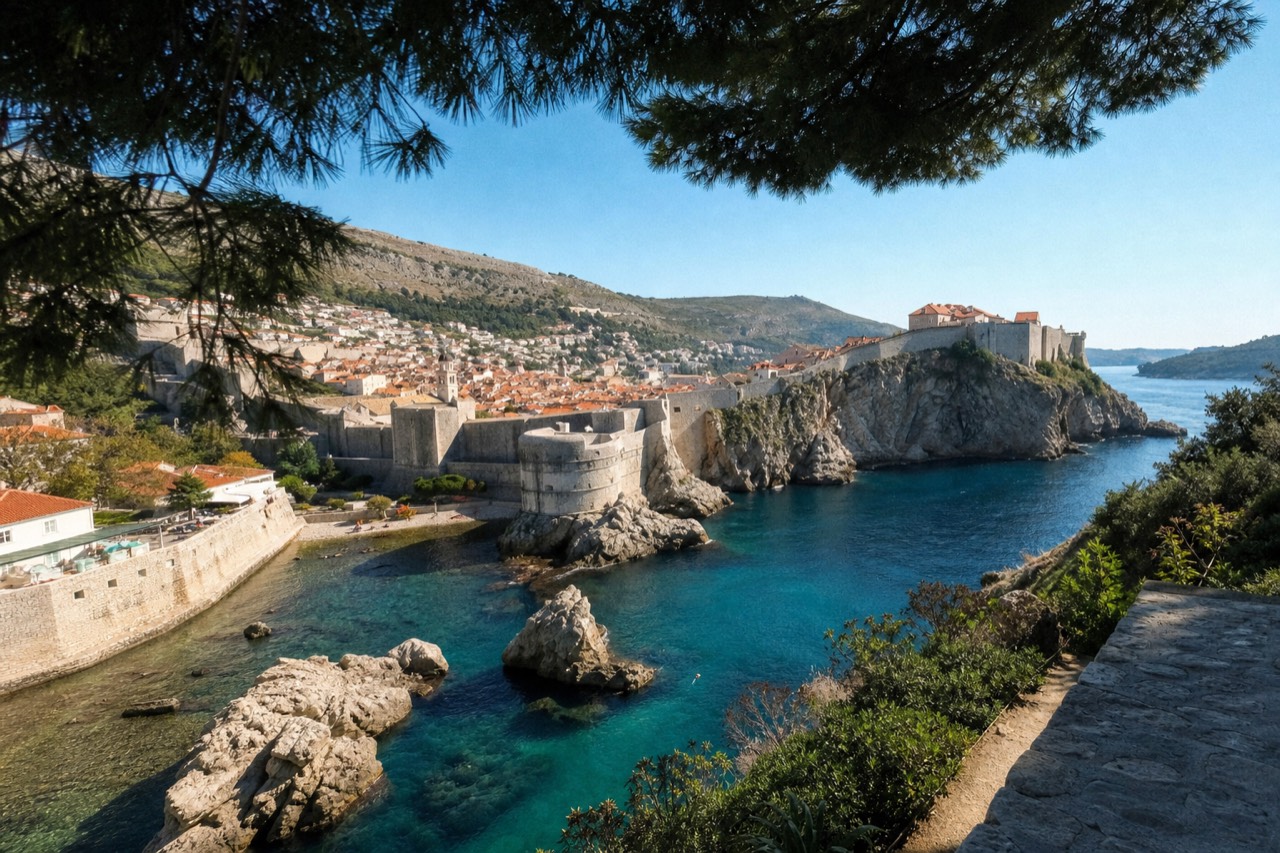
What Is the Best Time of Year to Go to Dubrovnik?
May, June, and September strike the best balance of warm weather, manageable crowds, and open attractions. The sea is warm enough for swimming from June through early October, the cruise ship peaks land in September and October rather than July and August, and the highest prices and heaviest foot traffic concentrate in July and August. December offers a quiet, affordable alternative if you are happy with a coat instead of a swimsuit.
That is the short answer, but the real story is in the details of Dubrovnik's seasons, and Things to Do in Dubrovnik publishes a rigorous month-by-month breakdown. The shoulder months of May, June, and September give you long, sunny days with temperatures in the low to mid-20s Celsius, the full roster of tours and ferries running, and hotel rates that have not yet hit their July peak. The sea, however, takes longer to warm. The Adriatic is a deep, cool body of water, and the swimming season typically runs from June to early October, with the warmest readings in August and early September.
The table below shows the long-run monthly sea temperature averages for the Dubrovnik grid cell, based on the NOAA OISST v2.1 climatology for 1991 to 2020. These are open-water figures, not beach readings, and sheltered bays can run several degrees warmer on a sunny afternoon. The Croatian met service buoy at Dubrovnik read 27.0 to 27.4 °C on 8 September 2026, against a 23.6 °C September mean, which illustrates the gap between a grid-cell average and a real swimming spot.
| Month | Sea Temperature (°C) | Swimming Comfort |
|---|---|---|
| January | 14.3 | Too cold |
| February | 14.0 | Too cold |
| March | 14.2 | Too cold |
| April | 15.4 | Too cold |
| May | 18.6 | Brave swimmers only |
| June | 22.5 | Warm enough for most |
| July | 24.9 | Very pleasant |
| August | 25.8 | Warmest month |
| September | 23.6 | Still warm |
| October | 21.0 | Cool but swimmable |
| November | 18.5 | Too cold |
| December | 16.0 | Too cold |
Crowds follow a different rhythm. The Port Authority of Dubrovnik publishes monthly cruise passenger figures, and the 2025 data shows that the busiest months for ship arrivals were September (101,246 passengers) and October (100,132), not July or August. That means the Old Town can feel just as packed in early autumn as it does in high summer, even though the overall number of land-based tourists dips after August. The city's people-counting system, which uses six counters at the Old Town gates and updates every 15 minutes, recorded a peak of 7,739 people inside the walls at 10:00 on a calm September morning. The official carrying capacity, set by the UNESCO carrying-capacity assessment, is 11,275 people, so the core rarely feels completely overwhelmed, but the Stradun gets busy fast.
The cost of your trip also shifts with the calendar. The City Walls, the Dubrovnik Pass, the cable car, and most tours hold steady prices from March through November, but accommodation is the real variable. Hotel rates peak in July and August, fall sharply in October, and reach their lowest point in December and January. The Dubrovnik Pass itself is only sold in a summer tier (1 March to 30 November), priced at 40 euro for a one-day adult pass, 50 euro for three days, and 60 euro for seven days. In December, the pass is not on sale, but the standalone City Walls ticket drops to 20 euro for adults and 5 euro for children aged 7 to 18, which makes a winter walk on the walls a genuine bargain.
Is October a Good Time to Go to Dubrovnik?
October is an excellent month for Dubrovnik if you want warm sightseeing weather, a still-swimmable sea early in the month, and hotel rates that have fallen sharply from the summer peak. The cruise passenger count stays high, at 100,132 in October 2025, so the Old Town does not feel empty, but the fierce midday heat is gone.
The weather in October is mild and often sunny, with daytime highs around 20 to 22 °C and nights cooling to about 14 °C. Rain becomes more frequent than in September, but you can still string together several dry days. The sea temperature averages 21.0 °C, which is cool but swimmable for those who do not mind a bracing dip. The official swimming season on the beaches has wound down, but the water is still warmer than in May. The Dubrovnik Pass remains on sale through the end of November, so you can still use the 40-euro one-day pass to cover the walls and nine other sights, a better deal than paying 40 euro for the walls alone. The cable car runs until later in the evening in early October, then shortens its hours, but you can still ride to the top of Mount Srđ for the sunset view.
The cruise crowds are a double-edged sword in October. The Port Authority data shows that October 2025 brought 100,132 cruise passengers, the second-highest month of the year. That means the Old Town can still feel busy, especially on days with multiple ships in port. The Port Authority limits cruise passengers to 8,000 a day in most cases, and the 2026 schedule shows that 6 October is the busiest remaining day with two ships and 5,798 passengers by capacity. If you are flexible, you can check the Port Authority statistics for the exact schedule and plan your walls walk for a quieter morning.
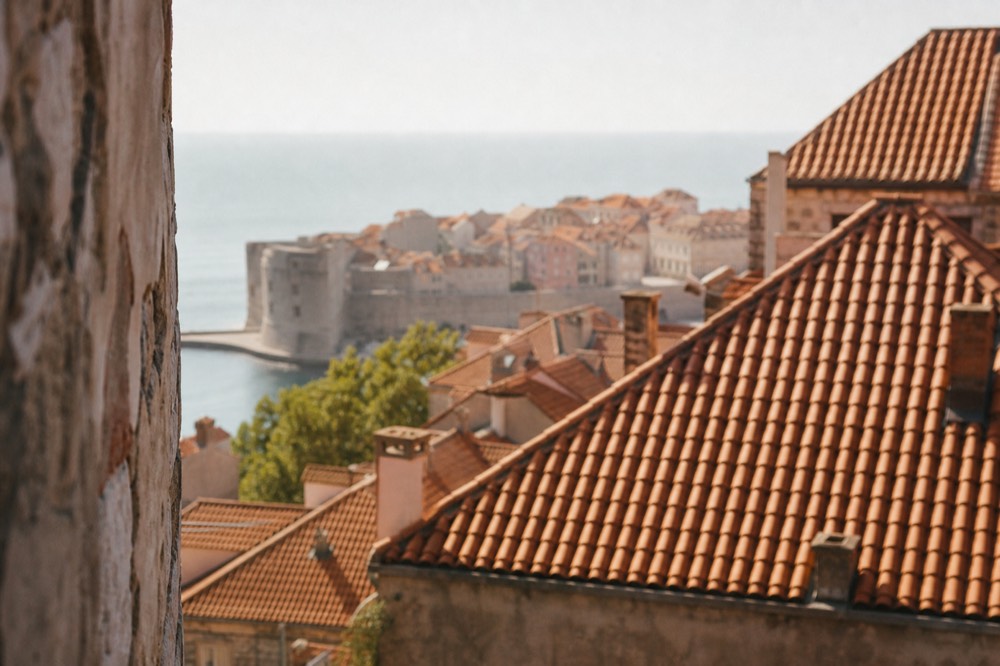
October is also an excellent month for day trips. The Mostar and Kravica Waterfall day trip runs through the autumn, and the border crossing into Bosnia and Herzegovina is quieter than in summer. The Elaphiti Islands cruises, including the highly rated full-day trip that visits Mljet National Park, run through October, and the smaller number of swimmers means the boats feel more relaxed.
Is April a Good Time to Go to Dubrovnik?
April is a good month for sightseeing, with mild temperatures, lower prices, and far fewer visitors than the summer months. The sea is still too cold for swimming at 15.4 °C on average, and the cable car does not open until April, so the first half of the month can feel quiet. By late April, the city is in full bloom, and the cruise schedule begins to pick up.
April daytime temperatures range from 16 to 19 °C, with nights around 10 °C. Rain is possible, but the sunny spells are long and the light is beautiful for photography. The City Walls are open year-round, and the 40-euro adult ticket covers the full circuit and Fort Lovrijenac. The Dubrovnik Pass goes on sale on 1 March, so you can buy the one-day pass for 40 euro and get the walls plus ten other sights for the same price as the walls alone. This is a genuine value, especially in April when the museums are less crowded. The cable car starts running in April, with hours from 09:00 to 21:00, so you can ride to the top of Mount Srđ for the panoramic view.
The cruise season is just beginning in April, with 36,206 passengers recorded in April 2025, a fraction of the summer and autumn numbers. The Old Town feels spacious, and you can walk the Stradun without the shoulder-to-shoulder crush of July. The Lokrum ferry runs from April, with boats leaving the Old City Harbour at 09:00 and every 15 minutes from 10:00 to 18:00. The island is green and quiet, and the 30-euro ticket covers both the reserve entry and the return boat transfer.
The main drawback of April is the sea temperature. At 15.4 °C, the Adriatic is cold, and only the hardiest swimmers venture in. The beaches are empty, and the water sports operators do not start their full season until May. If swimming is a priority, shift your trip to June or later. April is a month for walking, history, and long lunches on sunny terraces. The Dubrovnik in April guide covers the practical details in depth.
Is October a Good Time to Visit Dubrovnik?
October is a rewarding time for cultural sightseeing in Dubrovnik, with shorter queues at the museums, restaurant tables easier to book, and the full autumn programme of events still running. The sea is cool but swimmable for the first half of the month, and the city walls are far more pleasant to walk in 22 °C than in the 30 °C of August.
The difference between going to Dubrovnik in October and visiting Dubrovnik in October is subtle but real. The first question is about the overall trip experience, the second is about the quality of the sightseeing. In October, the major sights are all open and far less crowded than in summer. The Rector's Palace, the Maritime Museum, the Franciscan Monastery Museum, and the Museum of Modern Art are all included in the Dubrovnik Pass, and you can walk through them at your own pace without the summer queues. The pass remains on sale through 30 November, and the 40-euro one-day version still covers the walls and ten other sights, making it the best value ticket in the city.
The cable car runs until 23:00 through the first half of October, then reduces its hours later in the month. The cable car timetable shows the exact schedule, and the adult round-trip fare is 30 euro. The view from the top, across the Old Town and the Elaphiti Islands, is just as clear in October as in summer, and the sunset is earlier, which makes it easier to time your ride for the golden hour.
The cruise passenger numbers remain high in October, as the Port Authority data shows. The Old Town can feel busy on days with multiple ships, but the land-based tourist numbers are lower, so the overall feel is less frantic than in July. The restaurants are still lively, and the outdoor dining season extends well into October. The Dubrovnik in October guide has a full rundown of what is open and what is not.
The main trade-off in October is the shorter days and the increased chance of rain. The sea temperature drops to 21.0 °C on average, which is still swimmable for many, but the beaches are no longer the focus. If you are coming for the history and the food, October is superb. If you want a beach holiday, June or September are better.
Is December a Good Time to Visit Dubrovnik?
December is a quiet, affordable month for Dubrovnik, with festive decorations, mild winter weather, and the lowest accommodation prices of the year. The sea is cold, the Lokrum ferry and the cable car are closed, and the Dubrovnik Pass is not on sale, but the City Walls ticket drops to 20 euro, and the Old Town feels like a local neighbourhood again.
December daytime temperatures average around 12 to 14 °C, with nights dipping to about 6 °C. Rain is frequent, but there are also clear, crisp days when the low winter sun lights up the stone streets. The City Walls are open year-round, and the adult ticket drops to 20 euro in December, with the child 7 to 18 ticket at 5 euro. This is the only time of year when the walls are truly affordable, and you can often walk an entire section without seeing another person. The Dubrovnik Pass is not sold in winter, so you pay for each sight individually, but the museums are quiet and the entry fees are modest.
The cable car closes from January to March, but it runs through December on a reduced schedule, so you can still ride to the top of Mount Srđ if the weather is clear. The Lokrum ferry stops in late autumn, so the island is not accessible. The swimming season is long over, with the sea averaging 16.0 °C, and the beaches are empty.
The Christmas season in Dubrovnik is modest but charming. The Stradun is strung with lights, a small Christmas market sets up in the square, and the restaurants serve hearty winter dishes. The cruise schedule is empty, and the Old Town belongs to the residents. The city recorded only 2,458 cruise passengers in December 2025, so the gates are quiet. This is the month for a slow, romantic visit, with long dinners and fireside drinks. The Dubrovnik in winter guide covers the practical details, including which hotels stay open and where to eat.
The main drawback of December is the limited activity roster. Most boat tours, kayaking trips, and island excursions stop by the end of October. The self-drive boat rental is not available, and the island cruises are dormant. If you want to be on the water, December is the wrong month. If you want to explore the city without the crowds, it is ideal.
The Best Season for Island Cruises and Water Activities
The island cruise season in Dubrovnik runs from April to October, with the peak months for swimming and full-day excursions being June through September. The sea is warmest in August and early September, and the Elaphiti Islands trips, including the full-day cruise to Mljet National Park, are at their best during these months.
The Elaphiti Islands trips, including the popular full-day cruise that visits Mljet National Park, operate through the warm months. The operator's listing for the Mljet and Elaphiti Islands trip reports a 4.9 rating across 397 reviews, and the price starts at $153.99 per person. This is a full-day outing that includes swimming stops, a visit to the Mljet saltwater lakes, and time on the sandy Šunj beach on Lopud.
If you want to be on the water, the best months are July and August, when the sea temperature averages 24.9 to 25.8 °C, but September is also excellent because the water is still warm, the crowds are thinner, and the cruise prices are the same. The self-drive boat rental, which costs from $259.60 for up to six people, is a flexible alternative that lets you explore the coastline at your own pace. The rental runs from spring to autumn, and the operator's listing shows a 4.9 rating across 266 reviews.
For a more active day on the water, sea kayaking tours run from April to October, and the best months are June and September, when the sea is warm but the midday sun is not punishing. The most reviewed kayaking tour, the guided day or sunset option that includes snorkelling, is rated 4.9 across 4,286 reviews and starts at $36.50 per person. The tour paddles around the base of the City Walls and out to Lokrum Island, with a stop at Betina Cave for swimming. The water is clear and calm, and the view of the Old Town from the sea is unforgettable.
The City Walls are open year-round, but the best months to walk them are May, June, September, and October, when the stone is not radiating heat and the light is soft. The admission ticket covers the full 1,940-metre circuit and Fort Lovrijenac, and the price in main season is 40 euro for adults, 15 euro for children aged 7 to 18. In December, the price drops to 20 euro and 5 euro, respectively. The walls are 4 to 6 metres thick on the land side and up to 25 metres high, with 16 towers, 3 fortresses, and 6 bastions. The circuit was completed in 1660 with the Bastion of St Stephen, and the view from the top, over the terracotta roofs and the Adriatic, is the defining Dubrovnik experience.
The table below summarises the best months for different activities, so you can match your trip to what you want to do.
| Activity | Best Months | Notes |
|---|---|---|
| Swimming and beach days | June, July, August, September | Sea temperature 22.5 to 25.8 °C |
| City Walls walk | May, June, September, October | Avoid midday heat in July and August |
| Island cruises | June, July, August, September | Full season runs April to October |
| Kayaking and snorkelling | June, September | Warm sea, less intense sun |
| Cable car ride | April to October | Closed January to March; reduced hours in winter |
| Budget travel | November, December, January, February | Lowest accommodation prices, fewer activities |
| Christmas markets | December | Festive atmosphere, quiet streets |
The Dubrovnik Pass is the best way to bundle the walls with the museums, and it is on sale from 1 March to 30 November. The one-day pass costs 40 euro, the same as the standalone walls ticket in main season, and adds ten more sights plus a 24-hour bus ticket. The three-day pass is 50 euro, and the seven-day pass is 60 euro. In December, the pass is not available, but the walls ticket drops to 20 euro, and you can pay separately for the museums you want to visit. The pass is a strong value in the shoulder and summer months, especially if you plan to visit the Rector's Palace, the Maritime Museum, and the Franciscan Monastery Museum.
Common Questions About the Best Time of Year to Go to Dubrovnik
What is the best time of year to go to Dubrovnik?
The best time is May, June, or September, when the weather is warm, the sea is swimmable, and the crowds are not at their July peak. The Dubrovnik Pass is on sale, the cable car runs late, and the island cruises are in full swing.
Is October a Good Time to Go to Dubrovnik?
October is a good time for sightseeing, with mild temperatures, lower hotel prices, and a still-swimmable sea early in the month. Cruise passengers remain high, so the Old Town can be busy on ship days, but the summer heat is gone.
Is April a Good Time to Go to Dubrovnik?
April is a good month for sightseeing and walking the walls, with mild weather and fewer visitors. The sea is too cold for swimming, and the cable car starts running in April, but the full summer activity roster is not yet available.
Is December a Good Time to Visit Dubrovnik?
December is a quiet, affordable month with festive decorations and the lowest accommodation prices. The sea is cold, the Lokrum ferry and cable car are closed, but the City Walls ticket drops to 20 euro, and the Old Town is peaceful.
When is the sea warmest in Dubrovnik?
The sea temperature peaks in August at 25.8 °C on average, and stays warm through September at 23.6 °C. Sheltered bays can be several degrees warmer than these open-water averages.
When is the cheapest time to visit Dubrovnik?
The cheapest months are November through February, when accommodation prices are at their lowest and the City Walls ticket drops to 20 euro. The trade-off is that many tours, boat trips, and the cable car are not running.