What Is Dubrovnik Best Known For?
Dubrovnik is best known for its walled Old Town, the Stradun, Game of Thrones filming locations and the Adriatic at its door. Here is what the city is famous for, including its food, drink, dessert and wine.
What Is Dubrovnik Best Known For?
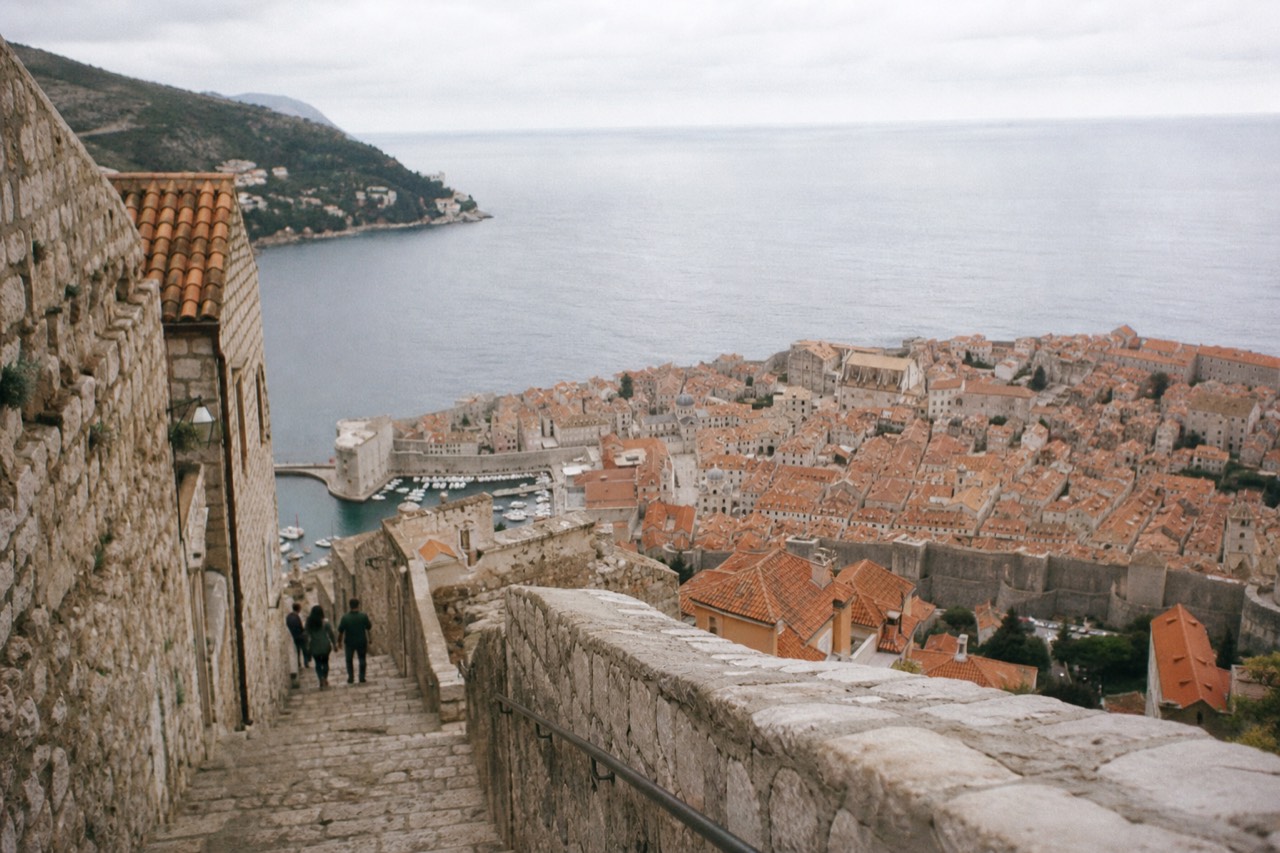
Dubrovnik is best known for its walled Old Town, a UNESCO World Heritage Site since 1979, where a 1,940-metre circuit of medieval walls wraps 24.7 hectares of stone streets, Baroque churches and terracotta roofs. Beyond the walls, the city is famous for the Stradun, its Game of Thrones role as King's Landing, Fort Lovrijenac on its 37-metre sea rock, and the Adriatic swimming just outside the gates.
I have walked these streets with travellers since 2015, and the pattern never changes. People arrive for the postcard view from the walls, the one where the red roofs meet the blue sea in a single frame, and they leave talking about something else entirely: a konoba dinner, a glass of plavac mali, a swim off Lokrum. The walls get the fame, but the city earns the affection.
The numbers behind that fame are worth knowing. The Old Town was inscribed by UNESCO in 1979 under criteria (i), (iii) and (iv), reference C 95bis, and it sat on the List of World Heritage in Danger from 1991 to 1998 during the siege years. The walls themselves reached their basic shape in the 13th century and were finished in 1660 with the Bastion of St Stephen. Today the city of Dubrovnik counts 41,562 residents at the 2021 census, and the destination recorded about 4.2 million overnight stays in 2025, sharing first place among Croatian destinations with Rovinj. You can read the UNESCO inscription details at the World Heritage Centre's listing for the Old City of Dubrovnik.
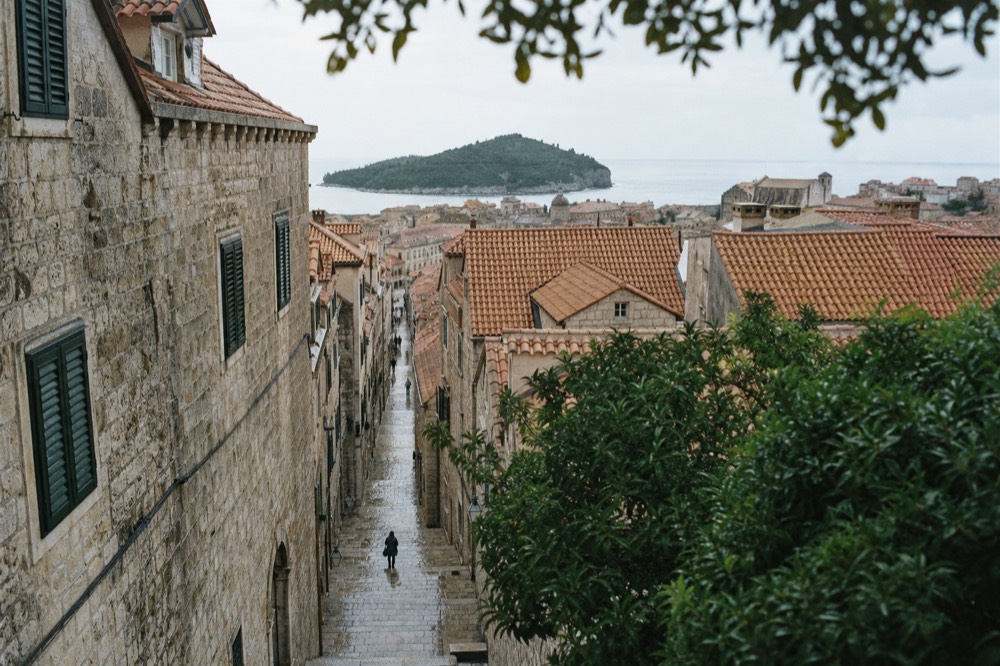
The second thing people know Dubrovnik for, sometimes before anything else, is Game of Thrones. The show used the Old Town, Lovrijenac and parts of the walls as King's Landing, and that single casting decision reshaped the city's tourism. The Game of Thrones walking tour from Dubrovnik Walks & Sea Kayaking runs from $29 per person and is rated 4.9 across 1,052 reviews, a good signal of just how many visitors want the filming locations pointed out street by street. The bigger Game of Thrones products go further still: the Original Game of Thrones Tour with Lokrum and the throne runs from $25.57 per person and carries 4.8 across 6,132 reviews, making it one of the most reviewed experiences in the entire region.
There is also a quieter fame that predates the television cameras by centuries. The city ran itself as the Republic of Ragusa, a maritime state that traded across the Adriatic and beyond, and the architecture that visitors photograph today, the Rector's Palace, the Sponza Palace, the fortresses, is the residue of that wealth and that independence. A good guide makes that history legible in the stones. If the deeper story appeals, our history of Dubrovnik guide traces the whole arc from republic to siege to renaissance.
If you want the fame explained rather than just photographed, a guided walk is the efficient way in. The Old Town Walk with a Local Guide starts at $20 per person and is rated 4.8 across 5,826 reviews, and the best walks put the walls, the Stradun and the filming locations into one coherent story rather than leaving you to piece it together from plaques.
One review of that walk captures what a good guide adds:
Alex was a fantastic guide, she explained the complex history of Dubrovnik to give a lasting impression of the history of the area. Really appreciated that she aimed for shaded areas on a boiling September day. The food recommendations for after were much appreciated too! Great tour for a first experience of the old town!
Sophie
For a broader overview of the city's famous sights, our guide to Dubrovnik's top attractions covers the full list, and the cluster of options below compares the three most-booked walks in town.
What Food Is Dubrovnik Known For?
Dubrovnik is known for seafood straight off the Adriatic, grilled white fish, black cuttlefish risotto, and the peka tradition of meat or octopus slow-cooked under a bell-shaped lid in embers. Behind the seafood sits a Dalmatian pantry: olive oil, cured ham, cheese from the hills, and simple konoba cooking that has barely changed in generations.
The city's food fame is really two food cultures stacked on top of each other. The first is the sea: the Adriatic supplies the restaurants daily, and the classic dishes are the ones that let the fish speak, grilled with olive oil, lemon and parsley. The second is the hinterland, the Konavle valley and the Pelješac peninsula, which supply the olive oil, the wine, the cured ham and the peka tradition. A peka cooking lesson runs about four hours and starts from $159.83 per person, which tells you it is a meal and an event in one.
Konobas, the family-run tavernas of the Dalmatian coast, are where this food lives. Our guide to konoba dining in Dubrovnik explains what to order and how the good ones differ from the tourist menus on the Stradun, and it is the single best reading before your first dinner in the Old Town. The general rule I give visitors: the further the menu drifts from the day's catch and the closer it sits to the main drag, the more carefully you should read it.
The most food-efficient introduction to the city is a guided walk with tastings. The Dubrovnik Food and Drink Walking Tour with a Local Guide runs about three hours, starts from $165.64 per person and holds a perfect 5 rating across 704 reviews, which is unusually strong for a premium food tour. It moves through the Old Town with a local guide and stops for food and wine along the way.
For the full picture of the city's food fame, from the street snacks to the sit-down classics, read what to eat in Dubrovnik, which breaks the cuisine down dish by dish. If your interest runs to the high end, the city also holds a place on the Croatian fine-dining map, and our Michelin restaurants guide covers it.
What Drink Is Dubrovnik Known For?
Dubrovnik is known for local wine, above all plavac mali, drunk by the glass at konobas and café tables across the Old Town. Alongside it sit the Dalmatian classics: rakija fruit brandy as a welcome shot, rosé and white from coastal vineyards in the summer heat, and the espresso culture that keeps the Stradun's café terraces full from morning to midnight.
The honest answer to "what drink" is wine, and specifically red wine. Plavac mali is the signature grape of the southern Dalmatian coast, and its most famous expression, dingač, comes from steep seaside vineyards on the Pelješac peninsula. If you want the depth, our plavac mali guide covers the grape and the dingač guide covers its most storied appellation, both worth reading before you order a bottle.
Wine tasting as an activity is well established here. Closer to town, the Ston oyster and mussel tours pair shellfish with local wine, and the Oyster, Mussels and Wine Tasting Tour in Ston starts from $157 per person, rated 4.9 across 111 reviews.
The drinking culture of the city is not only about wine. Rakija, the regional fruit brandy, appears as a welcome gesture, a digestif and sometimes an unprompted act of hospitality. And the café terraces matter: Dubrovnik drinks its coffee slowly, in the sun, often for an hour at a time. That habit is as much a part of the city's identity as anything in the glass.
A practical note on ordering. House wine by the litre carafe, called vino iz litre, is still how locals drink in a konoba, and it is usually honest, young plavac mali at a fraction of the bottled price. If you want the region's best, order the bottled dingač or a Pelješac label by name. If you want the experience, order the carafe and see where the evening goes.
What Dessert Is Dubrovnik Known For?
Dubrovnik is known for rožata, a caramel custard pudding that is the city's own named dessert, followed by the wider Dalmatian sweets: fritule and kroštule fried pastries, candied orange peel, dried figs and the almond and honey confections of the Dubrovnik region. Rožata is the one to order if you want a dessert you cannot properly get anywhere else.
Rožata is the local answer to crème caramel, set with eggs and milk and flavoured with rose liqueur, and it appears on the dessert menu of nearly every serious konoba in the city. It is a Dubrovnik name on a Dubrovnik dish, which is rarer than you would think in a tourist town where menus borrow freely from the whole coast. The fried pastries, fritule and kroštule, are more carnival food than restaurant food, but they turn up at festivals and in bakeries, dusted with sugar. More of these guides are collected on Things to Do in Dubrovnik.
The dessert culture here leans on the same pantry as the savoury cooking: almonds, figs, honey, citrus and rosé wine. That is typical of the whole southern coast, where sugar historically arrived by sea and got stretched with what grew in the hills. Our guide to Dubrovnik's famous food puts the desserts in context alongside the mains, and it is the natural next read if the food sections here have caught your interest.
One practical note: the dessert you get at a konoba is usually better than the dessert you get at a café on the Stradun, for the same reason the food is. The konoba makes it in-house that day. And if you have room for one more, the region's candied orange peel and the almond sweets called kontonjata are the ones that locals actually keep in the cupboard at home, the kind of thing you are offered with a small glass of prosecco or rosé rather than a menu.
What Wine Is Dubrovnik Known For?
Dubrovnik is known for plavac mali, the powerful red grape of the southern Dalmatian coast, and for dingač, its flagship appellation from the steep Pelješac vineyards. Whites matter too, led by pošip and the Dubrovnik area's own malvasija, but when a local pours you "the" wine of the region, it is a red from plavac mali.
The story of plavac mali is a story of geography. The best vineyards sit on steep, sun-baked slopes above the sea, where the vines stress themselves into small, thick-skinned berries and the resulting wine runs deep, dry and strong. Dingač, from the Pelješac peninsula's most famous slope, is the name that carries the reputation, and the drive out to those vineyards from Dubrovnik is one of the better food-and-wine day trips on the coast. The Ston and Korcula day trip with wine tasting runs about 11 hours from $81.69 per person, and Korčula is pošip country, the white counterpart to all that red.
The wine to drink with the view is not always the wine to cellar. Plavac mali at its full dingač strength wants food, and the konoba table is where it belongs. For a deeper read on the grape, our plavac mali guide is the place to start, and the Pelješac wine guide covers the region's cellar doors and tasting rooms in detail.
Why Do the Walls and the Sea Define the City?
The walls and the sea define Dubrovnik because the city was built as a maritime republic that needed both: 1,940 metres of fortification to protect a wealthy port, and the Adriatic as its trade route, its defence and now its swimming pool. Every famous view in the city is some arrangement of stone walls against blue water.
The walls are the single most famous paid sight in Croatia, and their numbers explain the experience. The circuit runs 1,940 metres, stands up to 25 metres high, and is 4 to 6 metres thick on the land side and 1.5 to 3 metres on the sea side. It packs in 16 towers, 3 fortresses, 6 bastions, 2 corner fortifications, 3 bulwarks with rows of turrets, 3 moats, 2 flank fortresses, 1 breakwater and 2 drawbridges. The adult ticket is 40 euro in main season, 1 March to 30 November, and 20 euro in December, and it covers Fort Lovrijenac, the Western Outer Wall and the Coin Collection alongside the walls themselves. The operator's stated hours are 08:00 to 19:30.
| What Dubrovnik Is Known For | The Short Version | Where to Experience It |
|---|---|---|
| The city walls | 1,940-metre circuit, up to 25 m high, finished 1660 | Walk the full circuit from Pile or Ploče Gate |
| The Old Town | UNESCO site since 1979, 24.7 hectares inside the walls | Stradun, Rector's Palace, the lanes off Placa |
| Game of Thrones | King's Landing filming locations across the Old Town | Guided GoT walks from about $29 per person |
| The sea | Adriatic swimming, kayaking and island boats | Betina Cave, Lokrum, the Elaphiti islands |
| Food and wine | Seafood, peka, rožata, plavac mali | Konobas in and around the Old Town |
The sea side of the fame deserves its own sentence. The September average sea temperature on this coast is about 23.6 degrees, a long-run average rather than a beach thermometer reading, and sheltered bays run warmer still: the Croatian met service's Dubrovnik buoy read 27.0 to 27.4 degrees on 8 September 2026. That warm, clear water is why the kayaking and island-cruise scene is the second pillar of the city's tourism, and the most reviewed product in the region is the full-day Elaphite islands cruise, rated 4.9 across 10,312 reviews.
The crowd reality is the counterweight to all this fame. Six counters at every Old Town entrance update a headcount every 15 minutes against an official capacity of 11,275, and on a measured September morning the count climbed from 1,200 at 04:00 to 5,419 at 08:00 and a 7,739 peak at 10:00. The Port Authority limits cruise passengers to 8,000 a day in most cases, with 461 cruise calls scheduled for 2026. Timing your visit around those rhythms matters more than any other planning decision, and it is why I keep telling people that September and October, the two busiest cruise months of 2025, are wonderful and crowded at once. The Port Authority's own cruise destination page sets out the caps in full.
There is a final layer to the fame that first-time visitors often miss: the view from above. The cable car climbs from a lower terminal at 38.0 metres above sea level to the Mount Srđ station at 405.0 metres, a 367.0-metre rise over a 778.2-metre track, in three minutes and thirty seconds. From the top, the operator claims a view range of up to 60 km on a clear day, and on a good day you can see the Elaphiti islands, the coast of Montenegro and the whole walled city laid out below you like a map. That single ride is, for many travellers, the moment the city's fame finally makes visual sense.
For the full story of the city's rise, decline and rebirth, our history of Dubrovnik guide is the deep read, and for the practical question of how long to give the city, how many days you need in Dubrovnik answers it day by day.
Before you go, here are the walks that cover the city's fame most efficiently.
Common Questions About What Dubrovnik Is Best Known For
What is Dubrovnik best known for?
Dubrovnik is best known for its walled Old Town, a UNESCO World Heritage Site since 1979, the 1,940-metre city walls, the Stradun, and its role as King's Landing in Game of Thrones. Its food, wine and Adriatic swimming are close behind in the city's fame.
What Food Is Dubrovnik Known For?
Grilled Adriatic seafood, black cuttlefish risotto, and the peka tradition of slow-cooking meat or octopus under a bell-shaped lid. Konoba restaurants in and around the Old Town are the best places to eat all of it.
What Drink Is Dubrovnik Known For?
Wine, above all plavac mali, the red grape of the southern Dalmatian coast, along with rakija fruit brandy and a slow espresso culture on the café terraces of the Stradun.
What Dessert Is Dubrovnik Known For?
Rožata, a caramel custard pudding that is the city's own named dessert, followed by the fried pastries fritule and kroštule, and sweets built on figs, almonds and honey.
What Wine Is Dubrovnik Known For?
Plavac mali, the powerful local red, and dingač, its flagship appellation from the steep Pelješac vineyards. Whites led by pošip and local malvasija round out the region's list.
Is Dubrovnik the Same Place as King's Landing?
No, but it played it. The Old Town, Fort Lovrijenac and parts of the walls stood in for King's Landing across multiple seasons of Game of Thrones, and filming-location walks are now among the city's most booked tours.