Is It Better to Bus or Ferry From Split to Dubrovnik?
Compare the bus and ferry from Split to Dubrovnik: speed, scenery, cost, and the best option for your Croatia itinerary. Plus, what to do when you arrive.
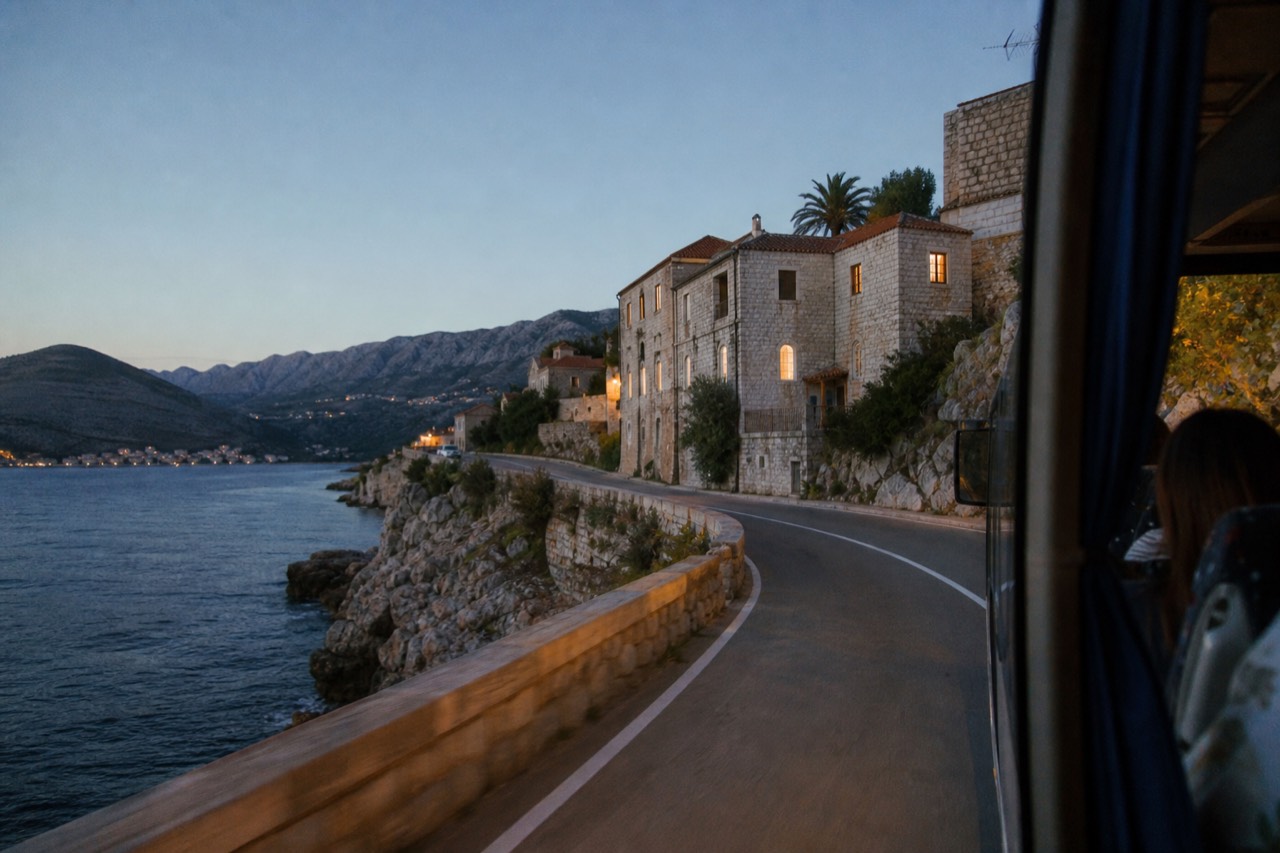
The coastal road from Split to Dubrovnik is one of the most spectacular drives in Europe, pinned between the Dinaric Alps and the Adriatic. But the decision between bus, ferry, and driving yourself is more than a preference for scenery. It affects your arrival time, the luggage you can carry, and whether you spend your first hour in Dubrovnik staring at the sea or the inside of a bus station. The bus is the no-fuss overland workhorse, the ferry is a slow, sun-drenched cruise, and driving your own car adds flexibility at the cost of parking and border politics if you are crossing the Neum corridor. Each option has a different answer depending on whether you are traveling with kids, a suitcase, a tight schedule, or a hangover. The one thing every option shares is that you end up in Things to Do in Dubrovnik's orbit, and that is never a bad place to be.
Is It Better to Bus or Ferry From Split to Dubrovnik?
The bus is the faster, year-round choice that gets you to Dubrovnik’s city walls sooner, while the seasonal ferry turns the journey into a scenic mini-cruise past islands and drops you at the Old Town port. If you’re short on time, take the bus; if you can spare an afternoon for salt air and views, the ferry is the better experience.
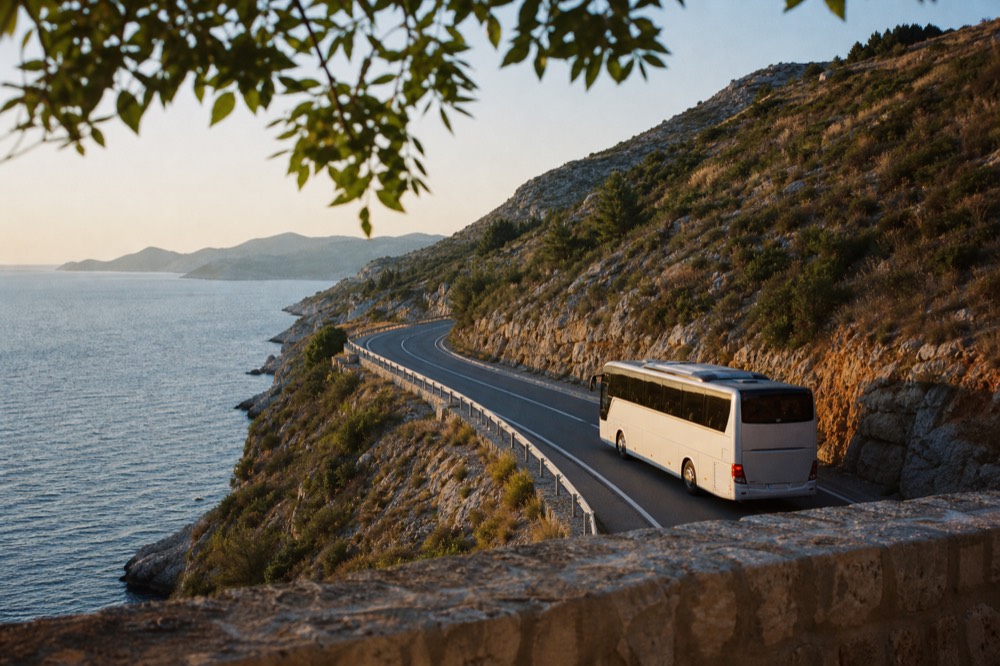
The bus from Split to Dubrovnik departs from the main bus station next to the port and the train station, a short walk from Diocletian's Palace. FlixBus and several local operators run the route, and on a typical summer day you can choose from several departures. The journey stays on the coastal magistrala, the D8, passing through the Makarska Riviera and the narrow Pelješac peninsula before crossing the Pelješac Bridge, which opened in 2022 and cut out the two border checks at Neum. The bridge is a significant upgrade: a bus trip that used to take well over four hours with border waits now runs more predictably, and the view from the bridge is a highlight in itself.
The bus station in Dubrovnik is in Gruž, west of the Old Town. From there, local bus number 1A or 1B takes you to Pile Gate in a short ride, or a taxi will cost roughly the equivalent of a round of drinks. The bus is the cheapest option of the three, and tickets are bookable on the operator's live listing. The trade-off is legroom and a single rest stop at a roadside café, but the air conditioning is reliable and the route is genuinely beautiful. For a deeper dive into the overland options, the Split to Dubrovnik transport guide covers every departure and price tier.
The ferry, operated by Jadrolinija, runs only between late spring and early autumn, typically once a day, and takes considerably longer than the bus. It departs from Split's main ferry port and arrives at the Old Town port in Dubrovnik, not Gruž, which is a huge advantage if your accommodation is inside the walls or in the Ploče area. The vessel itself is a car ferry, not a high-speed catamaran, so you can bring a car, a bicycle, or a mountain of luggage without paying extra. The top deck is open to the elements, and the route threads through the islands, with the mountains of the Pelješac peninsula rising to starboard. It is a journey that feels like a reward, not a chore, and it often sells out in peak weeks, so booking ahead is essential. The Dubrovnik ferries guide has the full schedule, seasonal dates, and tips for booking the right deck.
The table below lays out the key differences side by side, without the numbers that change by season and operator.
| Factor | Bus | Ferry | Driving |
|---|---|---|---|
| Season | Year-round | Summer only | Year-round |
| Departures per day | Multiple | One | Your schedule |
| Arrival point | Gruž bus station | Old Town port | Your hotel or parking lot |
| Luggage | One large case, no extra fee | Unlimited, carry-on and vehicle | As much as the car holds |
| Scenery | Coastal road, bridge, mountains | Islands, open sea, Old Town approach | Same as bus, plus stops |
| Border crossings | None (Pelješac Bridge) | None | None if you use the bridge |
| Best for | Solo travelers, tight schedules | Leisure travelers, families, sea lovers | Road trippers, those with a car |
Once you arrive, whichever way you choose, the city is yours. The Gruž bus station is right next to the ferry port, the main market, and the number 6 bus to Lapad, so you can start your Dubrovnik stay without a taxi if you are staying in the western neighborhoods. The Old Town port, where the ferry docks, puts you a few steps from the Stradun, the main street, and the city walls ticket office. Whichever landing you make, the first thing to do is drop your bags and walk the walls, because the late afternoon light on the limestone is the real welcome.
Is It Better to Drive or Ferry From Split to Dubrovnik?
If you have a rental car and want to explore, the drive is better, turning the transfer into a day trip with stops at the Makarska Riviera and Pelješac vineyards. Without a car, the ferry is the more memorable journey, delivering you directly to Dubrovnik's Old Town without the hassle and expense of parking.
The drive from Split to Dubrovnik follows the coastal D8 most of the way, though the new Pelješac Bridge has shortened the route and removed the only border crossings. The road is well-maintained, mostly two lanes, and busy in summer. You will sit behind a tourist bus at some point, and you will be overtaken by a local in a Golf doing a speed well above the limit. The reward is that you can pull over at the viewpoint above the Makarska Riviera, grab a coffee in a roadside konoba, and detour into the Pelješac peninsula for a wine tasting in Dingač or Postup. The drive is an event, not a chore, and if you are already planning a day trip to Ston and Korčula, having your own car makes it a two-for-one.
The ferry, by contrast, is a single, uninterrupted experience. You board, find a spot on the sun deck, and watch the islands slide past for several hours. There is no traffic, no route-finding, and no parking stress. At the end of it, you step off the boat and into the Old Town, which is the only arrival that feels cinematic. The downside is that you are locked into the ferry's schedule, and if the sea is rough, the crossing can be uncomfortable for anyone prone to seasickness. The ferry is also the only option that lets you bring a car without driving the entire coastal road, which is a niche but useful combination if you are island-hopping and want to reposition your vehicle.
| Feature | Driving | Ferry (with car) | Ferry (foot passenger) |
|---|---|---|---|
| Flexibility | Unlimited stops, detours | None, fixed route | None |
| Parking in Dubrovnik | Expensive, scarce | You still need a spot | No need |
| Best for day trips | Yes, you keep the car | Yes, but you paid extra | No, you need a rental |
| Scenic quality | Landside, coastal, mountain | Sea views, islands, Old Town approach | Same, without the car deck |
| Border concerns | None, bridge route | None | None |
If you do drive, the parking situation in Dubrovnik is the one thing you need to plan before you turn the key. The Old Town is pedestrian-only, and the nearest public parking lots at Ilijina Glavica and the Zagrebačka Street garage fill by mid-morning in high season. Many hotels in Lapad, Babin Kuk, and the Ploče area offer guest parking, so book a property that includes it. If you are staying in the Old Town, park the car and forget it until you leave. For a complete breakdown of where to leave your vehicle, the Dubrovnik parking guide covers every lot, garage, and street-parking zone with current rates.
The convertible bus panorama tour is a clever arrival-day move, particularly if you have taken the bus or the ferry and want to see the lay of the land without walking uphill in the heat. The audio guide narrates the coastline, the Lapad peninsula, and the Old Town approach, and the open-top design means your first photos of Dubrovnik are unobstructed. It runs about 90 minutes and departs from near the bus station and the ferry port, so you can step off one transport and onto another without a gap.
Is the Ferry From Split to Dubrovnik Worth It?
Yes, the ferry is worth it if you're traveling in summer, enjoy a scenic sea journey with island views, and want the unbeatable arrival at Dubrovnik's Old Town port. However, if you're on a tight budget, a strict schedule, or prone to seasickness, the bus is a better choice.
The ferry is not a speedboat, and it is not a luxury cruise. The Jadrolinija vessel is a working car ferry with a cafeteria, a few indoor seats, and a large open deck where most passengers spread out on benches or the deck itself. The crossing takes several hours, and the schedule is subject to weather and seasonal demand. Tickets are sold on the operator's live listing, and in peak summer they sell out, so do not plan to turn up and buy a ticket on the day. The one-way fare is moderate, and the experience is more about the atmosphere than the amenities.
The island views are the main draw. The route passes close enough to the islands that you can make out the stone villages and the cypress trees, and the approach to Dubrovnik from the sea is the same view that the Republic of Ragusa's merchants saw for centuries. The city walls, the fortress of Lovrijenac, and the red rooftops rise from the water in a way that no overland route can match. The ferry docks at the Old Town port, which is the smaller harbor just east of the main Stradun, and you can walk from the gangplank to the city walls ticket office in under two minutes.
The bus, by comparison, is a land-based transfer that gets the job done. It is not a highlight, but it is reliable, frequent, and the coastal road is still dramatic. The Pelješac Bridge is a modern marvel, and the view from the bus window as you cross the channel is a moment of genuine awe. The bus is the right choice for travelers who see the transfer as a cost of getting from A to B, not a part of the vacation. If you are trying to squeeze an extra half-day in Split or you want to be inside the walls by lunchtime, the bus is the answer.
Is It Better to Go to Split or Dubrovnik?
Split and Dubrovnik are different cities in almost every way that matters. Split is a living, working port town built around a Roman palace, with a younger crowd, a more affordable food scene, and a gateway to the islands. Dubrovnik is a walled medieval city that feels like a film set, more expensive, more polished, and more tourist-dense. Both are worth visiting, and the bus or ferry between them is the string that ties the two together.
The question is not an either-or. Most itineraries that include Dubrovnik also include Split, and the bus or ferry is the connection. The two cities are a comfortable half-day transfer apart, a perfect distance for a scenic journey. The debate about which is better is really about which suits your travel style. Split is the city where you can walk out of your apartment into an ancient Roman palace, grab a burek from a bakery, and catch a ferry to Hvar by 10:00. The Riva promenade is the social heart of the city, and the nightlife is concentrated in the palace basements and the beach clubs on the outskirts.
Dubrovnik is a different beast. The Old Town is a complete, walkable, walled city that feels like a stage set, and in the summer months it is packed with cruise passengers and day-trippers. The city walls, the cable car to Mount Srđ, and the Lokrum island ferry are the headline attractions, and the food and drink prices are higher than anywhere else on the Croatian coast. Dubrovnik is a city that demands your full attention, and it rewards you with views that no other Adriatic city can match. The cable car ride and Old Town walking tour is a brilliant way to cover the city's two biggest draws in a single morning, with a guide who can steer you through the crowds and the history.
If you are trying to decide which city to visit first, the answer depends on your flight and your energy level. Split is a gentler landing, with a more relaxed pace and a lower price point. Dubrovnik is the grand finale, the city you want to see when you have your sea legs and your camera is ready. The bus or ferry connects them in a way that makes the journey part of the trip, and the convertible bus panorama tour is a perfect arrival-day activity for Dubrovnik.
Is It Better to Go to Split or Dubrovnik First?
Start in Split to ease into the coast, island-hop, and build anticipation for Dubrovnik's walls and cable car, which feels like the grand finale. The north-to-south route is favored because the coastal scenery becomes more spectacular as you near the city, making the journey a crescendo.
The Split-first itinerary works because Split is a city that you can enjoy without a plan. You can wander the palace, take a day trip to the Blue Cave, and spend an evening on the Riva without spending a fortune. After a few days, you board the bus or the ferry, and the journey south feels like a reward. The bus ride along the coast is a highlight reel of the Dalmatian landscape, and the ferry turns the transfer into a slow-motion farewell to the islands. By the time you see the walls of Dubrovnik from the sea, you are ready for the city's intensity.
The reverse itinerary, Dubrovnik first, works if you are arriving by plane and want to hit the ground running. Dubrovnik Airport is a short drive from the city, and the airport bus drops you at the bus station. You can check into your hotel, walk the walls, and take the cable car on day one. After a few days of the city, the bus or ferry north to Split feels like a decompression, and the contrast between the two cities is even sharper when you see them back-to-back.
The bus and ferry both run in both directions, so the logistics are the same either way. The difference is psychological. Dubrovnik is a city that demands your full attention, and it is easier to give it that attention when you are fresh, or when you have built up to it. The cable car, the walls, and the Old Town are all more impactful when you have the context of the coastline behind you. The convertible bus panorama tour is a smart way to orient yourself on day one, regardless of which city you visit first, and the audio guide gives you a running commentary that ties the two cities together. For a complete rundown of every transport option once you are in the city, the getting around Dubrovnik guide covers buses, taxis, Uber, and walking routes.
The Ston and Korčula day trip is a natural extension of the Split-to-Dubrovnik journey. If you drive, you can stop at the Pelješac peninsula and the Ston walls on the way. If you take the bus or the ferry, the day trip from Dubrovnik lets you circle back to the highlights you missed. The wine tasting in Ston, the oyster farms, and the medieval streets of Korčula are a perfect counterpoint to the city walls, and the tour is a full-day immersion in the Dalmatian food and wine culture.
Common Questions About Bus or Ferry From Split to Dubrovnik
Is it better to bus or ferry from Split to Dubrovnik?
The bus is the faster, more direct option and runs year-round multiple times a day. The ferry is slower, seasonal, and far more scenic, dropping you at the Old Town port. Choose the bus for speed and budget, the ferry for the experience.
Is it better to drive or ferry from Split to Dubrovnik?
Driving gives you flexibility and stops at the Makarska Riviera and Pelješac vineyards. The ferry is a fixed, scenic cruise that removes the stress of parking in Dubrovnik. If you have a rental car, the drive is better; without a car, the ferry is more memorable.
Is the ferry from Split to Dubrovnik worth it?
Yes, if you are traveling in summer, want a scenic journey, and do not suffer from seasickness. The island views and Old Town arrival are unbeatable. It is not the fastest or cheapest option, but it is the most memorable.
Is it better to go to Split or Dubrovnik?
Split is a living port city with a Roman palace, younger crowd, and lower prices. Dubrovnik is a walled medieval city, more expensive, more tourist-dense, and more spectacular. Both are worth visiting, and the bus or ferry connects them easily.
Is it better to go to Split or Dubrovnik first?
Start in Split for a gentler landing and island-hopping, then finish in Dubrovnik for the grand finale. The north-to-south route is more popular because the scenery builds as you go. The reverse works if you fly into Dubrovnik and want to hit the city first.
What is the best way to get from Split to Dubrovnik?
The bus is the best all-rounder: frequent, year-round, and scenic. The ferry is the best experience if you have time and are traveling in summer. Driving is best if you already have a car and want to explore the Pelješac peninsula on the way.